OPPO

Search documents
AI试水“抢购物券”,手机厂商转向:不拼参数拼应用
第一财经· 2025-10-18 15:33
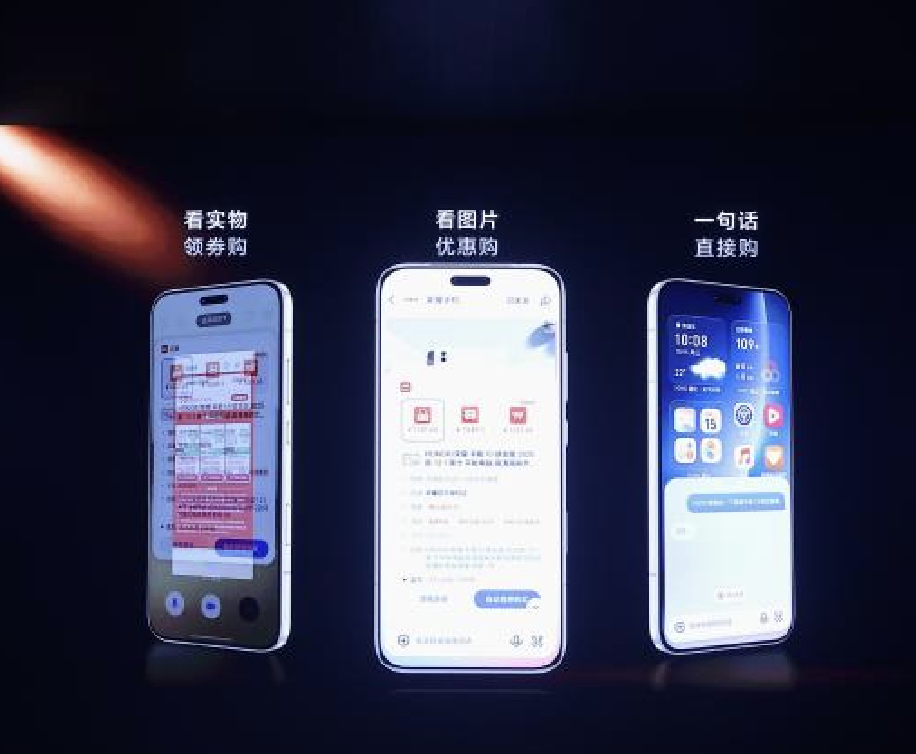
Core Viewpoint - The article discusses the evolving landscape of AI in the smartphone industry, highlighting the shift from large-scale model competition to practical applications and cost-effective solutions among Chinese manufacturers, contrasting with the strategies of leading US companies like OpenAI and NVIDIA [3][4]. Group 1: AI Development Strategies - Chinese smartphone manufacturers are moving away from competing on large model parameters and are focusing on deploying smaller models that enhance practical applications [3][4]. - The cost of developing large AI models is prohibitively high, with estimates suggesting that creating models with 400 billion parameters could require investments of up to 50 billion yuan, including significant ongoing electricity costs [13][14]. Group 2: Practical Applications of AI - Companies like Honor are showcasing AI capabilities that allow smartphones to predict user actions and streamline interactions, significantly improving user experience [6][9]. - Vivo and OPPO are also exploring AI applications, with Vivo's AI capable of processing long contexts and OPPO focusing on AI memory capabilities to help users manage information overload [10][12]. Group 3: Challenges in AI Implementation - The smartphone industry faces challenges such as power consumption, computational demands, and cost pressures, which have hindered significant sales growth despite AI advancements [11][13]. - The need for additional hardware, such as independent NPU chips, increases costs by 15%-20%, further complicating the profitability of AI integration in smartphones [13]. Group 4: Future Trends and Market Potential - The number of AI-supported scenarios in smartphones is rapidly increasing, with Honor reporting a growth from 200 to 3000 scenarios in just three months, indicating a strong trend towards AI integration [16][17]. - By 2029, it is projected that 57% of smartphones will support generative AI, with Chinese brands playing a crucial role in this transition [17].


AI智能体试水“抢购物券” 手机厂商转向:不拼参数拼应用
Di Yi Cai Jing· 2025-10-18 10:49
Core Insights - The article discusses the evolving landscape of AI in the smartphone industry, particularly focusing on Chinese manufacturers adapting to new strategies in AI application development and deployment [1][10]. Group 1: AI Development Strategies - U.S. AI companies are creating a new ecosystem by investing in computational power for large model applications, with OpenAI and NVIDIA leading the charge [1]. - Chinese manufacturers are shifting their focus from competing on large model parameters to utilizing smaller models for practical applications, emphasizing cost-effectiveness and real-world usability [1][2]. - The development of AI capabilities in smartphones is increasingly centered on enhancing user experience through practical applications rather than merely increasing computational power [10]. Group 2: Practical Applications of AI - Chinese smartphone brands are showcasing advancements in AI that allow for proactive user interactions, such as predicting user actions and automating tasks [3][4]. - Honor's CEO highlighted the ability of AI to enhance user experience by simplifying complex tasks into single-step actions, demonstrating the practical benefits of AI integration [3][4]. - Vivo and OPPO are also exploring AI applications, with Vivo focusing on content organization and OPPO developing features for automatic bill recognition and memory assistance [5][4]. Group 3: Challenges in AI Implementation - Despite initial successes, the smartphone industry faces challenges such as power consumption, computational demands, and cost pressures that hinder widespread AI adoption [7][8]. - The need for additional investments in specialized hardware, such as NPU chips, increases costs significantly, impacting profit margins for manufacturers [8]. - The reliance on cloud support for complex tasks indicates that current mobile AI capabilities are still limited, necessitating further development [7]. Group 4: Market Trends and Future Outlook - The number of AI-supported scenarios in smartphones is rapidly increasing, with manufacturers reporting significant growth in the capabilities of their AI systems [9]. - The trend towards integrating AI into smartphones is expected to continue, with projections indicating that the percentage of smartphones supporting generative AI will rise significantly by 2029 [9]. - The article concludes that Chinese smartphone manufacturers are at the forefront of AI development, with their focus on practical applications potentially leading to a new commercial cycle in the industry [10].
AI智能体试水“抢购物券”,手机厂商转向:不拼参数拼应用
Di Yi Cai Jing· 2025-10-18 10:44
Core Insights - The article discusses the shift in the Chinese AI market from competing on large model parameters to focusing on practical applications and smaller models, emphasizing cost-effectiveness and usability [1][11] - Chinese smartphone manufacturers are increasingly integrating AI capabilities into their devices, enhancing user experience through features like proactive assistance and improved interaction methods [2][5][10] Group 1: Industry Trends - Chinese companies are moving away from the costly race to build massive AI models, recognizing the unsustainable nature of such investments [1] - The focus has shifted to developing smaller, more efficient models that can be applied in real-world scenarios, allowing for faster deployment and better user experience [1][11] - The introduction of DeepSeek's open-source model has leveled the playing field, enabling smaller models to achieve comparable AI capabilities [8] Group 2: Technological Advancements - AI integration in smartphones is advancing, with features that allow for one-click operations and proactive suggestions based on user behavior [2][5] - Companies like Honor and Vivo are reporting significant increases in the number of AI-supported scenarios, indicating rapid growth in AI application [9] - The development of AI capabilities is not only about enhancing performance but also about optimizing hardware efficiency and user interaction [5][6] Group 3: Challenges and Considerations - Despite advancements, the industry faces challenges related to power consumption, computational demands, and cost pressures, which have hindered significant sales growth in smartphones [7][8] - The need for additional investments in specialized hardware, such as NPU chips, poses a risk to profit margins for smartphone manufacturers [8] - The industry is recognizing that merely increasing computational power is not a viable long-term strategy; practical application and user experience are becoming the primary focus [8][11]
OPPO操作系统全面升级 手机跨生态之争提速
Zheng Quan Ri Bao Wang· 2025-10-18 03:02
Core Viewpoint - OPPO's release of the ColorOS 16 operating system marks a significant shift towards a "cross-device ecosystem" strategy amid peak industry growth and heightened competition, moving the focus from hardware specifications to an AI-driven, all-scenario smart ecosystem [1] Group 1: ColorOS 16 Features - The core upgrades of ColorOS 16 focus on "seamlessness" and "intelligence," enabling free flow of computing power, data, and services across devices such as smartphones, tablets, computers, smartwatches, and cars [2] - The "seamless" experience liberates users from device constraints, allowing functionalities like answering phone calls on tablets and transferring navigation tasks to car screens, creating a user-centered computing network [2] - AI capabilities are deeply integrated into ColorOS 16, serving as a connective tissue across all ecosystem devices and understanding user intent [2] Group 2: Competitive Landscape - Major manufacturers like Honor and Vivo are also enhancing their ecosystems through AI and operating system upgrades, recognizing that a single smartphone product is no longer a competitive advantage [3] - The competition has evolved from "phone vs. phone" to "ecosystem vs. ecosystem," with operating systems becoming the foundation for personal AI assistants and enhancing user experience [3] - Unlike Apple's closed ecosystem, Android manufacturers are more inclined to collaborate while building their core ecosystems, as seen in the formation of the "Golden Standard Alliance" to promote interoperability [3] Group 3: Strategic Challenges - OPPO and other smartphone manufacturers face the challenge of competing against Apple's established ecosystem in the high-end market while balancing their own interests with those of partners in an open collaboration environment [4] - Building a robust ecosystem requires sustained focus on technology development and user experience, along with attracting developers to create dedicated applications for the operating system [4] - Strategic partnerships with industry leaders in smart automotive and smart home sectors are essential for expanding ecosystem capabilities beyond simple agreements [4]
9点1氪:多方辟谣“杨振宁逝世传闻”;黄仁勋称英伟达中国份额从95%降至0;多家银行公告:长期不动账户将被清理
36氪· 2025-10-18 01:19
Core Viewpoint - Recent rumors about the death of renowned physicist Yang Zhenning have been debunked by multiple sources, including West Lake University, where he serves as honorary chairman [4]. Group 1: Market Reactions and Events - The iPhone Air sold out within 5 minutes of its pre-sale launch in China, indicating strong consumer demand [5]. - BYD announced a recall of 115,783 vehicles, including models from the Tang and Yuan Pro series, due to safety concerns [6]. - The price of gold jewelry in China is approaching 1,300 yuan per gram, with recent increases attributed to rising global gold prices [8]. Group 2: Corporate Developments - Nvidia's CEO Huang Renxun stated that the company has completely exited the Chinese market due to U.S. export controls, reducing its market share from 95% to 0% [5]. - Alibaba and Ant Group jointly invested $925 million to establish their headquarters in Hong Kong, aiming to expand their international business [7]. - The Chinese market regulator reported that 3,230 vehicle recalls were implemented this year, affecting 120 million vehicles, with a significant portion related to new energy vehicles [6]. Group 3: Legal and Regulatory News - A court ruled that Mengniu's packaging infringed on Yili's design, resulting in a compensation of 5 million yuan [9]. - Hainan Huatie has been placed under investigation by the China Securities Regulatory Commission for alleged information disclosure violations [10].
9点1氪|多方辟谣“杨振宁逝世传闻”;黄仁勋称英伟达中国份额从95%降至0;多家银行公告:长期不动账户将被清理
3 6 Ke· 2025-10-18 01:03
Core Points - Recent news regarding the death of renowned physicist Yang Zhenning has been debunked, with officials from West Lake University confirming no such notification has been received [2] - NVIDIA's CEO Jensen Huang stated that due to U.S. export controls, NVIDIA has completely exited the Chinese market, reducing its market share from 95% to 0% [2] - Several banks have announced the cleaning of "long-term inactive accounts," with specific criteria for account management being implemented [3][4] Group 1: Company News - iPhone Air sold out within 5 minutes of pre-order in mainland China, with no stock available in retail stores [3][4] - BYD has initiated a recall of 115,783 vehicles, including specific models of the Tang and Yuan Pro series [5] - Alibaba and Ant Group have jointly invested $925 million to establish their headquarters in Hong Kong, aiming to expand international business [6] Group 2: Regulatory and Market Developments - The State Administration for Market Regulation has introduced a reporting system for fire incidents involving new energy vehicles [5] - The price of gold jewelry in China has surged, with some brands nearing 1,300 yuan per gram due to rising spot gold prices [7] - The Chinese government has implemented a new reporting system for automotive recalls, with 3,230 recalls affecting 120 million vehicles reported so far this year [5] Group 3: Technology and Innovation - Microsoft is testing AI features in its latest Windows 11 operating system to encourage user upgrades [17] - Oracle announced that its AI cloud projects could achieve a gross margin of 35%, with $650 billion in new orders signed recently [19] - OPPO has officially launched the Find X9 series, starting at 4,399 yuan, featuring the Dimensity 9500 flagship chip [20]

9点1氪|施一公回应“杨振宁逝世传闻”;黄仁勋称英伟达中国份额从95%降至0;多家银行公告:长期不动账户将被清理
3 6 Ke· 2025-10-18 01:02
Group 1 - Nvidia's CEO Jensen Huang stated that due to U.S. export controls, Nvidia has completely exited the Chinese market, reducing its market share in China from 95% to 0% [2][3] - Multiple banks have announced the management and potential clearing of "long-term inactive accounts," with specific criteria such as account balances below 10 yuan and no transactions for over a year [2][3] - The National Market Supervision Administration reported that as of September, there have been 3,230 vehicle recalls in China, affecting 120 million vehicles, with 652 recalls influenced by investigations from the administration [2][5] Group 2 - BYD has initiated a recall of 115,783 vehicles, including 44,535 units of the 2015 Tang series and 71,248 units of the Yuan Pro electric vehicles produced between 2021 and 2022 [5][6] - Alibaba and Ant Group have jointly invested $925 million (approximately 6.6 billion yuan) to establish their Hong Kong headquarters, aiming to expand international business [6] - The price of gold jewelry in China has surged, with the latest quotes for gold ornaments nearing 1,300 yuan per gram, reflecting a significant increase in gold prices [7][8] Group 3 - Oracle's co-CEO announced that the company has signed new cloud infrastructure contracts worth $65 billion in the last 30 days, with a remaining performance obligation exceeding $500 billion [18][19] - Microsoft is testing AI features in its latest Windows 11 operating system to encourage users to upgrade their personal computers [17][18] - OPPO officially launched the Find X9 series, starting at 4,399 yuan, featuring the Dimensity 9500 flagship chip [20]
AI应用泄露个人隐私?数据安全亟需构建三方“协作桥”
Zhong Guo Xin Wen Wang· 2025-10-17 16:08
Core Insights - The rapid development of artificial intelligence (AI) has led to increased privacy risks for users, as their personal data is often exploited without consent [1][3] - A collaborative effort among smart terminal manufacturers, app developers, and users is essential to ensure data privacy and security [1][4] Group 1: AI Development and Privacy Risks - AI's explosive growth relies on vast amounts of user data, which raises significant privacy concerns [1] - The National Cybersecurity Center of China reported multiple mobile applications involved in illegal collection and use of personal information, many of which are related to AI models [1][3] Group 2: Security Measures and Challenges - A joint white paper predicts a fundamental shift in mobile agent security architecture from "external" to "internal" protection, emphasizing the need for hardware and system restructuring [2] - The white paper identifies three core challenges for mobile agent security technology: computational overhead from encryption affecting user experience, the diversity of hardware platforms complicating standardization, and unpredictable security incidents due to autonomous decision-making [3] Group 3: Regulatory and Standardization Efforts - Regulatory bodies are intensifying personal information protection measures, pushing for data collection practices to become minimal, necessary, transparent, and controllable [3] - Experts suggest that initial standards and regulations should be established and continuously revised to keep pace with AI technology advancements [4]
OPPO发布年度旗舰Find X9系列,Pro卫星通信版支持eSIM业务
Guo Ji Jin Rong Bao· 2025-10-17 13:50
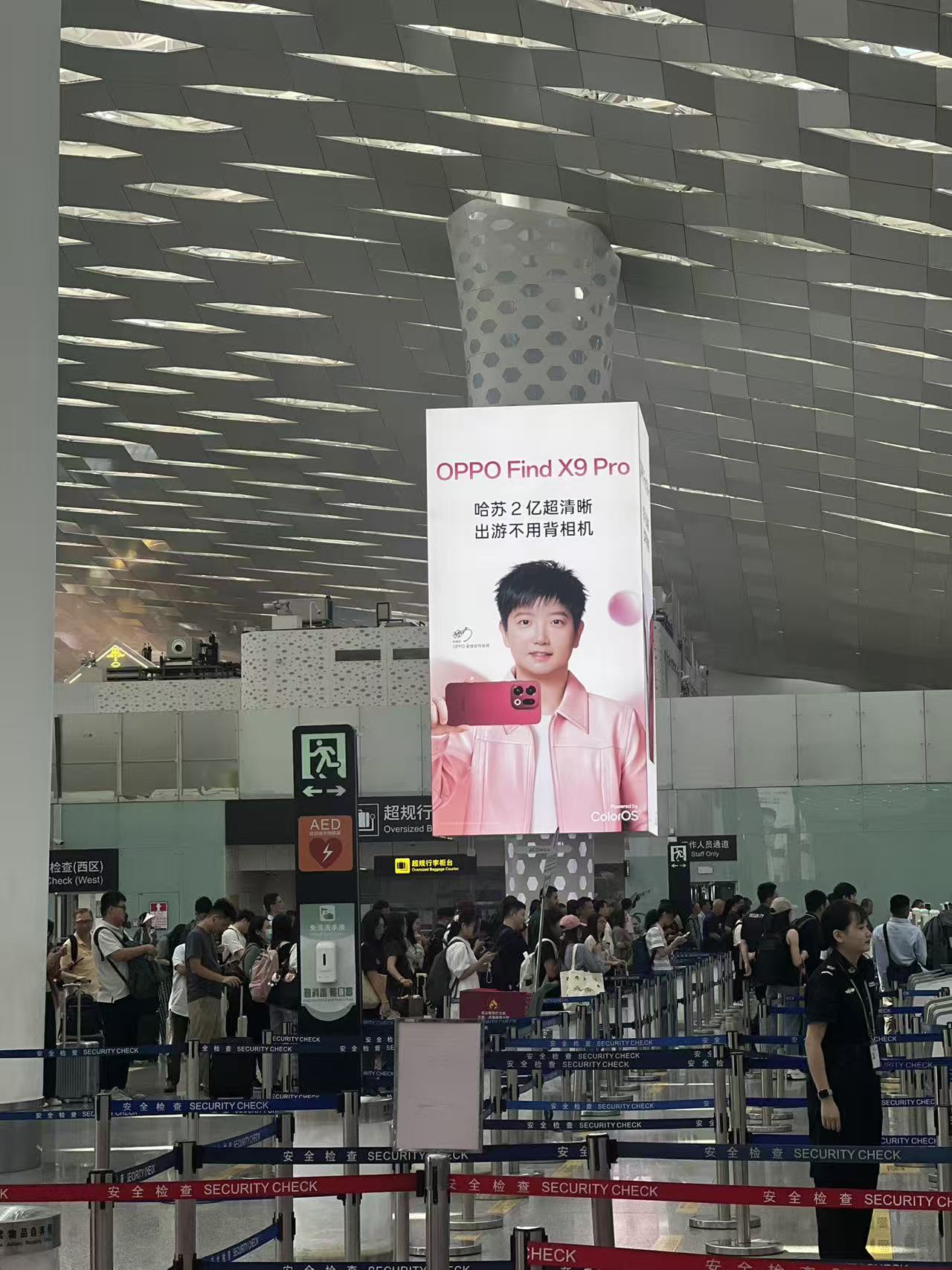
Core Insights - OPPO has launched its annual flagship Find X9 series, featuring the Dimensity 9500 chip and the new OPPO AI operating system, ColorOS 16, which includes various AI functionalities [1][4] - The Find X9 series emphasizes its imaging capabilities, showcasing a new Hasselblad ultra-clear quad-camera system and supporting 8K photos and 4K live photos [1][4] - The series includes three models: Find X9, Find X9 Pro, and Find X9 Pro satellite communication version, with prices ranging from 4399 yuan to 6699 yuan [4] Product Features - The Find X9 series is equipped with a dedicated AI button for features like long video summaries and real-time object recognition [1] - The Find X9 Pro satellite communication version will support eSIM technology, making it the second smartphone in China to do so after Apple's iPhone Air [4][5] - eSIM technology allows users to switch between multiple carrier profiles on the same device, enhancing convenience and connectivity [5] Market Context - The Find series has been a high-end product line for OPPO since its inception in 2018, with the Find X series being a significant milestone for the brand [4] - eSIM technology is expected to see explosive growth, with projections indicating around 1 billion eSIM smartphone connections by the end of 2025, and approximately 6.9 billion by 2030 [5][6] - Apple has been a key player in the development of eSIM technology, having introduced it in its devices since 2014, and has recently expanded its support in the Chinese market [6]
广发银行东莞分行深耕科创沃土,赋能东莞制造业当家
2 1 Shi Ji Jing Ji Bao Dao· 2025-10-17 13:25
Core Viewpoint - Dongguan is actively pursuing a new journey of "technological innovation + advanced manufacturing," with Guangfa Bank's Dongguan branch providing comprehensive financial support to local enterprises for high-quality economic development [2][5]. Group 1: Financial Support for Enterprises - Guangfa Bank's Dongguan branch has developed a systematic and full-cycle "Guangfa Sci-Tech Financial Service Model" to support the growth of sci-tech enterprises [2]. - A national high-tech enterprise in Dongguan is planning to invest over 500 million yuan in its "smart manufacturing base" project, which is crucial for its strategic transformation [2]. - Guangfa Bank has significantly increased its credit support for this enterprise from 30 million yuan to 140 million yuan, addressing urgent funding needs and reducing financing costs [2]. Group 2: Tailored Financial Solutions - The bank has provided over 100 million yuan in loans to the enterprise, enabling it to focus on technology research and market expansion [2]. - In the Songshan Lake High-tech Zone, the bank extended its services to a newly established subsidiary of a core supplier for major global brands, overcoming traditional collateral limitations by offering 200 million yuan in pure credit [3]. - A loan of 100 million yuan was successfully issued to meet the subsidiary's raw material procurement needs for peak season orders [3]. Group 3: Service Model Evolution - Guangfa Bank has transitioned from single-client support to empowering entire industrial chains, evolving from providing working capital to offering comprehensive financial accompaniment for strategic transformations [4]. - The bank aims to continue enhancing its sci-tech financial service system and systematically promote successful experiences derived from serving "technological innovation + advanced manufacturing" [5].