
联影医疗

Search documents
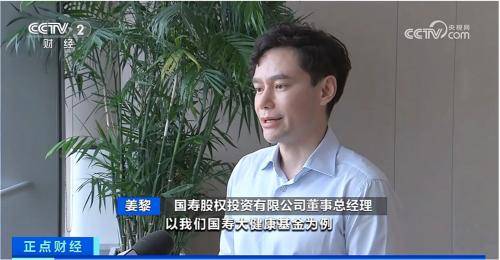
国寿股权投资向新 亮相央视专题采访
Sou Hu Cai Jing· 2025-07-10 12:10
Core Viewpoint - The company has been recognized for its innovative practices in the new productive forces and silver economy sectors, showcasing its role in supporting the real economy and technological innovation through insurance capital [1][2]. Group 1: Investment Initiatives - The company has established the first domestic insurance private equity investment fund, the Guoshou Health Fund, with a total scale of 50 billion yuan, focusing on core areas such as biomedicine, artificial intelligence, and semiconductors [2]. - The Guoshou Health Fund has invested in over 60 projects, successfully assisting more than 20 companies to go public, with a total market value of nearly 1 trillion yuan for the listed companies [2]. - The company has launched a silver economy industry investment fund with a total scale of 10 billion yuan, aimed at supporting the national strategy to address population aging [2]. Group 2: Achievements and Recognition - The company and its managed funds have received numerous industry awards, including six consecutive appearances on the China Securities Journal's "Golden Bull List" and nine Golden Bull Awards in total [4]. - The company has been recognized for five consecutive years with the "Insurance Ark Award" by the Securities Times and has been listed among the top 30 venture capital and private equity investment institutions in the medical and health sector by the 21st Century Business Herald for four years [4]. - As of June 2025, the company has accumulated over 200 awards, reflecting its professional strength and market influence [4].

上证科创板医疗指数报741.74点,前十大权重包含亚辉龙等
Sou Hu Cai Jing· 2025-07-10 09:33
Core Points - The Shanghai Stock Exchange Science and Technology Innovation Board Medical Index (科创医疗) reported a value of 741.74 points, showing a trend of opening lower and then rising [1] - The index has increased by 0.39% over the past month, 3.47% over the past three months, and 2.28% year-to-date [2] - The index consists of no more than 30 listed companies in the medical field selected from the Science and Technology Innovation Board, reflecting the overall performance of medical listed companies [2] Index Composition - The top ten weighted companies in the index are: - 惠泰医疗 (10.85%) - 联影医疗 (9.4%) - 热景生物 (7.71%) - 奕瑞科技 (6.88%) - 爱博医疗 (6.07%) - 南微医学 (5.08%) - 圣湘生物 (4.63%) - 心脉医疗 (4.45%) - 海尔生物 (3.82%) - 亚辉龙 (3.27%) [2] Market and Sector Breakdown - The index is fully composed of companies listed on the Shanghai Stock Exchange, with a sector breakdown of: - Medical consumables: 42.55% - Medical devices: 29.61% - In-vitro diagnostics: 27.84% [3] - The index samples are adjusted quarterly, with adjustments occurring in March, June, September, and December [3]

国泰海通证券-产业策略:2025下半年医药产业政策展望,保基本、强创新-250710
GUOTAI HAITONG SECURITIES· 2025-07-10 07:42
Investment Rating - The report does not explicitly state an investment rating for the industry Core Insights - The policy direction focuses on "ensuring basic needs and strengthening innovation," aiming to enhance accessibility and affordability of medical products and services while promoting innovation across the pharmaceutical industry [4][7] - The support for innovative drugs continues to increase, with measures to enhance their quality development and integration into insurance systems [12][13] - The report highlights the ongoing collection and procurement processes for various drug categories, including generic drugs, traditional Chinese medicine, and high-value consumables, indicating a trend towards optimization and expansion [21][24][31] Summary by Sections 1. Top-Level Design Direction - The central government has issued guidelines to enhance social security and improve public services, particularly in the healthcare sector, emphasizing the need for equitable access to medical resources [7][8] 2. Support for Innovative Drugs - The National Healthcare Security Administration (NHSA) and the National Health Commission have released measures to support the high-quality development of innovative drugs, including multi-channel payment systems and international promotion [12][13] - The introduction of a separate payment mechanism for long-term and high-cost drugs is being implemented in various provinces, enhancing accessibility for patients [14][16] 3. Generic Drugs - The report anticipates optimization of the rules for the 11th batch of drug procurement, which is expected to take place in 2025, focusing on quality and price adjustments [21][23] 4. Traditional Chinese Medicine - The procurement rules for traditional Chinese medicine are becoming clearer, with expectations for quality improvements and market expansion [24][26] 5. High-Value Consumables - The report notes that most high-value consumable procurement has been completed, with ongoing attention to key product renewals and the expansion of procurement coverage [31][32] 6. In Vitro Diagnostics (IVD) - The report discusses the dual approach of alliance procurement and service price governance, indicating a comprehensive strategy to enhance the IVD sector [35][38] 7. Industry Regulation - Regulatory measures are being strengthened to guide high-quality development in the healthcare sector, including ongoing efforts to combat corruption and ensure compliance among medical institutions and retail pharmacies [8][9] 8. Real-Time Medical Insurance Settlement - The NHSA plans to implement real-time settlement of basic medical insurance funds by the second half of 2025, which is expected to alleviate cash flow pressures for medical institutions [9][10]
科创医药ETF嘉实(588700)近2周新增规模同类第一!机构:创新药出海趋势将长期持续
Sou Hu Cai Jing· 2025-07-10 05:50
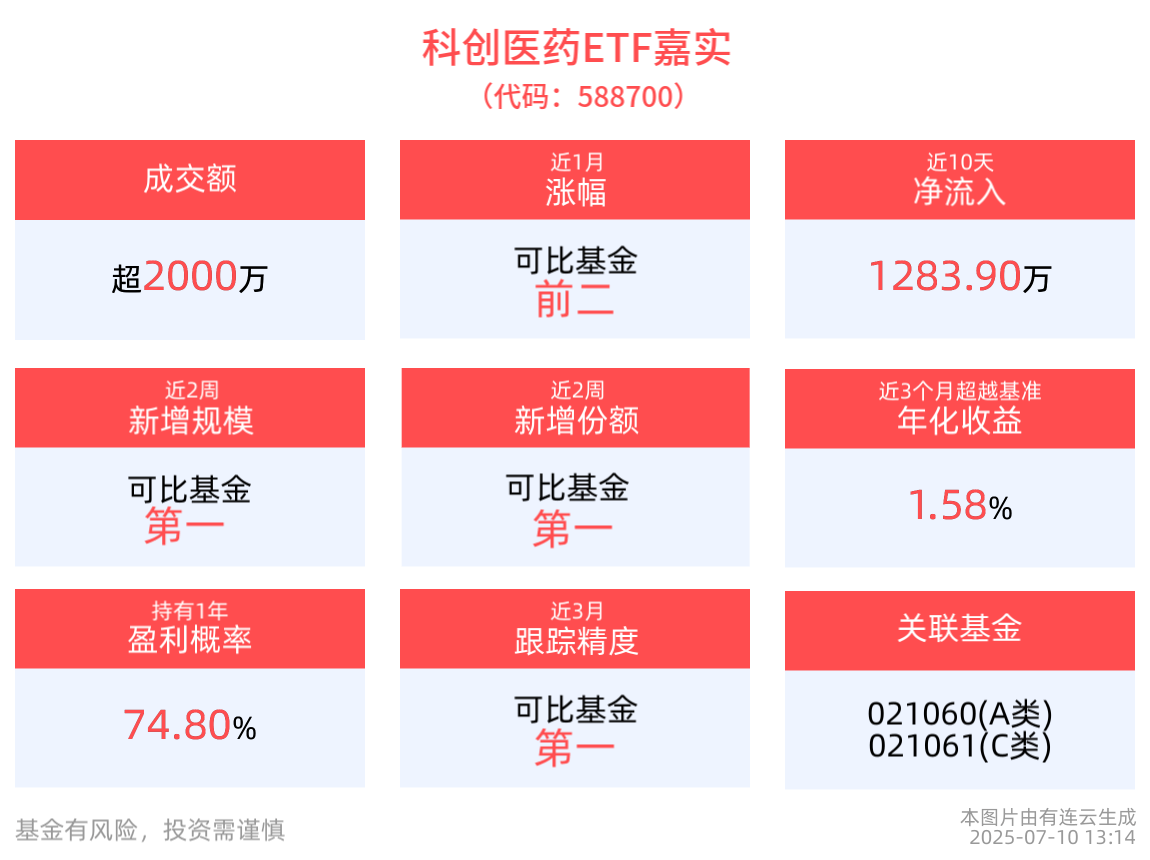
Group 1 - The core viewpoint highlights the significant growth and performance of the Kexin Pharmaceutical ETF managed by Jiashi, with a notable increase in trading volume and fund size [2] - As of July 9, the Kexin Pharmaceutical ETF achieved a daily average trading volume of 34.95 million yuan over the past month, ranking first among comparable funds [2] - The fund's size increased by 16.76 million yuan in the past two weeks, also ranking first among comparable funds [2] - The ETF saw a total inflow of 12.84 million yuan over the last ten trading days, indicating strong investor interest [2] - The net value of the Kexin Pharmaceutical ETF rose by 36.83% over the past year, showcasing its strong performance [2] Group 2 - The top ten weighted stocks in the Shanghai Stock Exchange Science and Technology Innovation Board Biopharmaceutical Index account for 50.3% of the index, with leading companies including United Imaging Healthcare and BeiGene [2][4] - On July 9, Shanghai Pharmaceuticals announced an expected net profit of 4.45 billion yuan for the first half of 2025, representing a year-on-year increase of approximately 52% [4] Group 3 - Short-term market expectations for overseas transactions in innovative drugs are high, leading to a continuous rise in valuations [5] - China's innovative drug research and development capabilities are competitive globally, and the trend of innovative drugs going overseas is expected to persist [5] - The commercial health insurance sector in China is anticipated to see significant growth in premium income and payout rates, becoming an important source of funding for innovative drugs [5]




上证科创板50成份指数下跌0.89%,前十大权重包含九号公司等
Jin Rong Jie· 2025-07-09 08:10
Group 1 - The A-share market's three major indices closed mixed, with the STAR Market 50 Index (STAR 50) down by 0.89% to 983.11 points, with a trading volume of 20.414 billion yuan [1] - The STAR 50 Index has seen a slight increase of 0.03% over the past month, a rise of 5.52% over the past three months, and a year-to-date increase of 0.30% [1] - The STAR 50 Index consists of 50 securities from the STAR Market with high market capitalization and liquidity, reflecting the overall performance of representative STAR enterprises [1] Group 2 - The top ten weighted stocks in the STAR 50 Index include: SMIC (10.33%), Haiguang Information (8.51%), Cambricon (7.57%), Lattice Semiconductor (6.34%), Zhongwei Company (5.39%), United Imaging (4.23%), Kingsoft Office (4.22%), Transsion Holdings (2.35%), Ninebot (2.26%), and Chipone (2.19%) [1] - The STAR 50 Index is entirely composed of stocks listed on the Shanghai Stock Exchange, with a sector breakdown showing 68.83% in Information Technology, 11.80% in Healthcare, 11.66% in Industrials, 4.39% in Consumer Discretionary, 2.66% in Materials, and 0.66% in Consumer Staples [2] - The STAR 50 Index undergoes quarterly adjustments, with changes implemented on the next trading day following the second Friday of March, June, September, and December, with a maximum adjustment of 10% [2]




人形机器人将加速落地,零部件估值有望提升
2025-07-09 02:40
Summary of Key Points from the Conference Call Industry Overview - The humanoid robot sector is experiencing rapid growth, with financing in June increasing by 140% month-over-month and 80% compared to the average from January to May, indicating a strong development trend in the industry [1][4] - The industry landscape is consolidating, with an increasing proportion of financing going to complete machine manufacturers, while the share of component and model companies is declining, suggesting a rise in demand for components driven by complete machine manufacturers [1][5] Core Insights and Arguments - Major investments have been made in humanoid robot companies, such as Yush Robot receiving approximately 700 million yuan from Tencent, Alibaba, and China Mobile, and Galaxy General securing 1 billion yuan in Series B financing from CATL, reflecting high market recognition for humanoid robot enterprises [1][6] - The industry is expected to see an increase in order volume and production capacity, leading to improved valuations and certainty for outstanding companies, which will help alleviate the issue of component price deflation [1][7][8] - Vertical applications are becoming increasingly important in the robotics industry, with specialized robots for delivery and forklifts gaining traction, indicating a clear understanding of the need for commercial viability and profitability [1][9] Additional Important Content - Concerns in the market regarding the humanoid robot sector stem from internal personnel changes and order delays at Tesla, which may impact the sector's outlook; however, these changes are viewed as necessary for enhancing the quality of hardware and software [3] - The market is expected to accelerate rather than delay, supported by strong financing data and significant investments in leading companies [4][7] - The focus on vertical applications is shifting from large models to smaller, specialized applications, with specialized robots receiving the most financing, surpassing humanoid robots and components [9][10] - The development of unmanned forklifts has seen significant changes in cost and technology, but the secondary market's understanding and attention remain lower than expected, which may improve as more companies go public [2][12] Notable Companies and Financing - Key humanoid robot companies to watch include Yush Robot, Galaxy General, and Lingbao, all of which have received substantial investments and are advancing their commercialization processes [6][13] - Attention is also drawn to application scenarios such as unmanned delivery vehicles and industrial sewing machines, as well as leading component manufacturers like Wuzhou Xinchun and Zhenyu Technology, which are expected to gain short-term recognition due to ongoing financing [13]

财经观察:中方限制采购欧盟医疗器械,影响有多大?
Huan Qiu Shi Bao· 2025-07-08 22:46
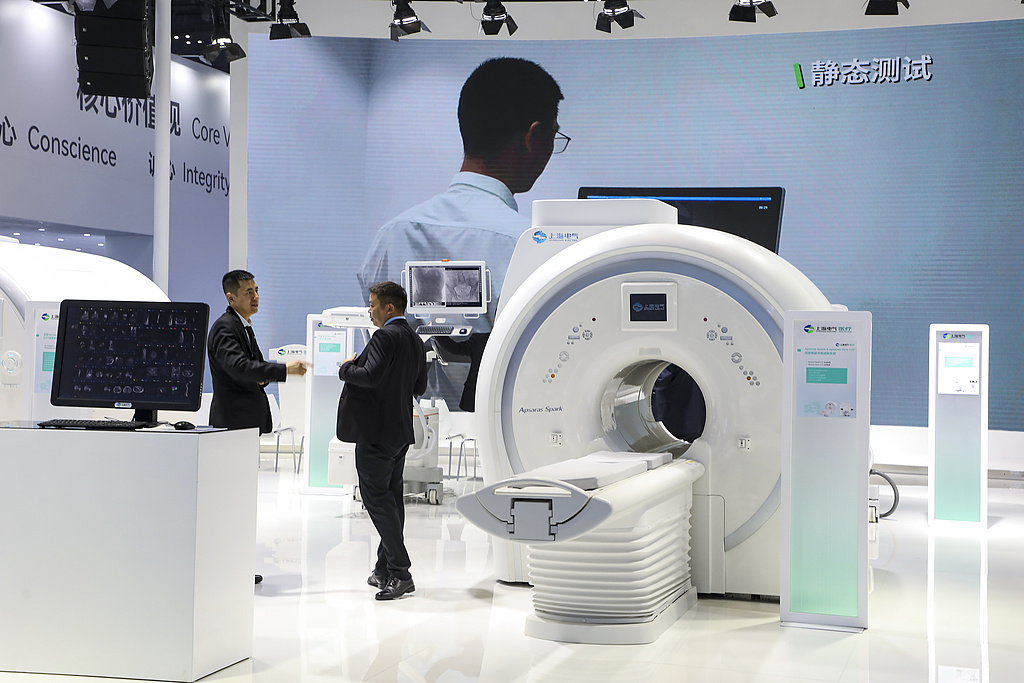
Core Viewpoint - China has implemented restrictions on medical device procurement from European companies in response to similar measures taken by the EU against Chinese firms, indicating a tit-for-tat approach in trade relations [1][5]. Group 1: Government Procurement Measures - The Ministry of Finance announced that for medical device procurement budgets exceeding 45 million RMB, EU companies will be excluded from participation, except for EU-funded enterprises operating in China [2][4]. - The measures specifically target 50 types of medical devices imported from the EU, including both everyday medical instruments and high-end equipment like MRI and X-ray diagnostic devices [4][6]. Group 2: Impact on Domestic Industry - The restrictions are expected to significantly impact high-end medical device manufacturers from the EU, while domestic companies are increasingly filling the market gap with competitive products [5][6]. - Currently, imported medical devices account for 40% of a typical domestic company's business, with only 10% coming from the EU, indicating a shift towards non-EU suppliers [4][6]. Group 3: Future Trends in Domestic Medical Device Market - The domestic medical device industry is projected to see an increase in the replacement rate of imported products, with estimates suggesting that 60% to 80% of devices priced around 5 million RMB can be sourced domestically [7][8]. - The market for high-end medical devices is expected to grow significantly, with projections indicating that by the end of the 14th Five-Year Plan, the market size could reach approximately 2.27 trillion RMB, accounting for 28% of the global market [8][9].
政策、市场、资本、人才四轮驱动 创新医疗器械产业发展动力足
Zheng Quan Ri Bao· 2025-07-08 15:43
Group 1: Industry Overview - In the first half of the year, China approved 43 innovative drugs and 45 innovative medical devices, representing year-on-year growth of 59% and 87% respectively, indicating that reform policy dividends are transforming into industrial development momentum [1] - The innovative medical device market in China is rapidly growing, with the number of approved innovative medical devices increasing from 19 in 2019 to 65 in 2024 [2] - The overall market size of China's medical device market is projected to grow from 729.8 billion yuan in 2020 to 941.7 billion yuan in 2024, and is expected to reach 1,813.4 billion yuan by 2035 [2] Group 2: Drivers of Growth - The rapid development of China's innovative medical device industry is driven by four key factors: policy support, market demand, capital investment, and talent availability [3] - The National Medical Products Administration has implemented special review procedures and priority approval channels to significantly shorten the time to market for innovative products [3] - The aging population is increasing medical demand, and the reimbursement policies favoring domestic devices are expanding the grassroots market [3] Group 3: Local Government Initiatives - Local governments, such as those in Chongqing and Shenzhen, have issued action plans and measures to support the development of the medical device industry [4] Group 4: Company Engagement - Numerous listed companies are actively investing in the innovative medical device sector, with products from companies like Shanghai United Imaging Healthcare, Shenzhen Mindray Bio-Medical Electronics, and Shenzhen YHLO Biotech being recognized in high-end medical equipment promotion projects [5] - Guangzhou Jiutai Medical Technology, a subsidiary of Boji Pharmaceutical, specializes in clinical trials and registration services for high-risk medical devices, having provided services for nearly 20 innovative medical devices [5] - Guangdong Baolai Medical Technology recently launched new products, including the BioView anesthesia video laryngoscope and the S200 smart enteral nutrition pump, which has already received a Class II registration certificate [5] Group 5: Future Outlook - Listed companies are expected to enhance their R&D capabilities and accelerate the development and commercialization of innovative medical devices by increasing investment and collaborating with universities and research institutions [6] - To overcome core technology bottlenecks, companies need to focus on technological innovation and talent development while actively participating in international competition and cooperation [6]

聚焦高质量发展丨科创引领 湖北加速发展新质生产力
Xin Hua She· 2025-07-08 09:11
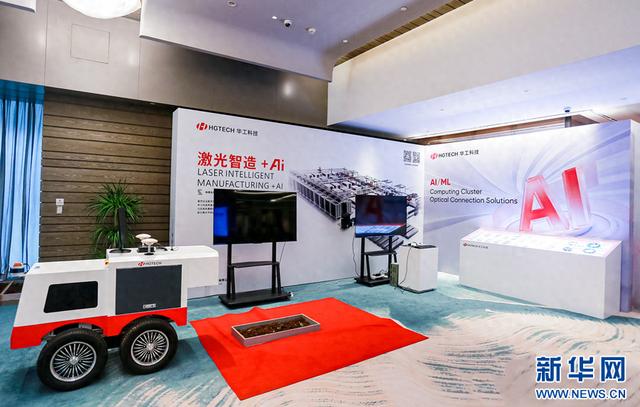
Core Viewpoint - Hubei province is actively implementing a science and technology innovation strategy to enhance its economic development and establish itself as a significant strategic hub in central China through innovation-driven growth [1][4]. Group 1: Company Innovations - Huagong Technology recently launched nine new products, including China's first all-weather intelligent laser weeding robot, which can achieve a weed removal rate of over 95% [1][3]. - The laser weeding robot can eliminate 10,000 weeds per hour with a mixed power solution, significantly improving weeding efficiency and is expected to recover its purchase cost in about three years [3][4]. - Huagong Technology has received four national science and technology progress awards and exports products to over 90 countries and regions [3]. Group 2: Industry Development - Hubei's "51020" modern industrial cluster is expanding, with three major industries—optoelectronic information, automotive manufacturing, and health—reaching trillion-level scales, and 19 industries at the billion-level [4][7]. - The province has established a comprehensive support system for technology innovation, including a full-chain support system for cultivating, selecting, and applying technological innovations [4][7]. - Hubei's economy grew by 6.3% year-on-year in the first quarter, surpassing the national average, with significant contributions from high-tech manufacturing, which saw an increase of 21.4% [7]. Group 3: Innovation Ecosystem - Hubei is building a "North Star" innovation system that integrates government, industry, academia, research, finance, and services, enhancing the conversion rate of scientific achievements from 37% to 67% over five years [8][9]. - The province has introduced policies to encourage innovation and tolerate failure, including a list of items for technology innovation fault tolerance and exemption [9]. - Financial institutions are launching specialized products to support small and medium-sized enterprises and technology companies, enhancing the accessibility of financial services [11].
联影医疗收盘上涨2.60%,滚动市盈率84.26倍,总市值1069.02亿元
Sou Hu Cai Jing· 2025-07-07 11:36
Core Viewpoint - The company, United Imaging Healthcare, has shown a significant increase in stock price and market capitalization, but its price-to-earnings (PE) ratio remains high compared to industry averages, indicating potential overvaluation [1][2]. Company Summary - United Imaging Healthcare's stock closed at 129.71 yuan, up 2.60%, with a rolling PE ratio of 84.26, marking a new low in 18 days and a total market capitalization of 106.90 billion yuan [1]. - The company operates in the medical device sector, providing high-performance medical imaging equipment, radiation therapy products, life science instruments, and digital healthcare solutions [1]. - As of the first quarter of 2025, the company had 117 institutional investors holding a total of 33,436.65 million shares, with a market value of 40.79 billion yuan [1]. Financial Performance - In the first quarter of 2025, the company reported revenue of 2.478 billion yuan, a year-on-year increase of 5.42%, and a net profit of 370 million yuan, up 1.87%, with a gross profit margin of 49.94% [2]. - The company's PE ratio is significantly higher than the industry average of 51.42 and the median of 37.44, indicating a potential premium valuation [2].
