小米

Search documents
五年砸千亿,小米终于把「组装厂」的标签撕了?
Sou Hu Cai Jing· 2025-09-26 12:43
Core Insights - The article discusses Xiaomi's transformation from a "assembly factory" to a "hardcore technology company," highlighting its strategic shift towards high-end products and self-developed technology [2][3][4] Group 1: Xiaomi's Strategic Shift - Xiaomi faced significant challenges in 2021, including declining revenue and market value dropping to around 500 billion, prompting a strategic pivot towards self-developed chips and electric vehicles [3][4] - The company has successfully developed its own 3nm chips and electric vehicles, significantly improving its market perception and increasing its market value to 1.5 trillion [3][4] Group 2: Competitive Landscape - In September, Xiaomi launched the Xiaomi 17 series ahead of schedule, showcasing confidence in its product capabilities despite competitive pressure from Apple's iPhone 17 [6][10] - Xiaomi's innovations, such as a new back screen and advanced battery technology, position it competitively against Apple, with the Xiaomi 17 featuring a 7000mAh battery and a peak brightness of 3500 nits [9][10] Group 3: High-End Market Strategy - Xiaomi aims to capture the high-end smartphone market, targeting to become the leading brand in the domestic high-end segment within three years [11][12] - The company has focused on product details, such as using high-quality materials and self-developed components, to enhance its brand perception and user experience [12][14] Group 4: Automotive Ventures - Xiaomi's electric vehicle, the SU7, has achieved significant sales success, surpassing Tesla's Model 3 in sales for nine consecutive months, indicating a strong market presence [13][14] - The company has positioned its vehicles in the luxury electric segment, with the SU7 starting at 215,900 yuan, emphasizing quality over low pricing [14] Group 5: R&D and Technological Advancements - Xiaomi has invested heavily in R&D, with plans to invest an additional 200 billion over the next five years, reflecting its commitment to technological innovation [18][19] - The company has become a leader in chip development, being the first in mainland China to design a 3nm flagship SoC, which enhances its competitive edge in the tech industry [16][18]


卫星通信产业拐点在即,谁先冲上千亿风口?
2 1 Shi Ji Jing Ji Bao Dao· 2025-09-26 12:27
Core Viewpoint - The recent successful launch of the sixth orbital plane of the Geely Constellation marks a significant milestone in China's satellite industry, reflecting a broader trend of rapid advancements and increased demand in the satellite communication sector [1]. Industry Developments - The satellite communication industry in China is transitioning from a phase characterized by "low volume, high cost" to one of "high demand, reduced costs," driven by multiple favorable factors [1]. - The market size for China's satellite communication is projected to exceed 80 billion yuan in 2023, with an expected annual compound growth rate of approximately 15% from 2024 to 2029, potentially reaching around 200 billion yuan by 2029 [1]. - The satellite internet market in China is anticipated to approach 100 billion yuan over the next five years, while global satellite internet market size is predicted to reach trillions by 2040 [1]. Policy and Regulatory Support - The Ministry of Industry and Information Technology (MIIT) has issued guidelines to optimize business access and promote the development of the satellite communication industry, setting a target of over 10 million satellite communication users by 2030 [3]. - The issuance of satellite mobile communication licenses to major telecom operators like China Unicom signifies a shift towards practical applications of satellite communication services [3][2]. Market Dynamics - The rapid deployment of satellite communication consumer terminals is exceeding expectations, with over 16 million units of domestic smartphones supporting direct satellite connections projected for 2024 [2][3]. - Major manufacturers such as Huawei and Xiaomi are actively developing satellite communication capabilities in their devices, indicating a growing consumer market [4]. Infrastructure Development - Significant infrastructure projects are underway, including the largest low-orbit satellite constellation plan in China, which aims to launch approximately 13,000 satellites by 2030 [5]. - The pace of satellite internet infrastructure development has accelerated, with six groups of low-orbit satellites successfully launched within a month, indicating a shift from anticipated demand to tangible growth [6]. Financial Performance and Opportunities - Companies in the upstream manufacturing sector are expected to be the first to report positive financial results as demand for satellite components increases [7]. - China Satellite (600118.SH) has shown signs of recovery, with a reduction in losses and increased delivery of satellite products, positioning it well for future growth [7][8]. - Shanghai Hanhua (300762.SZ) is projected to achieve significant revenue from low-orbit satellite-related businesses, with a high degree of revenue certainty from existing contracts [8][9]. Component Manufacturing - Tianyin Electromechanical, a leading manufacturer of satellite core components, is experiencing strong demand for its star sensors, which are critical for upcoming satellite launches [9][10]. - The profitability of Tianyin's star sensor business is notably high, with a gross margin of 31.23%, contributing to overall revenue growth for the company [9][10].




淘宝Vision未来旗舰店上海首店开业,正式开启全国布局
Xin Lang Ke Ji· 2025-09-26 11:45
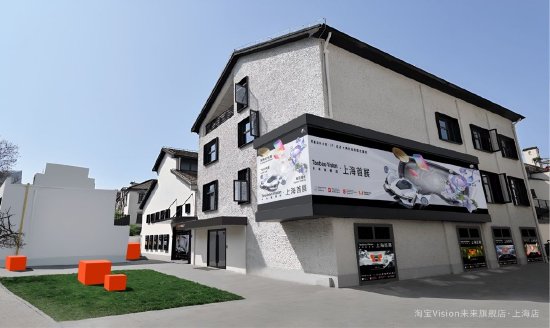
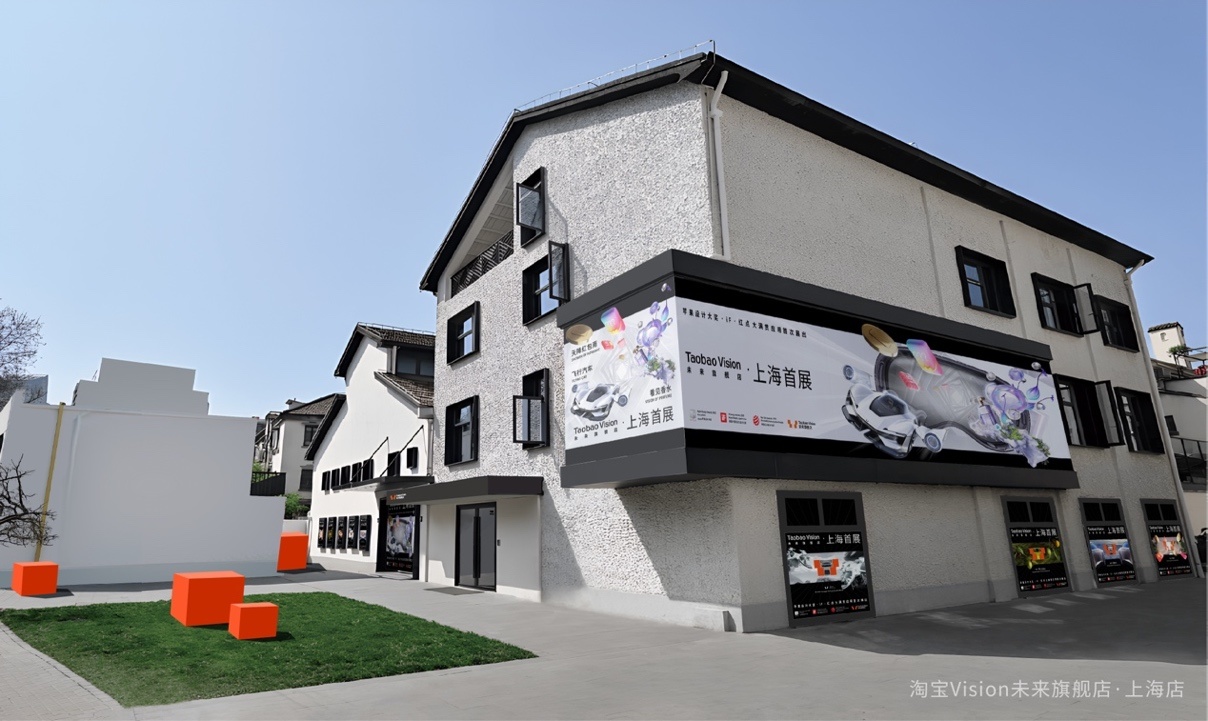
新浪科技讯 9月26日晚间消息,今日,淘宝Vision未来旗舰店上海首店开业。淘宝Vision未来旗舰店是淘 宝最新打造的未来购物空间,通过"AI+3D+XR"技术的融合,为品牌构建一个提升线下门店效率的解决 方案,支持品牌在有限空间里无限展示SKU,并供用户随心选配,带给消费者身临其境的体验。 "今天淘宝Vision未来旗舰店首次来上海,希望让更多消费者和商家体验到未来的购物技术。"启动仪式 上,淘宝网站和XR业务负责人赵昆与他1:1复刻的高斯数字人同台亮相,一起宣布上海店正式营业, 并且前两个月免费开放。 今年6月,淘宝Vision未来旗舰店首家概念店在阿里巴巴总部试运行。随着上海首店开业,淘宝Vision未 来旗舰店正式开启全国布局,深圳、长沙、郑州等城市的线下空间也将陆续亮相,在十一黄金周开门迎 客。 继和大疆、小米汽车、魅可、COLMO、Vidda、芝华仕等品牌深度合作空间试飞、空间试车、虚拟试 妆、智能家居等创新项目后,淘宝Vision又迎新的品牌合作:和寓义首创以"看见香水"为主题的"空间试 香",并和汇天一起打造了国内首个"飞行汽车"虚拟体验。 今年6月,淘宝Vision获2025年度苹果设计 ...

小米17商品介绍现塞尔达画面引质疑,相关图片已替换
3 6 Ke· 2025-09-26 11:10
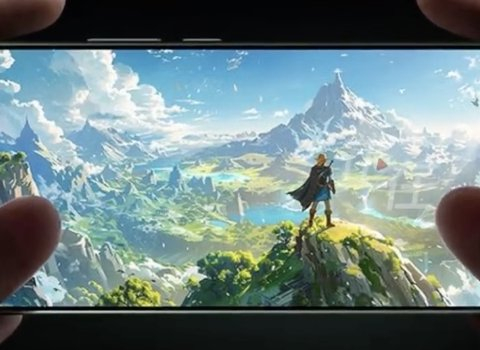
Core Points - Xiaomi officially launched the new Xiaomi 17 series on September 25, 2023 [1] - Controversy arose when images resembling the game "The Legend of Zelda," produced by Nintendo, were found in the product introduction, leading to questions about the appropriateness of using Nintendo's exclusive content [1] - As of September 26, Xiaomi had replaced the controversial images on its official store, but similar images remained on other e-commerce platforms [1] Company Summary - Xiaomi's product launch included the Xiaomi 17 series, which has drawn public attention due to the use of potentially misleading imagery [1] - The company responded to the backlash by quickly replacing the disputed images on its official platform [1] Industry Context - The incident highlights the ongoing challenges in the tech industry regarding intellectual property and the use of content from other companies, particularly in marketing [1] - The reaction from consumers and the swift action taken by Xiaomi may reflect the increasing scrutiny companies face over their marketing practices [1]
到底是谁在鼓动追觅俞浩造车?
3 6 Ke· 2025-09-26 09:58
Group 1 - The core viewpoint of the article highlights the challenges and ambitions of the new player in the automotive industry, Chasing, which aims to compete in the high-end electric vehicle market despite the difficulties faced by existing companies in the sector [1][2][3] - Chasing's automotive division is ambitious, targeting high-end brands like Bugatti and Rolls-Royce, with plans to launch multiple product lines and a focus on luxury and performance [6][7][9] - The company has a unique approach by establishing its first factory in Berlin, Germany, to leverage the local automotive supply chain and reduce costs, while aiming to launch its first production vehicle by 2027 [10][11] Group 2 - Chasing faces significant challenges in technology transfer from consumer products to automotive standards, as well as the need to establish a strong brand presence in the ultra-luxury market [15][19] - Financially, the company has reported revenues of approximately 15 billion yuan in 2024, but this may not be sufficient to cover the high costs associated with entering the automotive industry [20][22] - The founder of Chasing, Yu Hao, aspires to create a comprehensive ecosystem that includes not only automotive products but also smart home devices and astronomical exploration, indicating a broad vision for the company's future [23][25]
疯了,一个公司权重高达17%
水皮More· 2025-09-26 09:32
Group 1 - Contemporary market dynamics show larger companies, like CATL, outperforming smaller stocks, indicating a potential market distortion [1] - CATL's market capitalization reached 1.8 trillion, with a weight of 17.7% in the ChiNext Index, significantly influencing its performance [1][2] - The performance of small-cap stocks is lagging, as evidenced by the 0.21% decline in the CSI 2000 index over the past 20 days [1] Group 2 - The rapid growth of domestic ETF assets is notable, with the scale surpassing 1 trillion in October 2020, 2 trillion in August 2023, and projected to reach 3 trillion by September 2024 [4] - The trend indicates that investors should prioritize index-weighted stocks over non-component stocks when conditions are similar [4] - A significant copper mine accident is expected to reduce copper production by 35% in 2026, impacting global copper stocks positively [5] Group 3 - The domestic automotive industry is expanding internationally, indicating broader market opportunities [6] - Companies like JD.com and Xiaomi are heavily investing in AI and chip development, with Xiaomi committing at least 500 billion over the next decade for self-developed chips [7][10] - The market shows a strong interest in AI narratives, as seen with Alibaba's stock surge following an AI-focused meeting announcement [9]


每经热评 | 小米最需要改变的 或许是“雷军”这个符号
Mei Ri Jing Ji Xin Wen· 2025-09-26 09:28
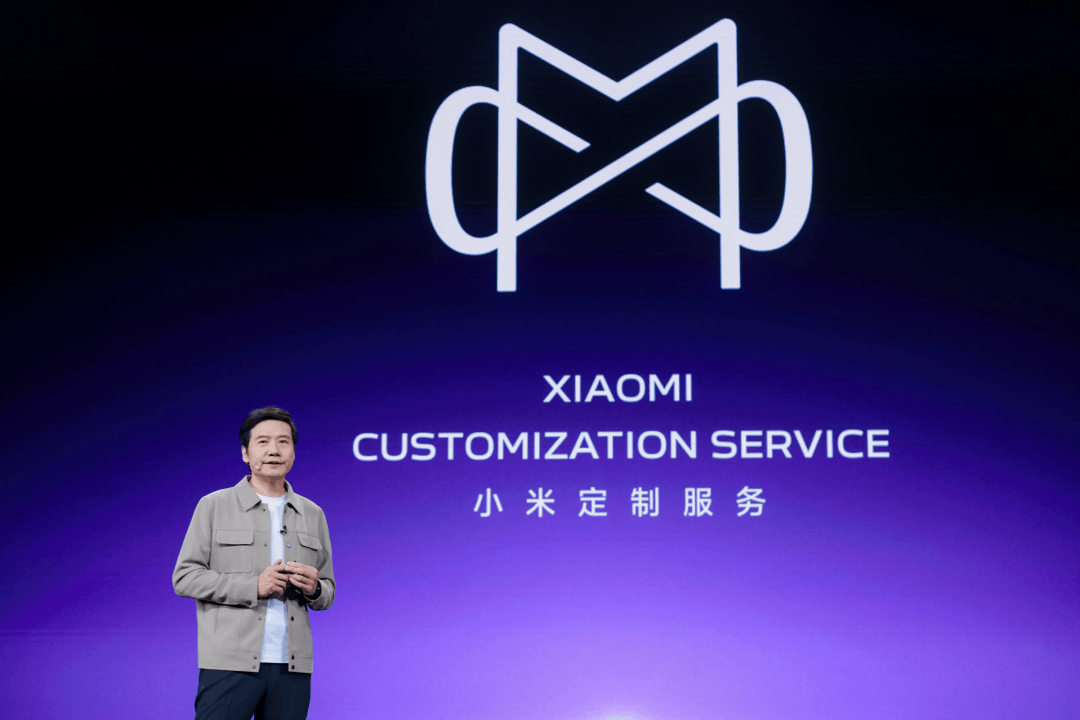
没有改变的,还是那个雷军。6年来,雷军的年度演讲已成为科技界的现象级事件。从"一往无前"到"改 变",这些演讲一次又一次地强化着雷军个人IP与小米品牌的深度绑定。 "五十来岁,正是闯的年纪。"9月25日晚,雷军用20分钟时间,动情地讲述他和老友凡客陈年的故事, 这成为他的2025年度演讲中令人印象深刻的段落。 随后,陈年的直播间迅速涌入成千上万的网友,并直接从抖音带货榜第20位冲到第2位。这位曾历经辉 煌,后欠债十亿元,又用十年默默还清的创业者,瞬间掩面哽咽落泪。 这一刻,两个相识28年多的老友,以一场跨越行业的"中年突围",共同诠释了何为"改变,任何时候都 不晚"。而改变,正是雷军的年度演讲主题。 毫无疑问,雷军的演讲非常成功。他还是那个讲故事的高手,这种能力已臻化境,甚至更上层楼。雷军 深谙"宏大叙事,微观切入"的法则,将造芯、造车、手机高端化三大艰深战略,转化为充满人情味的工 程师奋斗故事。通过环环相扣的三大故事,雷军精彩地勾勒出小米从一家互联网公司向硬核科技企业转 型的战略蓝图。这不仅是产品线的拓展,更是一场深刻的企业身份变革。 这种深度绑定,在年度演讲中达到巅峰。通过讲述个人低谷与成功故事,雷军将" ...
淘宝Vision未来旗舰店上海首店开业 可体验小米SU7虚拟试车
Huan Qiu Wang· 2025-09-26 08:14
Core Insights - Taobao Vision's flagship store has opened in Shanghai, showcasing innovative shopping experiences such as "flying cars" and "seeing perfume" through advanced technology [1][3][5] Group 1: Store Launch and Technology - The Taobao Vision flagship store utilizes "AI+3D+XR" technology to enhance offline store efficiency, allowing brands to showcase unlimited SKUs in a limited space [3][5] - The store is free to visit for the first two months, aiming to provide consumers and merchants with a taste of future shopping technology [3][5] Group 2: Brand Collaborations and Experiences - Following collaborations with brands like DJI, Xiaomi, and others, Taobao Vision introduces new experiences such as "space fragrance testing" and a virtual "flying car" experience [5][7] - The "seeing perfume" experience allows users to visualize fragrance notes through 3D representations, enhancing the sensory shopping experience [5][7] Group 3: User Engagement and Feedback - Users have praised the immersive and practical nature of the experiences, highlighting the ability to find fragrances that resonate with them [7] - The flying car experience showcases a realistic model, allowing users to simulate flying and explore future transportation methods [7][8] Group 4: Future Plans and Recognition - Taobao Vision plans to expand its physical presence in cities like Shenzhen, Changsha, and Zhengzhou, with openings scheduled around the Golden Week [5] - The platform has received the 2025 Apple Design Award for its realistic 3D modeling and immersive product simulation [8]
怎么就没人拦一下始祖鸟?脱离公众做营销的反噬
3 6 Ke· 2025-09-26 08:09
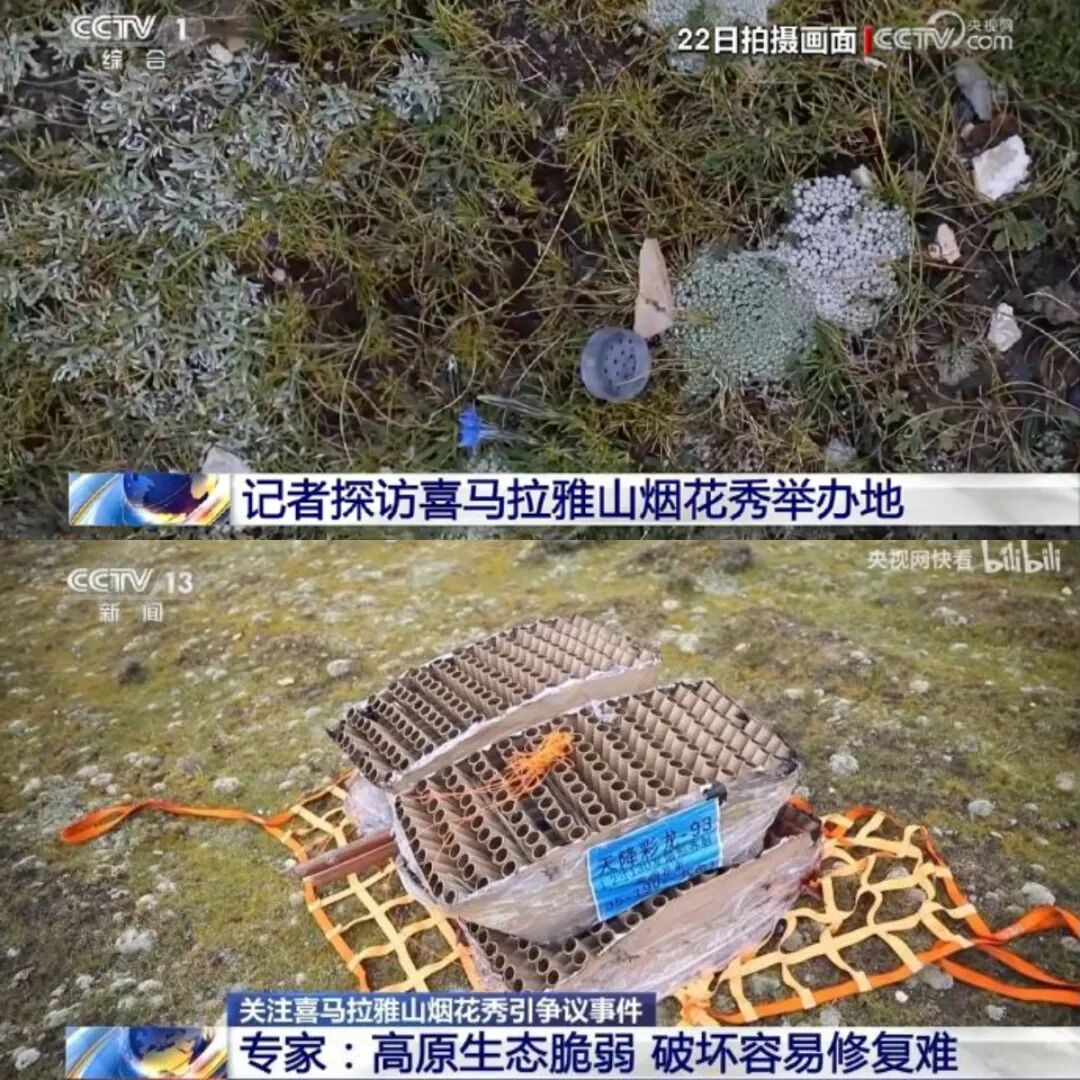
Core Viewpoint - The article discusses the public relations crisis faced by the brand Arc'teryx after a controversial fireworks event in the Himalayas, questioning how such an event passed through approval processes and highlighting the disconnect between corporate decision-making and public perception [1][3][27]. Group 1: Event Overview - Arc'teryx organized a large-scale fireworks event in the Himalayas, which has drawn significant public backlash and raised questions about the environmental impact [1][3]. - The event was executed by renowned artist Cai Guoqiang, indicating a high level of investment and ambition behind the marketing strategy [3][4]. Group 2: Approval Process - The event required multiple layers of approval, suggesting that many individuals within the company were involved in the decision-making process [4][5]. - There are two possibilities regarding the approval: either no one recognized the potential issues, or a key decision-maker overruled any objections [6]. Group 3: Information Echo Chamber - The article highlights the concept of an "information echo chamber," where companies may only engage with a limited audience, leading to a skewed understanding of public sentiment [8][9]. - This phenomenon is exacerbated by social media algorithms that create a more pronounced echo chamber effect, making it difficult for brands to gauge genuine public opinion [9][10]. Group 4: Marketing Strategies - The article categorizes marketing strategies into three types: private domain, semi-public, and fully public, emphasizing the risks of relying solely on closed-loop communication [15][16]. - Arc'teryx, as a high-end outdoor brand, may have mistakenly believed that targeting a specific audience was sufficient, neglecting broader public perception [17][18]. Group 5: Public Response and Brand Image - The backlash against Arc'teryx mirrors previous public relations failures, such as the case of Baiguoyuan, where a disconnect between brand messaging and consumer expectations led to negative reactions [10][12]. - The article suggests that brands must engage with a wider audience to avoid misjudging public sentiment and to improve their marketing strategies [24][25]. Group 6: Recommendations for Improvement - To break free from the information echo chamber, companies should actively seek out diverse feedback from non-fans and critics, which can inform better marketing decisions [24][25]. - Regularly monitoring social media platforms, particularly Weibo, can provide valuable insights into public opinion and help brands adjust their strategies accordingly [25][26].