欧莱雅

Search documents
Analyst Report: L'Oreal S.A.
Yahoo Finance· 2026-01-07 12:06
Sign in to access your portfolio Sign in ...
深度 | 2026的防晒大战,来得更早、更猛一些
FBeauty未来迹· 2026-01-07 11:42
Core Viewpoint - The sunscreen market for 2026 has already begun, with brands launching new products and marketing campaigns earlier than usual, indicating a shift towards year-round sales strategies [2][5][9]. Group 1: Market Trends - The sunscreen category is experiencing a "winter offensive," with brands like L'Oréal and Sekkisei launching core products ahead of schedule [5]. - The total number of sunscreen product registrations has reached 4,835 since 2021, with 704 new registrations in 2025, marking it as the most diverse year for sunscreen products [7]. - Sales data from major platforms shows that from January to November 2025, sunscreen sales reached 155 million units, generating a revenue of 1.4153 billion yuan, surpassing the total sales of 1.2045 billion yuan in 2024 [9]. Group 2: Pricing and Consumer Behavior - Sunscreen products priced below 100 yuan accounted for significant sales, with a total revenue of 558.8 million yuan, indicating a strong preference for cost-effective options [9][16]. - The market has seen a rise in ultra-low-priced sunscreen products, with some brands offering products as low as 7.6 yuan for 90mL, catering to cautious consumers [14][16]. - The trend towards smaller, lower-priced products allows consumers to experiment with different options at a lower cost, reflecting a shift in consumer behavior towards more selective purchasing [16]. Group 3: Brand Performance - Leading brands in the sunscreen category include Mistine, L'Oréal, and Anessa, with L'Oréal showing a remarkable growth of 47.94% in sales [10][11]. - The sales ranking for sunscreen brands has remained stable, with Mistine and L'Oréal maintaining their positions at the top [11]. - Brands are increasingly focusing on outdoor scenarios and specific marketing strategies to extend the sales cycle of sunscreen products throughout the year [5][13]. Group 4: Product Innovation - The market is witnessing a trend towards multifunctional products, with innovations such as whitening sunscreens and sunscreen makeup gaining traction [18][22]. - New technologies in sunscreen formulations are being developed, focusing on skin feel, film-forming properties, and environmental friendliness [25][27]. - Brands are integrating anti-aging and skin repair properties into their sunscreen products, reflecting a shift in research focus towards combating light-induced skin aging [20][22][23]. Group 5: Industry Standards and Research - Brands are taking an active role in setting industry standards, with initiatives like the "sunscreen easily washable" standard being established [31]. - The competition in sunscreen research is intensifying, with brands like Mistine utilizing AI models to enhance product development efficiency [35][37]. - The emphasis on scientific research and innovation is reshaping the sunscreen category, moving towards a more systematic and year-round approach to market strategies [29][38].


TikTok Shop年活跃消费者已达4亿,GMV近千亿美元
Sou Hu Cai Jing· 2026-01-07 09:36
Core Insights - TikTok Shop is projected to reach 400 million active consumers and nearly $100 billion in GMV by 2025, ranking fifth among global e-commerce platforms and showing the fastest growth rate [1] - The platform operates on an "interest e-commerce" model, leveraging short videos and live streaming to create a transaction loop that enhances consumer discovery and trust [1] - TikTok Shop has expanded to 17 global markets since its launch in 2021, including the US, Europe, Southeast Asia, Mexico, Brazil, and Japan [1] Market Performance - TikTok Shop's GMV is expected to exceed $25 billion in Q4 2025, driven by the Black Friday Cyber Monday shopping season, surpassing eBay [2] - In the US, TikTok Shop's sales are projected to grow by 400% in 2024 and 108% in 2025, with a GMV of over $500 million during the Black Friday period in 2025 [2] - The platform's short video sales contribute 40% of its GMV in the US, with natural traffic accounting for 70%-80%, significantly reducing customer acquisition costs for merchants [3] Regional Growth - In Southeast Asia, TikTok Shop has become the second-largest player, trailing only Shopee, with a GMV growth of 2.7 times during the "Double Twelve" event in 2025 [4] - The European market is also showing strong growth, with an expected increase of over 100% in 2025, and plans for further expansion in 2026 [4] - In Brazil, TikTok Shop's GMV grew 25 times within the first three months of launch, while in Japan, it increased 20 times within four months [4] Competitive Landscape - Traditional e-commerce platforms like Amazon and Shopee maintain a stronghold in developed markets, with Amazon investing heavily in logistics and user retention [5][6] - Many brands are collaborating with e-commerce service providers like Shopify to drive traffic to their independent sites, indicating a competitive shift in the market [6] - Despite TikTok Shop's rapid growth, it faces challenges from established players in various markets [4][5]
欧美终于坐不住了,打算抢先对中国动手,高市早苗得意洋洋,甩出四个字
Sou Hu Cai Jing· 2026-01-07 05:17
Group 1: Economic Pressure from Europe - The European Union has implemented the Carbon Border Adjustment Mechanism (CBAM) starting January 1, 2026, requiring Chinese exports like steel, cement, and aluminum to pay additional fees based on their carbon pricing system, which is significantly higher than China's domestic carbon prices [3][6] - This move is perceived as a trade barrier disguised as an environmental initiative, potentially reducing profits for Chinese companies by over 10% and risking the export eligibility of smaller firms [3][6] - The EU's actions indicate a lack of genuine intent to improve relations with China, aiming instead to leverage negotiations for economic gain while increasing pressure on China [6] Group 2: U.S. Military and Economic Strategy - The U.S. has maintained a dual approach, increasing military pressure on China while avoiding economic decoupling, as evidenced by ongoing arms sales to Taiwan totaling over $30 billion since 2025 [8][10] - The U.S. is testing China's response to various provocations, including military sales and geopolitical maneuvers, to gauge whether China will retaliate or remain passive [10] - This strategy reflects a calculated effort to use Taiwan as a strategic asset without escalating to direct conflict, indicating a complex interplay of military and economic tactics [8][10] Group 3: Japan's Historical and Defense Posture - Japan's Prime Minister, Fumio Kishida, has emphasized a shift towards a more aggressive defense policy, including discussions on increasing defense spending and potentially revising nuclear principles, which aligns with a broader right-wing sentiment in the government [12][14] - The cancellation of a major business delegation to China signals a deterioration in economic relations, influenced by Japan's historical revisionism and military posturing [14] - Japan's strategy appears to be an attempt to enhance its position within the U.S.-Japan alliance while underestimating the potential backlash from neighboring countries and the economic consequences of escalating tensions with China [14][16] Group 4: Coordinated Pressure on China - The simultaneous actions from the EU, U.S., and Japan suggest a coordinated effort to test China's limits regarding economic concessions, military responses, and historical grievances [16] - Each entity is probing whether China will yield to pressures such as accepting carbon tariffs, tolerating military sales to Taiwan, or overlooking historical provocations for the sake of economic cooperation [16] - The evolving geopolitical landscape indicates that China is no longer a passive player and is actively developing its own carbon accounting and green standards to counteract unilateral measures from the EU [18]
海南离岛免税元旦消费红火,LVMH中国市场门店接连关闭
Nan Fang Du Shi Bao· 2026-01-07 04:49
Group 1 - The New Year's holiday marked the first long holiday after the Hainan Free Trade Port's closure, with strong performance in duty-free sales in Sanya and Haikou, showing significant year-on-year growth in sales volume, shopping visitors, and shopping amount [2][4] - From January 1 to 3, 2026, the customs supervised the sale of 442,000 duty-free items, a 52.4% increase year-on-year, with a total shopping amount of 712 million yuan, up 128.9% [2] - The new duty-free policy expanded the eligible consumers to departing travelers and increased the number of product categories to 47, contributing to a new growth point in duty-free shopping [4][5] Group 2 - The new policy removed the limit on the number of purchases for island residents, allowing them to buy 15 types of "immediate purchase and pick-up" items without restrictions throughout the year, which stimulated local shopping enthusiasm [5] - Major beauty brands like L'Oréal and Estée Lauder reported improvements in their travel retail markets, with L'Oréal's Northeast Asia sales growing by 4.7% year-on-year in Q3 2025 [5] - The performance of duty-free shopping during the New Year aligns with the recovery trend in the luxury goods market, as major luxury brands like LVMH and Hermès reported positive growth in their recent financial results [6] Group 3 - LVMH has initiated store closures in China for several brands, including Louis Vuitton and Tiffany & Co., while focusing on high-end urban areas and flagship stores [6][9] - The number of new luxury brand store openings decreased by 38% in the first half of 2025, indicating a strategic shift towards first-tier cities and enhancing the competitiveness of high-end shopping and duty-free markets [9] - A recent report by Bain & Company predicts that the global luxury goods market will see a slight decline in 2025 but is expected to return to growth in 2026, with a projected annual growth rate of 4% to 6% over the next decade [12]


1月6日隔夜要闻:美股收高 黄金原油上涨 黄仁勋称汽车AI竞争激烈 波士顿动力机器人首次进厂干活
Xin Lang Cai Jing· 2026-01-05 22:36
Company - Nvidia CEO Jensen Huang discussed automotive AI at CES, highlighting increasing competition in the sector [8] - Qualcomm released a new robotics chip architecture, betting on "physical AI" [8] - Goldman Sachs launched a secondary market consulting specialty in Europe, the Middle East, and Africa [8] - Multi-strategy hedge funds achieved significant returns last year, with Point72 reporting double-digit returns [8] - OpenAI's household robot is priced at $20,000 [8] - AT&T plans to relocate its headquarters from downtown Dallas to the suburbs, joining the trend of corporate relocations [9] Industry - The CES event showcased robots as the main highlight of the year [10] - The copper price in the U.S. reached a new high since the tariff surge last summer [10] - The oil price increased as traders assessed the impact of the Venezuelan situation on oil supply [10] - The Bloomberg Dollar Index in the New York foreign exchange market erased earlier gains due to the ISM manufacturing index [10]


科蒂领导层巨变
Sou Hu Cai Jing· 2026-01-05 15:56
Core Viewpoint - Coty Group is undergoing a significant leadership restructuring as its major shareholder, JAB Holdings, aims to address ongoing performance pressures and seek a turnaround after a prolonged period of underperformance in the capital markets [1][3]. Group 1: Leadership Changes - Current Chairman Peter Harf is expected to resign, followed by CEO Sue Nabi, which has led to a 3% drop in Coty's stock price [1]. - The leadership changes are seen as a decisive move to reverse losses and transform the company amid financial challenges [1][3]. Group 2: Financial Performance - Coty Group's stock price has fallen approximately 55% over the past year, with its market value decreasing from around $10 billion (approximately 70.55 billion RMB) two years ago to $2.9 billion (approximately 20.46 billion RMB) currently [3]. - The company has reported a series of disappointing earnings, attributing the decline to a slowdown in the overall market, which has significantly impacted investor confidence [3]. Group 3: Business Challenges - Coty faces major uncertainties in its core business, particularly regarding its partnership with Kering and its brand Gucci, as Kering has announced a €4 billion (approximately 33.13 billion RMB) deal to sell its beauty division to L'Oréal, which will affect Coty's exclusive rights to Gucci beauty products starting in 2028 [3][5]. - Gucci beauty products account for about 9% of Coty's total revenue, making this transition critical for the company's financial health [3]. Group 4: Strategic Adjustments - In response to declining sales and financial pressure, Coty is considering divesting its mass cosmetics business, which includes brands like Max Factor, Rimmel, and Cover Girl, while attempting to merge its mass and premium fragrance businesses [5]. - New product launches, such as the Origen and Infiniment Coty fragrance lines, have not met sales expectations, indicating challenges in expanding new business lines [5]. Group 5: Historical Context - Coty has struggled to establish a competitive edge against industry giants like L'Oréal and Estée Lauder since its IPO in 2013, facing difficulties in integrating a $12.5 billion (approximately 88.19 billion RMB) acquisition of Procter & Gamble's beauty business [7]. - CEO Sue Nabi, who took over in 2020, was expected to bring stability after a period of frequent leadership changes, but investor patience is waning due to the company's poor performance under her leadership [7].

登顶“医学护肤NO.1”,修丽可的底气与远见
FBeauty未来迹· 2026-01-05 04:03
Core Viewpoint - The article emphasizes the shift in the Chinese beauty market from emotional marketing to scientific validation, highlighting the increasing demand for verifiable and professional skincare solutions [3][41]. Group 1: Event Highlights - The seventh "Professional Spirit Annual Ceremony" hosted by SkinCeuticals in Shanghai showcased a collaboration with Xinhua News, featuring prominent figures from the medical and entertainment sectors, emphasizing a shared commitment to professionalism [4][8]. - The event marked a significant milestone in SkinCeuticals' 30-year journey, reinforcing its medical foundation and professional image while advocating for a collaborative approach to break competitive stagnation in the industry [6][41]. Group 2: Professional Recognition - The "Excellence Awards" at the ceremony aimed to promote the development of global dermatology and honor outstanding contributions from experts, establishing a high-level academic exchange platform for young dermatologists [8][9]. - Professor Zheng Zhizhong, a pioneer in dermatology in China, was awarded the "Benevolent Physician" title, recognizing his lifelong dedication to skin health and research [13][14]. Group 3: Brand Evolution - SkinCeuticals has evolved from a focus on "holistic skincare" to "holistic aesthetics," integrating effective skincare products with professional beauty treatments, marking a strategic advancement in its brand philosophy [6][24]. - The brand has established a comprehensive "holistic skincare" system, with 28 global skincare protocols and over 115 clinical efficacy studies, positioning itself as a leader in the dual beauty (lifestyle and medical beauty) concept [48][49]. Group 4: Market Performance - SkinCeuticals has experienced a remarkable growth trajectory, achieving a 100-fold increase over the past decade and maintaining a strong upward trend in 2025, ranking as the No. 9 brand in the Chinese beauty market [39][41]. - The brand's collaboration with over 10,000 medical institutions and beauty salons has resulted in a high concentration of medical beauty users, reaching 21%, showcasing its unique market position [39][41]. Group 5: Product Innovation - The upgraded A.G.E. product line, including a new 30% pro-collagen cream and serum, has set new standards in the anti-aging market, demonstrating a synergistic effect when used together [37][41]. - SkinCeuticals continues to enhance its product matrix, integrating academic research with clinical practice to provide effective skincare solutions that exceed one-time treatment benefits [35][41].


“开放的中国将继续为世界提供重要机遇”
Sou Hu Cai Jing· 2026-01-04 23:09
Group 1 - In 2025, China's economy is expected to show resilience, becoming a stabilizing force for the global economy, with foreign investment continuing to increase as companies express confidence in the Chinese market [1][2] - From January to November 2025, China established 61,207 new foreign-invested enterprises, a year-on-year increase of 16.9%, with November alone seeing 7,425 new enterprises, up 35.3% [1] - A report by KPMG indicates that 94% of multinational companies surveyed plan to continue investing in China, reflecting a more optimistic outlook compared to the global economy [1] Group 2 - The Hainan Free Trade Port officially launched full island closure operations on December 18, 2025, creating a more open trade environment and enhancing international competitiveness for companies like Charoen Pokphand Group, which has invested 2 billion RMB in the region [2] - In the first 11 months of 2025, foreign investment in high-tech industries such as e-commerce services, medical equipment manufacturing, and aerospace manufacturing grew by 127%, 46.5%, and 41.9% respectively, indicating a shift towards high-tech sectors [2] Group 3 - Schneider Electric's Shanghai factory has improved production efficiency by 82% and reduced order delivery time by 67% through the integration of AI technologies, highlighting China's role as a key hub for global AI innovation [3] - Philips has established a comprehensive manufacturing base in China for imaging products, emphasizing the country's importance as a core engine for global innovation and growth [4] Group 4 - L'Oréal's investment in a local skincare brand underscores the significance of the Chinese market in its global strategy, with the company committed to long-term growth in response to China's consumer market potential [5] - China is projected to see its retail sales exceed 50 trillion RMB, driven by a growing middle class and increasing service and digital consumption, which presents significant opportunities for foreign enterprises [5] Group 5 - Panasonic's global vice president highlighted that China's policies to expand institutional openness and reduce foreign investment barriers will create a more transparent and stable business environment for foreign companies [6]
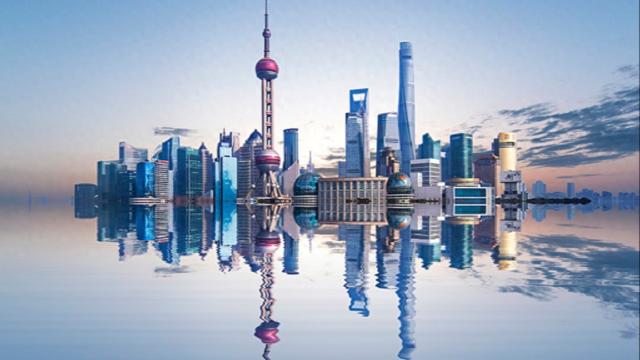
新年开工第一天,上海各区如何“抢开局”?
Xin Lang Cai Jing· 2026-01-04 14:55
Group 1: Core Insights - Shanghai launched the "2026 Action Plan for Optimizing the Business Environment," marking the beginning of the year with a focus on enhancing the business climate [1][3] - Various districts in Shanghai quickly followed suit by holding enterprise meetings and releasing their own action plans to improve the business environment [3][5] Group 2: District Initiatives - Jing'an District held a business meeting with representatives from 12 companies, discussing specific suggestions for improving the business environment, such as flexible working hours and tax refund policies [5] - Changning District introduced a strategic plan to integrate into the Hongqiao International Open Hub, focusing on creating a headquarters cluster for enterprises going global [5] - Putuo District's action plan emphasizes inclusive policies and support for startups, launching the "Seed Plan" to assist innovative projects [6] - Jiading District announced three major actions to enhance the business environment, focusing on industrial collaboration, cultural enrichment, and smart governance [6] Group 3: Major Projects and Investments - Yangpu District commenced the construction of the Shanghai Quantum City Time-Space Innovation Base, with a total investment exceeding 37.5 billion [8] - Huangpu District's South Bund Financial Center project is progressing rapidly, with a focus on attracting financial and technology enterprises [10] - Pudong District is prioritizing the development of major industrial projects to enhance production capacity and optimize industrial layout [10] Group 4: Unique District Strategies - Hongkou District is focusing on high-quality urban development and sustainable updates, aligning with central and municipal directives [12] - Qingpu District is promoting the integration of agriculture, culture, tourism, commerce, and sports, aiming to create a world-class lakeside tourism destination [13]