
吉利汽车

Search documents
吉利控股集团2025年销量首破400万大关,新能源渗透率达到56%
Ju Chao Zi Xun· 2026-01-09 02:42
集团旗下其他品牌同样多点开花。沃尔沃2025年年销量710,042辆,新能源销量323,294辆,新能源渗透率46%,电动化转型步伐持续加速。宝腾汽车年销量 162,601辆,同比增长6.5%,马来西亚市场占有率预计提升至19.4%。极星汽车(PSNY)年销量超6万辆,同比增长超30%,期间发布全新高性能GT车型 Polestar5,全球市场网络加速扩张;莲花跑车ELETRE在中国市场实现30%的销量增长,标志着莲花开启以中国市场为核心的新发展阶段。远程新能源商用 车集团表现亮眼,年销量162,019辆,连续4年销量排名行业第一,累计销量突破50万辆,海外业务同比暴涨近500%。 数据显示,吉利控股集团2025年总销量达4,116,321辆,同比增长26%。值得关注的是,集团总销量已实现连续5年快速增长,此次首次突破400万年销量大 关,创下历史新高。在新能源领域,集团表现尤为突出,全年新能源销量2,293,099辆,同比增长58%,新能源渗透率达到56%,电动化转型成效显著。 作为集团核心板块,吉利汽车2025年销量成绩斐然,总销量3,024,567辆,同比增长39%;其中新能源销量1,687,767辆,同 ...

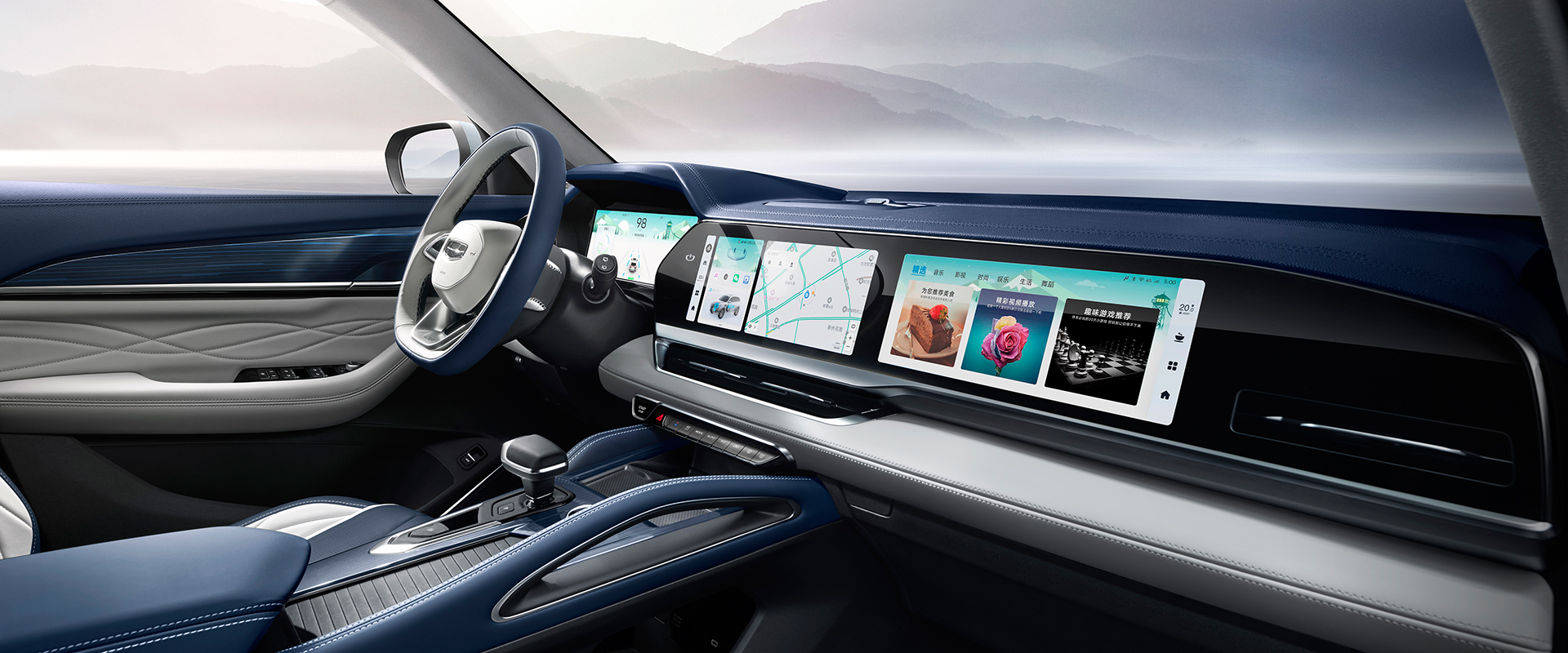
AI语音大模型上车
3 6 Ke· 2026-01-09 02:19
Core Insights - The automotive industry is increasingly embracing AI and smart technologies, with CES being a significant platform for showcasing innovations, leading to its nickname as "America's second-largest auto show" [1] - Major companies like Nvidia, LG Electronics, and Bosch are presenting advanced automotive models and AI cockpit platforms, indicating a shift towards intelligent vehicle systems [1][4] - The introduction of end-to-end voice models in vehicles is expected to revolutionize user interaction, with 2025 marking the beginning of significant advancements in this area [5] Group 1: Industry Trends - The competition in the automotive market has shifted towards intelligence, with 2026 expected to focus on the smart reconfiguration of vehicles as multifunctional spaces [4][5] - The collaboration between major automotive brands and AI model companies, such as the partnership between ByteDance and various car manufacturers, is driving innovation in smart cockpit solutions [4][5] - The Geely Galaxy M9, equipped with advanced AI capabilities, has already sold 40,000 units within four months of its launch, showcasing market demand for intelligent vehicles [4] Group 2: Technological Developments - The integration of AI into vehicle operating systems is seen as essential for enhancing the overall driving experience, with a focus on deepening the collaboration between edge and cloud computing [6] - The emergence of intelligent agents in vehicles is anticipated to transform service delivery and consumer experiences, potentially reshaping business models in the automotive sector [7][9] - The development of a mature distribution network for AI-driven systems is crucial for advancing automotive intelligence and fostering new commercial opportunities [9]

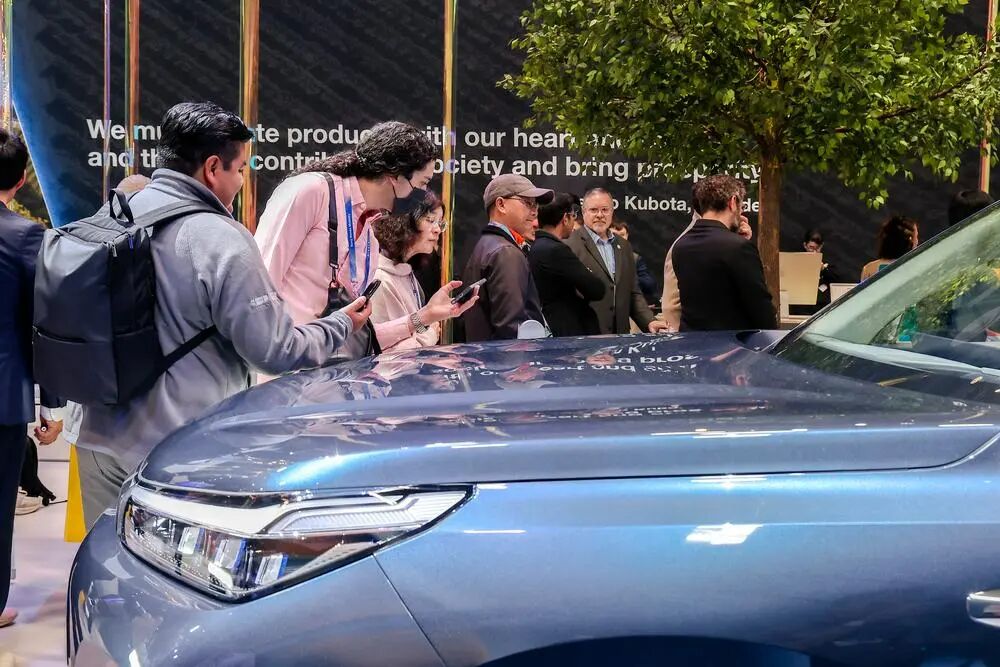
连续五年快速增长!吉利控股2025年总销量411.6万辆
Ge Long Hui· 2026-01-09 02:06
Core Insights - Geely Holding Group achieved a global total sales of 4,116,321 vehicles in 2025, marking a 26% year-on-year increase and surpassing the 4 million mark for the first time, setting a historical record [1] - The sales of new energy vehicles reached 2,293,099 units, representing a 58% increase, with a penetration rate of 56%, positioning Geely as a leader among global automakers [1] - Geely's strategy focuses on technological innovation to drive the electric and intelligent transformation of its vehicles, establishing a diverse new energy matrix that includes pure electric, super hybrid, and alcohol-hydrogen electric vehicles [1] Sales Performance - Geely Auto Holdings reported total sales of 3,024,567 vehicles in 2025, exceeding the adjusted annual target of 3 million units by 39%, achieving a historical high [2] - New energy vehicle sales surged to 1,687,767 units, a 90% increase year-on-year [2] - The Galaxy brand achieved sales of 1.24 million units, a 150% increase, while the Lynk & Co brand sold 350,000 units, a 23% increase, and the Zeekr brand sold 224,000 units, with December deliveries exceeding 30,000 units [2] Strategic Developments - In 2025, Geely implemented the "Taizhou Declaration" and achieved significant breakthroughs in new energy, AI technology, and global high-quality expansion [4] - The sales target for Geely in 2026 is set at 3.45 million units, with a new energy target of 2.22 million units [4] - Geely has established a strategic partnership with Renault Group to produce and sell new energy vehicles in Brazil, enhancing its market presence in Latin America [13] Sustainability Initiatives - Geely is committed to achieving carbon neutrality across its entire supply chain by 2045, with 17 "national-level green factories" and 5 "zero-carbon factories" established [14] - The company has integrated green principles into its manufacturing processes, creating a smart manufacturing system that covers "green factories, recycling, and energy management" [15] - Geely actively engages in social responsibility initiatives, including disaster relief efforts and contributions to healthcare in remote areas [15]
1月8日港股回购一览
Zheng Quan Shi Bao Wang· 2026-01-09 01:47
Group 1 - On January 8, 49 Hong Kong-listed companies conducted share buybacks, totaling 32.25 million shares and an amount of HKD 1.092 billion [1] - Tencent Holdings repurchased 1.034 million shares for HKD 636 million, with a highest price of HKD 618.50 and a lowest price of HKD 610.50, bringing its total buyback amount for the year to HKD 3.178 billion [1] - Xiaomi Group-W repurchased 5 million shares for HKD 191 million, with a highest price of HKD 38.16 and a lowest price of HKD 38.04, totaling HKD 638 million in buybacks for the year [1] - Geely Automobile repurchased 3.925 million shares for HKD 67.62 million, with a highest price of HKD 17.38 and a lowest price of HKD 17.17, totaling HKD 194.59 million in buybacks for the year [1] Group 2 - The highest buyback amount on January 8 was from Tencent Holdings at HKD 636 million, followed by Xiaomi Group-W at HKD 191 million [1] - In terms of buyback quantity, Xiaomi Group-W had the highest with 5 million shares, followed by Baifeng Cloud-W and Geely Automobile with 4.15 million and 3.925 million shares respectively [1] - A detailed list of buybacks includes companies like Sunny Optical Technology and others, indicating a trend of share repurchases among various sectors [1][2]



早报|雷军:小米将会在今年推出一款重磅产品/「全球首款」可量产全固态电池遭质疑/Google逆袭成功,母公司市值超苹果
Sou Hu Cai Jing· 2026-01-09 01:42
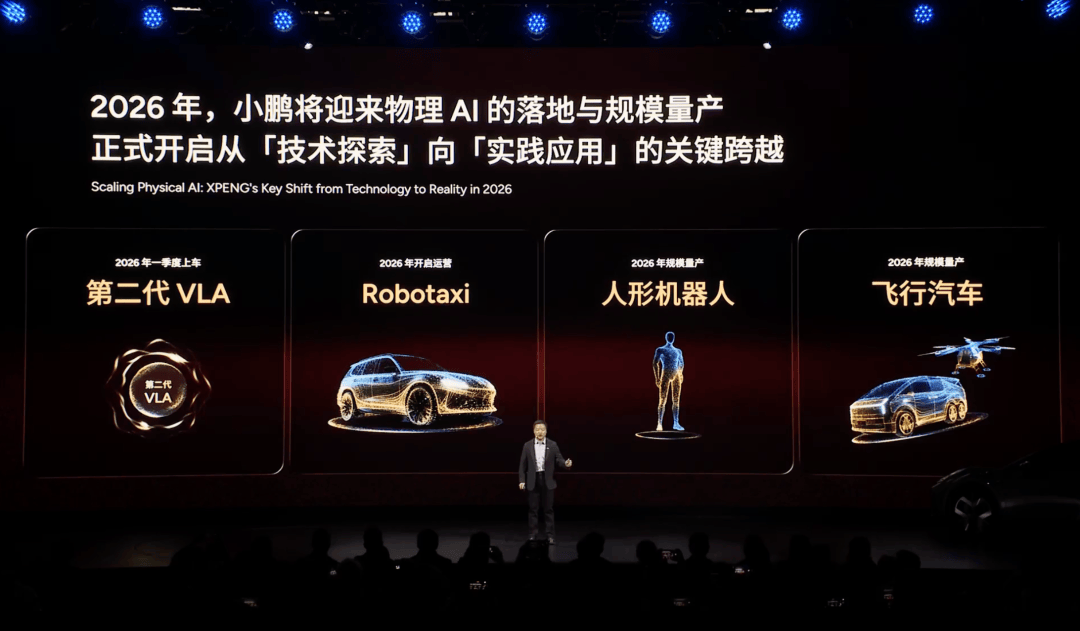
Group 1 - Xiaopeng Motors plans to achieve mass production of humanoid robots in 2026, alongside the launch of Robotaxi and flying cars [3][5] - The company showcased its latest humanoid robot, IRON, at a previous event, which sparked skepticism about its authenticity [5] - The 2026 global product launch introduced several new electric and range-extended models, including the P7+ and G7, featuring advanced AI chips and various configurations [5][6][7] Group 2 - Google’s parent company, Alphabet, has surpassed Apple in market capitalization for the first time in seven years, reaching $3.89 trillion [17] - This achievement is attributed to Google's AI strategy, which includes technology development, resource integration, and commercial application [17] - The Gemini AI application has gained significant traction, outperforming ChatGPT in various metrics and achieving a 20% market share in global web traffic [18] Group 3 - Faraday Future's founder, Jia Yueting, unveiled the FX Super One MPV at CES 2026, with plans for mass production this year [20] - The vehicle emphasizes space, AI, and comfort, targeting the luxury market [20] - The company aims to leverage its identity as a U.S. automaker to assemble vehicles using parts from Chinese manufacturers [20] Group 4 - Alibaba Cloud launched a multimodal interaction development suite at the CES 2026, integrating various AI models and tools for hardware developers [26][31] - The suite aims to provide a low barrier to entry for developers, enhancing the speed and richness of AI applications across multiple sectors [31] Group 5 - Donut Lab introduced what it claims to be the world's first mass-producible solid-state battery at CES 2026, featuring high energy density and rapid charging capabilities [28][29] - However, the company faces skepticism due to a lack of independent verification of its claims and the novelty of its technology [28][29] Group 6 - MiniMax, an AI company, is set to break records for institutional subscriptions in its upcoming IPO, with over 460 institutions participating and a subscription rate exceeding 70 times [33] - The company’s revenue is primarily derived from AI-native products, which accounted for over 70% of its income by mid-2025 [34] Group 7 - Zhiyuan Technology, a company focused on AGI, has recently gone public, marking a significant milestone in the AI sector [41] - The CEO emphasized the importance of pursuing AGI and not solely focusing on commercial applications, highlighting the high costs and risks involved in this exploration [41][44]



贾跃亭携新车亮相CES:很快回国/雷军:小米今年或推出自研重磅产品/商务部回应审查Meta收购Manus
Sou Hu Cai Jing· 2026-01-09 01:42
Group 1 - Xiaopeng Motors plans to achieve mass production of humanoid robots in 2026, alongside launching Robotaxi and flying cars [1][3] - The company showcased its latest generation humanoid robot, IRON, at a previous event, which sparked skepticism about its authenticity [3] - The 2026 global product launch introduced several new electric and range-extended models, including the P7+ and G7, featuring advanced battery technology and AI integration [3][5][6][7] Group 2 - Xiaomi awarded its self-developed chip "Xuanjie O1" the highest honor at the 2025 Xiaomi "Ten Million Technology Award" for its innovative design and performance [12] - The company aims to integrate self-developed chips, operating systems, and AI models in a single terminal by 2026, while also pushing forward its robotics business [12] - Xiaomi's new products include the Xiaomi 17 Pro series and various innovative technologies recognized at the award ceremony [13] Group 3 - Donut Lab introduced what it claims to be the world's first mass-producible solid-state battery at CES 2026, boasting high energy density and rapid charging capabilities [37][38] - The battery is reported to maintain performance across extreme temperatures and has a long cycle life, although independent verification of its claims is pending [38][43] - The company plans to scale production significantly in the coming year, aiming to capitalize on its technological advancements [43] Group 4 - Alibaba Cloud launched a multimodal interaction development kit, integrating various AI models to enhance hardware interaction capabilities [34] - The kit is designed to support a wide range of hardware platforms and aims to facilitate rapid deployment of AI solutions across different applications [34] Group 5 - The establishment of JD.com's "Chameleon Business Unit" aims to accelerate the commercialization of AI technologies and enhance market responsiveness [53][54] - The unit will focus on developing core AI products and integrating technological resources to improve efficiency [54] Group 6 - Zhizhu Technology, a company focused on AGI, officially listed on the Hong Kong Stock Exchange, emphasizing its commitment to exploring foundational models for general intelligence [56] - The CEO highlighted the importance of maintaining a focus on AGI development amidst the competitive landscape of AI models [56][57]

汽车早餐 | 四部门联合召开动力和储能电池行业座谈会;吉利获L3级自动驾驶道路测试牌照;广汽国际与Grab达成战略合作
Zhong Guo Qi Che Bao Wang· 2026-01-09 01:21
Group 1: Battery Industry - A joint meeting was held by four government departments to discuss the regulation of the power and energy storage battery industry, involving 16 companies including major players like CATL and BYD [2] Group 2: Automotive Industry - The Ministry of Industry and Information Technology is soliciting public opinions on seven proposed mandatory national standards for intelligent connected vehicles, including safety requirements for automatic parking systems [3] - Geely has obtained a Level 3 autonomous driving road test license for its Zeekr 9X model in Hangzhou [9] - Xpeng Motors' CEO predicts that 2026 will mark the true beginning of autonomous driving in China and the U.S., with the company's second-generation VLA achieving Level 4 autonomous driving capabilities [11] - Dongfeng Motor is in discussions to produce passenger vehicles in Turkey, with plans to start production within the year [12] Group 3: Strategic Partnerships and Investments - GAC International has formed a strategic partnership with Grab to collaborate on delivering 20,000 high-performance electric vehicles in Southeast Asia over the next two years [10] - Intramco, a company under Xincheng Capital, has partnered with Leap Motor to supply charging products for its future electric vehicles produced in Europe [14] - Faraday Future aims to achieve positive cash flow and a gross margin of 20% within three years, as announced during its shareholder day event [15] Group 4: Technology and Innovation - Hyundai's stock price surged following the announcement of increased investments in robotics and artificial intelligence, alongside a meeting between its chairman and NVIDIA's CEO [6] - Elon Musk's AI startup xAI completed a $20 billion funding round, exceeding its initial target of $15 billion, with investors including NVIDIA and Cisco [7] Group 5: Economic Cooperation - The Ministry of Commerce is accelerating negotiations for the second phase of the China-South Korea Free Trade Agreement, focusing on enhancing economic cooperation and exploring new areas such as high-end manufacturing and green industries [4] - Guangzhou's government has released a plan to cultivate strategic industries, including artificial intelligence and new energy storage, as part of its advanced manufacturing strategy [5]



一句话就够了
Xin Lang Cai Jing· 2026-01-09 01:04
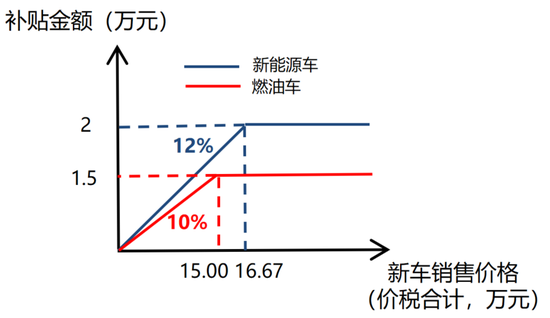
Group 1 - The new subsidy policy for the automotive sector has been released, with the most beneficial price range being 150,000 to 200,000 yuan [1][14] - The policy is divided into two categories: scrapping and replacement, with different subsidy rates for purchasing new energy and fuel vehicles [2][15] - For scrapping, the subsidy for new energy vehicles is 12% with a maximum of 20,000 yuan, while for fuel vehicles, it is 10% with a maximum of 15,000 yuan [2][15] Group 2 - The replacement subsidy for new energy vehicles is 8% with a maximum of 15,000 yuan, and for fuel vehicles, it is 6% with a maximum of 13,000 yuan [5][17] - The optimal price range to maximize subsidies is between 150,000 and 220,000 yuan, regardless of whether the vehicle is scrapped or replaced [7][20] - The 2026 policy differs from the 2025 policy in that subsidies are now based on a percentage of the new vehicle price rather than a fixed amount, encouraging purchases of mid to high-end vehicles [8][21] Group 3 - The overall subsidy amount may decrease, but the structural change in the price range will lead to higher profit margins for manufacturers, promoting high-quality development [10][23] - Companies focusing on the 150,000 to 200,000 yuan price range, such as BYD, Geely, Changan, and Great Wall, as well as new players like Xpeng, Li Auto, and NIO, are expected to benefit [10][23] - The sales performance of new energy vehicle brands in 2025 shows that Leap Motor is on track to meet its target of 500,000 units, while others like Xpeng and Li Auto are around 400,000 units [11][24] Group 4 - The new subsidy policy is expected to have a significant impact on the automotive industry, with a focus on the 150,000 to 200,000 yuan price range being the most advantageous [9][22] - The ETF tracking automotive stocks listed in Hong Kong, which includes major companies mentioned, is suggested as a way to monitor investment opportunities in the sector [12][25] - The performance of key automotive stocks in the ETF indicates positive trends, with significant weightings in companies like Xpeng and BYD [13][26]
掘金CES 2026:AI全域渗透加速,应用端投资机会将至?
智通财经网· 2026-01-09 00:55
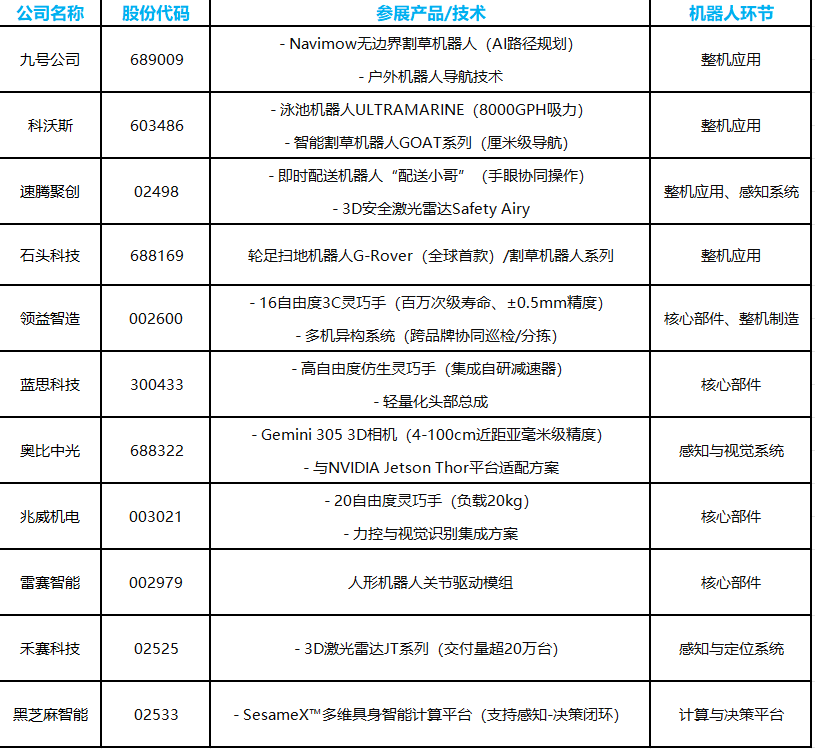
Group 1: CES 2026 Overview - CES 2026, known as the "Spring Festival Gala" of the tech industry, commenced on January 6 in Las Vegas, focusing on "defining the physical boundaries of AI" [1] - The event featured 207 Chinese companies across various cutting-edge fields, including AI, smart wearables, and smart home technologies, showcasing over 120 small and medium-sized tech firms [1] - The technologies presented by leading Chinese companies reflect the country's technological strengths and outline key directions for global industry evolution [1] Group 2: Robotics and AI Technologies - AI and robotics technologies were a major highlight at CES 2026, with global leaders showcasing various robots and core components [2] - NVIDIA's CEO announced that the robotics sector has entered its "ChatGPT moment," introducing world models to enhance robots' understanding of physical properties and spatial relationships [2] - Chinese companies, including Yushu Technology and Fourier, presented a wide range of innovative products, covering industrial applications, daily life, medical assistance, and emergency rescue [2][3] Group 3: Key Exhibitors and Innovations - Notable exhibitors included Ninebot, Ecovacs, and SUTENG, showcasing advanced robotic solutions such as AI path-planning lawn mowers and delivery robots capable of complex tasks [4][5] - Companies like Lingyi Zhi Zao and Zhaowei Electric displayed high-freedom dexterous hands and collaborative systems, indicating significant advancements in robotics [5] - The emergence of a cohesive display of robotics indicates a breakthrough in China's robotics industry, transitioning from fragmented to integrated solutions [5] Group 4: Automotive Innovations - The automotive sector at CES 2026 emphasized the transformation of vehicles into "smart partners" with emotional resonance and autonomous capabilities [6] - NVIDIA introduced the world's first open-source autonomous driving model, aiming to address challenges in extreme weather and construction detours [6] - Chinese automakers, including Great Wall Motors and Geely, showcased innovative models and technologies, highlighting the integration of smart features and collaboration with supply chain partners [6][7] Group 5: Wearable Devices and AI Glasses - Wearable devices, particularly AI glasses, gained significant attention at CES 2026, with over 60% of the showcased products coming from Chinese brands [10][11] - Innovations included independent communication-capable AR glasses and various health monitoring devices, indicating a shift towards mass production and consumer adoption [10][11] - The advancements in display and optical technologies for AI glasses reflect a robust ecosystem supporting the transition from concept to widespread use [12][13] Group 6: Industry Trends and Future Outlook - The CES 2026 event signaled a clear shift in AI's role from mere technology demonstration to deep integration within industry value chains [14] - The trend of AI becoming a physical entity is accelerating, with applications in robotics, smart driving, and wearable devices becoming observable realities [14] - Investors are encouraged to focus on the transition from technology validation to commercial scale, marking a critical window for capturing scene-based opportunities in 2026 [14]



汽车早报|小鹏开年发布四款新车 吉利汽车获L3级自动驾驶道路测试牌照
Xin Lang Cai Jing· 2026-01-09 00:37
Industry Regulation and Market Dynamics - The Ministry of Industry and Information Technology, along with other departments, held a meeting to regulate the competition order in the power and energy storage battery industry, highlighting rapid development and competitive advantages but also irrational behaviors like blind construction and price competition that need to be addressed [1] - The Secretary-General of the Passenger Car Association stated that by 2025, promotions and price reductions in the passenger car industry will return to rationality, with a notable improvement in market order, as the number of price reductions for various vehicle types has decreased compared to the previous year [1] Automotive Innovations and Developments - XPeng Motors launched four new models, including the new XPeng G6 and G9 electric versions, and plans to scale production of humanoid robots and flying cars this year [2] - Geely Auto received an L3 autonomous driving road test license for its Zeekr 9X model, covering an area of 9,224 square kilometers in Hangzhou, including over 1,500 kilometers of dual-direction expressways [3] - BYD introduced new models of the Qin L DM-i, with a starting price of 116,800 yuan and a pure electric range of 210 kilometers, along with a limited-time tax exemption for new energy vehicle purchases [4] Strategic Partnerships and Financial Support - The Taizhou Municipal Government signed a strategic cooperation framework agreement with Geely Holding Group to enhance investment and industrial layout, aiming to establish Taizhou as a high-end new energy vehicle manufacturing base [5] - XPeng Motors secured a 10 billion yuan financing support commitment from the Industrial and Commercial Bank of China, Guangdong Branch, for the next five years [6] Sales Performance and Market Trends - Jianghuai Automobile reported a total sales volume of 384,100 vehicles for 2025, reflecting a year-on-year decline of 4.72%, while December sales showed a significant increase of 42.24% [7] - Tesla announced the production of its 5 millionth electric drive system at its Shanghai Gigafactory, marking a significant milestone in its manufacturing capabilities [8]