OPPO

Search documents
广东,为何批量制造“千亿镇”?
Sou Hu Cai Jing· 2025-09-27 03:27
Core Insights - Guangdong is leading the development of "billion-yuan towns," with three out of six such towns in China, showcasing its strong regional economic capabilities [1][3] - The "Hundred Counties, Thousand Towns, Ten Thousand Villages High-Quality Development Project" aims to enhance regional coordination and economic growth [1][9] - The emergence of "billion-yuan towns" is attributed to a supportive environment for grassroots entrepreneurship and industrial evolution [3][7] Group 1: Development of "Billion-Yuan Towns" - Guangdong has three "billion-yuan towns," including Shishan, which was the first in China to exceed a GDP of 100 billion yuan and a population of over one million [3][5] - The strategic decision in 2005 to designate Shishan as an "industrial hub" led to significant economic growth through the establishment of a local automotive supply chain [5][6] - The rapid development of towns like Beijiao and Chang'an has been driven by their industrial bases and the presence of major companies [5][6] Group 2: Economic Strategies and Initiatives - The "Hundred Thousand Project" emphasizes "one town, one product" to stimulate local industries and enhance rural economic development [1][11] - Guangdong is implementing a new model for industrial parks that integrates government, community, and enterprise efforts to optimize land use and boost economic activity [11][12] - The province encourages cross-regional collaboration to enhance industrial chains and reduce costs, as seen in the ceramic industry [12][14] Group 3: Challenges and Future Directions - Despite successes, Guangdong's town economies face challenges such as insufficient industrial chain resilience and talent shortages [14][15] - The shift from isolated town advantages to a collaborative regional approach is evident in initiatives like the "Hydrogen Corridor" project [16][17] - The ongoing implementation of the "Hundred Thousand Project" aims to elevate the economic potential of towns, fostering a new era of urbanization [18][19]

存量竞争下的高端化求生:小米17系列变阵对标iPhone,国产手机厂商冲击苹果“围城”
Hua Xia Shi Bao· 2025-09-26 14:40
Core Viewpoint - Xiaomi is actively positioning itself to compete with Apple by launching the new Xiaomi 17 series, marking a significant shift in its branding and product strategy to align more closely with Apple's offerings [2][3]. Group 1: Product Launch and Strategy - Xiaomi officially launched the Xiaomi 17 series on September 25, which includes a new Pro Max version, aligning its product line with Apple's iPhone 17 series [3]. - The highest-priced model, the Xiaomi 17 Pro Max, is priced at 6,999 yuan, reflecting Xiaomi's ambition to enter the high-end market [3]. - Xiaomi's founder, Lei Jun, stated that the renaming from Xiaomi 16 to 17 was necessary to change public perception and emphasize the brand's evolution over 15 years [3]. Group 2: Competitive Landscape - The global smartphone market is now characterized by intense competition, with Xiaomi aiming to capture a share of the high-end market traditionally dominated by Apple [5][6]. - In Q1 of this year, Apple held a 43% market share in the domestic high-end smartphone market, while Xiaomi's share was only 7%, but it experienced a 102% year-on-year growth [6]. - In the overseas high-end smartphone market, Apple maintained a 62% market share, with Xiaomi showing a 55% increase in sales, although specific market share figures were not disclosed [7]. Group 3: Technological Advancements - The Xiaomi 17 series features the Snapdragon 8 Gen 5 chip, which is built on a 3nm process, offering CPU performance comparable to Apple's A19 Pro chip and a 34.6% improvement in GPU performance [3]. - The Xiaomi 17 Pro series includes a unique "smart back screen" that supports various functionalities, drawing parallels to the design innovations seen in Apple's products [3]. Group 4: Market Dynamics and Future Outlook - The smartphone market has shifted to a phase of stock competition, making rapid growth in shipment volumes challenging for manufacturers [6]. - Xiaomi's strategy to move upmarket is driven by the need for higher profit margins, as low-end devices yield minimal profits [6]. - Analysts suggest that while Xiaomi has made strides in high-end positioning, achieving brand recognition among high-end consumers will require sustained investment and brand development over time [7].


一加发布全新一代风驰游戏内核,中国区总裁李杰:手机行业进入165超高帧时代
Xin Lang Ke Ji· 2025-09-26 11:47
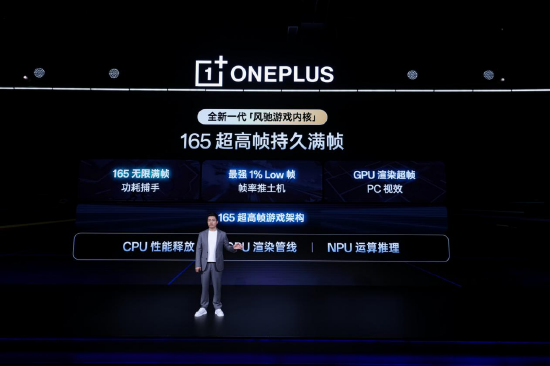
Core Insights - OnePlus is leading the mobile industry into the 165 ultra-high frame era, collaborating with several mobile games to establish a 165 ultra-high frame gaming ecosystem [1][2] - The new generation of OnePlus's Wind Chaser gaming kernel optimizes CPU, GPU, and NPU coordination, achieving a 29.8% efficiency improvement in the chip kernel scheduler [1][2] Group 1 - OnePlus announced the introduction of 165 ultra-high frame gaming experience, which provides 45 more frames per second compared to 120 frames, resulting in a 27% increase in single-frame display speed [2] - The 165 frames per second experience significantly enhances operational response speed and reduces end-to-end latency by 10ms, benefiting players in FPS games [2] - The new Wind Chaser gaming kernel will debut with the OnePlus 15, which is set to launch in October, and will also feature the fifth-generation Snapdragon 8 flagship platform [2] Group 2 - OnePlus is working with game developers to enhance the ultra-high frame gaming ecosystem, with support for various game genres including FPS, MOBA, fighting, racing, music, and strategy [2] - Major games such as "Delta Force," "League of Legends Mobile," "Honor of Kings," and "Peace Elite" will support the 165 frame ultra-high frame mode [2] - The new gaming kernel also delivers a 1% low frame experience, maintaining 119.5 frames in the 120 frame mode of "Honor of Kings" [1]
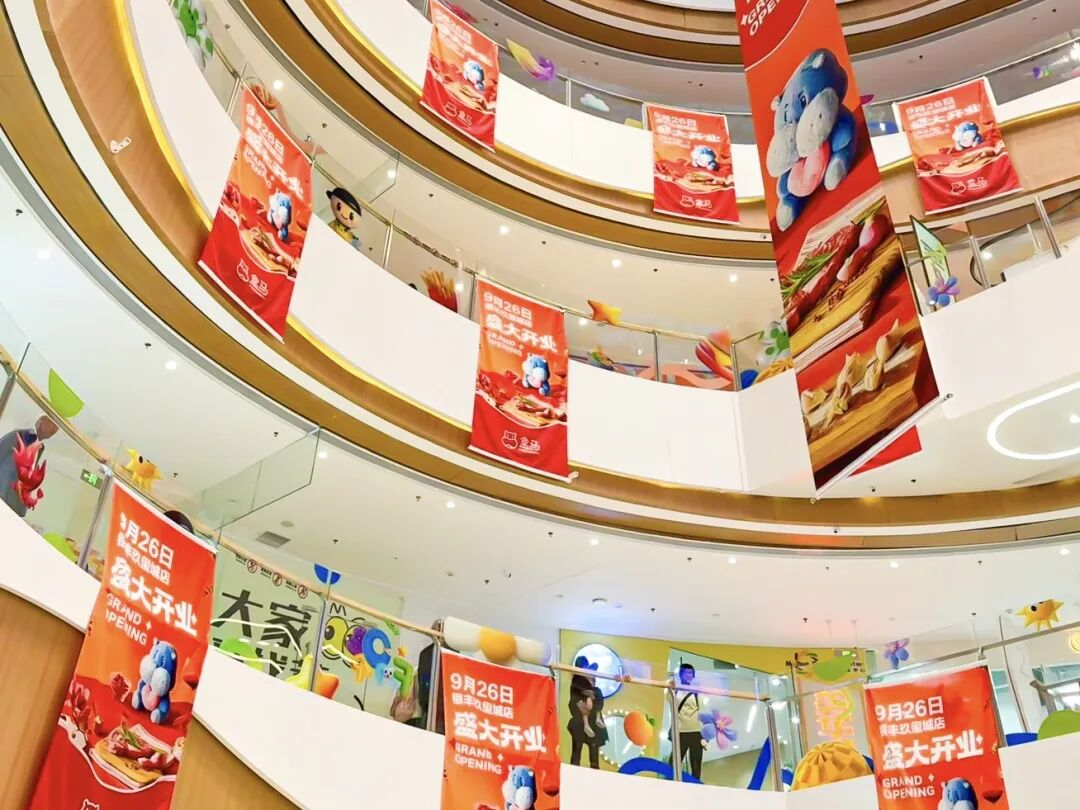
盒马鲜生银丰玖玺城店火爆开业!玖玺广场多家品牌门店同步试营业
Qi Lu Wan Bao· 2025-09-26 10:57
Core Insights - The grand opening of Hema Fresh at Yin Feng Jiu Xi Cheng on September 26 has generated significant consumer enthusiasm, marking it as a new commercial benchmark in Jinan [2] - The opening has activated regional commercial vitality, with multiple well-known brands also starting trial operations simultaneously [2] Group 1: Commercial Development - Yin Feng Jiu Xi Cheng is positioned as a new commercial landmark in East Jinan, creating a "1-kilometer quality living circle" that connects high-end commercial offerings with community needs [5] - The project enhances the convenience of life for East Jinan residents and leads to an upgrade in regional consumption patterns [5] Group 2: Brand Integration and Offerings - The opening features a diverse range of brands, including Hema Fresh, Qilu Bank, and various entertainment and service providers, offering significant opening promotions and activities [8] - A variety of quality brands have signed on to the shopping center, including technology brands like Xiaomi and OPPO, as well as dining options like KFC and Pizza Hut, catering to both convenience and family entertainment needs [8][10] Group 3: Market Positioning - Yin Feng Jiu Xi Cheng is emerging as a powerful commercial engine in the eastern region, with only a few prime dining spaces remaining available for lease, inviting strong brands to seize the opportunity [10] - The center is not only a supply station for local residents but also a rapidly rising star in Jinan's urban commercial landscape, thanks to its comprehensive commercial offerings and limited entry opportunities [10]
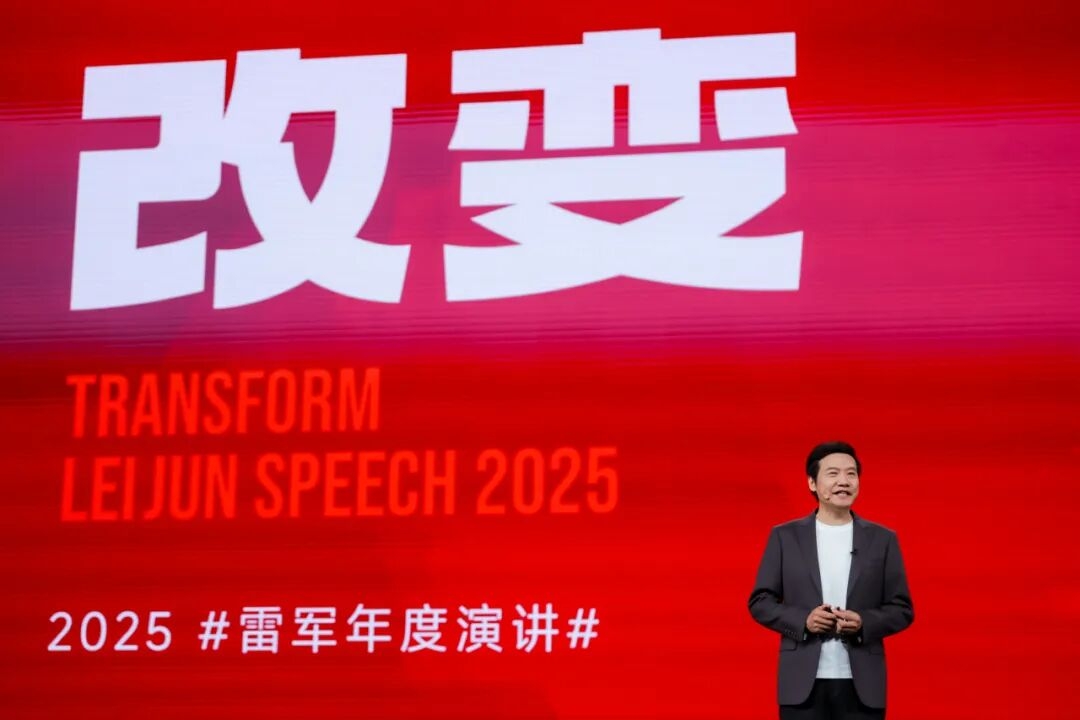
雷军:和苹果竞争,是个漫长痛苦的过程
3 6 Ke· 2025-09-26 08:55
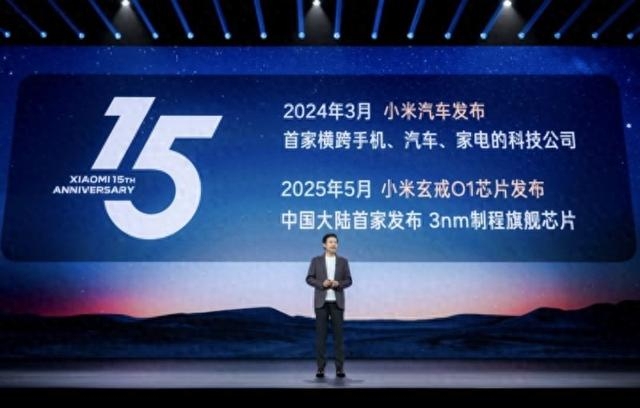
Core Insights - The core theme of the annual speech by Lei Jun was "change," highlighting Xiaomi's long and challenging journey in chip development, a topic that has been sensitive and rarely discussed in detail before [1][3] Group 1: Chip Development Journey - Xiaomi's chip development began 11 years ago with the establishment of Pinecone Electronics, leading to the release of the first self-developed chip, Surge S1, which sold 600,000 units [3][23] - The company faced significant challenges, including a decision in 2018 to halt SoC chip development due to strategic misalignment and the need for cohesive goals between chip and mobile teams [3][25] - After a five-year reflection period, Xiaomi committed to investing at least 100 billion yuan in core technology over the next five years, marking a shift from an internet company to a "hardcore technology company" [15][16] Group 2: Strategic Decisions and Challenges - Lei Jun emphasized the importance of high-end chip development, stating that entering the mid-to-low-end market would not provide opportunities for success [25] - The company experienced a significant revenue drop of 15% in 2022 due to international political influences, leading to doubts about continuing heavy investments in chip development [30] - Despite internal doubts, the leadership decided to persist with chip development, viewing it as essential for Xiaomi's future success [32] Group 3: Competitive Landscape - Xiaomi's competition with Apple is characterized as a long and painful process, with a strategic shift towards improving user experience rather than just specifications [5] - The Chinese smartphone market is described as highly competitive, with market shares fluctuating around 15% among major players [8] - Xiaomi has adjusted its growth strategy to aim for a steady annual growth of 1% over five years, targeting a 20% market share in China [9] Group 4: Recent Achievements - The successful development of the 3nm process chip, named "Xuanjie O1," was a significant milestone, with the first batch successfully tested after a substantial investment [4][34] - The company plans to continue its commitment to chip development, viewing it as a critical path to success and a means to reshape its corporate identity [4][37]
金九银十消费火热, 转转官方验二手交易迎爆发式增长
Zhong Guo Neng Yuan Wang· 2025-09-26 05:58
Core Insights - The second-hand market in China is experiencing significant growth, driven by the release of the iPhone 17 series and the increasing popularity of the official verification service provided by the company [1][2][3] Group 1: Market Performance - The official recovery of iPhone series phones reached a transaction volume exceeding 100 million yuan on the day of the iPhone 17 release, setting a new single-day recovery record [2] - The recovery volume for the iPhone 16 series increased by 609% compared to the same period last year, indicating strong consumer demand [2] - The recovery volume for various categories, including headphones, smartwatches, and gaming accessories, has also seen a doubling in growth [3] Group 2: Service and Strategy - The company has established a robust official verification service, with over 2,500 quality inspectors and nearly 3,000 on-site recovery engineers across more than 1,300 districts and counties in China [4] - The company has introduced after-sales services such as 365-day warranty and seven-day no-reason return policy to enhance user experience and transaction efficiency [4] - The company is shifting its focus towards the C2B2C business model and is gradually phasing out the free market to concentrate on official verification services, aiming to standardize non-standard products for a more reliable user experience [4]
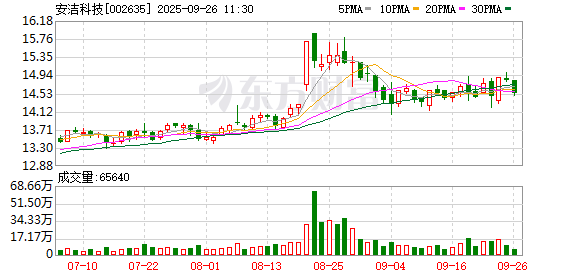
公司有无和OPPO的合作意向?安洁科技:公司已与该客户合作
Mei Ri Jing Ji Xin Wen· 2025-09-26 04:13
Core Viewpoint - The company has confirmed an existing collaboration with OPPO, indicating a strategic partnership in place [2] Company Summary - An investor inquired about the company's potential collaboration with OPPO on an investor interaction platform [2] - The company responded affirmatively, stating that it has already established a partnership with OPPO [2]

一线城市五折租房,大厂集体杀入长租公寓
Sou Hu Cai Jing· 2025-09-26 03:54
Core Insights - The article discusses the emerging trend of major tech companies in China building employee housing to address the challenges of high rent and long commutes in first- and second-tier cities [3][5][20] - Companies like JD.com, Xiaomi, Huawei, and Tencent are investing heavily in employee apartments, offering benefits such as free or significantly reduced rent to attract and retain talent [6][12][15] Group 1: Employee Housing Initiatives - JD.com has launched a free accommodation program for interns in Beijing, allowing them to live without paying rent or additional fees [3][5] - Xiaomi's Beijing Youth Apartment offers rent as low as 1,999 yuan per month, significantly below the market rate, with some units priced at 1,599 yuan [6][12] - Huawei and Tencent have also developed large-scale employee housing projects, with Huawei's Qingpu R&D center and Tencent's "Penguin Island" providing thousands of units for employees [12][15] Group 2: Strategic Asset Development - The construction of employee housing is seen as a strategic asset for tech companies, with significant investments in land and development [12][14] - JD.com has spent over 3.1 billion yuan on land for its "JD Youth City," which will include nearly 5,000 apartments [12][14] - Tencent's investment in "Penguin Island" includes plans for a large tech ecosystem with residential, office, and cultural spaces [15] Group 3: Employee Benefits and Talent Retention - The trend of building employee housing reflects a shift in how companies view employee benefits, moving from traditional perks to housing solutions [5][20] - The availability of affordable housing is crucial for attracting talent, especially in high-cost cities, as it alleviates the burden of housing costs on employees [20][25] - Companies aim to enhance employee satisfaction and retention through these housing initiatives, which also contribute to a sense of community among employees [20][26] Group 4: Operational Management - Major tech companies typically partner with large construction firms for the development of these housing projects, ensuring professional management and quality [16] - Some companies manage their employee housing directly, while others outsource management to specialized firms [16] - The operational strategies vary, with a focus on creating a supportive living environment that aligns with the company's values and enhances employee experience [26][28]



小米手机“全面对标”苹果,雷军想用高端化打破外界偏见
Nan Fang Du Shi Bao· 2025-09-26 03:48
Core Viewpoint - Xiaomi's recent launch of the 17 series smartphones is a strategic move to position itself against Apple, with the naming choice reflecting a direct comparison to Apple's 17 series [1][2] Group 1: Product Features and Comparisons - The Xiaomi 17 series features Qualcomm's latest Snapdragon 8 Gen 2 SoC, achieving a multi-core score exceeding 12,000, surpassing Apple's A19 Pro [1] - The standard version of the Xiaomi 17 series has a battery capacity of 7000mAh, nearly double that of the iPhone 17, showcasing advancements in battery technology [1] - Xiaomi aims to highlight its competitive edge in camera performance, battery life, and thermal management compared to the iPhone 17 series [1] Group 2: Strategic Positioning and Market Dynamics - Xiaomi's rebranding from the 16 to the 17 series is intended to challenge perceptions and demonstrate its commitment to competing with Apple in the high-end market [2] - The average selling price (ASP) of Xiaomi smartphones has remained around 1100 yuan, while Apple's ASP is approximately 6335 yuan, indicating a significant gap in the high-end segment [3] - In the domestic smartphone market, Xiaomi's market share is closely contested with competitors like Vivo and Huawei, with Xiaomi holding around 15-16% [3] Group 3: Research and Development Efforts - Xiaomi has invested heavily in R&D, with approximately 102 billion to 105 billion yuan spent over the past five years, and plans to invest an additional 200 billion yuan in the next five years [6] - The company has restarted its chip development efforts after a previous setback, with the new 3nm SoC,玄戒O1, expected to compete with Apple's A18 Pro in performance and efficiency [6][5] - Xiaomi's goal is to transition its brand image from an internet company to a "hardcore technology company" through its advancements in chip technology [6] Group 4: Automotive Sector Insights - Xiaomi's automotive division is also facing scrutiny, with the brand being heavily criticized online, yet the company believes the market for domestic electric vehicles is still growing [7] - The average selling price of Xiaomi's cars is around 289,000 yuan, positioning them in the high-end market alongside established luxury brands [6]
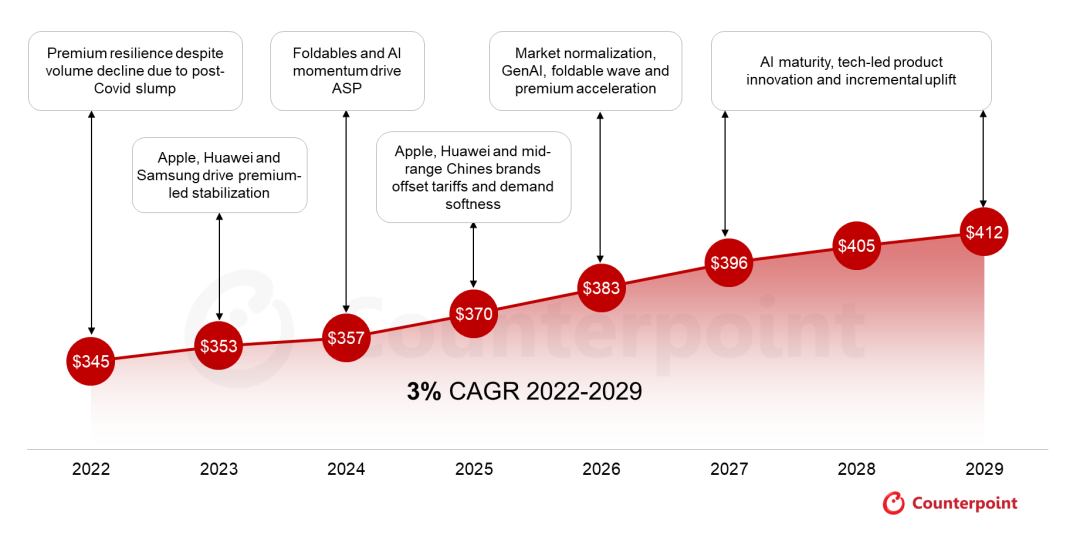
Counterpoint Research:预计全球智能手机平均售价将从2025年的370美元升至2029年的412美元
智通财经网· 2025-09-26 01:33
Core Insights - The global smartphone market's Average Selling Price (ASP) is projected to increase from $357 in 2024 to $370 in 2025, reaching $412 by 2029, with a CAGR of 3% driven by high-end trends and 5G adoption [1][4][10] - Smartphone shipments are expected to grow by 2.5% year-on-year in 2025, up from a previous forecast of 1.9%, but lower than the initial estimate of 4% due to price increases, supply chain adjustments, and macroeconomic pressures [1][4] - The combined effect of rising ASP and shipment growth is anticipated to drive smartphone revenue to increase by nearly 6% year-on-year in 2025, with a long-term revenue CAGR of 5% from 2025 to 2029, reaching $564 billion by 2029 [1][4] ASP Trends - North America's ASP is expected to rise by 7% year-on-year in 2025, driven by high-end models and ongoing promotions, with projections for ASP to reach $984 by 2026 [5][6] - In China, the ASP growth forecast for 2025 has been slightly revised down to 3.6%, influenced by Huawei, OPPO, and vivo, while Apple's ASP is expected to increase by about 2% [5][6] - India's ASP is projected to remain below $250 in 2025 but is expected to rise to $287 by 2029 due to the ongoing high-end trend [6] Brand Performance - Apple is expected to maintain its high-end market position, with ASP rising from $919 in 2025 to nearly $1,000 by 2029, despite a 9% year-on-year decline in Q1 2025 due to the introduction of the iPhone 16e [6][9] - Samsung's ASP is anticipated to remain stable, with flagship models impacting overall ASP but supported by foldable phones and GenAI integration for long-term growth [9] - Huawei is strengthening its ASP growth in China, driven by its Mate and Pura series, with expectations for overseas market expansion [9] Market Dynamics - The smartphone market is gradually normalizing after years of volatility due to pandemic demand fluctuations and supply chain challenges, with expectations for a more stable market environment by late 2025 to 2026 [4][10] - The introduction of GenAI smartphones is expected to increase the Bill of Materials (BoM) cost by $40-$60 per device, shifting ASP growth from cost-driven to value-driven as consumers are willing to pay a premium for AI-centric devices [9][10] - Foldable smartphones, although currently representing less than 2% of global shipments, are expected to influence consumer perceptions of high-end products, with Apple planning to launch its foldable model by the end of 2026 [10]