
平安银行

Search documents
固收点评20250920:绿色债券周度数据跟踪(20250915-20250919)-20250920
Soochow Securities· 2025-09-20 11:35
1. Report Industry Investment Rating No industry investment rating is provided in the report. 2. Core View of the Report The report conducts a weekly data tracking of green bonds from September 15 to September 19, 2025, covering primary market issuance, secondary market trading, and the valuation deviation of the top 30 individual bonds [1][2][3]. 3. Summary by Related Catalogs 3.1 Primary Market Issuance - **Number and Scale**: 34 new green bonds were issued in the inter - bank and exchange markets, with a total issuance scale of about 3.1388 billion yuan, an increase of 1.1336 billion yuan compared to last week [1]. - **Issuance Term**: Most issuance terms are 3 years [1]. - **Issuer Nature**: Issuers include local state - owned enterprises, large - scale private enterprises, and central enterprise subsidiaries [1]. - **Subject Rating**: Most subject ratings are AAA and AA+ [1]. - **Issuer Region**: Issuers are from Beijing, Fujian, Hunan, Guangdong, Guizhou, Hainan, Hebei, Jiangxi, Shandong, Shanghai, Sichuan, Tianjin, Xinjiang Uygur Autonomous Region, and Zhejiang [1]. - **Bond Types**: Bond types include general corporate bonds, commercial bank ordinary bonds, enterprise ABS, medium - term notes, private placement corporate bonds, and ultra - short - term financing bills [1]. 3.2 Secondary Market Trading - **Total Turnover**: The weekly turnover of green bonds totaled 6.04 billion yuan, an increase of 0.95 billion yuan compared to last week [2]. - **By Bond Type**: The top three in trading volume are non - financial corporate credit bonds, financial institution bonds, and interest - rate bonds, with trading volumes of 2.64 billion yuan, 2.56 billion yuan, and 0.74 billion yuan respectively [2]. - **By Issuance Term**: Green bonds with a term of less than 3 years had the highest trading volume, accounting for about 83.10%, indicating continuous market popularity [2]. - **By Issuer Industry**: The top three industries in trading volume are finance, public utilities, and transportation equipment, with trading volumes of 2.45 billion yuan, 1.14 billion yuan, and 0.18 billion yuan respectively [2]. - **By Issuer Region**: The top three regions in trading volume are Beijing, Guangdong, and Hubei, with trading volumes of 1.53 billion yuan, 0.74 billion yuan, and 0.44 billion yuan respectively [2]. 3.3 Valuation Deviation of the Top 30 Individual Bonds - **Overall Situation**: The overall deviation of the weekly average trading price valuation of green bonds is not large. The discount trading amplitude is smaller than the premium trading, and the discount trading proportion is less than the premium trading [3]. - **Discount Bonds**: The top three discount bonds are 25 Shui Neng G1 (- 0.7382%), 24 Nan Hu Green Bond 01 (- 0.4538%), and GC San Xia K3 (- 0.3254%). The issuer industries are mainly finance, public utilities, and building materials, and the regions are mainly Beijing, Fujian, and Jiangsu [3]. - **Premium Bonds**: The top four premium bonds are 25 Shui Neng G3 (0.9662%), 24 Kang Fu Lease MTN004 (Carbon - neutral Bond) (0.5175%), 22 Guangdong Bond 07 (0.4758%), and 25 Fuzhou Metro GN003 (Carbon - neutral Bond) (0.4274%). The issuer industries are mainly finance, public utilities, and transportation, and the regions are mainly Guangdong, Beijing, Shanghai, and Tianjin [3].
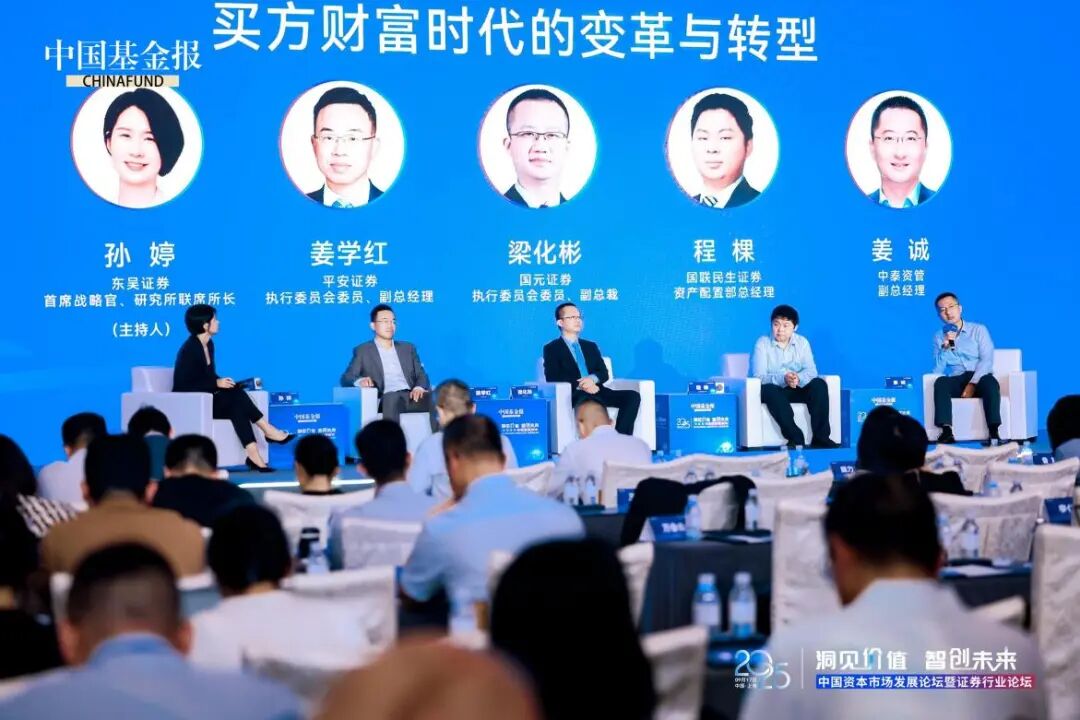
这场圆桌论坛,信息量很大!
Zhong Guo Ji Jin Bao· 2025-09-20 03:26
Core Insights - The era of buyer wealth management has officially arrived, prompting a shift from traditional product-selling models to a more client-centric approach in the securities industry [1][3] - Experts from various securities firms discussed the challenges and necessary transformations in the industry during a recent forum [1] Group 1: Buyer Thinking Evaluation Standards - The core evaluation standard for determining whether an institution or advisor possesses buyer thinking is centered around "how to earn money," contrasting with the traditional focus on product sales [5][7] - Institutions like Ping An Securities have shifted to a model focused on "earning retention money," emphasizing long-term client relationships and service value [7][11] - The recognition of the buyer fee model by clients is crucial for the transformation process, as many still prefer traditional commission-based structures [9][14] Group 2: Transformation Challenges and Solutions - The necessity for transformation in the wealth management industry is driven by declining commission levels and changing client demands for sustainable returns [14][15] - Institutions must overcome the "license dependency" mindset and create real, sustainable value for clients to gain their trust and long-term loyalty [15] - A collaborative approach involving professional services, a scientific assessment mechanism, and a reasonable profit distribution system is essential for successful transformation [15][16] Group 3: Asset Allocation Services - Asset allocation is identified as a critical component of wealth management, with a focus on long-term returns [16][17] - Institutions need to enhance their asset allocation capabilities by broadening their product frameworks and developing a core methodology tailored to different investor profiles [17][18] - Effective communication between research strategies and client services is vital for translating institutional insights into tangible client returns [18] Group 4: Building Competitive Advantages - To establish core competitiveness, firms must have clear strategic insights and maintain a long-term commitment to building unique service offerings [19][20] - Collaboration across departments is emphasized as essential for the success of buyer wealth management initiatives [20] - Differentiation in product offerings and transparent communication about risk and return characteristics are crucial for addressing information asymmetry in the wealth management sector [20][21]

这场圆桌论坛,信息量很大!
中国基金报· 2025-09-20 03:19
Core Viewpoint - The article discusses the transformation of the wealth management industry in China, emphasizing the shift from a product-selling model to a client-centered approach in the era of buyer wealth management [1][4]. Group 1: Buyer Thinking Evaluation Standards - The core evaluation standard for determining whether an institution or advisor possesses buyer thinking is based on the revenue model, specifically focusing on "earning retention fees" rather than "sales commissions" [6][8]. - Institutions must prioritize customer interests and provide value through quality service and stable returns to encourage long-term product holding [8][10]. - The recognition of the buyer fee model by clients is crucial for the transformation process, as many still prefer traditional commission-based structures [10][12]. Group 2: Challenges and Breakthroughs in Transformation - The necessity for transformation is driven by declining commission levels and changing client demands for sustainable returns through professional investment [16][17]. - Institutions must overcome the "license dependency" mindset and create real, sustainable value for clients to gain their trust and loyalty [17][18]. - A successful transformation requires a collaborative approach involving consensus on direction, a buyer-oriented assessment system, and a focus on professional service [18][19]. Group 3: Importance of Asset Allocation Services - Asset allocation is highlighted as a critical component of wealth management, with a focus on long-term returns [20][21]. - Institutions need to enhance their asset allocation capabilities by expanding product offerings, developing core methodologies, and ensuring effective communication of strategies to clients [21][22]. Group 4: Building Differentiated Competitive Advantages - To establish core competitiveness, firms must have clear strategic insights and maintain a long-term commitment to building unique services and brands [23][24]. - Collaboration across departments and a focus on customer needs are essential for creating a service-oriented culture [24][25]. - Transparency and clear communication of product risks and benefits are vital to addressing information asymmetry in the wealth management industry [25].




银行中期分红阵营扩容!17家A股上市银行拟分红2375亿元,其中7家首次参与
Hua Xia Shi Bao· 2025-09-20 02:14
Core Viewpoint - The trend of mid-term dividends among A-share listed banks is gaining momentum, with over 60% of banks reporting increased revenue and profit in the first half of the year, prompting many to distribute substantial dividends to shareholders [2][4]. Group 1: Mid-term Dividend Implementation - Changsha Bank announced its first mid-term dividend, distributing approximately 804 million yuan in cash dividends to shareholders, with a payout of 0.20 yuan per share [4]. - As of September 19, 17 out of 42 A-share listed banks have disclosed mid-term dividend plans, with a total proposed distribution amounting to approximately 237.54 billion yuan [4]. - The six major state-owned banks are leading the trend, collectively proposing to distribute 204.66 billion yuan, accounting for about 86% of the total mid-term dividends among listed banks [5]. Group 2: Notable Dividend Distributions - Industrial and Commercial Bank of China leads with a mid-term dividend of 50.40 billion yuan, followed by China Construction Bank with 48.61 billion yuan and Agricultural Bank of China with 41.82 billion yuan [5]. - Citic Bank, Ping An Bank, Huaxia Bank, and Minsheng Bank have also announced their mid-term dividends, with Citic Bank proposing 10.46 billion yuan [5]. - Several banks, including Changshu Bank and China Merchants Bank, have joined the mid-term dividend trend, with China Merchants Bank planning a significant distribution of 26.23 billion yuan, representing a 35% payout ratio [6]. Group 3: Industry Insights - The implementation of mid-term dividends is seen as a response to regulatory requirements and aims to enhance investor confidence and stabilize stock prices [5]. - Industry experts suggest that mid-term dividends can improve liquidity and provide more predictable cash flows for investors, even if the total annual dividend amount remains unchanged [6]. - There are still several listed banks that have not announced their mid-term dividend plans, indicating a need for smaller banks to balance dividend distribution with capital replenishment and business expansion [7].



中国人民银行厦门市分行:厚植“本币优先”理念,护航跨境贸易投资
Sou Hu Cai Jing· 2025-09-19 21:24
Core Insights - The event in Xiamen marks the 15th anniversary of cross-border RMB policies in Fujian Province, promoting the use of RMB in cross-border trade and investment through policy advocacy and collaboration [1] Group 1: Cross-Border RMB Business Development - Since the pilot launch in 2010, Fujian Province has seen a robust development of cross-border RMB business, with a total business volume exceeding 7 trillion yuan, averaging a growth rate of 27.4% annually [1] - Over 19,000 enterprises have engaged in cross-border RMB business, with Xiamen leading in RMB payment amounts related to current accounts and direct investments [1] - From January to July 2025, Xiamen's cross-border RMB payment amount reached 260.4 billion yuan, reflecting a year-on-year growth of 5.2% [1] Group 2: Policy and Infrastructure Initiatives - The People's Bank of China (PBOC) Xiamen Branch has introduced a "two libraries and one center" scheme to enhance cross-border RMB services for the real economy, including a database of enterprises and a cross-border RMB expert consultation service [2] - A digital trade platform for cross-border RMB services was established in collaboration with local governments and banks, successfully processing its first cross-border RMB transaction on December 5, 2024 [2] - A reward policy for cross-border RMB transactions was implemented, leading to an increase of 21.3 billion yuan in cross-border RMB settlements in 2024 [2] Group 3: Business Process Optimization - The PBOC Xiamen Branch has optimized cross-border RMB business processes, allowing enterprises to benefit from a "pre-approval exemption" policy, facilitating seamless transactions [3] - By July 2025, the number of quality enterprises in Xiamen's cross-border trade and investment expanded to 1,065, with a total of 94.6 billion yuan in facilitated transactions [3] Group 4: Tailored Financial Services - The PBOC Xiamen Branch has tailored cross-border RMB services to meet the specific needs of enterprises, offering a range of financial products including cross-border financing and RMB funding pools [5] - By July 2025, local banks had issued 17.2 billion yuan in RMB loans to overseas entities, enhancing the overall cost efficiency of enterprises [5] - The branch has also focused on providing unique cross-border RMB services for Taiwanese enterprises, expanding service points from 28 to 140 by early 2024 [5]
8月证券App活跃用户数创年内新高 同比增长27.26% 两家券商月活超千万
Mei Ri Jing Ji Xin Wen· 2025-09-19 14:43
Core Insights - The A-share market experienced a strong rally in August 2025, significantly increasing market activity and user engagement in securities apps [1][2]. User Engagement - In August 2025, the number of active users for securities apps reached 173 million, marking a year-on-year increase of 27.26% and a month-on-month increase of 4%, setting a new monthly record for the year [2]. - The top-performing securities apps included Huatai Securities' Zhangle Wealth and Guotai Junan Junhong, both achieving over 10 million active users in August [1][2]. Growth Trends - The monthly active users for Guojin Securities' Commission Treasure reached 792,400, with a month-on-month growth of 11.86%. Other notable increases were seen in Industrial Securities' Yuli Treasure, Dongfang Winner, and China Galaxy Securities, with growth rates of 6.2%, 5.74%, and 5.44% respectively [3]. - The number of securities apps with over 5 million monthly active users remained stable at 11 in August [3]. Daily Active Users - The top ten securities apps by daily active users remained unchanged, with Huatai Securities leading at 4.14 million, followed by Ping An Securities and Guangfa Securities with 3.35 million and 3.26 million respectively [4]. - Despite a decline in daily active users in August compared to previous months, there was a clear growth trend compared to January 2025 [4]. Strategic Shifts - The recent "8.18 Financial Festival" highlighted a strategic shift among brokerages from short-term promotions to long-term customer value management, characterized by extended operational cycles and deeper integration of AI technology [4][5]. - Major brokerages are transitioning from single-event promotions to continuous engagement strategies, with some extending their promotional activities to 1-2 months, effectively transforming the "Financial Festival" into a "Financial Season" [5].


该放弃银行股,去追科技股吗?
集思录· 2025-09-19 13:05
Group 1 - The article discusses the recent performance of technology stocks and bank stocks, highlighting that technology stocks have been rising while bank stocks have been declining, leading to losses for bank stock holders [1] - There is speculation about whether bank stocks have entered a technical bear market, with suggestions to sell bank stocks and invest in sectors like semiconductors, PCB, chips, and artificial intelligence [1] - The article mentions that institutional investors are unable to exit the technology sector, which may lead to pressure on bank stocks as funds shift towards technology investments [1] Group 2 - The article emphasizes the importance of high technology for a country to become a global leader, arguing that reliance on traditional sectors like banking and infrastructure is insufficient [4] - It points out that the current bull market in technology stocks is structurally driven by the need for countries to compete in high-tech fields, especially in the context of US-China competition [4] - Concerns are raised about the sustainability of low-profit technology companies, particularly those that do not generate free cash flow, suggesting that they may not be able to maintain their valuations in the long term [5] Group 3 - The article draws parallels between the current situation of bank stocks and the past performance of sectors like healthcare, consumer goods, and liquor, questioning whether bank stocks will follow a similar downward trend [6] - It highlights the disappointing long-term returns of bank stocks, using Beijing Bank as an example, which has only seen a 26% increase over 15 years, suggesting that investing in bank stocks may not be as rewarding as other investment options [7] - There is a mention of bank-related funds shifting to popular sectors mid-year, with expectations that they will return to bank stocks by year-end, indicating a cyclical investment strategy [8]





算法交易之市场微观结构
Huachuang Securities· 2025-09-19 12:14
Group 1: Market Microstructure and Algorithmic Trading - Algorithmic trading is closely linked to market microstructure, which serves as the core logic for trading strategies and is influenced by the proliferation of algorithmic trading[1] - Key dimensions of market microstructure include liquidity, volatility, investor structure, and regulatory frameworks[2][5] Group 2: Liquidity Metrics - Liquidity is a critical factor affecting trading costs and is assessed through metrics such as TwSpread (relative spread), QuoteSize (market depth), and AccTurnover (transaction amount)[2][12] - TwSpread measures the relative price difference, with lower values indicating better liquidity and lower trading costs[14] - QuoteSize reflects the average number of buy and sell orders in the order book, with larger sizes indicating stronger liquidity[23] Group 3: Volatility Metrics - Volatility is an important parameter in algorithmic trading strategy design, assessed through TickPeriod (the average time between price changes) and ValidVolatility (effective price fluctuation)[3][39] - A smaller TickPeriod indicates higher volatility, while ValidVolatility increases with greater trading activity and price fluctuations[43][51] Group 4: Investor Structure - The structure of investors significantly impacts market microstructure, with metrics like AucVolRatioOpen and AucVolRatioClose indicating the proportion of trading volume during opening and closing auctions[4][62] - Higher auction volume ratios suggest greater participation from institutional investors, which can amplify market impacts during significant events[64] Group 5: Regulatory Impact - Regulatory frameworks play a crucial role in shaping market microstructure and must be accurately implemented in algorithmic trading systems[5][68] - Recent regulations have aimed to reduce transaction costs, such as the reduction of trading fees by 30% to 50% in 2023, which positively affects market activity[69]
平安银行海口分行多场景开展2025国家网络安全宣传周活动 守护公众数字安全
Zhong Guo Jin Rong Xin Xi Wang· 2025-09-19 03:09
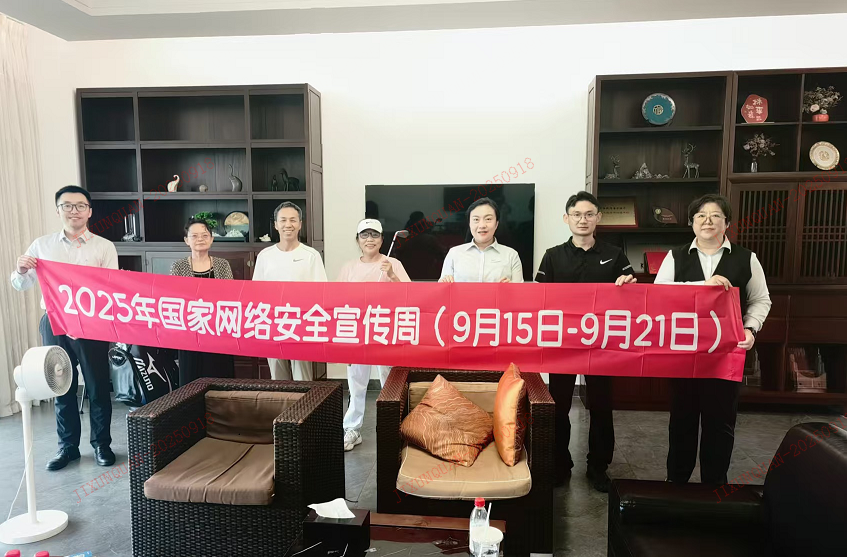
转自:新华财经 启动会后,该行辖内各网点迅速将网络安全宣传融入日常服务,在网点大厅,工作人员将四类常见诈骗的防范要点宣传 资料摆放在取号区、等候区等显眼位置;柜员与大堂经理在办理业务、引导客户时,结合客户群体特点主动讲解。对有 理财需求的客户,提醒警惕"高收益无风险"的虚假投资。对年轻客户,重点提示刷单返利的违法性与危害性。对老年客 户,则着重科普冒充公检法诈骗的典型话术,帮助不同群体精准识别规避风险。 为扩大宣传覆盖面,该行还将网络安全知识带出网点,走进社区、校园、商场,通过主题沙龙等场景进行网络安全知识 宣传。在社区活动中,工作人员结合居民生活场景,用通俗语言拆解虚假贷款"无抵押、先收费"等陷阱,手把手教老年 居民识别诈骗短信。在校园讲座里,针对学生群体易接触的刷单兼职,通过互动问答强调"低投入高回报"的不合理性, 引导学生树立正确兼职观。在商场咨询台,通过案例卡片快速讲解冒充公检法诈骗的"安全账户"骗局,提醒市民保护个 人信息。在客户沙龙中,更是结合金融业务场景,分析四类诈骗与金融交易的关联风险,提供从账户保护到资金安全的 全流程建议。 此次宣传周活动中,平安银行海口分行未局限于案例宣讲,而是将四类高频 ...
平安银行将在9月20日至9月23日凌晨进行系统升级维护
Jin Tou Wang· 2025-09-19 03:00
请您提前做好安排,如需帮助,欢迎垂询平安银行客服热线、信用卡服务热线。 2025年9月18日,平安银行(000001)发布公告称,为了给您提供更优质的服务,平安银行将于2025年9 月20日22:00-23:00、9月21日凌晨2:30-3:30、9月23日凌晨2:30-5:30进行系统升级维护。 在此期间,会短暂影响平安银行对公和个人业务,影响渠道包括网上银行、手机银行、电话银行、银企 直连、第三方支付等电子渠道,通过以上渠道办理业务时可能会出现短暂中断,由此给您带来的不便, 敬请谅解。 ...