
佳能

Search documents
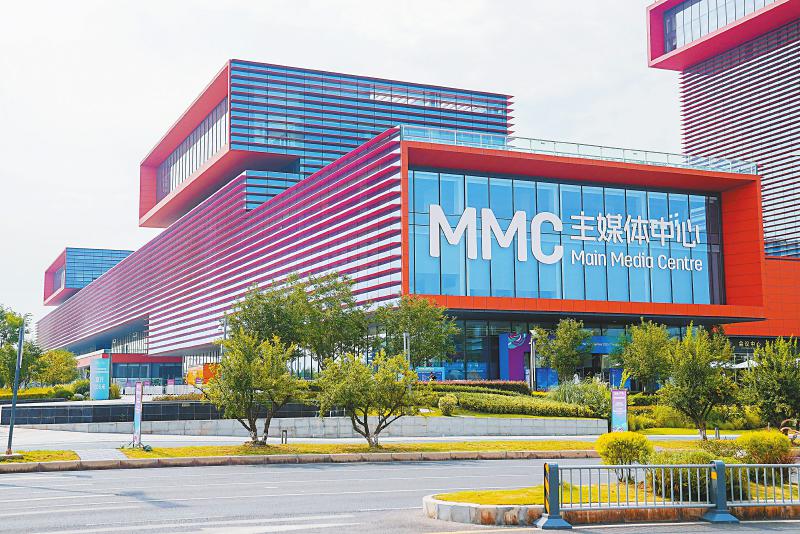
成都世运会主媒体中心启动运行 @媒体记者 “大本营”开始服务了
Si Chuan Ri Bao· 2025-08-05 00:26
Group 1 - The main media center for the 2025 World Games in Chengdu has officially started operations, welcoming around 200 media organizations and nearly 2000 journalists [3] - The media center is located in the Western Financial Innovation Center, approximately 20 kilometers from Chengdu Tianfu International Airport, and is designed to serve as a hub for media coverage during the event [3] - Facilities provided at the media center include office space, language services, transportation, dining, technical support, and commercial services [3] Group 2 - The media work area is a core section of the main media center, equipped with 112 smart lockers and 120 workstations, each with international standard network and power interfaces [4] - An electronic results inquiry area is available for registered journalists to access various information, including event previews, recaps, and historical data about the World Games [4] - The international broadcasting center, located in the Western Financial Innovation Center, will provide signal production and coordination services for broadcasters, ensuring 24-hour support during the event [4]

决战混合键合
半导体行业观察· 2025-08-04 01:23
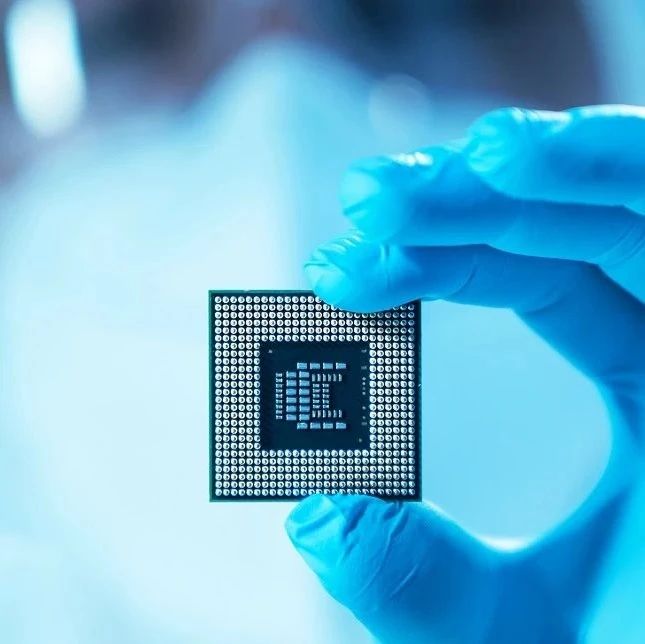
Core Viewpoint - Hybrid bonding technology is rapidly transitioning from laboratory to mass production, becoming a new pillar in storage chip manufacturing, particularly in the context of advanced packaging technologies like 3D NAND and HBM [2][3]. Group 1: Hybrid Bonding Technology - Hybrid bonding eliminates size limitations and parasitic effects associated with traditional bump structures, resulting in shorter signal transmission paths, lower power consumption, and higher speeds [3]. - In 3D NAND, hybrid bonding is expected to replace some existing structures, enabling stable manufacturing at higher stacking layers (e.g., over 300 layers) [3][7]. - Leading companies like Micron, SK Hynix, and Samsung are actively investing in hybrid bonding technology for HBM4 and next-generation CUBE architectures, highlighting its strategic importance [3][5]. Group 2: Samsung's Initiatives - Samsung has shown a strong commitment to hybrid bonding, recognizing its necessity for manufacturing 16-layer HBM [4][5]. - The company plans to produce HBM4 samples by 2025, with mass production expected in 2026, and has already tested a 16-layer HBM sample using hybrid bonding technology [5][6]. - Samsung is also preparing for a custom HBM business, responding to demand from major tech companies like Google and NVIDIA for tailored HBM products [6][7]. Group 3: SK Hynix's Developments - SK Hynix is also pursuing hybrid bonding technology, planning to mass-produce 16-layer HBM4 by 2026 and exploring the potential for over 20 layers [9][10]. - The company aims to implement hybrid bonding for its NAND products, targeting 400-layer NAND flash production by 2025 [10][11]. Group 4: Micron's Position - Micron has been relatively quiet about hybrid bonding but has begun delivering HBM4 samples, which feature a capacity of 36 GB and a bandwidth of up to 2 TB/s [13][14]. - The company is focusing on optimizing existing technologies and may adopt hybrid bonding later than its competitors [14]. Group 5: Equipment Manufacturers - Equipment manufacturers like BESI and Applied Materials are leading the hybrid bonding equipment market, with BESI having developed systems for high-precision bonding since 2019 [15][16]. - Applied Materials has integrated its hybrid bonding platform with wafer processing data, emphasizing system-level integration [16][17]. - Other companies, including ASMPT and Korean firms like Hanmi Semiconductor and Hanwha, are also entering the hybrid bonding equipment market, with various development stages and partnerships [18][19][20]. Group 6: Future Outlook - The semiconductor industry is increasingly focused on hybrid bonding as a key technology to overcome traditional packaging limitations and achieve higher performance integration [25]. - As Moore's Law slows, hybrid bonding is expected to play an irreplaceable role in advancing the industry towards greater integration and performance [25].
佳能新光刻机工厂,来了
Xin Lang Cai Jing· 2025-08-03 06:56
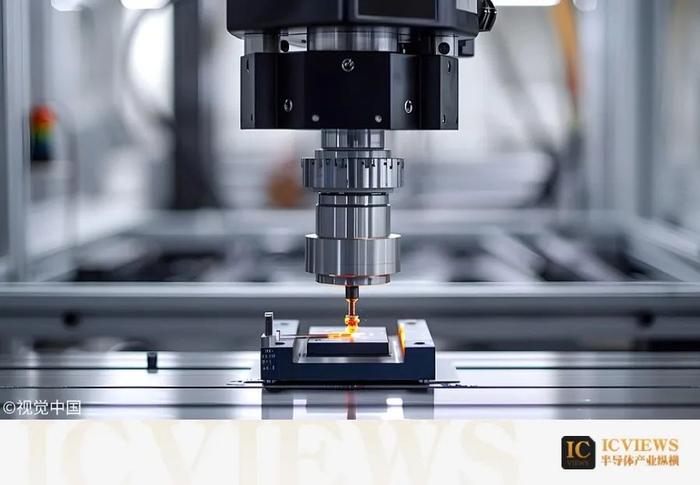
Core Viewpoint - Canon's new factory in Utsunomiya, Japan, will focus on mature process and backend packaging application equipment, aiming to enhance global chip packaging and mature process market capacity [4]. Group 1: Factory and Production Capacity - The new lithography machine manufacturing plant is set to begin mass production in September 2023, with an investment exceeding 50 billion yen, covering the factory and advanced manufacturing equipment [4]. - The factory will occupy approximately 70,000 square meters and is expected to double the production capacity of lithography equipment [4]. - Canon aims to sell about 10 to 20 units of its advanced nanoimprint lithography (NIL) system annually within three to five years [6]. Group 2: Technology and Market Position - Canon will produce i-line and KrF lithography equipment, which are essential for manufacturing mature node semiconductors, as well as next-generation NIL systems [5]. - The NIL technology is projected to reduce power consumption to 10% of EUV production methods and lower equipment investment costs to 40% [5]. - Canon's backend equipment accounts for 30% of its total sales, primarily serving clients like TSMC for packaging applications [4][7]. Group 3: Industry Trends and Future Outlook - The rise of generative AI is driving demand for higher computing power, leading chip manufacturers to bundle multiple semiconductors into single modules, which necessitates new intermediary layers for connections [6]. - Canon has recognized the limitations of circuit miniaturization since 2011 and has been a pioneer in backend lithography equipment [7]. - The company anticipates a 9% year-on-year increase in sales of semiconductor lithography equipment, targeting 225 units by 2025 [7].

相机的复兴,年轻的胜利 | 海斌访谈
Di Yi Cai Jing· 2025-08-02 12:44
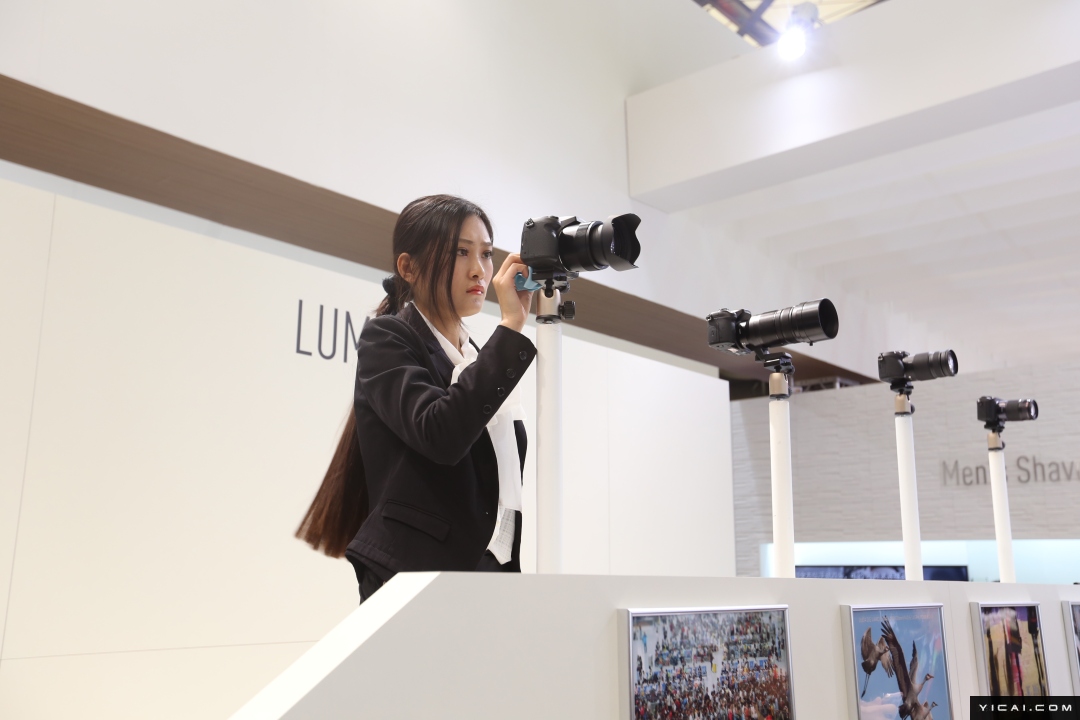
Core Insights - The camera market in China is experiencing a surprising revival, particularly in the context of the consumer electronics industry, with imaging products being one of the fastest-growing categories [1][5] - The surge in demand is largely driven by younger consumers, particularly those aged 18 to 35, who are increasingly using cameras for social media content creation [7][8] Market Trends - In February, the shipment volume of digital cameras in China increased by 64.6% year-on-year [3] - Canon, Fujifilm, and Sony have reported shortages for certain camera models, indicating strong demand [4] Consumer Demographics - The traditional customer base for Canon has been older consumers, but there has been a significant shift towards younger demographics post-pandemic, with the 18 to 35 age group now accounting for nearly half of their consumer base [6][7] - Fujifilm reports that approximately 67% of their X-series digital camera users in China are under 35 years old [8] Gender Dynamics - Female consumers represent a significant portion of the camera market, with Canon's user base comprising 68% women, who are more active in social media content creation [8][9] - Fujifilm has also seen a rise in female users, who are increasingly seeking higher-quality photography options beyond smartphone capabilities [9] Sales Performance - Canon's EOS R50 has become a best-seller among young consumers, achieving record sales in May, marking the highest monthly sales in Canon's global history [9] - Fujifilm's digital camera sales in China have seen double-digit growth for three consecutive years, with a reported 20% increase in 2022 and over 30% in 2023 [11] Market Importance - The Chinese market is becoming increasingly vital for Japanese camera manufacturers, with Canon and Fujifilm both recognizing its significance in their global operations [11][12] - Canon operates in China as an independent sales region, highlighting its importance compared to other global markets [11] Production and Supply Chain - Despite the high demand, companies like Canon and Fujifilm are cautious about expanding production capacity, having previously faced challenges with overproduction in the compact camera segment [13][14] - Canon's high-end products are produced in Japan, while its lower-end models are primarily imported to meet demand in China [13]

Rapidus启动(上)两倍速生产
日经中文网· 2025-08-02 00:33
Core Viewpoint - Rapidus, a Japanese semiconductor startup, has accelerated its production pace, achieving prototype development in just three months after factory launch, which is twice the usual time frame, supported by experienced engineers and suppliers from Japan's semiconductor industry [2][4]. Group 1: Production and Technology - Rapidus successfully completed the trial production of 2-nanometer semiconductors, significantly shortening the typical six-month process to just three months [4]. - The company has implemented a "fully single wafer" production line that allows for high-speed processing of individual wafers, achieving processing speeds 2-3 times faster than TSMC [6]. - The use of digital technology for data analysis, including a dedicated team for deep learning automation, has enhanced the efficiency of the production process [6]. Group 2: Market Position and Competition - Japan's semiconductor sales once surpassed those of the U.S. in the 1980s, but the country has since lost its edge in advanced production technologies, with TSMC holding a dominant 67.6% market share in semiconductor foundry services as of Q1 2025 [7]. - If Rapidus succeeds in mass production, it could create new revenue opportunities for Japanese equipment and materials manufacturers [7]. Group 3: Collaborations and Future Plans - Dainippon Printing has begun developing photomasks for transferring 2-nanometer circuits to wafers, with plans to supply Rapidus by 2027 [9]. - Tokyo Electron has established a base in Chitose City for equipment installation and maintenance, with plans to increase the number of engineers to support production [10]. - The collaboration across various industries is essential for Rapidus to refine its mass production technology and enhance Japan's overall competitiveness in the semiconductor sector [10].

大疆、影石刺向彼此腹地:智能影像市场硝烟再起
Hu Xiu· 2025-07-28 23:45
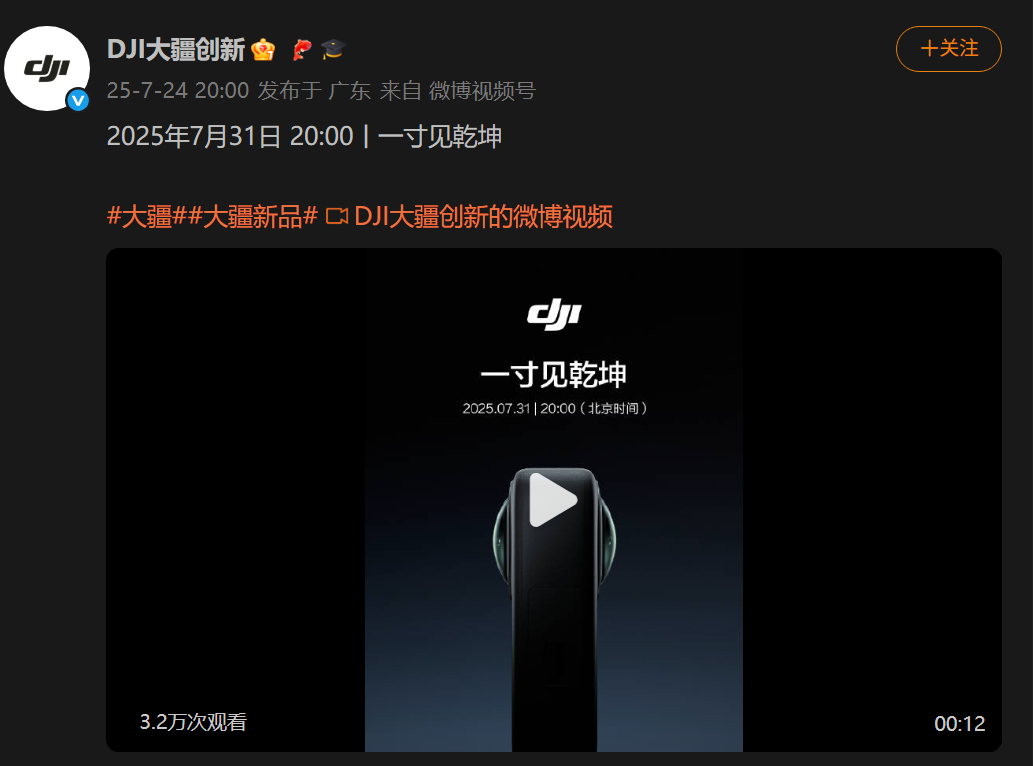
Core Viewpoint - The smart imaging device market is gearing up for a significant competition between two leading Chinese high-tech companies, DJI and Insta360, with their movements closely watched by the market [1]. Group 1: Company Developments - DJI announced the launch of its first 360-degree panoramic camera, Osmo 360, set for July 31, with the slogan "A Inch Sees the Universe" [2]. - DJI has completed its full-category layout in the smart imaging market, covering aerial drones, action cameras, handheld cameras, and panoramic cameras [3]. - Insta360, after four years of preparation, successfully listed on the Shanghai Stock Exchange's Sci-Tech Innovation Board on June 11, with a market capitalization of approximately 65.6 billion yuan [6]. Group 2: Market Competition - DJI and Insta360 have a history of competition, with DJI entering the action camera market after GoPro faced challenges, while Insta360 focused on panoramic cameras [9]. - In 2023, Insta360 launched its first action camera, Ace Pro, indicating its expansion into the action camera market [9]. - DJI's Osmo 360 is equipped with a 1-inch CMOS sensor, supporting up to 8K/30fps panoramic video, which theoretically offers better image quality than Insta360's flagship product [11]. Group 3: Market Size and Trends - The global consumer drone market was approximately $4.85 billion in 2023, with DJI holding around 70% market share [21]. - The global handheld smart imaging device market was about 31.5 billion yuan in 2023, with action cameras accounting for over 85% and panoramic cameras for 25% [21]. - The traditional camera market is dominated by Canon, Nikon, and Sony, with stable market conditions persisting for nearly a decade [20]. Group 4: Financial Performance - Insta360 reported revenue of 1.355 billion yuan in Q1 2025, a year-on-year increase of 40.7%, but its net profit decreased by 2.5% [26]. - Analysts predict a compound annual growth rate of 11.8% for the global panoramic camera market from 2023 to 2027, with Insta360 expected to achieve over 30% revenue growth in the next two years [31]. Group 5: Future Outlook - Insta360's entry into the drone market may lead to increased R&D investments, potentially impacting short-term financial performance [27]. - The success of Insta360 in the drone market will depend on its ability to address unmet needs and improve user experience through patented technologies [29]. - DJI is also diversifying its product offerings, with plans to release a sweeping robot, ROMO, on August 6, further exploring cross-application of its technology [32].
2亿一台嫌贵?佳能说我这十分之一!光刻机价格战要来了?
Xin Lang Cai Jing· 2025-07-28 13:06
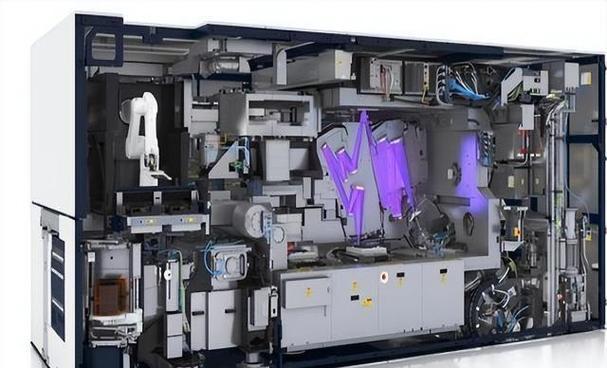
Core Viewpoint - The competition in the lithography machine market is intensifying, with Canon's nanoimprint lithography (NIL) technology emerging as a cost-effective alternative to ASML's extreme ultraviolet (EUV) lithography, challenging ASML's dominance in the high-end market [1][10]. Group 1: ASML's Dominance - ASML currently holds a 90% market share in the EUV segment, selling machines for $200 million each, with buyers required to sign agreements prohibiting sales to China [4][5]. - Historically, ASML was not a leader in the lithography market, with Japanese companies Canon and Nikon dominating until the early 2000s when ASML pivoted to EUV technology [3][4]. Group 2: Canon's Strategy - Canon has developed NIL technology, which allows for direct imprinting of circuit patterns onto wafers, achieving 14nm line width suitable for 5nm chip production at a significantly lower cost, estimated to be one-tenth of ASML's EUV machines [5][6]. - The NIL technology has a lower energy consumption, reportedly 10% of that of EUV, making it an attractive option for manufacturers looking to reduce costs [6][10]. Group 3: Challenges and Improvements - Canon's NIL technology initially faced challenges with yield rates, which were around 60%, but improvements have raised this to over 90% through better mask materials [7][10]. - Canon is strategically targeting markets such as 3D NAND and CMOS image sensors, where precision requirements are lower, allowing for cost-effective production [7][9]. Group 4: Nikon's Approach - Nikon is not directly competing with ASML in the EUV space but is instead focusing on markets that ASML overlooks, such as the ArF lithography market and advanced packaging technologies [8][9]. - Nikon's return to the ArF market targets 65nm logic chips and CMOS sensors, offering competitive pricing and compatibility with existing facilities [8][9]. Group 5: Global Competition - Other companies globally are also developing alternatives to EUV, with innovations like laser-based X-ray lithography and self-assembling lithography, aiming to reduce costs significantly [10]. - The semiconductor industry is shifting towards a focus on cost-effectiveness rather than solely on advanced technology, indicating a potential shift in market dynamics [10][11]. Group 6: Conclusion - The lithography machine market is evolving, with multiple technologies coexisting, and the emphasis on cost-effectiveness may reshape the competitive landscape, challenging ASML's current supremacy [11].

光刻机产业链深度讲解
2025-07-28 01:42
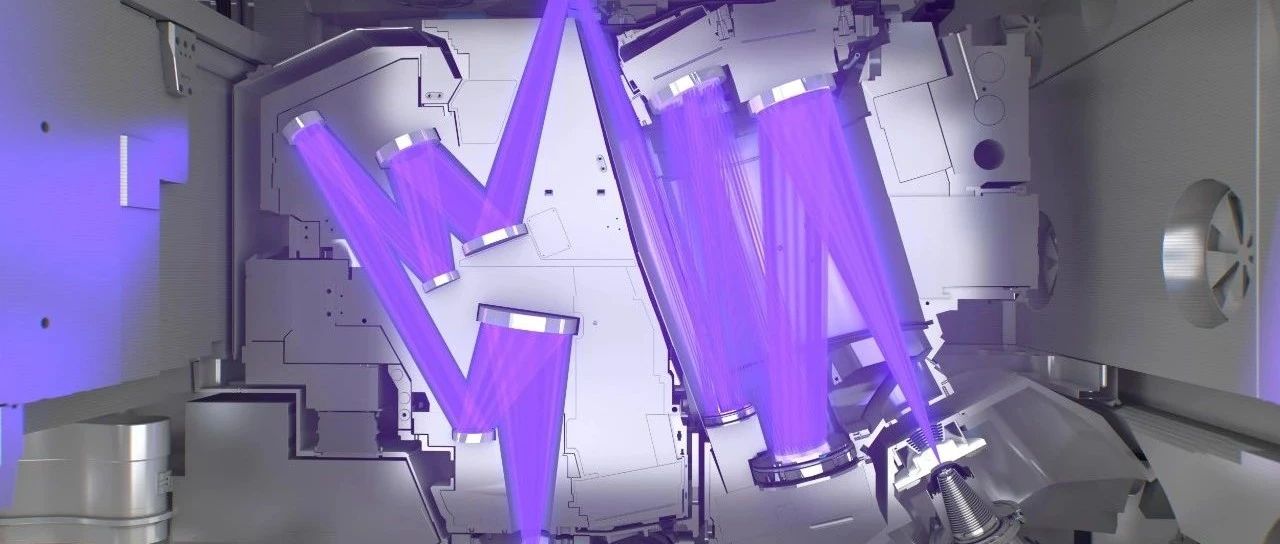
Summary of Key Points from the Conference Call Industry Overview - The global photolithography equipment market is dominated by ASML, holding over 80% market share, while Canon and Nikon have significantly lagged behind [1][10] - The photolithography technology has evolved from contact lithography to projection lithography, with immersion technology introduced to enhance imaging precision [1][5] - The high-end photolithography equipment supply chain is highly globalized, primarily concentrated in the Netherlands, the USA, Japan, and Germany [1][6] Core Insights and Arguments - The domestic semiconductor industry is in a critical phase of development, particularly in advanced manufacturing and photolithography, necessitated by the embargo on high-end photolithography machines [2][11] - Photolithography accounts for approximately one-third of the total chip manufacturing cost, making it a crucial component in the semiconductor production process [2] - The market outlook for photolithography is positive, as it is closely linked to advanced processes and is not significantly affected by short-term performance fluctuations [3][22] - Key companies in the domestic market include SMIC, Huahong Semiconductor, Fuzhong Technology, and ASMC, which are positioned to benefit from the ongoing shift towards domestic production [2][3][22] Market Dynamics - The global photolithography equipment market is the second largest in semiconductor manufacturing equipment, with a market size of approximately $17.1 billion in 2021 [3] - The domestic market for photolithography is also substantial, providing ample growth opportunities for related companies [3] - The competitive landscape is highly concentrated, with ASML leading in high-end products, particularly in the EUV segment, where it is the sole producer [10][11] Challenges and Opportunities - Domestic companies face significant challenges in achieving self-sufficiency in high-end photolithography due to technological barriers and the need for a complete supply chain [6][11] - Future domestic substitution efforts will focus on advanced manufacturing and high-end equipment, with significant market potential and long-term growth prospects [7][8] - The core components of photolithography machines include the light source system, illumination system, and projection lens system, with the projection lens system being the most valuable and complex [1][15][17] Technical Aspects - The development of photolithography technology has progressed through various stages, with the current mainstream being projection lithography, which utilizes immersion technology for improved precision [5][9] - The light source system is critical for processing accuracy and yield, influencing the overall resolution of the photolithography process [12][15] - The design and manufacturing of projection lenses present significant challenges due to their complexity and the need for high precision [18][19] Conclusion - The market is optimistic about the photolithography sector, with key players like SMIC, Fuzhong Technology, and ASMC being highlighted for their potential to drive industry growth [22] - The ongoing shift towards domestic production in the semiconductor industry is expected to create new opportunities, despite the challenges posed by technological dependencies and supply chain issues [6][11][22]
十万零件筑就的工业明珠!中国光刻机突围战打响
材料汇· 2025-07-26 15:45
Core Viewpoint - The article emphasizes the critical role of lithography machines in semiconductor manufacturing, highlighting their technological evolution and the importance of resolution, which is the ultimate goal in the development of lithography technology [2][8]. Group 1: Lithography Technology - Lithography is a key technology in wafer manufacturing, with lithography machines being the most valuable and technically challenging equipment in the process [8]. - The core of lithography technology involves transferring chip design patterns onto silicon wafers through a process that includes exposure, development, and cleaning [9]. Group 2: Resolution as a Key Indicator - Resolution is defined as the minimum feature size that can be clearly projected onto a wafer, influenced by factors such as light wavelength, numerical aperture (NA), and process factor (k1) [15][25]. - The evolution of lithography has seen a significant reduction in light source wavelengths, with the current extreme ultraviolet (EUV) light source at 13.5nm being the most advanced [35][36]. Group 3: Key Components of Lithography Machines - Lithography machines consist of three core systems: the light source system, optical system, and workpiece stage system [63]. - The light source system provides the energy for exposure, with the most advanced sources being EUV, which require high precision in control [67][68]. - The optical system is responsible for light propagation and aberration correction, utilizing complex lens assemblies to achieve high precision [63][64]. Group 4: Historical Development of Lithography Leaders - The lithography machine industry has seen a shift in leadership through three main eras, with ASML currently dominating the advanced lithography market due to its technological advancements [4][5]. - The transition from early American companies to Japanese firms, and now to ASML, illustrates the impact of technological breakthroughs and government support on industry leadership [4][5]. Group 5: Domestic Lithography Development - China's lithography machine industry has made significant progress since the implementation of the "02 Special Project" in 2006, although it still lags behind international standards [6]. - Domestic manufacturers like Shanghai Micro Electronics have made strides in the mid-to-low-end market, but face challenges in high-end lithography machine production [6].
半导体基石系列之四:工业明珠灿若星河,光刻机国产化行则将至
Changjiang Securities· 2025-07-26 11:24
Investment Rating - The report maintains a "Positive" investment rating for the semiconductor and semiconductor production equipment industry [11]. Core Insights - The lithography machine is considered the crown jewel of the semiconductor industry, characterized by its complex components designed to achieve ultra-fine precision. The development of lithography machines has evolved through three major eras, with significant breakthroughs in key technologies leading to the dominance of companies like Nikon and ASML over their competitors. The report suggests that China's lithography machine industry can leverage its latecomer advantage to focus on overcoming core challenges and ultimately achieve self-sufficiency [4][10]. Summary by Sections Lithography Technology - Lithography is a critical process in semiconductor manufacturing, utilizing light-sensitive photoresist to transfer patterns from masks to wafers. The resolution of lithography machines is influenced by the wavelength of the light source, numerical aperture (NA), and process factor (k1). The evolution of lithography technology has seen a transition from mercury lamps to KrF, ArF, and currently to EUV light sources [7][22][28]. Key Components of Lithography Machines - The lithography machine consists of three core components: 1. **Light Source System**: Provides the energy for exposure, with the most advanced sources using CO2 lasers to generate EUV light [8]. 2. **Optical System**: Optimizes the light path and minimizes aberrations, with EUV systems relying entirely on mirrors due to the poor penetration of EUV light [8]. 3. **Wafer Stage System**: Controls the movement of the wafer and mask, crucial for the exposure process [8]. Historical Overview of Lithography Leaders - The lithography machine industry has experienced shifts in leadership across three eras, beginning with early American companies like GCA and Perkin Elmer, followed by Japanese firms Nikon and Canon, and currently dominated by ASML through technological advancements such as dual-stage and immersion lithography, as well as EUV technology [9][10]. Prospects for Domestic Lithography in China - China's lithography machine industry has made significant progress since the implementation of the "02 Special Project" in 2006, with domestic manufacturers like Shanghai Micro Electronics achieving advancements in the mid-to-low-end market. However, challenges remain in the high-end lithography machine sector [10].