山姆会员店

Search documents
山姆,给中产丢脸了
盐财经· 2025-07-20 09:39
Core Viewpoint - The article discusses the recent backlash from Sam's Club members regarding changes in product selection, which has led to concerns about quality and brand trust among its members [2][4][9]. Group 1: Membership and Sales Performance - Sam's Club has over 5 million active members in China, generating annual membership revenue exceeding 1.3 billion yuan, with a high renewal rate of 92% for premium members [6][8]. - Walmart's Q1 report indicated that Sam's Club and e-commerce are significant growth drivers, contributing two-thirds of Walmart China's performance, with net sales reaching $6.7 billion, a 22.5% year-on-year increase [6][9]. Group 2: Product Selection Controversy - Members have expressed dissatisfaction over the replacement of popular products with mainstream brands, perceiving it as a decline in quality [4][12]. - The introduction of products like "减糖·好丽友派" faced criticism for not meeting quality expectations, leading to its temporary removal from shelves [14][20]. - Consumers feel that the new product offerings do not align with their expectations of premium quality, leading to a loss of trust in the brand [18][39]. Group 3: Management and Strategic Changes - The article highlights a management transition at Walmart China, with Jane Ewing taking over as acting president of Sam's Club, emphasizing supply chain efficiency [27][31]. - The rapid expansion of Sam's Club, with plans to open 6 new stores in 2024, has raised concerns about maintaining product quality and supply chain management [35][37]. - Analysts suggest that the quality issues may be linked to the accelerated growth and the need for a more robust logistics and quality control system [37][46]. Group 4: Consumer Sentiment and Future Outlook - Long-time members are reconsidering their membership due to perceived declines in product quality and benefits, with some opting to downgrade their membership [18][21]. - The article concludes that while Sam's Club has made adjustments in response to member feedback, the long-term impact on brand perception and member loyalty remains uncertain [47][48].



山姆更换选品风波:会员制超市的符号危机
Jing Ji Guan Cha Wang· 2025-07-18 13:29
Core Insights - Sam's Club has recently replaced high-repurchase items like sun cakes and low-sugar egg yolk pastries with more common snacks, leading to member dissatisfaction and questioning of the store's unique value proposition [1][2] - The shift in product selection disrupts the established "high quality, high cost-performance" image that Sam's Club has built, blurring its differentiation from other retail channels [1][2] - The reliance on self-owned brands, which accounted for 40% of sales, is crucial for maintaining member trust and loyalty, as members pay annual fees not just for discounts but for a unique lifestyle experience [1][3] Membership Dynamics - The dilution of the "identity marker" for members occurs as Sam's Club introduces more mainstream brands, leading to a perceived decrease in product value and a collapse of self-identification among members [2] - Members' fees represent a premium for the brand's unique value and exclusive rights, and any failure to deliver on core promises can lead to questioning the value of membership [2][3] - The challenge for Sam's Club lies in balancing expansion with brand loyalty, as attempts to attract a broader customer base through mainstream products may sacrifice existing member loyalty [2][3] Market Positioning - The conflict between maintaining high-value perception and the need for product scarcity and quality stability presents a paradox for membership-based economies [3] - Sam's Club's recent turmoil reflects a broader conflict between consumerism narratives and commercial realities, emphasizing the importance of maintaining a "circle culture" through selective product offerings [3] - The company must reassess its product selection strategy to either uphold the symbolic value of membership or shift towards broader market coverage, as a decline in self-owned brand representation could undermine quality assurance [3]
“背刺”中产的山姆,已经妥协了
Hua Er Jie Jian Wen· 2025-07-18 12:10
Core Viewpoint - Sam's Club is facing a trust crisis due to the recent removal of exclusive or private label products in favor of more common consumer brands, which contradicts its original value proposition of high-quality and scarce products [2][4][10] Group 1: Product Strategy and Consumer Trust - Sam's Club quietly removed popular exclusive products like sun cakes and rice puddings, replacing them with widely available brands, leading to accusations of "product selection downgrade" [2][4] - The shift in product offerings has raised concerns among consumers about the value of their membership, as they expect high-quality and unique products in exchange for their membership fees [5][10] - The controversy highlights a fundamental challenge in Sam's Club's business model, where the need for broader product coverage may compromise brand uniqueness and quality [2][24] Group 2: Membership Value Perception - Consumers perceive a decline in membership value as the uniqueness of products diminishes, prompting them to reconsider the worth of their membership fees [6][10] - The annual membership fee of 260 yuan (680 yuan for premium members) is seen as a barrier that should provide access to exclusive products, but the recent changes have led to dissatisfaction among members [5][9] - Complaints about reduced member benefits, such as the cancellation of value-added services, further exacerbate the perception of declining membership value [9] Group 3: Competitive Landscape - Sam's Club is under increasing pressure from competitors like Costco and local players such as Hema, which are aggressively targeting the same consumer base [3][21] - The competitive environment is intensifying, with Costco's differentiated product strategy and Hema's rapid growth posing significant challenges to Sam's Club's market position [20][21] - The emergence of new competitors, such as Pang Donglai, which offers high-quality service without membership fees, adds to the competitive pressure on Sam's Club [22][23] Group 4: Business Growth and Expansion Challenges - Sam's Club has experienced rapid growth, with sales reaching over 800 billion yuan in 2023 and projected to exceed 1 trillion yuan in 2024 [13][14] - The expansion strategy has led to increased pressure on each new store to perform, potentially driving a shift towards more mainstream products to meet sales targets [24] - The balance between rapid expansion and maintaining product quality is becoming a critical issue for Sam's Club as it navigates its growth trajectory [24][25]
中国烘焙工厂系列⑫ · 腾星食品 | 用-50°C锁鲜技术重新定义冷冻烘焙
东京烘焙职业人· 2025-07-18 08:31
Core Viewpoint - The article emphasizes the importance of transparency in the Chinese baking market and highlights the emergence of a cold chain baking company, Tengxing Food, as a reliable partner for many baking brands, focusing on market trends and product competitiveness [1][4][6]. Group 1: Company Overview - Tengxing Food, established in 2021, specializes in cold chain baking and integrates R&D, production, and sales [8][10]. - The company is located in Zhangzhou, Fujian Province, covering an area of 140 acres with an investment of 600 million yuan to create an intelligent manufacturing complex [12]. - Tengxing Food has developed a diverse product range, including cheese desserts, Swiss rolls, mousse cakes, whole grain snacks, and savory baked goods, and has established long-term partnerships with major supermarkets and restaurant chains [10][12]. Group 2: Product Development and Innovation - The company focuses on product innovation, with a strong emphasis on health-conscious and convenient options, responding to market demands for reduced sugar and flavor innovation [4][6]. - Tengxing Food has a dedicated R&D center of 3,000 square meters, employing experienced baking engineers to develop high-quality products based on market insights [12][66]. - The company has received national high-tech enterprise recognition and plans to expand its global footprint by establishing overseas branches in Hong Kong and Singapore [14][18]. Group 3: Production and Quality Control - Tengxing Food adheres to GMP standards, operating a 100,000-level clean workshop and utilizing advanced production technologies to ensure high-quality output [59][62]. - The company has implemented a comprehensive quality control system, ensuring that every production stage meets the highest safety standards, supported by certifications such as FSSC22000 and BRC [62][64]. - The cold chain technology employed allows for rapid freezing and storage, maintaining product freshness and quality during transportation [64][76]. Group 4: Market Position and Partnerships - Tengxing Food has established collaborations with over 100 well-known domestic and international brands, including Nestlé, Walmart, and Sam's Club, enhancing its market presence [80]. - The company offers customized services and has a diverse product portfolio that caters to various consumer needs, including high-end restaurants and new-style tea shops [75][78]. - The operational model emphasizes low investment in equipment and high-profit margins, reducing inventory risks through long shelf life of frozen products [75][76].

山姆的危机
投资界· 2025-07-18 07:19
Core Viewpoint - The incident involving the temporary listing and quick removal of Haoliyou snacks at Sam's Club highlights a deeper issue regarding the trust and expectations of the middle-class consumer in China, revealing a potential strategic crisis for the brand [3][4][5]. Group 1: Understanding the Incident - The backlash against Haoliyou snacks signifies a breach of trust among Sam's Club members, who associate the brand with a refined and quality-driven shopping experience [3][4]. - The core issue is not the product itself but the social narrative it represents, reflecting how the middle class defines its aesthetic standards and values [4][5]. Group 2: Forces at Play - Businesses today are influenced by two opposing forces: the "efficiency vortex," which prioritizes scale and cost, and the "trust bedrock," which relies on uniqueness and long-term relationships [7][8]. - Sam's Club has traditionally operated within the trust bedrock but is now attempting to expand into the efficiency vortex, creating tension [9]. Group 3: Trust and Membership Model - Sam's Club's business model is built on a membership system that fosters long-term trust through a commitment to quality and service [11][12]. - This trust is crucial for the middle-class consumer's purchasing decisions, as it allows Sam's Club to focus on cost reduction and supply chain optimization rather than short-term profit maximization [13][15]. Group 4: The Impact of Social Media - Social media has transformed customer-brand relationships, amplifying any perceived breaches of trust and turning individual experiences into collective narratives [18][19]. - The "Haoliyou incident" serves as a catalyst for questioning the trust relationship between Sam's Club and its consumers, highlighting the fragility of middle-class narratives [19][20]. Group 5: Expansion Challenges - As Sam's Club seeks to expand, it faces the challenge of maintaining its established standards while increasing store numbers and purchasing volumes [22][23]. - The need for growth may lead to compromises that could erode the trust built with its consumer base, as any deviation from established standards can create cracks in the brand's credibility [23][24]. Group 6: Competitive Landscape - Sam's Club's competitors, such as Hema and traditional supermarkets, are not only vying for market share but are also adopting different operational strategies that emphasize efficiency over curated experiences [25][26]. - The rise of instant shopping platforms poses a potential threat to Sam's Club's business model, as consumers may prioritize immediate availability over the curated shopping experience [27].

山姆会员店选品降级风波持续发酵,口碑商品下架新品牌入局引爆会员信任危机
Sou Hu Cai Jing· 2025-07-17 18:56
Group 1 - The core controversy revolves around the perceived "downgrade" in product selection and the diminishing value of membership at Sam's Club, leading to consumer dissatisfaction [1][2] - Members are questioning the uniqueness of the offerings as Sam's Club shifts from exclusive products to more common brands, undermining the value proposition of the membership fee [1][2] - The introduction of lower-quality products and the removal of high-repurchase items have raised concerns about product quality and brand integrity [1][4] Group 2 - The adjustment in product selection is attributed to a shift in business strategy and management changes, with a focus on short-term profits over long-term brand loyalty [5][6] - There is pressure on suppliers to reduce costs, which has led to concerns about product quality and safety standards [4][5] - The management team change in January 2025 is seen as a pivotal moment, with new leadership prioritizing high-margin, mass-market products over previously popular items [5][7] Group 3 - The trust crisis in the membership model is evident as Sam's Club deviates from its "strict selection" promise, leading to a dilution of its brand identity [8][9] - Competitors like Hema and Costco are capturing market share by focusing on fresh and exclusive products, while Sam's Club is perceived to be losing its unique positioning [9] - There is a noticeable increase in customer inquiries about membership cancellations, indicating a potential trend of members reconsidering their loyalty [9][10] Group 4 - The fundamental issue lies in the erosion of the "paid trust" system, where membership fees no longer guarantee product scarcity and quality assurance, threatening the company's competitive edge [11]
山姆讲不好中产故事了?
虎嗅APP· 2025-07-16 13:51
Core Viewpoint - The incident involving the brief appearance and quick removal of Haoliyou Pie from Sam's Club highlights a deeper issue of trust and brand perception among the middle-class consumers in China, indicating a potential strategic crisis for the company [2][3][16]. Group 1: Understanding the Incident - The backlash against the inclusion of Haoliyou Pie reflects the sensitivity of middle-class consumers towards brand trust and aesthetic standards, which Sam's Club has cultivated over time [2][16]. - The core of the incident is not merely about the product itself but rather the social narrative it represents regarding middle-class values and expectations [2][16]. Group 2: Forces at Play - Two opposing forces are identified in the business landscape: "Efficiency Vortex," which focuses on scale and cost reduction, and "Trust Bedrock," which relies on unique offerings and brand loyalty [5][6]. - Sam's Club operates in the "Trust Bedrock" quadrant, having built its reputation on a foundation of trust and quality, but is now attempting to expand into the "Efficiency Vortex" [9][21]. Group 3: Trust Dynamics - The membership model of Sam's Club is based on long-term trust and a commitment to quality, which has been established through rigorous product selection and supply chain management [11][12]. - Trust has become a default premise for purchasing decisions among middle-class consumers, allowing Sam's Club to focus on cost reduction and supply chain optimization [12][13]. Group 4: The Crisis of Trust - The Haoliyou incident reveals a potential fracture in the trust that middle-class consumers have in Sam's Club, as any deviation from established aesthetic standards can be perceived as a betrayal [16][19]. - Social media has amplified the impact of this incident, transforming individual consumer experiences into collective narratives that can quickly erode brand trust [17][18]. Group 5: Expansion Challenges - As Sam's Club seeks to expand, it faces the challenge of maintaining its established standards while also increasing the number of stores and product offerings [21][22]. - The need for rapid growth may dilute the brand's standards, leading to potential trust issues among consumers who expect consistency in product quality and brand values [22][26]. Group 6: Competitive Landscape - Sam's Club's competitors, such as Hema and traditional supermarkets, are not only vying for market share but are also adopting different strategies that may undermine Sam's Club's unique value proposition [23][24]. - The rise of efficiency-driven platforms poses a threat to Sam's Club's traditional model, as consumers may prioritize immediate availability over curated experiences [26].
山姆讲不好中产故事了
Hu Xiu· 2025-07-16 13:00
Core Insights - The incident involving the brief appearance and subsequent removal of the "Haoliyou Pie" at Sam's Club highlights a significant trust issue with the middle-class consumer base in China [4][21][24] - The core of the controversy is not merely about the product itself but rather the deeper social narrative surrounding middle-class values and aesthetic standards [4][5][21] Group 1: Trust Dynamics - Sam's Club operates on a membership model that relies on long-term trust and a carefully curated selection of products [14][18] - The trust established by Sam's Club is built over time through strict product selection, scale procurement, and a robust supply chain [15][16][18] - Any deviation from the established aesthetic and quality standards can lead to significant backlash from the middle-class consumers, as seen in the "Haoliyou incident" [22][23][24] Group 2: Market Positioning - Sam's Club has been positioned in the second quadrant of a trust-efficiency matrix, aiming to expand into the first quadrant [12][30] - The company faces challenges in balancing efficiency-driven expansion with maintaining the curated experience that its members expect [31][32] - Competitors like Hema and other traditional supermarkets are not only competing on product selection but also on immediate service delivery, which poses a threat to Sam's Club's unique value proposition [34][35][38] Group 3: Social Media Impact - Social media has transformed consumer-brand relationships, amplifying any perceived missteps and turning them into collective narratives [25][27][28] - The rapid dissemination of information on platforms like Xiaohongshu can quickly escalate minor issues into significant trust crises for brands like Sam's Club [27][28] - The "Haoliyou incident" serves as a reminder of the fragility of brand trust in the current media landscape, where consumer sentiment can shift rapidly [28][42]
山姆下架好丽友背后:零食们借山姆扩增量,有品牌去年卖2亿
Nan Fang Du Shi Bao· 2025-07-16 12:57
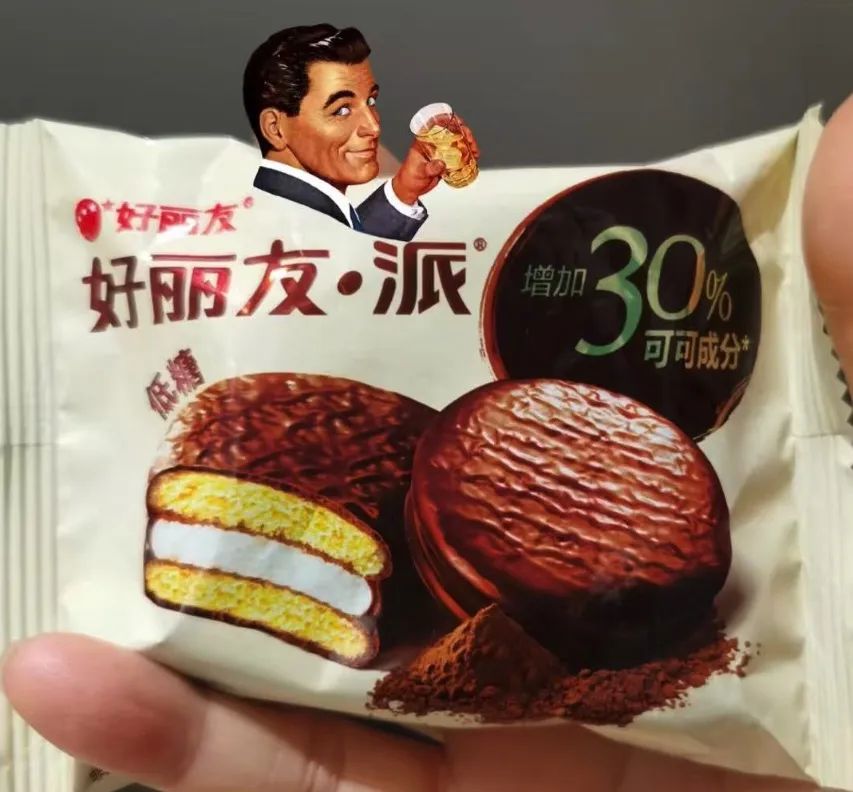
Core Viewpoint - The recent removal of "Low Sugar Orion Pie" from Sam's Club has sparked discussions among consumers regarding the selection strategy of the store, as many popular products have been replaced with items that are more commonly found in regular supermarkets [4][7][22]. Group 1: Product Removal and Consumer Reaction - Sam's Club has removed the "Low Sugar Orion Pie" from its app and shelves, despite it being recently introduced [1][8]. - Consumers expressed dissatisfaction on social media about the removal of high-repurchase-rate products and the introduction of more common items [4][22]. - The store's staff were unable to provide a clear reason for the product's removal or when it might return [8][12]. Group 2: Brand Strategy and Market Positioning - Several snack brands, including Orion, are leveraging Sam's Club to expand their market presence and target higher-end consumers, with some brands reporting significant sales through this channel [3][15]. - Snack brands are increasingly offering customized products for Sam's Club, which has led to substantial sales growth for some, such as Qiaqia Foods, which reported sales of approximately 200 million yuan through Sam's Club last year [15][19]. - The collaboration with Sam's Club is seen as a way for snack brands to enhance their market positioning, although there are concerns about the potential dilution of brand identity due to reliance on the retailer [22][23]. Group 3: Industry Trends and Insights - The snack food industry is undergoing a channel restructuring, with traditional supermarkets losing market share to membership-based retailers like Sam's Club, which are gaining traction among high-income consumers [21][22]. - Experts suggest that while partnerships with Sam's Club can provide growth opportunities, brands should avoid over-reliance on this channel to maintain their independent value [22][23]. - The legal perspective indicates that Sam's Club has the right to remove products based on market conditions and contractual agreements with suppliers, which does not necessarily harm consumer interests [27].
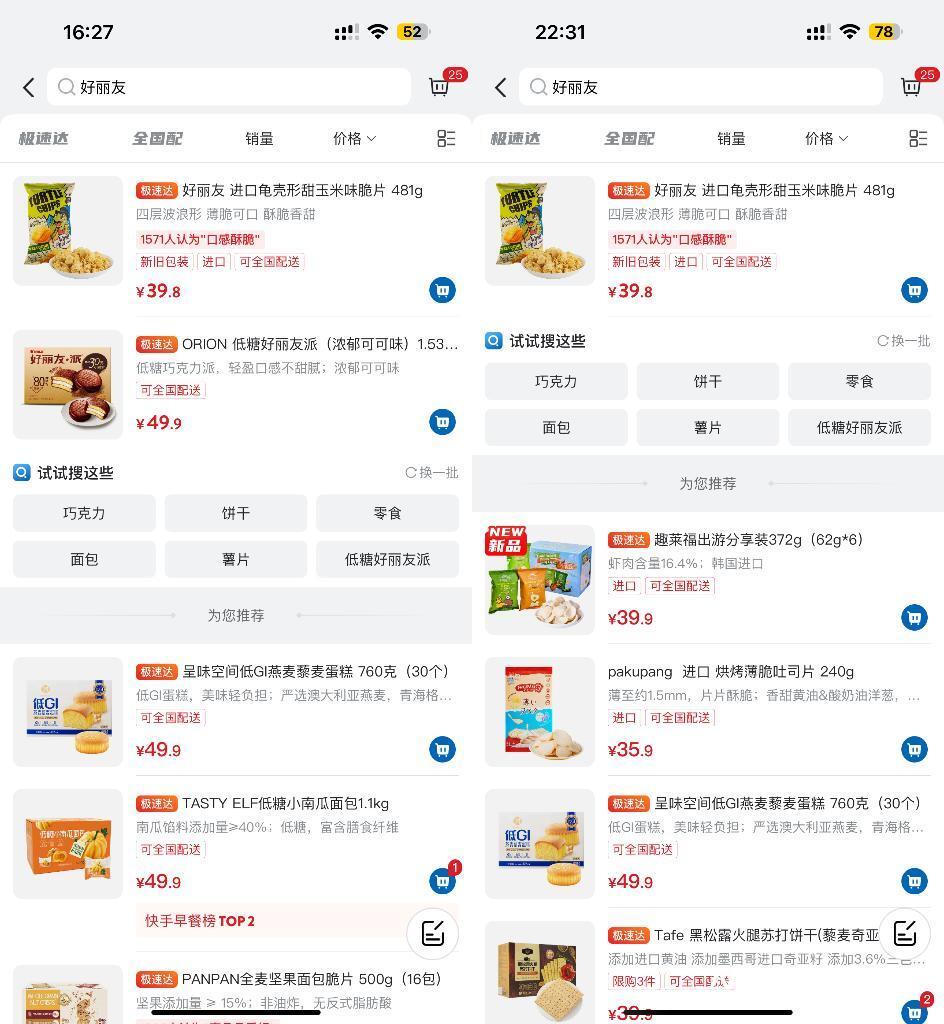
山姆卖好丽友,会员的天塌了
3 6 Ke· 2025-07-16 08:36
Core Viewpoint - The recent introduction of low-quality products, such as the low-sugar Haoliyou cake, at Sam's Club has led to significant dissatisfaction among its members, who expect high-quality, unique offerings in exchange for their membership fees [1][3][4]. Group 1: Member Expectations and Reactions - Sam's Club members feel betrayed by the introduction of common products like Haoliyou, which they can easily find in regular supermarkets, undermining the perceived value of their membership [1][3]. - Many members have expressed their frustration online, with some even writing to the headquarters to complain about the declining quality of product selections [1][3]. - The expectation among members is for "scarcity privileges," meaning they desire products that are not available in regular stores, which is not being met with the current offerings [3][4]. Group 2: Strategic Shifts and Market Positioning - The decision to introduce more mainstream products is seen as a shift in Sam's Club's strategy, possibly influenced by changes in management and a focus on cost-cutting to increase profitability [4][5][8]. - Analysts suggest that this shift may be an attempt to capture the lower-tier market, where consumers prefer more affordable and familiar products, such as snacks and sweets [4][5]. - The management changes, including the appointment of new executives, indicate a potential shift in the company's operational focus and strategy [7][8]. Group 3: Future Challenges and Considerations - Sam's Club faces critical questions regarding its market strategy: whether to focus on expanding its core middle-class customer base or to cater to the lower-tier market [8][10]. - There is a pressing need for Sam's Club to restore its "Sam's Standard" of quality to regain member trust and loyalty [8][10]. - Suggestions have been made for Sam's Club to explore additional services, such as healthcare and travel, to enhance member value beyond just product offerings [9][10].