
比亚迪

Search documents
002231,锁定市值退市!2股获机构大幅抢筹
Zheng Quan Shi Bao Wang· 2026-01-19 13:57
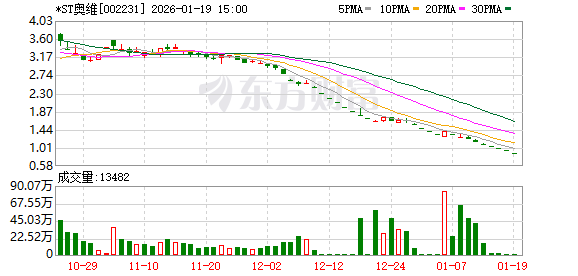
Market Overview - The three major A-share indices showed mixed performance on January 19, with a total market turnover of approximately 2.73 trillion yuan, a decrease of over 320 billion yuan compared to the previous trading day [2] - More than 3,500 stocks closed higher, with 103 stocks hitting the daily limit [2] Sector Performance - The precious metals sector led the gains, with Sichuan Gold hitting the daily limit [2] - Other sectors that saw gains included electronic chemicals, photoresist, SMIC concepts, and agricultural chemicals [2] - Concepts such as Xiaohongshu, internet e-commerce, and Sora video saw significant declines [2] Institutional Ratings - A total of 16 buy ratings were issued by institutions today, covering 14 stocks [3] - The average increase for stocks rated as buy by institutions was 0.79%, outperforming the Shanghai Composite Index [3] - Notable performers included Jianghuai Automobile, Longxin General, and Southern Precision, with increases of 4.77%, 4.3%, and 2.07% respectively [3] Earnings Forecasts - Among the stocks rated as buy, seven provided earnings forecasts for 2025, with Shenghong Technology expecting a net profit growth of 277.68% year-on-year [3] - WuXi AppTec and Longxin General followed with expected net profit growths of 102.65% and 53.84% respectively [3] Industry Focus - The automotive sector was the most favored, with Jianghuai Automobile and BYD among the stocks receiving buy ratings from institutions [4] Institutional Trading - In the top stocks by institutional net buying, Jin Feng Technology saw a net purchase of 339 million yuan, leading the list [7] - Other notable net purchases included Nabichuan with 114 million yuan [7] - Conversely, Hongxiang Co. faced the highest net selling at 130 million yuan [7] Northbound Capital Flow - Northbound funds saw net purchases in 12 stocks, with China Western Electric leading at 314 million yuan [9] - Other significant net purchases included Xu Ji Electric and Giant Network, each exceeding 100 million yuan [9] Company Announcements - *ST Aowei announced a market cap lock for delisting, with a closing price of 0.89 yuan per share, totaling a market cap of 309 million yuan, below the 500 million yuan threshold for 12 consecutive trading days [10] - Pingzhi Information won a bid for a project worth approximately 489 million yuan [11] - Western Gold announced a share reduction plan by its controlling shareholder, with a maximum reduction of 911 million shares [11] - Liangpinpuzi projected a net loss of 120 to 160 million yuan for 2025 due to store optimization and declining sales revenue [11]

比亚迪:公司成功开发了多款圆柱电池以及软包电池
Zheng Quan Ri Bao Wang· 2026-01-19 13:42
Core Viewpoint - BYD has successfully developed multiple cylindrical and soft-pack batteries to meet the increasing demand for small power batteries in various applications [1] Group 1: Company Developments - The company has responded to investor inquiries regarding the growing demand for small power batteries [1] - BYD's small power batteries can be applied in various fields, including electric two-wheelers, electric three-wheelers, and micro electric vehicles [1] Group 2: Market Trends - There is an increasing market demand for small power batteries, prompting the company to focus on technological innovation [1]

粤企领跑扩招涨薪潮,腾讯、比亚迪、研祥如何招才引智
Nan Fang Du Shi Bao· 2026-01-19 13:17
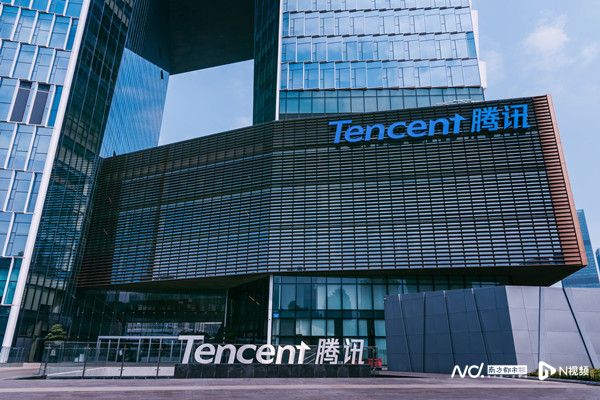
以上内容由AI大模型生成,仅供参考 "稳就业"关乎"稳经济"的大局。2025年12月,中央经济工作会议在部署2026年经济工作时明确要求,实 施稳岗扩容提质行动,切实稳定高校毕业生、农民工等重点群体就业。开年以来,广东作为"我国经济 第一大省",率先把稳岗扩容提质的要求落到企业用工与人才机制上,一批粤企在校招、实习、技能岗 位补充等方面持续加力,成为稳就业的重要承接端。 从用工市场信号看,扩招与涨薪正在同步出现。据不完全统计,2025年,比亚迪(002594)新发"AI infra算法工程师"岗位平均月薪上涨超过36%;大疆"工业设计师"岗位平均月薪上涨20%,腾讯"AI 产品 经理"岗位平均月薪上涨5.56%。岗位与薪酬变化背后,指向同一条主线:新技术驱动的岗位需求加速 释放,企业在关键岗位上提升吸引力,同时通过更系统的人才培养与发展通道提高留用率、提升就业质 量。 腾讯滨海总部大厦。 近日,南都湾财社记者采访了腾讯、比亚迪、研祥集团三家企业,发现"稳就业"的落点正在发生迁移: 从"多招人"转向"招对人、育好人、留住人"。腾讯作为平台企业,将扩招重点更多压在AI等新兴业务 上;比亚迪作为制造业龙头,在产业链 ...

观察 粤企领跑扩招涨薪潮,腾讯、比亚迪、研祥如何招才引智
Nan Fang Du Shi Bao· 2026-01-19 13:07
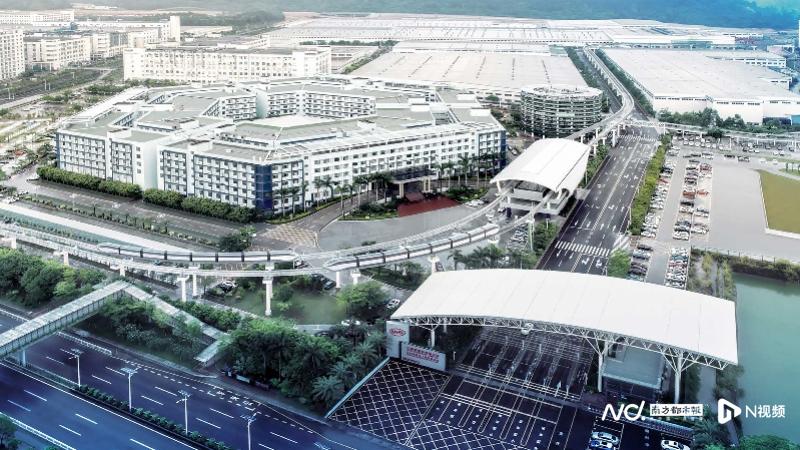
Core Insights - The article emphasizes the importance of "stabilizing employment" as a key factor for "stabilizing the economy," with a focus on actions to enhance job quality and quantity for specific groups like college graduates and migrant workers [1] Group 1: Employment Strategies - Guangdong, as China's largest economy, has implemented measures to stabilize employment by enhancing recruitment and talent mechanisms in enterprises, leading to increased hiring and salary growth [1][3] - Companies like Tencent, BYD, and Yanzheng Group are shifting their focus from merely hiring more people to hiring the right talent, nurturing them, and retaining them [3][4] Group 2: Recruitment Trends - Recruitment is increasingly concentrated in "new technologies, new tracks, and new positions," with a significant focus on AI-related roles, which account for over 60% of Tencent's new job openings [4][6] - BYD's job growth is driven by the expansion of its industrial chain and technological upgrades, leading to a multi-layered demand for talent across various sectors [6] Group 3: Talent Development Mechanisms - Companies are implementing comprehensive training and development mechanisms to improve employment quality, with Tencent focusing on campus recruitment and internal training resources to facilitate the transition from school to work [7][8] - BYD emphasizes a "full-cycle" talent system that integrates recruitment, onboarding, and training, while also providing a structured growth path for employees [8][9] Group 4: Long-term Employment Quality - The article highlights that effective talent retention strategies, such as mentorship programs and multi-channel development paths, are crucial for reducing turnover and enhancing job quality [9][10] - Yanzheng Group's "Qingyan Society" focuses on matching talent with job requirements through systematic training and practical experience, thereby improving retention rates [9][12] Group 5: Broader Implications for Innovation and Industry Resilience - The ability of companies to continuously attract and develop talent is seen as critical for innovation and industry resilience, with Tencent and BYD both investing in high-end talent and specialized training programs [10][12] - The article concludes that employment strategies are evolving from simple recruitment to a more integrated approach that combines talent development, adaptability, and alignment with industry upgrades [12]
观察|粤企领跑扩招涨薪潮,腾讯、比亚迪、研祥如何招才引智
Nan Fang Du Shi Bao· 2026-01-19 13:07
从用工市场信号看,扩招与涨薪正在同步出现。据不完全统计,2025年,比亚迪新发"AI infra算法工程师"岗位平 均月薪上涨超过36%;大疆"工业设计师"岗位平均月薪上涨20%,腾讯"AI 产品经理"岗位平均月薪上涨5.56%。岗 位与薪酬变化背后,指向同一条主线:新技术驱动的岗位需求加速释放,企业在关键岗位上提升吸引力,同时通 过更系统的人才培养与发展通道提高留用率、提升就业质量。 近日,南都湾财社记者采访了腾讯、比亚迪、研祥集团三家企业,发现"稳就业"的落点正在发生迁移:从"多招 人"转向"招对人、育好人、留住人"。腾讯作为平台企业,将扩招重点更多压在AI等新兴业务上;比亚迪作为制 造业龙头,在产业链扩张中带来多层次岗位增量,并以全周期培养机制稳住队伍;研祥集团则以"青研社"全周期 职业孵化与技术扶贫模式破解人岗适配难题,把"人才流量"沉淀为"技术留量"。 扩招向"新技术、新赛道、新岗位"集中 招聘结构的变化,往往预示着产业趋势的风向。随着大模型产业快速发展,腾讯在2025年开放的校招岗位覆盖技 术、产品、设计、市场、职能等五大类70余种岗位。其中,人工智能、大数据、云计算、游戏引擎等技术类岗位 扩招力 ...
港股再融资迎“开门红”,募资超270亿港元
2 1 Shi Ji Jing Ji Bao Dao· 2026-01-19 12:37
Core Viewpoint - The Hong Kong capital market has seen a significant increase in refinancing activities at the beginning of 2026, with over HKD 27 billion raised, marking a more than 20-fold increase compared to the same period in 2025, setting a vibrant tone for the year ahead [1][2]. Group 1: Market Activity and Trends - As of January 18, 2026, Hong Kong listed companies have raised over HKD 27 billion through various refinancing methods, a substantial increase from HKD 1.1 billion in the same period of 2025 [1]. - The 2025 Hong Kong refinancing market reached a historic high of HKD 325.32 billion, surpassing the IPO fundraising scale for the first time [1][2]. - The active refinancing market is attributed to a 27.77% increase in the Hang Seng Index in 2025, which improved market sentiment and valuation [2]. Group 2: Structural Characteristics of Financing - The refinancing activities in early 2026 show a diverse industry distribution, including sectors such as oil and petrochemicals, construction, software services, and healthcare [3]. - Notable companies like SF Express and Jitu Express raised over HKD 10 billion each, while 10 other companies raised over HKD 1 billion [3]. - The primary use of raised funds is aligned with core business strategies, including international expansion, technology R&D, and financial structure optimization [3]. Group 3: Financing Methods and Innovations - Placement remains the dominant method for refinancing, with 27 out of 36 cases in 2026 utilizing this approach, highlighting its efficiency and flexibility [3]. - A notable trend in 2026 is the diversification of financing methods, including strategic mutual holdings through consideration issuance, which promotes industry chain integration [4][5]. - The issuance of convertible bonds, particularly zero-coupon convertible bonds, is becoming increasingly active, with financing concentrating on leading enterprises [6]. Group 4: Future Outlook - The Hong Kong refinancing market is expected to maintain high activity levels, with a stable growth rate and continued demand from capital-intensive industries [6]. - The flexible and efficient issuance system is likely to attract more listed companies, with refinancing volumes expected to exceed IPOs [6]. - The importance of hard technology and biotechnology companies is anticipated to rise, while the participation of cross-border capital is expected to enhance market liquidity [6].
汽车周报:整车出海、机器人预期强化,同时关注业绩确定性白马-20260119
Shenwan Hongyuan Securities· 2026-01-19 12:06
Investment Rating - The report maintains a positive outlook on the automotive industry, highlighting potential investment opportunities in companies with performance certainty and those benefiting from export policies [1][3]. Core Insights - The report emphasizes the upcoming earnings forecast period in late January, suggesting a market focus on companies with predictable performance, such as Qifeng Co. and Fuda Co. [3] - It notes the potential relaxation of tariffs on vehicle exports to the EU and Canada, which could positively impact wholesale sales expectations for companies like BYD, SAIC, and Xpeng [3] - The report highlights the strengthening market expectations for Tesla's Optimus V3 and the associated valuation potential in the robotics industry [3] - It indicates significant cost pressures in the domestic market, with raw material indices for traditional and new energy vehicles rising by 5.2% and 23.9% respectively since Q4 2025, urging caution regarding annual profit forecasts [3][13] Industry Updates - The average daily retail sales of passenger cars in China dropped by 32% year-on-year in the first week of January, with a 42% decline compared to the previous month [3] - The automotive industry recorded a total transaction value of 837.12 billion yuan for the week, reflecting a 31.14% increase week-on-week [3] - The automotive industry index rose by 0.49% for the week, outperforming the Shanghai Composite Index, which fell by 0.57% [16] Market Conditions - The report identifies key events, including the potential cancellation of excessive tariffs by the EU and a new agreement with Canada allowing the import of 49,000 Chinese electric vehicles at a 6.1% tariff [4][7] - It notes the positive sentiment from Silicon Valley investors regarding Tesla's Optimus V3, which is expected to have a transformative impact beyond the automotive sector [9] - The report outlines a diverse performance among companies, with notable earnings forecasts from firms like Dongli Xinke and Fute Technology, projecting significant year-on-year profit increases [10][11] Raw Material Price Trends - Since Q4 2025, raw material prices have risen significantly, with lithium carbonate increasing by 114.8% and cobalt by 35.8%, indicating substantial cost pressures for the industry [13][14] - The report provides a detailed breakdown of raw material price changes, highlighting the impact on both traditional and new energy vehicle production [14] Stock Performance - The report notes that 152 automotive stocks increased in value, while 117 declined, with the largest gainers being Aikelan and Jiaoyun Co. [22] - It highlights the automotive sector's price-to-earnings ratio of 30.30, ranking it 18th among all sectors, indicating a moderate valuation level [19][21]



赵长江加入智界的“第一仗”:能否讲好MPV故事,推爆智界V9?
3 6 Ke· 2026-01-19 10:45
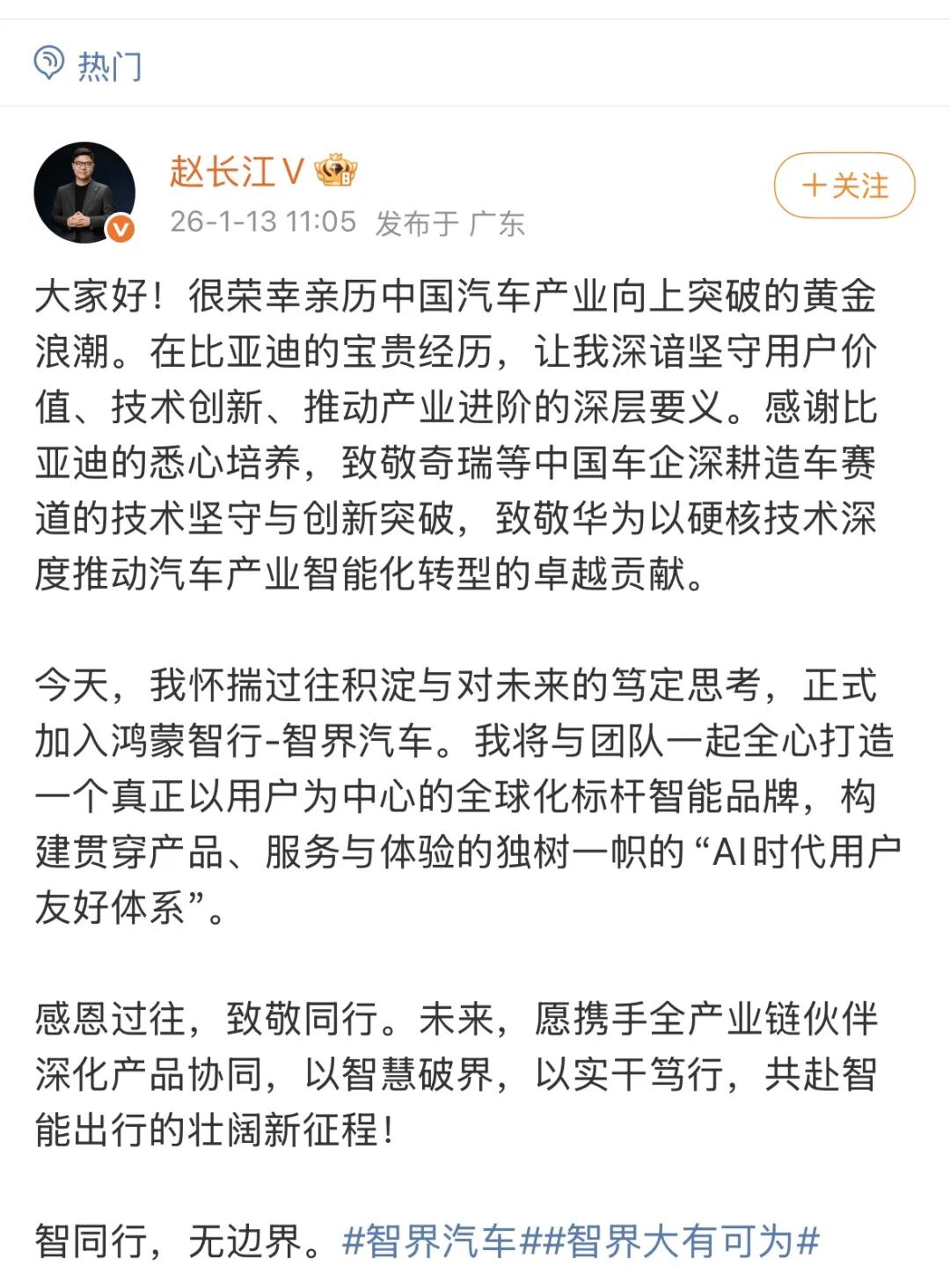
Core Viewpoint - Zhao Changjiang, former general manager of BYD's Tengshi brand, has joined Zhijie Automotive as executive director and executive vice president, which is expected to enhance Zhijie's competitiveness in the high-end MPV market with the upcoming launch of the Zhijie V9 [1][2][4][24]. Group 1: Zhao Changjiang's Career and Transition - Zhao Changjiang left BYD in October 2022 after a successful tenure, particularly noted for driving the sales of the Tengshi D9 [1][2][10]. - He officially announced his move to Zhijie Automotive on January 13, 2023, after hinting at his new role through social media [2][12]. - Zhao's experience in the MPV sector is seen as a significant asset for Zhijie, which is preparing to launch its first high-end MPV, the Zhijie V9 [4][24]. Group 2: Zhijie Automotive's Strategic Positioning - Zhijie plans to launch the Zhijie V9, targeting the 500,000 RMB mid-to-large luxury market, competing directly with the Tengshi D9 [4][22]. - The brand is undergoing a strategic upgrade, having initiated a "Brand 2.0" strategy in August 2022, with a focus on enhancing brand recognition and sales capabilities [4][29]. - The upcoming Zhijie V9 is expected to play a crucial role in stabilizing the brand's market position and proving the effectiveness of its strategic upgrades [4][25]. Group 3: Market Context and Product Development - The MPV market is experiencing growth, with a significant increase in the penetration rate of new energy vehicles, projected to rise from 9% in 2022 to 49% by 2025 [21][22]. - The Zhijie V9 is set to feature advanced technology, including Huawei's intelligent range extender system and a comprehensive safety suite, which positions it competitively in the high-end segment [22][24]. - The internal expectations for the Zhijie V9 are high, with both Zhao and Huawei's Yu Chengdong expressing confidence in its potential to dominate the market [24].
11.86亿元主力资金今日抢筹汽车板块
Zheng Quan Shi Bao Wang· 2026-01-19 10:36
Market Overview - The Shanghai Composite Index rose by 0.29% on January 19, with 23 out of the 28 sectors experiencing gains, led by basic chemicals and petroleum & petrochemicals, which increased by 2.70% and 2.08% respectively [1] - The automotive sector saw an increase of 1.70% [1] - The sectors that faced declines included computers and communications, with decreases of 1.55% and 0.96% respectively [1] Capital Flow Analysis - The main capital flow showed a net outflow of 35.714 billion yuan across the two markets, with 13 sectors experiencing net inflows [1] - The power equipment sector had the highest net inflow, totaling 7.597 billion yuan, while the basic chemicals sector followed with a net inflow of 1.331 billion yuan [1] - Eighteen sectors experienced net outflows, with the electronics sector leading at a net outflow of 14.653 billion yuan, followed by the computer sector with a net outflow of 10.750 billion yuan [1] Automotive Sector Performance - The automotive sector had a net inflow of 1.186 billion yuan, with 211 out of 284 stocks rising, including 6 hitting the daily limit [2] - The top three stocks with the highest net inflow were Top Group (5.12 billion yuan), Chaojie Co. (2.72 billion yuan), and Xinquan Co. (2.11 billion yuan) [2] - The sector also saw 69 stocks decline, with 17 stocks experiencing net outflows exceeding 50 million yuan, led by Wanxiang Qianchao (3.78 billion yuan), Shanzikao (2.36 billion yuan), and Aerospace Science and Technology (1.57 billion yuan) [2] Automotive Sector Capital Inflow - The top stocks in terms of capital inflow included: - Top Group: +5.19%, turnover rate 3.61%, net inflow 51.179 million yuan - Chaojie Co.: +16.15%, turnover rate 15.82%, net inflow 27.189 million yuan - Xinquan Co.: +3.95%, turnover rate 6.00%, net inflow 21.141 million yuan [2] Automotive Sector Capital Outflow - The top stocks in terms of capital outflow included: - Wanxiang Qianchao: +0.83%, turnover rate 8.91%, net outflow -37.801 million yuan - Shanzikao: +0.59%, turnover rate 10.27%, net outflow -23.551 million yuan - Aerospace Science and Technology: 0.00%, turnover rate 9.12%, net outflow -15.696 million yuan [3]


阿布扎比王储会见比亚迪董事长 探讨新能源汽车合作
Shang Wu Bu Wang Zhan· 2026-01-19 10:25
Group 1 - The core message of the article highlights the meeting between Abu Dhabi Crown Prince Khalid and BYD Chairman Wang Chuanfu, focusing on electric and hybrid vehicle manufacturing and industrial ecosystem development [1] - The meeting signals the UAE's ongoing efforts to attract global advanced manufacturing companies and develop a green industry [1]