SHEIN

Search documents
SHEIN巴黎首店开业数小时后,其网站第三方卖家被法国叫停
YOUNG财经 漾财经· 2025-11-07 11:27
Core Viewpoint - SHEIN's third-party seller operations in France have been suspended by the government until compliance with local laws is demonstrated [2] Group 1 - The French Ministry of Finance announced the suspension of SHEIN's third-party seller section on its online platform in France [2] - As of June 6, SHEIN's website in France remains accessible, but only displays its own brand clothing, with the third-party seller section no longer visible [2] - SHEIN has penalized the involved sellers and globally banned the sale of any sex doll products [2] Group 2 - The company has voluntarily suspended its third-party seller platform in France to review and strengthen its merchant mechanisms [2] - The French government will conduct a preliminary review of SHEIN's situation within 48 hours [2] - A hearing has been scheduled for SHEIN to appear before the National Assembly on November 18 at 18:00 local time, which the company has confirmed it will attend [2]


想布局出海?投资人和创业者必看的中国跨境贸易五大风向标
Sou Hu Cai Jing· 2025-11-07 04:32
Industry Overview - Cross-border trade in China, particularly cross-border e-commerce, is defined as international commercial activities where trading entities from different jurisdictions complete transactions through e-commerce platforms, electronic payment settlements, and cross-border logistics [1] - The focus is on a modern cross-border trade ecosystem that integrates technology, logistics, finance, and data [1] Market Core Characteristics - The market is characterized by significant growth potential, with B2B, B2C, and C2C/M2C models playing crucial roles [5] - China has maintained its position as the world's largest goods trading nation, with cross-border e-commerce import and export volumes showing a compound annual growth rate in double digits over the past five years [5] - Continuous policy support from the government, including the establishment of cross-border e-commerce pilot zones and optimization of retail import lists, provides a solid institutional guarantee for industry development [5] - A mature ecosystem exists, supported by a comprehensive manufacturing supply chain and diverse platforms like Amazon, Alibaba International, and TikTok Shop [5] - The trend of "new brands" and "new markets" is emerging, with companies like Anker Innovations and SHEIN leading the way in brand globalization [5] - Technological advancements, including big data for product selection and AI for customer service, are fundamentally enhancing industry efficiency and user experience [5] Industry Status Analysis - The industry is transitioning from a "price war" to a "brand war" and "quality war," with Chinese companies focusing on R&D and brand building to enhance premium capabilities [6] - The rise of the "independent site + DTC" model allows brands to control user data and consumer experiences, reducing reliance on third-party platforms [6] - The proliferation of overseas warehouses is significantly shortening delivery times and reducing logistics costs, becoming a standard configuration for cross-border B2C [6] - Continuous investment interest in cross-border e-commerce SaaS providers, logistics service providers, and brand globalization projects is injecting vitality into the industry [7] Future Trends - Companies will pursue both globalization and regionalization, focusing on localized operations in specific markets [10] - Social commerce and content commerce are becoming mainstream, with platforms like TikTok integrating deeply with e-commerce [10] - The emphasis on green trade and ESG considerations is increasing, pushing companies to prioritize sustainability in product design and logistics [10] - The evolution from "supply chain globalization" to "brand globalization" will define successful companies that can merge Chinese supply chain advantages with localized brand operations [10] - AI will be comprehensively applied across all aspects of cross-border trade, enhancing efficiency and reducing costs [10] Challenges and Opportunities - The global macro environment remains uncertain, with inflation pressures and potential trade protectionism affecting export growth [10] - Compliance risks associated with platform rules and regulations are increasing, raising operational barriers [10] - Competition is intensifying, leading to rising costs in traffic, advertising, and logistics, which may erode profit margins [10] - Emerging markets in Southeast Asia, the Middle East, and Latin America present significant growth opportunities due to their robust digital infrastructure and young populations [10]

2025年中国跨境电商ERP市场研究报告
Sou Hu Cai Jing· 2025-11-06 15:02
Core Insights - The Chinese cross-border e-commerce ERP market is expected to grow significantly, reaching a market size of 1.96 billion yuan in 2024, with an average annual growth rate of 27.8% from 2020 to 2024, and a projected compound annual growth rate (CAGR) of over 30% from 2025 to 2029 [1][4][5]. Group 1: Market Growth and Drivers - The growth of the cross-border e-commerce ERP market is driven by factors such as the diversification of e-commerce platforms, accelerated overseas warehouse construction, the penetration of AI technology, SaaS upgrades, policy support, and increased digitalization among small and medium-sized sellers [1][5][6]. - The market is transitioning from being an auxiliary tool to becoming a central operational hub, covering 12 core business processes including product selection, listing, marketing, warehousing, finance, and tax declaration [1][4][6]. Group 2: Competitive Landscape - The market is characterized by a concentration of leading players, with Dingxiaomi ERP holding a 34.8% market share with 1.8 million registered users, while Saihu ERP has the fastest growth rate at 113% CAGR [1][7]. - The competition is shifting from functional coverage to intelligence and ecosystem collaboration, with major vendors focusing on API openness, intelligent advertising algorithms, and comprehensive data management to create differentiated barriers [1][7]. Group 3: Technological Evolution - The ERP systems have evolved through stages of basic investment and automatic optimization, now entering an era of AI-driven advertising optimization, which includes real-time intelligent bidding, automatic creative generation, and causal attribution [1][5][7]. - Future ERP systems are expected to deepen the application of AI and big data, enhancing multi-platform integration, full-link visualization, and intelligent decision-making capabilities to empower high-quality development in the cross-border e-commerce sector [1][4][6]. Group 4: Policy and Infrastructure Support - The Chinese government is actively promoting the development of cross-border e-commerce through various policies, including the establishment of comprehensive pilot zones and standardization of electronic documents, which facilitate the transition from rapid growth to high-quality development [1][5][27]. - As of May 2024, there are over 1,800 overseas warehouses covering more than 22 million square meters, which significantly enhances the application of ERP in inventory allocation, fulfillment tracking, and customs declaration [1][5][27]. Group 5: Market Size and Future Projections - The total import and export volume of China's cross-border e-commerce is projected to continue its steady growth, with exports accounting for 82% of the total in 2024, solidifying its role as a key driver of China's foreign trade [1][4][29]. - The market size is expected to reach 4.3 trillion yuan in 2024, with a consistent trend of double-digit growth over the past five years [1][4][29].

Morningstar, PitchBook to Launch Evergreen Private Market Funds Indexes
Yahoo Finance· 2025-11-05 17:05
Core Insights - Morningstar is launching the Morningstar PitchBook U.S. Evergreen Fund Indexes to provide benchmarks for nontraded semiliquid funds, aiming to enhance transparency and comparability in the evergreen fund market [2][3] - The U.S. evergreen funds market has seen significant growth, with net assets increasing from $250 billion in 2022 to approximately $450 billion as of midyear [3] Group 1 - The new indexes will measure the performance of various nontraded semiliquid funds, including interval funds, tender offer funds, business development companies, and non-traded REITs, across multiple asset classes [2][3] - The index family will include both monthly and daily calculated indexes to capture the full investable universe of unlisted evergreen funds [3] - Morningstar's initiative is part of a broader strategy to extend coverage to wealth management products, following the introduction of ratings for semiliquid funds in September [4] Group 2 - The new indexes join a series of indexes developed by Morningstar for private markets, including the Morningstar PitchBook U.S. Modern Market Index and the Morningstar PitchBook Unicorn 30 Index [5] - Morningstar acquired PitchBook in 2016 for $225 million, indicating a strategic investment in expanding its capabilities in private market analytics [5]

面向Z世代的出海指南:“砸钱”失灵 “爹味”劝退
Jing Ji Guan Cha Wang· 2025-11-05 11:25
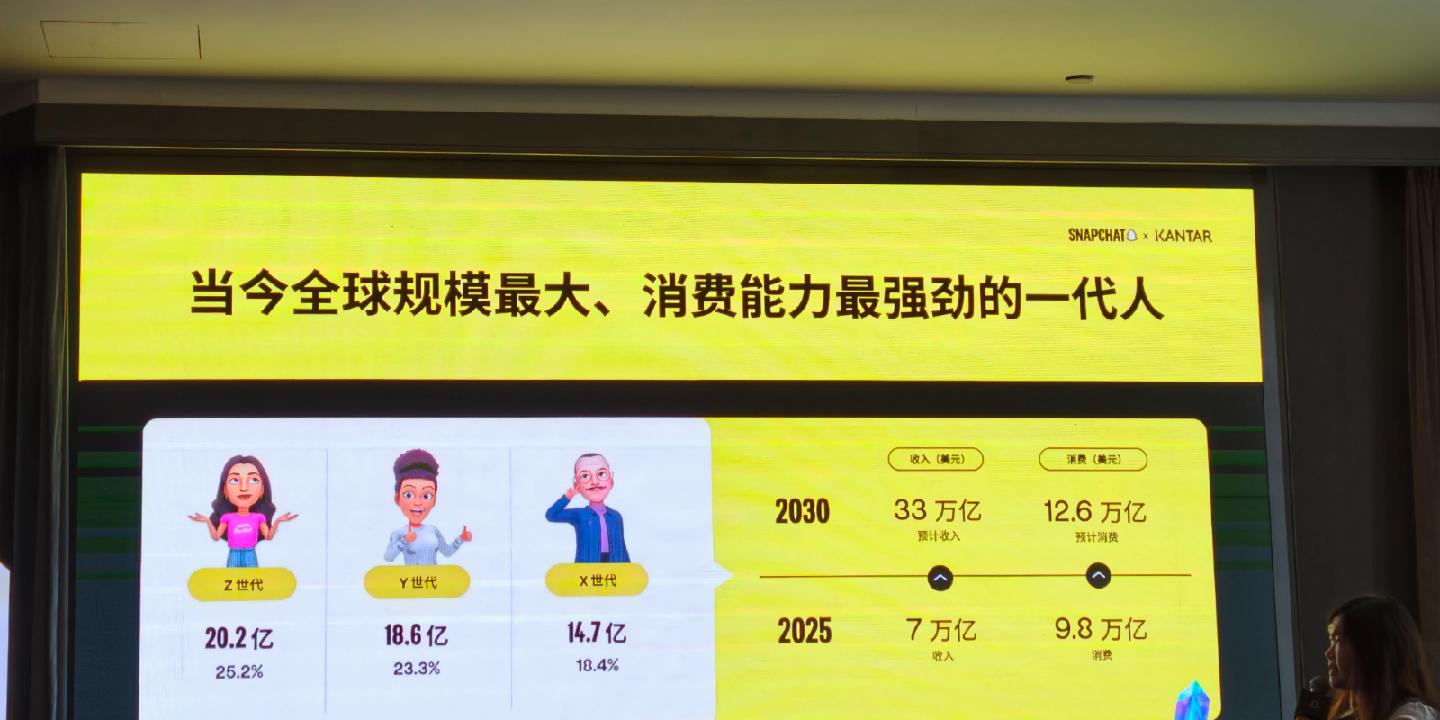
Group 1 - The core viewpoint of the article is that Generation Z is becoming a major force in global consumption, reshaping the relationship between brands and consumers, and emphasizing the importance of engaging content and community feedback over traditional brand messaging [2][9]. - The white paper indicates that by 2025, Generation Z will account for approximately 25% of the global population, with a consumption scale of $9.8 trillion, expected to grow to $12.6 trillion by 2030 [2]. - Chinese brands face challenges in international markets, primarily in narrative strategies, as they often rely on domestic marketing approaches that do not resonate with local audiences [3][4]. Group 2 - The article highlights that many Chinese brands mistakenly use a one-size-fits-all approach in advertising, failing to adapt to the unique cultural and consumer behaviors of different regions [4][5]. - It is noted that the ratio of brand advertising to performance advertising among Chinese advertisers overseas has shifted from "20:80" to "30:70" or even "40:60," indicating a growing recognition of the importance of brand perception alongside direct conversion [5]. - The report emphasizes that successful marketing strategies must respect local cultures and regulations, as what works in China may not be effective abroad [5][6]. Group 3 - The article discusses the importance of understanding the diverse identities within Generation Z, as they value individual details over broad narratives [8]. - It points out that the quality of relationships is becoming a new metric for brand influence, moving away from traditional metrics like exposure and follower counts [8][9]. - Snapchat's platform is highlighted as a case study where users engage in high-frequency, intimate interactions, which are crucial for building emotional connections with brands [9]. Group 4 - The report concludes that no product category is inherently unsuitable for social media marketing; success depends on the brand's ability to integrate its narrative into the social context familiar to Generation Z [10]. - Brands that continue to use outdated, authoritative messaging will struggle to survive on social media, while those that communicate in a relatable manner will thrive [10].
中国品牌正通过IP运营、技术创新与供应链升级,捕捉全球Z世代"价值+体验"消费偏好
Mei Ri Jing Ji Xin Wen· 2025-11-05 05:44
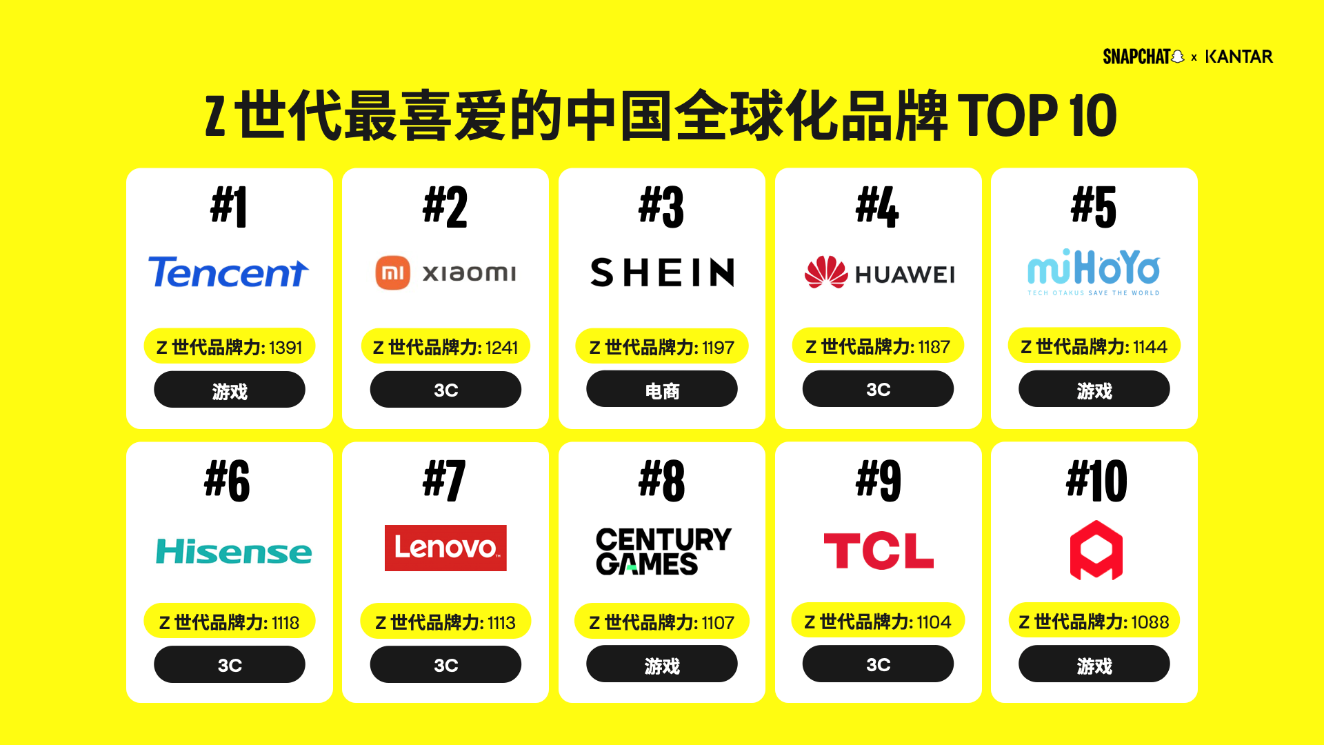
Group 1 - Hong Kong stock market indices showed a slight decline, with the Hang Seng Index down 0.28%, the Hang Seng China Enterprises Index down 0.31%, and the Hang Seng Tech Index down 0.8% as of midday on November 5 [1] - The Hong Kong Consumption ETF (513230) experienced a minor drop, with constituent stocks showing mixed performance, including gains from Kang Shifu Holdings, Lao Pu Gold, and Li Ning, while Bilibili, Xpeng Motors, and Zhongsheng Holdings saw declines [1] - A recent report by Snapchat and Kantar highlighted the top 50 global brands favored by Generation Z in China, with Tencent, Xiaomi, and SHEIN taking the top three spots in gaming, 3C, and e-commerce categories respectively [1] Group 2 - The Hong Kong Consumption ETF (513230) tracks the CSI Hong Kong Stock Connect Consumption Theme Index, encompassing leading companies in internet e-commerce and new consumption sectors, including Pop Mart, Lao Pu Gold, and Miniso, as well as internet giants like Tencent, Kuaishou, Alibaba, and Xiaomi, showcasing a strong tech and consumption attribute [2]
中国品牌正通过IP运营、技术创新与供应链升级,捕捉全球Z世代“价值+体验”消费偏好
Mei Ri Jing Ji Xin Wen· 2025-11-05 05:42
Core Insights - Hong Kong stock market indices showed a slight decline, with the Hang Seng Index down 0.28%, the Hang Seng China Enterprises Index down 0.31%, and the Hang Seng Tech Index down 0.8% as of midday on November 5 [1] Group 1: Market Performance - The Hong Kong Consumption ETF (513230) experienced a minor decline, with constituent stocks showing mixed performance, including notable gains from Kang Shifu Holdings, Laoputang, Mixue Group, Li Ning, and Giant Bio, while Bilibili, Xpeng Motors, and Zhongsheng Holdings faced declines [1] - The Hong Kong Consumption ETF tracks the CSI Hong Kong Stock Connect Consumption Theme Index, encompassing major players in internet e-commerce and new consumption sectors, including Pop Mart, Laoputang, Miniso, Tencent, Kuaishou, Alibaba, and Xiaomi, highlighting a strong tech and consumption attribute [2] Group 2: Brand Recognition - Snapchat and Kantar released the first "Top 50 Global Brands Favorite Among Generation Z in China" list, with Tencent, Xiaomi, and SHEIN ranking in the top three for gaming, 3C, and e-commerce categories respectively [1] - The list reflects the emotional connection, category characteristics, and preferences of Generation Z across various markets, including Europe and the Middle East, indicating a shift in brand globalization from sales-driven to deep cultural recognition [1] - Tencent's gaming strategy focuses on IP-driven engagement through global IPs like "Honor of Kings," while Xiaomi aligns its 3C brand strategy with young consumer values, and SHEIN addresses high inventory challenges with a flexible supply chain model [1]


阿里再押消费升级,速卖通能否挑起大梁?
3 6 Ke· 2025-11-05 04:46
Core Insights - The core viewpoint of the articles is that cross-border e-commerce in China is experiencing significant growth, with a projected import and export value of approximately 2.71 trillion yuan in 2024, representing a 14% year-on-year increase, which is 9 percentage points higher than the overall growth rate of China's goods trade [1][2]. Group 1: Market Trends - Cross-border e-commerce is still a hot sector, but the competitive landscape is changing, raising questions about the sustainability of low-price strategies [1][2]. - The shift towards brand differentiation is becoming crucial as platforms and merchants face increasing regulatory pressures and market challenges [1][8]. Group 2: Strategic Initiatives - AliExpress is actively promoting brand development, aiming to support 1,000 new brands to achieve annual sales exceeding 1 million USD, with a 70% year-on-year increase in brand entries in the first half of the year [1][3]. - The "Super Brand Plan" includes measures such as creating brand-specific zones, enhancing local marketing resources, and providing AI tools for brand management [4][5][6]. Group 3: Competitive Landscape - Amazon is responding to the competitive pressure from platforms like Temu and SHEIN by launching low-price initiatives and enhancing its operational capabilities [11][14]. - Other platforms, including SHEIN and JD.com, are also focusing on brand support and market expansion, but AliExpress appears to have a deeper commitment to brand development [15][16]. Group 4: Regulatory Environment - The cross-border e-commerce sector is facing stricter regulatory scrutiny, with recent incidents involving tariffs and compliance issues impacting platforms like AliExpress and TikTok Shop [9][10]. - Changes in global tax policies and local regulations, such as Vietnam's removal of tax exemptions for low-cost imports, are creating additional challenges for cross-border e-commerce [8][10]. Group 5: Future Outlook - The industry is at a critical juncture where platforms must either adapt to a brand-focused model or continue to compete on price, with the latter becoming increasingly difficult due to rising operational costs and regulatory constraints [10][18]. - The long-term viability of low-price strategies remains uncertain, as achieving low prices now requires overcoming higher barriers [17][18].


品牌出海2.0:海外Z世代为何“独爱”中国品牌?
2 1 Shi Ji Jing Ji Bao Dao· 2025-11-05 04:31
Core Insights - Chinese companies are undergoing a paradigm shift from "selling products" to "building brands," with the global Generation Z (born 1997-2012) being the key audience in this transformation [1][4]. Group 1: Generation Z and Consumer Trends - Generation Z currently accounts for approximately 25% of the global population, with disposable income projected to reach $9.8 trillion by 2025 and exceed $12.6 trillion by 2030 [2][5]. - This demographic is reshaping consumption rules and shows a unique openness towards Chinese brands, despite being generally cautious about cross-border brands [2][5]. - The preference for Chinese brands among Generation Z is a critical opportunity for Chinese companies to penetrate international markets [5][9]. Group 2: Brand Development and Social Media - Successful Chinese brands like SHEIN, Insta360, and Anker have established strong brand presence overseas, transitioning from being "seen" to being "loved" [3][10]. - Social media platforms such as Snapchat, TikTok, and Instagram are becoming the main battleground for brand recognition, with a high engagement rate among Generation Z [3][10]. - The rise of SHEIN is attributed to its effective use of social media and collaborations with influencers, which allowed it to gain traction at a low cost [10]. Group 3: Challenges and Strategies - Chinese companies face the challenge of moving beyond traditional sales channels and integrating into the brand narratives that resonate with younger consumers [4][12]. - The shift in advertising budget allocation from performance-driven to brand-building strategies indicates a growing recognition of the importance of emotional connections with consumers [14]. - Localization remains a significant challenge, as brands must adapt to cultural nuances and consumer preferences in different regions [11][12].
星巴克中国60%股权售予博裕投资,新合资企业将运营8000家门店
Zhong Guo Jing Ying Bao· 2025-11-04 05:59
星巴克预计其中国零售业务的总价值将超过130亿美元,总价值由三部分构成:向博裕投资出让合资企 业控股权益所得、星巴克在合资企业中保留的权益价值,以及未来十年或更长时间内持续支付给星巴克 的授权经营收益。 星巴克咖啡公司董事长兼首席执行官倪睿安(Brian Niccol)认为,博裕投资在本地市场的经验与专 长,将有力加速星巴克在中国市场、特别是中小城市及新兴区域的拓展。中经记者 黎竹 孙吉正 北京报 道 据悉,新成立的合资企业将继续以上海为总部,管理并运营目前遍布中国市场的8000家星巴克门店。秉 持共同的发展愿景,双方将致力于未来将星巴克在中国的门店规模逐步拓展至20000家。 【星巴克中国60%股权售出 新主曾拿下SKP部分股权】11月4日,星巴克咖啡公司宣布与中国领先的另 类资产管理公司博裕投资达成战略合作,双方将成立合资企业,共同运营星巴克在中国市场的零售业 务。 博裕投资曾投资过SHEIN,布局涉及消费零售、科技创新、医疗健康及新能源领域内的企业。4月30 日,北京市市场监督管理局公示信息显示,博裕五期美元基金有限责任公司通过其关联方拟收购北京 SKP部分股权,交易完成后,博裕基金将间接持有北京SKP ...