
南京银行

Search documents
中矿资源: 关于全资子公司为公司提供担保的公告
Zheng Quan Zhi Xing· 2025-07-21 16:26
Summary of Key Points Core Viewpoint - The company has approved a guarantee limit for 2025, allowing it and its subsidiaries to provide guarantees totaling up to RMB 850 million, with a significant portion allocated to its subsidiary, Jiangxi Zhongmin New Materials Co., Ltd. [1][2] Group 1: Guarantee Overview - The company plans to provide guarantees for its wholly-owned and controlling subsidiaries, including those newly established or acquired [1] - The maximum guarantee amount for 2025 is set at RMB 850 million, which includes inter-company guarantees [1] - Jiangxi Zhongmin New Materials will provide a guarantee of RMB 490 million to the company [1] Group 2: Credit Application - The company intends to apply for a RMB 500 million comprehensive credit line from Nanjing Bank, with Jiangxi Zhongmin New Materials providing the guarantee [2] - After this guarantee, the total guarantee amount from Jiangxi Zhongmin New Materials to the company will be RMB 300 million, remaining within the approved limit [2] Group 3: Financial Position - As of March 31, 2025, the company's total assets are RMB 1,814.51 million, with net assets of RMB 1,230.51 million and total liabilities of RMB 553.45 million [3] - The net profit attributable to shareholders for the first quarter of 2025 is RMB 13.48 million, with total revenue of RMB 153.64 million [3] Group 4: Board Opinion - The board believes that the credit application will benefit the company, supporting its operational and developmental funding needs, and aligns with its strategic goals [4] - The financial risks associated with this guarantee are considered manageable and will not harm the interests of the company or its shareholders [5] Group 5: Guarantee Statistics - The total amount of guarantees provided by the company and its subsidiaries is RMB 188.79 million, which is 15.50% of the net assets as of December 31, 2024 [5] - There are no overdue guarantees or guarantees involved in litigation [5]

ST亚联: 关于对下属子公司提供担保进展的公告
Zheng Quan Zhi Xing· 2025-07-21 16:14
Summary of Key Points Core Viewpoint - The company, Jilin Yalian Development Technology Co., Ltd., has approved a guarantee of up to 10 million yuan for its subsidiary, Nanjing Lingyun Technology Development Co., Ltd., to support its operational needs and credit applications [1][2]. Guarantee Overview - The guarantee was approved during the board meetings held on April 27 and May 30, 2025, and aims to facilitate the subsidiary's credit and daily operations [1]. - The total guarantee amount for the subsidiary is capped at 10 million yuan [1]. Subsidiary Information - Nanjing Lingyun is involved in various sectors including transportation, environmental engineering design, software development, and sales of electronic and mechanical products [2]. Financial Data of Nanjing Lingyun - As of 2024, Nanjing Lingyun reported total assets of 32,517.32 million yuan and total liabilities of 23,285.62 million yuan, with a net asset value of 9,231.70 million yuan [3]. - The company achieved an operating income of 20,852.16 million yuan in 2024 [3]. Guarantee Agreement Details - The guarantee is a joint liability guarantee provided to Nanjing Lingyun for a credit limit of 1 million yuan from Nanjing Bank [2][4]. - The guarantee period extends for three years from the debt fulfillment date, with provisions for extensions if agreed upon by the bank and the subsidiary [4][5]. Board of Directors' Opinion - The company holds a 71.99% stake in Nanjing Lingyun, and the board believes that the guarantee will not adversely affect the company or its shareholders, as the financial risks are manageable [5]. - The total amount of guarantees provided by the company and its subsidiaries after this transaction will be 55 million yuan, which is 78.52% of the latest audited net assets [5]. Additional Information - There are no overdue guarantees, and the total outstanding guarantees amount to 34.47 million yuan, which is 49.21% of the latest audited net assets [5].

银行业周报:社融信贷超预期,买断式逆回购改善银行负债成本-20250721
Yin He Zheng Quan· 2025-07-21 09:38
Investment Rating - The report maintains a "Recommended" rating for the banking sector, highlighting its investment value and potential for performance improvement [36]. Core Insights - The banking sector is experiencing a marginal recovery in credit growth, with government bonds continuing to be a major contributor to social financing growth. The central bank's recent operations are expected to maintain a moderately loose monetary policy, improving banks' funding costs. Urban renewal initiatives present opportunities for credit expansion and asset quality improvement for banks [36]. Summary by Sections Latest Research Insights - In June, social financing (社融) increased by 4.2 trillion yuan, exceeding expectations, with a year-on-year increase of 900.8 billion yuan. The total social financing stock grew by 8.9% year-on-year, with a month-on-month increase of approximately 0.2 percentage points [6][7]. - The People's Bank of China (PBOC) announced a record 14 trillion yuan in reverse repos on July 15, 2025, aimed at releasing liquidity and improving banks' funding costs [8][9]. Market Performance - The banking sector underperformed the market, with a decline of 1.03% compared to a 1.09% increase in the CSI 300 index. The price-to-book (PB) ratio for the banking sector is currently 0.75, with a dividend yield of 4.06% [4][27]. Investment Recommendations - The report suggests that the banking sector's fundamentals are accumulating positive factors, indicating a potential turning point in performance. It recommends specific banks, including Industrial and Commercial Bank of China (601398), Agricultural Bank of China (601288), and others, as attractive investment opportunities [36][37].





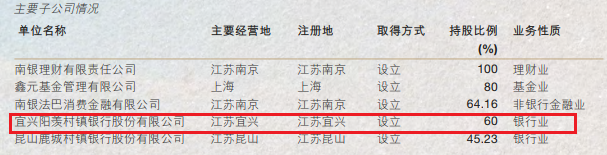
宜兴阳羡村镇银行5宗违法被罚54万 为南京银行子公司
Zhong Guo Jing Ji Wang· 2025-07-21 09:32
中国经济网北京7月21日讯 中国人民银行江苏省分行行政处罚决定信息公示表(苏银罚决字 〔2025〕14-17号)显示,宜兴阳羡村镇银行股份有限公司存在以下违法行为:1.违反金融统计管理规 定;2.未按规定报送账户开立资料;3.未按规定加强银行非柜面转账管理;4.违反信用信息采集、提 供、查询及相关管理规定;5.未按规定履行客户身份识别义务。中国人民银行江苏省分行决定对其处以 警告,并罚款54.1万元。 | 主要子公司情况 | | | | | | | --- | --- | --- | --- | --- | --- | | 单位名称 | 主要经营地 | 注册地 | 取得方式 | | 持股比例 业务性质 | | | | | | (%) | | | 南银理财有限责任公司 | 江苏南京 | 江苏南京 | 设立 | 100 | 理财业 | | 鑫元基金管理有限公司 | 上海 | 上海 | 设立 | 80 | 直令止 | | 南银法巴消费金融有限公司 | 江苏南京 | 江苏南京 | 设立 | 64.16 | 非银行金融业 | | 宜兴阳羡村镇银行股份有限公司 | 江苏宜兴 | 江苏宜兴 | 设立 | 60 | 银行业 ...

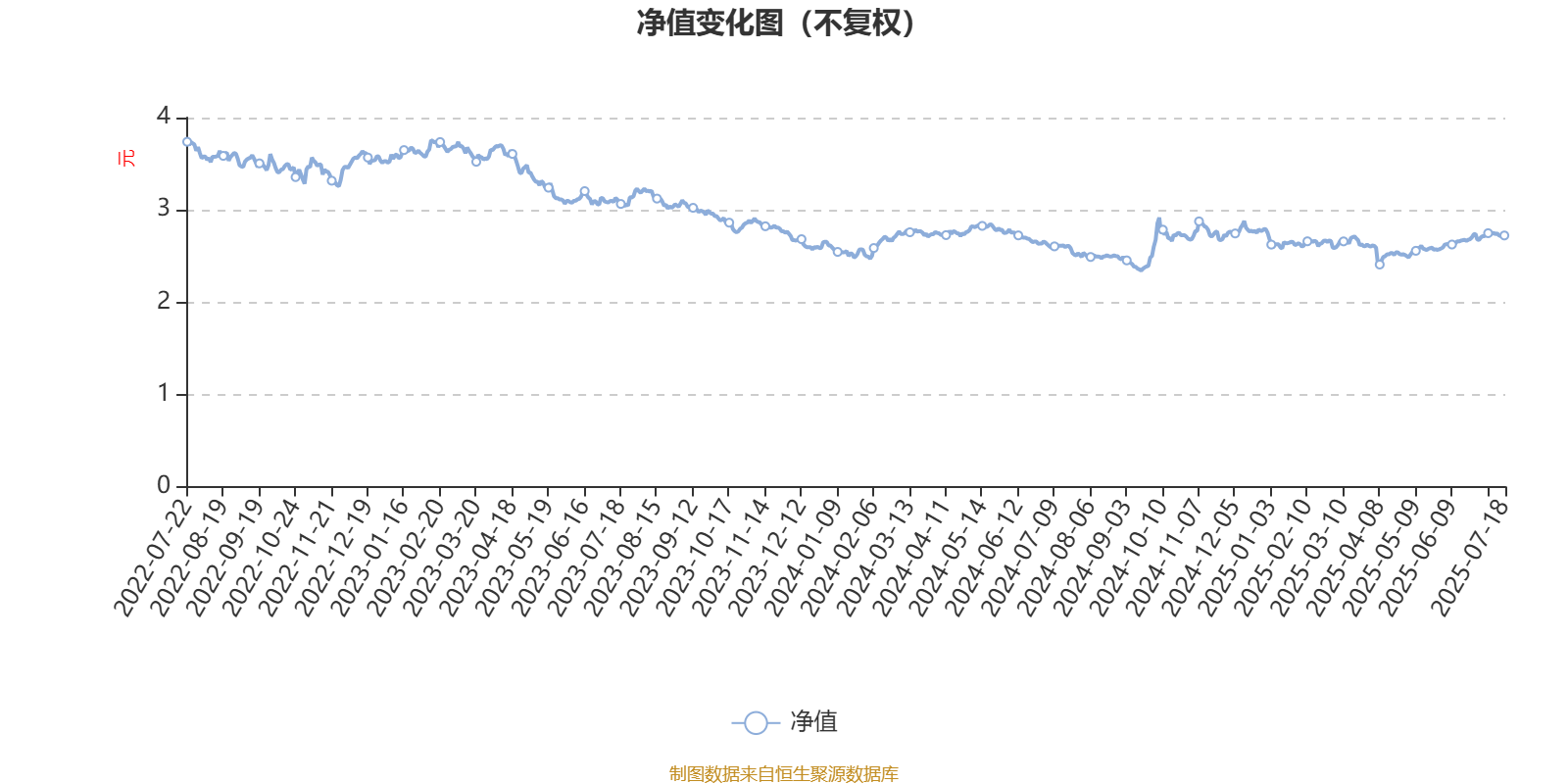
华安国企改革主题灵活配置混合A:2025年第二季度利润937.1万元 净值增长率2.77%
Sou Hu Cai Jing· 2025-07-21 09:11
Core Viewpoint - The AI Fund Huazhong State-Owned Enterprise Reform Theme Flexible Allocation Mixed A (001445) reported a profit of 9.371 million yuan in Q2 2025, with a net asset value growth rate of 2.77% for the period, indicating potential investment opportunities in state-owned enterprises under reform initiatives [2]. Fund Performance - As of July 18, the fund's unit net value was 2.722 yuan, with a three-month return of 8.32%, ranking 517 out of 880 comparable funds [3]. - The fund's six-month return was 2.95%, ranking 718 out of 880, and the one-year return was 4.37%, ranking 751 out of 880 [3]. - Over the past three years, the fund's return was -27.74%, ranking 735 out of 871 [3]. Risk Metrics - The fund's Sharpe ratio over the past three years was -0.3005, ranking 728 out of 875 [9]. - The maximum drawdown over the past three years was 37.88%, with the highest quarterly drawdown occurring in Q2 2023 at 17.38% [11]. Fund Holdings - As of June 30, the fund's average stock position over the past three years was 85.24%, compared to the industry average of 80.43% [14]. - The fund's top ten holdings as of Q2 2025 included China Pacific Insurance, Shanghai Bank, Agricultural Bank of China, Hangzhou Bank, Jiangsu Bank, Nanjing Bank, Jiangsu Financial Leasing, Fujian Expressway, Dongwu Securities, and China Gold International [20]. Fund Size - As of the end of Q2 2025, the fund's total size was 355 million yuan [16].
南京银行绿色金融赋能“无废城市”建设
Jiang Nan Shi Bao· 2025-07-21 07:22
Core Viewpoint - Nanjing Bank is actively supporting the construction of "waste-free cities" through various green financial initiatives, including project loans and innovative financial products aimed at environmental protection and resource utilization [1][2][5]. Group 1: Project Financing - Nanjing Bank issued a project loan of 38 million yuan to a certain environmental company in Jiangsu to support the comprehensive utilization of phosphorous slag, ensuring safe disposal and reducing environmental pollution [1]. - The bank provided a credit facility of 200 million yuan to a recycling company for a waste metal crushing project, enabling the processing of 300,000 tons of waste metals annually, thereby significantly reducing environmental pollution and energy consumption [2]. - A credit of 100 million yuan was granted for a construction waste resource utilization project, which processes over 1.8 million tons of construction waste annually, creating nearly 80 jobs and alleviating environmental issues [2]. Group 2: Green Financial Products - Nanjing Bank has developed a range of innovative green financial products, including "solid waste loans," "environmental protection loans," and "circular economy loans," to support the "waste-free city" initiative [3]. - The bank has issued 40 environmental protection loans totaling nearly 300 million yuan, ranking among the top in collaborative banks, to support ecological and environmental industry development [3]. - An environmental company received a loan of 10 million yuan through the bank's environmental protection loan product, which helped the company convert hazardous waste into valuable resources, achieving both economic and social benefits [3]. Group 3: Green Debt Financing - As of June, Nanjing Bank has issued nearly 20 billion yuan in green debt financing tools, focusing on energy structure optimization, ecological protection, and green infrastructure upgrades [4]. - The bank has pioneered several green financial instruments, including the first public green asset-backed notes and carbon-neutral asset-backed commercial notes in the country, continuously expanding its green debt financing tool scale [4]. Group 4: Strategic Collaborations - Nanjing Bank signed a strategic cooperation agreement with the Jiangsu Provincial Department of Ecology and Environment in 2022 to support the comprehensive financial service plan for "waste-free cities" [5]. - The bank has been collaborating with local governments, enterprises, and research institutions to enhance the "government-bank-enterprise" cooperation model, further developing the "waste-free city" ecosystem [5]. - The bank aims to strengthen green credit issuance and innovate financial service models to allocate more resources to key areas of green low-carbon transformation and "waste-free city" construction [5].
工银添祥一年定开债券: 工银瑞信添祥一年定期开放债券型证券投资基金2025年第2季度报告
Zheng Quan Zhi Xing· 2025-07-21 05:18
Group 1 - The fund aims for long-term stable appreciation of assets while strictly controlling risks through reasonable allocation of equity and debt [2][3] - The fund's investment strategy involves dynamic asset allocation based on macroeconomic analysis and market conditions, focusing on high liquidity investments during the open period [2][3] - The fund's performance benchmark is set at 90% of the China Bond Credit Bond Total Wealth Index return and 10% of the CSI 300 Index return [4] Group 2 - As of the end of the reporting period, the total fund shares amounted to 1,536,261,029.89 shares [2][6] - The fund's net value growth rate for the past three months was 1.20%, while the benchmark return was 1.08% [12] - The fund's asset allocation included 88.32% in bonds and 11.12% in asset-backed securities, with no holdings in stocks [13][14] Group 3 - The fund manager has been managing the fund since November 3, 2023, with a focus on fixed income [8] - The fund has maintained compliance with relevant laws and regulations, ensuring fair treatment of all investors [10][11] - The fund's investment decisions are based on a thorough analysis of the financial and operational status of the issuers of the securities held [15]
A股银行板块震荡走弱,齐鲁银行、厦门银行、成都银行、浙商银行、上海银行、南京银行均跌超1%。
news flash· 2025-07-21 02:26
A股银行板块震荡走弱,齐鲁银行、厦门银行、成都银行、浙商银行、上海银行、南京银行均跌超 1%。 ...


二十年银行股复盘:由基本面预期和成长思维转向策略和交易思维
Orient Securities· 2025-07-21 01:44
Core Insights - The report indicates a shift in the banking sector's focus from fundamental expectations and growth thinking to strategy and trading thinking, highlighting the evolving landscape of investment approaches in the industry [2][29]. Group 1: Regulatory Actions - Three significant regulatory actions have guided the banking industry from "wild growth" to orderly expansion: 1. In 2011, the tightening of city commercial banks' cross-regional expansion and the central bank's credit scale control ended the disorderly expansion of the banking sector [16][20]. 2. The introduction of the MPA assessment in 2016 served as a core regulatory framework, preventing small and medium-sized banks from circumventing regulations and promoting stability [21][23]. 3. The implementation of asset management regulations in 2018 significantly constrained the expansion of non-standard assets in banks, addressing risks associated with shadow banking [24][28]. Group 2: Valuation Framework - A new understanding of the valuation framework for banks is presented, emphasizing the "PB-ROE" model, where banks with higher ROE typically correspond to higher PB ratios. The introduction of dividend yield and payout ratio into this framework suggests that banks with an ROE above 11.7% could justify a PB valuation above 1 [32][33]. - The report notes a shift in the driving logic behind bank stock price increases from growth logic to dividend strategies, indicating a transition in market focus from numerator-driven factors (like ROE) to denominator-driven factors (like dividend yield) [32][33]. Group 3: Historical Performance Review - A comprehensive review of bank stocks from 2008 to 2022 reveals that the banking sector has outperformed the CSI 300 index, achieving nine rounds of excess returns lasting over three months. The core driving factors shifted from growth to dividends over this period [8][29]. - Specific periods of excess returns are highlighted, such as: 1. From November 2008 to July 2009, the sector achieved an absolute return of 139.8% and an excess return of 15.3% [19]. 2. In 2011, despite negative absolute returns, the sector still managed an excess return of 17.6% [19]. 3. The period from October 2014 to December 2014 saw an absolute return of 60% and an excess return of 14.9% [19]. Group 4: Investment Recommendations - The report suggests two main investment themes: 1. Anticipating a reduction in insurance preset interest rates in Q3 2025, it recommends focusing on high-dividend banks such as China Construction Bank, Industrial and Commercial Bank of China, and Chongqing Rural Commercial Bank [3]. 2. The strong performance of small and medium-sized banks since the beginning of the year is expected to continue, with recommendations for banks like Industrial Bank, CITIC Bank, and Nanjing Bank based on valuation, dividends, and fundamentals [3].



反内卷如火如荼,银行业绩开门红
2025-07-21 00:32
Summary of Conference Call Records Industry Overview - The conference call discusses the banking industry and the broader economic context in China, particularly focusing on the "脱虚向实" (devirtualization) policy aimed at promoting industrial development while addressing issues in the service sector [1][2][3]. Key Points and Arguments 1. **Policy Shift and Economic Impact** - The "脱虚向实" policy has led to an imbalance in resource allocation, favoring industrial sectors over services, resulting in reduced employment opportunities in the latter [2][3]. - The current policy shift aims to counteract the negative effects of price competition in industries, which has led to declining profit margins and increased unemployment [1][3]. 2. **Banking Sector Performance** - Recent mid-term financial reports from banks, particularly Hangzhou Bank, show a profit growth of nearly 17%, exceeding market expectations, indicating strong performance in the city commercial banking sector [4][17]. - The overall banking sector is expected to see improved performance due to the positive trends in revenue and profit growth, with non-performing asset (NPA) ratios remaining low [2][19]. 3. **Effects of Anti-Internal Competition Measures** - Anti-internal competition measures are being implemented across various industries, including banking, to stabilize prices and improve profit margins [5][10]. - These measures have shown initial effectiveness, with some banks reporting an increase in NPA and stabilization of interest margins [5][17]. 4. **Industrial Sector Challenges** - The industrial sector faces issues of overcapacity and fierce competition, particularly among small enterprises producing low-quality goods at low prices, which pressures larger firms [6][8]. - The government is implementing measures such as supply control, price regulation, and higher environmental standards to address these challenges [7][9]. 5. **Price Recovery and Market Dynamics** - The measures taken are expected to uplift industrial product prices, which may also affect non-industrial goods, aiming for a restoration of normal price levels rather than excessive inflation [10][11]. - Different industries are responding variably to these policies, with significant price increases observed in commodities like polysilicon and lithium [11][12]. 6. **Macroeconomic Implications** - The policies are anticipated to reflect positively in macroeconomic indicators such as PPI and CPI, with a projected GDP growth rate of around 5% [13]. - Improved corporate profitability is expected to lead to a bull market in stocks, benefiting various sectors including services [13][25]. 7. **Investment Outlook** - The current market shows a preference for stocks and commodities, with a cautious approach towards bonds due to limited room for interest rate declines [14][15]. - The banking sector is viewed as having potential for valuation recovery, especially for banks with strong fundamentals [19][20]. 8. **Insurance Capital Strategies** - Insurance capital is favoring high-dividend, low-valuation stocks, indicating a selective investment approach based on specific circumstances rather than a broad sell-off [21][22]. 9. **Dividend Performance in Banking** - The dividend yield for large banks has dropped below 4%, while city commercial banks maintain higher yields, making them attractive to investors [23][24]. Other Important Insights - The banking sector's future performance is expected to improve as the market has not fully recognized the potential of quality financial institutions [25]. - The ongoing adjustments in government policy reflect a strategic response to previous economic challenges, aiming to foster a more balanced and sustainable growth environment across sectors [1][3].
