
迈瑞医疗

Search documents
决胜“十四五” 打好收官战丨越来越多“中国造”——我国医疗装备实现新突围
Xin Hua Wang· 2025-08-27 09:08
Core Viewpoint - The Chinese medical equipment industry is experiencing significant growth and innovation, marking a shift towards self-sufficiency and high-end manufacturing, which is transforming both domestic and global healthcare landscapes [1][2][3]. Industry Growth - During the 14th Five-Year Plan, the medical equipment industry in China has achieved a compound annual growth rate of approximately 10.7%, with the market size expected to reach 1.35 trillion yuan by 2024, maintaining its position as the second-largest market globally [2]. - By the end of 2024, the number of medical device manufacturing companies in China is projected to exceed 33,000, representing a 27.8% increase from the end of the 13th Five-Year Plan [2]. Technological Advancements - The industry is advancing towards high-end and intelligent medical equipment, with innovations such as zero-magnetic medical imaging devices and integrated radiation therapy technologies being introduced [3]. - Since the beginning of the 14th Five-Year Plan, 315 innovative medical devices have been approved, with 272 of these being domestic products, accounting for 86.3% [3]. - Key technologies such as carbon ion therapy systems and artificial hearts have achieved domestic production, reversing the previous trend where imported devices dominated high-end markets [3]. Clinical Applications - The integration of artificial intelligence and advanced imaging technologies is enhancing the capabilities of medical equipment, with over 1.045 million patent applications filed in the medical equipment sector during the 14th Five-Year Plan [4]. - Innovations like the full-body PET/CT scanner have significantly reduced scanning times and improved imaging capabilities, demonstrating the effectiveness of domestic innovations in clinical settings [4]. Policy Support and Infrastructure - The Chinese government has implemented multiple policies to promote high-quality development in the medical equipment sector, including key projects and planning documents aimed at enhancing research, industry, and application [6]. - Continuous improvements in medical equipment conditions at grassroots levels are being observed, with accelerated construction of county-level medical communities [6]. Accessibility and Affordability - The emergence of domestic surgical robots has led to significant price reductions, enabling more county-level hospitals to perform robotic surgeries [8]. - Advanced technologies such as AI-assisted diagnostics and remote surgical systems are breaking geographical barriers, allowing patients in rural areas to access quality medical services [8]. Future Outlook - The ultimate goal of medical equipment development is to benefit public health, with ongoing efforts to ensure that more patients can access and afford high-end domestic medical equipment [9]. - The industry is transitioning from reliance on imports to self-sufficiency, focusing on comprehensive solutions rather than single products, contributing to global healthcare advancements [9].
深圳生物医药产业45年:从“零起步”到2780家企业集聚,千亿元创新高地如何炼成?
Sou Hu Cai Jing· 2025-08-27 08:07
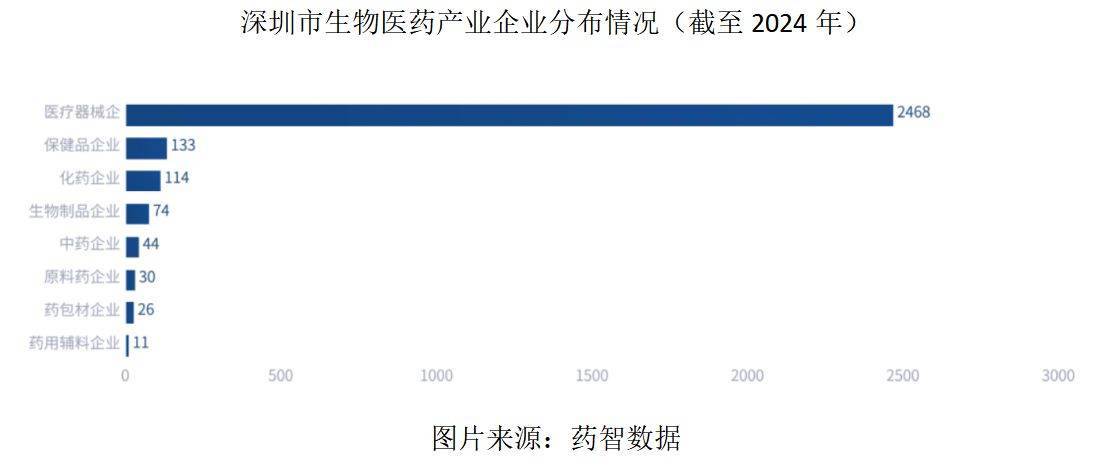
Core Insights - The biopharmaceutical industry in Shenzhen is rapidly emerging as a significant hub, transitioning from a manufacturing base to a center for innovative drugs and high-end medical devices, with an industrial output value of 49.922 billion yuan in 2022 [1][4][6]. Industry Overview - As of 2024, Shenzhen has 2,780 biopharmaceutical companies, including 2,468 medical device firms, 133 health product companies, and 114 chemical drug manufacturers [1]. - Shenzhen is recognized not only as a "world factory" but also as an "innovation workshop," producing several self-developed innovative treatment products and housing global medical device giants like Mindray Medical and leading biotech firms like BGI [4][6]. Policy and Strategic Support - The "20+8" industrial cluster strategy has been pivotal in guiding the development of strategic emerging industries, including biopharmaceuticals, providing support in funding, talent, and land [7][8]. - Shenzhen's government has played a crucial role in fostering an innovative ecosystem, facilitating the growth of high-tech enterprises through coordinated support and resources [7]. Spatial Development - Shenzhen's biopharmaceutical industry has formed a new pattern of "one core and multiple centers," focusing on technological innovation, industrial transformation, and manufacturing [8][10]. - Key areas for research and production are concentrated in Pingshan, while other districts like Nanshan and Futian focus on research and design [10]. Healthcare System Integration - Shenzhen's unique community health service system, comprising 975 health service institutions, enhances the accessibility and affordability of medical services, supporting the biopharmaceutical industry's growth [11][13]. - The integration of AI in healthcare is advancing rapidly, with 13 medical AI application scenarios being implemented, optimizing patient care processes and providing opportunities for collaboration with biopharmaceutical companies [11][14]. Future Prospects - The biopharmaceutical industry in Shenzhen is poised for further growth, leveraging advancements in AI, big data, and personalized health management to explore new paradigms in smart healthcare [14].




45载潮头立 中国人寿助力特区建设鹏“城”万里
Jing Ji Wang· 2025-08-27 08:06
Core Viewpoint - Shenzhen has transformed from a small border town to an international metropolis over 45 years, showcasing a model of China's reform and opening-up, with China Life actively supporting national strategies through various financial services [1] Group 1: Support for Small and Micro Enterprises - Shenzhen is the most active city for small and micro enterprises, with an average of nearly 50,000 new business entities added monthly in 2024, but these enterprises face challenges such as financing difficulties [2] - China Life has leveraged its comprehensive financial advantages to support small and micro enterprises through risk protection, investment support, and financing services, including the launch of tailored insurance products for various industries [2] - As of the first half of 2025, China Life's Shenzhen branch insured over 13,000 small and micro enterprises, covering 310,000 insured individuals with a total risk coverage exceeding 257.1 billion yuan [2] Group 2: Financial Services for Small and Micro Enterprises - Guangfa Bank, a member of China Life Group, has developed an integrated online and offline inclusive financial service model, offering various loan products to enhance approval efficiency [3] - By the end of July 2025, Guangfa Bank's inclusive loans for small and micro enterprises exceeded 40 billion yuan, serving 12,100 clients [3] - In the first half of 2025, China Life Property Insurance's Shenzhen branch facilitated approximately 6 million yuan in financing for small and micro enterprises through loan guarantee insurance [3] Group 3: Social Security and Talent Retention - Shenzhen's talent pool has surpassed 7 million, making it one of the top cities for talent attraction in China, and China Life is actively involved in building a multi-layered social security system [4] - China Life's Shenzhen branch has been the chief underwriter for the "Shenzhen Huimin Insurance" for three consecutive years, significantly reducing the financial burden of high medical costs for residents [4] - In 2025, the number of participants in "Shenzhen Huimin Insurance" reached 6.159 million, with nearly 380,000 claims paid out [4] Group 4: Support for Technological Innovation - Shenzhen is home to 25,000 high-tech enterprises, and China Life Property Insurance's Shenzhen branch has developed insurance products to support the entire risk management process for technology companies [6] - In the first half of 2025, the branch provided risk coverage of 754.2 billion yuan for technology enterprises, contributing to the optimization and stability of the region's industrial structure [6] - Guangfa Bank has focused on the financing needs of technology enterprises, promoting a virtuous cycle between technology, industry, and finance [6] Group 5: Environmental Protection Initiatives - Shenzhen has 1,290 parks, and China Life Group has invested in environmental projects, including a 1.5 billion yuan investment in Shenzhen Energy Environmental Protection [8] - Guangfa Bank has provided 2 billion yuan in loans for carbon reduction projects, supporting the implementation of advanced energy technologies [8] - In the first half of 2025, China Life Property Insurance provided risk coverage exceeding 624.1 billion yuan for clean energy sectors, enhancing the management of environmental, social, and governance risks [9]

主动配置型外资继2024年10月中旬以来首次转向净流入,A50ETF(159601)布局价值凸显
Mei Ri Jing Ji Xin Wen· 2025-08-27 06:32
Group 1 - The A-share market showed mixed performance on August 27, with the MSCI China A50 Connect Index experiencing a slight decline of approximately 0.1%, while leading stocks such as Cambricon Technologies, Industrial Fulian, and Mindray Medical led the gains [1] - According to EPFR, from August 14 to August 20, foreign capital shifted to a net inflow of 6.98 billion yuan, with passive foreign capital inflow at 6.84 billion yuan and active foreign capital inflow at 140 million yuan. This marks the first net inflow for active foreign capital since mid-October 2024, indicating foreign investors' confidence in A-share investment opportunities [1] - The MSCI China A50 Connect Index has a high similarity in holding distribution with northbound capital. The constituent stocks are distributed across industries such as electronics, banking, food and beverage, non-bank financials, and power equipment [1] Group 2 - The top ten constituent stocks of the MSCI China A50 Connect Index include CATL, Zijin Mining, Industrial Fulian, Kweichow Moutai, Cambricon Technologies, Haiguang Information, BYD, Heng Rui Medicine, China Merchants Bank, and Luxshare Precision [1] - The A50 ETF (159601) closely tracks the MSCI China A50 Connect Index, providing a packaged investment in 50 leading connect stocks, offering balanced coverage of core leading assets in the A-share market. It is favored by both domestic and foreign investors [1] - Compared to other "beautiful 50" indices, the MSCI China A50 Connect Index emphasizes liquidity and industry balance during its compilation, showcasing significant large-cap characteristics [1]
创业板指跨越2800大关,创业板ETF平安(159964)备受关注
Sou Hu Cai Jing· 2025-08-27 04:28
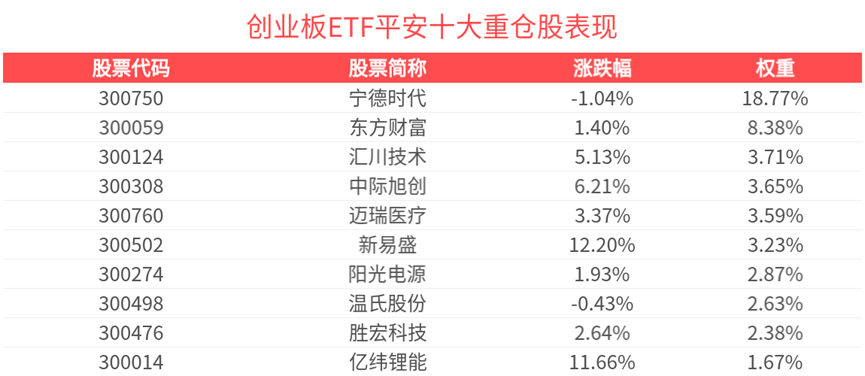
Core Viewpoint - The ChiNext ETF by Ping An has shown strong performance, with significant increases in both its price and trading volume, indicating positive market sentiment and investor interest in the ChiNext index [1][2]. Performance Summary - As of August 26, 2025, the ChiNext ETF Ping An has achieved a net value increase of 8.09% over the past three years, ranking in the top 2 among comparable funds [2]. - The ETF has recorded a maximum monthly return of 37.37% since its inception, with an average monthly return of 6.61% and an annual profit percentage of 60.00% [2]. - The ETF's performance over the last three months has surpassed the benchmark with an annualized excess return of 4.70% [2]. Risk and Recovery Metrics - The Sharpe ratio for the ChiNext ETF Ping An over the past year is 1.59, indicating a favorable risk-adjusted return [3]. - The relative drawdown compared to the benchmark over the last six months is 0.07%, with a recovery period of 101 days, which is relatively quick among comparable funds [3]. Fee Structure - The management fee for the ChiNext ETF Ping An is 0.15%, and the custody fee is 0.05%, making it one of the lowest in its category [4]. Tracking Accuracy - The tracking error for the ChiNext ETF Ping An over the past three months is 0.018%, demonstrating its close alignment with the ChiNext index [5]. - The ChiNext index is composed of 100 stocks with high market capitalization and liquidity, reflecting the overall performance of the ChiNext market [5]. Top Holdings - As of July 31, 2025, the top ten weighted stocks in the ChiNext index account for 52.52% of the index, with notable companies including CATL (18.77% weight) and Eastmoney (8.38% weight) [5][7].

月线四连阳,重仓电子和非银,大湾区ETF备受关注
Xin Lang Cai Jing· 2025-08-27 02:26
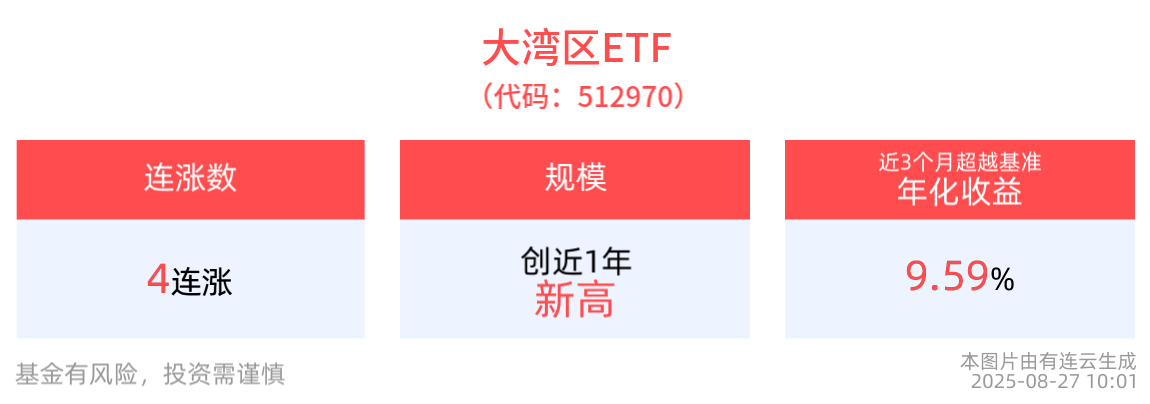
Core Insights - The Zhongzheng Guangdong-Hong Kong-Macao Greater Bay Area Development Theme Index (931000) has shown a positive performance, with a 0.75% increase as of August 27, 2025, and notable gains in constituent stocks such as ShenNan Circuit (002916) and XingSen Technology (002436) [2][4] Performance Summary - The Greater Bay Area ETF (512970) has experienced a 0.35% increase, marking its fourth consecutive rise, with a latest price of 1.43 yuan [2] - Over the past week, the Greater Bay Area ETF has accumulated a 4.93% increase, with a recent trading volume of 21.70 million yuan and an average daily trading volume of 108.33 million yuan [2][3] - The ETF's net asset value has risen by 46.19% over the past year, with the highest monthly return recorded at 21.99% since its inception [2][3] Risk and Return Metrics - The Sharpe ratio for the Greater Bay Area ETF over the past year stands at 1.60, indicating a favorable risk-adjusted return [3] - The ETF has experienced a relative drawdown of 0.43% compared to its benchmark this year, with a recovery period of 108 days [3] Fee Structure - The management fee for the Greater Bay Area ETF is set at 0.15%, while the custody fee is 0.05% [3] Tracking Accuracy - The tracking error for the Greater Bay Area ETF over the past month is reported at 0.027%, demonstrating its close alignment with the Zhongzheng Guangdong-Hong Kong-Macao Greater Bay Area Development Theme Index [3] Top Holdings - As of July 31, 2025, the top ten weighted stocks in the Zhongzheng Guangdong-Hong Kong-Macao Greater Bay Area Development Theme Index account for 50.37% of the index, with major companies including China Ping An (601318) and BYD (002594) [4][6]
重启IPO!国产超声“小巨人”再闯关
思宇MedTech· 2025-08-27 02:18
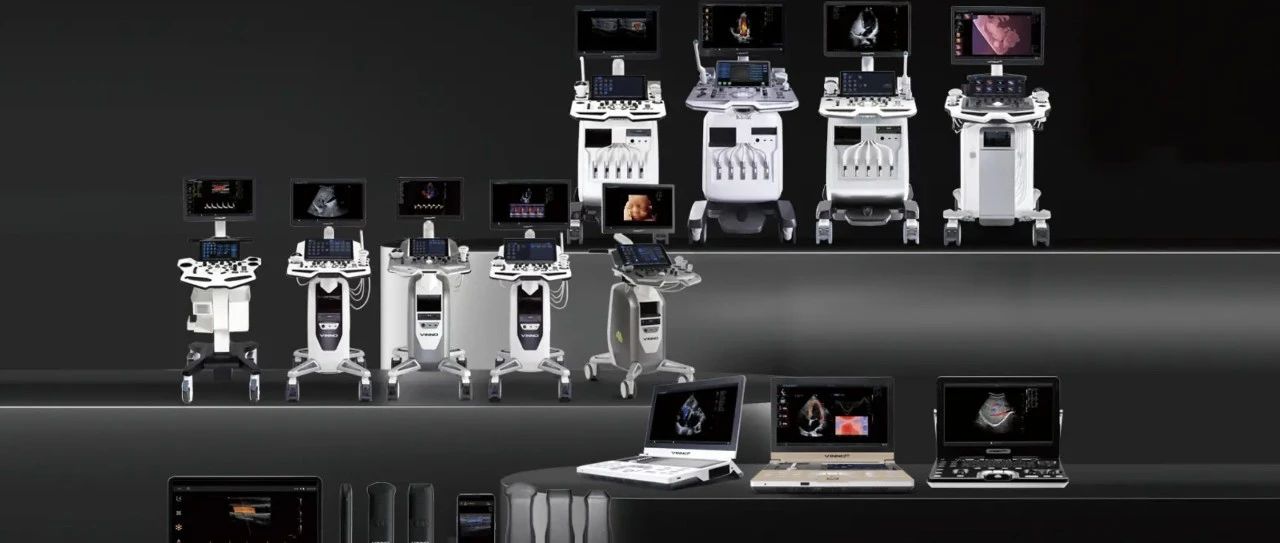
Group 1 - The core viewpoint of the article is that Feiyinuo Technology Co., Ltd. is making a renewed attempt to go public after previously withdrawing its IPO application, reflecting changes in the competitive landscape and capital logic of the domestic ultrasound industry [1][3][11] Group 2 - Feiyinuo signed a counseling agreement with Huatai United Securities on August 14, 2025, and had its listing application accepted by the Jiangsu Securities Regulatory Bureau on August 25, 2025, indicating a strategic shift in its approach to the capital market [3][4] - The company previously attempted an IPO in December 2022, aiming to raise 1.122 billion yuan for various developmental projects, but withdrew its application in June 2023 due to financial losses and external uncertainties [4][5] Group 3 - From 2019 to 2021, Feiyinuo's revenue grew from 270 million yuan to 440 million yuan, but it reported a net loss of 8.84 million yuan in the first half of 2022, which significantly impacted its IPO prospects [5][10] - The company's gross margin declined from 57.35% in 2019 to 51.02% in the first half of 2022, indicating a downward trend in profitability [5][10] Group 4 - Established in 2010, Feiyinuo focuses on the research, development, production, and sales of digital color ultrasound diagnostic equipment, with a product range that includes various clinical applications [6][7] - The company has developed a diverse product matrix and has established a presence in nearly 400 tertiary hospitals across China, with international sales accounting for over 60% of its revenue [9][11] Group 5 - Feiyinuo faces challenges such as profitability stability, competitive pressure, and ongoing litigation risks, particularly related to a lawsuit from General Electric regarding trade secrets [10][11] - The global ultrasound market is projected to reach $9 billion by 2027, with the Chinese market expected to grow to approximately 20 billion yuan by 2024, driven by domestic substitution and upgrades in grassroots medical equipment [11][12] Group 6 - The article emphasizes that Feiyinuo's IPO journey reflects broader trends in the domestic medical technology sector, where financial stability, compliance risks, and competitive positioning are critical for success [13][15] - The company must focus on maintaining profitability, resolving litigation issues, and differentiating itself in a competitive landscape dominated by larger players like Mindray and Akira Medical [15]
全市场ETF规模迎5万亿时刻,创业板ETF(159915)规模达千亿
Sou Hu Cai Jing· 2025-08-27 01:36
Group 1 - The A-share market has shown a rebound since August, with the Shanghai Composite Index surpassing 3800 points, reaching a nearly ten-year high, and the ChiNext Index increasing by nearly 20% within the month [2] - The total market ETF scale has reached 5 trillion yuan, with the ChiNext ETF (159915) exceeding 100 billion yuan in size [2] - Since its launch in October 2009, the ChiNext has become a crucial platform for supporting innovative and entrepreneurial enterprises, nurturing industry leaders such as CATL and Mindray [2] Group 2 - Recent mid-year reports indicate a recovery in overall performance for ChiNext companies, with steady improvement in profitability and continuous growth in R&D investment, highlighting strong growth resilience [2] - The ChiNext Index comprises a significant proportion of strategic emerging industries, with weights of 92% in these sectors, including new generation information technology (34%), new energy vehicles (24%), and the biomedical field (12%) [2] - The ChiNext Index has undergone an "upgrade" in its compilation scheme, introducing individual stock weight limits and an ESG negative exclusion mechanism to enhance investment functionality and reduce stock volatility [2] Group 3 - The ChiNext ETF (159915) is the largest product tracking the ChiNext Index, with an average daily trading volume of 3.6 billion yuan over the past month, attracting investor attention [3] - The Amova E Fund ChiNext Index ETF (CXT), linked to this product, has recently been listed on the Singapore Stock Exchange, facilitating overseas investors' access to opportunities in China's ChiNext market [3] - E Fund has established a diverse matrix of ChiNext index products, including the ChiNext ETF (159915), ChiNext 50 ETF (159369), and ChiNext 200 ETF (159572), all with a low management fee rate of 0.15% per year [3]

2025年中国社区居家养老服务行业发展背景、相关政策、市场规模、重点企业及未来展望:人口老龄化程度进一步加深,社区居家养老服务规模突破万亿元[图]
Chan Ye Xin Xi Wang· 2025-08-27 01:01
Core Insights - Community home-based elderly care services are a crucial supplement to traditional family care models, addressing the needs of the aging population in China and alleviating the burden on family caregivers [1][10] - The market size of China's community home-based elderly care services is projected to grow from 52.42 billion yuan in 2016 to 1,149.12 billion yuan by 2024, with a compound annual growth rate (CAGR) of 47.1% [1][10] - By 2025, the market size is expected to reach 1,310.4 billion yuan, driven by the deepening aging process and the continuous improvement of the elderly care service system [1][10] Industry Overview - Community home-based elderly care services integrate family, community, and social resources to provide specialized support for elderly individuals living at home, including daily care and rehabilitation services [3][5] - The service model includes home visits and daytime care, covering 14 basic service categories such as meal assistance, bathing assistance, and health monitoring [3][5] Market Dynamics - The number of individuals aged 65 and above in China has increased from 144.24 million in 2015 to an estimated 220.23 million by 2024, with an aging rate rising from 10.5% to 15.64% during the same period [8] - The growing elderly population and the resulting demand for daily care services are driving the development of community-based home care models, which are part of the "9073" elderly care system [8] Policy Support - The Chinese government has introduced various policies to support the community home-based elderly care sector, including financial subsidies, tax incentives, and standard regulations, which have stimulated market vitality and diversified service supply [8][10] - Recent policies aim to enhance the basic elderly care service system, promote community-based care, and encourage the integration of community resources for elderly services [8][10] Industry Structure - The community home-based elderly care service industry features a diverse competitive landscape, including government-supported public organizations, market-oriented professional institutions, and community social organizations [11] - Key players in the industry include Beijing Sijiejiatong Information Technology Co., Ltd., Lion City Yian (Shanghai) Property Management Co., Ltd., and Jiangsu Ruizhikang Health Industry Group Co., Ltd., among others [11][12] Future Trends - The integration of smart technology and data analytics is expected to enhance service efficiency in community home-based elderly care, with applications such as health monitoring devices and AI-assisted care [12][13] - There will be a growing emphasis on personalized and customized services tailored to the specific needs of elderly individuals, including health management and psychological support [13] - Increased government support is anticipated, including expanded long-term care insurance trials and improved regulatory frameworks to enhance service quality and protect elderly rights [14][15]

富恒新材(832469):需求放缓及竞争加剧致业绩下滑,环保PCR材料逐步量产
Soochow Securities· 2025-08-26 15:39
Investment Rating - The investment rating for the company is "Accumulate" (maintained) [1] Core Views - The company's performance in the first half of 2025 has declined significantly due to a slowdown in customer demand and intensified industry competition, with a year-on-year decrease of 79% in performance [2] - The company reported a total revenue of 321 million yuan in H1 2025, down 18.52% year-on-year, and a net profit attributable to shareholders of 7 million yuan, down 78.54% year-on-year [2] - The decline in performance is attributed to reduced customer orders and increased fixed costs from the production of a new subsidiary, leading to a decrease in gross margin [2][3] Revenue Breakdown - Revenue from modified engineering plastics, which accounts for nearly 60% of total revenue, has shown steady growth, while revenue from styrene and polyolefin businesses has declined [3] - Styrene products saw a revenue drop of 39.89% to 129 million yuan, with a gross margin decrease of 7.10 percentage points to 3.99% [3] - Revenue from modified engineering plastics increased by 43.94% to 189 million yuan, but the gross margin decreased by 6.15 percentage points to 16.26% due to falling sales prices [3] - Polyolefin revenue plummeted by 98.20%, with a gross margin decrease of 86.54 percentage points to -74.75% due to a significant reduction in high-margin orders [3] R&D and Production Capacity - The company is advancing its R&D in high-alcohol and stress-resistant PMMA and low-cost modified PCTG materials, with new projects breaking capacity constraints [4] - The company has accumulated a vast database of modified plastic technology formulas, enabling the development of high-performance materials tailored to various applications [4] - The new manufacturing base for high-performance modified plastics is expected to be operational in Q4 2024, adding 40,000 tons of capacity [4] Financial Forecasts - The profit forecasts for 2025 to 2027 have been adjusted to 25 million, 34 million, and 53 million yuan respectively, reflecting the impact of increased competition on profit margins [4] - The corresponding P/E ratios are projected to be 94, 69, and 44 times for the years 2025 to 2027 [4]