宁德时代

Search documents
项目+资本,宁德时代连发四箭!
起点锂电· 2026-02-05 10:28
宁德时代大手笔动作愈发频繁。起点锂电观察到,宁德时代本周有以下动作。 01 项目与投资齐头并进 先来看第一个重磅消息,近日宁德时代旗下时代长安注册资本变更,从 15 亿元增至 40 亿元,时代长安背景强悍,除了宁德时代外还有深蓝 汽车和长安汽车,三方共同支撑起这个庞大的电池制造机器。 时代长安虽叫 "长安"但位于四川宜宾,成立于 2023 年 6 月但其一期项目在 2023 年 11 月就投产,不过当前时代长安依旧是以一期为 主,在去年 11 月一期产能扩充部分投产,今年元旦后二期项目签约。 两期项目加起来总投资过百亿,产能超过 50GWh ,所生产产品将供货深蓝、长安启源、阿维塔等。 除此之外,宁德时代近期还有两大项目落地,分别是泉州项目与英国 10GWh 储能项目, 2 月 2 日泉州政府与宁德时代签署协议,相关领导 人员悉数到场, 将围绕电池研发制造开展 联合攻关,在泉州本地落户智能化零碳工厂。 与此同时 据外媒报道,英国投资管理公司施罗德 能源投资部门 Greencoat 与宁德时代、香港私募基金 Lochpine Capital 签署 协议 ,联 合在欧洲推进储能项目。 具体来看,宁德时代会为规划的 ...



「数据看盘」机构活跃度大幅降低,一线游资扎堆平潭发展
Sou Hu Cai Jing· 2026-02-05 10:23
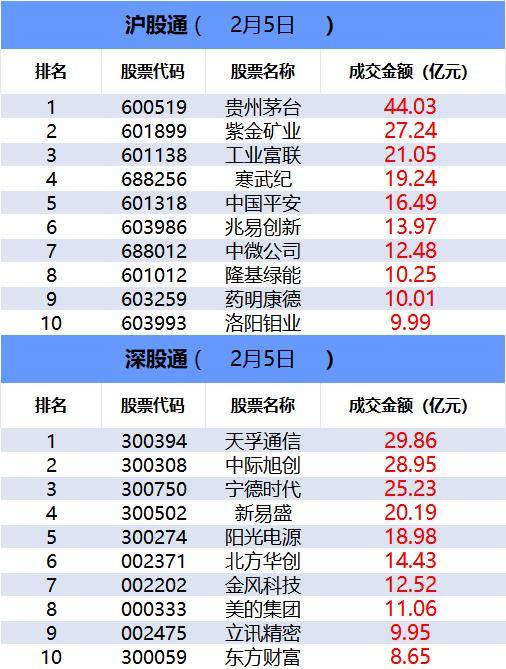
Key Points - The total trading amount for Shanghai Stock Connect today was 142.09 billion, while Shenzhen Stock Connect reached 146.84 billion [1] - The top traded stocks in Shanghai included Kweichow Moutai at 4.40 billion, Zijin Mining at 2.72 billion, and Industrial Fulian at 2.10 billion [2] - In Shenzhen, the leading stocks were Tianfu Communication at 2.99 billion, Zhongji Xuchuang at 2.89 billion, and CATL at 2.52 billion [3] Sector Performance - The sectors with the highest gains included film and television, tourism and hotels, and banking, while sectors with the largest declines were non-ferrous metals, electric grid equipment, and oil and gas [4] - The food and beverage sector saw a net inflow of 1.58 billion, while the film and television sector had a net inflow of 1.23 billion [5] - The electric new energy sector experienced a significant net outflow of 20.21 billion, followed closely by non-ferrous metals at 20.11 billion [6] Individual Stock Activity - The top individual stocks with net inflows included Pingtan Development at 1.29 billion, Wangsu Science and Technology at 0.76 billion, and N Beixin-U at 0.68 billion [7] - The stocks with the highest net outflows were Zijin Mining at -2.29 billion, Xinyi Technology at -1.76 billion, and Aerospace Development at -1.64 billion [8] ETF Trading - The top ETFs by trading amount included the Gold ETF at 20.06 billion, A500 ETF at 15.68 billion, and A500 ETF Huatai at 11.11 billion [9] - The ETFs with the highest growth in trading amount compared to the previous trading day were the Hong Kong Stock Connect Consumer ETF at 0.59 billion, and the S&P Consumer ETF at 0.50 billion [10] Futures Positioning - In the four major futures contracts, both long and short positions increased, with the IM contract seeing a significant increase in long positions [11] Institutional Activity - Institutional activity showed a notable decrease, with the number of stocks bought and sold and the net buying scale significantly reduced [12] - The stock Giant Lifting received 248 million from two institutions, while the stock Minexplosion Optoelectronics saw a sell-off of 81.16 million from one institution [12] Retail Investor Activity - Retail investors were active, with significant purchases in Pingtan Development and Tianfu Communication, indicating strong interest in these stocks [13] - Quantitative funds were also active, particularly in Zhejiang Wenlian, which saw intense trading activity [14]






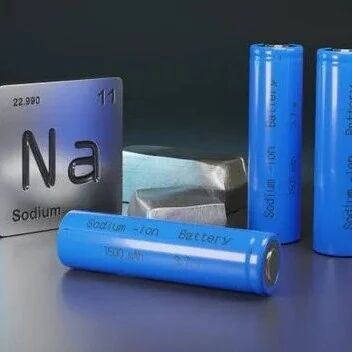
一图看懂 | 钠离子电池概念股
市值风云· 2026-02-05 10:08
实车预计在2026年年中上市。 作者 | 小鑫 编辑 | 小白 已规模化交付的企业 室 容百科技 毫 维科技术 宁德时代 s 普利特 毫 亿纬锂能 毫 派能科技 s 格林美 核心材料已量产 尽 当升科技 丛 多氟多 A 天赐材料 丛 中伟股份 A 振华新材 三、技术储备中试阶段 绕 湘潭电化 线 欣旺达 线 翔丰花 嵐 蔚蓝锂芯 & 圣阳股份 四、产业链配套及早期布局 2 美联新材 @ 中欣氟材 2 营田股份 2 直川股份 数据来源:上市公司财报、互联网公开信息|该内容仅供参考,不构成任何投资建议 免责声明: 本报告(文章)是基于上市公司的公众公司属性、以上市公司根据其法定义务公开披露的信息(包括但 不限于临时公告、定期报告和官方互动平台等)为核心依据的独立第三方研究;市值风云力求报告(文章)所载内 容及观点客观公正,但不保证其准确性、完整性、及时性等;本报告(文章)中的信息或所表述的意见不构成任何 投资建议,市值风云不对因使用本报告所采取的任何行动承担任何责任。 以上内容为 市值风云APP 原创 未获授权 转载必究 INS . (行业动态) 2月5日:长安汽车亮相全球首款钠电池量产乘用车,预计 2026年中 ...
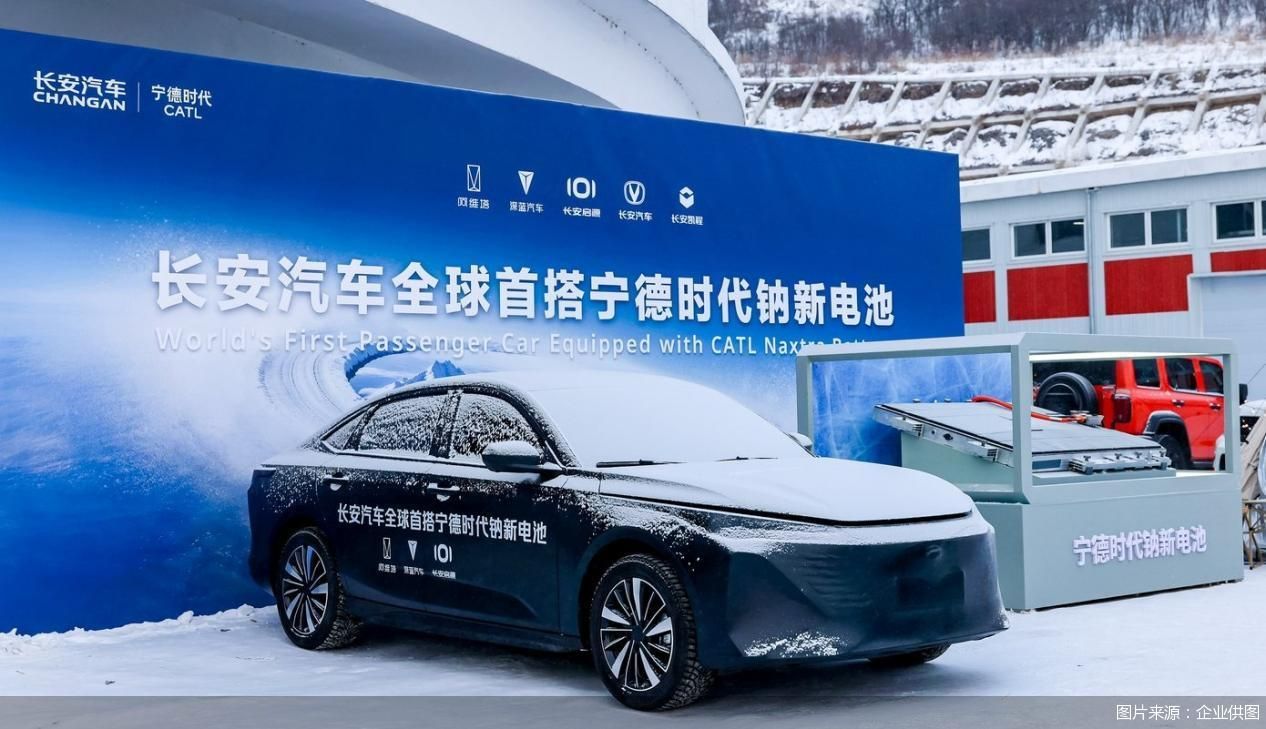
全球首款搭载宁德时代钠新电池乘用车亮相
Bei Jing Shang Bao· 2026-02-05 09:59
2026年,宁德时代将在全国落成超3000座巧克力换电站,布局超140城;在京津冀黑吉辽等8省(市)32城内累计布局完成600+站。 北京商报讯(记者刘晓梦)2月5日,长安发布全球钠电战略,全球首款钠电量产乘用车正式亮相。同时,长安汽车旗下阿维塔、深蓝、启源、引力等多品牌, 未来都将搭载宁德时代(300750)钠新电池。目前,全球首款钠电量产乘用车已在牙克石通过冬季标定,其续航、低温性、安全性、放电性能等均已完全满 足消费者使用需求。 数据显示,宁德时代钠电池搭配其第三代CTP系统成组技术,纯电续航达400公里以上,再通过宁德时代BMS智能管理策略的精准控制,可以实现"表显即所 得",而电芯的最高能量密度达175Wh/kg。搭载宁德时代钠新电池量产车型,在-30℃条件下,整车放电功率比同电量常规铁锂车型提升近3倍,-40℃极寒下 容量保持率超90%,在-50℃的极端环境下还能稳定放电。 ...

领先一步的先导智能
Jing Ji Guan Cha Wang· 2026-02-05 09:47
Core Viewpoint - The renewable energy industry has faced significant challenges over the past two years, including overcapacity and declining prices, leading to pressure on even leading companies' performance. However, XianDao Intelligent has reported a strong performance forecast, indicating a significant profit increase, which defies the prevailing negative sentiment in the equipment industry [1][2][3]. Group 1: Company Performance - XianDao Intelligent expects a net profit attributable to shareholders of between 1.5 billion to 1.8 billion yuan for 2025, representing a year-on-year growth of 424.29% to 529.15% [2]. - The company has also projected a strong growth in net profit after excluding non-recurring gains and losses, with an expected increase of 310.83% to 394.11% [2]. - The company's performance is characterized by a V-shaped recovery in 2025, with significant quarterly profit increases and positive cash flow [3]. Group 2: Industry Context - The equipment industry is generally experiencing a downturn, with many companies facing order delays and slower acceptance rates. However, XianDao Intelligent has managed to achieve growth despite these challenges [3]. - The company has differentiated itself by investing heavily in R&D, with a reported R&D expenditure of 1.671 billion yuan, representing a 14.1% R&D expense ratio, which is notably high for the equipment industry [7]. Group 3: Technological Advancements - XianDao Intelligent has focused on enhancing manufacturing efficiency by integrating smart technologies into production lines, which has led to significant improvements in operational efficiency [4][11]. - The company has developed the LEADACE platform, which utilizes AI algorithms to improve defect classification accuracy in battery testing from 60% to over 95% [9]. - The introduction of digital twin technology has allowed the company to simulate production processes, reducing trial and error costs and improving equipment delivery efficiency by 50% [11]. Group 4: Strategic Positioning - XianDao Intelligent has positioned itself as a leader in next-generation battery technology, having successfully developed a complete set of processes for solid-state battery production, which is seen as a significant advancement in the industry [12][19]. - The company has already delivered the world's first automotive-grade solid-state battery production line, showcasing its technological capabilities [19][20]. - By advancing its technology ahead of market demand, XianDao Intelligent has established itself as a key player in the supply chains of major global battery manufacturers [14][21]. Group 5: Market Strategy - The company is preparing for an IPO in Hong Kong to attract long-term international investment and enhance its global credibility, which is essential for negotiations with industry giants [22][23]. - XianDao Intelligent's history reflects a strategic approach to industry trends, allowing it to adapt and thrive in various sectors, including lithium batteries and smart logistics systems [24][28].

Stellantis delays EV launches after battery supply setbacks – report
Yahoo Finance· 2026-02-05 09:43
Group 1 - Stellantis has postponed several electric vehicle (EV) programs by up to eight months due to production issues at its battery partner, Automotive Cells Company (ACC) [1][2] - Current battery output from ACC is only sufficient for about 1,000 vehicles per month, significantly below initial targets [2] - Stellantis CEO Antonio Filosa has halted several electric projects, including the RAM 1500, and is scaling back plug-in hybrid offerings from Jeep and Chrysler in North America [3] Group 2 - The production setbacks at ACC reflect broader challenges in Europe's battery manufacturing sector, including stalled projects like Northvolt AB [4] - Stellantis is also working to recover market share lost under former CEO Carlos Tavares, addressing customer concerns over price increases and product quality [4] - The company has announced plans to cut vehicle prices in France for brands like Fiat, Opel, and Peugeot to regain market share [5]

零跑,可算有点工厂直销的样子了
3 6 Ke· 2026-02-05 09:37
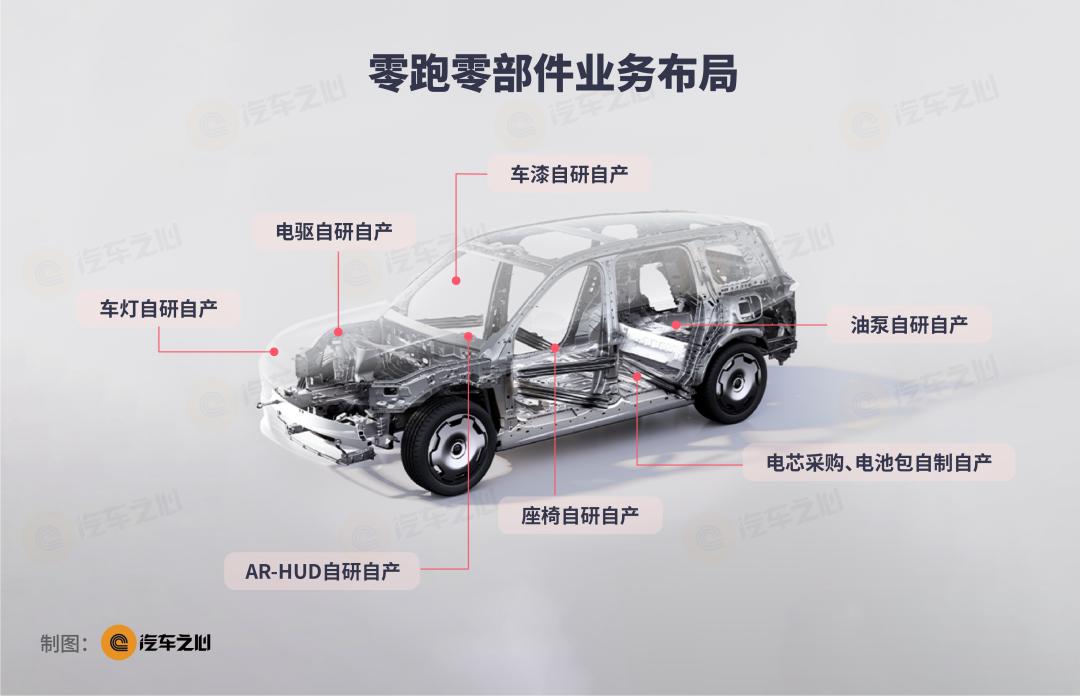
Core Viewpoint - The consensus among investors in the domestic automotive industry is that car manufacturers that cannot produce their own components are not considered good companies [1] Group 1: Supply Chain Management - In the current market competition, every car manufacturer needs to find a delicate balance between cost and profit [2] - Car manufacturers manage suppliers in three layers: direct purchase, cooperative development, and self-manufacturing of key components [3][7] - The first layer involves a direct buying-selling model where each manufacturer typically works with thousands of suppliers, undergoing multiple assessments of price, quality, and stability [5][6] - The second layer is a cooperative model where manufacturers deeply participate in technology development, as seen with Li Auto and its partnership with Aisin [8] - The third layer involves manufacturers self-developing and self-manufacturing key components, which allows them to extract profits from the supply chain [9] Group 2: Vertical Integration - Vertical integration is driven by necessity, with electric vehicle hardware costs divided into five parts: battery (40%), electric drive system (12%-13%), automotive electronics (13%-14%), body and chassis (14%-15%), and interior/exterior trim (17%) [10] - Only two players currently cover all R&D and manufacturing: Leap Motor and BYD [11] - Leap Motor focuses on rationalism in self-manufacturing components, while BYD emphasizes practical integration of its supply chain [12][18] - BYD has over 100 component factories and has built a vertically integrated supply chain from mining lithium to selling cars [18] - Leap Motor's self-manufactured components cover 70% of its vehicle costs, providing a competitive edge [9] Group 3: Profitability and Cost Management - Vertical integration allows manufacturers to eliminate middlemen, potentially leading to significant profit margins [21] - BYD's internal production of batteries is 20% cheaper than external sourcing, contributing to an increase in gross margin from 17.4% in 2021 to 22.3% in 2024 [21] - Leap Motor's gross margin turned positive for the first time after eight years, reaching 14.1% in the first half of 2025 [23] - Cost management strategies include achieving a production capacity utilization rate of over 70% and maximizing the commonality of components [27][28] Group 4: Supplier Dynamics - Car manufacturers are increasingly acting as suppliers, with BYD providing 15.6 GWh of batteries to new car manufacturers, earning an additional 1 billion yuan in net profit [33] - Leap Motor is also diversifying its revenue by supplying components to other manufacturers, projecting over 2 billion yuan in income from external supply by 2025 [39] - The competitive landscape requires manufacturers to either enhance internal component commonality or rely on external supply channels [31][32] Group 5: Future Outlook - The automotive industry is undergoing a reshuffle, with a focus on supply chain restructuring [40] - Leap Motor aims to achieve over 80% self-manufactured components, surpassing BYD's current 75% [52] - The goal is to increase production scale while reducing costs, leveraging the principle of economies of scale [54]

钠电加速上车
Hua Er Jie Jian Wen· 2026-02-05 09:29
Core Viewpoint - The collaboration between Changan Automobile and CATL marks a significant shift in the battery industry, with the launch of the world's first sodium-ion mass-produced passenger vehicle expected in mid-2026, indicating the commercial viability of sodium batteries after a decade of development [1][2]. Strategic Alliance - Changan Automobile has chosen CATL as its "sole partner" for the sodium battery strategy, reflecting a strong consensus on industry trends and a strategic decision to pivot towards sodium batteries as a key focus for the coming years [2]. - Changan's commitment to sodium batteries will encompass multiple brands, including Avita, Deep Blue, Qiyuan, and Gravity, with plans to launch new models featuring CATL's sodium batteries [2]. Technical Specifications - The sodium battery cells have an energy density of up to 175 Wh/kg, which is currently the highest in the industry, and vehicles equipped with these batteries will have a pure electric range exceeding 400 km [3]. - The sodium battery maintains over 90% capacity at -40°C and can operate at -50°C, with discharge power nearly three times that of conventional lithium iron phosphate batteries at -30°C [3]. - Future upgrades could increase the pure electric range to 500-600 km and hybrid range to 300-400 km, potentially covering over 50% of market demand for range [3]. Market Dynamics - The sodium battery is expected to replace lithium iron phosphate batteries in certain applications, with cost parity anticipated as production scales up, potentially capturing about 50% of the market share currently held by lithium iron phosphate batteries [4]. - The sodium battery industry is transitioning from small-scale trials to large-scale production, with projections indicating a tenfold increase in sodium battery production capacity from 11,000 tons in 2025 to over 120,000 tons in 2026 [6]. Industry Expansion - The sodium battery market is expected to grow significantly, with major players like BYD and CATL investing heavily in sodium battery projects, indicating a shift towards a more diversified battery supply chain [6]. - By 2030, the global sodium battery market is projected to approach 410 GWh for sodium-ion power batteries, nearing the 580 GWh mark for energy storage batteries, suggesting that sodium batteries will become mainstream alongside lithium batteries [7].
【快讯】每日快讯(2026年2月5日)
乘联分会· 2026-02-05 09:05
Domestic News - Guangdong is expanding the testing and demonstration application range for intelligent connected vehicles, promoting digital consumption and smart logistics networks [7] - Beijing has achieved full coverage of supercharging stations in highway service areas, with 530 charging piles and a maximum charging power of 600kW, allowing for a quick 15-minute charge [8] - Changan Automobile is collaborating with CATL to introduce sodium-ion batteries, with plans to launch multiple models by 2026, achieving a range of over 400 kilometers for pure electric vehicles [9] - Two major state-owned enterprises are integrating their automotive testing businesses to create the world's largest automotive testing institution, enhancing technical service capabilities [10] - FAW Bestune has partnered with Unity China to produce the first mass-produced 3D intelligent cockpit vehicle, enhancing user interaction and safety [11] - Ledo Automotive has exceeded its battery doubling plan, adding 8,295 new battery packs to its network, improving user experience during peak travel seasons [12] - Zhiji Automobile has launched its models in the UAE and Tunisia, marking a significant step in its global expansion strategy for 2026 [13] - Qianli Technology has submitted an application for an L3-level intelligent driving test license, indicating its readiness for advanced autonomous driving technology [14] Foreign News - Canada is abolishing mandatory electric vehicle sales quotas and reintroducing consumer subsidies of up to CAD 5,000, while welcoming Chinese companies to set up factories [16] - The German Automotive Industry Association predicts a total production of 4.1 million vehicles in 2026, a 1% decrease year-on-year, with a 6% growth in electric vehicles [17] - The Malaysian government is offering subsidies for replacing old vehicles over 20 years old, in collaboration with Proton, with incentives up to 4,000 ringgit [18] - Porsche has started mass production of the Cayenne Electric in Slovakia, featuring dual motors and a maximum output of 850 kW, with rapid charging capabilities [19][20] Commercial Vehicles - DeepWay has launched its pure electric heavy truck in Bangkok, marking a significant milestone in its Southeast Asia strategy [21] - The Yellow Stone City has implemented regulations for the commercial application of ground unmanned technology, ensuring safety and market order [22] - Shenzhen has reported a 185.5% year-on-year increase in operational functional unmanned vehicles, with a total of 1,122 units by the end of 2025 [23] - Shandong Province has issued a plan to strengthen the commercial vehicle sector, aiming for a production target of around 200,000 new energy commercial vehicles in 2026 [25]

中国企业出海的十大展望
Hua Xia Shi Bao· 2026-02-05 09:01
Group 1: Global Expansion of Chinese Manufacturing - The trend of Chinese manufacturing companies expanding globally is accelerating, particularly in tariff-sensitive sectors such as automotive, consumer electronics, and machinery, which are relocating production to countries with lower tariffs or favorable policies to reduce costs and mitigate trade risks [2][3] - Chinese manufacturers are diversifying their global supply chains by exploring emerging markets in Latin America, the Middle East, and Africa, thereby enhancing supply chain stability and risk resilience [2][3] - The implementation of regional economic cooperation mechanisms and free trade agreements, such as RCEP, is creating a more favorable policy environment for the globalization of Chinese manufacturing [3] Group 2: Overseas Mergers and Acquisitions - Chinese manufacturing companies are leveraging overseas mergers and acquisitions to transition from OEMs to self-owned brands, gaining market share, sales channels, and high-end brand images [3][4] - The focus of these acquisitions is shifting towards strategic alignment in brand, market, technology, and supply chain integration, enhancing global competitiveness [3][4] - Companies like Haier exemplify this trend by achieving breakthroughs in the European and American markets through acquisitions, thereby strengthening their global competitive advantage [3][4] Group 3: Labor-Intensive Industries and Cost Migration - Labor-intensive industries are increasingly relocating to low-cost regions such as Southeast Asia and South Asia, benefiting from local labor advantages and policy support [4][5] - The trend of regional industrial clusters is forming as companies seek to reduce costs and improve response efficiency through localized production [4][5] - The global supply chain is becoming more regionalized, with multinational companies establishing collaborative industrial clusters in emerging regions to enhance supply chain resilience [4][5] Group 4: Resource Sector Globalization - Chinese resource companies are accelerating their global expansion by constructing complete industrial chains from mining to processing and application, enhancing their control and influence in the global resource sector [6][7] - The focus is shifting from merely acquiring resources to deep integration of upstream and downstream operations, utilizing diverse cooperation methods such as equity investments and joint ventures [6][7] - Notable examples include the acquisition of cobalt mines in the Democratic Republic of Congo and lithium companies in Australia, showcasing the strategic foresight of Chinese enterprises [6][7] Group 5: Digital Transformation and Brand Value - Chinese companies are transitioning from low-cost manufacturing to brand value creation, utilizing digitalization to enhance brand building and global competitiveness [9][10] - Companies like Anker and Xiaomi are leveraging localized operations and digital marketing to establish strong brand identities and achieve significant sales growth [9][10] - The focus on digital transformation is enabling companies to create differentiated brand matrices and improve supply chain management, enhancing market competitiveness [9][10] Group 6: Compliance and Localization - Compliance and localized operations are becoming core competitive advantages for Chinese enterprises in international markets, with a focus on establishing robust global compliance systems [11][12] - Companies are actively building global compliance monitoring systems to ensure adherence to regulations in areas such as data security and environmental standards [11][12] - The ability to navigate compliance challenges is increasingly seen as integral to brand value and international market acceptance [11][12] Group 7: Policy Support for Globalization - Recent policy initiatives from the Chinese government are creating unprecedented opportunities for enterprises to expand internationally, emphasizing high-level openness and integration into the global economy [13][14] - The focus on developing new production capabilities and promoting the integration of the real economy with the digital economy is expected to provide clear guidance for companies in the new round of global competition [13][14] - Structural monetary policies are anticipated to offer targeted financial support to foreign trade enterprises, aiding their internationalization efforts [14] Group 8: Cultural and Ideological Export - Chinese enterprises are increasingly integrating cultural content with brand ideology to enhance cultural soft power and global brand value [18][19] - The growth of cultural consumption globally is driving the export of diverse cultural products, including games and films, with significant revenue growth reported [18][19] - The focus on building a robust IP ecosystem and localizing content production is crucial for enhancing global appeal and emotional resonance with audiences [18][19]