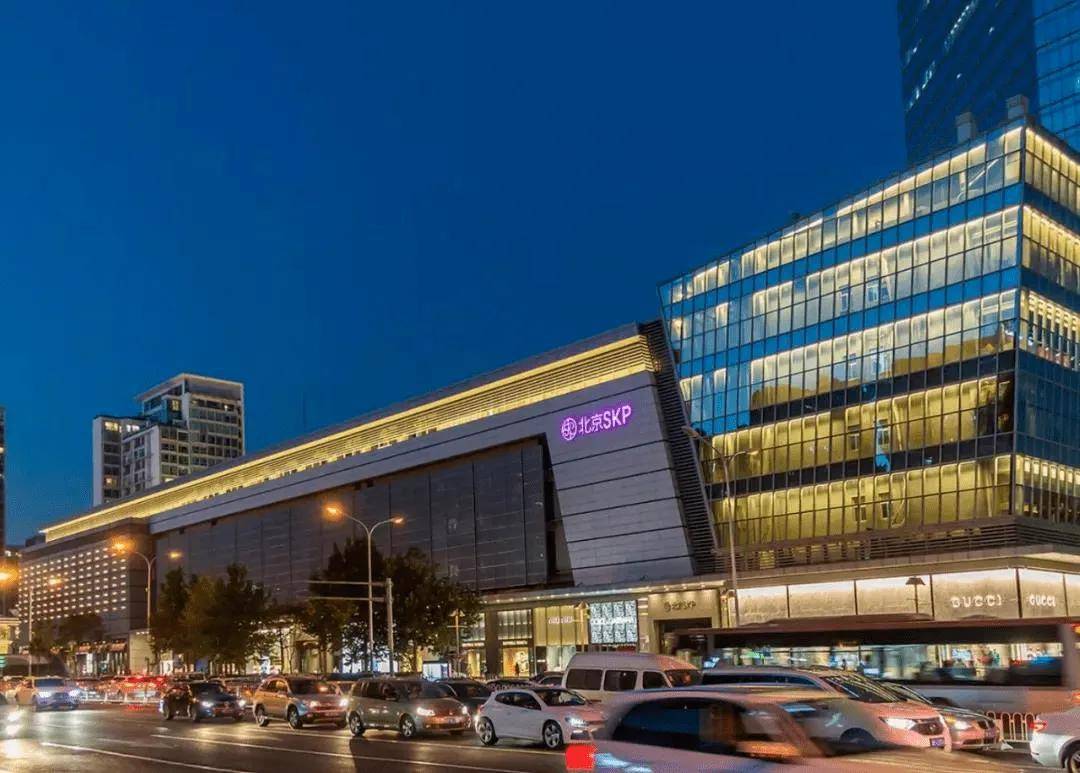
北京SKP

Search documents
点亮“冬日奇境”,北京SKP年末“放大招”
Xin Jing Bao· 2025-12-25 23:52
Core Viewpoint - Beijing SKP has launched a series of "Winter Wonderland" activities to welcome the New Year, focusing on creating emotional experiences for customers through immersive and creative event designs [1][3]. Group 1: Event Highlights - The "Lighting Ceremony" on December 19 marked the beginning of the "Winter Carnival," featuring a magical indoor garden decorated with lights and engaging performances [1][3]. - Activities included a children's choir, performances by star ambassadors, and interactive experiences with mascots, enhancing the festive atmosphere [4][5]. - The event also featured creative offerings such as caricature sketches and customized cotton candy, aimed at fostering closer connections with customers [6]. Group 2: Marketing Strategy - Beijing SKP's year-end marketing strategy emphasizes emotional engagement rather than traditional sales promotions, aiming to transform shopping into a memorable experience [3][4]. - The integration of local cultural elements and artistic designs in the decorations aims to attract younger audiences and position Beijing SKP as a new cultural landmark [8]. - The management expressed a commitment to blending fashion, art, and culture, ensuring that every space within the mall serves as a source of inspiration [8].


会员费高达15万的高端俱乐部,“败走”上海?
Guan Cha Zhe Wang· 2025-11-24 12:04
(文/霍东阳 编辑/张广凯) 近日,英国高端百货哈罗德发布声明称,自明年1月起将关闭其位于上海的私人会员俱乐部The Residence以及哈罗德茶室。 哈罗德百货称此次退出主要"因上海项目租约期满,同时受到中国奢侈品消费环境变化,以及项目业主招商策略调整的影响"。 自2020年正式进入上海市场,最初以邀请制的奢华私人导购服务切入,2021年开设哈罗德茶室,并于2023年在茶室基础上升级推出了私人会员俱乐部The Residence,这家百年高端百货的重资产实体扩张迅速"破产"。 哈罗德百货创立于1834年,最初只是伦敦东区的一家小型杂货店,1849年,为抓住万国工业博览会机遇,迁至如今伦敦骑士桥的位置。 经过近两个世纪的发展,哈罗德百货已经成为全球奢侈品零售的传奇,拥有超过330个销售部门,服务过包括奥斯卡·王尔德、西格蒙德·弗洛伊德等众多名 流。 中国消费者是哈罗德百货坚实的客户,小红书上,哈罗德百货的圣诞礼盒开箱也是年度热门话题。2020年前,哈罗德百货销售额的近2成由中国消费者贡 献,每消费5英镑就有1英镑来自中国游客。 查公馆的外观看不出哈罗德百货的影子,十分低调。建筑的一楼是哈罗德茶室,在预约制的 ...

奢侈品消费连续下滑6个季度 高奢商场从坚守清高到放下身段
Di Yi Cai Jing· 2025-11-05 05:11
Core Insights - The luxury goods market in China has experienced a significant downturn, with negative growth recorded for six consecutive quarters, as reported by Bain & Company [1][2][3] - Major luxury brands are facing declining revenues and profits, prompting them to close underperforming stores and seek support from shopping malls [3][4] - Consumer preferences are shifting towards experiential and emotional consumption, leading to a transformation in the luxury retail landscape [9][10] Market Performance - The luxury goods market in China and the U.S. has both seen a decline, with projections indicating a potential global sales drop of 2% to 5% by 2025 [2][3] - LVMH reported a 4% decline in revenue and over a 20% drop in net profit for the first half of 2025, while Kering's net profit fell by 46% [3] - Chanel has also faced its first revenue and profit decline since 2020, highlighting the broader challenges within the luxury sector [3] Brand Strategies - Brands are increasingly closing low-performing stores to concentrate resources on key locations, with Kering planning to close 80 stores this year [4][3] - The shift in consumer behavior has led brands to adapt their marketing strategies, focusing more on social media and direct consumer engagement [3][7] Shopping Mall Dynamics - Shopping malls are under pressure to support luxury brands through rent reductions and marketing initiatives, as sales decline [6][8] - Malls are adopting more diverse promotional activities to attract consumers, such as immersive art installations and themed events [7][10] - The market has shifted to a tenant-driven landscape, with landlords needing to be more supportive of their tenants to maintain occupancy [8][10] Consumer Behavior - The traditional luxury marketing approach centered on material possession is being replaced by a focus on experiences and emotional connections [9][10] - The consumer demographic is becoming more blended, with luxury purchases being made by a wider range of consumers, including those who previously engaged with fast fashion [9][10] Operational Challenges - High-end malls face challenges in maintaining their brand identity while introducing new, trendy brands to attract foot traffic [11] - Balancing the introduction of popular brands with the existing luxury tenant mix is crucial to avoid alienating core luxury customers [11][10]
星巴克中国“让贤”仅保留40%股权,借力博裕投资坐望2万家门店
Sou Hu Cai Jing· 2025-11-04 06:13
Core Insights - Starbucks has announced a strategic partnership with Boyu Capital to establish a joint venture for its retail operations in China, with Boyu holding up to 60% equity and Starbucks retaining 40% [1] - The estimated enterprise value of the joint venture is approximately $4 billion, and Starbucks anticipates the total value of its retail business in China to exceed $13 billion [1] - The new joint venture will be headquartered in Shanghai and aims to expand the number of Starbucks stores in China from 8,000 to 20,000 in the future [1] Company Strategy - Starbucks CEO Brian Niccol emphasized that Boyu's local market expertise will accelerate Starbucks' expansion in China, particularly in smaller cities and emerging regions [2] - The company reported significant growth in its retail presence, with 8,011 stores in 1,091 county-level cities by the end of fiscal year 2025 [2] - In response to market competition, Starbucks implemented its largest price adjustment in 26 years, reducing prices on key products by an average of 5 yuan, which contributed to revenue growth [2] Market Challenges - Despite the positive results from its expansion strategy, Starbucks faces challenges in penetrating the lower-tier markets, where competitors like Luckin Coffee have a significant presence [3][5] - Data indicates that the majority of coffee shop locations are concentrated in new first-tier and second-tier cities, while brands targeting lower-tier markets have a higher percentage of their stores in those areas [3] - The entry of various tea brands into the coffee market poses additional challenges for Starbucks as it seeks to establish a foothold in non-first and second-tier cities [5] Investment Landscape - The sale of Starbucks' equity in China has attracted interest from over 20 private equity firms, with potential valuations reaching $10 billion [6] - Boyu Capital, founded in 2011, has a strong investment track record in the consumer market, managing a fund size of $10 billion and holding stakes in over 200 companies [7] - Boyu's recent acquisition of a significant stake in Beijing SKP, a leading luxury department store, highlights its strategic investment approach in the evolving Chinese consumer market [8] Industry Transformation - The coffee market in China is undergoing significant changes, with high-end brands like Starbucks needing to adapt to the competitive landscape dominated by local brands [10] - The shift in consumer preferences and market dynamics necessitates a transformation for mid-to-high-end foreign brands, which must navigate the challenges of maintaining their brand identity while appealing to a broader audience [10]


星巴克中国60%股权售予博裕投资,新合资企业将运营8000家门店
Zhong Guo Jing Ying Bao· 2025-11-04 05:59
星巴克预计其中国零售业务的总价值将超过130亿美元,总价值由三部分构成:向博裕投资出让合资企 业控股权益所得、星巴克在合资企业中保留的权益价值,以及未来十年或更长时间内持续支付给星巴克 的授权经营收益。 星巴克咖啡公司董事长兼首席执行官倪睿安(Brian Niccol)认为,博裕投资在本地市场的经验与专 长,将有力加速星巴克在中国市场、特别是中小城市及新兴区域的拓展。中经记者 黎竹 孙吉正 北京报 道 据悉,新成立的合资企业将继续以上海为总部,管理并运营目前遍布中国市场的8000家星巴克门店。秉 持共同的发展愿景,双方将致力于未来将星巴克在中国的门店规模逐步拓展至20000家。 【星巴克中国60%股权售出 新主曾拿下SKP部分股权】11月4日,星巴克咖啡公司宣布与中国领先的另 类资产管理公司博裕投资达成战略合作,双方将成立合资企业,共同运营星巴克在中国市场的零售业 务。 博裕投资曾投资过SHEIN,布局涉及消费零售、科技创新、医疗健康及新能源领域内的企业。4月30 日,北京市市场监督管理局公示信息显示,博裕五期美元基金有限责任公司通过其关联方拟收购北京 SKP部分股权,交易完成后,博裕基金将间接持有北京SKP ...

星巴克中国60%股权售出 新主曾拿下SKP部分股权
Zhong Guo Jing Ying Bao· 2025-11-04 04:55
根据协议,博裕投资将持有合资企业至多60%股权,星巴克保留40%股权,并将继续作为星巴克品牌与 知识产权的所有者和授权方,向新成立的合资企业进行授权。基于约40亿美元(不计现金与债务)的企 业价值,博裕投资将获得其相应权益。 星巴克预计其中国零售业务的总价值将超过130亿美元,总价值由三部分构成:向博裕投资出让合资企 业控股权益所得、星巴克在合资企业中保留的权益价值,以及未来十年或更长时间内持续支付给星巴克 的授权经营收益。 据悉,新成立的合资企业将继续以上海为总部,管理并运营目前遍布中国市场的8000家星巴克门店。秉 持共同的发展愿景,双方将致力于未来将星巴克在中国的门店规模逐步拓展至20000家。 博裕投资曾投资过SHEIN,布局涉及消费零售、科技创新、医疗健康及新能源领域内的企业。4月30 日,北京市市场监督管理局公示信息显示,博裕五期美元基金有限责任公司通过其关联方拟收购北京 SKP部分股权,交易完成后,博裕基金将间接持有北京SKP 42%~45%的股权。 星巴克咖啡公司董事长兼首席执行官倪睿安(Brian Niccol)认为,博裕投资在本地市场的经验与专 长,将有力加速星巴克在中国市场、特别是中小城 ...
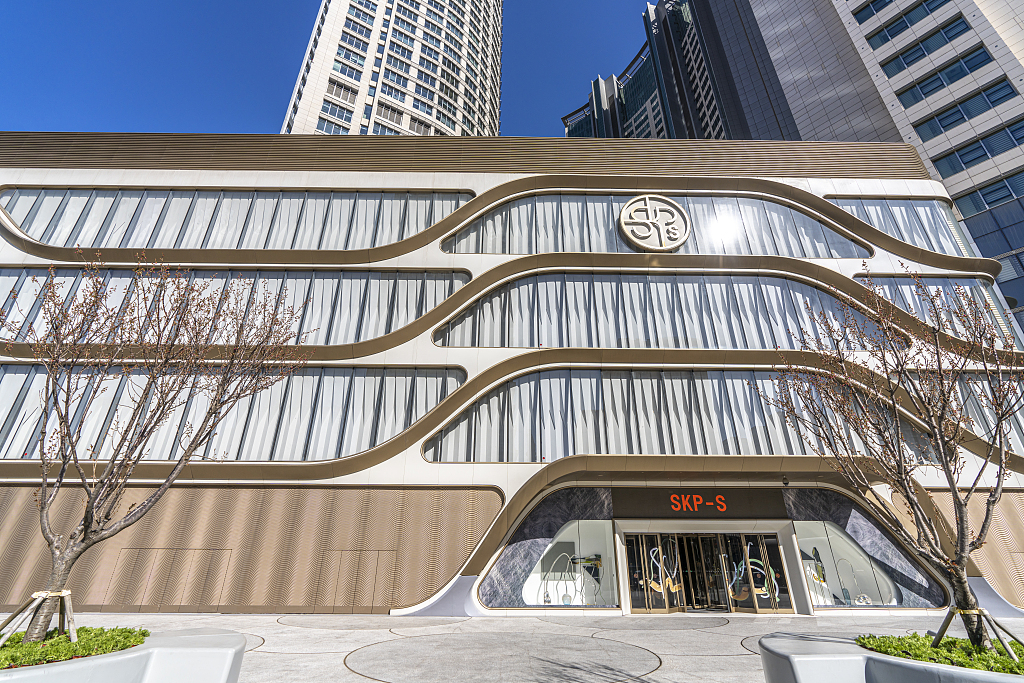
SKP“全球店王”争夺战
Hua Er Jie Jian Wen· 2025-09-23 10:07
作者 | 王小娟 周智宇 编辑 | 张晓玲 过去十年,全球奢侈品商场零售额的王冠,属于中国。而王冠上的明珠,是北京SKP。它曾多次蝉联 "全球店王"的称号,年销售额超过200亿。 然而在2024年,南京德基摘走了"全球店王"桂冠。如今,借着一家冉冉升起的中国新品牌——老铺黄金,SKP誓要夺回失去的宝座。 最近,老铺黄金在北京SKP一层的独立门店正式开业,这是它在北京SKP的第三家店铺,类似于Hermès、CHANEL,打破了国际奢侈品牌长期垄 断一楼黄金位置的传统。 有投资机构人士告诉华尔街见闻,老铺黄金去年在SKP的销售额约为20亿,今年加上新店,估计能达到30-40亿,这将成为SKP争夺店王的关键选 项。 北京SKP这家知名高奢商场,正试图通过重押老铺黄金来重返"店王"之位。不过,"店王"之争不仅是销售额,也有了新的内涵,它不再是签下更 多国际大牌的竞赛、高奢商场招商的比拼,而是对中国消费者心理变迁的深刻洞察。 全球奢侈品市场正在加速进入一个新纪元。老铺黄金的出现,与其说是SKP的解药,不如说是递给所有高端商场的一张新考卷,而真正的考试, 才刚刚开始。 失落王座 在过去的很多年间,坐落在北京大望路的SKP ...
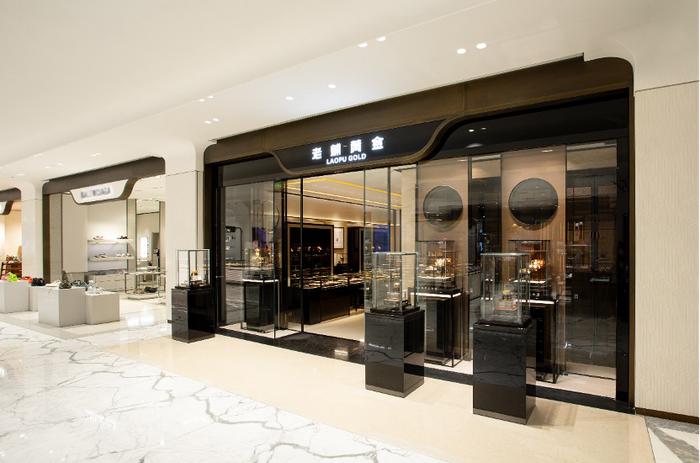
北京SKP开出第三家老铺黄金
Zheng Quan Ri Bao Zhi Sheng· 2025-09-14 11:37
Core Viewpoint - Laopu Gold Co., Ltd. has opened its third store in Beijing SKP, which is expected to enhance the performance of Beijing SKP by 2025, following its previous loss of the title of "global store king" [1][3] Group 1: Company Performance - Laopu Gold achieved a nearly 220% year-on-year growth in the first half of 2025 at Beijing SKP, contributing to an overall positive growth of approximately 20% for the mall despite declines in international brand performance [4] - The average store efficiency of Laopu Gold reached nearly 500 million yuan in the first half of 2025, surpassing all domestic and international jewelry brands, and even exceeding that of leading international luxury brands [4] Group 2: Market Positioning - Laopu Gold is successfully penetrating the high-end market, representing Chinese cultural heritage and aesthetics, marking a structural shift from reliance on international brands to local brands in high-end shopping environments [3][5] - The brand has a consumer overlap rate of nearly 80% with five major international luxury brands, indicating its strong presence among high-net-worth individuals [5] Group 3: Store Experience - Each Laopu Gold store is designed with a "literary room" theme, providing an immersive cultural experience that aligns with its traditional gold craftsmanship, aiming to become a cultural consumption destination in each city [5]
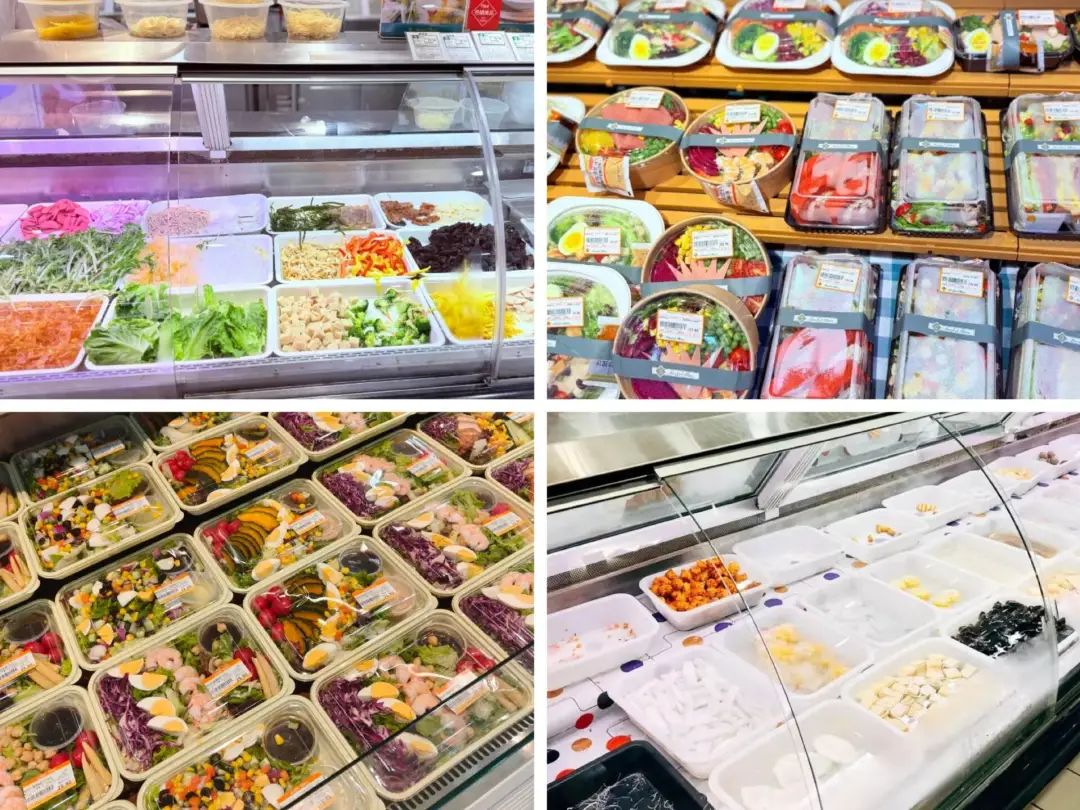
15元“商超大食堂”硬控打工人
3 6 Ke· 2025-08-26 00:15
Core Viewpoint - The trend of supermarkets transforming into affordable dining options for workers is gaining momentum, as they provide cost-effective meals that cater to the needs of the working class [1][10][22]. Group 1: Consumer Behavior - Workers are increasingly turning to supermarkets for meals, with many able to spend as little as 20 yuan for a full day's worth of food [1][3]. - A family of four can enjoy a meal at a supermarket for around 50 yuan, averaging 10 yuan per person, highlighting the affordability and convenience of these dining options [3][5]. - The shift from traditional dining options to supermarket food courts is evident, as many workers abandon expensive takeout and office dining [7][10]. Group 2: Supermarket Innovations - Supermarkets are adapting to consumer preferences by redesigning their spaces to include food courts, with examples like the "海淀食堂" in Beijing, which can accommodate over 70 diners [8][10]. - Major supermarket chains like Yonghui and Wumart are launching various dining concepts, including self-service and community dining options, to attract more customers [11][13][15]. - The introduction of affordable meal options, such as 19.9 yuan self-service meals, is becoming a common strategy among supermarkets to draw in consumers [10][14]. Group 3: Market Trends - The rise of online shopping is leading to a decline in foot traffic in traditional malls, prompting many to pivot towards food services as a means of survival [18][20]. - Data indicates that over 65.7% of urban residents prefer online shopping, with younger demographics showing even higher rates, which is reshaping the retail landscape [18][20]. - Supermarkets are increasingly integrating dining services to enhance customer experience and drive additional sales, as dining can lead to increased purchases of groceries and other items [21][22]. Group 4: Challenges and Opportunities - While supermarket dining options are gaining popularity, there are concerns regarding food quality and customer experience, with some consumers noting the need for improved taste and variety [24]. - The "supermarket + dining" model shows potential for growth, but success will depend on continuous improvement in service and menu offerings to meet diverse consumer preferences [24].

越来越多的商场选择闭店,大城市的人也不爱逛商场了?背后的原因让人无奈!
Sou Hu Cai Jing· 2025-08-19 13:56
Core Viewpoint - The decline in foot traffic and sales in high-end shopping malls in first-tier cities is attributed to multiple factors, including wealth reduction, income decline, e-commerce competition, and changes in consumer spending habits [1][14]. Group 1: Consumer Behavior Changes - First-tier cities like Beijing and Shanghai are experiencing slower consumption growth, even negative growth, contrary to previous assumptions that they would withstand economic fluctuations [3][14]. - Many families are burdened with high mortgage payments, leading to reduced discretionary spending on non-essential items like clothing and entertainment [5][6]. - Shopping malls are increasingly viewed as non-essential, with consumers prioritizing experiences over material goods [12][15]. Group 2: Impact of E-commerce - The rise of e-commerce has significantly impacted traditional retail, with online retail sales increasing from 10 trillion yuan in 2019 to 15.5 trillion yuan in 2024, while physical malls see declining foot traffic [11][12]. - Many shopping malls have failed to adapt to the evolving retail landscape, maintaining outdated layouts and lacking competitive pricing or convenience compared to online platforms [11][12]. Group 3: Economic and Structural Factors - The decline in consumer confidence among the middle class is a critical factor affecting physical retail, as high-end positioning no longer guarantees success [14][15]. - The shift in consumer spending from goods to services is evident, with service retail sales growing by 20% in 2023, outpacing goods retail growth [13][14]. - The overall retail landscape is changing, and malls must either differentiate through unique experiences or embrace new consumer trends to survive [15][17].