
南洋商业银行

Search documents
聚焦进博|八赴进博!外资行高管解码中国市场“磁吸力”
Guo Ji Jin Rong Bao· 2025-11-07 10:59
Core Viewpoint - The China International Import Expo (CIIE) serves as a significant platform for promoting high-level opening-up and showcases global innovation and cooperation opportunities, particularly highlighting the role of foreign banks in the Chinese market [1][3][5]. Group 1: Importance of CIIE - CIIE is a testament to China's commitment to expanding its openness, providing a platform for foreign banks to demonstrate their strategies and foster partnerships [3][5]. - The event has evolved from merely a trade platform to a comprehensive ecosystem that integrates trade and investment, enhancing its significance in global commerce [10][19]. Group 2: Participation of Foreign Banks - Standard Chartered Bank emphasizes its continuous participation in CIIE, showcasing its commitment to connecting with new markets and supporting sustainable finance [3][5]. - HSBC highlights its role in facilitating connections between global enterprises and the Chinese market, showcasing its financial solutions and support for local clients [5][7]. - DBS Bank focuses on technology finance and wealth management, demonstrating its commitment to supporting China's high-level opening-up and innovation [11][13]. Group 3: Economic Trends and Opportunities - The growth of high-net-worth individuals and the expanding middle-income group in China presents significant opportunities for wealth management services [17][18]. - There is a notable shift in investment preferences among Chinese investors towards diversified financial assets, including ESG investments [17][18]. - The anticipated wealth transfer in the coming decade is expected to drive demand for estate planning and family trust services [17][18]. Group 4: Cross-Border Business Dynamics - The rise of cross-border e-commerce is reshaping global trade dynamics, presenting both opportunities and challenges for banks in terms of payment processing and compliance [19][20]. - Foreign banks are adapting their services to meet the needs of small and medium-sized enterprises (SMEs) engaging in international trade, offering tailored financial solutions [21].


蚂蚁数科面向全球发布全场景AI服务 助力企业加速AI升级
Zheng Quan Shi Bao Wang· 2025-11-03 07:58
Core Insights - The 2025 Hong Kong FinTech Week has commenced, showcasing Ant Group's AI-driven solutions, including the Agentar platform, ZOLOZ security platform, and AI mobile banking applications, which garnered significant attention from attendees [1][2] - AI large models are increasingly integrated into the financial sector, enhancing wealth management, security risk control, and intelligent marketing, with over 75% of banks in Hong Kong expected to adopt AI by 2025 [1] - Ant Group's comprehensive AI services aim to accelerate business growth, improve user experience, and enhance risk management for global financial institutions [1] Business Growth - Ant Group's AI marketing agent service has demonstrated a 20% improvement in marketing effectiveness compared to traditional methods in a banking case study [1] User Experience Innovation - The AI mobile banking solution introduced by Ant Group features a "conversational service" model, allowing users to interact in natural language, resulting in a 10% increase in transaction conversion rates for Shanghai Bank and significantly boosting user satisfaction [2] Risk Management - Ant Group's ZOLOZ platform provides millisecond-level risk interception against deepfake attacks, ensuring the security of enterprise clients and assets, with services extended to over 25 countries and regions [2] Global Strategy - Ant Group is focusing on globalization as a key development strategy, leveraging its decade-long experience serving over 10,000 domestic enterprises and financial institutions to expand its AI solutions globally, with Hong Kong as a strategic hub [2]
趣味互动学金融!福田街道金融行业专场活动点燃市民学习热情
Nan Fang Du Shi Bao· 2025-09-20 03:06
Group 1 - The event "Wow CBD·Futian CBD Enterprise Specialty Exhibition" was held on September 17 to enhance financial consumer risk awareness and support high-quality development of financial enterprises in the CBD area [1][5] - The event was co-hosted by multiple organizations, including the Futian District Financial Services and Risk Prevention Center and the Shenzhen Insurance Association, and attracted over 4,000 participants [5][6] - The exhibition featured 55 financial enterprises across banking, securities, insurance, and funds, utilizing immersive and interactive experiences to engage the public [5][6] Group 2 - Various innovative activities were conducted, such as interactive games and educational modules, to simplify complex financial concepts and risk prevention tips [6][7] - The banking area was particularly popular, featuring games that integrated fraud prevention and financial knowledge, while the insurance area focused on fun activities to teach anti-fraud techniques [7][8] - The event aimed to transform financial knowledge dissemination from a one-way communication to a two-way interaction, enhancing public understanding of financial safety [8] Group 3 - The "Wow CBD" initiative is part of a broader effort by the Futian Street Party Committee to promote economic development and has successfully hosted 27 themed events covering nearly 20 industries [8] - The initiative aims to address challenges in enterprise promotion and high advertising costs, continuously optimizing the business environment in the central district [8]

主题报告 | 沪港协同:重塑国际金融中心发展新格局
Sou Hu Cai Jing· 2025-09-04 15:33
Core Insights - The online seminar "Shanghai-Hong Kong Cooperation: Reshaping the New Pattern of International Financial Center Development" highlighted the recovery of Hong Kong's financial market post-2024, driven by capital inflows, low interbank rates, and leading global IPO financing [3][5] - The collaboration between Shanghai and Hong Kong is characterized as structurally complementary rather than competitive, with both cities serving distinct roles in the financial ecosystem [9][10] Group 1: Hong Kong Financial Market Recovery - Hong Kong's financial market shows signs of recovery with significant capital inflows, a drop in interbank rates, and a substantial increase in IPO financing, reaching HKD 280.8 billion in the first half of 2025, a 322% increase year-on-year [5][6] - The total market capitalization of Hong Kong's stock market reached HKD 42.7 trillion by the end of June 2025, up 33% from the previous year [5] - Despite positive signals in the financial market, the real estate sector remains weak, indicating a cautious outlook on the overall economic recovery [6] Group 2: Structural Factors Supporting Hong Kong's Financial Center Status - Hong Kong's stability as an international financial center is supported by a robust legal system, ongoing demand for offshore financial services from mainland enterprises, and its role as a trade hub in the Asia-Pacific region [7][8] - The relationship between Hong Kong and the U.S. remains strong, with a trade surplus of USD 271.5 billion over the past decade, highlighting Hong Kong's importance as a business base for U.S. companies [8] Group 3: Opportunities for Shanghai-Hong Kong Cooperation - Future cooperation between Shanghai and Hong Kong is expected to focus on five key areas: enhancing connectivity mechanisms, collaboration in the bond market, green finance, digital currency and fintech, and supporting cross-border trade and financial services [11][13][14][15] - The development of a "New York-London" style dual hub structure is proposed, with Shanghai focusing on onshore financial services and Hong Kong on offshore services [29] Group 4: Challenges in Renminbi Internationalization - The international payment status of the Renminbi is currently misaligned with China's economic standing, with a coverage rate of only 0.25, compared to higher rates for other major currencies [23] - The offshore financial development in China is lagging behind the growth of its foreign trade, indicating a need for enhanced support for the offshore Renminbi market [24] Group 5: Implementation Pathways for Offshore Financial Development - The collaboration between Shanghai and Hong Kong is essential to address structural challenges in offshore financial development, focusing on upgrading free trade account functions, restarting offshore bond markets, and enhancing digital currency applications [28][32] - The proposed action plan emphasizes the importance of offshore financial services and the need for regulatory frameworks to support innovation and market demand [27][32]
深度参与金融改革与房地产纾困 中国信达上半年盈利增长5.78%
Jing Ji Guan Cha Wang· 2025-08-28 02:41
Core Viewpoint - China Cinda Asset Management Co., Ltd. demonstrated stable growth in its business scale and capital structure amid a complex macroeconomic environment, with a focus on non-performing asset management and improved profitability in its financial services segment [2][8]. Financial Performance - As of June 30, 2025, the total assets of China Cinda reached 1.68 trillion yuan, a year-on-year increase of 2.62%, while total liabilities rose to 1.46 trillion yuan, up 2.80% [2]. - The net profit attributable to shareholders was 2.281 billion yuan, reflecting a growth of 5.78% year-on-year, driven by the core business of non-performing asset management and improved profitability in financial services [2]. Non-Performing Asset Management - The total assets in the non-performing asset management segment reached 938.229 billion yuan, with a revenue of 18.491 billion yuan, showing a year-on-year revenue growth of 0.30% [3]. - The company significantly increased its acquisition of financial non-performing debt assets, totaling 25.506 billion yuan, a year-on-year increase of 56.80%, maintaining its industry-leading position [3]. Individual Loan Asset Acquisition - China Cinda made breakthroughs in acquiring individual loan non-performing assets, acquiring 342,000 cases involving a principal of 4.7 billion yuan, indicating its established capabilities in data modeling and asset management [4]. Financial Services Segment - The financial services segment showed strong growth, with total assets of 736.737 billion yuan and a pre-tax profit of 3.518 billion yuan, a substantial increase of 63.87% year-on-year [5]. - Subsidiaries such as Nanyang Commercial Bank and Cinda Securities reported significant profit increases, with pre-tax profits of 2.014 billion yuan and 1.138 billion yuan, respectively, driven by stable net interest margins and improved non-interest income [6]. Risk Mitigation and Strategic Involvement - China Cinda actively participated in risk mitigation for small and medium-sized financial institutions, acquiring nearly 60 billion yuan in non-performing debts from 54 local banks, a year-on-year increase of 85.4% [8]. - The company engaged in 19 real estate risk resolution projects, investing 5.4 billion yuan to ensure the delivery of 14,000 housing units, which helped stabilize local economies [8]. Market Position and Future Outlook - The company is transitioning from traditional non-performing asset management to supporting national strategies and structural transformations, with a balanced allocation in key sectors such as energy and infrastructure [9]. - Challenges include changing sources of non-performing assets, increased regulatory scrutiny, and the need for improved market mechanisms for asset recovery [10].
中国信达:2025年上半年净利润同比增长5.78% 经营效益稳健
Xin Hua Cai Jing· 2025-08-27 14:32
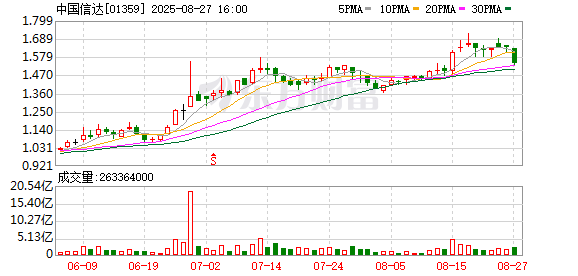
Core Viewpoint - In the first half of 2025, China Cinda Asset Management Co., Ltd. demonstrated its role in risk prevention and serving the real economy, achieving a net profit of 2.281 billion yuan, a year-on-year increase of 5.78% [2] Financial Performance - As of June 30, 2025, total assets reached 1.68 trillion yuan, up 2.62% from the end of the previous year, while total liabilities increased by 2.80% to 1.46 trillion yuan [2] - Shareholder equity rose to 197.29 billion yuan, a 1.60% increase year-on-year, with total revenue amounting to 34.362 billion yuan, a decrease of 2.0% compared to the same period last year [2] Business Segments - The non-performing asset management business had total assets of 938.23 billion yuan, growing by 2.51%, with total revenue of 18.491 billion yuan, a slight increase of 0.30% [3] - The financial services segment showed steady growth, with total assets of 736.74 billion yuan, up 1.23%, and a significant increase in pre-tax profits by 63.87% to 3.518 billion yuan [3] - Notable pre-tax profit growth was observed in various subsidiaries: Nanchang Bank (22.68%), Cinda Securities (82.37%), Cinda Trust (60.45%), and Cinda Financial Leasing (69.93%) [3] Risk Management Initiatives - In the first half of 2025, the company acquired 25.506 billion yuan in financial non-performing debt assets, a year-on-year increase of 56.80%, and made significant progress in acquiring individual loan non-performing assets [4] - The company actively participated in the reform of small and medium-sized financial institutions, acquiring nearly 60 billion yuan in non-performing debt from 54 local small banks, an increase of 85.4% [4] - Cinda also focused on real estate risk resolution, launching 19 projects with an investment of 5.4 billion yuan, ensuring the delivery of 14,000 housing units and facilitating the resumption of projects worth over 75.7 billion yuan [4] Future Outlook - The company aims to strengthen governance, customer service, and talent development, focusing on high-quality development and supporting national strategies to enhance its service capabilities [5]
深圳金融史,一个波澜壮阔的中国金融改革奇迹
格隆汇APP· 2025-08-26 12:30
Core Viewpoint - Shenzhen has transformed from a financial desert in 1979 to one of China's three major financial centers by 2024, showcasing a remarkable journey of financial reform and innovation [4][5][8]. Group 1: Initial Creation and Exploration (1979-1990) - In 1979, Shenzhen, then known as Bao'an County, had a deposit balance of only 101 million yuan and a loan balance of 75 million yuan, with very few financial institutions [3][4]. - The establishment of the first foreign bank branch in China, the Nanyang Commercial Bank Shenzhen branch, occurred in 1982 [12]. - The founding of China’s first national bank, China Merchants Bank, in 1987 marked a significant milestone, alongside the listing of Shenzhen Development Bank [13]. - The first stock in New China was issued in 1983, raising 13 million yuan, which initiated the exploration of shareholding reform [16]. Group 2: Leap and Growth (1990-2004) - The establishment of the Shenzhen Stock Exchange on December 1, 1990, marked a historic leap for Shenzhen's financial sector [20]. - By the end of 2004, the Shenzhen Stock Exchange had 536 listed companies with a total market capitalization of 1.1 trillion yuan [24]. - Shenzhen became a hub for venture capital, with the establishment of Shenzhen Innovation Investment Group in 1999, which invested over 2 billion yuan by 2004 [26]. Group 3: Adjustment and Transformation (2004-2019) - The introduction of the SME Board in 2004 provided a dedicated financing platform for small and medium enterprises [31]. - The launch of the ChiNext board in 2009 focused on innovative and growth-oriented enterprises, significantly enhancing the connection between technology innovation and capital markets [33]. - By 2019, the number of companies on the ChiNext had grown to nearly 800, with a total market capitalization exceeding 6 trillion yuan [34]. Group 4: Elevation and Leadership (2019-Present) - Shenzhen's financial sector has been elevated under new national strategies, with over 400 companies listed on the ChiNext through the registration system by 2025 [40]. - The total number of companies on the Shenzhen main board is expected to approach 1,600 by July 2025, with a market capitalization nearing 40 trillion yuan [42]. - The implementation of the "Cross-Border Wealth Management Connect" in 2024 has led to significant participation from banks and increased cross-border transactions [44]. Group 5: Achievements and Strengths - By the end of 2024, Shenzhen's financial institutions had a total deposit balance of 13.5778 trillion yuan and a loan balance of 9.4830 trillion yuan [48]. - The Shenzhen Stock Exchange had 2,852 listed companies with a total market value of 33.04 trillion yuan, ranking it among the top globally [50]. - The insurance sector reported a premium income of 195.821 billion yuan in 2024, with total assets reaching 7.3 trillion yuan [51]. - Shenzhen's venture capital and wealth management sectors are among the strongest in China, with asset management exceeding 29 trillion yuan by 2024 [61].



金融四十五载助力书写“深圳奇迹”
Jin Rong Shi Bao· 2025-08-26 01:44
Group 1: Shenzhen's Financial Innovation - Shenzhen has transformed from a remote town to a financial innovation leader, marking 45 years of achievements in financial development [1][2] - The city has consistently focused on serving the real economy, breaking barriers with a spirit of innovation and openness [1][2] Group 2: Support for Startups and Innovation - Shenzhen's entrepreneurial policies and early financial support have been crucial for startups like Zhenmai Biotech, which developed a competitive gene sequencing product [2][3] - The city has over 2.6 million private enterprises, with a significant portion being innovative companies supported by financial institutions [4] Group 3: Financial Services and Accessibility - Shenzhen's financial institutions provide not only capital but also strategic guidance and market insights, fostering a supportive environment for tech entrepreneurs [4] - As of June 2025, Shenzhen's loans for technology innovation reached 2.1 trillion yuan, with nearly 2 trillion yuan allocated to small and micro enterprises [4] Group 4: Evolution of Digital Banking - The establishment of WeBank in 2014 marked a significant milestone in China's digital banking landscape, focusing on serving underserved businesses [6][7] - WeBank's innovative use of technology has allowed it to achieve low operational costs and high transaction volumes, setting a precedent for the industry [7][8] Group 5: Cross-Border Financial Services - Shenzhen has evolved its cross-border financial services from rudimentary methods to advanced digital solutions, enhancing the efficiency of international transactions [9][10] - The city has implemented various financial reforms and pilot programs to facilitate cross-border loans, investments, and asset transfers [11] Group 6: Payment Innovations - The development of electronic payment systems in Shenzhen has significantly improved transaction efficiency, moving from manual processes to digital solutions [12][13] - The rise of mobile payment, particularly through platforms like WeChat Pay, has transformed consumer behavior and payment methods in the city [12][14] Group 7: Future Directions - Shenzhen's financial sector is poised for further innovation, with a focus on becoming a leader in AI-driven financial services and continuing to support emerging technologies [15]
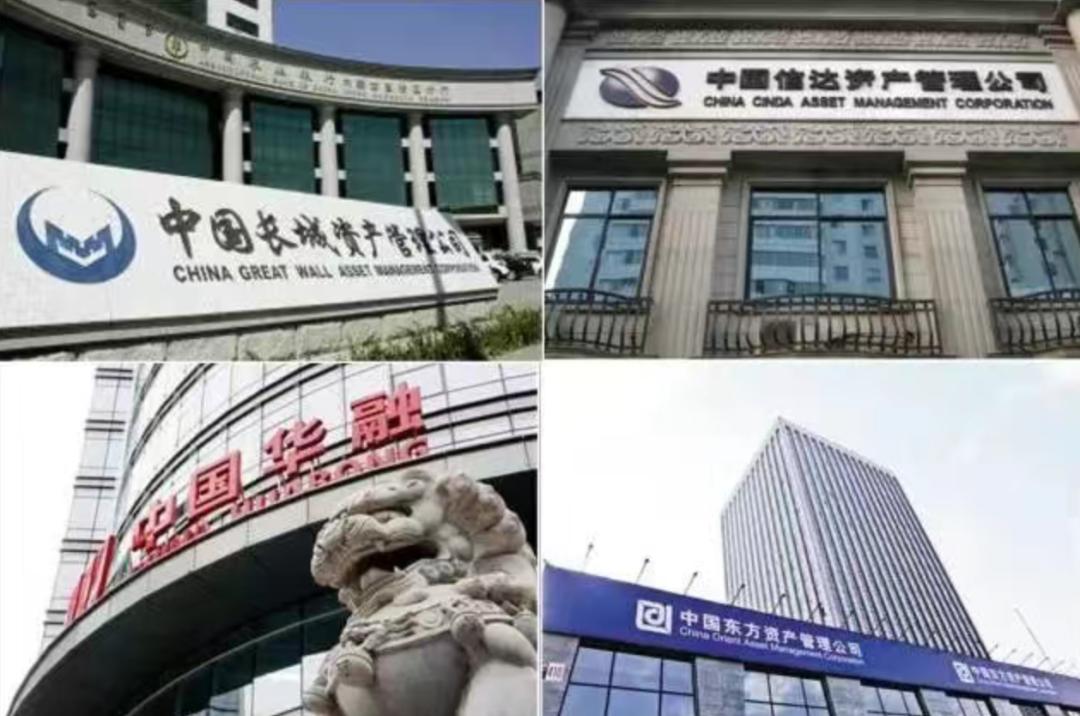
除了IPO,AMC们也在“抛弃”中小银行
3 6 Ke· 2025-08-04 03:28
Group 1: Industry Overview - Recent years have seen small and medium-sized banks facing survival challenges due to asset pressure and increased IPO thresholds, limiting their capital replenishment avenues [1] - National financial asset management companies (AMCs) are clearing out shares of small banks, indicating a shift in focus [1][12] - The establishment of AMCs in China was a response to the historical bad debts of state-owned banks, with the government creating four major AMCs in 1999 to manage these non-performing loans [2][4] Group 2: AMC Performance and Financials - The four major AMCs have varying financial performances for 2024, with total assets and net profits showing significant differences: - Xinda Asset Management: Total assets of 1.639 trillion yuan, net profit of 3.036 billion yuan, down 47.84% [7] - Dongfang Asset Management: Total assets of 1.319 trillion yuan, net profit of 1.602 billion yuan, up 4.98% [7] - Zhongxin Financial: Total assets of 984.33 billion yuan, net profit of 9.6184 billion yuan, up 444.64% [7] - Changcheng Asset Management: Total assets of 571.28 billion yuan, net profit of 1.557 billion yuan, down 10.26% [7] - The total asset scale of Zhongxin Financial has reached approximately 1 trillion yuan, with a net profit of 9.618 billion yuan, marking a significant recovery [15] Group 3: AMC Evolution and Future Direction - The transition of AMCs from a focus on shadow banking to a core emphasis on non-performing asset disposal reflects a strategic shift in the industry [10][12] - The restructuring of AMCs under the Central Huijin era aims to enhance collaboration among AMCs, moving away from previous competitive practices [10] - The current landscape of China's non-performing asset market has evolved into a system of five national AMCs and over 60 local AMCs, indicating a more structured approach to asset management [10][11] Group 4: Regulatory and Market Context - The regulatory framework for AMCs has been expanded, allowing them to acquire a broader range of financial non-performing assets, which is crucial for revitalizing credit resources [15] - The ongoing economic transition in China necessitates effective management of financial risks and non-performing assets, positioning AMCs as essential players in maintaining market stability [16][17]
21独家|跨境支付通在港扩至13家 银行机构陆续测试接入
2 1 Shi Ji Jing Ji Bao Dao· 2025-07-23 11:46
Core Insights - The Cross-Border Payment System has been operational since June 22, with smooth overall operations and stable transaction volumes primarily focused on small personal payments [1] - The system connects the Mainland's Interbank Payment System (IBPS) with Hong Kong's Faster Payment System (FPS), facilitating instant cross-border payment services for residents and institutions [1] - The number of participating banks has expanded significantly, from 6 Hong Kong banks and 6 Mainland banks to 17 Hong Kong banks and 6 Mainland banks, covering major foreign and domestic banks [1] Group 1 - The latest update from the Hong Kong Monetary Authority (HKMA) lists 13 participating Hong Kong institutions, including 6 initial banks and 7 additional banks, although some banks like ZA Bank, Dah Sing Bank, and MOX Bank were not included in the latest official list [2] - The HKMA indicated that more institutions are expected to join as they complete system development and testing, with over 10 institutions currently undergoing testing [2][3] - Digital banks in Hong Kong, such as WeLab Bank, have expressed interest in participating in the Cross-Border Payment System, highlighting its potential to enhance financial connectivity between the two regions [3] Group 2 - The Cross-Border Payment System initially operates on a pilot basis for personal payments related to essential services like tuition, medical fees, and utilities, with plans to expand to more institutions and applications as experience is gained [4] - Some participating banks are optimizing features for cross-border transactions, such as enabling Hong Kong residents to link their Mainland accounts for mobile number cross-border payments [3][4]