零食很忙

Search documents
900亿,中国最大零食店IPO诞生
投资界· 2026-01-28 02:28
县城万店。 作者/杨继云 报道/投资界PEdaily 如果回望一轮又一轮消费浪潮中走出的标志性公司,更早的喜茶、元气森林,到全球瞩目的泡泡玛特、老铺黄金,再到如今的鸣鸣很 忙以及即将I PO的袁记食品,黑蚁可能是少有的能够抓住每一波浪潮的机构。 做最好的消费投资机构,这或许不是一个当下主流的叙事,但偏执和独立,或许才是让黑蚁穿越周期实现耀眼业绩的原因。 赵一鸣的首位投资人 一场县域调研 2 0 2 3年初,当黑蚁资本敲下对赵一鸣零食的投资键时,量贩零食行业正站在爆发前夜。 这份决策的种子在更早的两年前就已埋下——2 0 2 1年底,黑蚁内部做了一次分享会,主题是县域调研。当年他们花了半年时间跑了 全国东南西北十个县城,一个现象在那次分享会上被反复提及:县域市场基数庞大,主打"平价好物"的集合店业态已十分普遍,其中 零食集合店的发展让整个黑蚁团队感到兴奋。 门店能从新一线城市开到县城,这是完全不同量级的商业信号,这意味着这个业态的开店空间足够有想象力。中国有超过1 8 0 0个县 域,每个县城开5家店,就接近万店规模,而当时的头部品牌还不到2 0 0 0家店。 港交所再现震撼一幕。 今日(1月2 8日),湖南鸣 ...


红杉坐镇,900亿IPO正式敲钟
投资界· 2026-01-28 02:11
中国最大零食IPO。 作者/周佳丽 今日(1月2 8日),湖南鸣鸣很忙商业连锁股份有限公司(简称:鸣鸣很忙)正式挂牌上市,成为港股"量贩零食第一股"。本次I PO 发行价每股 2 3 6 . 6港元 ,公开发售获认购超1 5 0 0倍, 开盘大涨8 8 %,市值超9 0 0亿港元 , 缔造中国最大零食I PO 。 这是中国消费行业一个标志性的整合案例。回想2 0 2 3年11月,从湖南长沙起家的零食很忙与从江西宜春走出的赵一鸣零食完成战略 合并,共同组建"鸣鸣很忙",由零食很忙创始人晏周出任新集团董事长。 作为公司最大的外部机构股东,红杉中国团队见证了这家"国民零食"的成长轨迹。"鸣鸣很忙 从社区烟火中读懂了中国家庭最朴素的 消费渴望 ——要的不是低价,而是'值得';追求的不仅是折扣,而是轻松感的日常小确幸。"红杉中国合伙人苏凯感慨,今日的I PO 将是更宏大的起点。 5年前,红杉团队出手 缔造市值900亿 从零食很忙的故事说起。 时间回到2 0 1 6年,湖南8 5后晏周已在房地产销售行业深耕多年。一次偶然的机会,他敏锐捕捉到零食赛道在下沉市场的爆发潜力, 毅然创立长沙零食很忙食品有限公司。 次年,晏周与几 ...

鸣鸣很忙近1000亿IPO背后:在冬天捕到大鱼的人
36氪未来消费· 2026-01-28 01:53
Core Viewpoint - The article discusses the journey of the snack retail company "Ming Ming Hen Mang" and its CEO Yan Zhou, highlighting the company's growth, strategic decisions, and market positioning in the competitive snack industry [2][9]. Company Overview - Yan Zhou co-founded "Ming Ming Hen Mang" in 2017, and the company has grown to nearly 20,000 stores by 2025, marking a significant expansion from its initial base in Hunan [8][39]. - The company went public on January 28, 2025, with a market valuation nearing 100 billion HKD, reflecting strong investor interest and a successful IPO [9]. Market Positioning - The company targets the mass consumer market, which has been underserved compared to higher-end brands like "Liangpinpuzi" and "Three Squirrels" [5]. - By focusing on affordable snacks and a pleasant shopping experience, "Ming Ming Hen Mang" aims to redefine consumer perceptions of value and quality in the snack sector [18][23]. Investment and Growth Strategy - The company secured significant funding from prominent investors, including Sequoia Capital and Tencent, which helped it navigate a challenging investment climate in the consumer sector [8][11]. - Despite initial skepticism from investors, the company demonstrated strong growth metrics, achieving a GMV of 661 billion CNY and revenue of 464 billion CNY in the first nine months of 2025 [8]. Competitive Landscape - The snack retail market has seen rapid growth, with "Ming Ming Hen Mang" facing competition from aggressive players like "Zhao Yiming Snacks," leading to a strategic merger to consolidate market presence [36][38]. - The merger allowed both brands to leverage their strengths, resulting in a combined store count exceeding 10,000, making them a leader in the snack retail industry [38]. Consumer Insights - The company emphasizes the importance of emotional value in consumer products, aiming to create a shopping environment that resonates with customers beyond just price [18][22]. - Yan Zhou's background as a real estate agent has influenced his understanding of consumer needs, particularly in lower-tier cities, where he sees significant growth potential [5][10].
长沙向上的“关键变量”
Chang Sha Wan Bao· 2026-01-22 23:29
这绝非一次简单的经贸之旅,而是在国家加快构建新发展格局的宏伟战略下,一座长江中游地区中心城 市主动抓住向上发展"关键变量"的战略行动,旨在将香港这一国际顶级枢纽的变量效应,全面转化为长 沙高质量发展的增量与胜势。 长沙晚报全媒体评论员 山丘 2026年的发展画卷徐徐展开,1月20日至22日,省委常委、市委书记吴桂英率长沙市代表团以香港为"十 五五"开局出访首站,开展招商引资与招才引智活动。 顺应时势的区域协同 长沙与香港隔山望海,但情谊深远。历经岁月沉淀的互信与共赢,为此次新年首访奠定了坚实基础。 香港不仅是长沙"走出去"与"引进来"的超级桥梁,更是休戚与共的发展合伙人。数据显示,香港是长沙 最重要的经贸伙伴,全市港资企业达679家,占外资企业总量的46.6%。从耸立星城的九龙仓国金中 心,到联通全球的玉湖冷链,港资项目已成为长沙名片;而中联重科、蓝思科技等长沙龙头企业,也借 助香港平台成功扬帆远航。近30万在港湘籍乡亲和校友,更是两地割舍不断的血脉纽带。 此次出访统筹推进招商引资与招才引智,既有合作成果的巩固,更是顺应时势,使香港从"重要伙伴"升 维为能够系统性助力长沙突破内陆局限的"战略支点"。 城市跃升 ...



准备过年的年轻人,快被高端炒货吓哭了
36氪· 2026-01-16 14:41
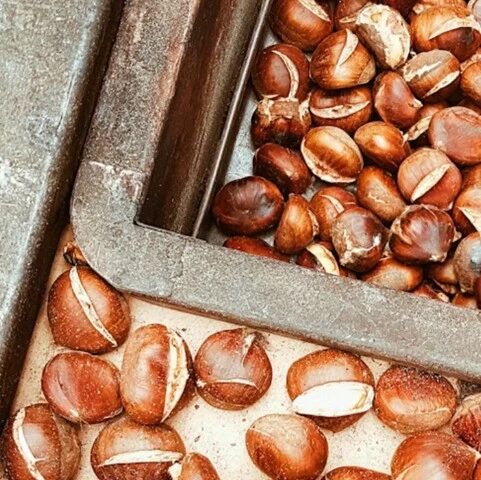
Core Viewpoint - The article discusses the transformation of traditional snack brands, particularly high-end roasted seeds and nuts, into luxury products, highlighting the impact on consumer spending and market dynamics [4][25][70]. Group 1: Market Dynamics - The average transaction price for high-end roasted snacks reached 68.3 yuan, a year-on-year increase of 14.7% [24]. - The market for high-end roasted snacks is rapidly growing, with projections indicating that the snack industry in China will approach 1.4 trillion yuan by 2024, with high-end roasted snacks gaining a larger market share [37]. - Brands like Xueji and Qiwang have expanded significantly, with Xueji opening over 1,000 stores and Qiwang exceeding 760 stores, indicating a strong growth trend [12][33]. Group 2: Brand Strategies - Xueji's transformation from a street vendor to a high-end store was facilitated by a 600 million yuan Series A financing round, which allowed for rapid expansion and a focus on high-margin products [30][31]. - Both Xueji and Qiwang have adopted premium pricing strategies, with products like Qiwang's nuts priced above 100 yuan per kilogram, reflecting a shift towards luxury branding [34][36]. - The brands utilize "atmosphere marketing" and "source tracing" to enhance perceived value, with Xueji emphasizing high-quality ingredients from specific regions [43][49]. Group 3: Consumer Behavior - Young consumers, despite having higher incomes, are increasingly cautious about spending on snacks, with many expressing disbelief at the high prices of roasted seeds and nuts [17][21]. - The article notes a shift in consumer perception, where traditional snacks are now viewed as luxury items, leading to a change in purchasing behavior during festive seasons [15][61]. - The high-end positioning of these brands appeals to middle-class consumers who seek to showcase their status through premium purchases, while budget brands target price-sensitive consumers [60][64]. Group 4: Competitive Landscape - The article contrasts high-end brands like Xueji with budget-friendly options that focus on low prices and high volume sales, highlighting the different strategies employed to capture market segments [58][66]. - Xueji's high-cost structure necessitates a focus on premium products, while budget brands benefit from lower operational costs and a focus on community-based sales [69][70]. - Both strategies have proven successful, but they face inherent risks, such as potential consumer fatigue with high prices or increased competition in the budget segment [70][71].
准备过年的年轻人,快被高端炒货吓哭了
3 6 Ke· 2026-01-14 10:39
Core Viewpoint - The rise of high-end snack brands, particularly in the nut and seed sector, has transformed traditional low-cost snacks into luxury items, significantly impacting consumer spending habits and market dynamics [12][18][41]. Group 1: Market Dynamics - The average transaction price for high-end snack products reached 68.3 yuan, a year-on-year increase of 14.7% [12]. - The market for high-end snacks is rapidly growing, with projections indicating that the overall snack market in China will approach 1.4 trillion yuan by 2024, with high-end snacks capturing an increasing share [18]. - Brands like Xueji and Qiwang have transitioned from street vendors to high-end retail, with Xueji's expansion to over 1,000 stores and Qiwang exceeding 760 stores [6][16]. Group 2: Consumer Behavior - Young consumers, previously believing that a monthly income of over 10,000 yuan would allow for snack freedom, are now finding high-end snacks unaffordable [8][10]. - The perception of snacks has shifted, with traditional items like sunflower seeds and peanuts now viewed as luxury goods, leading to a change in purchasing behavior [8][12]. - Consumers are increasingly sensitive to pricing, with many expressing reluctance to disclose their snack purchases due to high costs [10][12]. Group 3: Brand Strategies - High-end snack brands employ strategies such as upgrading store environments and emphasizing product quality through sourcing claims to justify higher prices [22][25]. - Xueji's marketing focuses on creating an inviting atmosphere and offering product samples to enhance consumer experience and perceived value [22][24]. - Both Xueji and Qiwang have adopted a strategy of sourcing premium ingredients and utilizing unique cooking methods to differentiate their products [25][27]. Group 4: Competitive Landscape - The market features a dichotomy between high-end brands like Xueji and Qiwang and budget-friendly options like Haoxianglai and Zhaoyiming, which cater to different consumer segments [28][39]. - High-end brands rely on high margins from premium products, while budget brands focus on volume sales through low pricing strategies [31][39]. - The contrasting business models highlight the diverse consumer needs in the snack market, with both segments thriving simultaneously [29][33].
从规模突围到上市聆讯:鸣鸣很忙道阻且长
Sou Hu Cai Jing· 2026-01-13 02:52
Core Viewpoint - The company "Ming Ming Hen Mang" is set to become the first stock in the snack retail sector in Hong Kong, having achieved significant growth in retail sales and store numbers, but faces challenges related to low profit margins and sustainability concerns [1][3]. Group 1: Company Performance - As of September 2025, the company achieved a retail sales volume (GMV) of 66.1 billion yuan, a year-on-year increase of 74.5%, surpassing the total for 2024 [1]. - The number of operational stores is approaching 20,000, covering 28 provinces across China [1]. - Revenue skyrocketed from 4.286 billion yuan in 2022 to 39.344 billion yuan in 2024, with a compound annual growth rate of 203% over three years [1]. Group 2: Business Model - The company operates primarily as a "super wholesale" entity, with 99% of its revenue coming from sales to its franchise stores rather than franchise fees [3]. - The business model relies on extreme efficiency and scale, necessitating rapid expansion to maintain profitability [3][10]. - The company has positioned itself in the underserved lower-tier markets, with nearly 70% of its stores located in third-tier cities and below [8]. Group 3: Market Strategy - The company has developed a digital retail platform that utilizes AI algorithms to optimize inventory management, achieving an impressive inventory turnover of 11 days [7]. - By minimizing supply chain costs and maintaining low price points, the company offers significant savings to consumers compared to traditional retail models [5][8]. Group 4: Challenges and Risks - The company has maintained a low gross margin of around 8%, which is significantly below the industry average of 15%-20%, indicating a fragile business model [10]. - Complaints regarding product quality have emerged, with over 2,400 complaints filed, raising concerns about product safety and quality control [11]. - Franchisees are experiencing longer return periods, with some reporting losses, as competition intensifies and market saturation increases [13]. Group 5: Future Outlook - The upcoming IPO presents both opportunities and challenges, as the company must demonstrate sustainable profitability and address governance issues highlighted by market observers [16][17]. - The company is attempting to pivot towards a broader retail model by transforming its brand into a "hard discount supermarket," which may require significant operational adjustments and investment [17].
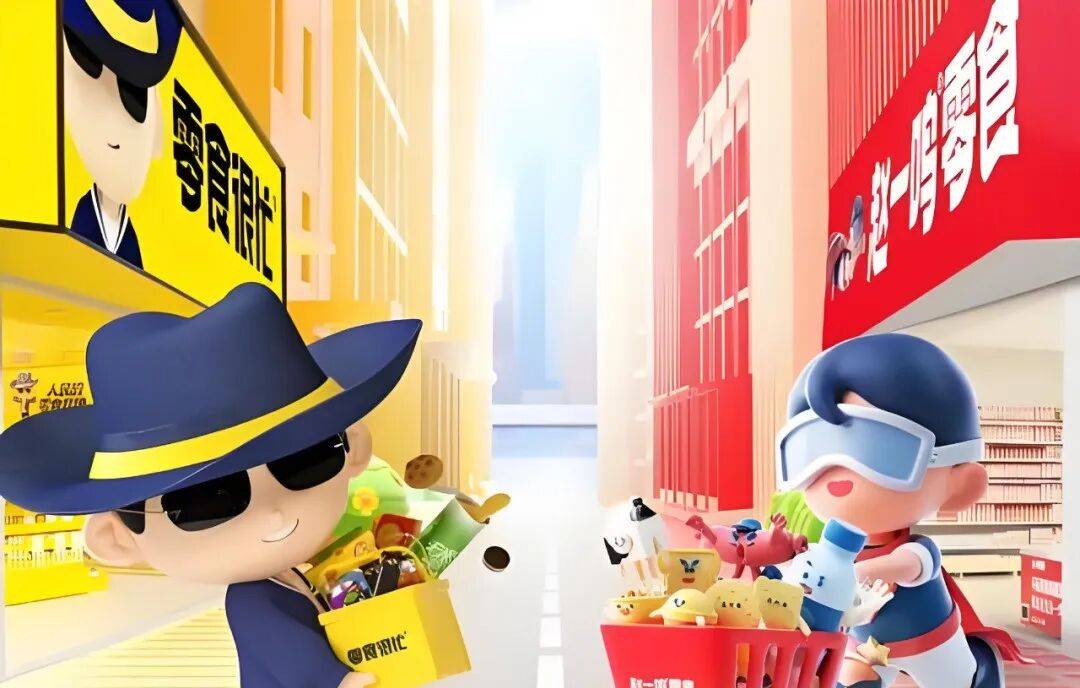
两个男人合伙卖零食,9个月狂砍661亿GMV
创业家· 2026-01-10 10:18
Core Viewpoint - Mingming Hen Mang is advancing towards becoming the "first stock of bulk snacks" in Hong Kong, having recently passed the hearing at the Hong Kong Stock Exchange, with significant growth in GMV and store expansion, but faces challenges in profit margins and compliance issues [5][9][18]. Group 1: Company Performance - In the first three quarters of the previous year, Mingming Hen Mang achieved a GMV of 661 billion yuan, a year-on-year increase of 74.5%, surpassing the projected GMV of 555 billion yuan for the entire year of 2024 [5][9]. - The company operates 19,517 stores as of the end of the third quarter last year, with approximately 59% located in county and town areas, indicating effective penetration into lower-tier markets [10][12]. - Revenue grew from 4.286 billion yuan in 2022 to 39.344 billion yuan in 2024, reflecting a compound annual growth rate of 203% [12]. Group 2: Financial Challenges - Despite rapid sales growth, the company's gross margin remains low, with figures of 7.5% in 2022, 7.5% in 2023, and 7.6% in 2024, compared to the average gross margin of 15% to 20% in offline supermarket channels [15][16]. - Sales and marketing expenses have significantly increased, from 1.59 million yuan in 2022 to 17.23 million yuan in the first three quarters of 2025 [16]. - Inventory levels have risen sharply from 200 million yuan at the end of 2022 to 2.491 billion yuan by the end of the third quarter last year, posing potential risks of inventory obsolescence [16]. Group 3: Compliance and Governance Issues - The company faced a fine of 1.75 million yuan for failing to timely report the acquisition of Zhao Yiming Group to regulatory authorities [19]. - There have been over 2,400 complaints related to food safety issues against Zhao Yiming Snacks and Mingming Hen Mang, highlighting significant reputational risks [20][21]. - The company has been named in multiple reports by the Guangdong Provincial Market Supervision Administration for food safety violations, indicating ongoing regulatory scrutiny [21].

曾经的县城“印钞机”,今年彻底歇了?
创业邦· 2025-12-31 00:09
Core Viewpoint - The article discusses the cautious approach of franchise operators in the current market, highlighting the challenges and risks associated with joining new brands, particularly in the food and beverage sector. It emphasizes the need for careful evaluation of brand viability and market conditions before making investment decisions [5][6][24]. Group 1: Franchise Market Trends - Franchise operators are increasingly hesitant to open new stores, with one operator reporting zero new projects in the past year, reflecting a shift in market dynamics and increased competition [7][8]. - The lifespan of successful restaurant brands has decreased significantly, with operators estimating it to be around six months to one year, compared to previous years [6][31]. - The number of snack stores has doubled within a year, but the consumer base has not expanded correspondingly, leading to intensified competition and reduced profitability [9][10]. Group 2: Investment Considerations - Operators are focusing on brands that have demonstrated success and are looking to enter the market at the peak of a brand's momentum to ensure quick returns on investment [6][12]. - The costs associated with opening new stores, particularly in the hard discount supermarket sector, are substantial, with estimates ranging from 2.6 million to 4 million yuan, making it a significant financial commitment [25][29]. - The article highlights the importance of location in determining store performance, with a good site potentially accounting for 80% of a store's success [12]. Group 3: Consumer Behavior and Market Dynamics - There is a growing consumer preference for quality and cost-effectiveness over brand prestige, allowing smaller, well-managed brands to thrive [21][22]. - The article notes that many franchise operators are now more cautious and selective, often waiting for the right opportunity rather than rushing into new ventures [24][32]. - The rise of social media influencers in promoting franchise opportunities has created a complex landscape where distinguishing genuine opportunities from marketing hype is increasingly challenging [15][20].
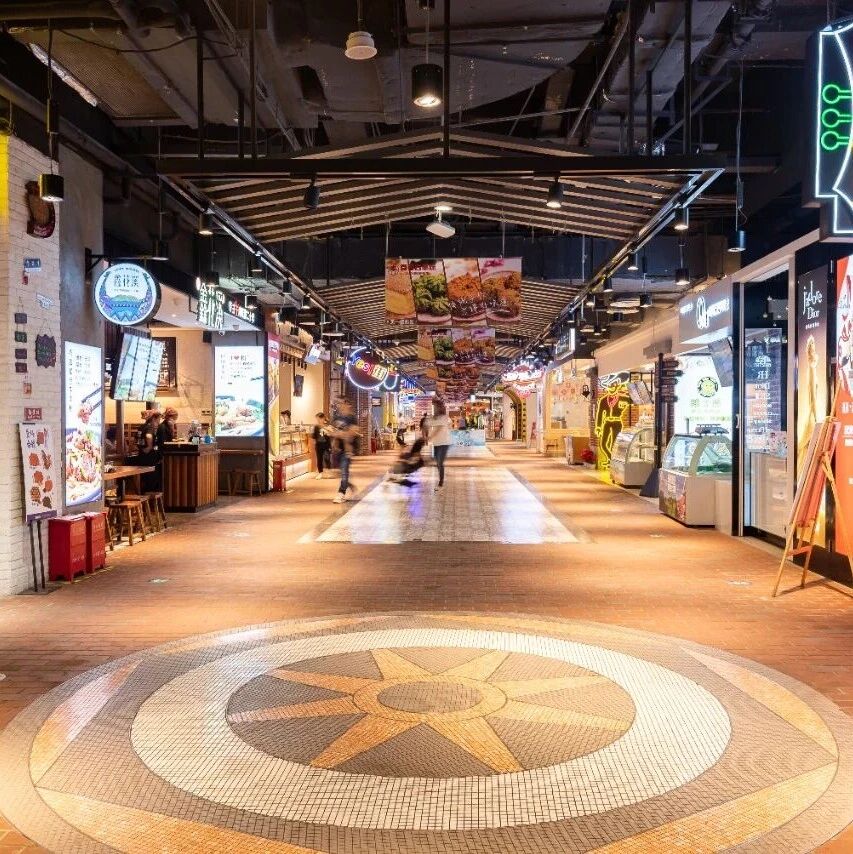
鸣鸣很忙:从“万店”很忙到“万品”很忙,是馅饼还是陷阱?
3 6 Ke· 2025-12-25 00:43
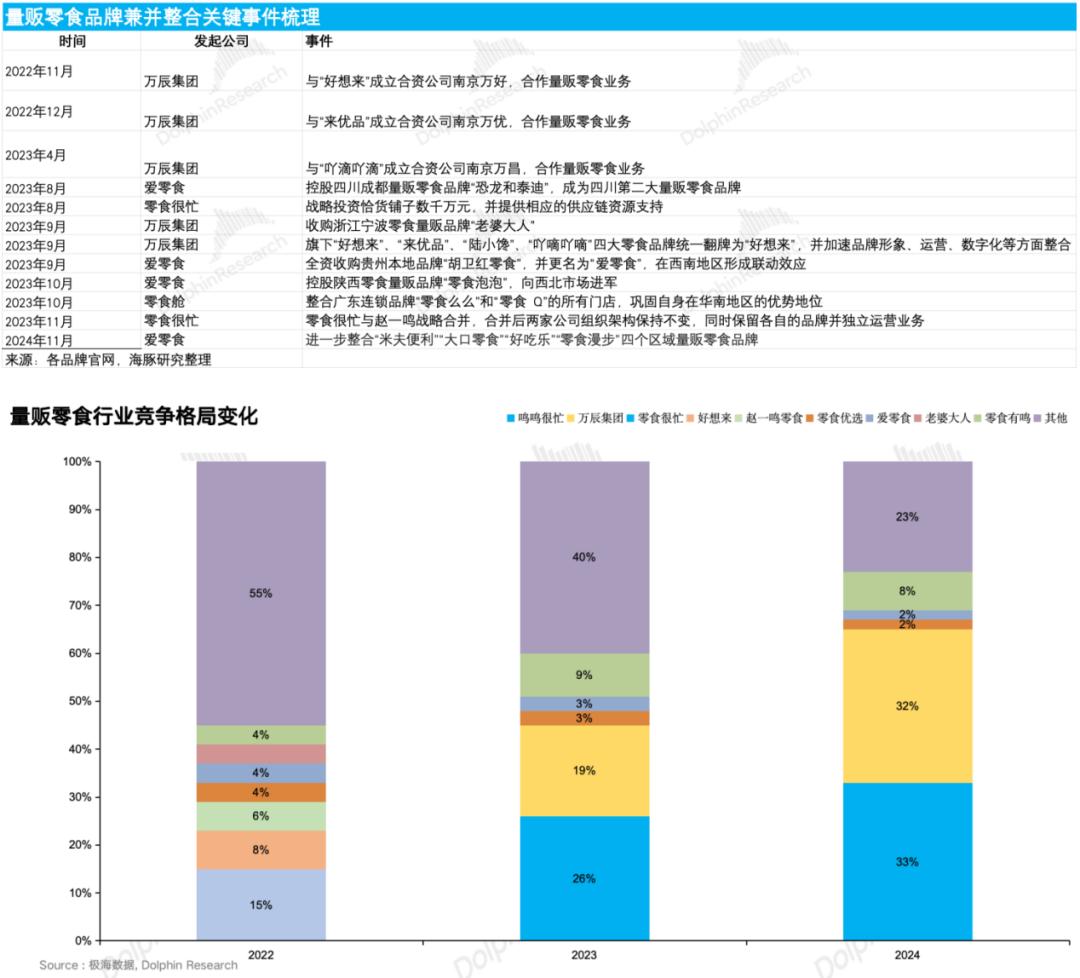
Core Insights - The article discusses the growth potential and investment value of the snack brand "Mingming Hen Mang," which is likened to a "Pinduoduo" in the snack industry, emphasizing its highly digitalized supply chain as a key driver of its business model [2][4]. Group 1: Growth Potential - The growth of "Mingming Hen Mang" relies on two dimensions: store expansion and single-store GMV (Gross Merchandise Value) [2]. - The competitive landscape of the snack industry has evolved from a fragmented market (2017-2021) to a duopoly model post-2021, with significant capital inflow leading to aggressive expansion and price wars [4][5]. - The average net profit margin in the industry has dropped from 2% to below 1% due to intense price competition, prompting consolidation among smaller brands [5][9]. - The market concentration (CR2) has surged from under 10% in 2021 to over 65% by 2024, indicating a rapid shift towards a few dominant players [5][9]. Group 2: Store Expansion and Market Dynamics - "Mingming Hen Mang" has established a strong market presence in Central China, with plans to expand into Southwest and South China, while its competitor, Wancheng Group, focuses on East and North China [9]. - The saturation of stores in Hunan province has led to a significant increase in competition, with many brands experiencing a 30%-40% drop in customer traffic due to overlapping locations [10]. - Future store density projections suggest that the total number of snack stores could reach between 60,000 to 70,000 across various regions, with "Mingming Hen Mang" potentially capturing 50% of the market share [11][12]. Group 3: Transition to Discount Supermarkets - In response to declining same-store revenue, "Mingming Hen Mang" is transitioning to a dual-brand strategy, with "Zhao Yiming Snacks" evolving into a discount supermarket model [13][15]. - The transition aims to leverage existing customer traffic and expand product categories, although it presents challenges in supply chain integration and management complexity [15][20]. - The initial results of the transition show a 20%-25% increase in GMV, but the payback period for new stores has extended from over two years to more than three years due to increased operational costs [19][20]. Group 4: Self-Brand Development - The company aims to enhance its self-brand product offerings, which could lead to improved profitability by reducing reliance on third-party brands and addressing consumer preferences more effectively [21][24]. - By 2025, "Mingming Hen Mang" plans to launch various self-branded products targeting different consumer segments, with initial offerings already showing high repurchase rates [24][25]. Group 5: Investment Value - The company is expected to slow its store opening pace starting in 2026, focusing on optimizing existing stores and achieving profitability in the discount supermarket model [26][32]. - Revenue projections indicate a CAGR of 10.7% from 2025 to 2029, with profit expected to grow from 1.65 billion to 4.04 billion yuan during the same period [27][32]. - The company's valuation is anticipated to increase significantly if the transition to a full discount supermarket model proves successful, although current estimates remain conservative due to the inherent challenges of such a transition [35][36].