
饿了么

Search documents
朝阳区各级工会联动吸纳新就业形态劳动者入会
Xin Lang Cai Jing· 2026-02-03 18:43
据了解,依托朝阳区"3+N"工会组织服务体系,46家基层工会每周在职工密集区域常态化"摆摊设点"宣 传入会、提供服务,打通街乡工会、社区(村)和商务楼宇联合工会、企业工会三级资源,实现横向覆 盖。与此同时,在美团、饿了么、货拉拉、中通四家头部平台建会的基础上发挥企业示范引领作用,通 过平台宣传动员未入会新就业形态劳动者按点位信息就近参与职工沟通会,与地方工会建立数据共享机 制,逐步施行"入职即入会",实现纵向覆盖。 针对平台企业职工工作分散、流动性强的特点,朝阳区总工会创新实施跨区域联动,协调有办公点的街 乡工会同步开展平台企业专属职工沟通会,开辟网上入会、指尖入会渠道,联合平台企业工会提前在系 统内部推送预热。2025年一次性推动美团旗下4家关联公司建立工会组织。 转自:劳动午报 本报讯 (记者 刘欣欣) 近年来,朝阳区总工会聚焦平台企业职工入会难题,以市级职工沟通会为契机 整合企业资源与工会服务,以"共建、共享、共赢"为理念积极探索工作新模式,吸引新就业形态劳动者 广泛入会,实现企业发展与职工成长的双向赋能。 (来源:劳动午报) 2025年,朝阳区各级工会组织累计召开企业沟通会3695场,职工沟通会235 ...


北大光华研究报告:高强度外卖补贴竞争引各方关注,打造多目标协同治理体系推动形成良性市场竞争
Yang Zi Wan Bao Wang· 2026-02-03 11:41
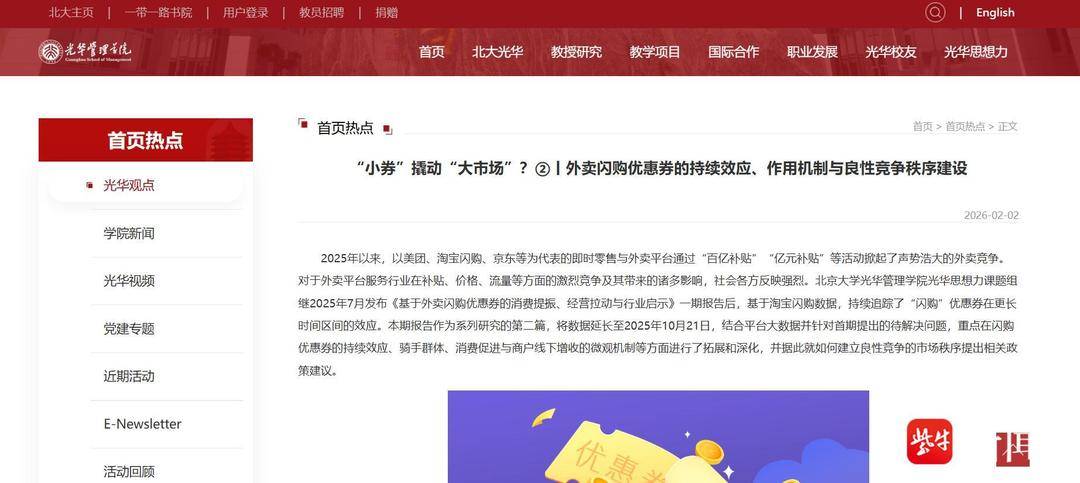
外卖平台优惠券引发的这场消费狂欢,是否有效带动社会经济正向发展,持续效应又如何?近日,北京大学光华管理学院基于对多平台数据的持续跟踪, 发布最新研究报告。 报告表明,闪购平台的优惠券对消费的拉动效应在半年左右的时间内依然显著,总体有效提升了参与商户的线上营收。与此同时,报告也显示,伴随闪购 渗透率的提高,对骑手收入也带来正面影响,并显著提升了骑手"有效工时比"。 | | | | | | | | | | English | | --- | --- | --- | --- | --- | --- | --- | --- | --- | --- | | 8 元年 1 1 2 | | 首页 | 北大光华 | 教授研究 | 教学项目 | 国际合作 | 职业发展 | 光华校友 | 光华思想力 | | 首页热点 | ■ 首页热点 ■ | | | | | | | | 商页 > 首页热点 > 正文 | | ■ 光华观点 | "小券" 撬动"大市场"?②丨外卖闪购优惠券的持续效应、作用机制与良性竞争秩序建设 | | | | | | | | | | 学院新闻 | | | | | | | | | 2026-02-02 | | 光华视 ...

明令禁止“大数据杀熟” 网络交易监管新规2月落地
Bei Jing Qing Nian Bao· 2026-02-02 22:46
Core Viewpoint - The new regulations introduced by the National Market Supervision Administration and the National Internet Information Office aim to create a fair, transparent, and trustworthy online trading ecosystem by addressing long-standing issues faced by both merchants and consumers, such as unfair pricing practices and unilateral changes to service agreements [2]. Group 1: Enhancing Platform Rule Transparency - The new regulations require platforms to prominently display rules on their homepage, ensuring easy access for consumers and merchants, and mandate a minimum notice period of seven days for rule changes, with 15 days for significant modifications [4]. - Platforms must publicly solicit feedback from users and merchants before modifying rules, ensuring that reasonable suggestions are considered and documented for at least three years [4]. - A mechanism for regular communication and consultation regarding significant rule changes will be established, promoting collaborative governance rather than unilateral decision-making [4]. Group 2: Addressing Unilateral Changes by Platforms - The regulations explicitly prohibit platforms from unilaterally modifying membership agreements to impose additional fees or reduce member benefits during the service period, addressing issues highlighted by cases like iQIYI's unilateral changes to its VIP service [6]. - Consumers must be clearly informed of any changes to membership rights before purchasing services, creating a legal framework that reinforces consumer protection [6]. Group 3: Prohibiting Price Discrimination - The regulations specifically ban "big data killing familiarity," which refers to the practice of charging different prices to consumers based on their purchasing history, thus safeguarding consumers' rights to fair transactions [7]. - Platforms are required to provide evidence of the legality and fairness of their pricing mechanisms when consumers raise concerns about discriminatory pricing practices [8]. Group 4: Curbing "Involution" Competition - The regulations address the issue of "involution" in the platform economy, where platforms engage in destructive price competition, by prohibiting forced participation in unnecessary services and ensuring fair competition practices [10]. - Clear guidelines are established to protect merchants' autonomy, including prohibitions against coercive pricing strategies and unreasonable fees [10]. Group 5: Clarifying Notification Obligations and Appeal Rights - The regulations introduce a system for executing platform rules that requires platforms to provide clear reasons and legal bases for any punitive actions taken against merchants or consumers [12]. - Platforms must establish accessible appeal channels and handle appeals in a timely and fair manner, moving away from opaque management practices [12].

事关烟花爆竹、电梯安全、外卖餐饮……昆明市市场监督管理局上线回应
Xin Lang Cai Jing· 2026-01-31 17:25
昆明市市场监督管理局总工程师 朱波:"春节期间,我们将按照国家的相关规定,加强值班值守。2025年12月底,组织对全市13家烟花爆竹批发企业进行 了全覆盖的质量安全监督抽查,共抽查了50个批次产品,10个不合格批次的产品已经全部进行封存了,没有流入市场。" 昆明市现有电梯8万余台,为保障市民乘梯安全,市场监督管理局强化源头预防、过程管控和末端治理,构建起法制建设、隐患排查、宣传演练、社会共 治的 "四位一体" 电梯安全监管体系。 昆明市市场监督管理局总工程师 朱波:"近三年来,我们检查电梯8.1万台次,发现并完成安全隐患整改2444台,查封设备88台,立案查处电梯违法案件 229起。" 昆明市市场监督管理局日前上线《春城热线》,就烟花爆竹质量、电梯安全、外卖餐饮等热点问题与市民网友互动交流,回应社会关切。 春节临近,商超、景区的特种设备、游乐设施及烟花爆竹等涉危、涉爆领域的安全监管问题备受关注。有市民通过热线咨询节前排查及节日期间安全保障 措施。 昆明市市场监督管理局副局长 李凌:"昆明市率先在省内制定了食安封签团体标准,餐食从商家出来以后,必须要有食安封签的餐食包装袋,有密封的封 口,所以广大的消费者在接到 ...

拒绝暗箱操作,网络交易新规将施:规范“仅退款”,禁大数据杀熟
Xin Jing Bao· 2026-01-29 14:41
Core Viewpoint - The implementation of the "Regulations on the Supervision and Management of Online Trading Platforms" aims to address long-standing issues faced by merchants and consumers, establishing a fair, transparent, and trustworthy online trading ecosystem starting February 1, 2026 [1] Group 1: Transparency in Platform Rules - The new regulations will enhance the transparency of rule-making and modification processes, requiring platforms to prominently display rules on their homepage and ensure easy access for consumers and merchants [3] - Platforms must publicly solicit opinions from users and merchants before modifying rules, ensuring that reasonable suggestions are considered and documented for at least three years [3] - A communication and consultation mechanism will be established for significant rule changes, promoting collaborative governance rather than unilateral decision-making [3] Group 2: Protection of Membership Rights - The regulations specifically prohibit platforms from unilaterally changing membership rules to impose additional fees or reduce member benefits during the service period [5] - This legal framework aims to prevent practices like those seen in the iQIYI case, where members experienced a significant reduction in expected benefits due to sudden changes in service terms [4][5] Group 3: Fair Pricing Practices - The regulations address the issue of "big data price discrimination," mandating that platforms cannot set different prices for the same product or service under similar conditions without consumer knowledge [7] - Platforms are required to provide evidence of their pricing mechanisms when consumers claim price discrimination, thereby safeguarding consumer rights [7] Group 4: Regulation of Competitive Practices - The regulations aim to curb "involutionary" competition by prohibiting platforms from forcing merchants into unnecessary services or promotional activities, thus protecting merchants' operational autonomy [9] - Specific illegal practices such as "choose one from two" and unreasonable fees are clearly defined, establishing a comprehensive protection system for all stakeholders involved [9] Group 5: Execution of Rules and Appeals - The new regulations introduce a system for executing platform rules, requiring platforms to provide clear reasons and legal bases when taking negative actions against merchants or consumers [10] - A streamlined appeals process will be established, ensuring that merchants and consumers can challenge decisions effectively and receive fair treatment [10]


美团饿了么优惠券推广的全维度实战指南
Sou Hu Cai Jing· 2026-01-27 22:46
关注微信公众号:满满神卷 每日更新外卖券:美团、京东、饿了么、淘宝闪购等无门槛领取 平台提供的推广工具为商家获客提供了多种选择。以点金推广为例,这种付费推广方式可以将店铺位置 置顶到5、10、15、20、25等排名位,按顾客访问点击计费。与自然流量相比,这类工具能够快速提升 曝光量,为新品推广或活动引流提供即时支持。搜索推广则是另一种精准触达方式,通过将商家主营菜 品与用户搜索偏好进行匹配,直接呈现于搜索结果页面,高效提升门店客流。 优惠券推广不应局限于价格竞争,更应构建非价格壁垒。头部平台正在打造"优惠券+"生态体系,例如 将优惠券与社交裂变绑定——5人成团可解锁隐藏的"免配送费券",使获客成本降低40%。另一种创新 策略是结合校园卡消费数据,向GPA3.5+学生发放双倍券包,形成学业荣誉感与实惠的绑定。这些策略 将优惠从交易工具转化为身份认同载体,学生弃用竞品不仅因价差,更因情感归属缺失。 在当今高度数字化的消费环境中,优惠券早已超越了简单的打折工具,演变为连接品牌与消费者的重要 桥梁。对于餐饮商家而言,掌握优惠券推广的艺术,意味着能够在激烈的外卖市场竞争中脱颖而出。那 么,优惠券推广究竟隐藏着怎样的奥秘 ...

“城市过客”变身家园建设者
Xin Lang Cai Jing· 2026-01-21 18:31
(来源:工人日报) 隆冬时节,清晨7点,天际刚泛起鱼肚白。北京市东城区"骑乐荟"暖新公寓内,美团骑手赵佳程带上公 寓备好的热早餐,推门汇入街巷的车流;朝阳区一小区门口,快递员李师傅扫码后顺畅进入社区,没了 昔日被物业阻拦的窘迫;西城区金融街街道小哥驿站里,刚跑完早高峰的骑手们围坐在一起,指尖划 过"三新学院"线下课程报名页面…… 这些穿梭在城市肌理的新就业群体,如今正被首都的暖意包裹。北京以"友好之城"建设为抓手,打出纾 困、赋能、融城"组合拳",精准破解新就业群体"进门难、安居难、休息难、维权难"等痛点,推动他们 从"城市过客"变身家园建设者,在基层治理舞台上书写"新"担当。 饿了么骑手万海林的故事,更是新就业群体逐梦成长的生动写照。通过"小哥上大学"项目,他报名参加 了国家开放大学的计算机课程。万海林告诉记者,他每天利用送件间隙背书、刷题,虽然辛苦,但对未 来充满期待。 纾困:筑牢劳动者安居之基 "以前最头疼的就是进小区,客户催得急,物业拦得严,两头受气。"李师傅拿着手机里的小区通行码向 记者说。昔日难题,成了北京破解新就业群体生存困境的突破口。 北京市委社会工作部牵头制定《北京市新就业群体友好社区(村) ...
“外卖补贴大战”回归理性 第三方即配将迎长线发展机会
Zheng Quan Shi Bao Wang· 2026-01-19 07:29
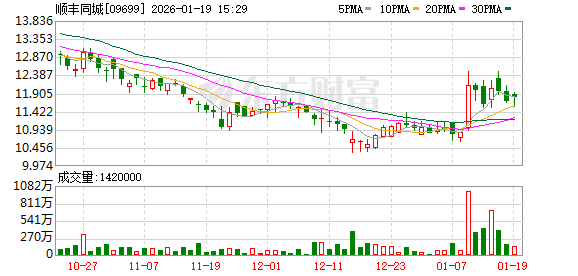
Core Viewpoint - The Chinese government is conducting an investigation into the competitive landscape of the food delivery service industry, with major platforms like Meituan, Taobao, and JD.com expressing support for this initiative, indicating a shift towards fair competition and orderly growth in the industry [2][3]. Group 1: Market Competition and Regulation - The food delivery market has seen intense competition characterized by significant subsidies, with platforms like JD.com entering the market in February 2025 and driving daily orders to a record 120 million by July [3]. - Regulatory bodies have intervened multiple times to address "involution" in competition, emphasizing the need for a shift towards standardized and healthy market practices [3]. - The latest investigation by the State Council's Anti-Monopoly and Anti-Unfair Competition Committee highlights issues such as excessive subsidies and price wars, which are detrimental to the real economy [3][4]. Group 2: Trends in Instant Retail - The instant retail industry is expected to diversify beyond food delivery, with platforms increasingly focusing on non-food categories and integrating e-commerce [2][4]. - There is a growing trend of traffic decentralization, with businesses encouraged to build private traffic channels and consider third-party delivery options independent of major platforms [2][4]. - The separation of business flow and logistics is becoming more pronounced, allowing third-party delivery services to optimize resource allocation and enhance delivery efficiency [4]. Group 3: Third-Party Delivery Services - Third-party delivery services, such as SF Express, are gaining prominence as they provide flexible logistics solutions and support multiple platforms, enhancing overall operational efficiency for businesses [4][6]. - SF Express reported a significant revenue increase of 48.8% in the first half of 2025, with net profit soaring by 120.4%, indicating strong growth potential in the third-party delivery sector [5][6]. - The company is expanding its logistics infrastructure and investing in smart logistics, including over 800 autonomous vehicles, to strengthen its competitive edge in the instant retail ecosystem [8][9]. Group 4: Future Outlook - The instant retail market in China is projected to exceed 1 trillion yuan by 2026, suggesting substantial growth opportunities for the delivery sector [9]. - SF Express is positioned as a leading independent third-party delivery provider, with its competitive advantages expected to strengthen as the market evolves [9].
新就业形态劳动保障不应有盲区
Xin Lang Cai Jing· 2026-01-17 11:31
Group 1 - The rapid development of the digital economy and platform economy has led to an increase in new employment forms such as delivery riders, ride-hailing drivers, and freelancers, which often lack traditional employment relationships and social security benefits [1] - The low participation rate of new employment form workers in social insurance is influenced by factors such as low income, job instability, and short-term livelihood pressures, prioritizing immediate income over long-term security [1] - Since 2020, the Chinese government has included social security for new employment forms in the "14th Five-Year Plan," initiating pilot programs for occupational injury insurance in various regions, allowing workers without formal contracts to receive benefits [1] Group 2 - Under policy guidance, platform companies like Meituan are exploring new models, such as a pension insurance subsidy plan for delivery riders, aiming to break the "no social security" situation for riders by 2025 [2] - The model emphasizes inclusivity and industry public assistance, with a core mechanism of "enterprise subsidies + voluntary participation," balancing flexibility and security for riders [2] - Digital technology supports the implementation of social security for riders, optimizing payment methods and enabling better management of dispersed laborers through data integration [2] Group 3 - The initiative to provide social security for riders is just the beginning, as other flexible employment groups like ride-hailing drivers and domestic workers face similar challenges regarding social security [3] - The measures taken for riders serve as a replicable model for incorporating more flexible workers into the social security system, addressing issues of mobility and income variability [3] - The "15th Five-Year Plan" suggests improving policies for transferring social security relationships and increasing participation rates among flexible workers and new employment form personnel [3]
经济日报:新就业形态劳动保障不应有盲区
Xin Lang Cai Jing· 2026-01-17 00:13
Core Viewpoint - The rapid development of the digital economy and platform economy has led to the expansion of new employment forms such as delivery riders, ride-hailing drivers, and freelancers, which often lack traditional employment relationships and social security protections [1][2]. Group 1: Current Challenges - New employment form workers have low participation rates in social insurance, not solely due to unwillingness but also due to low income levels, insufficient job stability, and short-term livelihood pressures [1]. - Many new employment form workers prioritize immediate income over long-term social security benefits [1]. Group 2: Government Initiatives - Since 2020, the inclusion of new employment form protections in the "14th Five-Year Plan" has been a focus, with pilot programs for occupational injury insurance launched in various regions [1]. - Cities like Beijing and Shenzhen have introduced "new occupational injury insurance," allowing workers in sectors like delivery and express services to receive benefits without formal labor contracts, with premiums primarily covered by platforms [1]. Group 3: Corporate Responses - Under policy guidance, platform companies like Meituan are initiating pension insurance subsidy plans for delivery riders, aiming for nationwide implementation by 2025, marking it as the "year of social insurance for riders" [2]. - The model emphasizes inclusivity and public welfare, with a mechanism of "corporate subsidies + voluntary participation" to encourage riders to join the social security system [2]. Group 4: Technological Support - Digital technology plays a crucial role in supporting the implementation of social insurance for riders, with local social security departments optimizing payment methods and platforms integrating big data with social security systems [2]. - Platforms utilize income comparisons to identify eligible riders for subsidies, facilitating efficient distribution [2]. Group 5: Broader Implications - The initiative to provide social insurance for riders serves as a starting point for addressing similar issues faced by other flexible employment groups, such as ride-hailing drivers and domestic workers [3]. - The exploration of rider social insurance enhances protection levels without compromising employment flexibility, promoting efficiency and fairness [3]. - Future efforts should focus on collaboration among government, enterprises, and society to innovate mechanisms and technologies that alleviate social security concerns for more flexible workers [3].