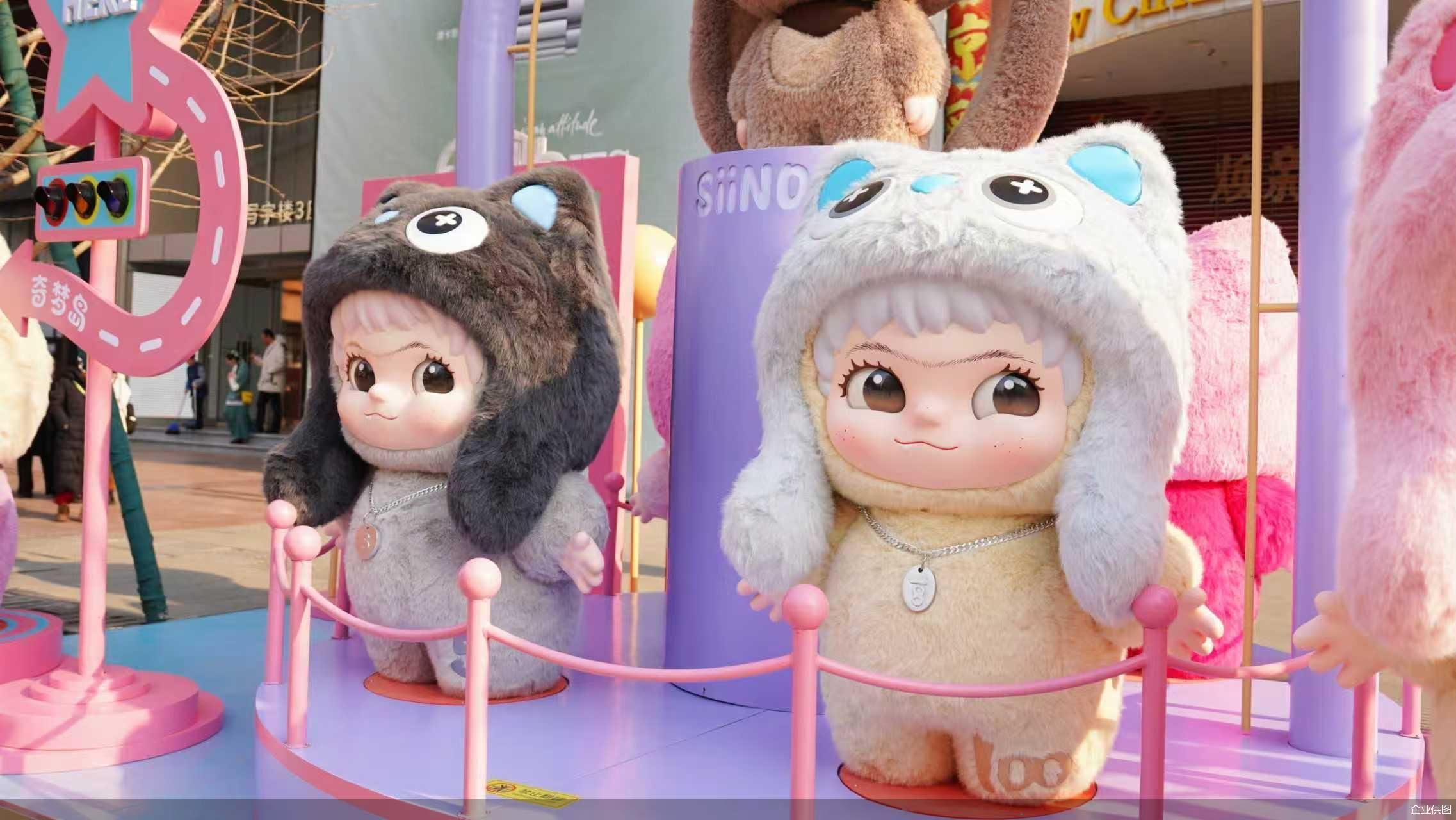
52TOYS

Search documents
顶流IP、非遗年礼、老字号……朝阳年味大集最全指南
Xin Lang Cai Jing· 2026-02-07 08:28
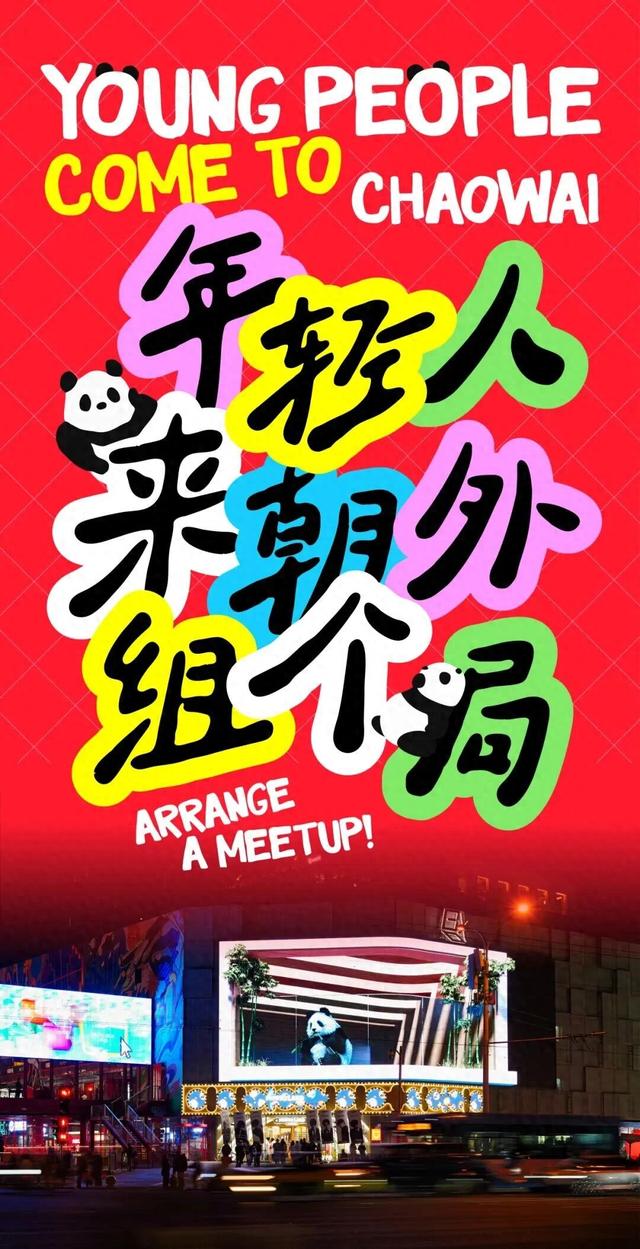
Core Viewpoint - The article highlights the vibrant and diverse celebrations of the Chinese New Year in Beijing's Chaoyang district, showcasing a blend of traditional and modern cultural elements, including popular IPs, traditional markets, and immersive experiences [1][24]. Group 1: Events and Activities - The Chaoyang district will transform into a giant open-air Spring Festival amusement park featuring over ten popular IPs, including the beloved panda characters and Winter Olympics mascots, from February 10 to March 8 [5]. - The annual Beijing New Year Goods Fair will take place, featuring hundreds of stalls with traditional snacks, seasonal produce, handicrafts, and a special area for "Beijing Time-honored Brands" [7]. - The "Over the New Year" themed exhibition at the China Arts and Crafts Museum will include a "non-heritage New Year gift" market, allowing visitors to experience traditional customs and purchase unique items from various regions [12]. Group 2: Locations and Dates - The Beijing Olympic Museum will host a series of events combining Winter Olympics excitement with traditional New Year festivities, including international cuisine and non-heritage workshops [10]. - The "New Year Blessing Horse Fun Park" at Yiti Port will feature an 8-meter tall dynamic "Blessing Horse" art installation and various interactive activities until March 8 [15]. - The "Good Life Festival" at Liangma Bridge will offer over 60 types of New Year goods and 300 gifts from February 6 to 8 [17]. Group 3: Traditional Markets - The traditional markets will operate on specific lunar calendar dates, offering a variety of goods such as fruits, grains, snacks, and daily necessities, with different categories concentrated in various areas [18][19]. - The East Ba community will host its own market, featuring authentic beef and lamb products from Inner Mongolia, open daily before the Spring Festival [21][22]. - A 500-meter-long pedestrian street will be adorned with red lanterns, showcasing numerous quality merchants and a bustling atmosphere from January 31 to February 14 [24].

市场最前沿丨“马”上有新意 生肖玩具“圈粉”新春市场
Xin Hua Wang· 2026-02-06 14:39
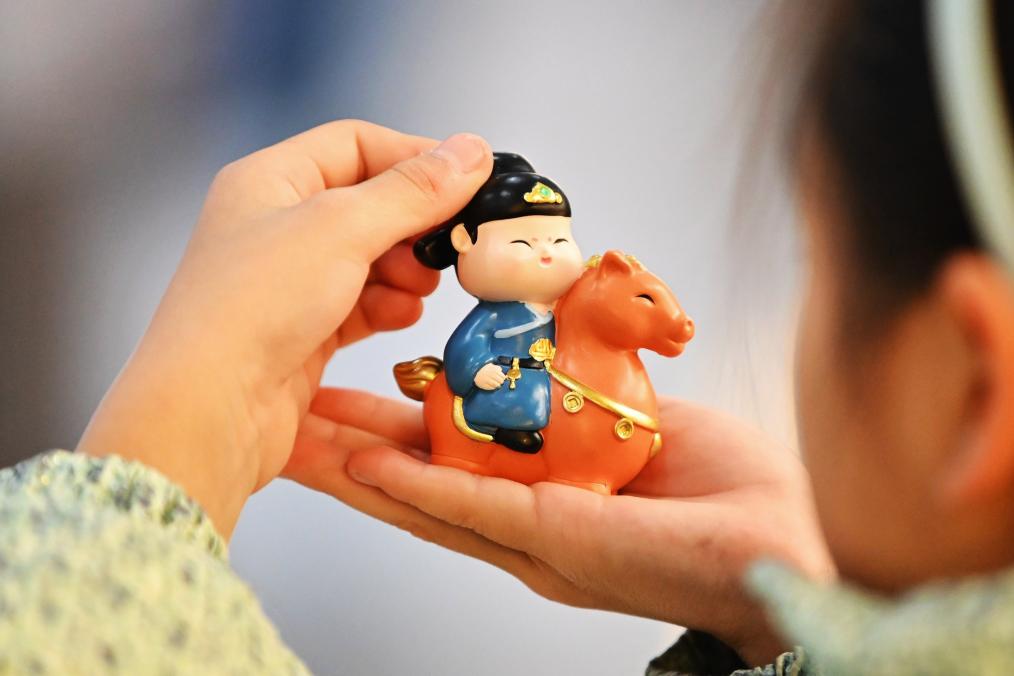
春节临近,一批以生肖马为灵感的"创意年味"加速奔来,设计有创意、生产有速度的"马年限定"走俏新春市场。 近日,非遗软陶小马文创"马彪彪"火了。设计灵感来源于齐白石的《如此千里》画作,"马彪彪"全身雪白搭配飞跃之姿,毛发张扬、神态不 羁,有的顶着蓬松卷发,有的编着精致辫子,气质"潦草却自由"。作为山东美术馆文创的"销量担当","马彪彪"助力展览期间系列文创销售总额 突破42万元。 不仅"马彪彪","马年限定"接连"出圈"。 泡泡玛特2026年农历马年新春限定系列"马力全开"毛绒挂件上线即售罄;毛绒布艺玩具品牌问童子推出"一马当先 旗开得胜"马年系列新 品,创造性融入传统戏剧靠旗元素,销量超5万件。 中国玩具和婴童用品协会对2025年12月天猫平台销售数据的追踪显示,毛绒布艺类玩具的销售额同比增长9.7%。其中,畅销单品中9款与马 年生肖主题相关,累计销量超14万件。 "生肖'马'所承载的昂扬进取、祥瑞通达等美好寓意,正通过一批兼具创意巧思与情感温度的玩具产品焕发新生。"中国玩具和婴童用品协会 会长梁梅说,节日的祝福文化与生肖符号,在现代设计与情感消费的驱动下,被赋予符合时代精神的新表达,构建传统文化与当代生活之 ...

谷子上市潮,重点看什么?
创业邦· 2026-02-05 03:08
Core Viewpoint - The article discusses the rise of the "Guzi Economy" in China, particularly focusing on the booming market for collectible toys and related IP products, highlighting the importance of IP in driving growth and competition in this sector [5][7][19]. Group 1: Market Overview - The "Guzi Economy" refers to the market for IP-related products, including toys, comics, and games, which has gained significant traction among young consumers, largely unaffected by macroeconomic conditions [7][19]. - The market size for the Guzi Economy is projected to grow from approximately 1.7 trillion yuan in 2024 to over 2.4 trillion yuan in 2025, and is expected to exceed 3 trillion yuan by 2027 [13][19]. - The number of active users in the broader two-dimensional market is expected to surpass 350 million by 2025, with over 12 million consumers specifically interested in Guzi products [13][19]. Group 2: Key Players and IPOs - Several companies are preparing for IPOs in the Guzi Economy, including 52TOYS, which is closely modeled after Pop Mart, and has received strategic investment from Wanda Film [8][10]. - Other notable companies include Copper Master, which has received investment from Lei Jun, and TOP TOY, a brand spun off from Miniso, which is also pursuing an IPO [10][11]. - The rapid pace of IPOs reflects the growing interest and investment in the Guzi Economy, with companies like 52TOYS and Suplay aiming to capture market share in the collectible toy segment [10][11]. Group 3: Importance of IP - The core of the competitive landscape in the Guzi Economy is the ownership and development of IP, which is essential for driving sales and brand loyalty [19][25]. - Companies like Pop Mart and Card Game have successfully leveraged popular IPs such as Ultraman and My Little Pony to fuel their growth, while also developing their own IPs [19][25]. - The reliance on external IP poses risks, as companies must navigate licensing costs and the potential expiration of IP rights, making the cultivation of proprietary IP increasingly important [25][26]. Group 4: Future Outlook - Upcoming financial reports from major players like Pop Mart and Bluko will be critical in shaping market expectations and investor confidence in the Guzi Economy [29]. - The ability of these companies to maintain the influence of their existing IPs and develop new ones will be pivotal for their continued success and market valuation [29].

万达电影发布2025年业绩预告,预计全年盈利4.8亿至5.5亿元
3 6 Ke· 2026-01-27 11:08
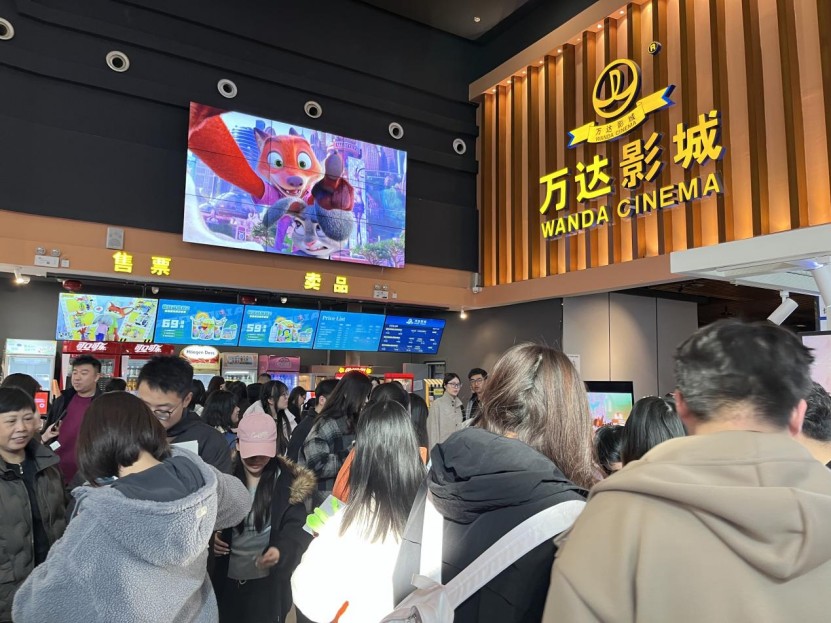
Core Viewpoint - Wanda Film (002739.SZ) anticipates a net profit attributable to shareholders of 480 million to 550 million yuan for the year 2025, leveraging its extensive network of over 700 cinemas and 80 million online members to strengthen its leading position in the recovering industry [1] Group 1: Box Office Performance - During the release of "Zootopia 2," Wanda Film achieved a box office revenue of 7.678 billion yuan, leading the market with a 17-year consecutive industry share [3] - In the reporting period, Wanda Film's box office revenue reached 7.678 billion yuan, representing a year-on-year increase of 18.53%, with 163 million viewers, up 14.76% year-on-year [3] - As of 2025, Wanda Film operates 714 cinemas with 6,179 screens, having opened 24 new cinemas during the year, and holds 91 seats in the top 200 cinemas nationwide, an increase of 10 seats from 2024, accounting for 45.5% [3] Group 2: Film Production and Releases - In 2025, Wanda Film produced and released several films including "Detective Chinatown 1900," "Nanjing Photo Studio," and "Boonie Bears: Reboot Future," which received positive reviews and box office returns [4] - Upcoming films include "Fast and Furious 3," "Boonie Bears: Year of the Bear," and "The Wandering Earth 3," with a focus on both self-distributed and co-distributed projects [4] Group 3: Diversification and Revenue Growth - Wanda Film is implementing a "Super Entertainment Space" strategy to diversify operations and enhance non-ticket revenue through collaborations with major game and film IPs [6] - The company has partnered with popular IPs like "Identity V" and "Avatar 3" to create a full-chain model that integrates online and offline experiences, transitioning from a ticket-dependent model to a multi-revenue approach [6] - Strategic investments in brands like 52TOYS and "拍立方" (Photo Cube) are aimed at enriching offline entertainment experiences and creating a commercial loop between film and merchandise consumption [7]

“不完美”的治愈感如何撬动全球订单?
Mei Ri Jing Ji Xin Wen· 2026-01-26 15:15
当山东美术馆的"潦草小马"("马彪彪")以疯癫发型席卷文创圈,义乌工厂里缝反嘴巴的"哭哭马"被年 轻人抢购一空。两者看似意外,背后却有同一个逻辑:在情绪消费时代,"不完美"的治愈感,正超越精 致完美,成为最硬的通货和最新的风向。 2026年新年第一个月,"泼天的流量"降临到义乌小商品批发市场一个小商铺的老板张火清身上,现在她 更出名的身份是——"哭哭马"老板。 1月下旬,《每日经济新闻》记者来到浙江义乌,找到忙碌中的张火清。记者在现场看到,不大的档口 里摆满了各色型号的红色哭哭马,身着红色毛衣的张火清穿梭在顾客之间,手里的三部手机一刻不停, 电话铃声与信息提示音接连响起。档口外,等着洽谈合作的外贸商和前来采访的媒体记者已经排起了 队。 "小号的是7.8元一个,大号是11.9元一个,'笑脸马'有现货,'哭哭马'需要等7天到15天。"张火清一边招 呼客人,一边反复报出价格。记者在档口停留的六个多小时里,看到这位初中毕业的老板娘,用流利的 英语与外国顾客沟通订单细节。张火清直言自己是江西人,能有今天的局面,靠的就是舍得吃苦。 义乌外贸强劲复苏 放眼整个义乌小商品市场,现在,张火清的档口是流量担当。 "哭哭马"嘴角耷 ...
潮玩产业告别“爆款赌局” IP应跨业态跨文化
Bei Jing Shang Bao· 2026-01-26 12:17
Core Insights - The competition in the潮玩 (trendy toy) industry has shifted from chasing single hit products to building comprehensive IP ecosystems, with successful IPs becoming emotional carriers and social currencies that connect deeply with young consumers [1][2] - The emotional value is now the core driver of潮玩 consumption, with companies aiming to create a sense of connection and belonging for users beyond just selling toys [2][4] Group 1: IP Development and Emotional Connection - Successful IPs are characterized by strong emotional tendencies, allowing consumers to project their feelings onto the IP, thus establishing deep emotional connections [4][9] - The concept of "product strength" is fundamental to the longevity of an IP, with companies needing to ensure that their products can carry the artistic value of the IP [5][6] - Companies are encouraged to engage users in secondary creation and integrate IP into various life scenarios to maintain relevance and avoid aesthetic fatigue [6][12] Group 2: Market Performance and Financials - 奇梦岛 (Qimengdao) reported a quarterly revenue of 127 million yuan for Q1 of the 2026 fiscal year, marking a 93.3% increase quarter-on-quarter, reflecting the market's recognition of its IPs [5] - The潮玩 industry has seen a significant increase in the number of related companies, with over 20,700 existing as of June 2025, a tenfold increase since 2020, indicating a growing market [6] Group 3: Strategic Direction and Future Trends - The future competition in the潮玩 industry will focus on "cultural narrative ability" and "full supply chain collaboration efficiency," with companies enhancing their capabilities from design to marketing [11][12] -潮玩 brands are increasingly exploring overseas markets and diversifying their operational strategies, indicating a shift from single product competition to "IP ecological operation capabilities" [10][11]
2026年,消费没有新故事?
虎嗅APP· 2026-01-22 23:59
Core Insights - The consumption market is undergoing a silent value reconstruction, characterized by both extreme "consumption downgrade" and sporadic "hotspot-style frenzy" [3][4] - Consumers are increasingly focused on practical value and emotional satisfaction, leading to a polarization in consumer personas [3][4] - The market is shifting towards a model where brands must provide genuine value rather than empty narratives, reflecting a collective negotiation between consumers and brands [4] Group 1: Market Trends - The year 2025 saw a significant increase in the popularity of second-hand platforms and discount supermarkets, indicating a shift towards practical consumption [3] - Despite some brands facing challenges, others like Mijia Ice City and Pop Mart have thrived, showcasing resilience in the market [4][5] - The trend of "not raising prices while upgrading consumption" is emerging as a key strategy for brands to navigate the current market environment [12] Group 2: Consumer Behavior - Consumers are now more discerning, focusing on the emotional value of products rather than just price, leading to a demand for higher quality and better experiences [40][41] - The rise of "K-shaped differentiation" in consumption indicates that while some sectors struggle, others are innovating and capturing market share [22] - The importance of emotional value in non-essential purchases, such as toys, is becoming more pronounced, as consumers seek joy and connection through their purchases [48][50] Group 3: Company Strategies - Companies are increasingly adopting a "four-dimensional warrior" approach, focusing on product upgrades, price optimization, user experience, and emotional connection with consumers [12][14] - The emphasis on localizing operations and decision-making is crucial for foreign brands to succeed in the Chinese market, as seen with companies like Bimbo [58][59] - Brands are encouraged to focus on core competencies and avoid unnecessary cost-cutting that could compromise product quality [42][44] Group 4: Future Outlook - The next few years are expected to see a continued emphasis on understanding and meeting diverse consumer needs, with a focus on value-driven products [60][61] - The market is likely to witness the emergence of new brands that prioritize consumer insights and long-term value creation [52][53] - The evolving landscape suggests that brands must adapt to changing consumer preferences and leverage emotional connections to thrive in a competitive environment [49][50]

情绪价值成潮玩消费新趋势,年轻人“马”上找陪伴
Sou Hu Cai Jing· 2026-01-22 12:22
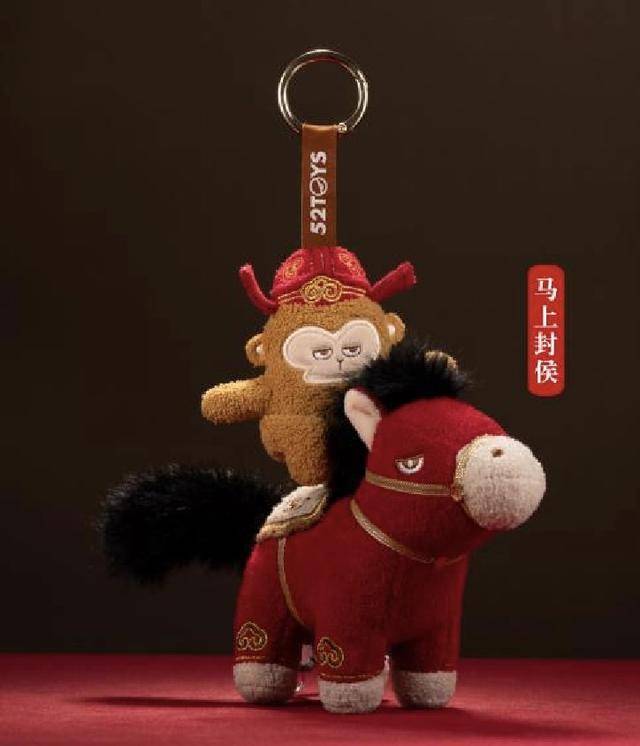
Core Insights - The "crying horse" has become a popular product at the beginning of the year, driving a surge in zodiac-themed consumer goods, particularly among young consumers seeking emotional value [1][2][6] Group 1: Market Trends - The "crying horse" plush toy, originally designed with a smiling expression, gained popularity due to a production error that resulted in a frowning face, resonating with consumers and leading to high demand [2] - The daily production of the "crying horse" has increased to 15,000 units, with factories expanding from two to over ten production lines to meet demand [2] - Other brands, such as Pop Mart and 52TOYS, have also launched zodiac-themed products that have sold out quickly, indicating a strong market response [4] Group 2: Consumer Preferences - Young consumers prefer designs that evoke emotional resonance rather than traditional representations, marking a shift in aesthetic preferences within the zodiac toy market [6] - The trend towards "emotional toys" reflects a broader movement towards self-satisfying consumption, with over 70% of recent sales in the zodiac toy category being attributed to these emotionally engaging designs [9] Group 3: Cultural Significance - The vitality of the zodiac economy is rooted in deep cultural significance, with consumers having a natural emotional connection to their zodiac signs, particularly in years associated with strong cultural symbols like the horse and dragon [10] - The integration of local culture and practical functionality into zodiac products is becoming increasingly important, as seen in collaborations that enhance product uniqueness [10] Group 4: Challenges and Recommendations - The zodiac product market faces challenges, particularly with non-birth year products experiencing significant sales declines, which poses sustainability issues for product lines [12] - Experts suggest that the industry should focus on avoiding content "hollowness" and emphasize sustainable storytelling and cultural integration to maintain consumer interest and avoid fleeting trends [13]
从商品到社交硬通货 IP激活情感消费
Bei Jing Shang Bao· 2026-01-20 06:18
Core Insights - The integration of IP (Intellectual Property) with toys has transformed simple product transactions into a deeper emotional and cultural experience for consumers, making toys not just consumer goods but also trendy collectibles [1][2] Group 1: Importance of IP in the Toy Industry - The necessity of IP in the toy industry is emphasized, as it allows brands to connect cultural content with products, enhancing emotional resonance and consumer engagement [2] - Successful brands in the competitive toy market are often backed by strong, well-recognized IPs that serve as the soul of the products and create emotional connections with consumers [2][3] - The rise of domestic cultural IPs reflects a strong emotional connection among Chinese consumers, indicating a shift towards valuing local culture in the toy market [3][4] Group 2: Market Trends and Consumer Behavior - The transition from conventional products to IP collaborations is a common growth path for Chinese toy companies, aiming for higher value products and brand equity [4] - The demand for high-value consumption is driven by emotional resonance, with consumers willing to pay for the cultural and emotional significance of the IPs [5][6] - The emergence of "meaningful consumption" reflects a shift in consumer preferences towards products that fulfill emotional and social needs rather than just entertainment [6][7] Group 3: Emotional Engagement and Content Creation - Successful IPs today are characterized by their ability to resonate with contemporary emotions and provide a platform for user participation in content creation [8][9] - The new generation of consumers seeks products that reflect their identities and emotions, indicating a shift from mere transactions to emotional consumption [9]
潮尚重构消费|从商品到社交硬通货 IP激活情感消费
Bei Jing Shang Bao· 2026-01-20 06:08
Core Insights - The integration of IP (Intellectual Property) with toys has transformed simple product transactions into emotional and cultural experiences for consumers, making toys not just consumer goods but also trendy collectibles [1][3]. Group 1: Importance of IP in the Toy Industry - The necessity of IP in the toy industry is emphasized, as it allows brands to connect cultural content with products, enhancing emotional resonance and consumer engagement [3][4]. - Successful brands in the competitive toy market are often backed by strong, well-recognized IPs that serve as emotional connectors and brand differentiators [3][4]. - The rise of domestic cultural IPs reflects a strong emotional connection among Chinese consumers, indicating a shift towards valuing local culture in product offerings [4][6]. Group 2: Market Dynamics and Consumer Behavior - The transition from conventional products to IP collaborations is a common growth path for Chinese toy companies, aiming for higher value products and brand differentiation [6][7]. - The emotional and social aspects of toy consumption have evolved, with products now serving as "social currency" for adults, reflecting deeper emotional needs and social connections [7][8]. - The success of IPs is increasingly tied to their ability to resonate with contemporary consumer emotions and facilitate user participation in content creation [10][11]. Group 3: Case Studies and Brand Strategies - Brands like Pop Mart and 52TOYS have established recognizable cultural symbols through their IPs, which connect with consumer emotional demands [4][6]. - The development of military-themed IPs and collaborations with cultural institutions has allowed companies like Senbao to enhance brand value and consumer engagement [6][7]. - The emotional pull of products like the Shandong aircraft carrier model demonstrates how national pride can drive consumer interest and sales [7][9].