
CFS

Search documents
工程机械板块景气延续,关注半导体设备、人形机器人板块 | 投研报告
Zhong Guo Neng Yuan Wang· 2025-09-03 06:22
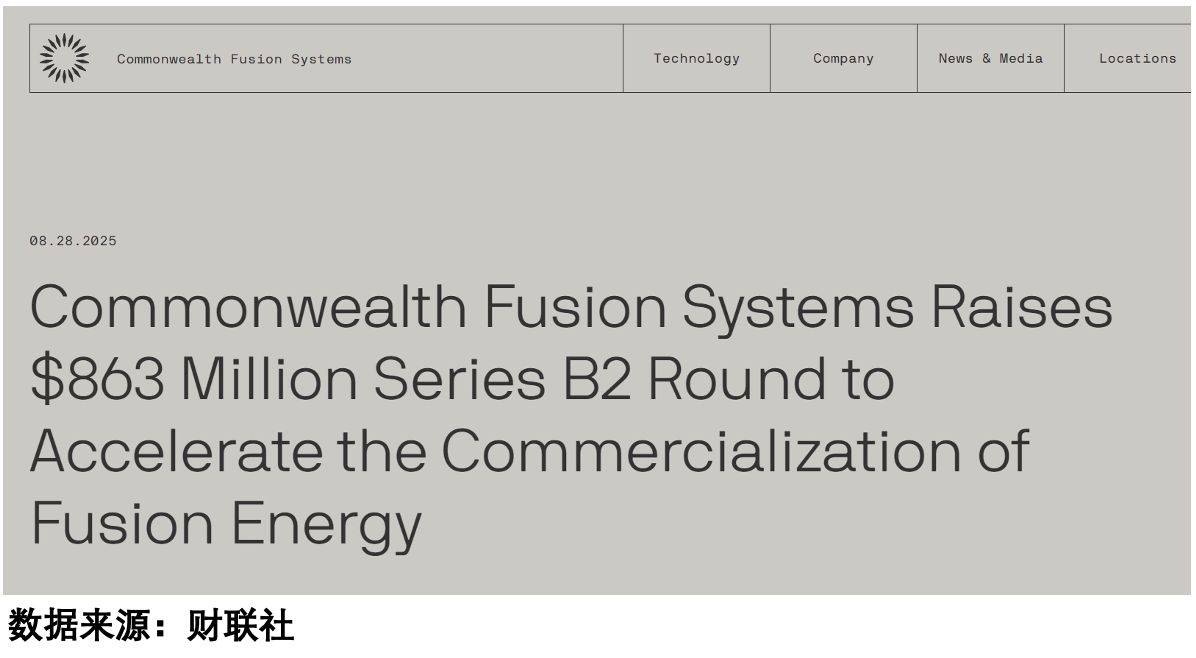
Core Viewpoint - The CITIC Machinery Industry Index rose by 0.74% from August 25 to August 29, 2025, ranking 12th among all primary industries in terms of performance [2] Group 1: Machinery Industry Performance - The engineering machinery sector increased by 0.04%, general equipment by 0.20%, specialized equipment by 1.88%, while instruments and meters decreased by 0.56%, and transportation equipment fell by 0.51% [2] - Metal products saw a rise of 2.71% during the same period [2] Group 2: Engineering Machinery Insights - Major engineering machinery companies reported significant revenue growth in H1 2025: SANY (+14.96%), XCMG (+8.04%), Zoomlion (+1.3%), LiuGong (+13.21%), and Shantui (+3.02%) [2] - Net profit growth for these companies was also notable: SANY (+46.00%), XCMG (+16.63%), Zoomlion (+20.84%), LiuGong (+25.05%), and Shantui (+8.78%) [2] - The domestic market is stabilizing, supported by steady issuance of special bonds and major national projects like the New Rural Road Improvement Action Plan [2] - In H1 2025, China's engineering machinery exports totaled $28.28 billion, a year-on-year increase of 9.4%, with strong demand from Southeast Asia, the Middle East, and Latin America [2] Group 3: Semiconductor Equipment Developments - The U.S. has escalated restrictions on semiconductor equipment exports to China, requiring companies like Intel and Samsung to apply for licenses for equipment purchases [3] - This move is expected to accelerate the domestic semiconductor industry's innovation and development, presenting opportunities for local semiconductor equipment manufacturers [3] Group 4: Robotics Sector Updates - NVIDIA launched the Jetson Thor, a high-performance computing platform for robotics, enhancing multi-modal perception and decision-making capabilities [4] - UBTECH Robotics signed a strategic cooperation agreement with InfiniCapital for $1 billion, focusing on funding support and industry collaboration [4] Group 5: Nuclear Fusion Industry Progress - CFS, a leading nuclear fusion company, completed a $863 million Series B funding round, with total financing nearing $3 billion, aimed at constructing the SPARC demonstration device [5] - The Chinese Academy of Sciences announced several procurement projects totaling nearly $30 million, focusing on key components for plasma physics research [5] Group 6: Investment Recommendations - Suggested companies for investment include SANY Heavy Industry, XCMG, and LiuGong in the engineering machinery sector [6] - In the semiconductor equipment space, companies like North Huachuang and Zhongwei Company are recommended [6] - For humanoid robots, focus on high-tech components with low domestic production rates, such as assembly and sensors [6]

搭载固态电池汽车上市 | 投研报告
Zhong Guo Neng Yuan Wang· 2025-09-01 07:07
Core Viewpoint - The report highlights the growth in the new energy vehicle market and the performance of various sectors within the electric power and new energy industries, indicating a positive trend in sales and technological advancements. Industry Summary - From August 1 to 24, the retail sales of new energy vehicles in China reached 727,000 units, representing a year-on-year increase of 6% and a month-on-month increase of 7% [4] - The electric power and new energy sectors saw an overall increase of 3.99% this week, with specific sectors such as industrial automation rising by 4.46% and wind power by 3.35% [3] - The solid-state battery technology is advancing, with SAIC announcing the price of its MG4 model equipped with semi-solid-state batteries, significantly lower than market expectations [2][4] - The central government is addressing "involution" competition in the photovoltaic sector, aiming to improve product quality and phase out outdated production capacity [2][4] Company Summary - Sunshine Power reported a net profit of 7.735 billion yuan for H1 2025, a year-on-year increase of 55.97% [5] - Deye Co., Ltd. achieved a net profit of 1.522 billion yuan for H1 2025, up 23.18% year-on-year [5] - Aotewei's net profit for H1 2025 was 308 million yuan, down 59.54% year-on-year [5] - The net profit of Daikin Heavy Industries for H1 2025 reached 546 million yuan, a significant increase of 214.32% year-on-year [5] - JinkoSolar reported a net loss of 2.909 billion yuan for H1 2025, a decrease of 342.38% year-on-year [5]
电力设备与新能源行业8月第5周周报:搭载固态电池汽车上市-20250901
Bank of China Securities· 2025-09-01 01:26
Investment Rating - The report maintains an "Outperform" rating for the electric equipment and new energy industry [1] Core Insights - The domestic sales of new energy vehicles are expected to maintain high growth in 2025, driven by new model releases and the sales peak season, which will boost demand for batteries and materials [1][2] - The solid-state battery industry is progressing towards commercialization, with significant partnerships and agreements being established to enhance development [1][2] - The photovoltaic sector is undergoing regulatory changes aimed at curbing irrational competition and promoting product quality, with some auxiliary materials showing signs of price increases [1][2] - Nuclear power is being positioned as a potential solution for AI power supply, suggesting a differentiated demand in the power sector [1] Market Overview - The electric equipment and new energy sector rose by 3.99% this week, outperforming the Shanghai Composite Index, which increased by 0.84% [10][13] - Key segments include industrial automation (+4.46%), wind power (+3.35%), and new energy vehicles (+2.96%), while the nuclear power sector saw a slight decline of 0.29% [10][13] Industry Dynamics - The retail sales of new energy vehicles from August 1-24 reached 727,000 units, marking a year-on-year increase of 6% and a month-on-month increase of 7% [24] - A comprehensive cooperation agreement was signed between Xianhui Technology and Qingtai Energy to establish a solid-state battery advanced process R&D institution [24] - The State Council has issued opinions to promote green and low-carbon transformation and strengthen the national carbon market [24] Company Performance - Sunshine Power reported a net profit of 7.735 billion yuan for H1 2025, a year-on-year increase of 55.97% [25] - Other notable performances include: - Deyue Co., Ltd.: 1.522 billion yuan, +23.18% [25] - Daikin Heavy Industries: 546 million yuan, +214.32% [25] - Hanrui Cobalt: 12.7 billion yuan, +102.94% [25] - JinkoSolar: -2.909 billion yuan, a decrease of 342.38% [25]
机械行业周报:看好人形机器人、可控核聚变和农机
Xin Lang Cai Jing· 2025-08-31 06:46
Market Overview - The SW Machinery Equipment Index increased by 1.01% during the trading days from August 25 to August 29, 2025, ranking 13th among 31 primary industry classifications [1] - Year-to-date, the SW Machinery Equipment Index has risen by 30.41%, ranking 6th among the same classifications, while the CSI 300 Index has increased by 14.28% [1] Core Insights - NVIDIA's latest release, Jetson Thor, is a high-performance computing platform designed for physical AI and robotics, enabling the evolution of "robot brains" [2] - Jetson Thor supports multiple AI models, including large language models (LLM), visual language models (VLM), and visual language action models (VLA), establishing a hardware foundation for multi-modal perception and decision-making in robots [2] - This release represents a significant leap in hardware performance and a systematic upgrade of NVIDIA's robotics ecosystem strategy, creating a complete ecosystem from underlying chips to upper-level applications [2] - Investment opportunities are suggested in the core supply chain of the robotics industry and new technology directions [2] Fusion Energy Sector - CFS, a U.S. nuclear fusion energy startup, announced $863 million in funding, with NVIDIA as an investor, bringing its total funding to approximately $3 billion, accounting for one-third of global fusion energy financing [3] - CFS aims to achieve a key technology milestone by 2027, paving the way for its commercial fusion power plant development in Virginia [3] - Investment focus is recommended on companies related to high-temperature superconducting materials and magnets, as well as opportunities driven by bidding in the nuclear fusion sector [3] Agricultural Machinery - July tractor production data shows improvement, indicating potential recovery in agricultural machinery demand [3] - In July 2025, large and medium tractor production was 0.57 and 1.41 million units, with year-on-year changes of -10.8% and +9.4%, respectively [3] - The monthly production decline for large tractors has been narrowing since May, while the year-on-year growth for medium tractors has been expanding, suggesting the worst period for the industry may be over [3] - Grain prices are expected to rebound, which could drive a recovery in agricultural machinery demand [3] Industry Performance Indicators - General machinery remains under pressure, while engineering machinery is accelerating upward [4] - Shipbuilding is experiencing a slowdown, oil service equipment is stabilizing at the bottom, railway equipment is steadily increasing, and gas turbines are also showing steady growth [4]
核聚变巨头融资30亿,散户为何总被套路?
Sou Hu Cai Jing· 2025-08-29 14:26
Group 1 - The core viewpoint is that institutional investors are strategically positioning themselves in the market, often ahead of retail investors, as seen in the recent $863 million funding round by CFS, a fusion energy startup that has raised approximately $3 billion, accounting for one-third of global fusion industry funding [1][10][13] - The article highlights the overwhelming amount of market information available today, which can lead to anxiety among investors, as they struggle with decisions regarding buying, selling, and holding positions [3][12] - It discusses the phenomenon of stock price movements in response to mid-year earnings forecasts, emphasizing that the market is driven by pricing power rather than mere concepts or news [4][6][9] Group 2 - The article reveals that many investors rely on fund flow data to gauge institutional intentions, but this data can be misleading; true insights come from analyzing actual trading behavior [7][9] - The CFS funding case illustrates that major tech companies are investing in fusion energy due to anticipated changes in the energy landscape over the next 10 to 20 years, indicating a long-term strategic approach rather than speculative trading [10][11] - It emphasizes the importance of understanding the underlying trading behaviors and data rather than being swayed by surface-level information, advocating for a more analytical approach to investment decisions [12][13][15]

深度解析:万亿核聚变竞赛背后的超导材料之战(附产业链图谱)
材料汇· 2025-07-29 15:37
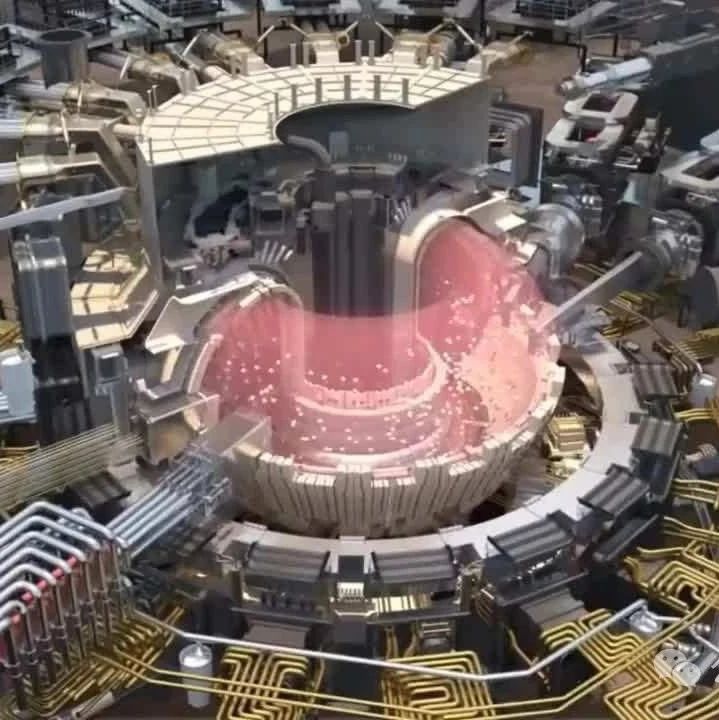
Industry Overview - The superconducting materials industry is a crucial segment of advanced materials, showcasing unique properties such as zero electrical resistance and the Meissner effect, with applications in energy, transportation, medical, and high-end manufacturing sectors [2][5]. - The industry has evolved from low-temperature superconductors to high-temperature superconductors, becoming a focal point in global technological competition, especially with the increasing demand for clean energy and efficient transmission [2][5]. Major Superconducting Materials and Preparation Processes - Superconducting materials are categorized based on critical temperature: low-temperature superconductors (Tc ≤ 25K) and high-temperature superconductors (Tc ≥ 25K) [11][12]. - Low-temperature superconductors include NbTi and Nb3Sn, while high-temperature superconductors include various cuprates like YBCO and Bi-2212 [11][12]. - The preparation methods for these materials vary, with powder-in-tube (PIT) being the mainstream process for most superconductors, while advanced techniques like pulsed laser deposition (PLD) and metal-organic chemical vapor deposition (MOCVD) are used for high-temperature superconductors [42][67]. Key Application Areas - The primary application of superconducting materials is in the field of controlled nuclear fusion and high-field applications, where their ability to carry large currents and generate strong magnetic fields is essential [30][31]. - Superconducting materials are also utilized in power applications, such as superconducting cables, motors, and energy storage systems, enhancing efficiency and reducing size and weight [30][31]. Competitive Landscape of High-Temperature Superconductors - The competitive landscape for high-temperature superconductors is characterized by ongoing technological advancements and the emergence of new materials, with companies like SuperPower and Fujikura leading in the development of REBCO materials [50][68]. - The market is witnessing a shift towards the commercialization of high-temperature superconductors, with significant investments from governments and private sectors aimed at enhancing production capabilities and reducing costs [50][68]. Market Size Forecast - The superconducting materials market is expected to grow significantly, driven by increasing applications in energy, transportation, and advanced manufacturing sectors, with a focus on reducing operational costs and improving efficiency [2][5]. Related Companies - Key players in the superconducting materials industry include SuperPower, Fujikura, and various domestic companies in China such as Shanghai Superconductor and Eastern Superconductor, each employing different technological routes for material production [68].
永赢制造升级智选混合发起A,永赢制造升级智选混合发起C: 永赢制造升级智选混合型发起式证券投资基金2025年第2季度报告
Zheng Quan Zhi Xing· 2025-07-14 02:35
Fund Overview - The fund is named Yongying Manufacturing Upgrade Smart Mixed Initiating Fund, with a main code of 024202, and it operates as a contractual open-end fund [4] - The fund aims to invest in assets related to the theme of manufacturing upgrades, striving for medium to long-term stable appreciation of net asset value while controlling risks [4] - The fund's investment strategies include macroeconomic research, asset allocation strategies, stock investment strategies, fixed income investment strategies, and various bond investment strategies [4] Performance Metrics - As of the end of the reporting period, the total fund shares amounted to 17,444,653.67 shares [4] - The net value growth rate for the fund's Class A shares was -2.76%, while the benchmark return was 2.52% [12] - The net value growth rate for the fund's Class C shares was -2.79%, with the same benchmark return of 2.52% [12] Investment Composition - The fund's total assets primarily consist of stocks, with a fair value of approximately 15,465,487.43 RMB, accounting for 90.66% of the total assets [13] - The manufacturing sector represents the largest portion of the fund's investments, with a fair value of 14,201,090.62 RMB, making up 83.73% of the fund's net asset value [13] - The fund has also invested in the construction industry, with a fair value of 987,392.00 RMB, representing 5.82% of the net asset value [13] Market Insights - The fund manager highlights the increasing focus on controllable nuclear fusion, with significant investments expected in the range of 150-200 billion RMB annually during the 14th Five-Year Plan period [9] - The potential for nuclear fusion to replace traditional energy sources like coal and solar power is emphasized, indicating a future market expansion that could yield substantial returns for investors [9] - Partnerships between tech companies and nuclear fusion firms are noted, suggesting a growing interest in stable energy sources for cloud computing [10][11]
次世代新能源:核聚变催化梳理及产业链拆分
2025-07-02 15:49
Summary of Key Points from the Conference Call Industry Overview - The conference call focuses on the nuclear fusion industry, particularly the commercialization efforts led by CFS (Commonwealth Fusion Systems) and its collaboration with Alphabet (Google) [1][3][9]. Core Insights and Arguments - CFS has signed a power purchase agreement with Alphabet, marking a significant step towards the commercialization of nuclear fusion energy, which boosts market confidence and indicates North American commercial capital's recognition of nuclear power plants [1][3]. - CFS, a spin-off from MIT, has raised over $2 billion and is valued at $8 billion. Its Spark project aims to achieve ignition by 2027, providing physical parameter validation for the ARC power plant [1][5]. - The ARC project plans to invest $1 billion and has a power generation capacity of 400 MW, sufficient to power 150,000 households. The project is progressing rapidly, with Google purchasing 200 MW of power, which is half of the expected output [1][6]. - The nuclear fusion sector is transitioning from scientific experimental reactors to engineering validation reactors, with significant capital expenditures expected to materialize in the next five years [2]. Market Dynamics - The nuclear fusion industry is expected to see substantial orders and profit realization, moving beyond being a mere concept or thematic investment [2]. - The collaboration between CFS and Alphabet is significant as it represents the second instance of commercial nuclear fusion energy procurement globally, reinforcing market confidence [3]. - Key components in the nuclear fusion supply chain, such as magnets, blankets, heating systems, and power systems, are highlighted as high-value segments, with companies like Xuguang Electronics and Guoguang Electric being noted for their technological and relational advantages [3][16][18]. Competitive Landscape - Other notable companies in the nuclear fusion commercialization space include Hina Energy, which has garnered attention due to its partnership with Microsoft, and is seen as a potential early mover in commercializing nuclear fusion [7][8]. - CFS is viewed as a global benchmark for nuclear fusion commercialization due to its comprehensive technology team and business plans [8]. Future Catalysts and Developments - Upcoming catalysts in the nuclear fusion sector include significant bidding projects and technological advancements, such as the FAST project with an expected bidding amount of 7.7 billion yuan [13][14]. - The second half of the year is anticipated to bring faster catalytic developments in the nuclear fusion sector, with multiple important projects and progress expected [14][19]. Investment Opportunities - The nuclear fusion industry is seen as a promising investment opportunity, with a focus on specific technology routes like Tokamak, Long-Range FRC, and Stellarators, each presenting unique investment logic and cost structures [15]. - Companies with competitive advantages in the nuclear fusion field include Xuguang Electronics, Guoguang Electric, and Aikexibo, which have established technological barriers and strong relationships with research institutions [18]. Conclusion - The nuclear fusion industry is poised for significant growth and investment opportunities, driven by technological advancements, strategic partnerships, and increasing market recognition of its potential [11][19].
可控核聚变专家交流
2025-07-02 15:49
Summary of Key Points from the Conference Call on Controlled Nuclear Fusion Industry Overview - The conference focuses on the controlled nuclear fusion industry, highlighting advancements and investment opportunities in China and abroad [3][5][6][22]. Core Insights and Arguments - **Emerging Companies**: Numerous companies are emerging in China's controlled nuclear fusion sector, such as Energy Origin and China International Electric Power, supported by investments from funds like Shanghai Future Industry Fund, indicating accelerated development in this field [3][6]. - **Technological Breakthroughs**: Significant breakthroughs in domestic nuclear fusion technology include the high-temperature superconducting and the one-second H-mode of the Circulator No. 3, while international focus is on enhancing the Q value, with the Spring Tower device aiming to achieve Q1 this year [3][8]. - **Project Budgets and Bidding**: Major projects like BEST and Corraft are expected to undergo large-scale bidding this year, with total budgets reaching tens of billions. Energy Origin's Honghuang 170 plan is also set to raise funds for construction [3][9][10]. - **Commercialization Timeline**: The industry anticipates achieving grid-connected nuclear fusion power by 2030-2035, with companies like Heliogen and CFS making significant progress towards this goal [3][11][12]. - **Investment Plans**: China plans to invest hundreds of billions annually in nuclear fusion R&D from 2025 to 2027, with potential increases if breakthroughs occur [3][42]. - **High-Temperature Superconductors**: The application of high-temperature superconductors in fusion reactors is increasing, with companies like Lianchuang Optoelectronics demonstrating mass production capabilities [3][45]. Additional Important Content - **Challenges in Tokamak Devices**: Tokamak devices face challenges such as fuel cycle issues and tritium breeding ratios, while linear devices need to address pulse frequency problems. The competition among different technological routes is intense [3][16][17]. - **Government Support**: The Chinese government has shown strong support for nuclear fusion, with plans for substantial investments and policy backing, indicating a commitment to advancing this technology [3][26][27]. - **Global Comparison**: The U.S. is seen as lagging in nuclear fusion advancements compared to China, primarily due to the latter's substantial government funding and support for mainstream routes [3][52]. - **Future Energy Landscape**: Controlled nuclear fusion is positioned as a crucial future energy source, expected to provide stable, efficient, and environmentally friendly energy solutions, complementing renewable energy sources [3][22][23]. This summary encapsulates the key points discussed in the conference call regarding the current state and future prospects of the controlled nuclear fusion industry.
X @Demis Hassabis
Demis Hassabis· 2025-06-30 14:21
Fusion Energy Investment - Google's long-term bet on fusion energy through partnership with CFS_energy [1] - Largest direct corporate purchase for fusion energy [1] - New investment to help CFS prove out their promising technology and move it closer to commercialization [1]