
TOP TOY

Search documents
年终盘点|不只是LABUBU!中国潮玩走向全球
Sou Hu Cai Jing· 2025-12-31 19:46
Core Viewpoint - The潮玩 (trendy toy) market is experiencing significant growth, driven by "emotional consumption," with LABUBU's global success marking a pivotal moment in 2025 [2][3]. Group 1: Market Growth and Trends - The潮玩 market in China is projected to grow from 229 billion in 2020 to 763 billion by 2024, with expectations to surpass 1 trillion by 2026 [5]. - In 2025, emotional consumption has become a key trend, leading to a surge in潮玩 popularity, particularly following LABUBU's breakout success [2][3]. - The潮玩 industry has seen a rapid increase in new registrations, with 9,787潮玩-related companies established in 2025, bringing the total to 25,000 [5]. Group 2: Company Performance - Bubble Mart reported a revenue of 138.8 billion in the first half of 2025, a 204.4% increase year-on-year, with an adjusted net profit of 47.1 billion, up 362.8% [3]. - LABUBU's segment, THE MONSTERS, generated 48.1 billion in revenue, achieving a staggering 668% year-on-year growth [3]. - Bubble Mart's international revenue showed remarkable growth, with the Americas experiencing a 1,142.3% increase and Europe seeing a 729.2% rise [8]. Group 3: International Expansion - Bubble Mart participated in the Macy's Thanksgiving Day Parade in New York, becoming the first Chinese brand to feature an original潮玩 IP in the event [6]. - The company has seen long queues at its overseas stores, indicating strong demand for LABUBU products [6]. - Other潮玩 brands like 52TOYS and TOP TOY are also expanding internationally, with TOP TOY planning to open over 1,000 stores in 100 countries within five years [9]. Group 4: Development of Proprietary IP - The success of LABUBU has prompted潮玩 brands to focus on developing proprietary IP, which offers greater brand autonomy compared to licensed IP [10]. - TOP TOY's revenue from proprietary IP remains low, with only 610,000 generated in the first half of 2025, compared to 6.15 billion from licensed IP [10]. - Both 52TOYS and TOP TOY are increasing their investment in proprietary IP, with 52TOYS launching multiple original潮玩 IPs in 2025 [12]. Group 5: Marketing Strategies - The rise of明星营销 (celebrity marketing) has become a significant strategy for潮玩 brands, with various brands collaborating with popular figures to boost visibility and sales [16]. - Brands are recognizing that while celebrity endorsements can drive initial interest, sustained success requires effective brand management and product quality [16].

2025,中产都抛弃了哪些消费品牌?
阿尔法工场研究院· 2025-12-30 00:02
Core Viewpoint - The article discusses the stark contrast in China's consumer market in 2025, highlighting a significant divide between thriving companies and those that have collapsed, marking a shift from a "growth at all costs" mentality to a focus on efficiency and sustainability in business models [5][6][11]. Group 1: Market Dynamics - In 2025, the consumer market experienced a "violent clearing," with many once-prominent unicorns collapsing, signaling the end of an era characterized by unsustainable growth strategies [6][8]. - The year 2025 is described as a "tombstone" for new consumption, as the last illusions surrounding high prices and influencer-driven brands were shattered, exemplified by the downfall of brands like Zhong Xuegao [8][9]. - The collapse of established giants like Christine and Xu Li Shan reflects a failure to adapt to changing consumer preferences and market conditions, leading to their eventual exit from the market [9][10]. Group 2: Survivors and New Trends - Despite the failures, a new wave of companies thrived in 2025, particularly in the new tea beverage sector, with brands like Mixue Ice City and Tea Baidao successfully going public [15][16]. - The success of these companies is attributed to their focus on supply chain efficiency and cost control, moving away from traditional notions of craftsmanship to a more industrialized approach [16][17]. - The "lipstick effect" emerged as consumers shifted spending from large purchases to small, affordable pleasures, benefiting brands like Bubble Mart and new tea beverage companies [18]. Group 3: Investment Landscape - The investment landscape in 2025 saw a dramatic reduction in financing activities, with only 74 rounds of funding compared to 133 in the previous year, indicating a shift away from reckless spending [23][24]. - The restaurant sector remained a focal point for investment, accounting for 45 out of the 74 financing rounds, as capital sought safety in high-frequency, essential consumer needs [24][26]. - Brands that demonstrated strong supply chain control and technological integration, such as those in the coffee sector, began to attract significant investment, reflecting a new focus on efficiency and innovation [27][28]. Group 4: Future Outlook - The article suggests that the consumer market in 2026 will prioritize global distribution over domestic expansion, as companies seek to leverage their efficiencies in international markets [31][32]. - The survival of brands in the coming years will depend on their ability to adapt to changing consumer behaviors and market conditions, emphasizing the importance of supply chain management and genuine consumer engagement [33][34].
下一个泡泡玛特始终难产 | 巨潮
Xin Lang Cai Jing· 2025-12-23 04:58
Core Insights - The core of the article emphasizes the unique business model of Pop Mart, which leverages strong IP and a light asset structure to create a highly profitable commercial empire with a gross margin of 70.3% in the first half of the year and a loyal customer base of 59 million contributing over 90% of sales [1][17]. Group 1: Pop Mart's Business Model - Pop Mart's success is attributed to its strong IP and high repurchase rates, with customers making an average of 6.8 purchases per year and a repurchase rate exceeding 50%, significantly higher than luxury brands like LV [1][17]. - The emotional economy plays a crucial role in Pop Mart's rise, paralleling historical trends in Japan and the U.S. where similar consumer behaviors emerged during economic downturns [2][18]. Group 2: Competitors and Market Dynamics - Card Game (卡游) is the largest competitor to Pop Mart, reporting revenue of 10.057 billion and a net profit of 4.466 billion, with a gross margin of 68.2% [3][19]. - Despite its success, Card Game faces challenges due to its heavy reliance on IP licensing, with 73% of its revenue coming from Ultraman-related products, raising concerns about sustainability if licensing fees increase [19][20]. - 52TOYS, another competitor, has a gross margin of 68.2% and is noted for its potential to go public, but it missed critical opportunities in IP development compared to Pop Mart [5][20][22]. Group 3: Market Trends and Emotional Economy - The emotional economy is expanding beyond toys, with significant growth in pet-related products and services, reflecting changing consumer needs as birth rates decline [27][30]. - Companies like pidan and PETKIT are capitalizing on the emotional needs of pet owners, with pidan achieving sales of 830 million and a gross margin of 58% in 2024 [29][30]. - The rise of emotional value as a core competitive advantage is evident across various sectors, indicating a shift in consumer behavior towards products that fulfill emotional needs [26][32].

广州文交会走过八载,这场文旅盛会为湾区文化产业带来什么?
Xin Lang Cai Jing· 2025-12-21 06:19
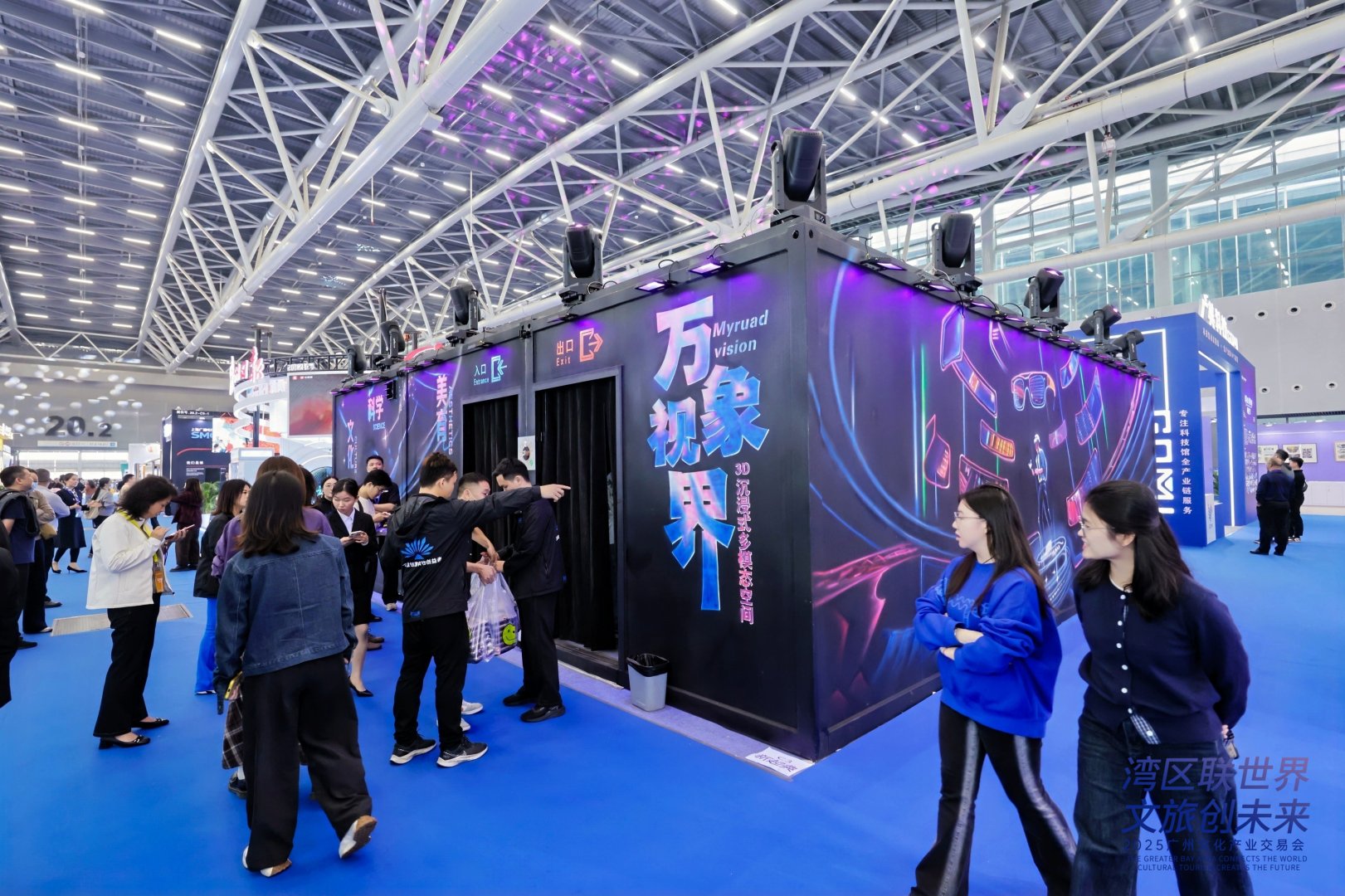
Core Insights - The 2025 Guangzhou Cultural Industry Trade Fair successfully showcased the theme "Bay Area Links the World, Cultural Tourism Creates the Future," emphasizing the integration of technology, culture, and trade to foster innovation in the cultural tourism sector [1] Group 1: Technological Empowerment - The fair highlighted the integration of culture and technology, with immersive experiences such as VR/AR installations and holographic projections transforming static cultural resources into interactive dynamic scenes [1] - Guangzhou New Qidian Cultural Technology introduced an innovative 3D immersive multi-modal space product called "Wandering Vision," which turns ancient Chinese mythology into engaging educational experiences [3] - The event featured various VR experiences, including "The Fate of the Vermilion Bird" and "Dreaming of the Mountains and Seas," showcasing how technology enhances cultural experiences and promotes digital content creation [5] Group 2: Industry Aggregation - The fair released the "Top 30 Cultural Enterprises in Guangzhou for 2025," with 117 companies participating, collectively generating approximately 224.2 billion yuan in revenue for 2024, accounting for 36% of the city's cultural industry revenue [7] - Over 1,000 companies participated in the fair, covering sectors like animation, gaming, and film technology, demonstrating the diverse vitality of the Bay Area's cultural industry [9] - The cultural industry in Guangzhou achieved a revenue of 604.08 billion yuan in 2024, marking a 4% year-on-year growth, with new cultural business models emerging rapidly [11] Group 3: International Linkage - The fair emphasized international collaboration, featuring a comprehensive trading platform for cultural tourism and technology, facilitating connections between over 30 countries and regions [13] - Guangdong Yesheng Technology showcased eVTOL aircraft for low-altitude tourism, indicating international market interest and potential orders from countries like Russia and the U.S. [15] - Guangzhou's cultural product exports reached 47.5 billion yuan in 2024, positioning the fair as a key driver for high-quality cultural trade development [15] Group 4: Future Outlook - The 2025 Guangzhou Cultural Industry Trade Fair is seen as a catalyst for Guangzhou's transition from a cultural industry city to a cultural industry powerhouse, contributing to the global presence of Chinese culture [16]


潮玩行业争建自有IP生态
Di Yi Cai Jing Zi Xun· 2025-12-19 09:01
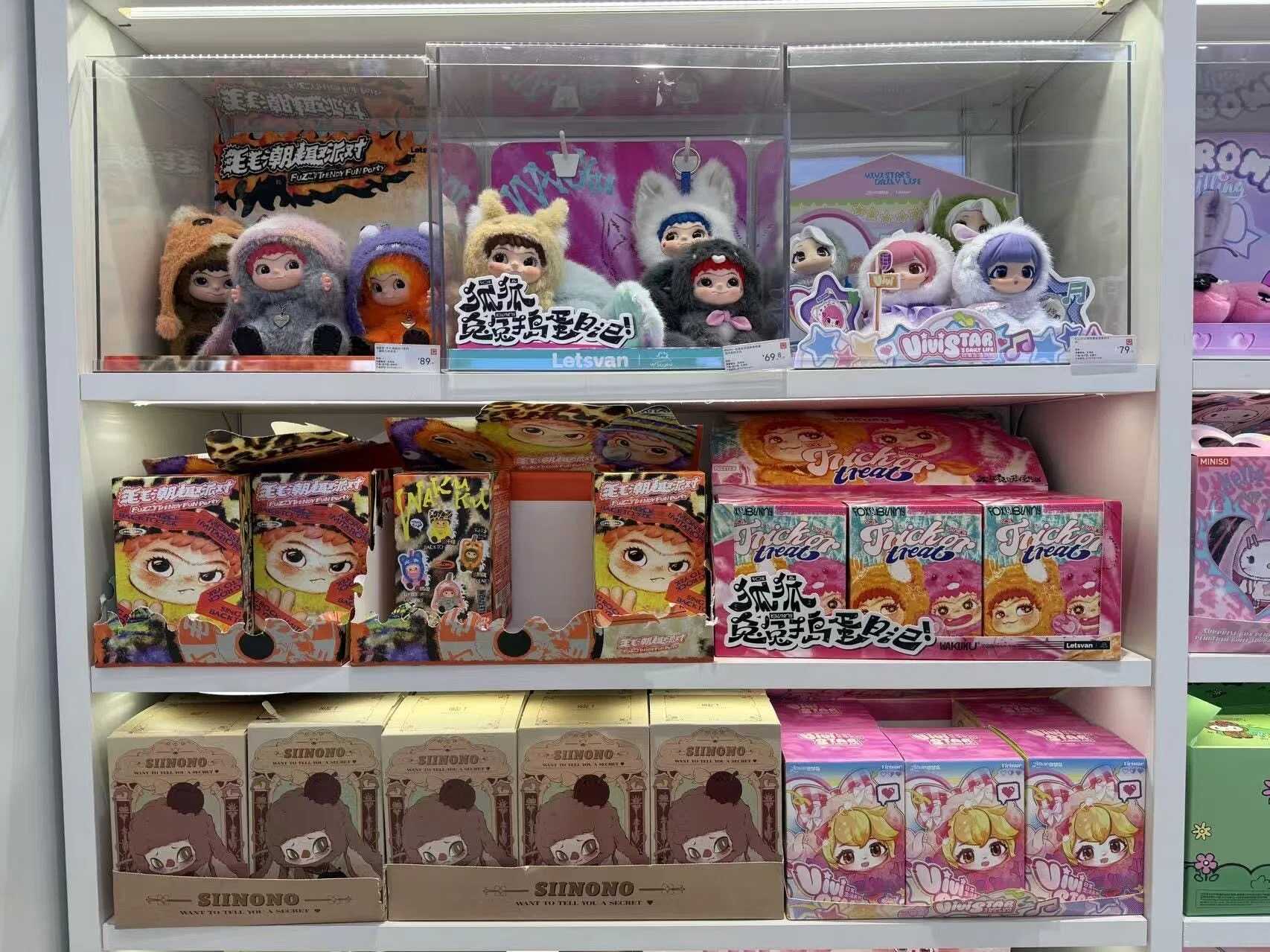
Core Insights - The article emphasizes the growing importance of proprietary IP ecosystems in the collectible toy industry, highlighting how top brands are enhancing their bargaining power through unique IP assets as market demand increases [2][3]. Group 1: Company Developments - Quantum Song Group has rebranded to Dream Island Group, shifting its strategic focus to the collectible toy ecosystem, reporting a 93.3% quarter-over-quarter revenue increase to 127.1 million yuan for its collectible toy business [3]. - Dream Island Group has acquired WAKUKU and now holds 11 proprietary IPs and several exclusive and non-exclusive licensed IPs, with WAKUKU contributing 70.6% of total revenue in the latest quarter [3]. - Pop Mart has been enhancing its IP development capabilities, with its original studio achieving a revenue of 730 million yuan, a 106.9% year-over-year increase [7]. - Miniso is actively building its proprietary IP portfolio, having signed 16 toy artist IPs and creating immersive IP spaces in its stores to attract collectible toy enthusiasts [7]. Group 2: Industry Trends - The demand for collectible toy derivatives is driving competition among companies to secure proprietary IP, with new registrations of collectible toy companies in China increasing from 418 to 8,543 between 2020 and 2024, marking a 20-fold increase [8]. - The industry is witnessing a shift where derivative products are becoming integral to IP creation, fostering deeper emotional connections with consumers and enhancing the IP ecosystem [9]. - Consumers are increasingly seeking high-quality original IPs and wish to participate in the design process, prompting companies to develop collaborative platforms [9]. Group 3: IP Ecosystem and Market Dynamics - The IP ecosystem consists of production and operation at the front end and derivative design, manufacturing, and sales at the back end, with rising sales of derivative products benefiting the competitive landscape [8]. - The success of event IPs, such as the "Bay Chicken" mascot, illustrates the potential for transforming temporary IPs into permanent cultural assets, which can drive local economic development through tourism and retail [11]. - The sustainability of an IP's value relies on its uniqueness, continuous operation, and user engagement, necessitating ongoing content iteration and cross-industry collaborations [12][14].

潮玩行业争建自有IP生态
第一财经· 2025-12-19 08:48
Core Viewpoint - The article emphasizes the strengthening of the IP ecosystem in the潮玩 (trendy toy) industry, highlighting the importance of proprietary IP for companies to enhance their market position and risk resilience as they seek to capitalize on the growing demand for unique and high-quality IP products [3]. Group 1: Development of Proprietary IP - Leading brands in the潮玩 industry are accelerating the construction of their proprietary IP ecosystems, with significant revenue growth reported. For instance, 奇梦岛集团 (formerly known as Quantum Song Group) reported a 93.3% quarter-on-quarter increase in潮玩 business revenue, reaching 127.1 million yuan for Q1 of FY2026 [5][6]. - 奇梦岛集团 has acquired 11 proprietary IPs and 6 exclusive licenses, with the WAKUKU IP contributing 70.6% of its total revenue in the latest quarter [6]. - Other companies like 泡泡玛特 (Pop Mart) and 名创优品 (Miniso) are also enhancing their proprietary IP capabilities, with 泡泡玛特's HIRONO IP generating 730 million yuan in revenue, a 106.9% year-on-year increase [10]. Group 2: Market Dynamics and Competition - The潮玩 industry has seen explosive growth in new registrations, with the number of new潮玩 companies increasing from 418 in 2020 to 8,543 in 2024, marking a 20-fold increase over five years [12]. - Despite a decline in growth rate from the peak of 287.32% in 2021, the industry is still expected to maintain a double-digit growth rate of 30.27% in 2024 [12]. - The demand for high-quality original IP is rapidly increasing, with consumers seeking to participate in design and express individuality, prompting companies to develop ecosystem platforms [13]. Group 3: IP Ecosystem and Consumer Engagement - The IP ecosystem consists of two main parts: production and operation at the front end, and design, manufacturing, and sales of derivative products at the back end. The sales of derivative products have significantly boosted the competition for proprietary IP reserves among潮玩 companies [11]. - The success of IPs like "大湾鸡" during events demonstrates the potential for IPs to evolve into permanent cultural assets, driving local economic development through tourism and retail [15]. - Continuous operation and user interaction are crucial for the longevity of an IP, requiring clear character design, visual symbols, and engaging narratives to maintain consumer interest [16][19].

年终盘点|“借别人的不如造自己的”,潮玩行业争建自有IP生态
Di Yi Cai Jing· 2025-12-19 05:39
Core Insights - Leading brands in the toy industry are seeking greater influence in the IP sector by developing their own IP ecosystems, enhancing their bargaining power due to the scarcity and market demand for quality IP [1][2] - The rapid growth of IP derivative product sales indicates a strong market potential for proprietary IP, with companies accelerating their efforts to build self-owned IP ecosystems [2][6] Group 1: Company Developments - Quantum Song Group has rebranded to Dream Island Group (NASDAQ: HERE) and shifted its strategic focus to the toy ecosystem, reporting a 93.3% quarter-on-quarter revenue increase to 127.1 million yuan for its toy business in Q1 FY2026 [2] - Dream Island owns 11 proprietary IPs, including WAKUKU, which generated 89.73 million yuan, accounting for 70.6% of total revenue [2] - Pop Mart (09992.HK) has been enhancing its IP development capabilities, with its original studio achieving 730 million yuan in revenue, a 106.9% year-on-year increase [6] - Miniso (09896.HK) is also focusing on self-owned IP, having signed contracts with 16 toy artists to build a diverse IP matrix [6] Group 2: Industry Trends - The number of newly registered toy companies in China has surged from 418 in 2020 to 8,543 in 2024, reflecting a 20-fold increase over five years, with a 30.27% year-on-year growth expected in 2024 [8] - The demand for high-quality original IP is rapidly increasing, with consumers seeking to participate in design and express individuality [9] - The success of derivative products is creating a positive feedback loop that enhances the IP ecosystem, allowing for deeper emotional connections between IP and audiences [7][9] Group 3: IP Ecosystem and Collaboration - The IP ecosystem consists of production and operation at the front end, and design, manufacturing, and sales of derivative products at the back end, driving competition for proprietary IP reserves [7] - The need for an open IP ecosystem platform is emphasized, as collaboration across various cultural scenes can amplify IP reach and market presence [4][12] - The establishment of permanent IP parks, such as the "Bay Chicken" in Guangzhou, can transform event-specific IP into lasting cultural assets, enhancing local tourism and economic development [11][14]
泡泡玛特已成潮玩界「黑洞」
3 6 Ke· 2025-12-15 23:33
Core Insights - Bubble Mart has significantly increased its market share from 8.5% to 14% over five years, while its market value has surpassed HKD 250 billion, indicating a strong competitive position in the collectible toy industry [1] - The company has built a robust ecosystem that attracts users, creators, and market attention through its platform model, which focuses on artist discovery, IP incubation, and omnichannel operations [1][8] - The current landscape of the collectible toy industry shows that competitors like TOP TOY and 52TOYS struggle with IP dependency and lack core competitive advantages, leading to a challenging environment for smaller brands [1][8] Market Position - Bubble Mart's CEO Wang Ning has projected that the company can easily achieve revenue of RMB 30 billion by 2025, highlighting its dominant market position with few real competitors [2] - The company has shifted the focus from artist value to operational efficiency, which has allowed it to capitalize on market trends and consumer demand [4][8] - The average inventory turnover for Bubble Mart is 83 days, significantly better than the industry average of 180 days, reinforcing its operational efficiency [9] IP Strategy - Bubble Mart's IP operation capabilities have been enhanced, allowing it to create a standardized pipeline for artist signing, user research, and supply chain response, which can turn creative ideas into potential bestsellers in as little as six months [8][9] - The company has secured 14 out of 32 hot-selling collectible toy IPs for 2024, representing a 43% market share in that segment [9] - Bubble Mart's approach to IP management resembles that of a talent agency, focusing on nurturing top-tier IPs while also identifying emerging artists early [8][11] Industry Trends - The collectible toy market in China is increasingly defined by marketing-driven strategies that prioritize consumer engagement over artistic integrity, contrasting with more established markets like Japan, where cultural depth and storytelling are key [12][14] - Smaller brands in the Chinese market face significant challenges in competing with Bubble Mart's scale and efficiency, leading to a trend of reliance on short-term marketing tactics [11][12] - The potential for new entrants exists, but they must navigate a landscape where replicating Bubble Mart's success is nearly impossible due to high barriers to entry and established market dominance [14]

潮玩2025:游戏才真正开始?
Xin Lang Cai Jing· 2025-12-12 03:52
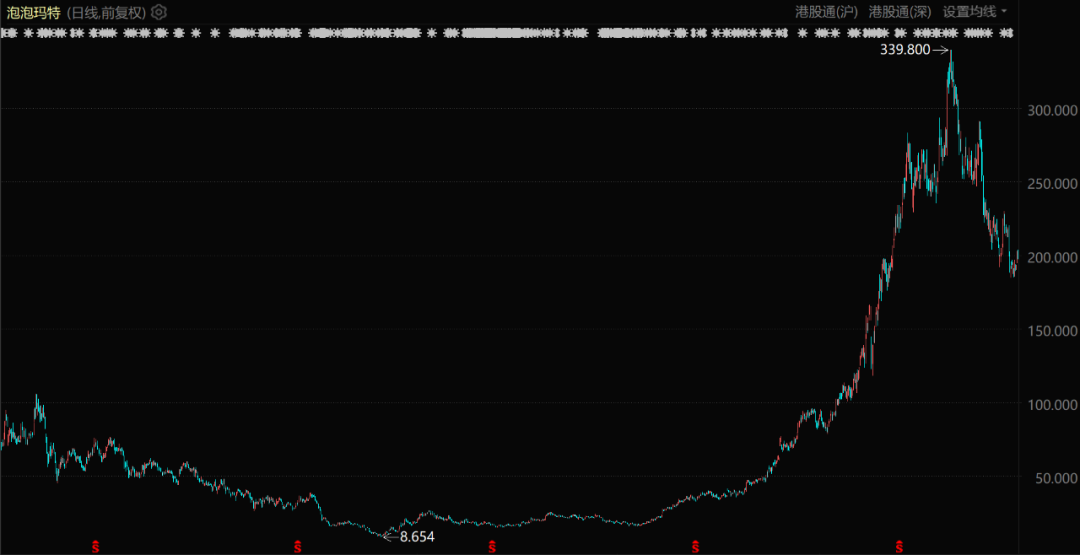
Core Insights - The Chinese潮玩 (Pop Toy) industry is experiencing a significant transformation, with 2025 marking a milestone year as leading player泡泡玛特 (Pop Mart) achieves global recognition through its LABUBU搪胶毛绒 series, breaking out of niche markets and gaining traction in overseas regions, particularly in Europe and America [1][8][51] - Despite a subsequent decline in stock price and market capitalization, the enthusiasm for investment in the潮玩 sector remains strong, indicating a robust interest in the industry [3][51] - The潮玩 industry has evolved from a niche market to a global phenomenon, driven by the rise of emotional consumption and the integration of various cultural elements [8][51] Industry Developments -泡泡玛特's market capitalization peaked at 450 billion HKD in August, with annual revenue expected to surpass 40 billion RMB [1] - The LABUBU series significantly boosted泡泡玛特's net profit, which soared by 188.8% to 3.13 billion RMB in 2024, with its IP THE MONSTERS revenue increasing by 726% to 3.04 billion RMB [11] - The潮玩 industry is entering a new phase characterized by increased competition and the influx of capital and cross-industry players [4][51] Investment Activities - A series of significant capital events in the潮玩 sector are scheduled for 2025, including布鲁可's listing on the Hong Kong Stock Exchange and元气玛特's C-round financing [4] - Notable investments include 52TOYS receiving 144 million RMB from Wanda Films and HiTOY being acquired by TOP TOY for 5.1 million RMB [4] Marketing Strategies - The industry is witnessing a shift towards celebrity marketing, with companies leveraging star power to enhance brand visibility and sales [19][20] - AYOR TOYS exemplifies this trend, achieving rapid sales growth through strategic partnerships with celebrities, resulting in significant online sales figures [20][28] - HERE奇梦岛 has also engaged in extensive celebrity collaborations, enhancing its brand's reach and influence across various cultural sectors [23][33] Global Expansion - The潮玩 industry is increasingly focusing on international markets, with泡泡玛特's overseas revenue reaching 5.59 billion RMB in the first half of 2025, a fourfold increase from the previous year [39] - JOTOYS is targeting the U.S. market, expecting overseas GMV to reach 240 million RMB, with a significant portion coming from the American market [39][42] - HIDDEN WOOO is also making strides in international markets, participating in exhibitions and launching products that resonate with global audiences [45][49] Future Outlook - The潮玩 industry is poised for continued growth, with companies exploring innovative marketing and operational strategies to enhance their global presence [51] - The focus on long-term sustainability and user-centric approaches will be crucial for navigating the challenges of market saturation and IP longevity [18][51]

卖课“换脸”卖潮玩,但奇梦岛还没赚钱
Sou Hu Cai Jing· 2025-12-08 03:07
Core Viewpoint - Quantum Song has undergone a significant strategic transformation within a year, rebranding itself as "Dream Island" and shifting from online education to the trendy toy market, aiming to become the "first stock of trendy toys on NASDAQ" [1][4] Group 1: Strategic Transformation - The company executed a three-step capital operation: divesting its original education assets, acquiring a new trendy toy company, and rebranding [1][4] - The transition was prompted by the declining performance of its core online training business and the need to find new growth narratives amid regulatory pressures [3][4] - The acquisition of the startup "Yiqi Culture" was facilitated by leveraging resources from the entertainment industry, which provided a foundation for the new business [3][8] Group 2: Financial Performance - In Q1 of the 2026 fiscal year, Dream Island reported a revenue of 127 million RMB, a 93.3% increase from the previous quarter [5] - The gross margin improved to approximately 41.2%, up from 34.7% in the previous quarter [5] - The company expects full-year revenue for 2026 to be between 750 million and 800 million RMB, indicating strong growth potential [5] Group 3: Challenges and Risks - Despite the revenue growth, the core trendy toy business is still operating at a loss, with a net loss of 25.76 million RMB for the quarter [6] - The reported net profit was largely driven by one-time asset disposal gains, raising concerns about the sustainability of profit from the trendy toy business [6][12] - The company is heavily reliant on a few key IPs for revenue, with WAKUKU contributing about 70% of total revenue, indicating a risk of over-dependence [11][12] Group 4: Market Position and Future Outlook - The trendy toy market is experiencing a re-evaluation of company values, with a focus on finding the next big player following LABUBU's success [2][4] - Dream Island's growth strategy includes building a robust supply chain, enhancing organizational structure, and expanding both online and offline channels [8] - The company is currently in a phase of high expenditure for growth, with significant costs associated with product development and marketing [10]