
山姆会员店

Search documents
新消费场景解锁心动密码,“情绪经济”吸引年轻人为“感觉”消费
Sou Hu Cai Jing· 2025-06-03 04:47
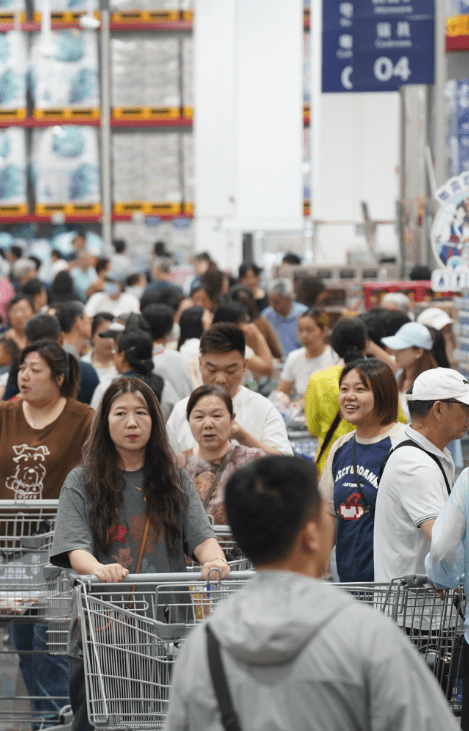
Core Insights - The article highlights the rise of "emotional economy" in Wuhan, with various new commercial spaces attracting young consumers through immersive experiences and emotional engagement [19][20]. Group 1: Consumer Behavior - The newly opened Sam's Club in Jiang'an District sees an average of over 25,000 visitors daily during the Dragon Boat Festival, with consumers engaging in tasting and experiential activities [1][3]. - Young consumers are not just purchasing products but are seeking emotional resonance, identity recognition, and spiritual healing through their shopping experiences [3][12]. - The trend of "emotional consumption" is evident as consumers are willing to pay for experiences that provide emotional satisfaction, such as immersive VR experiences and themed entertainment [19][20]. Group 2: Commercial Innovations - New commercial spaces like "Tongcheng Yinxing" and "Xian'an Fang" are integrating cultural and experiential elements to attract younger demographics, with "Tongcheng Yinxing" reporting over 100,000 visitors in its first month [11][12]. - The "Xian'an Fang" project, managed by a state-owned enterprise, has seen a significant influx of visitors, averaging over 50,000 daily during the holiday period, showcasing the success of experiential retail [11][12]. - Traditional shopping districts are evolving by incorporating new experiences, such as music-themed areas and immersive cultural activities, to enhance consumer engagement and emotional connection [6][14]. Group 3: Market Trends - The overall foot traffic and revenue for both new and established commercial entities have seen significant increases during the holiday, indicating a robust market response to the emotional economy [8][11]. - The "Wuhan Tiandi" commercial area reported an 18% year-on-year increase in foot traffic, with younger consumers becoming the primary demographic [12][19]. - The shift towards emotional consumption is driving the transformation of traditional retail into more immersive and culturally rich experiences, reflecting a broader trend in consumer preferences [19][20].

开市客2025财年第三财季营收净利双增,中国市场会员大量流失
2 1 Shi Ji Jing Ji Bao Dao· 2025-06-01 12:42
Core Insights - Costco reported a total revenue of $63.21 billion for Q3 FY2025, representing an 8.0% year-over-year growth, with net profit reaching $1.9 billion, up 13.7% [1] - Membership fee revenue increased to $1.24 billion, a 10.7% rise, contributing 65% to net profit, indicating strong member retention and profitability [1] - Despite global membership renewal rates exceeding 90%, the renewal rate in China is only 62%, highlighting challenges in the Chinese market [1][2] Financial Performance - For FY2024, Costco achieved a record total revenue of $254.4 billion, with 76.2 million paying members and a total cardholder count of 137 million [1] - Membership fee revenue for FY2024 was $4.8 billion, again accounting for 65% of net profit, showcasing the importance of the membership model [1] Market Strategy - Costco initiated a membership fee increase in the U.S. and Canada by 8% and 8.3% respectively, the first increase since 2017, affecting approximately 52 million members [1] - A new membership scanning system was implemented in U.S. stores to combat card sharing, potentially converting 4 million new members in North America [2] Competitive Landscape - In contrast to Costco, Sam's Club has expanded aggressively in China, with 56 stores and a sales figure exceeding 100 billion yuan, alongside a 40% increase in membership [2][3] - Costco's membership fee in China is higher at 299 yuan per year compared to Sam's Club's 260 yuan, which may hinder competitiveness [3] Operational Challenges - Costco's store locations in China are primarily suburban, which may limit access for urban consumers, as seen with the distance of stores from city centers [3][4] - The company faces challenges in delivery services, as its shipping fees are perceived as high compared to competitors offering free delivery on minimum purchases [3] Future Outlook - Costco plans to open 9 new stores in FY2025, with 7 in the U.S. and one each in Japan and Australia, indicating a lack of immediate expansion plans for the Chinese market [5]

前置仓能救大卖场?
3 6 Ke· 2025-05-31 03:07
Core Viewpoint - Major retailers are increasingly focusing on the "front warehouse" model as a strategy to address market pressures and enhance their operational efficiency in the face of declining foot traffic and sales [3][9][22]. Group 1: Industry Trends - Retail giants like Yonghui Supermarket and RT-Mart are accelerating the establishment of front warehouses to prevent further loss of market share in areas with many store closures [3][9]. - JD.com is shifting its strategy by integrating JD Seven Fresh and JD Grocery, moving away from the store-warehouse model to focus on front warehouses [3][9]. - Metro is also expanding its front warehouse capabilities, with new openings planned in Changchun to enhance its instant delivery capabilities [3][9]. Group 2: Business Model Transition - Yonghui Supermarket is transitioning from a "store-warehouse integration" model to a more independent front warehouse model, separating inventory between the front and back of stores [5][11]. - The success of Sam's Club, which operates nearly 500 front warehouses and achieves over 50% of its e-commerce sales through efficient delivery services, has influenced this shift in strategy among traditional retailers [5][7]. Group 3: Challenges and Considerations - The front warehouse model is seen as a response to the ongoing pressure on physical retail, with traditional stores facing competition from e-commerce, community group buying, and discount stores [9][11]. - Despite the potential benefits, the front warehouse model requires significant investment in infrastructure, including cold chain logistics and digital systems, with costs ranging from 500,000 to 3 million yuan per warehouse [11][13]. - The operational challenges include maintaining high order density and efficient inventory management, which many traditional retailers struggle with due to their existing supply chain structures [15][20]. Group 4: Profitability Concerns - High fulfillment costs remain a significant concern for the front warehouse model, with limited examples of profitability in the industry [16][22]. - Successful cases like Pupu and Dingdong Maicai highlight the importance of regional focus and high-density networks for achieving profitability, which may not be easily replicable on a national scale [16][18]. - Traditional supermarkets face difficulties in adapting their product offerings and supply chain management to meet the demands of the front warehouse model, which requires a shift towards high-turnover, high-margin products [20][22].

数十家超市曝出食品安全问题,“从农田到餐桌”多环节监督需加强
Guan Cha Zhe Wang· 2025-05-29 12:54
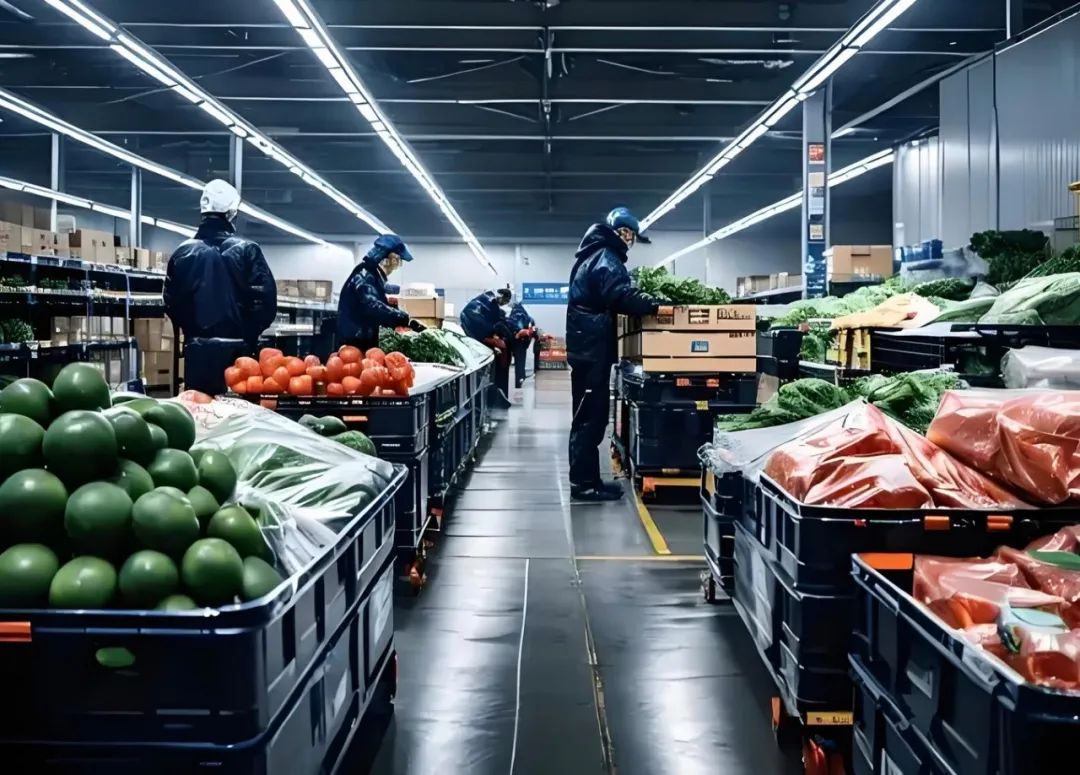
Group 1 - Recent food safety issues have emerged in supermarkets across China, involving various categories such as vegetables, meat, and packaged foods, with major chains like Yonghui, Metro, Sam's Club, and Walmart being implicated [1] - In January alone, Yonghui Supermarket received 52 new consumer complaints regarding food safety, covering products like fruits, juices, seasonings, and various meat categories [1] - Food safety problems typically stem from issues such as pesticide residue, heavy metal contamination, excessive use of food additives, and microbial pollution, with vegetables, seafood, and meat being the most affected categories [1] Group 2 - China's agricultural sector has a low level of intensification, making it difficult for regulatory oversight to cover all farmers, thus requiring operators to take on a role in quality assurance [2] - The State Council has proposed amendments to the Food Safety Law, emphasizing the need for a more scientific and rigorous food safety standard system, particularly for mandatory standards [2] - Food safety involves a comprehensive approach from farm to table, necessitating enhanced regulation throughout the entire process, from agricultural quality to consumer end [2]

山姆最新回应:已下架!
新华网财经· 2025-05-24 07:05
Core Viewpoint - A customer reported finding a suspected glass foreign object in a meat bun purchased from Sam's Club, raising concerns about product safety and quality control [1][5]. Group 1: Incident Details - The product in question is "Fresh Meat Bun," priced at 48.9 yuan per bag, containing 20 pieces, with a production date of March 13, 2025, and a shelf life of 12 months [3]. - The customer, Ms. Xu, contacted Sam's customer service after discovering the foreign object, but was dissatisfied with the offered compensation of a 300 yuan coupon [5]. Group 2: Company Response - Sam's Club acknowledged the incident and initiated an internal investigation, finding no abnormalities in the same batch of products and no other similar complaints from customers [5]. - As a precaution, the affected product has been removed from shelves and sealed for further investigation [5]. Group 3: Company Performance - Sam's Club, a subsidiary of Walmart, has opened 55 stores in China since its first store in Shenzhen in 1996, with projected revenue exceeding 100 billion yuan in 2024 [7]. - In the first quarter, Sam's Club's membership revenue grew by over 40%, with a 35% increase in membership fee income during the Chinese New Year sales season [7].

山姆会员店包子吃出玻璃;黄子韬卫生巾被炒到190元;男子躲深山7年手搓300辆车;雷军说小米YU7没三十几万下不来台……
Sou Hu Cai Jing· 2025-05-23 04:00
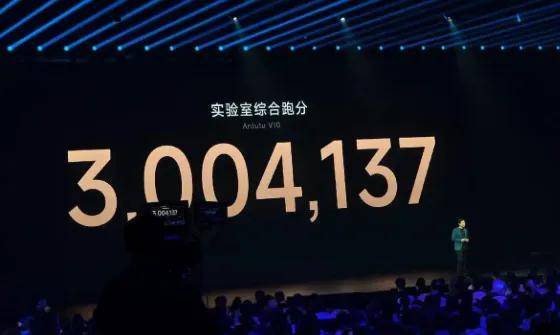
Group 1: Xiaomi's Chip Development - Xiaomi's founder Lei Jun introduced the new "Xuanjie O1" chip, which scored over 3 million on AnTuTu, aiming to compete with Apple [1][9] - Lei Jun acknowledged that Apple is at the top level globally and it is unrealistic to expect Xiaomi to surpass Apple immediately [3][9] - The Xuanjie O1 chip utilizes the advanced 3nm process technology and is designed with a self-developed AP architecture combined with a third-party baseband [11] Group 2: Xiaomi's Product Launch and Market Position - Xiaomi is set to hold a strategic product launch event featuring the Xuanjie O1 chip and the first SUV model YU7 [9] - The YU7 model is expected to be priced higher than 199,000 yuan, with Lei Jun suggesting it should be at least 30,000 yuan more than the Model Y priced at 263,500 yuan [7][9] - Xiaomi's SU7 series has achieved cumulative deliveries of 258,000 units [23] Group 3: Industry Context and Competitiveness - Xiaomi becomes the second Chinese manufacturer after Huawei to achieve mass production and commercialization of flagship SoC chips [9] - An industry insider noted that Xiaomi's chip team is highly competitive, indicating strong potential in the semiconductor market [11]
林武在济南调研时强调 着力稳外贸扩投资促消费 更好以人工智能赋能高质量发展
Da Zhong Ri Bao· 2025-05-23 01:02
Group 1: Foreign Trade and Investment - The provincial secretary emphasized the need to stabilize foreign trade, expand investment, and promote consumption to support high-quality economic development [1] - Companies such as Hongtian Clothing, Century Kaiyuan, and Lingong Heavy Machinery were visited to understand their production, export orders, and market expansion [1] - The focus is on integrating domestic and foreign trade, diversifying markets, and enhancing core competitiveness of foreign trade enterprises [1] Group 2: Artificial Intelligence Industry - The rapid iteration of artificial intelligence technology is leading a new round of technological revolution and industrial transformation [2] - Companies like Shensi Electronics, Ubot Robotics, and others were visited to gather insights on the latest products and technologies in AI applications [2] - There is a strong emphasis on promoting AI technology innovation, industry development, and application to open new spaces for high-quality development [2]

京东“联手”胖东来:刘强东放不下实体、于东来需要线上
3 6 Ke· 2025-05-23 00:08
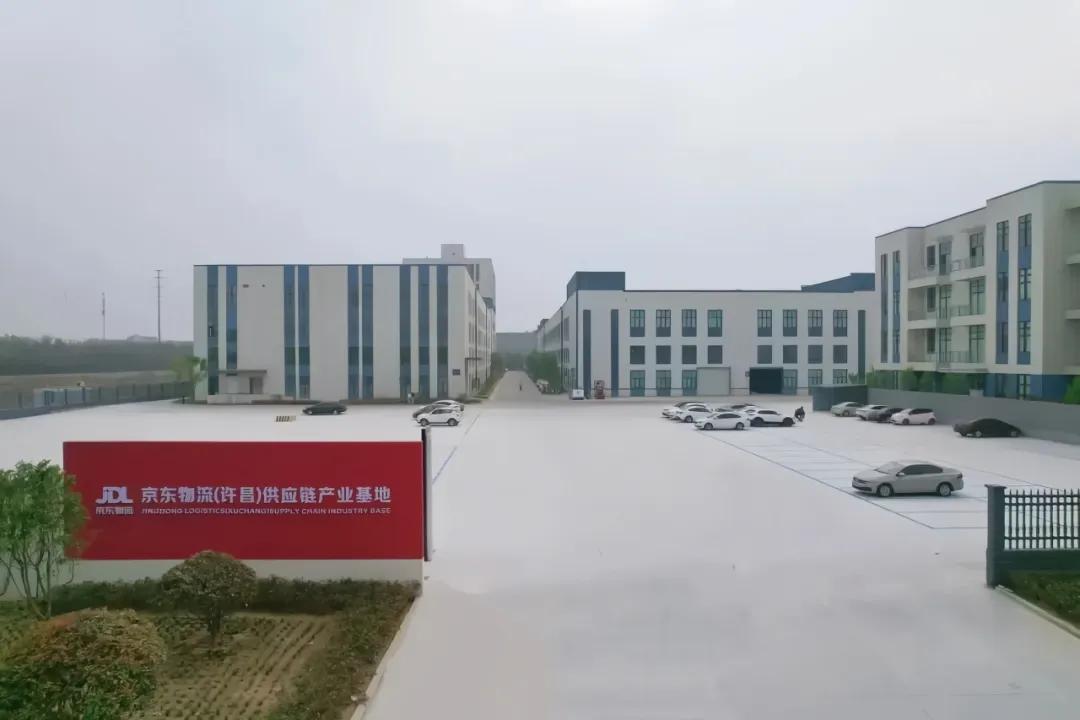
Core Insights - The collaboration between JD.com and Pang Donglai aims to enhance online shopping experiences and alleviate supply chain issues related to product capacity and logistics fulfillment [1][22][30] - The establishment of the JD Logistics (Xuchang) Supply Chain Industrial Base is a significant step for both companies, with an expected annual output value of approximately 2.5 billion yuan and tax revenue of 50 million yuan [1][3][32] Group 1: Supply Chain and Logistics - The supply chain industrial base will involve a total investment of 1.25 billion yuan and cover an area of about 185,000 square meters, including various product processing workshops [3][32] - Pang Donglai's over 100 self-owned brand products will utilize JD's logistics services to meet nationwide consumer demands, potentially resolving supply shortages of popular items [3][22] - The partnership represents a model of cooperation between traditional retail and e-commerce, showcasing the benefits of combining strengths [3][22][30] Group 2: Market Demand and Sales Performance - Pang Donglai's self-owned brand sales are projected to reach 2 billion yuan in 2024, accounting for 12% of total store sales and 25% of supermarket sales [4][21] - Despite efforts to control purchasing behavior, the demand for Pang Donglai's products remains high, leading to ongoing supply shortages [4][8][20] - The online sales channels, including WeChat Mini Programs and Douyin stores, have seen significant engagement, with the Douyin store amassing over 12.55 million followers and total sales of 3.079 million [8][10][20] Group 3: Future Prospects and Strategic Importance - The collaboration is expected to enhance JD's logistics capabilities and provide Pang Donglai with a robust online platform, potentially leading to the establishment of an official flagship store on JD [25][32] - JD's logistics network, with over 3,600 warehouses and a total storage area exceeding 32 million square meters, positions it well to support Pang Donglai's expansion [29][30] - The partnership is seen as a strategic move to address the challenges of supply chain management and improve overall consumer experience in the retail sector [30][34]

全球品牌中国线上500强中,美国品牌数量仅次于中国,反映出中美经济之间怎样的关联性?
Huan Qiu Shi Bao· 2025-05-22 08:12
Core Insights - The ranking of global brands in China reveals a significant interdependence between the US and Chinese economies, with American brands numbering 57, placing them second in the list [1] Market Dependency - American brands have a substantial presence in the Chinese market, generating $1.2 trillion in revenue, which accounts for 7% of their global sales, surpassing direct trade volumes between the two countries [1] - This dependency is evident not only in traditional consumer goods but also in upstream supply chains, such as Intel chips and Microsoft operating systems [1] Supply Chain Complementarity - The competitiveness of American brands relies on China's manufacturing capabilities, exemplified by Apple's assembly of iPhones in China, which integrates supply chains from Japan and Taiwan [3] - The "China manufacturing + American brand" model fosters a symbiotic relationship, allowing US consumers to bypass tariffs through cross-border e-commerce [3] Consumption Structure Upgrade - The demand for high-end brands among Chinese consumers, with Apple ranking among the top three, reflects a trend of consumption upgrading [3] - The rise of domestic brands in sectors like 3C digital and home appliances, such as Huawei and Xiaomi, creates differentiated competition with American brands, shifting the market from a "one-way input" to a "bilateral competition" [3] Economic Policy and Industrial Competition - The relative advantage of American brands in China highlights both their global capabilities and vulnerabilities in the Chinese market [3] - For instance, Sam's Club in China outperforms its US counterparts, indicating American companies' reliance on the Chinese market for excess profits [3] - US government policies restricting Chinese investments in the US inadvertently strengthen the first-mover advantage of American brands in China [3] Technology Standards and Innovation Linkage - The ranking shows that American brands are predominantly in high-tech sectors, while Chinese brands excel in application scenario innovations, such as Xiaomi's ecosystem and Huawei's 5G [4] - This dynamic reflects a balance in the innovation chain, where the US leads in foundational technologies while China expands application ecosystems [4] Deep Insights - The intertwined nature of the US and Chinese economies is evident, with American companies leveraging brand premiums for high profits, while Chinese firms utilize manufacturing capabilities and market size for technological advancement [5] - This relationship is a result of globalized division of labor and suggests that future competition will increasingly focus on standard-setting in emerging areas like AI ethics and data sovereignty [5] - The ranking not only represents consumer preferences but also serves as a microcosm of the shifting economic strengths between the two nations [5]
行业周报:618大促拉开帷幕,关注国货美妆表现
KAIYUAN SECURITIES· 2025-05-19 02:15
Investment Rating - The investment rating for the retail industry is "Positive" (maintained) [2] Core Insights - The retail industry is experiencing a significant shift with the 618 e-commerce promotion, characterized by extended activity periods and simplified consumer engagement strategies [27][28] - Domestic beauty brands are showing strong performance, with notable sales figures during the 618 promotion, indicating a trend of rising domestic products [5][32] Summary by Sections Retail Market Review - The retail industry index rose by 1.72% during the week of May 12 to May 16, outperforming the Shanghai Composite Index by 0.96 percentage points [7][16] - The internet e-commerce sector saw the highest growth, with a weekly increase of 5.81%, while the brand cosmetics sector led the year-to-date performance with a 20.30% increase [19][22] 618 Promotion Insights - The 618 e-commerce promotion has begun, with platforms like Taobao, Douyin, and JD extending their promotional periods and simplifying discount mechanisms to enhance consumer experience [27][28] - Sales performance during the promotion has been strong, with Li Jiaqi's live stream achieving a GMV of 25-35 billion yuan on the first day, showcasing the rising dominance of domestic beauty brands [5][32] Investment Recommendations - Focus on high-quality companies in the emotional consumption theme, particularly in sectors like gold jewelry, offline retail, cosmetics, and medical aesthetics [8][35] - Recommended companies include Lao Pu Gold, Chao Hong Ji, Mao Ge Ping, Peiliya, Juzi Biology, and Shangmei Shares, which are expected to benefit from current market trends [38]