德勤

Search documents
产品运营职场最重要的能力提升技巧
Sou Hu Cai Jing· 2025-08-21 12:35
Core Insights - The article emphasizes the importance of product operations as a critical link between products, users, and commercial value, highlighting the need for systematic improvement in data-driven decision-making capabilities [1] User Insight Capability - Effective user insight should combine quantitative behavior data and qualitative scene interviews, moving away from intuition-based approaches [3] - Utilizing tools to extract key user behavior data, such as click heatmaps and usage frequency, is essential for identifying experience gaps [3] - A case study illustrates that simplifying a complex registration process led to an 18% increase in retention for a specific user group after identifying the issue through data analysis [3] Data Analysis Capability - Advanced data analysis requires a comprehensive approach from problem definition to strategy output, moving beyond basic Excel skills [5] - Mastery of tools like SQL for data extraction and Python or R for advanced modeling is crucial, as taught in the CDA data analyst course [5] - A practical example shows that implementing a "free shipping" strategy based on user behavior analysis resulted in a 12% increase in conversion rates [5] CDA Data Analyst Certification - The CDA data analyst certification is highly recognized in the data field, comparable to CPA and CFA certifications, and is recommended by authoritative media [6] - Many companies prioritize CDA certification in their hiring processes, especially in technical roles within banks and financial institutions [9] Employment Opportunities and Salary - Job roles for CDA certified individuals include data analyst positions in major internet companies, technical roles in finance, business intelligence consultants, and market research [11] - The starting salary for these positions is around 15K+, with a significant industry demand for skilled professionals [11] Content Operation Capability - Content creation should be informed by data rather than assumptions, focusing on building trust and value with users [13] - Analyzing user profiles and content preferences can enhance content effectiveness, as demonstrated by a knowledge payment team that increased conversion rates by adjusting content structure based on data insights [13] Phased Capability Enhancement Path - Initial Stage (0-1 year): Focus on foundational skills in data processing and basic analysis, participating in practical projects to develop business acumen [15] - Intermediate Stage (1-3 years): Learn SQL and Python for multidimensional data analysis, aiming to obtain CDA Level I certification [16] - Advanced Stage (3-5 years+): Master predictive modeling and machine learning applications, potentially obtaining CDA Level II certification to enhance strategic influence [17] Conclusion - Continuous accumulation and validation of skills in product operations and data analysis are essential for career advancement in a competitive job market [17]


人机共舞:蓝领人才价值跃迁,优蓝国际(YOUL)锚定AI+机器人时代结构性红利
Ge Long Hui· 2025-08-21 08:56
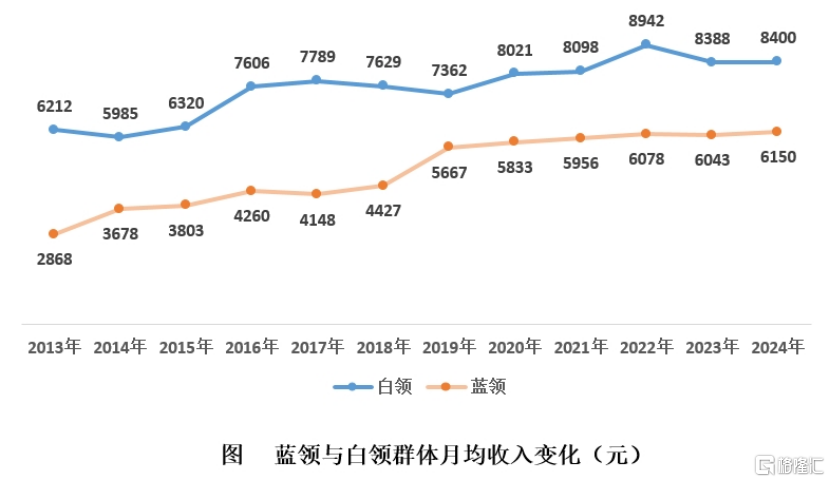
Core Insights - The essence of technological disruption is value migration rather than job elimination, with human-machine collaboration expected to enhance the capabilities of 400 million blue-collar workers in China [1] - The company plans to focus on high-skill blue-collar vocational education and training as a core direction for the next three years, with potential for a separate listing if the vocational education segment successfully transforms [1] Group 1: Understanding the Nature of Change - Current robotics and AI technologies have limitations in adapting to complex environments, executing precise operations, and providing emotional connections, which slows down their replacement of jobs [2] - A more cost-effective "human-machine collaboration" model is emerging, creating a strong demand for "new blue-collar" workers who can operate, program, and maintain robots [2][3] - The real impact of AI and robotics will be on low-skill, repetitive, or hazardous jobs, pushing blue-collar roles towards higher skill requirements and more human-machine interaction [3] Group 2: Capturing Dual Growth - Historical evidence shows that technological changes create new opportunities, with the current AI and robotics revolution expected to lead to "dual growth" in blue-collar employment [4] - The blue-collar workforce in China has reached 425 million, with a shift from traditional labor to "skill + technology composite" roles, and the average monthly income for blue-collar workers is projected to be 6,150 yuan in 2024, reflecting a 1.77% increase [4] - The proliferation of smart devices in manufacturing is creating new roles such as industrial robot maintenance technicians, which require a combination of traditional skills and new technical capabilities [7] Group 3: Strategic Importance of the Company - The technological transformation is expected to increase the strategic importance of the company, evolving its role from merely providing labor to becoming a key enabler of skills and driving transformation [7] - The company is positioned to benefit from a deeper professional moat, wider ecological barriers, and greater market potential due to the creation of new demands and services [7] - AI and robotics will reshape rather than eliminate blue-collar talent demand, unlocking unprecedented potential, with the company acting as a crucial facilitator of this technological change [8]

英国通胀爆表
第一财经· 2025-08-21 01:06
Core Viewpoint - UK inflation pressure has surged again, with July's Consumer Price Index (CPI) rising 3.8% year-on-year, marking an 18-month high and making the UK the fastest-growing major developed economy in terms of price increases [3][4]. Inflation Drivers - The primary drivers of the CPI increase are transportation and energy sectors, particularly a significant rise in airline ticket prices, which jumped approximately 30% due to peak summer travel. Additionally, fuel prices contributed 0.1% to the inflation rate, while hotel accommodation and soft drink prices also pushed the CPI higher [5][6]. Service Sector Inflation - The service sector's inflation rate rose to 5.0% in July, up from 4.7% in June, indicating strong domestic inflationary pressures. The core inflation rate, excluding volatile items like energy and food, also increased slightly from 3.7% to 3.8%. Food and non-alcoholic beverage prices rose 4.9% year-on-year, the highest since February 2024 [6][9]. Comparison with Other Economies - The UK's inflation rate is higher than that of other developed economies due to several factors, including regulatory lag in energy price adjustments and a tight labor market post-Brexit, which has led to persistent inflationary pressures. Nominal wage growth remains around 5%, contributing to a potential wage-price spiral [9][10]. Monetary Policy Implications - Following the inflation data release, the British pound strengthened slightly, indicating investor expectations for the Bank of England to maintain a tight monetary stance for a longer period. The central bank faces a dilemma between preventing inflation from rising further and considering the costs of excessive tightening amid weak economic growth [10][11].

通胀再爆表!重夺发达经济体“通胀冠军”,英国CPI为何远高于美欧?
Di Yi Cai Jing· 2025-08-21 00:23
疲软的增长前景,爆表的通胀数据,已使英国央行陷入两难。 英国通胀压力再度陡然上升。 当地时间周三(20日),英国国家统计局发布的数据显示,英国7月消费者价格指数(CPI)同比上涨 3.8%,高于预期,创下18个月新高,使英国再度成为全球主要发达经济体中物价增速最快的国家。 虽然这一水平显著低于2022年10月能源价格飙升时曾达到的11.1%峰值,但仍表明英国通胀正处于顽固 高位。与此相比,美国7月通胀同比增速为2.7%,欧元区仅为2%。 什么推高了英国CPI? 物价上涨的直接推手主要来自交通和能源等领域。7月通胀加速的最大推动因素是交通运输成本,特别 是航空机票价格的大幅上涨。暑期出行高峰导致英国出境航班票价单月跳涨约30%。此外,汽油等燃料 价格相比去年同期有所回升,对通胀增速贡献了0.1%。酒店住宿价格和软饮料价格的上涨,同样推高 了6月至7月间CPI的年化增速。 从分项数据看,英国服务业价格涨势尤其引人关注。7月服务业通胀率攀升至5.0%,高于6月的4.7%。 服务业通胀被视为衡量国内潜在价格压力的关键指标,其走高显示本土通胀动力依然强劲。 剔除能源、食品等波动项目后,英国7月核心通胀率也略有上行,从6 ...

国元证券晨会纪要-20250819
Guoyuan Securities2· 2025-08-19 03:49
Core Insights - The report highlights significant developments in the U.S. debt market, with a notable increase in yields for various maturities, indicating potential shifts in investor sentiment and economic outlook [4][5]. - The A-share market has reached a milestone, with the total market capitalization surpassing 1 trillion yuan, reflecting growing investor confidence [4]. - The report notes a decline in China's smartphone market shipments by 4.1% in Q2, suggesting challenges in consumer electronics [4]. Economic Data - The Baltic Dry Index closed at 2044.00, up by 0.25%, indicating a slight increase in shipping costs [5]. - The Nasdaq Composite Index closed at 21629.77, with a marginal increase of 0.03%, while the Dow Jones Industrial Average decreased by 0.08% to 44911.82 [5]. - The ICE Brent crude oil price rose by 0.93% to $66.46, reflecting fluctuations in global oil markets [5]. - The USD/CNY exchange rate was reported at 7.18, with a slight increase of 0.13%, indicating currency market dynamics [5]. - The Hang Seng Index closed at 25176.85, down by 0.37%, while the Shanghai Composite Index increased by 0.85% to 3728.03, showing mixed performance in the Hong Kong and mainland markets [5].
德勤:建议分阶段延长港股交易时段
2 1 Shi Ji Jing Ji Bao Dao· 2025-08-18 09:29
Group 1 - The Hong Kong government is set to release its fourth policy report in September, with Deloitte suggesting several measures to enhance the stock market, including extending trading hours and reducing transaction taxes [1] - Deloitte recommends a phased extension of the Hong Kong stock market trading hours to 18:00, aligning with major European markets, and potentially moving towards 24-hour trading to attract international investors from different time zones [1] - The extension of trading hours is seen as a way to increase market liquidity, enhance competition, and improve the price discovery mechanism for listed companies [1] Group 2 - There has been a significant inflow of southbound funds into the Hong Kong stock market this year, with daily trading volume increasing by approximately 1.3 times, accounting for 23.1% of total trading volume, and net purchases reaching HKD 731.2 billion, which is 91% of last year's total [2] - Deloitte suggests that the Hong Kong government should consider expanding the Southbound Stock Connect to enhance liquidity, proposing a reduction in the asset threshold for individual investors from HKD 500,000 [2] - To attract more local and overseas funds, especially from the Middle East and ASEAN regions, Deloitte recommends expanding investment products and establishing capital market service stations in Jakarta and Bangkok to engage with regional investors [2]

亚马逊数据中心投资1000亿美元,相当于哥斯达黎加GDP总量
Sou Hu Cai Jing· 2025-08-15 11:48
Group 1 - Amazon's annual capital expenditure on data center infrastructure exceeds $100 billion, comparable to the entire GDP of Costa Rica, and surpasses the GDP of Luxembourg and Lithuania [2] - Other major cloud providers also show significant investment: Google at $82 billion, Microsoft at $75 billion, and Meta at $69 billion, all exceeding the GDP of various countries [2] - Omdia predicts global data center capital expenditure will surpass $657 billion by 2025, nearly doubling from $330 billion in 2023 [2] Group 2 - The demand for AI computing resources continues to exceed supply, driven by the development of larger models like GPT-5 and widespread AI adoption, with over 700 million ChatGPT users [3] - IT equipment remains the largest cost item in data centers, but spending on physical infrastructure is growing faster due to the need for new solutions in power generation, distribution, and thermal management for high-power AI servers [3] - Data center construction is accelerating, with larger capacity sites emerging, including multi-gigawatt facilities that could match the entire current capacity of countries like Canada [3][4] Group 3 - Meta has announced several multi-gigawatt campuses planned to come online starting in 2026, with some early-stage projects potentially exceeding 5 gigawatts [4] - The rapid growth in data center investment is primarily driven by the ongoing demand for computing power to support AI development [5] - Future data centers are expected to feature significant innovations in cooling and power supply to accommodate increasing computational density [3]



从中国返美,AI专家余震难消:这场竞赛或许已经结束
Guan Cha Zhe Wang· 2025-08-15 01:36
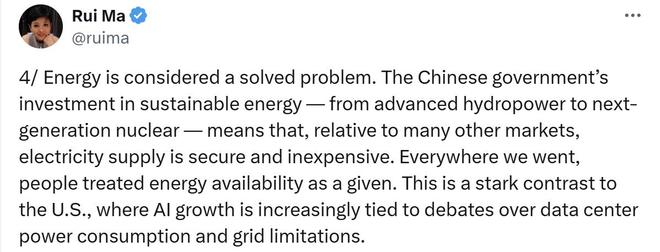
Core Insights - The article highlights the stark contrast between China's and the United States' capabilities in supporting AI development through energy infrastructure, with China being significantly ahead in terms of power supply reliability and capacity [1][2][4]. Group 1: AI Development and Energy Infrastructure - Data centers are crucial for the growth of the AI industry, with McKinsey predicting a need for $6.7 trillion in investments for new data centers globally from 2025 to 2030 to meet AI demands [2]. - In the U.S., the current state of the power grid is a major hindrance to the development of data centers, with Deloitte identifying grid pressure as the largest obstacle [2][5]. - In contrast, China has a robust energy infrastructure, with an average annual power demand increase that exceeds Germany's total annual consumption [2][4]. Group 2: Power Supply and Capacity - China's energy strategy has resulted in a power reserve margin of 80% to 100%, meaning its actual supply capacity is at least double the demand [4][5]. - The U.S. typically has a reserve margin of only 15%, which can drop even lower during extreme weather events, making it difficult to accommodate the additional load from AI infrastructure [5][6]. - China can utilize idle coal power plants to meet future AI energy demands, while the U.S. faces lengthy approval processes and local opposition for new power generation projects [5][6]. Group 3: Governance and Investment Models - The differences in energy infrastructure development stem from the contrasting governance models of China and the U.S., with China having a long-term, bureaucratic approach to energy planning [6][7]. - U.S. infrastructure projects rely heavily on private investment, which often seeks short-term returns, making it challenging to align with the long-term nature of energy projects [6][7]. - The pragmatic approach of Chinese policymakers allows for a focus on efficiency and results, while political divisions in the U.S. often stall infrastructure projects [7][8].
审计行业期待AI赋能 多重瓶颈如何突破?
Zheng Quan Shi Bao· 2025-08-13 17:45
Core Viewpoint - The auditing industry is experiencing collective anxiety due to the rapid advancement of technology, while traditional auditing methods remain stagnant, necessitating the integration of AI to enhance efficiency and accuracy in auditing processes [1][2]. Group 1: Challenges in Traditional Auditing - Traditional auditing relies heavily on manual processes, leading to inefficiencies and high labor costs, with a significant risk of missing critical data due to outdated sampling methods [2][3]. - The industry faces challenges such as subjective judgment affecting audit standards and the inability to thoroughly verify internal control systems [2][3]. Group 2: AI Empowerment in Auditing - AI technology offers solutions by enabling comprehensive data processing, risk identification, and automation of repetitive tasks, thus improving efficiency and precision in audits [2][3]. - Examples of successful AI applications include the use of algorithms for anomaly detection in large-scale audits, as demonstrated by a project completed by Elon Musk's team in just three days [3]. Group 3: Industry Adoption and Differentiation - Larger accounting firms are more inclined to adopt AI due to their resources and client base, allowing them to achieve economies of scale in AI applications [3][4]. - Smaller firms exhibit caution in adopting AI due to the lack of publicly available data and standardized information from their clients, which limits the effectiveness of AI tools [4]. Group 4: Real-World Challenges in AI Implementation - The implementation of AI in auditing faces several obstacles, including high initial costs, ongoing maintenance expenses, and the need for data integration [5][6]. - Data quality issues and the lack of standardized systems hinder effective model training, while the complexity of AI algorithms raises concerns about transparency and understanding among auditors [5][6]. Group 5: Collaborative Efforts for AI Integration - A multi-faceted approach involving policy, regulation, industry collaboration, and educational institutions is essential for the successful integration of AI in auditing [6][7]. - Recommendations include establishing a compliance review platform for AI in auditing, creating a data-sharing platform for historical financial data, and enhancing talent development through collaboration between educational institutions and the industry [7][8].
产品运营职场最重要的能力提升技巧?进阶秘籍来了
Sou Hu Cai Jing· 2025-08-13 13:40
Core Insights - The article emphasizes the importance of mastering core skills in product operations to stand out in the workplace, particularly through data analysis capabilities [1][15] - Obtaining the CDA Data Analyst certification is highlighted as a valuable way to enhance data analysis skills, which are crucial in the era of big data [1][15] CDA Data Analyst Certification - The CDA Data Analyst certification is recognized as one of the most prestigious in the data field, comparable to CPA and CFA certifications, and is recommended by authoritative media [3] - Many companies prioritize CDA certification in their hiring processes, especially in technical roles within banks and financial institutions [5] Employment Opportunities - Potential job roles for CDA certified individuals include data analyst positions in major internet companies, technical roles in finance and banking, business intelligence consultants, market researchers, and product operations [6] Salary Expectations - The starting salary for positions requiring CDA certification is reported to be over 15,000 yuan, indicating a significant demand in the industry [7] Product Operations Skills - Effective product operations revolve around understanding user needs, which can be achieved through various stages of user engagement and analysis [9] - Successful event planning is crucial for enhancing product visibility and user engagement, with a structured approach to activity management being essential [11] - Cross-departmental collaboration is vital for efficient project execution, requiring clear communication and conflict resolution skills [13] Conclusion - To excel in product operations, professionals should focus on developing skills in data analysis, user insights, event planning, and cross-department collaboration, while considering obtaining the CDA Data Analyst certification for career advancement [15]