淘宝

Search documents
移卡第三季度海外业务GPV近13亿元,超去年全年
Sou Hu Cai Jing· 2025-11-24 06:35
Core Insights - The company reported a strong growth in overseas business, with a single-quarter GPV (Gross Payment Volume) nearing 1.3 billion RMB, surpassing the total overseas GPV of approximately 1.1 billion RMB from the previous year, and showing a 50% increase from 800 million RMB in the second quarter of this year [2] Overseas Business Performance - The company continues to empower international clients through its one-stop payment services and value-added service product lines [2] - The investment in Fushi Technology has expanded the service range, diversifying the merchant industry mix to include education, apparel, and beauty service providers [2] Domestic Business Development - The domestic merchant and partner ecosystem has become more comprehensive, collaborating with SaaS industry partners like Meituan to enhance service quality for merchants and consumers [2] - Joint acquiring partnerships with banks have further solidified the development foundation, driving sustainable profit growth in domestic one-stop payment services, with a payment transaction volume reaching 6.163 trillion RMB in the third quarter [2] Value-Added Services Expansion - The company has made significant progress in expanding vertical industry clients, successfully partnering with well-known platforms such as Taobao, Ctrip, and Didi [2] - The transaction volume of AI-generated digital human videos has continued to rise in the third quarter, further enhancing the sustainability of the company's overall profitability [2]

移卡(09923.HK)Q3业绩强劲增长:海外业务交易量保持高速增长,AI数字人视频交易量持续攀升
Ge Long Hui· 2025-11-24 00:17
Core Insights - The company continues to demonstrate strong growth momentum in Q3 2025, actively diversifying its business and providing one-stop payment and value-added services to domestic and international brand clients [1] Group 1: Overseas Business Expansion - The overseas payment transaction volume (GPV) reached approximately RMB 1.3 billion, a 50% increase from RMB 800 million in Q2 2025 and surpassing the total overseas GPV of RMB 1.1 billion for the entire previous year [2] - The company has diversified its merchant industry mix overseas, covering sectors such as education, apparel, and beauty services, while expanding its service range through investments in companies like Fushi Technology [2] Group 2: Domestic Business Growth - Domestic GPV reached RMB 616.3 billion, supported by partnerships with SaaS industry ecosystem partners like Meituan, enhancing service quality for merchants and consumers [2] - The number of partnerships with SaaS and joint acquiring banks has continued to increase, providing robust support for long-term growth [2] Group 3: Value-Added Services Performance - The company has made significant progress in expanding its vertical industry client base, acquiring notable e-commerce clients such as Taobao, Ctrip, and Didi [3] - The transaction volume of AI-generated digital human videos has continued to rise, reinforcing the company's leading position in AI applications [3] - The in-store e-commerce business has achieved monthly profitability since Q2 2025, with successful overseas market expansion [3]

从“买商品”到“享服务” 我国消费市场向“质”升级
Xiao Fei Ri Bao Wang· 2025-11-23 23:57
Group 1: Core Insights - The recent "Double 11" shopping festival highlights a clear path for the upgrade of China's consumer market towards quality, driven by the popularity of smart technology products and service consumption [1][2][4] Group 2: Smart Technology Consumption - Smart technology products have significantly influenced consumer behavior, with over 50% of shopping carts containing such items during the festival [3] - Policies aimed at boosting consumption have led to an 18.2% year-on-year increase in sales of digital electronic products in the first three quarters of the year [3] - The average consumer purchased 4.9 categories of goods, with a notable rise in demand for quality products like digital devices and smart home appliances [4] Group 3: Service Consumption Growth - Service consumption emerged as a new highlight during "Double 11," with hotel orders increasing nearly 8 times and flight bookings up 6.3 times year-on-year [5] - The shift towards a balanced consumption structure between goods and services is evident, with service retail sales growing by 5.2% in the first nine months of the year, outpacing goods retail sales [6][7] Group 4: Emotional and Cultural Consumption - Emotional connection and cultural identity are becoming key drivers of new consumption scenarios, expanding the domestic demand space [8] - The popularity of emotional consumption is reflected in the significant growth of products related to emotional engagement, such as blind boxes and game peripherals, with some categories seeing over 100% week-on-week growth [9] - The integration of traditional aesthetics with modern design is enhancing product competitiveness, as seen in brands that incorporate traditional craftsmanship into contemporary offerings [10]
消费观察|绕开巨头打差异化竞争,Qpon上线一年“收割”印尼4300万用户
Sou Hu Cai Jing· 2025-11-23 16:57
"这一结构性空白为Qpon提供了差异化切入的契机"。Qpon相关业务负责人向记者表示,Qpon定位不是 单纯的外卖或内容平台,而是将线下店铺线上化经营,移植了国内成熟的"省钱+社交"玩法,并结合本 地用户习惯进行创新。例如,每日早7点准时开启的闪购活动,已成为印尼年轻人的消费习惯;基于邀 请码的社交传播机制,则有效降低了获客成本。在产品层面,Qpon融合了短视频内容、真实用户点评 与即时优惠信息,通过算法为用户智能筛选优质商家与高性价比优惠,有效缩短了从浏览、决策到消费 的路径。当前,Qpon的连锁品牌覆盖率方面达到了80%,以超过5万家有效门店覆盖数位列印尼市场第 一。 不过,Qpon的进一步发展也存在多项挑战。Qpon方面表示,比如,在到店场景,TikTok凭借内容生态 与流量优势强势渗透,外卖领域则有Gojek、Grab 等本土巨头占据主导地位,整体市场竞争日趋激烈。 同时,如何平衡补贴投入与可持续发展,并应对不同地区的消费差异,成为平台必须解决的课题。 外卖、点评、生鲜极速到家……今年以来,本地生活服务赛道竞争激烈,美团、抖音、淘宝、京东等巨 头围绕"到店 - 到家"业务展开的角逐如火如荼。在巨头之外 ...

盘点今年“双11”的新变化
Ren Min Ri Bao Hai Wai Ban· 2025-11-20 22:56
Core Insights - The 2025 "Double 11" shopping festival has shown significant growth in consumer engagement and sales across various online platforms, with notable increases in user numbers and order volumes [7][10][17] E-commerce Performance - JD.com reported a 40% increase in the number of users placing orders and a nearly 60% increase in order volume during the "Double 11" period [7] - Douyin (TikTok) saw over 67,000 brands doubling their sales compared to the previous year, with over 100,000 merchants achieving similar results through live streaming [7] - Tmall indicated that new users from Taobao Flash Sales exceeded 100 million during the "Double 11" period [7] Consumer Behavior Trends - Consumers are shifting from a focus on low prices to seeking better shopping experiences and efficiency [7] - The trend of rational consumption is becoming more pronounced, with consumers preferring to make informed purchasing decisions rather than impulsive buys [13] Technological Integration - AI technology is being widely adopted in e-commerce, enhancing shopping experiences and decision-making processes for consumers [9][10] - JD's AI customer service, "Jing Xiaozhi 5.0," has improved user satisfaction by 15% and increased conversion rates by 37% for merchants [10] - Tmall's generative AI has produced 150 million images and videos during the "Double 11" period, showcasing the impact of AI on content creation [12] Extended Shopping Period - The "Double 11" shopping period has been extended to over 30 days, with pre-sales starting as early as October 7, marking the longest shopping festival duration to date [13][14] Marketing Strategies - E-commerce platforms are simplifying promotional strategies, focusing on targeted discounts rather than broad-based giveaways [14] - The dual focus on product and service consumption has emerged, with significant growth in service-related purchases such as travel and dining during the festival [14][15] Online-Offline Integration - There is a deeper integration of online and offline shopping experiences, with consumers able to experience products in-store while also having the option to order online for home delivery [16] - Instant retail has gained traction, with platforms like JD and Meituan seeing significant increases in order volumes and brand participation during the "Double 11" [17][18]




三季度营收承压但净利润增长83.6% ,闪送押注多场景配送能否在巨头夹击下破局?
Mei Ri Jing Ji Xin Wen· 2025-11-20 15:05
Core Insights - Flash Delivery is facing significant challenges in the competitive landscape of instant delivery services, particularly from major players like Meituan and Taobao [1][2] Financial Performance - In Q3, Flash Delivery reported revenue of 1.412 billion yuan (approximately 100.54 million USD), a decrease from 1.1548 billion yuan in the same period last year [1][2] - The total order volume for Q3 was 63.2 million, down from 64.8 million in Q2 and 73.3 million in Q3 of the previous year [2] - Despite the decline in revenue and order volume, the net profit for Q3 was 43.7 million yuan (approximately 6.1 million USD), marking an 83.6% increase compared to a net loss of 13.4 million yuan in the same quarter last year [1][2] Cost Structure - Total operating expenses for Q3 were 97.7 million yuan, up 16.1% from 84.2 million yuan in the same period last year [2] - General and administrative expenses surged to 37 million yuan, a 105.2% increase from 18.1 million yuan in the previous year, primarily due to rising professional service fees and stock incentive costs [3] - Research and development expenses decreased by 20.1% to 17.7 million yuan, attributed to lower employee costs [3] Market Competition - The intense competition from major platforms has pressured Flash Delivery's market share, with the "takeaway war" escalating throughout the instant delivery sector [1][2] - Flash Delivery's management indicated that the focus of competition is shifting from low prices to improved service quality as subsidies decline and regulations stabilize [1] Strategic Initiatives - The company is investing in expanding service scenarios and optimizing user experience to differentiate its on-demand delivery model [1][6] - New services such as shopping assistance, package collection, gift delivery, and luggage delivery are being introduced, with a 15% increase in daily delivery volume for these services in Q3 [6] - Flash Delivery is exploring drone delivery services to enhance operational efficiency and meet high-frequency user demands [6]

网络营销推广基础术语
Sou Hu Cai Jing· 2025-11-20 09:16
Core Points - The article provides an overview of essential terms and concepts related to online marketing, particularly focusing on search engine optimization (SEO) and search engine marketing (SEM) [1][3][20] Group 1: Search Engine Optimization (SEO) and Marketing (SEM) - SEO is defined as a method to improve a website's natural ranking in search engines by utilizing their rules [1] - SEM encompasses various methods including SEO, paid rankings, targeted advertising, and paid inclusion, leveraging users' reliance on search engines to deliver information to target users [3] - Effective search engine promotion requires five basic elements: information source (webpage), search engine index database, user search behavior and results, user analysis of results, and clicks on selected results [3] Group 2: Key Marketing Strategies - Successful search engine promotion can be summarized in eight key steps, including selecting SEM strategies, determining target search engines, and managing bidding [4] - Keywords play a crucial role in online marketing, as they are the specific terms or phrases users search for to find products or services [7] - The concept of keyword density is introduced, indicating the ratio of a specific keyword's occurrences to the total number of words on a webpage, with an optimal density of 6-7% considered high quality [7] Group 3: Website Optimization Techniques - The importance of links is highlighted, with external links being crucial for website optimization, as they influence the website's weight in search engines [9] - Internal links connect different pages within the same website, enhancing navigation and SEO [10] - The design of webpage titles and descriptions is emphasized, with each page needing a unique title that reflects its core content and includes effective keywords [11][13] Group 4: New Media and Self-Media - New media is characterized by the use of digital technology to provide information and services, contrasting with traditional media [16] - Self-media refers to the ability of individuals to publish their own news and information through digital platforms, democratizing content creation [17] - Various platforms for self-media are listed, including WeChat public accounts, Toutiao, and Zhihu, which serve as significant channels for content dissemination [18]

除了12315,还有哪些正规投诉渠道值得选择?
Xin Lang Cai Jing· 2025-11-20 08:21
在日常生活中,消费纠纷 【下载黑猫投诉客户端】时有发生。面对商家的不诚信行为、服务质量差、 产品质量问题等,许多消费者首先想到的是拨打12315热线或通过其线上平台进行投诉。作为国家市场 监督管理总局直属的官方投诉举报平台,12315依托行政监管力量,处理效率较高、公信力强,尤其在 涉及食品安全、价格欺诈、虚假宣传等重大侵权事件时,往往能起到关键作用。 然而,随着消费场景日益多元、维权需求不断细分,仅依靠12315可能无法完全覆盖所有类型的消费争 议。尤其在某些行业或特定情形下,其他投诉渠道或许更具针对性、响应更快、操作也更便捷。今天, 我们就来梳理一下,除了12315之外,还有哪些正规、有效的投诉渠道可供选择。 一、行业主管部门投诉渠道 不少行业设有专门的监管机构或行业协会,接受消费者投诉并协调处理。这类渠道的优势在于专业性 强,对行业内常见问题有成熟的处置经验。 通信领域:如遇到运营商套餐乱收费、信号覆盖差、携号转网受阻等问题,可向工业和信息化部(工信 部)投诉,通过"工信部电信用户申诉受理中心"官网或12381电话进行申诉。该渠道对三大运营商约束 力强,处理流程规范。 金融消费:涉及银行、保险、证券等金 ...
品牌商、经销商,不要低估闪电仓
3 6 Ke· 2025-11-19 11:39
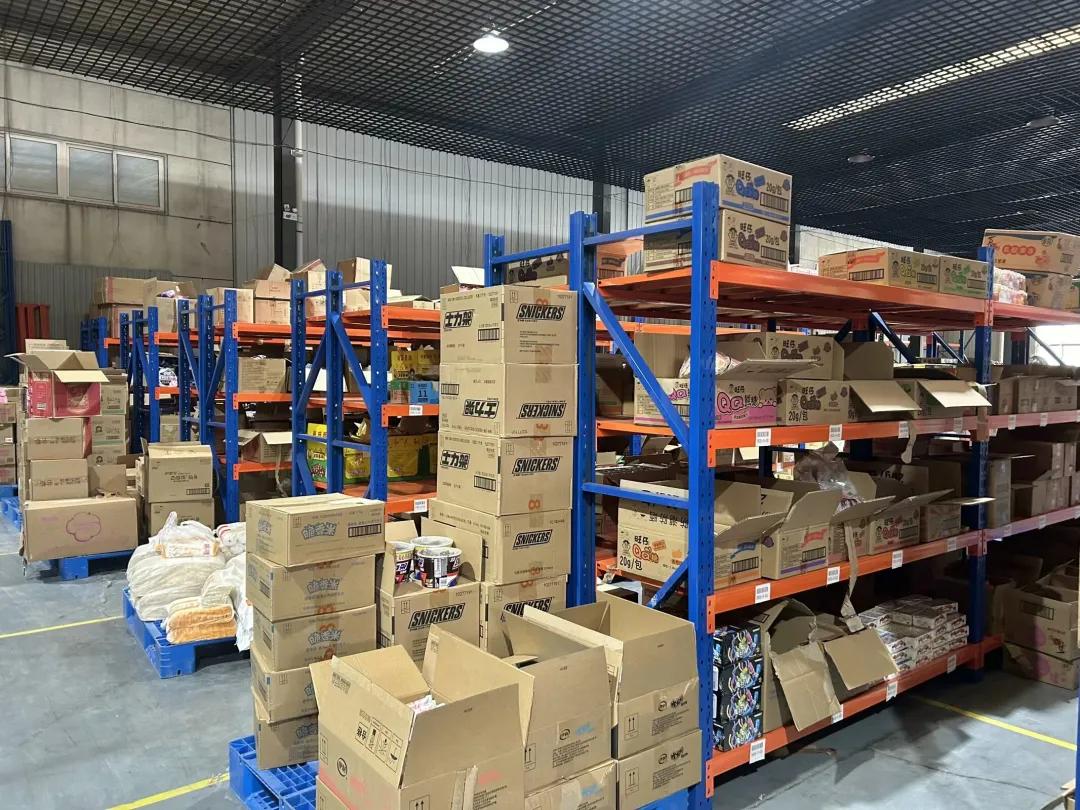
Core Insights - The rapid expansion of flash warehouses in the instant retail sector is a significant trend, with Meituan's flash warehouse count exceeding 5,000 in September 2023 and projected to surpass 30,000 by October 2024, ultimately aiming for over 100,000 by 2027, with a market scale exceeding 200 billion [1][9]. Group 1: Reasons for Rapid Expansion - Flash warehouses are filling a gap in consumer demand for instant retail, offering a wider SKU range (4,000-10,000) and faster delivery (30 minutes), which traditional convenience stores struggle to provide due to limitations in inventory and replenishment frequency [4][5]. - The operational efficiency of flash warehouses, characterized by a higher SKU count, more frequent replenishment, and faster fulfillment, allows them to better match consumer needs and maintain low inventory risk [6][7]. - The strategic shift of platforms towards supply competition, with significant resource investments from major players like Meituan and Taobao, has accelerated the growth of flash warehouses [8][9]. Group 2: Challenges and Market Dynamics - The rapid increase in the number of flash warehouses has led to intense competition, particularly in densely populated urban areas, resulting in price wars and reduced profit margins for operators [10][12]. - Profitability has declined significantly, with net profit levels dropping to 3%-5% from earlier figures of 10%-15% due to increased competition and price pressure [14][16]. - The industry is experiencing a consolidation phase, with a shift from quantity-based growth to efficiency-based competition, highlighting the need for better inventory management and operational capabilities among warehouse operators [17][18]. Group 3: Implications for Distributors and Brands - Distributors must adapt to the evolving landscape of flash warehouses, either by establishing their own warehouses or by supplying to existing ones, focusing on enhancing their supply chain capabilities [20][21]. - Brands face challenges in adjusting their strategies to the new retail environment, where traditional methods of product display and pricing may not be effective in flash warehouses [22][23]. - To succeed in flash warehouses, brands need to develop a deeper understanding of instant retail dynamics, including SKU management, pricing strategies, and platform algorithms [22][23].
前瞻全球产业早报:阿里千问App全面对标ChatGPT
Qian Zhan Wang· 2025-11-18 11:08
Group 1 - Alibaba officially launched the "Qianwen" project to enter the AI to C market, with the Qianwen App now in public beta, aiming to compete with ChatGPT [2] - Apple plans to change its iPhone release strategy starting in 2026, moving to two launches per year instead of one, with flagship models in September and entry-level models in spring [3] - Foton Motor announced that its jointly developed semi-solid-state batteries have been mass-produced and are performing well in the market [4] Group 2 - Xpeng Motors expects fourth-quarter deliveries to be between 125,000 and 132,000 units, representing an annual increase of approximately 36.6% to 44.3% [6] - Yum China aims for KFC's operating profit to exceed 10 billion RMB by 2028, with plans to increase the number of stores by about one-third to over 17,000 [6] - Zhiyuan Robotics plans to open-source its self-developed robot operating system "Lingqu OS" by the end of this year [7] Group 3 - Momenta and BMW announced the development of a new generation of intelligent driving assistance solutions for the Chinese market, set to be first implemented in the domestic BMW iX3 [8] - Huawei will hold a product launch event on November 25, where it will unveil the Mate 80 series and other new products [9] - Taobao reported significant growth in its Double 11 overseas sales, with dozens of brands achieving over 10 million in transactions [10] Group 4 - Google committed to investing $2.25 million to support the modernization of public data systems in Africa for AI readiness [11] - A McKinsey report indicated that nearly three-quarters of fashion industry executives expect to raise prices next year due to rising tariffs and costs, a significant increase from about half a year ago [12] - Indonesia plans to impose an export tax of 7.5% to 15% on gold products starting next year [13] Group 5 - LG Energy plans to start producing lithium iron phosphate (LFP) batteries in South Korea by 2027, with an initial production capacity of 1 GWh [14] - Samsung announced a total investment of 450 trillion KRW in South Korea over the next five years, focusing on R&D and semiconductor expansion [15] - Pobeda Airlines in Russia has become the first airline to deploy humanoid robots as cabin crew members, showcasing the potential for human-robot collaboration [16]