翰森制药

Search documents
国联民生证券:首予百奥赛图(02315)“推荐”评级 基石业务稳增长 抗体平台高弹性
智通财经网· 2026-01-05 02:47
Core Viewpoint - Guolian Minsheng Securities initiates coverage on Baiaosaitu (02315) with a "recommended" rating, highlighting the company's three major business segments experiencing high growth and industry prosperity, alongside significant financial relief from fundraising efforts as the "Thousand Mice and Ten Thousand Antibodies" plan achieves milestones [1] Group 1: Model Animals - The company dominates the humanized mouse market with over 1,700 strains, contributing significantly to core profits, with a projected sales revenue of 257 million yuan from humanized mice sales and licensing by H1 2025, accounting for 94% of revenue [1] - The sales CAGR for model animals is expected to be 51.6% from 2022 to 2024, with increasing customer repurchase rates [1] - By 2024, overseas sales of model animals are projected to account for 56.4%, with a mature U.S. subsidiary facilitating rapid order acquisition [1] Group 2: Preclinical CRO Services - The preclinical CRO services segment, which extends from model animals, has an overseas revenue share of 79%, with strong growth certainty amid a recovering investment environment [2] - The pharmacology and efficacy team operates across Beijing, Haimen, and the U.S., having completed over 6,350 drug evaluation projects for approximately 950 global partners by H1 2025 [2] - Revenue for this segment reached 155 million yuan in H1 2025, reflecting a year-on-year growth of over 90%, driven by industry prosperity and a significant increase in client numbers [2] Group 3: Antibody Molecule Transfer/Authorization - The revenue model based on upfront payments, milestones, and sales sharing allows for stepwise revenue growth as pipelines advance, significantly reducing uncertainty for pharmaceutical companies [3] - The "Thousand Mice and Ten Thousand Antibodies" plan has created a vast array of antibody formats, positioning the company as a potential global source of new drug development [3] - By H1 2025, the company has signed 61 transfer/authorization/co-development projects with renowned pharmaceutical companies, with a projected CAGR of 58.3% for this segment from 2022 to 2024 [3]

一周医药速览(2025.12.29-2026.1.4)
Cai Jing Wang· 2026-01-04 10:13
Group 1 - HuLuWa's chairman Liu Jingping is under investigation by the China Securities Regulatory Commission (CSRC) for suspected violations of information disclosure laws [1] - The company assures that all production and operational activities are proceeding normally and will cooperate with the CSRC during the investigation [1] Group 2 - HengRui Medicine has signed an exclusive licensing agreement with Hansoh Pharmaceutical for the SHR6508 project, with an initial payment of 30 million RMB [2] - SHR6508 is a new calcium-sensing receptor modulator intended for treating secondary hyperparathyroidism in chronic kidney disease patients undergoing dialysis, currently in phase III clinical trials [2] - HengRui is eligible for milestone payments up to 190 million RMB and a sales commission of up to 9% based on quarterly net sales [2] Group 3 - YueKang Pharmaceutical has submitted an application for H-share issuance and listing on the Hong Kong Stock Exchange [3] - The application materials are subject to updates and revisions as per regulatory requirements [3] Group 4 - Novo Nordisk announced a favorable ruling from the Supreme People's Court of China regarding the patent for semaglutide, a key component in its obesity and diabetes medications [4] - The company anticipates a low single-digit negative impact on global sales growth in 2026 due to the expiration of the patent in some markets [4] Group 5 - Sinovac Biotech has secured an exclusive contract to supply over 8 million doses of flu vaccine to the Chilean government for the 2026 flu season [5][6] - The first batch of vaccines is expected to arrive in Chile by the end of January 2026, continuing Sinovac's role as the sole supplier for the second consecutive year [6] Group 6 - Carestream Health has completed a strategic restructuring, splitting into two independent companies, with its international business unit acquired by Midea Group [7] - The specific transaction amount for the asset sale has not been disclosed [7] Group 7 - Haiwang Bio plans to sell its pharmaceutical distribution subsidiary for 248.08 million RMB to focus on high-margin sectors like medical devices [8] - The divestment aims to optimize the company's asset and business structure, reduce operational costs, and enhance long-term strategic focus [8]




2025创新药及供应链行业年度创新白皮书:分化加速行业回归平台与产品价值
动脉智库· 2026-01-04 06:39
Investment Rating - The report indicates a positive investment outlook for the innovative pharmaceutical and supply chain industry in China, highlighting a shift towards companies with core technological platforms and clear clinical value [5][9]. Core Insights - The year 2025 is identified as a pivotal moment for China's innovative pharmaceutical industry, characterized by a trend of "differentiation" where capital is increasingly directed towards companies with substantial technological capabilities and global potential [5][6]. - The policy environment has transitioned from merely encouraging innovation to providing systematic and precise guidance throughout the entire drug development lifecycle, enhancing the industry's overall efficiency and quality [9][20]. - The report emphasizes the importance of identifying true value in the industry amidst a backdrop of significant changes, with a focus on product strength, platform capabilities, and global operational abilities [6][11]. Summary by Sections 1. Industry Policy and Capital Market Trends - The Chinese innovative pharmaceutical policy system has entered a new phase of systematic guidance, covering all stages from research and clinical trials to market access and payment [17][25]. - Over 300 national and local policies have been issued in 2025, with a focus on enhancing clinical value and high-quality development [18][20]. - Capital is increasingly concentrated on late-stage projects and cutting-edge technologies, with a notable increase in BD transactions and a shift towards more complex collaboration models [9][26][28]. 2. Product and Technology Innovations - Significant breakthroughs in clinical and commercial value are expected in 2025, particularly in areas such as ADCs, bispecific antibodies, and cell therapies [10][11]. - The report highlights the emergence of new opportunities driven by existing pain points, particularly in CAR-T therapies and the development of universal CAR-T solutions [12][14]. - The report also notes the rapid iteration of technologies and the differentiation of product offerings, with a focus on platform-based approaches gaining international recognition [12][14]. 3. Future Trends and Predictions - The report predicts a shift in technological paradigms, with a focus on clinical and commercial value realization in innovative therapies [13][16]. - The competitive landscape is expected to evolve from single-point breakthroughs to a more integrated global capability competition [13][16]. - Changes in payment systems are anticipated, with a move towards making innovative drugs essential rather than optional in healthcare [13][16].
国泰海通医药2026年1月月报:景气延续,持续重点推荐创新药械产业链-20260104
GUOTAI HAITONG SECURITIES· 2026-01-04 05:37
Investment Rating - The report maintains an "Overweight" rating for the innovative pharmaceutical and medical device industry chain [4][8]. Core Viewpoints - The report continues to recommend the innovative pharmaceutical and medical device industry chain, highlighting a selection of A-share and H-share stocks with an "Overweight" rating [2][8][11]. - The performance of the pharmaceutical sector in December 2025 was weaker than the broader market, with the SW Pharmaceutical Biotechnology index declining by 4.1% compared to a 2.1% increase in the Shanghai Composite Index [18][30]. - The report notes that the premium level of the pharmaceutical sector relative to the entire A-share market is currently at a normal level, with a relative premium rate of 63.2% as of December 31, 2025 [29][32]. Summary by Sections A-Share Recommendations - The report lists the following A-share stocks with an "Overweight" rating: - 恒瑞医药 (Hengrui Medicine) - 科伦药业 (Kelun Pharmaceutical) - 华东医药 (East China Pharmaceutical) - 恩华药业 (Enhua Pharmaceutical) - 特宝生物 (Tebao Biological) - 京新药业 (Jingxin Pharmaceutical) - 益方生物 (Yifang Biological) - 药明康德 (WuXi AppTec) - 泰格医药 (Tigermed) - 乐普医疗 (Lepu Medical) - 联影医疗 (United Imaging) - 微电生理 (Microelectrophysiology) [8][9]. H-Share Recommendations - The report maintains an "Overweight" rating for the following H-share stocks: - 翰森制药 (Hansoh Pharmaceutical) - 三生制药 (3SBio) - 科伦博泰生物 (Kelun-Botai Biological) - 康方生物 (CanSino Biologics) - 映恩生物 (InnoCare Pharma) - 百济神州 (BeiGene) [11][12]. Performance Analysis - The report indicates that the 国泰海通医药 monthly portfolio outperformed the pharmaceutical index in December 2025, with an average decline of 1.8% compared to a 3.9% decline in the overall pharmaceutical index [14][15]. - The report highlights the best-performing stocks in December 2025, with 泰格医药 (Tigermed) increasing by 11.2%, 特宝生物 (Tebao Biological) by 7.5%, and 惠泰医疗 (Huitai Medical) by 3.9% [15][18].


年终盘点:港股收官,恒指全年飙升28%,有色领跑涨幅榜
Sou Hu Cai Jing· 2026-01-02 06:15
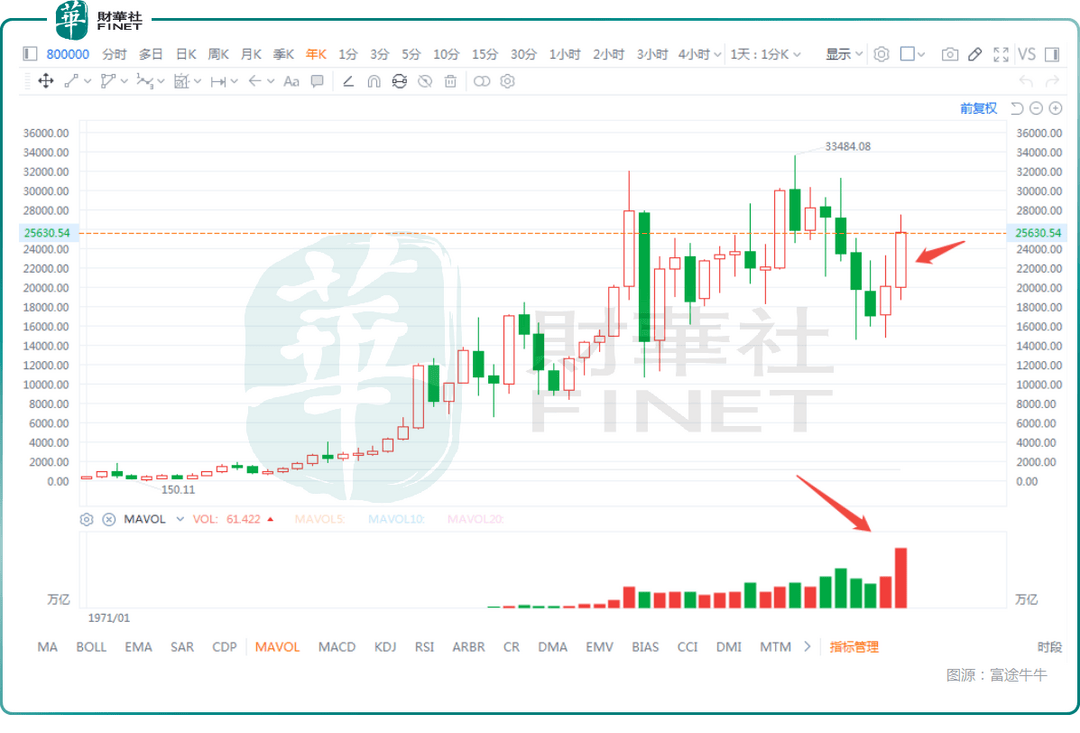
Core Viewpoint - The Hong Kong stock market experienced a strong upward trend in 2025, with the Hang Seng Index rising by 27.77% and the Hang Seng Tech Index increasing by 23.45%, driven by active trading and improved market sentiment [1][12]. Market Performance - The trading volume in the Hong Kong stock market significantly increased compared to previous years, indicating heightened trading activity and a broad release of market profit potential [1]. - The year saw a clear phase rotation in the market, with different sectors driving the market's upward movement at various times, including AI technology, innovative pharmaceuticals, and non-competitive policies leading to industrial optimization [3][5]. Sector Analysis - The technology sector was a major player in the market, with the Hang Seng Tech Index rising by 20.74% in Q1 2025, outperforming the Hang Seng Index's 15.25% increase during the same period [4]. - The innovative pharmaceutical sector gained momentum due to a surge in business development (BD) transactions, benefiting from improved global liquidity as the Federal Reserve began its rate-cutting cycle [4][5]. - The metals sector, particularly non-ferrous metals, emerged as the strongest performer by year-end, with copper stocks rising by 261.85%, gold and precious metals by 197.85%, and other metals and mining stocks by 187.91% [6][7]. Individual Stock Performance - Notable individual stock performances included Zijin Mining (02899.HK) rising by 162%, Shandong Gold (01787.HK) increasing by over 183%, and Jiangxi Copper (00358.HK) climbing nearly 281% [9]. - The stock of珠峰黄金 (01815.HK) skyrocketed by over 1286%, marking it as a rare "tenfold" stock in a year [9]. Investment Drivers - The rise in non-ferrous metals was attributed to multiple favorable factors, including the global trend of "de-dollarization," supply-demand imbalances in industrial metals, and domestic policies optimizing supply structures [6][10]. - The rapid development of emerging industries such as AI, new energy, and innovative pharmaceuticals provided a wealth of high-growth investment opportunities, supporting long-term stock price increases [12][13]. Future Outlook - Analysts expect the Hong Kong stock market to continue its upward trend in 2026, driven by improved liquidity and corporate profit recovery, with a potential shift in market driving logic from valuation recovery to profit growth [13].


中国一年新增70位亿万富豪,98%白手起家,财富密码已变科技与消费!
Sou Hu Cai Jing· 2026-01-01 11:02
Group 1 - The core point of the article highlights that China has seen a significant increase in billionaires, with 70 new individuals surpassing a net worth of $1 billion in just one year, making it the highest growth globally [1] - The total number of billionaires in China has reached 470, second only to the United States, with a combined wealth of 12.7 trillion yuan, reflecting a 22.2% increase year-on-year [1] - The report indicates a shift in wealth creation from real estate to technology and consumption sectors, emphasizing that innovation in areas like AI, chips, and consumer goods is driving this change [1] Group 2 - The technology sector has produced billionaires with a wealth growth rate of 40%, significantly outperforming other industries [2] - Notable examples include Lei Jun, whose wealth surged from 129 billion to 326 billion yuan due to advancements in electric vehicles, and Chen Tian Shi, whose wealth increased by nearly 150 billion yuan through AI chip breakthroughs [4] - The pharmaceutical industry is also contributing to wealth creation, with individuals like Zhong Huijuan of Hansoh Pharmaceutical seeing an 83% increase in net worth, reaching 141 billion yuan [4] Group 3 - The new consumption trend is reshaping the market, with companies like Pop Mart and Mixue Ice Cream achieving remarkable success through innovative products and pricing strategies [5] - Pop Mart's founder saw a wealth increase from over 20 billion to 180 billion yuan, while the Zhang brothers of Mixue Ice Cream expanded their business to over 20,000 stores, doubling their wealth to 60 billion yuan [5] - The rise of new consumption billionaires reflects a significant transformation in China's consumer market, where younger consumers prioritize experience and affordability [5][7] Group 4 - The article suggests that ordinary individuals still have opportunities to participate in wealth creation, but the dynamics have changed, favoring innovation and market insight over traditional resource-based wealth [8] - The disparity in wealth growth, with billionaires' wealth increasing at a rate far exceeding GDP and average income growth, raises concerns about widening wealth gaps [8] - The need for policies that balance innovation encouragement and wealth sharing is emphasized, advocating for measures that support small businesses and equitable wealth distribution [8] Group 5 - The transformation of China's wealth landscape is evident, with technology and consumption emerging as the new drivers of wealth creation, as illustrated by the success stories of individuals like Lei Jun, Chen Tian Shi, and others [10] - The next wave of billionaires may emerge from fields like brain-computer interfaces and the metaverse, highlighting the importance of trend awareness and innovation [10] - The article concludes that each cycle of wealth redistribution opens new opportunities, encouraging individuals to accumulate knowledge and skills to position themselves for future success [10]

2025中国创新药出海一年狂揽1356亿美元,2026年能否持续?
Jing Ji Guan Cha Wang· 2026-01-01 02:55
Core Insights - The surge in BD (business development) transactions in China's innovative pharmaceutical sector is a reflection of the industry's maturation and increasing global recognition, with 2025 marking a significant year for License-out agreements [3][4][5] Group 1: BD Transactions Overview - In December 2025, several Chinese pharmaceutical companies, including Ganli Pharmaceutical and Heng Rui Medicine, announced significant BD agreements, indicating a trend towards increased collaboration and innovation in the sector [2] - The total value of BD transactions for Chinese innovative drugs reached $135.655 billion in 2025, with upfront payments totaling $7 billion, marking a historical high in both transaction volume and value [3] - The number of BD transactions involving Chinese companies and top multinational corporations (MNCs) increased from 3 in 2015 to 35 in 2025, highlighting the growing interest from global players [3] Group 2: Market Dynamics and Future Outlook - The BD transaction boom is expected to continue into 2026, with industry experts predicting sustained high activity levels, although the focus may shift from quantity to value [5][14] - The NewCo model, which allows for "technology equity + capital cooperation," is emerging as a new pathway for Chinese pharmaceutical companies to engage in international markets, although its prevalence may decrease in 2026 [14][15] - The overall trend indicates a shift from isolated transactions to a more collaborative ecosystem, where companies leverage partnerships to enhance their global market presence [16][20] Group 3: Transaction Structures and Strategies - The structure of BD transactions is evolving, with companies increasingly engaging in co-development and co-commercialization agreements, allowing for shared risks and benefits [10][11] - The pricing of BD transactions is becoming more rational, with companies focusing on the clinical value and market potential of their products, which influences upfront payment amounts [19][18] - Legal and advisory services are becoming integral to BD transactions, reflecting the increasing complexity and importance of these deals in the pharmaceutical landscape [17]


创新药BD交易火热 2026年热潮能否持续?
Xin Hua Cai Jing· 2025-12-31 13:50
Core Viewpoint - The innovative pharmaceutical sector is expected to perform well in 2026, driven by strong business development (BD) activities and supportive industrial policies, despite recent market adjustments [1][4]. Group 1: Market Performance - The Hong Kong innovative drug index has seen a year-to-date increase of nearly 70%, with individual stocks like Shuyou Shen and Sanofi Biopharma doubling in price [1][2]. - In the A-share market, stocks such as Shuyou Shen and Sanofi Biopharma have also experienced significant gains, with Shuyou Shen's price soaring nearly 7 times at one point [2]. - The Hong Kong stock market has welcomed over 20 pharmaceutical companies this year, with notable first-day performances, including a nearly 300% increase for Yinnuo Pharmaceutical [2][3]. Group 2: Business Development (BD) Trends - The number of BD projects in the Chinese innovative drug sector reached 166 by December 5, 2025, marking an increase of 54 projects from the previous year [4]. - The total amount of BD transactions has reached $141.97 billion, a growth of over 136.8% compared to 2024, with upfront payments totaling $6.3 billion, up by over 199% [4][5]. - Major deals include a $13 billion transaction between Qiguang Dekang and Biohaven, and a collaboration between Sanofi Biopharma and Pfizer worth up to $48 billion [4][5]. Group 3: Future Outlook - Analysts predict that the innovative drug sector will continue to thrive in 2026, with a shift in focus from quantity to value in BD transactions [7]. - The industry is expected to see a selection of high-quality companies emerge as leaders, supported by a stable policy environment and improved market confidence [7][8]. - The innovative drug sector is anticipated to remain a core focus within the pharmaceutical industry, with significant benefits expected for related sectors such as CXO [7][8].
创新药2026:迎接美好新时代
3 6 Ke· 2025-12-31 12:51
Core Insights - The year 2025 marks a significant milestone for China's innovative pharmaceutical industry, characterized by intense interactions between capital and industry, with BD transaction totals exceeding $130 billion, setting a historical record and surpassing 50% of the global market share [1][5] - The market has experienced a rollercoaster ride, with a resurgence in the first half of the year followed by a collective pullback in the third quarter, highlighting the importance of distinguishing between companies driven by solid fundamentals versus those reliant on market sentiment [3][10] - The industry is transitioning from "scale expansion" to "value realization," indicating a shift towards more sustainable growth and resilience in the face of external uncertainties [1][12] BD Transactions - In 2025, China saw explosive growth in license-out transactions, with over 100 deals totaling more than $110 billion, including 15 transactions with upfront payments exceeding $100 million [5][6] - Notable milestone BD transactions include a $12.5 billion deal between 3SBio and Pfizer, and a $114 billion strategic partnership between Innovent Biologics and Takeda, marking a shift in traditional licensing models [5][6] - The total value of license-out transactions reached $130 billion, a year-on-year increase of over 150%, underscoring China's emergence as a key player in global pharmaceutical innovation [5][6] Market Dynamics - The traditional pharmaceutical companies are adapting and showing resilience, with firms like Hengrui Medicine and 3SBio successfully navigating the transition from generics to innovative drugs [4][10] - The industry is expected to continue its upward trajectory, supported by increased R&D investments, a growing number of clinical trials, and a dual payment system that enhances patient access to innovative therapies [10][11] - The anticipated "data validation year" in 2026 will see more Chinese innovative pipelines entering global clinical development, influencing market expectations for Chinese innovation [10][11] Future Outlook - The innovative pharmaceutical sector is poised for a more solid and resilient future, with a focus on delivering effective treatment solutions for patients and contributing to the global pharmaceutical landscape [12][13] - The ongoing demand for innovative assets from multinational corporations (MNCs) is expected to rise, driven by patent expirations and declining R&D efficiency, leading to a strategic focus on "in China for global" initiatives [6][7] - The industry is entering a new era characterized by value-driven growth, where the emphasis will be on the contribution of products to revenue rather than mere availability [7][9]

【年终盘点】港股收官!恒指全年飙升28%,有色领跑涨幅榜
Sou Hu Cai Jing· 2025-12-31 12:40
Group 1 - The Hong Kong stock market experienced a strong performance in 2025, with the Hang Seng Index rising by 27.77% and the Hang Seng Tech Index increasing by 23.45% [2][4] - The trading volume in the Hong Kong market significantly increased compared to previous years, indicating heightened trading activity and a broad release of market profit potential [2] - The market's upward trend was driven by a clear rotation of sector leadership throughout the year, including AI technology, innovative pharmaceuticals, and the metals sector [4][6] Group 2 - The technology sector was a major contributor to market gains, with the Hang Seng Tech Index rising by 20.74% in Q1 2025, outperforming the Hang Seng Index's 15.25% increase during the same period [5] - Key drivers included investments in computing infrastructure, large model development, and AI applications, leading to significant valuation reassessments for companies like Alibaba [6] - The innovative pharmaceuticals sector gained momentum due to a surge in business development (BD) transactions, benefiting from improved global liquidity as the Federal Reserve began a rate-cutting cycle [6][7] Group 3 - The metals sector emerged as the strongest performer by year-end, with copper stocks rising by 261.85%, gold and precious metals by 197.85%, and other metals and minerals by 187.91% [9][10] - The rise in metal prices was attributed to multiple favorable factors, including the global trend of "de-dollarization," supply-demand imbalances, and domestic policies optimizing supply structures [9][11] - Notable individual stock performances included Zijin Mining rising by 162% and Shandong Gold increasing by over 183% [11] Group 4 - The overall strong performance of the Hong Kong stock market in 2025 was a result of a combination of valuation recovery, improved industry sentiment, and enhanced global liquidity [15][16] - Emerging industries such as AI, renewable energy, and innovative pharmaceuticals provided a wealth of high-growth investment opportunities, supporting long-term price increases [16] - Looking ahead to 2026, expectations remain positive for the Hong Kong market, with potential continued upward momentum driven by liquidity improvements and corporate profit recovery [16]