OPPO

Search documents
电子行业点评:iPhone营收同比增长,大中华区表现靓丽
Ping An Securities· 2026-02-01 11:31
Investment Rating - The industry investment rating is "Outperform the Market," indicating that the industry index is expected to perform better than the market by more than 5% over the next six months [9]. Core Insights - Apple's revenue for the first quarter of fiscal year 2026 reached $143.76 billion, a year-on-year increase of 16%, with net profit at $42.10 billion, also up 16%. Earnings per share rose by 19% to $2.84 [7]. - iPhone revenue, as a key growth driver, amounted to $85.27 billion, reflecting a 23% year-on-year growth and accounting for 59.3% of total revenue. Service revenue was $30.01 billion, up 14%, while iPad revenue grew by 6% to $8.60 billion. However, Mac revenue declined by 7% to $8.39 billion, and wearables, home, and accessories revenue fell by 2% to $11.49 billion [7]. - In the Greater China region, revenue reached $25.53 billion, marking a significant 38% year-on-year increase, while the Americas and Europe saw revenue growth of 11% and 13%, respectively [7]. Market Outlook - Global smartphone shipments are projected to grow by 2% in 2025, reaching 1.25 billion units. The top five smartphone manufacturers in terms of shipments are Apple, Samsung, Xiaomi, Vivo, and OPPO, with respective shipments of 241 million (up 7%), 239 million (up 7%), 165 million (down 2%), 105 million (up 4%), and 101 million (down 3%) [7]. - For 2026, due to rising DRAM prices, the cost of smartphone Bill of Materials (BoM) is expected to increase by approximately 25% for low-end models, 15% for mid-range, and 10% for high-end models, with a potential further increase of 10%-15% by the second quarter of 2026. Consequently, global smartphone shipments are anticipated to decline by 2.1% year-on-year [7]. - The average selling price of smartphones is expected to rise by 6.9% in 2026 due to cost pass-through and product mix adjustments [7]. Investment Recommendations - Short-term pressures from rising storage costs are noted, but emerging products such as foldable phones, AI smartphones, and AI glasses present new growth opportunities for the industry. Companies to watch include Luxshare Precision, Lixun Precision, GoerTek, Lens Technology, and Xinwei Communication [7].

智能手机2026:变局中的挑战与曙光
3 6 Ke· 2026-02-01 06:26
Core Insights - The smartphone industry is experiencing a significant downturn in expected shipments for 2026, with major manufacturers like Xiaomi and OPPO reducing their forecasts by over 20% [1][2] - The decline in shipments is primarily attributed to rising storage chip prices and supply shortages, leading to a strategic shift towards higher-value products [2][6] Group 1: Industry Dynamics - In 2025, the global smartphone shipment reached 1.26 billion units, with a 1.9% year-on-year growth, while China's market saw a slight decline of 0.6% [3] - Huawei regained its position as the leading smartphone manufacturer in China with a shipment of 46.7 million units, capturing a market share of 16.4% [3] - Apple and Vivo closely followed Huawei, with shipments of 46.2 million and 46.1 million units, respectively, indicating a highly competitive landscape [3][4] Group 2: Market Challenges - The price of storage chips is expected to rise significantly, with a projected increase of 40% to 50% in Q1 2026, further impacting manufacturers' cost structures [6][8] - The cost increase is particularly pronounced in low-end models, which may deter price-sensitive consumers from upgrading their devices [7][8] Group 3: Future Trends - The integration of AI into smartphones is anticipated to be a major trend, with new AI-enabled smartphone shipments expected to reach 147 million units in China, accounting for over 50% of the market [9] - The development and application of 2nm chips are also on the horizon, promising enhanced performance and efficiency for future smartphones [10]


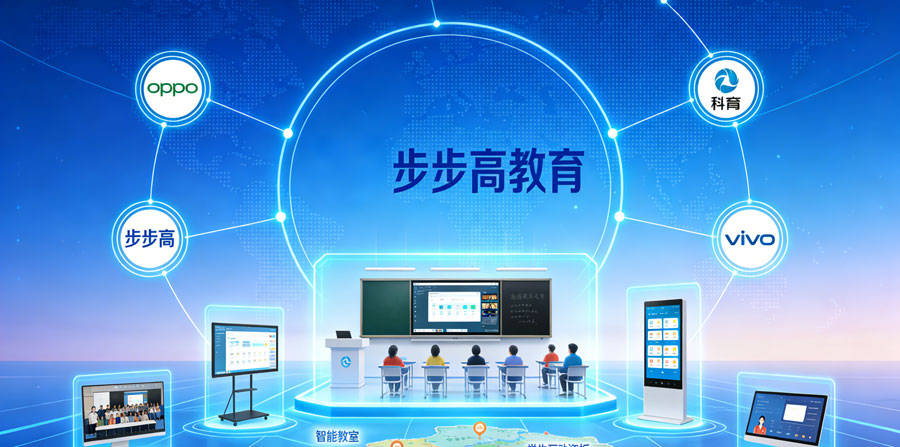
OPPO、vivo再入步步高教育:科技巨头的教育赛道重构与普惠之问
Sou Hu Cai Jing· 2026-02-01 05:48
Group 1 - The core viewpoint of the news is that OPPO and vivo have re-entered the education sector by investing in Guangdong Bubugao Education Development Co., Ltd., marking a strategic return nearly three years after their exit in 2023, reflecting a deep strategic restructuring in response to the evolving education landscape [2] - The return of OPPO and vivo aligns with the "14th Five-Year Plan" for digital economy development, which emphasizes "smart education," and the education information market is projected to exceed 600 billion yuan by 2025, driving this strategic adjustment [2] - The "withdrawal and re-entry" of OPPO and vivo indicates their sensitivity to the educational policy environment and market demand, showcasing their adaptability in the education technology field [2] Group 2 - The entry of technology companies into the education sector presents both opportunities and challenges, as the advantages of AI and big data support personalized learning and resource equity, while the strong regulatory nature of the education industry conflicts with the fast-paced culture of tech companies [3] - OPPO and vivo's advantages in lower-tier markets could potentially address the imbalance in educational resources, with vivo's offline stores covering over 200,000 towns, which could facilitate the distribution of educational tools and free online courses to rural schools [3] - The re-entry of OPPO and vivo into Bubugao Education signifies a strategic choice for technology companies seeking a second growth curve and highlights the importance of digital transformation in education, balancing commercial interests with social responsibility [3]


液态金属行业五问五答
Changjiang Securities· 2026-02-01 02:57
行业研究丨深度报告丨电子元件 [Table_Title] 液态金属行业五问五答 %% %% %% %% research.95579.com 1 丨证券研究报告丨 报告要点 [Table_Summary] 苹果作为全球消费电子硬件创新的引领者,其自身的高端机存量用户 10 亿以上,安卓品牌在 前几年已经给消费者完成折叠屏市场教育阶段,大量 IOS 用户期待苹果的折叠屏手机问世,我 们预期其首代产品将大卖,若后续采用液态金属转轴也会对当下安卓品牌形成很好的示范作 用,液态金属行业或将迎来新一轮高成长。针对市场普遍关注的几个问题,本篇报告以五问五 答的形式行文论述。 分析师及联系人 [Table_Author] 杨洋 蔡少东 SAC:S0490517070012 SAC:S0490522090001 SFC:BUW100 请阅读最后评级说明和重要声明 2 / 21 液态金属,即非晶合金,是指与通常情况下金属材料的原子排列呈现的周期性和对称性所不同 的非结晶状态的金属,其内部原子排列为短程有序、长程无序的玻璃态结构,因此又被称为"金 属玻璃"。 产业液态金属应用场景 %% %% %% %% research.955 ...
内存涨价非常显著,小米砸10亿补贴Turbo新机
Guan Cha Zhe Wang· 2026-02-01 00:11
Group 1 - REDMI launched two new models, Turbo5 and Turbo5Max, during a recent product launch event [1] - The company plans to invest 1 billion yuan to subsidize memory costs, particularly for the 512GB versions, to promote the "512GB popularization storm" [1] - Turbo5Max features the Dimensity 9500s processor and a 9000mAh battery, while Turbo5 is positioned as a more affordable performance device with a 7560mAh battery [1] Group 2 - The initial sales period for Turbo5Max and Turbo5 runs from January 29 to March 3, with both models seeing a price reduction of 300 yuan [3] - According to IDC, by 2025, Huawei is expected to lead the Chinese smartphone market with 46.7 million units sold, followed closely by Apple and Vivo [3] - Xiaomi and OPPO are projected to rank fourth and fifth in market share, with approximately 43.8 million and 43.4 million units sold, respectively [3]

一周概念股:多家半导体公司官宣涨价 70家公司预计盈利313亿元
Ju Chao Zi Xun· 2026-01-31 13:34
Industry Overview - The semiconductor industry is experiencing significant changes in both performance and market dynamics, with A-share semiconductor companies showing structural growth in their 2025 semi-annual earnings forecasts [2] - Rising supply chain costs have led multiple chip design companies to announce price increases, reflecting the current cost pressures and adjustment trends within the industry [2][9] Earnings Forecasts - Among 115 A-share semiconductor companies that disclosed earnings forecasts, 113 provided specific predictions, with 70 companies expecting a total net profit of approximately 31.39 billion yuan, while 43 companies anticipate a cumulative loss of about 11.75 billion yuan [3] - Key companies with notable earnings include: - Cambricon: Revenue forecast between 5 billion and 7 billion yuan [4] - Shanghai Semei: Revenue forecast between 6.68 billion and 6.88 billion yuan [4] - Lattice Semiconductor: Expected net profit of 2.15 billion to 2.35 billion yuan, with a year-on-year growth of 52.29% to 66.46% [4] Price Increases - Multiple chip design companies have announced price hikes due to rising raw material costs, tight wafer capacity, and increased packaging and testing costs, with price increases generally ranging from 10% to 80% [9][10] - Notable companies announcing price increases include: - Biyimi: Price adjustments on various products due to upstream material price increases [9] - Guokewi: Price adjustments on solid-state storage chips and SSD controllers, with increases of 20% to 80% [9] Smartphone Market Recovery - The global smartphone market is showing signs of mild recovery, with Omdia reporting a 2% increase in global smartphone shipments to 1.25 billion units in 2025, the highest since 2021 [11] - Apple continues to lead the market for the third consecutive year, with a 7% increase in iPhone shipments to 240.6 million units, while Samsung has rebounded with a 7% growth [14][16] - Vivo has reached fourth place for the first time, driven by strong performance in the Indian market and stable domestic sales [16]

“产线的机器已经开足了马力,订单排期到了明年,连客户要货的电话都不敢接了,怕得罪人。”存储超级周期下的众生相:谁在兑现,谁在挣扎
Zhong Guo Ji Jin Bao· 2026-01-31 13:05
Core Insights - The storage chip market is experiencing a "super cycle" driven by AI, leading to significant price increases and improved profitability for storage companies, while terminal manufacturers face pressure to raise prices or reduce specifications [1][2][3] Group 1: Market Dynamics - The storage market is emerging from a low point, entering a new upward cycle, with 52 storage-related companies in A-shares reporting positive earnings forecasts for 2025, including 25 companies with expected profit growth [2] - Storage price increases are the primary factor behind the improved performance of these companies, with some reporting profit growth exceeding 100% [2] - Market research indicates that storage prices are expected to rise by 40% to 50% in Q1 2026 and by approximately 20% in Q2 2026, surpassing historical highs [3] Group 2: Competitive Positioning - Storage manufacturers are ramping up production to meet the surging demand from AI applications, with significant increases in memory requirements for AI servers compared to standard servers [4][5] - Companies are shifting focus from consumer markets to enterprise-level markets, where customers prioritize stability and reliability over price, allowing for better profit margins [5] - Companies like Jiangbolong are enhancing their capabilities through partnerships and new product launches, including a 37 billion yuan fundraising plan to invest in core technology and production processes [5][6] Group 3: Challenges for Terminal Manufacturers - Terminal manufacturers are facing significant cost pressures due to rising prices of components, including CPUs and storage, leading to a projected 14.8% decrease in global laptop shipments in Q1 2026 [7][8] - Major brands like Lenovo and Dell have begun to raise prices on their products, with increases ranging from 10% to 30%, while some brands are even canceling low-end models due to cost pressures [8][9] - The financial impact of rising component costs is evident, with companies like Transsion Holdings reporting a 54.11% decline in net profit due to increased supply chain costs [9][10]
“产线的机器已经开足了马力,订单排期到了明年,连客户要货的电话都不敢接了,怕得罪人 ”存储超级周期下的众生相:谁在兑现,谁在挣扎
Zhong Guo Ji Jin Bao· 2026-01-31 12:57
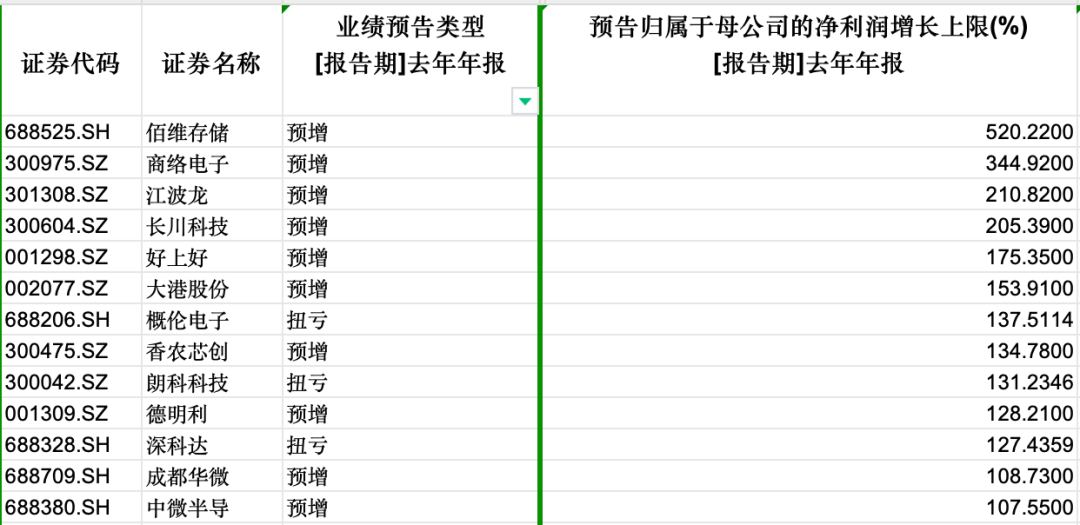
Core Viewpoint - The storage chip market is experiencing a "super cycle" driven by AI, leading to significant price increases and improved profitability for storage companies, while terminal manufacturers face pressure to raise prices or reduce specifications [1][3]. Group 1: Market Dynamics - The storage market is emerging from a low point, with many companies reporting substantial profit increases due to stabilizing prices driven by AI demand [1]. - As of January 29, 2026, 52 storage-related companies in the A-share market have issued performance forecasts for 2025, with 25 companies expecting profit increases, and 31 companies reporting year-on-year net profit growth [1]. - Notably, 13 companies have projected net profit growth exceeding 100% [1]. Group 2: Company Performance - Companies like Bawei Storage and Jiangbolong are forecasting significant profit increases, with Bawei Storage projecting a net profit growth of 520.22% and Jiangbolong 210.82% [2]. - Jiangbolong attributes its turnaround to the recovery of storage prices and increased demand from AI servers, leading to a shift in supply dynamics [2]. - The storage price surge is expected to continue, with predictions of a 40% to 50% increase in Q1 2026 and an additional 20% in Q2 2026 [3]. Group 3: Competitive Positioning - Storage manufacturers are shifting focus from consumer markets to enterprise-level markets, such as data centers and AI servers, which offer higher profit margins due to lower price sensitivity [5]. - Companies are investing in technology and product development to enhance their competitive edge, with Jiangbolong planning to raise 3.7 billion yuan for technology development and production expansion [6]. - The urgency to secure market position is emphasized, as delays in strategic actions could result in missed opportunities during this lucrative period [7]. Group 4: Impact on Terminal Manufacturers - Terminal manufacturers are facing significant cost pressures due to rising prices of storage components, leading to a projected 14.8% decrease in global laptop shipments in Q1 2026 [8]. - Major brands like Lenovo and Dell have begun to raise prices on various product lines, with Lenovo increasing prices by 500 to 1500 yuan for mid-to-high-end models [8][9]. - The rising costs are impacting profit margins, with companies like Transsion Holdings reporting a 54.11% decline in net profit due to increased supply chain costs [9].


收到就能骑、售后上门修 京东电动自行车“百补下乡”活动首站落地济南济阳
Yang Guang Wang· 2026-01-31 09:23
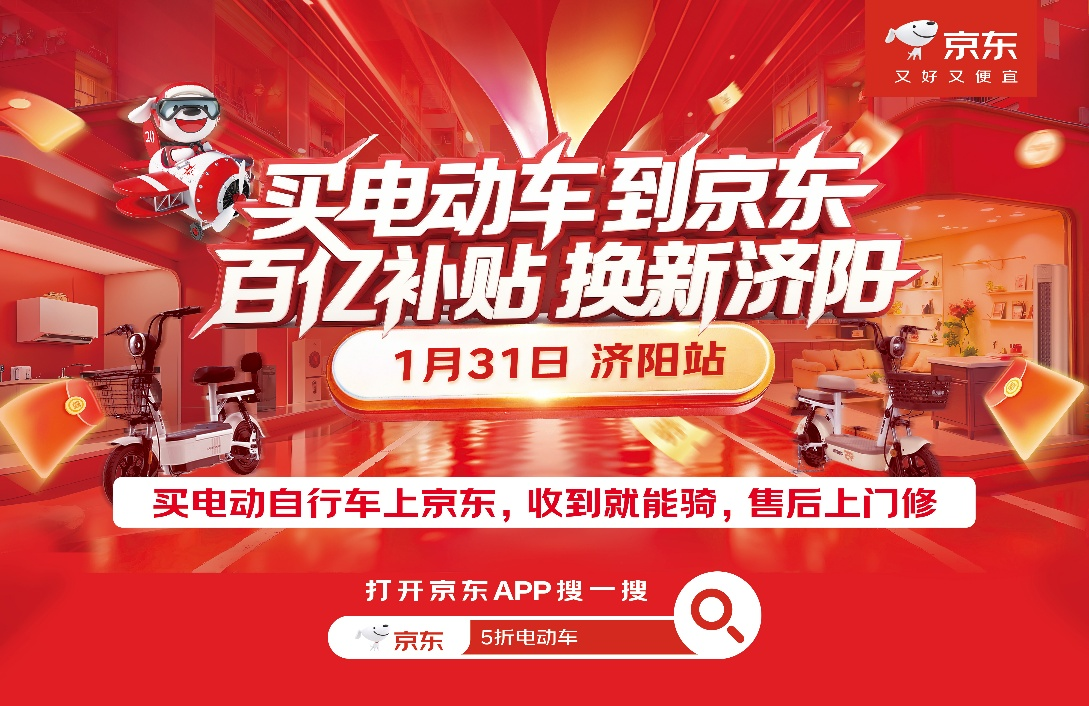
Core Viewpoint - JD Auto has launched a nationwide series of activities called "Billion Subsidy to Rural Areas" for electric bicycles, starting in Jiyang District, Jinan City, aimed at enhancing rural consumption and promoting green travel [1][3]. Group 1: Event Details - The first event will take place at the Jiyang Cultural and Sports Center Art Museum, showcasing multiple models of electric bicycles that meet new national standards, allowing residents to experience them conveniently [3]. - Consumers attending the event can enjoy discounts ranging from 30% to 80% on brand electric bicycles, along with customized gifts such as "Ma Shun Shun" stickers, reinforcing the commitment to providing quality products at affordable prices [3]. Group 2: Service Offerings - JD Auto leverages its online and offline service channels to provide a seamless one-stop shopping experience, allowing consumers to purchase electric bicycles through the JD APP and enjoy home delivery and registration services [5]. - The company promises reliable on-site maintenance services, addressing the repair challenges faced by rural users, and offers free air inflation services at JD maintenance stores [5]. Group 3: Market Context - Electric bicycles are increasingly popular in rural markets, but there has been a prevalence of non-compliant products that pose safety and durability risks, leading to a growing demand for compliant and safe vehicles among rural users [5]. - The "Billion Subsidy to Rural Areas" initiative by JD Auto responds to the urgent need for quality, compliant products and aims to extend its service network into lower-tier markets [5]. Group 4: Additional Promotions - On January 31, JD also launched the "National Subsidy to Rural Areas - Jiyang Station" event, featuring thousands of home appliances and 3C products from well-known brands, with cashback offers for purchases over 3000 yuan [6]. - During the New Year Festival, JD's self-operated electric bicycles will participate in the "17 Cycling Festival," offering various promotional activities, including group purchases and exclusive discounts [6].

900亿AI存储龙头又要IPO了
投中网· 2026-01-31 07:05
Core Viewpoint - The article discusses the significant surge in demand and prices for storage chips driven by AI, highlighting the emergence of domestic companies like Baiwei Storage as key players in this evolving market [4][10]. Group 1: Market Dynamics - The price of DDR5 memory has skyrocketed by over 300%, and enterprise SSDs are in short supply, with HBM (High Bandwidth Memory) orders extending to 2027 [4]. - The price of HBM3E chips has increased by 50%, reaching over $500, while the total cost for a complete HBM3E memory module ranges from $2,800 to $3,100 [7]. - The overall DRAM contract prices are expected to rise by 55% to 60% in Q1 2026, with NAND Flash products also seeing price increases of 33% to 38% [17]. Group 2: Company Performance - Baiwei Storage (688525.SH) anticipates a 4-5 times increase in annual performance, with projected net profits for 2025 reaching between 850 million to 1 billion yuan, marking a year-on-year growth of 427% to 520% [4][7]. - The company's stock price has surged from around 110 yuan to a peak of 199.38 yuan, reflecting an 81% increase and a market valuation nearing 900 billion yuan [12]. Group 3: Strategic Initiatives - Baiwei Storage has submitted a prospectus to the Hong Kong Stock Exchange to capitalize on the AI wave, focusing on advanced packaging and testing capabilities, as well as CXL memory pooling technology [5][9]. - The company plans to use funds from its IPO to enhance R&D and production capabilities for high-end DRAM modules and enterprise SSDs, while expanding its global sales and service network [9]. Group 4: Competitive Landscape - Major players like Samsung and SK Hynix are increasing prices and extending delivery times, indicating a tight supply chain for high-end memory products [8]. - Baiwei Storage has successfully integrated into the supply chains of top global tech companies, including Meta and Google, providing embedded storage solutions for AI devices [15]. Group 5: Future Outlook - The ongoing price increases and demand for storage chips are expected to continue until at least mid-2026, with a potential supply-demand imbalance lasting until 2028 [18]. - The surge in IPO activities among storage chip companies reflects a broader trend of value reassessment in the industry, driven by AI computing needs and domestic market dynamics [20].