康师傅控股

Search documents
全球最大冰淇淋公司上市,对中国市场影响几何?丨消费参考
2 1 Shi Ji Jing Ji Bao Dao· 2025-12-09 03:09
Group 1 - The world's largest ice cream company, Dream, officially listed on December 8, trading on the Amsterdam Euronext, London Stock Exchange, and New York Stock Exchange [1] - After its spin-off from Unilever, Dream became an independent ice cream giant, owning well-known brands such as Dream, Cornetto, and Ben & Jerry's [1] - According to Unilever, Dream's ice cream business is projected to generate €7.9 billion (approximately ¥66.6 billion) in revenue and an adjusted EBITDA of €1.3 billion (approximately ¥11 billion) in 2024, holding a 21% market share in the global ice cream retail market [1] Group 2 - In China, Dream ranks as the second-largest ice cream company, with a market share of approximately 11%, while its brands, Cornetto and Dream, are positioned fourth and fifth in the market [3] - The Chinese ice cream market is highly competitive, with Dream focusing on a premium positioning strategy [4] - Despite the competitive pressure, the domestic market is recovering, with Dream's revenue in China expected to reach €317 million (approximately ¥2.6 billion) in 2024 and €270 million (approximately ¥2.2 billion) in the first half of 2025, indicating double-digit growth [5][6] Group 3 - Dream's CEO expressed the need to increase growth rates by 1% to 2% to meet market demands [5] - The company has increased its advertising and promotional expenses by €5 million to enhance its presence in China through social media and digital marketing [6] - The ongoing trend of cost-effectiveness in the domestic market poses growth challenges for Dream's premium positioning [7]
“冬季旅游”热度环比上涨300%,聚焦当下冬季出行与消费新态势
Mei Ri Jing Ji Xin Wen· 2025-12-09 02:51
Group 1 - The Hong Kong stock market showed mixed performance on December 9, with the Hang Seng Index opening up 0.06%, the State-owned Enterprises Index flat, and the Hang Seng Tech Index down 0.11% [1] - The consumer sector in Hong Kong has been under pressure recently, with the Hong Kong Consumer ETF (513230) declining by approximately 0.5% in early trading, reflecting a trend where more stocks fell than rose [1] - The report from Mafengwo indicates that winter travel trends are shifting, with "snow play" and "escaping the cold" becoming the main motivations for winter travel, leading to a 300% increase in the popularity of winter tourism compared to previous periods [1] Group 2 - According to Jiao Yin International, consumer spending is expected to see a slight recovery in 2025, with a moderate growth trend continuing into 2026, characterized by slower overall demand growth but a shift towards more rational consumption and an upward movement in demand levels [2] - The market is anticipated to gradually establish a new balance focused on uncovering consumer needs, emphasizing the importance of operational efficiency [2] - Companies are advised to accurately identify consumer trends and leverage product, channel, technology innovations, and supply chain optimizations to seize structural opportunities in the new normal [2]
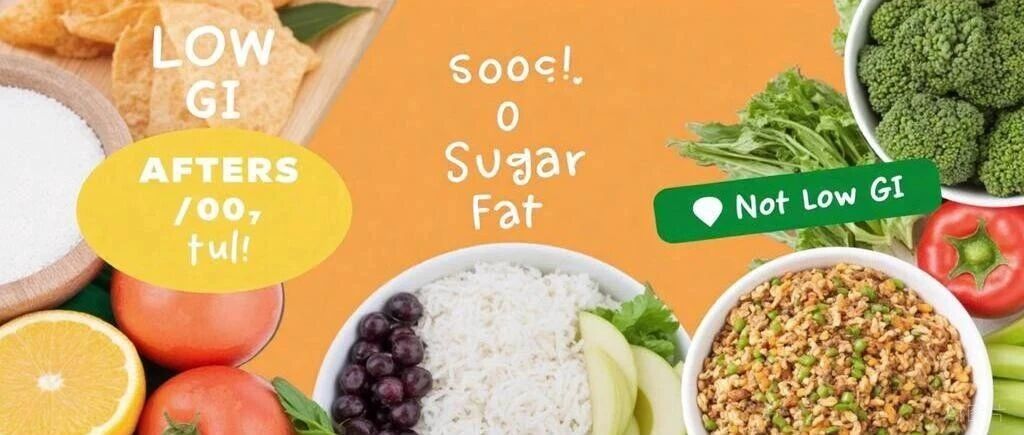
0糖0脂后,下一个健康食品风口是低GI?
新消费智库· 2025-12-08 13:04
Core Viewpoint - The article discusses the rapid growth of the low Glycemic Index (GI) food market in China, driven by increasing health awareness among urban consumers and the introduction of various low GI products by established and new brands [4][22]. Group 1: Market Trends - The low GI food market in China reached a scale of 176.2 billion yuan in 2024, with an annual growth rate exceeding 10% [22]. - The search popularity for low GI food and beverages increased by 56% year-on-year, indicating a significant rise in consumer interest [6]. - The low GI food category is expanding beyond traditional baked goods to include staple foods, snacks, and beverages, reflecting a diversification of consumer choices [12]. Group 2: Consumer Behavior - Urban consumers are increasingly shifting towards low GI foods as part of a healthier lifestyle, with a notable rise in the consumption of these products among not just diabetics but also fitness enthusiasts and health-conscious individuals [12][22]. - The popularity of low GI foods is supported by social media, with the 低GI topic on Douyin receiving over 360 million views, and related content on Xiaohongshu exceeding 10 million views [6][8]. Group 3: Brand Innovations - Traditional food brands like Junlebao, Kangshifu, and Wangwang are reformulating their high GI products to include low GI alternatives, utilizing ingredients like chickpeas and barley [10][12]. - New players in the market, such as Masisala, are leveraging their expertise in specialized medical foods to gain consumer trust and expand their product offerings [14][16]. - Retailers like Hema and Dingdong are not only selling low GI products but are also actively involved in the supply chain, promoting the development of these products [17][19]. Group 4: Policy Influence - The Chinese government's "Healthy China 2030" strategy promotes low GI diets, encouraging companies to develop low sugar or sugar-free products and to label them with low GI certifications [12][22]. - Recent guidelines from the National Health Commission have further emphasized the importance of low GI diets in managing weight and preventing obesity [12].

好医生集团荣膺“2025金旗奖年度最具社会价值品牌50强”
Jing Ji Wang· 2025-12-08 09:44
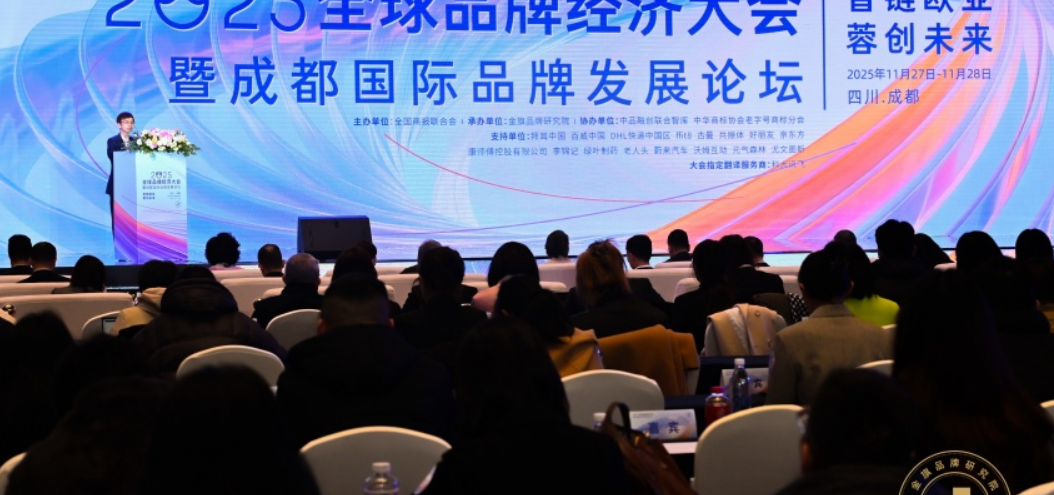
近日,"2025全球品牌经济大会暨成都国际品牌发展论坛"在成都天府国际会议中心开幕。大会以"智链欧亚・蓉创未来"为主题,汇聚全球企业家、专 家学者等300余位嘉宾,通过主题演讲、圆桌对话、联盟启动等系列活动,搭建政企协资源对接平台,助力川企开拓东盟市场。 金旗奖创立于2010年,是中国首个拥有评审知识产权的品牌奖项,也是首个将获奖案例引入国际商学院课堂的品牌奖项。历经15年发展,金旗奖 已成为衡量品牌建设成效、引领品牌向上发展的重要标尺,迄今已吸引近千家知名品牌参与。2025年金旗奖获奖案例覆盖科技、金融、快消、文旅、 健康、教育、公益等多个领域,呈现出"跨界融合、纵深探索、创新驱动"的鲜明趋势。本届评选以创新力、增长力、品牌力、数字力、价值力为核心 维度,构建全面科学的品牌综合评价体系,下设"年度最具社会价值品牌50强""最具商业价值创新力品牌50强""企业社会责任品牌50强"等十大奖项。 好医生集团经过近40年的发展,已成为集科、工、贸为一体,以药业为核心的"大健康"产业全面发展的大型企业集团。集团连续入选工信部"中国 医药工业百强企业""中国中药制药百强",并先后荣获"农业产业化国家重点龙头企业""国家 ...
谁的童年没为小浣熊水浒卡疯过?那年扔掉的面饼,藏着30年前的商战硝烟
3 6 Ke· 2025-12-08 09:27
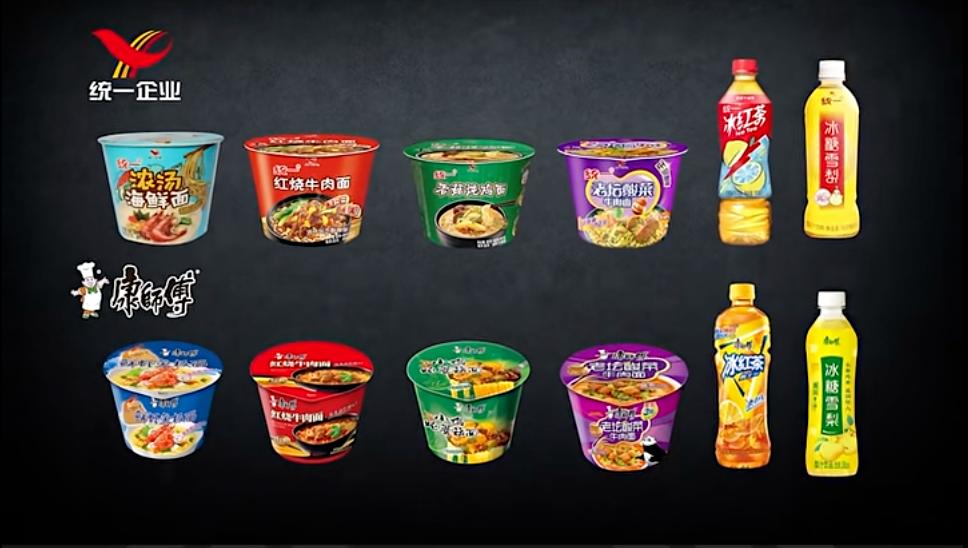
Core Viewpoint - The article discusses the legendary commercial battle between two Taiwanese food giants, Master Kong and Uni-President, in the Chinese instant noodle market, particularly focusing on the marketing strategies involving collectible cards that captivated the youth of China in the 1990s [1][12]. Group 1: Market Competition - In the early 1990s, Master Kong and Uni-President entered the mainland market, leading to a fierce competition that lasted for 30 years, with various product lines being targeted at children [1][3]. - Both companies quickly realized the profitability of targeting children, as they could leverage their spending power to boost sales [3][4]. - The competition extended to the packaging and promotional items, with both brands offering collectible cards to attract young consumers [6][8]. Group 2: Marketing Strategies - Uni-President launched the "Little Raccoon" brand, while Master Kong introduced the "Little Tiger Team" to specifically target children [5][17]. - The introduction of the "Water Margin" cards by Uni-President in 1999 marked a significant turning point, leading to a massive surge in sales and popularity among children [12][13]. - The phenomenon of card collecting became a major activity among schoolchildren, with some even discarding the noodles to keep the cards, leading to criticism from schools and media [16][26]. Group 3: Product Evolution - Following the success of the "Water Margin" cards, Uni-President attempted to replicate this success with other literary themes, such as "Three Kingdoms" and "Fengshen Yanyi," but these efforts did not achieve the same level of success [22][24]. - The initial excitement around card collecting eventually waned, as the market became saturated and children's interest diminished [26][28]. - In recent years, Uni-President has attempted to revive interest by launching new versions of the collectible cards, targeting nostalgia among adults [30][31].

知萌发布《2026中国消费趋势报告》 持续十年预见消费趋势
Zheng Quan Ri Bao Wang· 2025-12-08 07:29
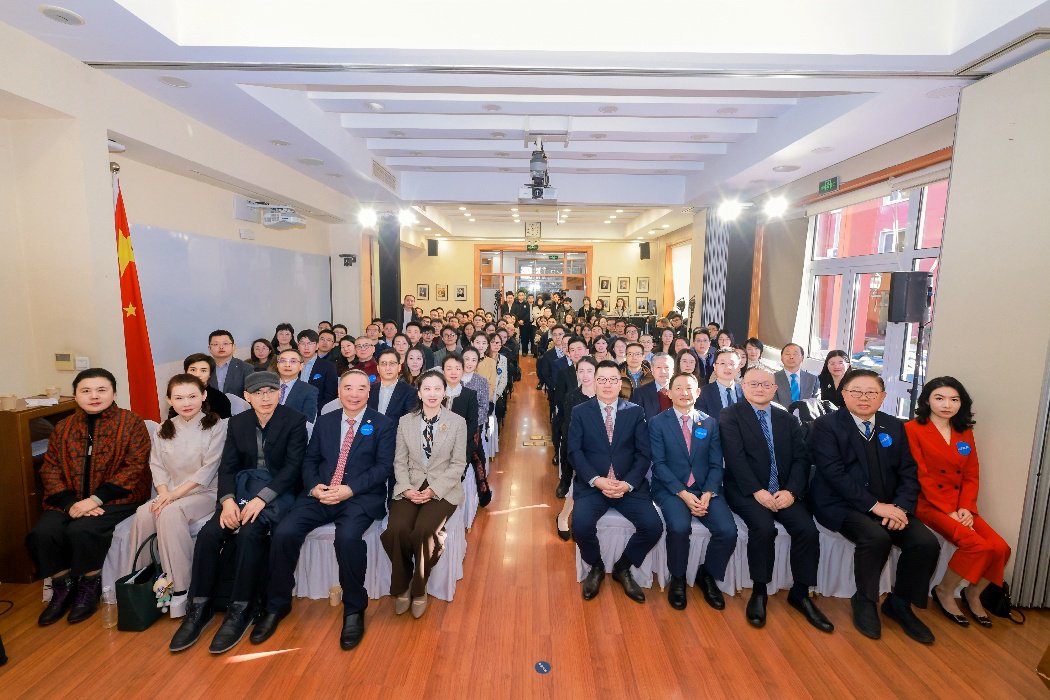
Core Insights - The 2026 Consumer Trends Conference, hosted by Zhimo Consulting, took place in Beijing on December 6-7, showcasing the annual China Consumer Trends Report, which has been a significant indicator of the Chinese consumer market for the past decade [1][2] Group 1: Conference Overview - The conference featured a two-day deep trend forum with 24 forward-looking speeches and 4 cross-industry roundtable discussions, covering ten key industries including food and beverage, home appliances, outdoor sports, retail, health, automotive, AI, and cultural tourism [1] - Zhimo's annual consumer trends report has evolved from a "small green book" in 2017 to a comprehensive analysis that includes 100 consumer trends and 450 brand case studies, serving as a crucial reference for corporate strategic decision-making and brand innovation [2] Group 2: Key Trends and Insights - Zhimo's founder and CEO, Xiao Mingchao, announced the top ten consumer trends for 2026, which include: rational-emotional symbiosis, quality calculation, spiritual nomadism, daily highlights, shared experiences, local trends, insiderism, health tuning, brand consensus, and AI scenario power [3] - The report emphasizes a shift in the commercial landscape from "high-speed growth" to "high-quality growth," highlighting a generational shift in "consumer discourse power" and a fundamental leap in the role of technology [3] Group 3: Practical Applications and Discussions - The conference included various segments such as industry roundtable discussions, brand case sharing, and trend exhibitions, attracting over a thousand attendees interested in consumer trends [4] - Experts from academia and industry discussed the underlying logic of changes in Chinese consumption and identified opportunities for the industry, focusing on themes like convenience in consumption and the upgrade of aesthetic and emotional needs [5]
康师傅亮相国际舞台,以链主担当绘就共赢新图景
Zhong Guo Jin Rong Xin Xi Wang· 2025-12-08 06:27
Core Viewpoint - The article highlights the significant role of Master Kong in promoting sustainable development within the food and beverage industry, showcasing its achievements and leadership in ESG practices during the UNGC's 25th anniversary event in Beijing [1][3][14]. Group 1: Event Overview - The UNGC's 25th anniversary event took place on December 1-2, 2025, in Beijing, featuring notable speakers including UN officials and industry leaders [1]. - Master Kong was recognized as a benchmark enterprise for sustainable development in China's food and beverage sector, being included in the inaugural "25 Chain Leader Alliance Excellent Case Collection" [3][10]. Group 2: Master Kong's ESG Initiatives - Master Kong's CEO, Chen Yingrang, participated in a leadership roundtable to discuss ESG strategy integration and sustainable growth [6]. - The company has established a "dual-driven" ESG capability system, focusing on top-level design and internal motivation to encourage employee innovation in ESG practices [8]. - Master Kong's ESG initiatives have reportedly generated over 100 million yuan in profit annually through cost-saving measures and environmental efforts [8]. Group 3: Recognition and Impact - UNGC's representative, Liu Meng, praised Master Kong as an ESG benchmark for Chinese enterprises, highlighting its innovative cross-sector collaboration [5]. - The company has been recognized for its "Economic-ESG" model, which reframes sustainability as a core growth driver rather than an additional cost [10][12]. - Master Kong's practices in supply chain management and collaboration with industry leaders have been commended for creating quantifiable economic benefits while addressing environmental and social responsibilities [12]. Group 4: Future Directions - Master Kong aims to deepen its collaboration with UNGC and continue exploring sustainable development solutions that create value and promote ecological growth [14]. - The company plans to maintain its commitment to the UNGC's ten principles and further develop its "Economic-ESG" model in partnership with global stakeholders [14].
中国消费品 - 酒类及饮料专家电话会:白酒批发价压力加大,茅台、汾酒寻求增长-China consumer staples_ Spirits & Beverage expert call_ more wholesale price pressure for spirits with MoutaiFen Wine pursuing growth
2025-12-08 02:30
Summary of the Investor Call on China Consumer Staples: Spirits & Beverage Industry Overview - The call focused on the Spirits & Beverage industry, particularly in the Hunan region, discussing growth targets and pricing pressures for major brands including Moutai, Wuliangye, Laojiao, and Fen Wine [1][2]. Key Points 1. Wholesale Price Pressure - The wholesale price for premium spirits is under pressure, with Feitian's price expected to approach Rmb1,499 or lower during the non-peak season. This may decline further during the Chinese New Year (CNY) period, potentially stimulating demand and reducing channel inventory pressure [1]. - Non-standard Moutai faces significant inventory and profitability challenges, with inventory levels exceeding two months, contributing approximately 30% of volume and 50% of value share for Moutai Spirits in 2025 year-to-date [1]. 2. Prepayment Policies and Growth Targets - Moutai and Fen Wine are targeting a 5% growth for 2026, while Wuliangye and Fen Wine have set prepayment requirements of 50% and 40% respectively for the first quarter of 2026 [2]. - Effective prepayment prices are expected to decrease, particularly for Wuliangye, with prices projected to be Rmb940, Rmb870-880, and Rmb800 in sequential quarters of 2025 [2]. 3. Retail Sales Expectations - Retail sales expectations for spirits are weak heading into the 2026 CNY, with an anticipated overall decline of approximately 15% in spirits retail demand. Specific declines of 5-10% are expected for Feitian Moutai and Common Wuliangye [3]. - Local brands such as King's Luck and Gujing may perform relatively better compared to pan-national upper mid-end brands [3]. 4. Beverage Growth Targets - Nongfu Spring is targeting a 13% growth in 2026, expecting water volume to return to 2023 levels. Eastroc aims for over 25% growth in both Hunan and nationwide [8]. - Wahaha has not set specific contract targets for 2026, while Tingyi is still aiming for positive sales growth despite low single-digit growth or decline in noodle and beverage segments for the third quarter to November [8]. Additional Insights - The expert highlighted that channel inventory pressure is accumulating for Fen Wine due to prepayment requirements, with inventory levels at approximately three months and wholesale prices decreasing from Rmb360-380 to Rmb350 [2]. - The overall sentiment indicates a cautious outlook for the spirits market, with significant challenges in maintaining pricing power and managing inventory levels across major brands [1][3].
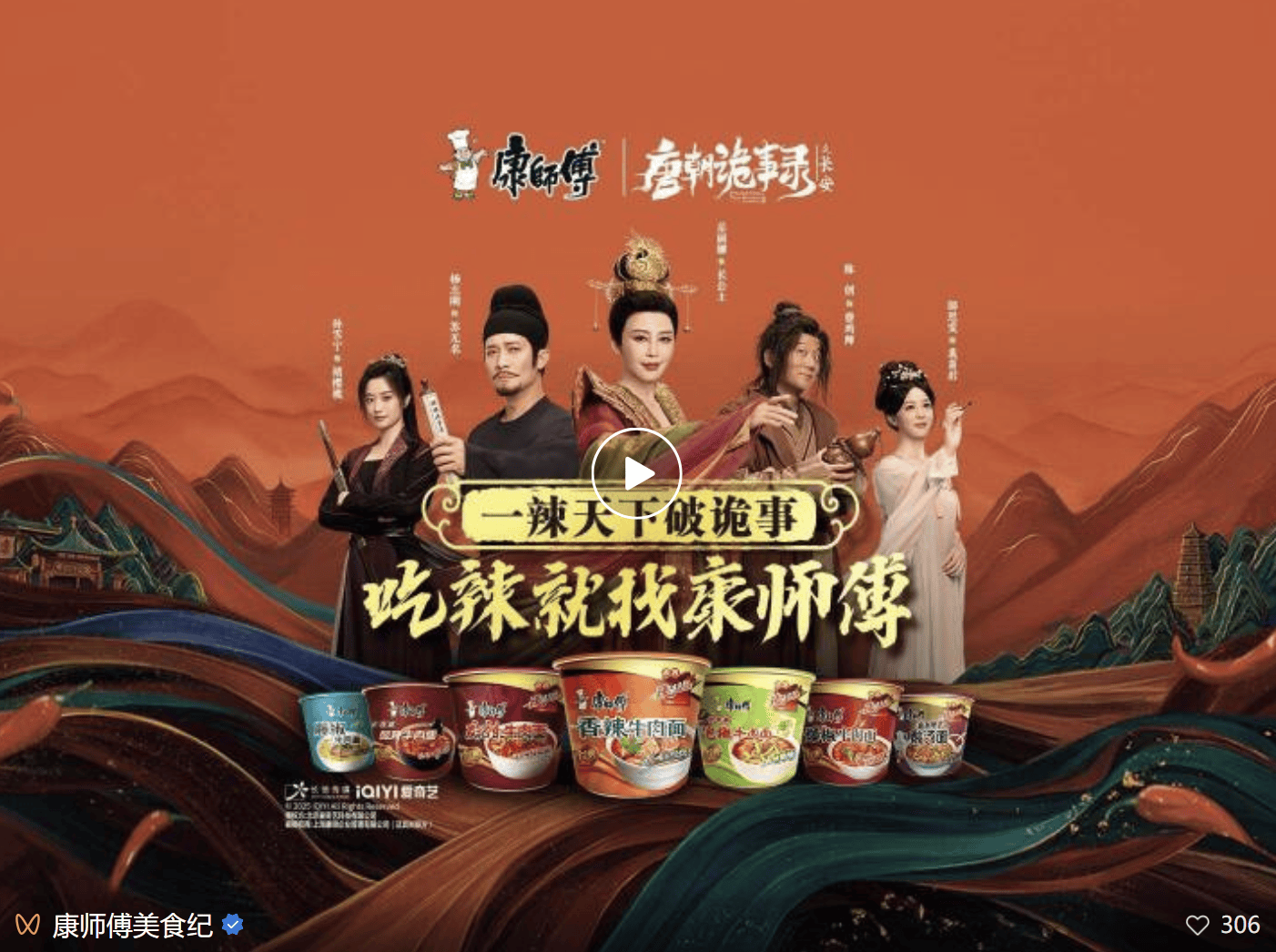
以文化为媒,康师傅用“在场感”重塑快消品牌增长逻辑
Sou Hu Cai Jing· 2025-12-06 04:15
Core Insights - The consumer goods industry, particularly the instant noodle segment, is at a critical transformation point as growth enters a plateau phase [1] - Traditional functional appeals of instant noodles are losing traction among younger consumers, who are seeking more diverse experiences [1] - Brands are increasingly focusing on cultural consumption trends, moving away from one-time transactions to building long-term relationships with consumers [2] Group 1: Market Trends - The fast-moving consumer goods (FMCG) sector is experiencing saturation, with instant noodles affected by this trend [1] - A report indicates that traditional appeals of "satisfaction" and "taste" are becoming less attractive to younger demographics [1] - The concept of "relational advantage" is emerging as a key competitive factor for brands, emphasizing deep integration into consumers' lives [2] Group 2: Marketing Evolution - The marketing revolution requires brands to shift from being "advertisers" to "content co-creators" and from providing "product functionality" to delivering "cultural identity" [3] - Traditional Chinese food culture is becoming a pivotal element in this transformation, allowing brands to connect emotionally with younger consumers [3] - The collaboration between brands and popular cultural IPs, such as the partnership between Kang Shifu and the drama "Tang Chao Gui Shi Lu," exemplifies this approach [4][6] Group 3: Cultural Integration - Kang Shifu's partnership with "Tang Chao Gui Shi Lu" represents a significant innovation in brand collaboration, integrating cultural narratives into product marketing [4] - The brand's products are woven into the storyline, transforming them from mere background elements to essential components of the narrative [7] - The use of AI technology to create customized content enhances the viewer's experience, making the brand a part of the storytelling process [9] Group 4: Consumer Engagement - Over 60% of consumers are willing to pay a premium for products that offer cultural resonance and storytelling [12] - The series "Tang Chao Gui Shi Lu" incorporates traditional cultural elements, enriching the viewer's experience and fostering a deeper connection with the brand [12][14] - Kang Shifu's products are positioned not just as food but as cultural experiences that provide emotional relief and a sense of belonging [18] Group 5: Experiential Marketing - Kang Shifu is creating immersive experiences that blend online and offline interactions, enhancing consumer engagement through cultural narratives [21][24] - The brand's marketing strategy includes creating anticipation and ritual around product consumption, linking it to cultural experiences [21] - By establishing itself as a key component in cultural consumption, Kang Shifu is redefining consumer expectations and creating new growth opportunities [24] Group 6: Future Outlook - The integration of culture into branding is seen as a vital asset for future competitiveness, with brands needing to form deep cultural connections with consumers [25] - The collaboration between Kang Shifu and "Tang Chao Gui Shi Lu" serves as a model for cultural marketing in the FMCG sector [25][26] - The future of competition will hinge on cultural interpretation, content co-creation, and the ability to define consumer experiences [26]
华泰证券-必选消费行业2026年度策略:冬藏伺机,春归可期
Sou Hu Cai Jing· 2025-12-06 03:13
Core Insights - The report from Huatai Securities indicates that the essential consumer sector has entered a favorable left-side layout window, with expectations for a mild recovery in consumption in the second half of 2026 due to stabilizing real estate prices, increased policy stimulus, and the recovery of household balance sheets [1][2]. Industry Overview - The essential consumer sector is currently at historical low valuation levels and public fund allocation ratios, providing a high safety margin and potential upside for investors [1][2]. - Some sub-industries are showing signs of bottoming out, with leading companies shifting focus from price wars to product innovation and adapting to channel changes [1][2][6]. - Structural changes such as the rebalancing of raw milk cycles, recovery in restaurant demand, and stricter regulations on zero additives are optimizing the competitive landscape of the industry [1][2]. Investment Recommendations - The report recommends four categories of stocks: 1. Cyclical high-upside stocks, including Gujing Gongjiu, Luzhou Laojiao, China Resources Beer, Qingdao Beer, Haitian Flavoring, Anjuke Food, and Qianhe Flavoring [2][7]. 2. Companies at fundamental turning points, such as Mengniu Dairy and Master Kong [2][7]. 3. High-dividend blue-chip leaders like Yili and Shuanghui Development [2][7]. 4. Small but promising growth stocks, including Ximai Food, Baoli Food, and Yanjinpuzi [2][7]. Market Trends - The report emphasizes a three-stage market strategy from expectation recovery to performance realization for 2026 [2]. - The essential consumer sector is expected to see a gradual improvement in retail sales growth, projected to reach 4.8% in 2026 [25]. - The consumer confidence index has shown some recovery but remains in a low range, indicating cautious consumer sentiment [26]. Sub-Industry Insights - Specific sub-industries are highlighted: 1. Frozen food is showing signs of bottoming out, with expectations for a reduction in price wars in 2026 [6][10]. 2. The dairy sector is anticipated to see a rebalancing of the raw milk cycle, enhancing domestic substitution logic [6][10]. 3. The beer industry is expected to maintain profit resilience due to rational competition and a diminishing demand dividend [6][10]. 4. Traditional condiment leaders are actively adjusting strategies to capture market share [6][10]. Conclusion - The essential consumer sector is positioned for a potential recovery, with various sub-industries adapting to market changes and focusing on innovation and strategic adjustments to enhance competitiveness [1][2][6].