Momenta

Search documents
合资反攻:日韩新能源在中国的“起势之年”
Tai Mei Ti A P P· 2025-11-03 06:17
Core Insights - The joint venture brands in China are poised for a significant shift in the electric vehicle (EV) market by 2025, with a focus on new energy vehicles (NEVs) becoming a primary strategy [2][5] - Recent launches of affordable electric models by joint ventures indicate a strategic move to penetrate the mainstream market, challenging the dominance of domestic brands [3][4] Pricing Strategy - The newly launched models, such as the GAC Toyota BZ3X and Dongfeng Nissan N7, are priced competitively, with starting prices around 109,800 to 119,800 yuan, aiming to attract price-sensitive consumers [3][4] - The pricing strategy emphasizes a "low price" approach to disrupt market perceptions and engage in direct competition with domestic brands [3][4] Market Dynamics - The 100,000 to 150,000 yuan price range is identified as a critical segment in the Chinese passenger vehicle market, accounting for over 30% of total sales, making it a highly competitive arena [4] - Joint venture brands are now actively participating in this segment, which was previously overlooked due to low profitability [5] Technological Advancements - The new models are addressing previous shortcomings in smart technology by collaborating with local tech companies, enhancing their competitive edge [6][7] - Features such as advanced driver assistance systems and smart cockpit technologies are being integrated, leveraging local innovations to meet consumer expectations [6][7] Localization Efforts - The integration of local supply chains is crucial, with high localization rates reported for the new models, such as nearly 100% for the Dongfeng Nissan N7 [8][9] - The shift from a model of "foreign technology, local production" to a "China-led development" approach is evident, with local teams driving product design and features [8][9] Market Positioning - Despite the positive developments, joint venture brands still face challenges in gaining market share, with domestic brands holding a significant lead in the NEV segment [11][12] - The perception of joint venture brands as lagging in smart technology remains a hurdle, necessitating ongoing efforts to reshape brand image and consumer trust [11][12] Future Outlook - The year 2025 is seen as a pivotal moment for joint venture brands in the NEV market, marking the beginning of a more aggressive strategy to reclaim market share [5][12] - The success of these brands will depend on their ability to adapt to consumer needs and market trends, as well as their capacity to innovate and compete effectively against domestic players [12]

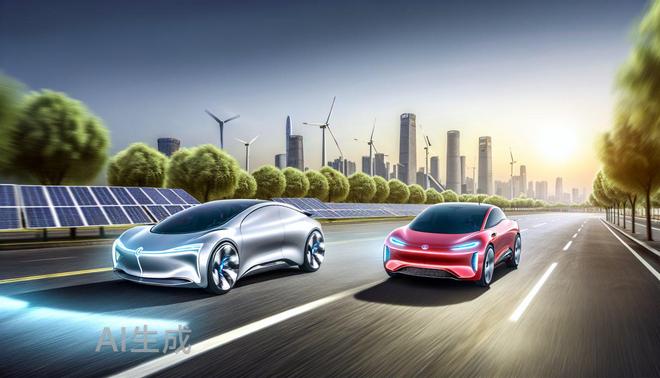
智驾软硬件持续迭代,robotaxi未来已来
2025-11-03 02:35
Summary of Key Points from the Conference Call Industry Overview - The conference call discusses the autonomous driving (AD) industry, focusing on various companies and their technological advancements in the sector. Key Companies and Market Share - **Momenta** holds a leading position in the third-party autonomous driving market with a market share of 55%, while **Huawei** has a 25% share [1][3]. - **DJI** excels in low-computing power chip solutions but is shifting towards mid-to-high computing power solutions due to market demand [1][5]. - **Horizon Robotics** has developed self-researched hardware-software integrated solutions, currently in mass production with Chery's models, but faces challenges in NPU computing power and algorithm upgrades [1][6]. Technological Routes and Developments - The AD industry is divided into three main technological routes: 1. **End-to-End Algorithms**: Gaining traction since Tesla's AI Day in 2021, with companies like Momenta and Tesla implementing these algorithms in production vehicles [2]. 2. **Vision Language Action (VLA) Models**: Used by companies like Li Auto and XPeng, requiring high computing power (minimum 500 TOPS) and significant resources for training [2]. 3. **World Models**: Developed by companies like Huawei and Momenta, capable of understanding and predicting environmental changes [2]. Performance and Capabilities of Key Players - **Momenta** offers two product lines: a cost-effective single Orin X solution and a high-end dual Orin X solution, showcasing strong engineering capabilities [3]. - **DJI** has strong engineering capabilities but relatively weaker algorithm capabilities, allowing it to effectively implement complex algorithms in practical scenarios [3]. - **Horizon Robotics** is in the second tier of the industry, with its HSD and G6P series solutions providing decent user experience but needing more vehicle validation [6]. Market Trends and Shifts - The market is shifting from low-computing power chips to mid-to-high computing power solutions, prompting companies like DJI to develop new chip solutions [4][5]. - The demand for **fusion perception** routes combining Lidar and other sensors is expected to grow due to regulatory requirements and the need for handling complex scenarios [12]. Challenges and Future Outlook - The differences in autonomous driving capabilities among companies are primarily determined by data, computing power, and algorithms [8][9]. - Long-term, the accumulation of data will be crucial for competitive advantage, with a critical mass of road testing data needed to trigger significant improvements [10]. - The **Robot Taxi** market is seen as a positive growth area, with profitability dependent on vehicle efficiency, cost management, and competitive pricing [18][19]. Conclusion - Companies transitioning from L2+ to L4 levels of autonomous driving have a natural advantage due to lower resource investment and existing experience in mass production [20].
三年半净亏19亿元 知名网约车平台冲刺IPO 背后是这家车企巨头!
Mei Ri Jing Ji Xin Wen· 2025-10-31 10:58
Core Viewpoint - The company Xiangdao Travel, a ride-hailing platform under SAIC Motor Corporation, has submitted its IPO application to the Hong Kong Stock Exchange, with a focus on the commercialization of Robotaxi services and autonomous driving technology development [1][3]. Financial Performance - Xiangdao Travel has shown steady revenue growth, with projected revenues of approximately 4.73 billion RMB, 5.72 billion RMB, and 6.39 billion RMB for the years 2022, 2023, and 2024 respectively [4]. - Despite revenue growth, the company has incurred net losses of approximately 7.8 billion RMB, 6 billion RMB, and 4.1 billion RMB for the same years, totaling around 19 billion RMB in losses over the past three and a half years [4][6]. - The gross profit margin has been increasing, reaching 11.3% in the first half of 2025, up from 1% in 2022 [4][5]. Business Segments - The ride-hailing service is a core business for Xiangdao Travel, contributing approximately 4.99 billion RMB, or 78% of total revenue in 2024, while vehicle leasing services generated around 1.08 billion RMB [5]. - Revenue from five major clients has decreased over the years, with the largest client, SAIC Motor, contributing 1.71 billion RMB in 2022, which dropped to 310 million RMB in 2025 [6]. Robotaxi Development - Xiangdao Travel is focusing on the commercialization of Robotaxi services, with plans to achieve the first batch of "driverless" Robotaxi operations by the end of the year [7]. - The company has already completed over 330,000 orders and driven more than 2.5 million kilometers since launching its Robotaxi operations in 2021 [7][8]. - By 2025, the company aims to achieve fully driverless Robotaxi operations in Shanghai, with plans for expansion to other cities by 2027 [8]. Competitive Landscape - The Robotaxi market is highly competitive, with various players including ride-hailing platforms and dedicated autonomous driving companies entering the space [3][8]. - Xiangdao Travel is positioned as the first L4-level Robotaxi operator with a background in automotive manufacturing, leveraging its technological capabilities as a core advantage [9].

三年半净亏19亿元,知名网约车平台冲刺IPO,背后是这家车企巨头!重金押注Robotaxi,能挣到钱吗?
Mei Ri Jing Ji Xin Wen· 2025-10-31 10:01
Core Viewpoint - Xiangdao Travel, a ride-hailing platform under SAIC Group, has submitted its IPO application to the Hong Kong Stock Exchange, with CICC and Guotai Junan International as joint sponsors [1] Financial Performance - Xiangdao Travel has shown steady revenue growth, with projected revenues of approximately RMB 47.29 billion, RMB 57.18 billion, and RMB 63.95 billion for the years 2022 to 2024, respectively [4] - Despite revenue growth, the company remains in a loss-making position, with net losses of approximately RMB 7.8 billion, RMB 6 billion, and RMB 4.1 billion for the same years [4] - In the first half of 2023, the company achieved revenue of RMB 30.13 billion, with a reduced net loss of RMB 1.1 billion compared to the same period in 2024 [4] - The company's gross margin has been on the rise, reaching 11.3% in the first half of 2025, up from 1% in 2022 [6] Business Segments - The ride-hailing service is a core business for Xiangdao Travel, contributing approximately RMB 49.91 billion in revenue in 2024, accounting for 78% of total revenue [7] - Vehicle leasing services primarily target B-end corporate clients, generating around RMB 10.84 billion in revenue in 2024 [7] Client Base and Shareholding - Revenue from five major clients has decreased from RMB 3.21 billion in 2022 to RMB 1.2 billion in the first half of 2025, with SAIC Group being the largest client [8] - SAIC Group holds approximately 75.37% of Xiangdao Travel's shares, making it both a major client and a controlling shareholder [8] Strategic Focus - The company is focusing on the commercialization of Robotaxi services, with significant funds from the IPO intended for R&D in autonomous driving technology [3][9] - Xiangdao Travel has already initiated Robotaxi operations in Shanghai and aims to achieve fully driverless operations by the end of 2025 [9] - The company has completed over 330,000 orders and driven more than 2.5 million kilometers since launching its Robotaxi service [9] Market Outlook - The Robotaxi market is expected to grow significantly, with projections indicating a market size exceeding RMB 2.93 trillion by 2030 [11] - The competitive landscape includes various players, such as ride-hailing platforms and autonomous driving companies, indicating a highly competitive environment [11][12] - Xiangdao Travel's technological capabilities, particularly its self-developed "Xiangdao Smart Brain" system, are seen as a core competitive advantage [12]
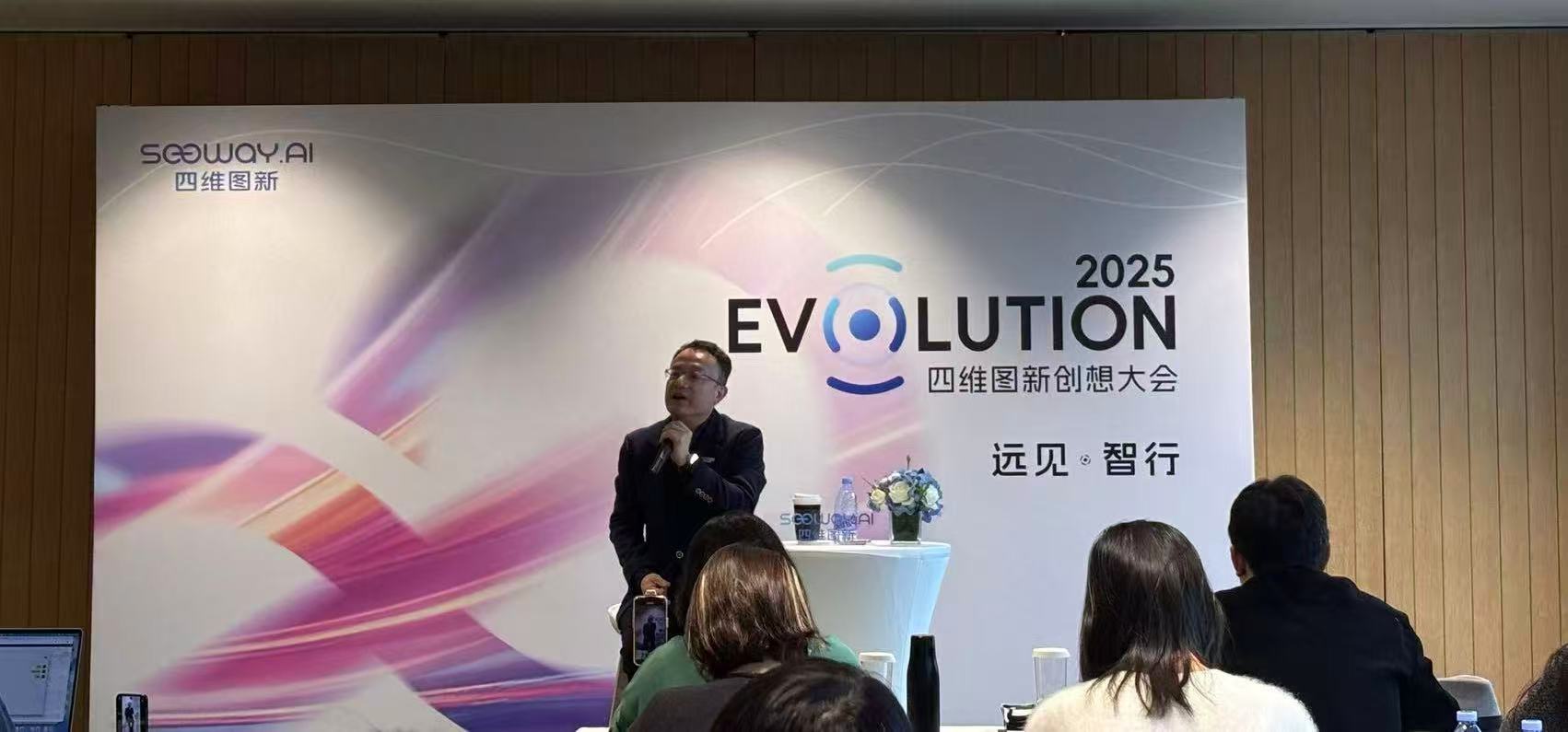
对话四维图新CEO程鹏:智驾行业整合是必然的,但不会只剩两三家
Tai Mei Ti A P P· 2025-10-31 09:07
Group 1: Industry Trends - The era of rapid growth for autonomous driving startups is ending, with a trend towards consolidation in the industry, as evidenced by significant investments and acquisitions by major players like FAW, Mercedes-Benz, and Four-dimensional Map [2][3][4] - The market share of third-party autonomous driving suppliers is heavily concentrated, with Momenta and Huawei holding nearly 90% of the market, leading to predictions that only two or three players may remain in the future [3][4] - The integration trend in the autonomous driving sector is partly driven by a challenging capital exit environment, making it more likely for companies to consolidate before going public [2][5] Group 2: Company Strategies - Four-dimensional Map's CEO Cheng Peng emphasizes the need for cost reduction in technology and ecosystem, advocating for collaboration rather than competition in developing autonomous driving solutions [2][6] - The company aims to position itself as a "new Tier 1" supplier, leveraging its capabilities in mapping, positioning, chips, and cockpit software to drive growth in autonomous driving [6][8] - Four-dimensional Map has secured 5.85 million sets of autonomous driving solutions for over 20 mainstream automakers, with plans for high-level autonomous driving solutions to enter mass production within two years [7][8] Group 3: Market Opportunities - The Chinese automotive industry is experiencing a significant increase in exports, with projections of reaching 7 million units in 2024, creating new opportunities for supply chain companies [10][11] - The company has developed a comprehensive compliance service covering over 100 projects for more than 30 major automakers, facilitating global market entry [11][12] - The focus on achieving high cost-performance ratios is crucial for both domestic and international markets, with an emphasis on technological innovation and ecosystem collaboration [12][13]


增收不增利!四维图新前三季度净亏损同比扩大45.55%,CMO孟庆昕:预计2027年可实现盈亏平衡
Mei Ri Jing Ji Xin Wen· 2025-10-31 07:17
每经记者|刘曦 每经编辑|裴健如 随着智能辅助驾驶渗透率快速上升,智驾领域的竞争进入白热化阶段,以地平线、Momenta、华为为代表的头部玩家已占据市场主导地位,自动驾驶行业对 市场格局的判断出现分歧。 "自动驾驶的上半场是城市辅助驾驶,竞争格局将在明年见分晓,国内主要玩家可能也就只剩下两三家,全球范围内可能是三四家。"近日,Momenta CEO曹 旭东的一番言论引发行业关注。 对此,四维图新CEO程鹏近日接受包括《每日经济新闻》记者在内的媒体采访时则表达了不同看法。"这种论断我并不陌生,几年前就有人预言整车市场只 会剩下'五家'或少数几家。这种观点过于执着自我判断,并不符合产业发展的实际情况。"程鹏认为,"汽车品牌至今依然多元。断言市场将快速收敛为'两三 家'的结论过于草率,忽略了用户才是产业发展的根本决定力量。" 图片来源:每经记者 刘曦 摄 对于"第一大股东而非控股股东"的股权结构设计,四维图新高级副总裁、CMO兼董秘孟庆昕向记者解释称,此举旨在保持组织与资本运作的灵活性。"'新鉴 智'未来在资本路径上具备更大空间,我们将其视为四维图新体系内的智驾核心载体。"她进一步表示,公司智能座舱业务已于2018 ...
自动驾驶公司,正在标配飞书
量子位· 2025-10-31 04:09
Core Viewpoint - The article discusses the rapid development of the autonomous driving industry, highlighting the consensus among companies to leverage AI for improving efficiency and productivity in their operations [1][39]. Group 1: Industry Trends - By 2025, the industry is expected to experience rapid growth, with L2 assisted driving gaining significant traction and companies like Momenta and Horizon achieving substantial market presence [1]. - The penetration rate of L2 assisted driving in domestic passenger vehicles reached 63% from January to July this year, with projections indicating a 100% adoption rate by 2030 [34]. - The year 2025 is referred to as the "mass production year" for Robotaxi, driven by increased competition and investment in the sector [34]. Group 2: AI in Autonomous Driving - The autonomous driving sector is utilizing AI to enhance production processes, a concept derived from lean manufacturing principles, focusing on continuous improvement and waste reduction [3][4]. - Companies like Horizon and Momenta are leading examples of using AI to streamline their research and development processes, with Horizon managing over 700,000 documents annually [5][12]. - Momenta has developed a research efficiency engine that automates the flow of information from project initiation to delivery, significantly reducing the time required for various tasks [13][15]. Group 3: Tools and Collaboration - The adoption of Feishu (Lark) as a core platform for knowledge management and collaboration has enabled companies to efficiently utilize their knowledge assets and improve team coordination [6][10]. - Horizon has established knowledge bases for hundreds of projects using Feishu, allowing for rapid iteration and updates to products [11]. - The use of AI-driven tools within Feishu has led to a significant increase in task completion rates and improved overall efficiency in research and development [10][11]. Group 4: Cultural Shift and Competitiveness - The implementation of AI efficiency initiatives, such as the "AI Efficiency Pioneer Competition," fosters a culture of continuous improvement and knowledge sharing among employees [16][26]. - The competition encourages the dissemination of effective case studies across departments and companies, enhancing the overall efficiency of the industry [26]. - The need for efficient tools is underscored by the challenges faced in traditional communication methods, which are often cumbersome and time-consuming [35][36]. Group 5: Future Outlook - The article emphasizes that the future of physical AI will belong to companies that adopt advanced productivity tools early on, as they will be better positioned to navigate the competitive landscape [41][42]. - The integration of AI into real-world applications is seen as a critical challenge that requires comprehensive support for both software development and hardware production [40].



世界模型和VLA正在逐渐走向融合统一
自动驾驶之心· 2025-10-31 00:06
Core Viewpoint - The integration of Vision-Language Action (VLA) and World Model (WM) technologies is becoming increasingly evident, suggesting a trend towards unification rather than opposition in the field of autonomous driving [3][5][7]. Technology Development Trends - Recent discussions highlight that VLA and WM should not be seen as mutually exclusive but rather as complementary technologies that can enhance the development of General Artificial Intelligence (AGI) [3]. - The combination of VLA and WM is supported by various academic explorations, including models like DriveVLA-W0, which demonstrate the feasibility of their integration [3]. Industry Insights - The ongoing debate within the industry regarding VLA and WA (World Action) is more about different promotional narratives rather than fundamental technological differences [7]. - Tesla's recent presentations at ICCV are expected to influence domestic perspectives on the integration of VLA and WA [7]. Community and Learning Resources - The "Autonomous Driving Heart Knowledge Planet" community has been established to provide a comprehensive platform for learning and sharing knowledge in the autonomous driving sector, with over 4000 members and plans to expand to nearly 10,000 [10][23]. - The community offers a variety of resources, including video content, learning routes, and Q&A sessions, aimed at both beginners and advanced practitioners in the field [10][12][28]. Technical Learning Paths - The community has compiled over 40 technical learning routes covering various aspects of autonomous driving, including perception, simulation, planning, and control [24][44]. - Specific learning paths are available for newcomers, including full-stack courses suitable for those with no prior experience [20][17]. Networking and Career Opportunities - The community facilitates connections between members and industry leaders, providing job referral mechanisms and insights into career opportunities within the autonomous driving sector [19][10]. - Members can engage in discussions about research directions, job choices, and industry trends, fostering a collaborative environment for knowledge exchange [97][101].

拼融资、谋上市、打价格战,无人物流车赛道“卷疯了”
3 6 Ke· 2025-10-30 23:12
Core Viewpoint - The emergence of unmanned delivery logistics vehicles is rapidly transforming the logistics industry, with significant investments and competition intensifying among key players like New Stone and NineSight [1][4][5] Industry Overview - The industry is characterized by a few dominant players, with New Stone and NineSight leading the market, both having delivered over 10,000 units cumulatively [2][12] - The market is witnessing a surge in capital investment, with major financing rounds reported for leading companies, indicating a growing interest from top-tier investors [4][12] Market Dynamics - Increased competition is leading to a price reduction trend in the unmanned delivery logistics vehicle market, making cost control a critical factor for survival [5][25] - The market is projected to experience explosive growth, with sales expected to exceed 30,000 units by 2025, compared to only 5,100 units in 2024 [13][15] Technological Development - The industry has evolved from initial skepticism to a more favorable environment due to advancements in technology and supportive policies, allowing for legal operation of unmanned delivery vehicles [9][17] - Continuous technological iterations have improved the safety and efficiency of unmanned delivery vehicles, making them more viable for logistics applications [17][19] Competitive Landscape - Major internet companies like Meituan, JD, and Cainiao are entering the unmanned delivery vehicle space, intensifying competition and leading to potential price wars [21][24] - The cost of unmanned delivery vehicles has significantly decreased, with some models now priced below 20,000 yuan, prompting aggressive pricing strategies among competitors [25][26] Future Outlook - The demand for unmanned delivery logistics vehicles is expected to grow as logistics companies seek to reduce costs and improve efficiency, with projections indicating a potential market size of 600,000 units by 2030 [15][16] - The industry is at a critical juncture, with companies needing to capitalize on current demand while navigating the challenges of increased competition and pricing pressures [26]

BBA全部拿下!这家智驾供应商,要跟华为掰手腕?
电动车公社· 2025-10-30 16:35
Core Viewpoint - The article discusses the evolution and current status of Momenta, a third-party supplier in the autonomous driving sector, highlighting its strategic partnerships and the challenges it faces in a competitive market [4][20]. Group 1: Industry Context - The automotive industry has shifted from a blue ocean to a red ocean, with intense competition leading to the elimination of many players [2][3]. - The autonomous driving sector is experiencing a similar trend, with suppliers facing significant challenges [3]. Group 2: Company Overview - Momenta is recognized as a notable player in the autonomous driving market, having established partnerships with major automotive manufacturers such as SAIC, Audi, BMW, and Mercedes-Benz [10][13][15][18]. - The company operates in a competitive landscape alongside self-research firms and Huawei's ecosystem, forming a tripartite structure in the market [19]. Group 3: Founder's Background - The founder of Momenta, Cao Xudong, is a Tsinghua University graduate who initially pursued a career in artificial intelligence, abandoning a direct doctoral opportunity to work at Microsoft [20][21][28]. - His experience at Microsoft and subsequent roles at SenseTime laid the groundwork for Momenta's strategic direction focused on data-driven algorithms [37][39]. Group 4: Early Challenges and Strategic Shifts - In its early years, Momenta struggled to commercialize its products, focusing more on research than on practical applications, which led to investor impatience [56][59]. - The company pivoted towards commercial vehicles, developing a driver monitoring system and collision warning system, which successfully generated revenue [70][72]. Group 5: Strategic Partnerships and Growth - Momenta's collaboration with SAIC marked a significant turning point, leading to further investments and a broader partnership scope [86][89]. - The company has leveraged data from its partnerships to enhance its autonomous driving capabilities, positioning itself among the top players in the industry [96][100]. Group 6: Future Challenges and Opportunities - Despite its successes, Momenta faces ongoing challenges, including competition from Huawei and the need to secure more partnerships with other automakers [104][106]. - The company aims to expand its client base while maintaining a flexible and open collaboration model to differentiate itself from competitors [110][112]. Group 7: Long-term Viability - Momenta's long-term profitability hinges on scaling its vehicle installations to 4 million units, a significant increase from its current 1 million [116]. - The company is also exploring self-developed chips as a strategy to transition from a tier-2 to a tier-1 supplier in the evolving automotive landscape [123].