
元气森林

Search documents
每经热评丨宗馥莉“去娃哈哈”,难以完成的告别
Mei Ri Jing Ji Xin Wen· 2025-09-14 10:26
Core Viewpoint - The internal document leak reveals significant internal conflicts within the Wahaha empire, indicating a shift towards a new brand "Wah Xiaozong" controlled by Zong Fuli, which will replace the existing "Wahaha" brand starting from the 2026 sales year [1] Group 1: Brand Transition - The transition to "Wah Xiaozong" is not merely a brand upgrade but a complete rebranding effort, suggesting a strategic departure from the "Wahaha" identity [1] - Zong Fuli's decision to abandon the "Wahaha" brand is driven by the need to dissociate from the legacy of the late founder, Zong Qinghou, who has become a liability for the brand [1][4] - The "Wahaha" trademark is owned by the Wahaha Group, and any unilateral decision regarding its use requires unanimous consent from all shareholders, complicating Zong Fuli's ability to fully control the brand [1][2] Group 2: Legal and Historical Issues - The company faces complex historical issues, including disputes over employee stock ownership, stock buyback agreements, and the legality of trademark authorization, alongside ongoing family inheritance disputes [2] - Zong Fuli's attempt to transfer the "Wahaha" trademark to her controlled company was rejected by major shareholders, highlighting her limited control over the brand and the associated legal risks [2] Group 3: Market Challenges - The new brand "Wah Xiaozong" lacks the historical significance and emotional connection that "Wahaha" has built over nearly 40 years, making it unlikely to inherit the brand's estimated value of 90 billion [3] - The current beverage market is highly competitive, with established players like Yuanqi Forest and Nongfu Spring, making it difficult for a new brand without a compelling narrative or differentiation to succeed [3] - Unlike the case of Jia Duo Bao, which had a narrative of loss and consumer loyalty, "Wah Xiaozong" does not have a similar backstory to attract consumers or channel support [3] Group 4: Succession and Brand Integrity - Zong Fuli's legitimacy as a successor is questioned if she abandons the "Wahaha" brand, as it would undermine her perceived role as the rightful heir to the brand's legacy [4] - The emotional contract with consumers tied to the "Wahaha" brand is significant, and abandoning it for "Wah Xiaozong" could be seen as a betrayal, risking her reputation and market position [4][5] - The brand "Wahaha" is integral to Zong Fuli's strategy, and losing it could lead to a complete failure of her business ambitions [5]
对话好望水创始人孙梦鸽:敬佩农夫山泉,是少有大品牌能持续创新还持续赢
Xin Lang Cai Jing· 2025-09-13 03:21
Core Insights - The founder of Haowang Water, Sun Mengge, shared insights on the brand's development, product innovation, and future outlook for the beverage industry during the 21st Summer Annual Meeting of the 2025 Yabuli Entrepreneur Forum [2] Company Overview - Haowang Water started from the dining scene and has expanded to a full-channel approach, with two main products, "Wang Shan Zha" and "Wu Zhi Mao Tao Yi Mi Shui," having nearly equal sales proportions. The overall scale of the company has not yet exceeded 1 billion yuan [2] - The company initially focused on creating a beverage that matched the dining experience, leading to the development of carbonated fruit juice, a concept that was nearly non-existent in the market at the time [2] Product Development - The brand incorporates traditional cultural elements into its packaging and product design, reflecting the founder's background and aesthetic preferences. Ingredients like dried tangerine peel, licorice, and hibiscus are used instead of standardized industrial materials [3] - Haowang Water emphasizes product quality and brand communication, relying on professional distributors for sales rather than aggressive channel expansion [4] Market Strategy - The current channel structure consists of approximately 30% from online, offline modern channels, and dining, with a focus on building win-win relationships with distributors [3][4] - The company has a market share of 5% in first-tier cities and only 0.5% in lower-tier cities, indicating potential for growth in these markets [4] Financial Performance - Haowang Water's gross margin is over 40%, with a net profit margin of about 5-10%, which is considered moderate within the industry [5] - The founder expressed skepticism about the sustainability of high profit margins, advocating for a more reasonable profit model that allows for long-term viability [5] Future Outlook - The company is developing a new line of health drinks targeting sports scenarios, aiming to combine traditional Chinese health concepts with modern electrolyte technology [5] - Haowang Water is committed to maintaining a balance between product innovation, brand building, and channel cooperation, with a focus on sustainable growth and fair pricing for consumers [5]



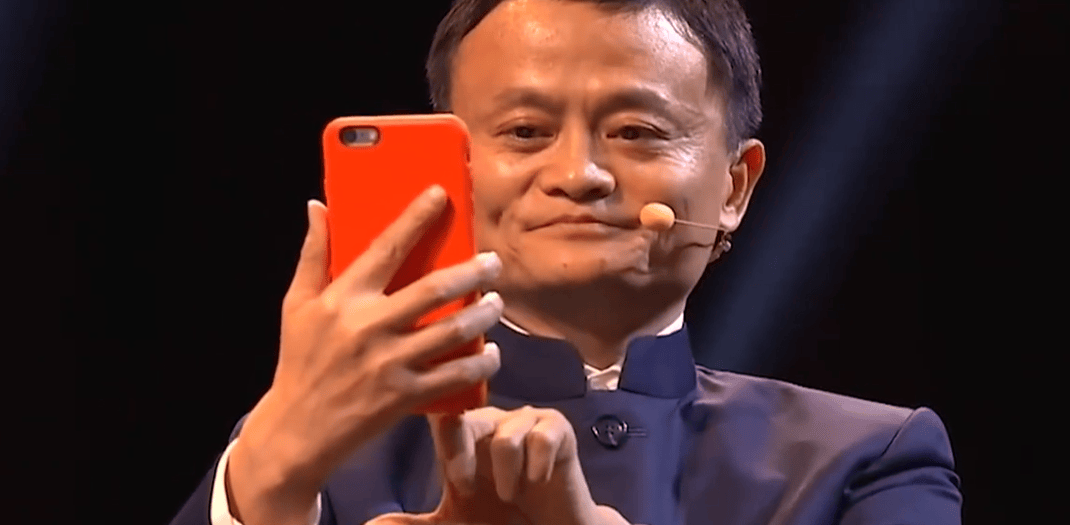
马云虞锋双剑合璧十五载,云锋系借势数字货币再活跃,朋友圈添新力量
Sou Hu Cai Jing· 2025-09-12 16:55
Group 1 - The core viewpoint of the news is that Yunfeng Group, co-founded by Jack Ma and Yu Feng, is showing renewed vitality through strategic moves in personnel adjustments and business expansion, particularly in the digital currency sector [1][3]. - Yunfeng Financial's mid-term performance report for 2025 shows a significant increase in net profit attributable to shareholders, reaching HKD 486 million, a year-on-year growth of 142%, marking the best mid-term performance since its acquisition of Ruido Group in 2015 [3]. - Yunfeng Securities received approval from the Hong Kong Securities and Futures Commission on September 9 to add virtual asset trading qualifications, allowing it to provide trading services for cryptocurrencies like Bitcoin and Ethereum, indicating a strategic step in the digital currency field [3][4]. Group 2 - The appointment of former Fosun International CEO Liang Xinjun to the board of Yunfeng Financial is seen as a significant signal of strengthening strategic layout, while former Mengniu President Lu Minfang has joined as a partner at Yunfeng Fund, bringing new industry perspectives and resources [3]. - Yunfeng Group was established in 2010 as an independent capital platform outside of Alibaba's system, focusing on private equity investments in non-listed companies, with notable investments in companies across various sectors including technology, healthcare, and consumer goods [3]. - The partnership between Jack Ma and Yu Feng dates back to 2006, evolving from their initial meeting at a CEO class to the establishment of Yunfeng Fund, which has provided Yu Feng with a platform to transition from entrepreneur to investor [4].
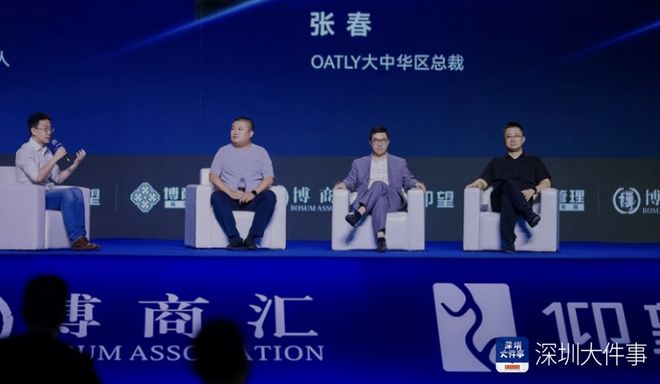
民营企业家齐聚深圳宝安 AI赋能成企业创新焦点
Nan Fang Du Shi Bao· 2025-09-12 15:20
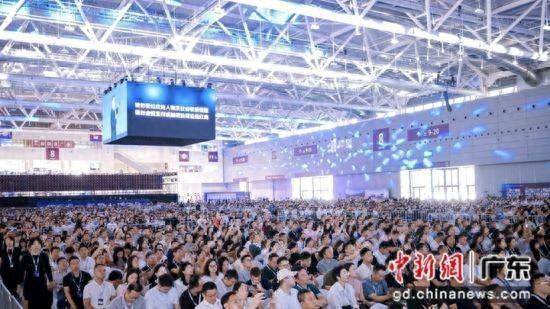
Group 1 - The sixth China Private Entrepreneurs Conference was held in Shenzhen, attracting over 8,000 representatives to discuss development paths and opportunities for private enterprises in areas such as artificial intelligence, overseas expansion, manufacturing upgrades, and brand building [1] - The conference serves as an important platform for thought exchange among private enterprises, providing insights to help entrepreneurs navigate uncertainties and clarify their development direction [1] - Experts from various sectors shared insights on macro policy interpretation, cutting-edge technology trends, capital investment logic, and industrial upgrading paths, offering multi-dimensional industry perspectives to the attending entrepreneurs [1] Group 2 - A roundtable forum focused on "Globalization Practice: Brand Growth, Localization, and Long-term Survival" featured discussions on brand innovation strategies, cross-cultural operational adaptation, and capital empowerment in industry [2] - The conference showcased the application potential of the Boshan AI Intelligent Agent in strategic analysis, operational optimization, and sales management, indicating that innovative technologies like AI are gradually integrating into enterprise management practices [4] - Experts believe that private enterprises need to further combine technological capabilities with industry experience to explore suitable development paths in a constantly changing market [4]
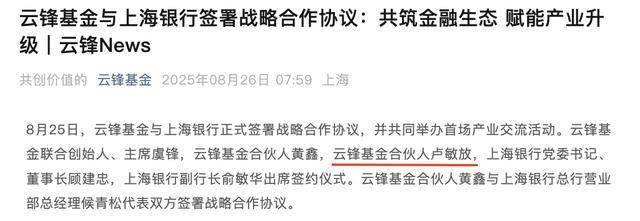
蒙牛前总裁卢敏放加盟云锋基金,后者由马云创办
Sou Hu Cai Jing· 2025-09-12 01:55
Core Viewpoint - The article discusses the strategic partnership between Yunfeng Fund and Shanghai Bank, highlighting the leadership transition of Lu Minfang at Mengniu Dairy and the company's performance against its ambitious sales and market value targets [2] Group 1: Company Overview - Yunfeng Fund, co-founded by Alibaba's Jack Ma and Yu Feng, was established in 2010 and has invested in over 200 companies, particularly in the consumer sector [2] - Mengniu Dairy, under Lu Minfang's leadership since 2016, aimed for a "double hundred billion" target, seeking to achieve sales and market value of 100 billion yuan by 2020 [2] Group 2: Leadership Transition - Lu Minfang, born in 1969, served as the longest-tenured president of Mengniu Dairy, transitioning to vice chairman and executive director before resigning from all positions in October 2024 to focus on personal matters [2] - The company’s revenue figures from 2020 to 2023 were reported as 76.03 billion yuan, 88.14 billion yuan, 92.59 billion yuan, and 98.6 billion yuan, indicating that the ambitious targets set by Lu were not met [2]

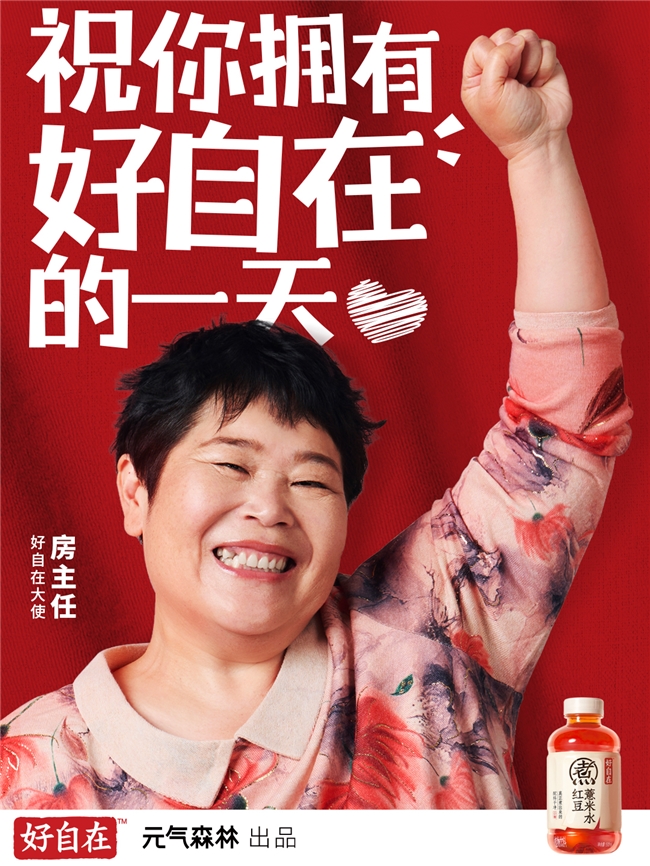
官宣合作!房主任成为好自在首位大使,共赴健康阅己生活——祝你拥有好自在的一天
Sou Hu Wang· 2025-09-11 09:28
Core Insights - The collaboration between the brand "Hao Zizai" and comedian Fang Zhuren aims to embody the brand's attitude of promoting a carefree lifestyle, encouraging individuals to find their own "answers to freedom" [1] Brand and Market Positioning - "Hao Zizai" has positioned itself in the market by focusing on traditional health supplements, quickly capturing 20% of the plant beverage market share since its launch in 2023 [5] - The brand underwent a significant upgrade in 2025, changing its name from "Yuanqi Zizai Water" to "Hao Zizai," which reflects a deeper commitment to the concept of a carefree lifestyle [5] Product Quality and Sourcing - To ensure the quality of its "good beans," "Hao Zizai" has established a nearly 10,000-acre red bean planting base in Heilongjiang, utilizing the "Pearl Red" variety and focusing on optimal growing conditions [6] - The brand emphasizes strict quality control at every production stage, from ingredient selection to slow cooking and sterile packaging, ensuring a healthy and natural product for consumers [6] Brand Philosophy and Future Plans - The brand's core philosophy of "good products" aligns with Fang Zhuren's personal approach to life, both advocating for a pursuit of a beautiful life [6] - Future initiatives will focus on promoting the brand's philosophy through diverse interactions, aiming to make "freedom" an accessible part of daily life for more consumers [6]
第六届中国民营企业家盛典在深举行
Sou Hu Cai Jing· 2025-09-11 06:50
Group 1 - The sixth China Private Entrepreneurs Conference was held in Shenzhen, focusing on the theme "Breaking Boundaries, Winning with Intelligence" and featuring 14 keynote speeches and a high-end roundtable discussion [2] - The conference attracted thousands of entrepreneurs from across the country to explore survival strategies and development opportunities in key areas such as artificial intelligence, industry expansion, manufacturing upgrades, and brand building [2] - The event is recognized as one of the most influential platforms for thought exchange among private enterprises in China, having successfully completed six editions since its inception [2] Group 2 - The conference gathered authoritative voices from economics, technology, industry practice, and capital markets, facilitating cross-disciplinary dialogues to help entrepreneurs clarify their development directions [2] - Notable speakers included experts from various fields, such as AI, consumer brands, and technology, highlighting the event's diverse representation [2] - 博商 officially launched the 博商 AI Intelligent System, integrating artificial intelligence with enterprise management practices to provide strategic decision-making support and operational optimization suggestions [3]
不止货架对决,冰红茶的下一仗,在客厅?
3 6 Ke· 2025-09-11 04:12
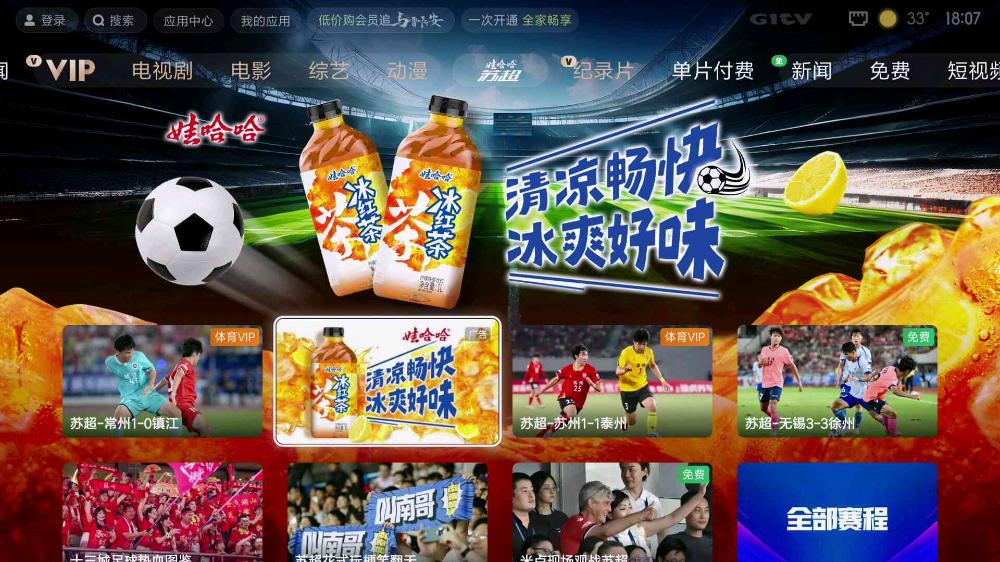
Core Viewpoint - Wahaha is leveraging a partnership with Xiaomi to market its iced tea through television advertising, aiming to break into a market dominated by major players like Master Kong and Uni-President, which hold nearly 80% of the market share in 2024 [1][2][3] Group 1: Market Dynamics - The iced tea market is highly mature with intense competition, primarily led by Master Kong and Uni-President, making it difficult for new entrants like Wahaha to gain significant market share [1][2] - The core challenge for Wahaha lies in the established distribution networks of the leading brands, which create formidable channel barriers that are hard to overcome [2][3] - Consumer habits have been shaped by the dominance of these two brands, making it challenging for Wahaha to shift brand perception and gain traction in the market [3][8] Group 2: Strategic Shift - Wahaha's strategy involves bypassing traditional retail competition by focusing on "scene marketing," targeting new consumption scenarios rather than direct shelf competition [8][9] - The partnership with Xiaomi aims to capitalize on the "family viewing" experience during major sports events, creating a new marketing channel that has not been fully exploited [12][18] - By integrating its brand with popular events, Wahaha seeks to establish a strong emotional connection with consumers, enhancing brand recognition and loyalty [10][12] Group 3: Marketing Effectiveness - The collaboration with Xiaomi allows Wahaha to utilize the high engagement of family screens, which are perceived as more trustworthy compared to mobile ads, thus enhancing brand credibility [15][17] - The marketing strategy focuses on creating a full-loop operation from brand exposure to consumer conversion, leveraging Xiaomi's ecosystem to facilitate direct purchases [13][18] - This approach not only aims to increase brand visibility but also to foster a habitual consumption pattern of Wahaha products in home settings [18][20]
2025年第35周:食品饮料行业周度市场观察
艾瑞咨询· 2025-09-08 00:06
Group 1 - The article discusses the trend of tea brands entering the coffee market, highlighting the rapid growth of the coffee sector in China, which is expected to reach a trillion yuan by 2025. Brands like Cha Yan Yue Se and Mi Xue Bing Cheng are launching coffee products to capture this market [3] - The resurgence of iced tea is noted, with brands like Nongfu Spring and Yuanqi Forest introducing new products that emphasize health and low sugar content. The iced tea market, traditionally dominated by brands like Master Kong, is seeing new entrants aiming to disrupt the status quo [4] - The rise of street vendors is impacting traditional restaurants, as low-cost and convenient options attract consumers. This shift is supported by policy changes and market dynamics, leading to a more diverse food service ecosystem [5] Group 2 - The decline of sugary beverages is evident, with health-conscious products gaining popularity among younger consumers. Yuanqi Forest's new health-focused product line has seen significant growth, indicating a shift towards traditional health concepts in beverage innovation [6] - Instant drink brands like Xiangpiaopiao are facing challenges as consumer preferences shift towards fresh and convenient options. Despite attempts to diversify, these brands struggle to maintain relevance in a rapidly evolving market [7] - The emergence of hard discount retailing in China is reshaping the market, with retailers focusing on high-quality, low-cost products. This model emphasizes supply chain optimization and has gained traction among consumers seeking value [9] Group 3 - Nongfu Spring has achieved a significant milestone by ranking third in the global soft drink brand value list, driven by its dual-engine strategy of water and beverages, and a strong health positioning [10][11] - Master Kong is redefining instant noodles by focusing on consumer satisfaction and product innovation, achieving revenue growth through a diversified product matrix [12] - New product launches in the health beverage sector, such as Panpan's jasmine tea and Yiwei's new yogurt drinks, reflect a growing consumer interest in health-oriented products [13][14] Group 4 - Mengniu's collaboration with popular IPs like Nezha has proven successful, with significant sales figures indicating effective engagement with younger consumers through innovative marketing strategies [15] - The rapid expansion of brands like Mr. Ice Cream, which focuses on high-quality, handmade ice cream, highlights the competitive landscape in the dessert market [16] - Wahaha's investment in a new beverage production facility in Xi'an aims to enhance its production capabilities and market presence, leveraging the region's established food and beverage ecosystem [17] Group 5 - The beverage market is witnessing a shift towards health and unique flavor experiences, with brands like Reesun Yogurt innovating to meet consumer demands for fresh and diverse products [18] - McDonald's has reported strong performance in China, with plans for aggressive expansion and a focus on local sourcing to enhance its supply chain efficiency [19] - The success of community-focused dining concepts, such as Xiong Daye's handmade dumplings, illustrates the growing trend of personalized and culturally rich food experiences [20] Group 6 - The traditional tea brand Wu Yutai is diversifying into the bakery and coffee market, showcasing a trend of established brands exploring new culinary territories [21] - Yanjing Beer is focusing on premiumization and expanding its product offerings, while also experimenting with low-cost beverage options to create new revenue streams [23] - Huangshanghuang's acquisition of a controlling stake in Lixing Food aims to enhance its product portfolio in the freeze-dried food sector, indicating a strategic move towards emerging market opportunities [24] Group 7 - Chongqing Beer is adapting its strategy by increasing its online presence and expanding into non-alcoholic beverages, reflecting a broader trend in the beverage industry towards diversification and innovation [25] - Huangshi Group is focusing on the water buffalo milk sector, leveraging technological advancements and strategic investments to strengthen its market position [27]




养生水市场走红,谁在收割年轻人的“情绪价值”?
Mei Ri Jing Ji Xin Wen· 2025-09-07 12:33
Core Viewpoint - The rise of health-oriented bottled water, leveraging traditional Chinese medicinal ingredients, is becoming a significant trend among young consumers, creating a rapidly growing market opportunity in the beverage industry [1][4][9]. Group 1: Market Dynamics - The health water segment has attracted significant investment from venture capital firms like ZhenFund and Meihua Venture Capital, indicating strong market interest [2]. - Traditional juice brands are pivoting to health water, with companies like Leyuan gaining traction by supplying health water to major retailers [2][5]. - The market for health water is projected to grow from 450 million yuan in 2023 to 10.8 billion yuan by 2028, suggesting a substantial growth trajectory [9]. Group 2: Product Development and Innovation - Leyuan has successfully introduced products like apple astragalus water and mulberry mint water, which have quickly gained popularity in retail channels [5][6]. - The health water market is characterized by a high degree of product similarity, with many brands relying on common ingredients like red beans and goji berries, leading to concerns about innovation [10]. - Companies are encouraged to enhance product differentiation through innovative formulations and high-quality raw materials to combat market saturation [10]. Group 3: Consumer Behavior and Market Perception - Health water serves as a vehicle for emotional consumption, providing a flavorful alternative to plain water while embodying traditional health concepts [3][9]. - The perception of health water as a lifestyle choice rather than a medicinal product is driving its popularity among younger consumers [3][9]. - Despite concerns about the sustainability of the health water trend, industry insiders remain optimistic about its long-term potential, viewing it as a significant market opportunity [9].