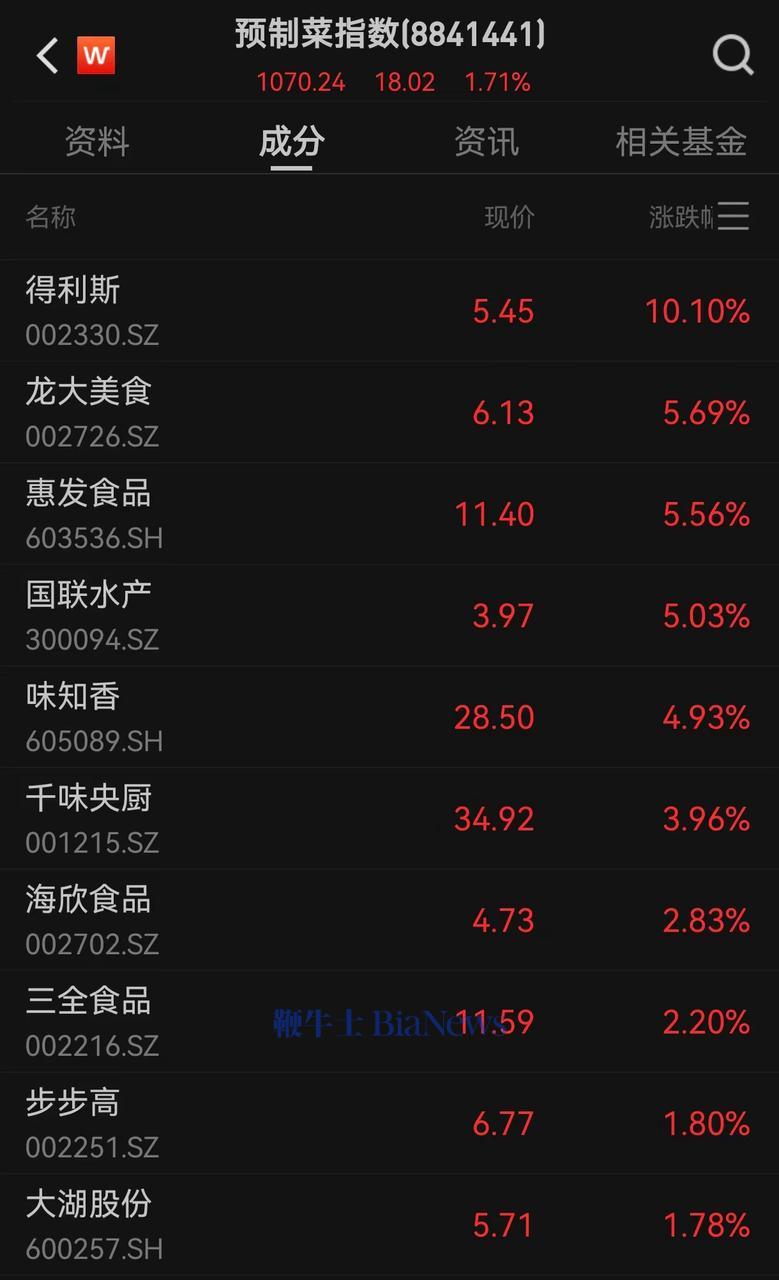
得利斯

Search documents
西贝致歉:尽可能在门店现做
Nan Fang Du Shi Bao· 2025-09-15 23:10
Core Viewpoint - The ongoing dispute between Luo Yonghao and Xibei Youmian Village regarding the "pre-made dishes" issue has drawn significant public attention, leading to Xibei's commitment to rectify its production processes and Luo's decision to monitor the situation without pursuing further legal action [3][4]. Company Response - Xibei issued an apology acknowledging the gap between its production processes and customer expectations, promising to adjust its central kitchen processing to on-site preparation by October 1 [3][4]. - Xibei is also in discussions with suppliers to shorten the shelf life of its products while ensuring food safety [3]. Market Reaction - Following the developments, several pre-made dish-related stocks surged, with companies like Delisi and Huifa Foods hitting their daily price limits, and Guolian Aquatic experiencing a 12.43% intraday increase before closing up 5.03% [4]. - The incident has reignited consumer interest in the pre-made dish industry, highlighting the potential for growth despite existing challenges [4]. Industry Standards - Recent regulatory efforts have aimed to standardize the pre-made dish industry, with various local standards being introduced to enhance food safety and quality [6]. - The market is expected to benefit from clearer regulations, which may strengthen industry self-discipline and favor leading brands [5]. Market Size and Growth - The pre-made dish market in China is projected to reach 485 billion yuan in 2024, with a year-on-year growth of 33.8%, and is expected to grow to 749 billion yuan by 2026 [7]. Competitive Landscape - Despite the market's rapid growth, many listed companies in the pre-made dish sector reported declining profits in the first half of 2025, with some facing significant losses [8][9]. - Companies like Guolian Aquatic reported a loss of 550 million yuan, attributed to decreased revenue and increased asset impairment losses [9]. Consumer Sentiment - Consumers express a desire for transparency and choice regarding pre-made dishes, indicating a need for better communication from companies about their products [10].


“预制菜”新国标来袭 概念股闻风而起
Mei Ri Shang Bao· 2025-09-15 23:00
Core Viewpoint - The ongoing dispute between Luo Yonghao and Xibei Catering has heightened public interest in the pre-prepared food industry, leading to a significant surge in related stocks as the national standard for pre-prepared food is set to be released soon [1][2]. Market Reaction - The pre-prepared food index rose by 1.63%, with several stocks hitting their daily limit, including Delisi (涨停) and Guolian Aquatic (涨超7%) [1][2]. - A total of 31 companies in the A-share market are categorized under the pre-prepared food concept, with notable firms like Shuanghui Development and Jinlongyu included [2]. Regulatory Developments - The draft national standard for pre-prepared food, led by the National Health Commission, has passed review and will soon seek public opinion, marking a significant regulatory step [1][3]. - The new standard will require restaurants to disclose their use of pre-prepared foods, which is expected to reshape the industry landscape [1][3]. Industry Growth Potential - The pre-prepared food market in China is projected to reach 4.85 trillion yuan in 2024, with a year-on-year growth of 33.8%, and is expected to exceed 6.17 trillion yuan by 2025 [4]. - E-commerce platforms reported a 160% increase in pre-prepared food sales in 2023, with over 60% of consumers being from the younger demographic [4]. Company Landscape - There are currently over 74,000 registered pre-prepared food companies in China, with approximately 9,500 new registrations in 2025 alone [5]. - The introduction of the national standard may increase costs by 15% to 30%, potentially leading to the consolidation of smaller firms unable to meet the new requirements, while larger companies could benefit from economies of scale [5].
金十数据全球财经早餐 | 2025年9月16日
Jin Shi Shu Ju· 2025-09-15 22:54
Group 1: U.S. Market Developments - The U.S. plans to expand tariffs on more steel and aluminum derivatives [3] - The U.S. aims to increase its strategic uranium reserves to reduce dependence on Russia and boost nuclear energy prospects [3] - Trump announced a second military strike against Venezuelan drug traffickers in international waters [3] Group 2: Stock Market Performance - The Dow Jones Industrial Average rose by 0.1%, while the S&P 500 increased by 0.47% and the Nasdaq gained 0.94%, with both the S&P 500 and Nasdaq reaching new closing highs [4] - Tesla shares increased by 3.5%, while Nvidia experienced a slight decline [4] - The Hang Seng Index closed up 0.22% at 26,446.56 points, with significant gains in the lithium battery sector and pharmaceutical outsourcing stocks [5] Group 3: Economic Indicators - The U.S. dollar index fell by 0.28% to 97.34 points, while the yield on the 10-year U.S. Treasury bond was reported at 4.044% [3][7] - Gold prices reached a historic high of $3,678.89 per ounce, up 0.98%, and silver rose by 1.21% to $42.67 per ounce [7] - WTI crude oil prices increased by 1.09% to $63.27 per barrel, and Brent crude rose by 0.91% to $67.48 per barrel [7] Group 4: International Trade and Relations - India and the U.S. are set to hold trade negotiations in New Delhi [3] - A basic framework consensus was reached between China and the U.S. to address TikTok-related issues and reduce investment barriers [13]

探底回升,游戏大涨,储能爆发,国资云陷入调整
Ge Long Hui· 2025-09-15 19:00
Group 1 - The overall market showed strength with the Shanghai Composite Index rising by 0.22%, the Shenzhen Component increasing by 1.07%, and the ChiNext Index up by 2.13% after a dip [1] - Over 3,200 stocks declined across both markets, with a total trading volume of 1.51 trillion [1] Group 2 - Gaming concept stocks experienced a strong rebound, rising by 3.43% at midday, with Xinghui Entertainment and Perfect World hitting the daily limit [3] - Energy storage stocks performed robustly, with CATL and Sungrow both reaching historical highs [3] - The prepared food sector was active, with Deli Foods hitting the daily limit [3] - The state-owned cloud concept stocks faced a decline, dropping by 1.95% at midday, with several stocks like Meili Cloud and TeFa Information seeing declines over 4% [3] - Computing hardware stocks showed mixed results, with Chunzong Technology hitting the daily limit down [3] - Cultural media, real estate, and precious metals sectors experienced significant declines [3] Group 3 - The Ministry of Commerce announced an anti-dumping investigation on imported simulation chips from the U.S. starting September 13, 2025 [3] - A draft national standard for food safety in prepared dishes has passed expert review and will soon be open for public consultation [3] - In August, the sales prices of commercial residential properties in 70 large and medium-sized cities showed a month-on-month decline [3]


罗永浩与西贝之争折射预制菜亟需统一标准
Zheng Quan Shi Bao· 2025-09-15 18:40
Core Viewpoint - The debate between Luo Yonghao and Xibei highlights the issues within the rapidly growing prepared food industry in China, revealing both challenges and opportunities for healthy industry development [1][2]. Industry Growth - The prepared food industry in China is projected to reach a market size of 485 billion yuan in 2024, with a year-on-year growth of 33.8%, and is expected to exceed 749 billion yuan by 2026 [1]. - The industry plays a crucial role in integrating agriculture and promoting efficiency, increasing farmers' income, standardizing the catering industry, and meeting consumer demand for convenience [1]. Industry Challenges - The industry faces several challenges, including inconsistent standards, food safety concerns, and an incomplete regulatory framework [2]. - The debate over the definition and standards of prepared food reflects the lack of unified standards in the industry, which is essential for resolving misunderstandings [3]. Regulatory Developments - A draft of the "National Standard for Food Safety of Prepared Foods," led by the National Health Commission, has passed review and will soon seek public opinion, aiming to establish a unified definition and mandatory disclosure for the use of prepared foods in restaurants [2]. Market Response - Following the news of the upcoming national standards, related stocks in the prepared food sector saw significant gains, with companies like Delisi hitting the daily limit, and others like Tiankang Biological and Longda Meishi rising over 5% [2]. Quality and Consumer Trust - Quality is identified as the lifeline of the prepared food industry, with consumer anxiety over quality being a central issue. Companies must prioritize quality to gain market respect and consumer choice [3]. - The establishment of standards and transparency is crucial for the healthy development of the industry, enabling consumers to make informed choices and pushing companies to enhance product quality [3].


实探西贝门店:参观厨房需要健康证
Di Yi Cai Jing Zi Xun· 2025-09-15 16:16
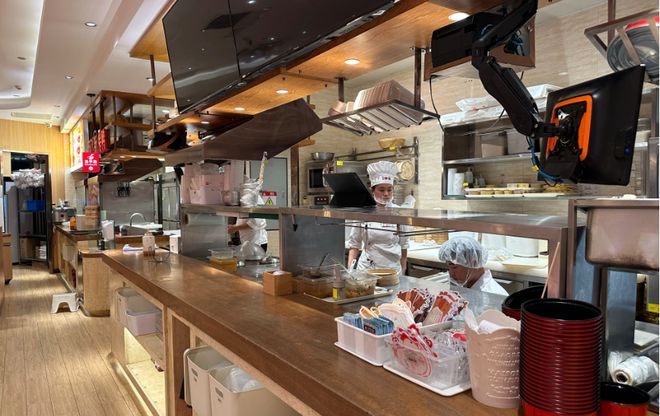
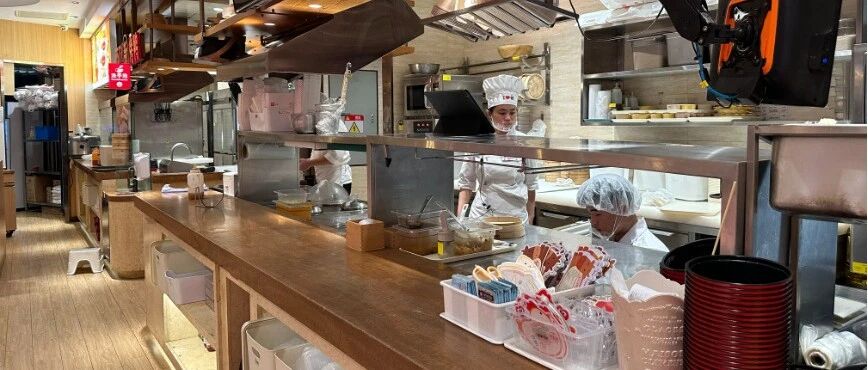
2025.09.15 本文字数:2995,阅读时长大约5分钟 作者 |第一财经 揭书宜 乐琰 罗永浩与西贝之间的"预制菜大战"还未结束,9月14日晚间,因为西贝创始人贾国龙在某个行业群内的 表态截图流出,还称罗永浩为"网络黑嘴"。于是,罗永浩表示:"贾国龙,那这件事我们没法揭过去 了。在中间再劝我的朋友,我们一律绝交吧。" 9月15日,西贝发布致歉信称,深刻意识到西贝的生产工艺与顾客的期望有较大差异,没有满足广大顾 客的需求与期待。将尽可能把中央厨房前置加工工艺调整到门店现场加工。 然而罗永浩并不买账,甚至对于胖东来创始人于东来对西贝事件的发文,罗永浩称:"于总,您一直都 是我非常尊敬的企业家,希望您弄清真相之前,千万不要被损友误导,搅这个浑水,连累了您的名声。 这几天的事件发酵,大家都看出来了,现在这个世界如果真有一个人想毁了西贝,那就是贾总本人。" 之后,罗永浩又发文称,决定放弃进一步追究西贝。 预制菜真的如此不堪吗? 参观西贝厨房需持健康证 0:00 第一财经记者9月14日晚间来到数家西贝餐厅亲测,在晚餐时间看到店内客人不多,店员告诉第一财经 记者,受预制菜风波影响,近期的客人明显减少。当记者提出要参观 ...
实探西贝门店:参观厨房需要健康证
第一财经· 2025-09-15 16:06
Core Viewpoint - The ongoing dispute between Luo Yonghao and Xibei highlights the challenges and perceptions surrounding the pre-prepared food industry, with Luo advocating for transparency in food sourcing and pricing [3][12]. Group 1: Industry Dynamics - Xibei's apology letter acknowledged a significant gap between its production processes and customer expectations, committing to adjust its kitchen operations to enhance customer satisfaction [3][5]. - Following the pre-prepared food controversy, Xibei experienced a noticeable decline in customer traffic, with reports indicating a significant drop in patronage at its restaurants [5][10]. - In contrast, the restaurant chain Laoxiangji saw a 10% to 20% increase in customer traffic during the same period, suggesting a shift in consumer preference towards brands that emphasize transparency and freshness [10][18]. Group 2: Consumer Perceptions - Consumer understanding of pre-prepared food varies, with some equating it to any form of processed or reheated food, while others differentiate based on the level of processing involved [13][15]. - A recent survey indicated that consumers generally accept pre-prepared food as long as it is clearly labeled and priced appropriately, reflecting a demand for transparency in food sourcing [15][18]. Group 3: Market Response - Despite the controversy, the pre-prepared food sector showed resilience, with the relevant stock index rising by 0.99% on September 15, indicating investor confidence in the long-term potential of the industry [17][18]. - Companies like Delisi and Sanjiang Shopping experienced significant stock price increases, demonstrating a positive market reaction to the ongoing developments in the pre-prepared food sector [17][18].
实地探访:西贝持健康证可入厨房参观,预制菜的未来在哪里
Di Yi Cai Jing· 2025-09-15 15:13
Core Viewpoint - The ongoing conflict between Luo Yonghao and Xibei regarding the pre-prepared food industry highlights the challenges and consumer perceptions surrounding pre-prepared dishes, with Xibei facing backlash and a decline in customer traffic due to recent controversies [1][3][11]. Summary by Sections Industry Dynamics - The pre-prepared food sector is experiencing a complex landscape where consumer expectations and perceptions are not aligned with industry practices, leading to a demand for transparency in food sourcing and preparation [12][14]. - The central kitchen model is widely adopted in the restaurant industry to ensure consistency and efficiency, but it faces scrutiny from consumers who may equate central kitchen operations with pre-prepared food [13][14]. Company Responses - Xibei acknowledged a gap between its production methods and customer expectations, committing to adjust its processing techniques to enhance customer satisfaction [1][3]. - Luo Yonghao, while critical of Xibei's practices, clarified that his opposition is not to pre-prepared food itself but to the lack of transparency and high pricing associated with it [11][12]. Consumer Behavior - Recent visits to Xibei restaurants indicated a noticeable drop in customer traffic, attributed to the pre-prepared food controversy, while other restaurants like Laoxiangji reported a 10%-20% increase in customer flow during the same period [3][9]. - Consumer opinions on pre-prepared food vary, with some advocating for clear labeling and reasonable pricing, while others prefer freshly made dishes [12][13]. Market Trends - Despite the controversies, the pre-prepared food sector has shown resilience, with stock prices of related companies experiencing gains, indicating continued investor confidence [15]. - The upcoming national standards for pre-prepared food are expected to provide clarity and potentially improve consumer trust in the industry [14][15].
风波中的预制菜行业!门槛低竞争大,上市公司利润普遍下滑
Nan Fang Du Shi Bao· 2025-09-15 13:33
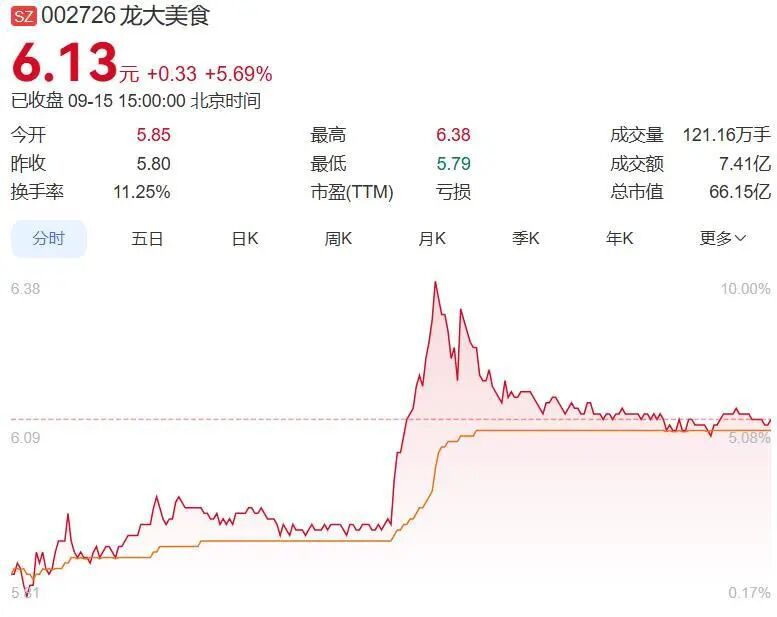
Group 1 - The recent events involving Luo Yonghao and Xibei have sparked renewed consumer interest in the "pre-prepared dishes" industry, leading to significant stock price increases for related listed companies [1] - Companies such as Delisi (002330), Huifa Food (603536), and Longda Meishi (002726) saw their stocks hit the daily limit, while Guolian Aquatic (300094) experienced a peak increase of 12.43% during trading [1] - The pre-prepared dishes market in China is projected to reach a scale of 485 billion yuan in 2024, with a year-on-year growth of 33.8%, and is expected to reach 749 billion yuan by 2026 [6] Group 2 - The regulatory framework for the pre-prepared dishes industry has begun to take shape, with various standards and regulations being established to promote high-quality development [4][5] - The National Market Supervision Administration and other ministries issued a notification in March 2024, providing clear definitions and standards for pre-prepared dishes [4] - Despite the rapid growth of the market, challenges such as low entry barriers, product homogeneity, and consumer trust issues have intensified competition, leading to a general decline in profits across the industry [7] Group 3 - Financial reports from several pre-prepared dish companies for the first half of 2025 indicate a decline in net profit, with Guolian Aquatic reporting a loss of 550 million yuan [9] - Most companies have experienced a decrease in gross profit margins, with notable declines in revenue for companies like Longda Meishi and Huifa Food [8][9] - The high-gross-margin companies, such as Anjixin Food and Sanquan Food, are identified as industry leaders, while others like Guangzhou Restaurant and Xianyin Food have restaurant operations that may affect their performance [10] Group 4 - The customer base for pre-prepared dishes includes a wide range of dining establishments, from fast food chains to high-end restaurants, indicating the widespread acceptance of these products in the food service industry [11] - Companies are exploring new profit growth points, with some, like Haodangjia, venturing into the health and wellness sector by developing marine product-based health supplements [11]


罗永浩大战贾国龙,预制菜闷声发大财
3 6 Ke· 2025-09-15 13:25
Core Viewpoint - The recent surge in the stock prices of pre-prepared food companies in A-shares is attributed to the public's renewed interest in the pre-prepared food industry, sparked by the apology from Jia Guolong and the upcoming national food safety standards for pre-prepared foods [1][5]. Group 1: Stock Performance - As of September 15, several companies, including Huifa Food, Guolian Aquatic, and Tiankang Biological, saw stock price increases of over 5%, with Delisi reaching a daily limit increase [2]. - Among the rising stocks, suppliers of pre-prepared food, such as Qianwei Yangchun and Longda Meishi, are also noted [3]. Group 2: Regulatory Developments - The significant stock price increase is linked to the approval of the draft national food safety standards for pre-prepared foods by the National Health Commission on September 13, which will provide a unified "identity certification" and safety baseline for the industry [5]. - The pre-prepared food industry has seen regulatory developments only in the past three years, with standards being gradually established [8]. Group 3: Industry History and Trends - The pre-prepared food industry in China dates back to the 1990s, with significant developments occurring between 2000 and 2005, when many of the currently rising companies were registered [6]. - The rise of pre-prepared foods has been facilitated by the emergence of central kitchens and cold chain logistics since 2008, allowing for standardization and wider adoption across various restaurant types [12]. Group 4: Consumer Perception and Market Dynamics - Consumers express concerns about the safety of pre-prepared foods, reflecting a deeper frustration over the loss of transparency regarding food preparation [10]. - The convenience and cost-effectiveness of pre-prepared foods make them appealing to both large and small restaurants, leveling the playing field in the food service industry [12].