
小鹏汽车

Search documents
美股齐跌!金融股、软件股跌惨了!标普500抹去年内涨幅!
Di Yi Cai Jing· 2026-02-20 01:27
Market Overview - The U.S. stock market experienced a decline, with all three major indices falling. The Dow Jones dropped by 267.50 points (0.54%) to close at 49,395.16, the Nasdaq fell by 70.91 points (0.31%) to 22,682.73, and the S&P 500 decreased by 19.42 points (0.28%) to 6,861.89. The S&P 500 index nearly erased all its gains for the year, while the Nasdaq has seen a year-to-date decline of 2.41% [1]. Financial Sector - Investors withdrew from the financial sector due to concerns over risks associated with private credit. Blue Owl Capital announced the sale of $1.4 billion in loan assets and tightened liquidity arrangements for investors, leading to a sell-off in private credit stocks. Blue Owl Capital's stock fell by 5.93%, Blackstone dropped by 5.37%, and Apollo Global Management decreased by 5.21% [5]. - The tightening of liquidity arrangements means that investors can no longer redeem funds as frequently, raising concerns about liquidity risks in private credit funds [5]. Technology Sector - Major technology stocks showed weak performance, with Apple down 1.43%, Netflix down 1.27%, Microsoft down 0.29%, Alphabet down 0.16%, and Nvidia down 0.04%. In contrast, Meta rose by 0.24% and Tesla increased by 0.12% [1]. - The software sector also faced pressure, with Salesforce down 1.30%, Intuit down 2.06%, and Cadence Design Systems down 2.76%. Concerns about artificial intelligence potentially disrupting the industry have contributed to this downturn [6]. Oil Market - Oil prices continued to rise, with WTI crude oil futures increasing by 1.90% to $66.43 per barrel and Brent crude oil futures rising by 1.86% to $71.66 per barrel. The geopolitical risks in the Middle East, particularly the tensions between the U.S. and Iran, are driving these price increases [7]. - Additionally, the U.S. Energy Information Administration reported an unexpected decline in weekly crude oil inventories, further supporting the rise in oil prices [8]. Gold Market - Gold prices saw a slight increase, with spot gold rising by 0.42% to $4,998.50 per ounce and COMEX gold futures up by 0.09% to $5,014 per ounce [9].


2月20日热门中概股多数下跌 华住酒店集团涨1.54%,携程跌2.28%
Xin Lang Cai Jing· 2026-02-19 21:36
2月20日热门中概股多数下跌,纳斯达克中国金龙指数(HXC)收跌0.35%。 上涨股当中(按市值从高到低),富途控股涨0.65%,中通涨0.51%,华住酒店集团涨1.54%,蔚来涨 0.41%,中国新城农村涨1.15%,新东方涨0.32%,万国数据涨0.84%,唯品会涨0.17%。 下跌股当中(按市值从高到低),台积电跌0.52%,阿里巴巴跌0.96%,拼多多跌0.94%,网易跌 0.44%,日月光半导体跌0.69%,百度跌0.55%,京东跌0.51%,携程跌2.28%,中华电信跌0.72%,联电 跌0.98%,腾讯音乐跌0.39%,贝壳跌0.58%,小鹏汽车跌0.39%,哔哩哔哩跌0.61%,满帮跌0.52%, BOSS直聘跌0.92%。 美股周四收跌,道指跌超260点。投资者撤出金融板块并密切关注美伊紧张局势,标普500指数年内涨幅 近乎归零。 道指跌267.50点,跌幅为0.54%,报49395.16点;纳指跌70.91点,跌幅为0.31%,报22682.73点;标普 500指数跌19.42点,跌幅为0.28%,报6861.89点。 截止周四收盘,标普500指数年内涨幅收窄至0.2%,道指涨幅超过2%。 ...
小鹏汽车固态电池技术突破,AI战略转型加速
Jing Ji Guan Cha Wang· 2026-02-19 21:12
Group 1 - Core viewpoint: Xiaopeng Motors has made significant advancements in solid-state battery technology and is accelerating its transformation into an AI technology company, while short-term subsidies during the Spring Festival are providing support to the new energy vehicle market [1] Group 2 - Recent event: On February 16, 2026, Xiaopeng Motors announced the completion of full-scene road testing for its solid-state battery, which has an energy density of 450Wh/kg, a range exceeding 1000 kilometers, and can charge to 80% in 10 minutes, enhancing its competitive edge in the new energy sector [1] - Spring Festival market stimulus: During the Spring Festival period (up to February 19, 2026), multiple subsidy policies have driven the demand for new energy vehicles, particularly in county markets, with Xiaopeng Motors experiencing increased foot traffic in its county stores and strong demand for models priced between 100,000 to 150,000 yuan [1] - AI strategic transformation: On February 14, 2026, Xiaopeng Motors clarified its positioning as an "AI technology company," focusing on autonomous driving and robotics, aiming to reconstruct its profit model through AI technology and enhance its influence in the industry [1] Group 3 - Stock performance: From February 13 to 19, 2026, Xiaopeng Motors-W (09868.HK) saw a price fluctuation of -0.57%, closing at 69.65 HKD on February 16, while Xiaopeng Motors (XPEV.N) in the US experienced a -0.68% change, closing at 17.58 USD on February 19 [2] - Fund flow: On February 13, 2026, Xiaopeng Motors-W in the Hong Kong stock market had a net inflow of 10.0341 million HKD, indicating some investors are positioning themselves at lower prices [2] - Technical analysis: As of February 16, 2026, Xiaopeng Motors-W's stock price was below the middle band of the Bollinger Bands (71.5 HKD), with the MACD histogram turning positive, suggesting a potential need for short-term consolidation [2]
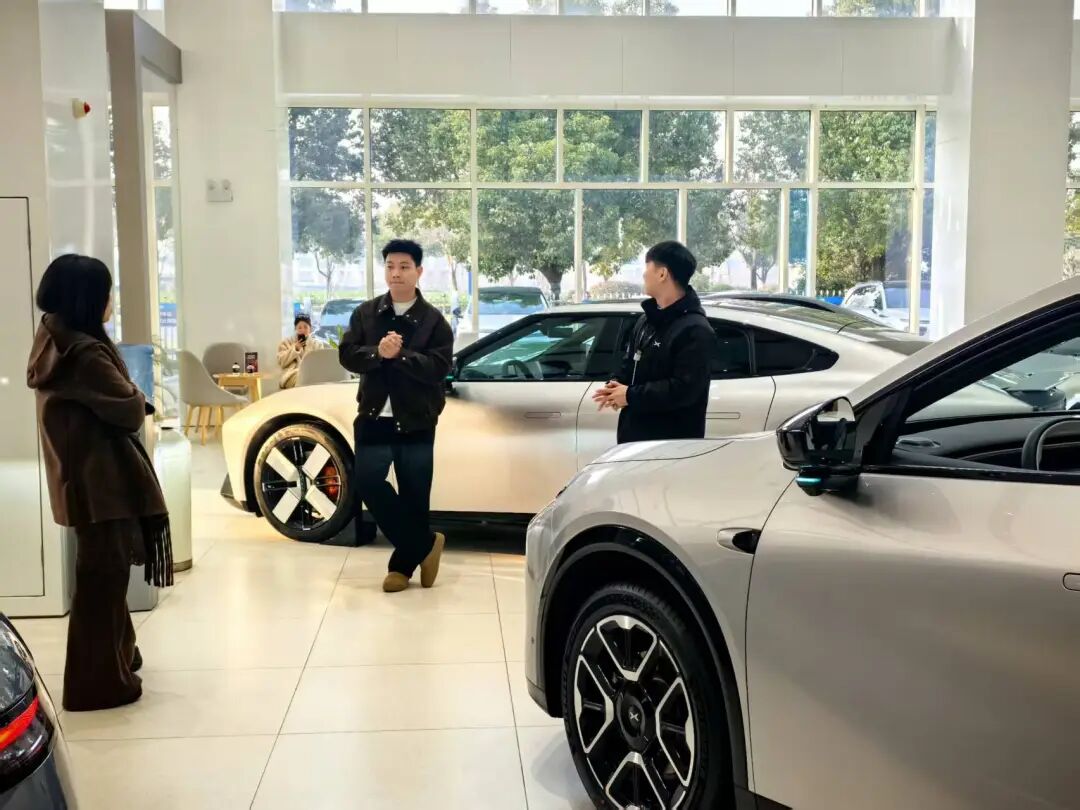
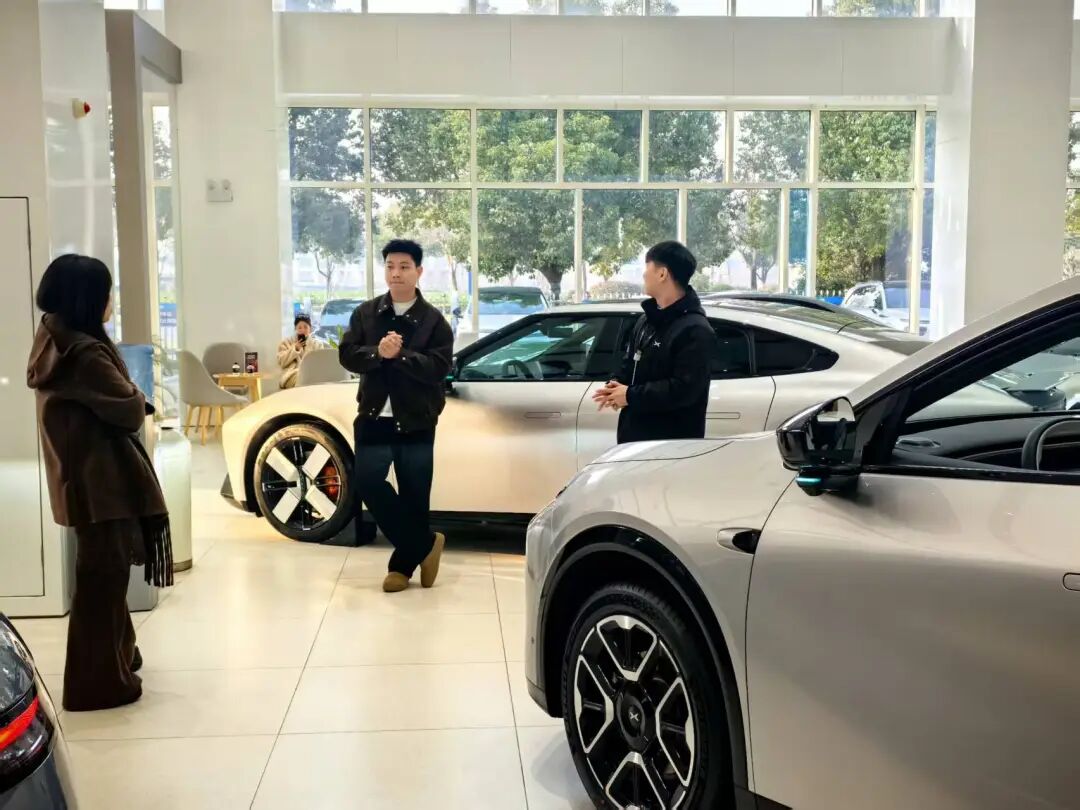
多重补贴发力!马年春节车市新气象 10万级新能源车成县域消费主力
Shang Hai Zheng Quan Bao· 2026-02-19 03:24
Core Insights - The article highlights the growing trend of electric vehicle (EV) purchases in rural areas of China, particularly during the 2026 Spring Festival, driven by multiple subsidy policies and the practice of trading in old vehicles for new ones [1][3][10]. Group 1: Market Dynamics - The county-level automotive market in China is showing robust performance, with EVs becoming a significant growth engine due to government and manufacturer subsidies [1][3]. - The majority of customers in county markets are opting for vehicles priced between 100,000 to 150,000 yuan, indicating a clear demand for affordable EV options [4][10]. - The transition from traditional fuel vehicles to EVs is being accelerated by concerns over emissions standards and the rising costs of maintaining older vehicles [3][4]. Group 2: Consumer Behavior - Consumers in rural areas are increasingly willing to trade in old fuel vehicles for new EVs, with a notable percentage of transactions occurring through trade-in programs [3][4]. - The decision-making process for customers in the 100,000 to 150,000 yuan price range is generally quicker compared to those with budgets over 200,000 yuan, reflecting a pragmatic approach to vehicle purchases in these regions [4][10]. Group 3: Future Projections - The sales of EVs in rural areas are expected to grow significantly, with projections indicating that by 2030, the car ownership rate in rural regions could reach nearly 160 vehicles per 1,000 people, translating to over 70 million vehicles and a market size of approximately 500 billion yuan [11][13]. - The penetration of EVs in the county and rural markets is anticipated to exceed 30% of total vehicle sales, driven by favorable economic conditions and improved charging infrastructure [10][13].
多重补贴发力!马年春节车市新气象
Shang Hai Zheng Quan Bao· 2026-02-19 03:05
Core Insights - The article highlights the growing trend of electric vehicle (EV) purchases in rural and county areas of China, particularly during the 2026 Spring Festival, driven by multiple subsidy policies [1][2][8] - Experts suggest that the automotive market in rural and small cities holds significant consumer potential, which could positively impact the overall automotive market in China [1][8][14] Subsidy Policies and Market Dynamics - The combination of national, local, and manufacturer subsidies has made electric vehicles, particularly those priced around 100,000 to 150,000 yuan, the mainstay of county-level consumption [2][4] - Consumers are increasingly opting for trade-in programs, with a reported 60-70% of new car sales in certain dealerships being made through trade-ins of old vehicles [3][4] Consumer Behavior and Preferences - The primary consumer groups for trade-ins include owners of older fuel vehicles and early adopters of EVs looking to upgrade due to battery degradation [3][4] - The dealership experience has been enhanced with services like vehicle appraisal and transfer assistance, lowering the barriers for consumers to trade in their old cars [4] Market Growth and Projections - The sales of electric vehicles in rural areas are expected to grow significantly, with projections indicating that by 2030, the car ownership rate in rural areas could reach nearly 160 vehicles per 1,000 people, translating to over 70 million vehicles and a market size of approximately 500 billion yuan [12][14] - The number of recommended electric vehicle models has doubled from 61 in 2020 to 124 in 2025, indicating a broadening of the market supply to meet diverse consumer needs [11] Infrastructure Development - As of the end of 2025, China's electric vehicle charging infrastructure is projected to exceed 20 million units, with a significant increase in charging stations in rural areas, rising from less than 5% in 2020 to 13% of public charging stations [11] - The expansion of charging networks is expected to improve the usability of electric vehicles in rural regions, further driving adoption [11]
美国海外“债主”,减持美债
Xin Lang Cai Jing· 2026-02-19 01:00
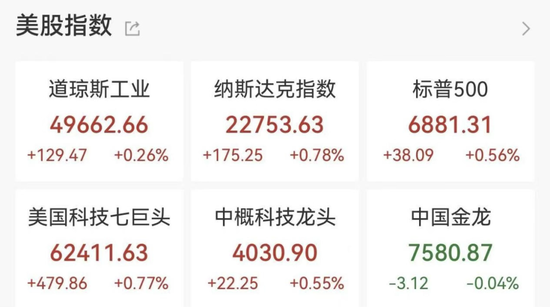
当地时间2月18日(周三),美股三大指数集体收涨。截至收盘,道指涨0.26%,标普500指数涨 0.56%,纳指涨0.78%。 美联储最新公布的1月会议纪要显示,美联储内部对未来利率路径存在巨大分歧。几位与会者支持对委 员会未来利率决策进行双向描述,即如果通胀持续高于目标水平,上调联邦基金利率目标区间也可能是 合适的。 美国财政部18日发布2025年12月财政部国际资本流动(TIC)数据。数据显示,去年12月,外国投资者 持有的美国国债减少884亿美元,降至9.27万亿美元,为10月以来的最低水平。其中,作为美国政府最 大的海外"债主",日本美债持仓12月减少172亿美元至11855亿美元;英国美债持仓减少230亿美元至 8660亿美元;中国美债持仓减少4亿美元至6835亿美元。 美股三大指数集体收涨 当地时间2月18日,美股三大指数集体收涨。截至收盘,道指涨0.26%,报49662.66点;标普500指数涨 0.56%,报6881.31点;纳指涨0.78%,报22753.63点。 | 美股指数 它 | | | | --- | --- | --- | | 道琼斯工业 | 纳斯达克指数 | 标普500 | | ...
1月货币政策会议纪要发布!注意!美联储“内部分歧加剧”
证券时报· 2026-02-19 00:28
Core Viewpoint - The article discusses the increasing internal divisions within the Federal Reserve regarding interest rate policies, highlighting the tension between controlling inflation and supporting the labor market [4][7]. Group 1: Federal Reserve Meeting Minutes - The Federal Reserve's January meeting minutes reveal significant disagreements among officials about the future direction of interest rates, with some advocating for potential rate cuts if inflation decreases as expected, while others express caution about further cuts [4][7]. - Nearly all Federal Reserve officials agreed to maintain the key interest rate in the range of 3.5% to 3.75%, following a 75 basis point cut last year, but two officials voted against this decision, favoring a 25 basis point cut [7]. - Officials anticipate inflation will trend towards 2%, but the pace and timing of this decline remain uncertain, with warnings that the progress may be slower and more uneven than expected [8]. Group 2: Market Reactions - U.S. stock indices closed higher, with the Dow Jones up 129.47 points (0.26%), the Nasdaq up 175.25 points (0.78%), and the S&P 500 up 38.09 points (0.56%) [2]. - The energy sector saw significant gains, with U.S. energy stocks rising over 7%, driven by geopolitical tensions, particularly regarding potential military action against Iran, which led to a spike in international oil prices [5][11]. Group 3: Technology Sector Developments - Major tech stocks mostly rose, with notable increases for companies like ASML (over 3%), Amazon (1.8%), and Nvidia (1.6%), amidst ongoing discussions about AI's impact on the market [12][13]. - Google announced its entry into AI music creation, introducing a feature that allows users to generate music tracks based on uploaded content, showcasing the growing integration of AI in consumer applications [14].

充电比加油还快?底盘比肩法拉利?2025年最强技术都有谁?
电动车公社· 2026-02-18 16:15
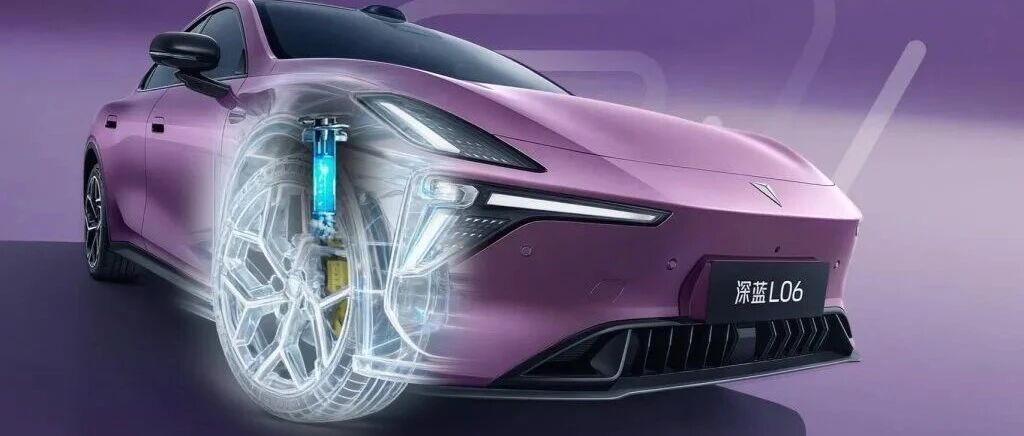
Core Viewpoint - In 2025, the penetration rate of domestic new energy passenger vehicles will exceed 50%, marking an unprecedented milestone in the industry [1]. Group 1: Technological Advancements - The acceptance and purchase of new energy vehicles are driven by technological advancements that enhance product capabilities [2]. - Key technologies emerging as new trends include semi-solid batteries, megawatt fast charging, VLA action language models, WA world models, and magnetorheological dampers [3][16][34][52][67]. Group 2: Semi-Solid Batteries - Semi-solid batteries, represented by brands like NIO and MG, are seen as a more feasible alternative to solid-state batteries, which face significant production and reliability challenges [4][5]. - By 2025, models such as NIO ET7 and MG4 will achieve mass production of semi-solid batteries [6]. - The semi-solid battery's electrolyte can be in gel or slurry form, allowing for better conductivity and safety compared to liquid batteries [9][12]. - The cost of semi-solid battery vehicles has been reduced to around 100,000 yuan, making them more accessible [14]. Group 3: Megawatt Fast Charging - BYD and CATL have introduced megawatt fast charging technology, significantly improving charging speeds, with the potential to add 400 kilometers of range in just 5 minutes [16][17]. - The technology requires supportive energy storage charging stations to mitigate the impact on the power grid [22]. - The use of silicon carbide power devices enables higher voltage platforms, reducing heat loss during charging [24][27]. Group 4: VLA Action Language Model - The VLA model, adopted by brands like Li Auto and Xpeng, enhances autonomous driving by integrating generative language tools to interpret visual data into actionable commands [34][41]. - This model allows engineers to modify generated text for better control, transforming the "black box" of AI into a more transparent system [44]. - Users can interact with the system through voice commands, improving the overall experience [45]. Group 5: WA World Model - The WA world model, utilized by Huawei and NIO, addresses the "black box" issue by simulating and understanding three-dimensional physical interactions for better driving predictions [52]. - This model focuses on cloud-based training to enhance the system's ability to handle complex scenarios [57]. - The WA model is designed to be faster and more efficient than the VLA model, with a focus on real-time decision-making [63]. Group 6: Magnetorheological Dampers - Magnetorheological dampers represent a significant advancement in chassis technology, offering rapid response times compared to traditional dampers [68][86]. - These dampers can adjust their viscosity in real-time, providing better ride comfort and handling [82]. - The entry price for vehicles equipped with magnetorheological dampers has been lowered to around 150,000 yuan, indicating potential for wider adoption [90].




FINE2026火热招展!机器人轻量化/热管理,数据中心液冷、固态电池、AI芯片热管理......
DT新材料· 2026-02-18 16:04
Core Viewpoint - The 2026 Future Industries New Materials Expo (FINE 2026) aims to lead global innovation in new materials, emphasizing their critical role in the transformation of high-tech industries and future economic development [1][2]. Group 1: Event Overview - FINE 2026 will take place from June 10 to June 12, 2026, at the Shanghai New International Expo Center, featuring a total exhibition area of 50,000 square meters and over 300 strategic and cutting-edge technology reports [2][18]. - The expo will focus on popular innovations applicable to various industries, including artificial intelligence, aerospace, smart vehicles, and renewable energy, while addressing five common needs in future industries: advanced semiconductors, advanced batteries, lightweight functionalization, low-carbon sustainability, and thermal management [2][10]. Group 2: Historical Context and Participation - The previous editions of the expo, including the 2025 International Carbon Materials Expo and the 2025 Thermal Management Expo, achieved record attendance with over 35,000 professional visitors from 27 countries and regions, showcasing more than 500 exhibitors [7][36]. - The event is expected to attract over 100,000 professional visitors, including representatives from major companies such as BYD, Huawei, and Xiaomi, as well as over 5,000 industry investors [37][36]. Group 3: Thematic Focus and Special Features - FINE 2026 will feature seven specialized thematic exhibition areas, including advanced semiconductors, AI chips, thermal management, and sustainable materials, aiming to present a comprehensive chain of innovation from components to cutting-edge technologies [13][15]. - The expo will host over 30 forums with more than 300 renowned experts discussing trends in technology, investment strategies, and advanced manufacturing techniques related to new materials [22][24]. Group 4: Strategic Importance - The event is positioned as a critical opportunity for companies to connect with industry funds, government parks, and project resources, facilitating the integration of technological and industrial innovation in the new materials sector [2][10]. - The timing of the expo in June is highlighted as a strategic window for seizing business opportunities in the second half of the year, leveraging Shanghai's advantages as a major international exhibition platform [10].

China’s pricing guidelines to push OEMs to ‘innovation-led competition’
Yahoo Finance· 2026-02-18 10:04
Core Insights - China has introduced new nationwide regulations to regulate pricing in the auto industry, aiming to restore fair competition and support sustainable market development [1] - The guidelines from the State Administration for Market Regulation (SAMR) require transparent price marking, stronger internal compliance, and industry self-discipline [1] Industry Performance - Data from the China Association of Automobile Manufacturers (CAAM) indicates that domestic deliveries in January fell by 16% to 1.7 million units, while exports increased by 45% to 681,000 units [2] - The decline in domestic sales is attributed to reduced vehicle sales incentives in early 2026 [2] Market Challenges - The new regulations address financial strain and poor market conduct in the auto sector, where aggressive discounting has severely impacted profitability, particularly for dealers [3] - Over half of dealers reported being loss-making in the first half of 2025 due to oversupply and weaker demand [3] Regulatory Impact - SAMR's guidelines are seen as a significant policy response to concerns over price wars that have harmed profitability and market order [4] - The new rules will increase compliance demands, requiring stronger internal pricing controls and clearer labeling, which may raise administrative costs for smaller firms and dealerships [4] Industry Response - Major automakers, including BYD, Xpeng, Great Wall Motor, Chery, and BAIC, have pledged support for the new guidelines [4] - BYD has committed to enhancing internal pricing controls and eliminating unfair practices, while Xiaomi EV has also affirmed its commitment to pricing transparency and compliance [4]