优衣库

Search documents
逼疯年轻人的“丑裤子”,背后有高人
3 6 Ke· 2025-09-06 08:06
Core Insights - The resurgence of the "bent knife pants" has become a significant trend in the fashion industry, appealing to a wide demographic and generating substantial sales across various brands [5][11][22] - Uniqlo has effectively leveraged the popularity of bent knife pants to boost its performance in a challenging retail environment, achieving record profits while competitors struggle [24][45] Fashion Trend Analysis - Bent knife pants, characterized by their unique curved design, have gained popularity due to their flattering fit for various body types, particularly for Asian women [15][22] - The pants have been recognized by fashion authorities, including Vogue, as a key trend for the upcoming seasons, indicating their mainstream acceptance [7][11] Market Performance - Uniqlo's sales of bent knife pants have significantly contributed to its overall performance, with the company reporting over 926 billion yen in revenue for the 2024 fiscal year, marking a historical high [24][45] - The demand for bent knife pants has led to a surge in production, with over 200 million units launched on e-commerce platforms within a week [5][11] Competitive Landscape - Major brands like Adidas, Zara, and UR have entered the bent knife pants market, indicating a competitive landscape where multiple players are vying for consumer attention [11][24] - The fashion industry is experiencing a shift, with many traditional brands facing bankruptcy, while Uniqlo continues to thrive by focusing on affordability and quality [23][24] Consumer Behavior - The affordability of bent knife pants, priced around 100 yuan, has made them accessible to a broad audience, particularly appealing to young workers seeking stylish yet budget-friendly options [22][20] - Uniqlo's strategy of offering high-quality products at competitive prices has resonated with consumers, allowing the brand to capture both low-income and middle-class markets [45][50]


2026年前,最后的暴富机会
创业家· 2025-09-05 10:10
Core Insights - The success of the food and beverage industry can be summarized in four key phrases: "Five Additions," "Five Reductions," "Five Zeros," and "Five Pursuits" [4][6][7][8] - Successful brands are often trend-driven, with timing being a crucial factor for their success [3][9] Group 1: Five Additions - The "Five Additions" refer to the incorporation of protein, calcium, cheese, dietary fiber, and probiotics into products [5] Group 2: Five Reductions - The "Five Reductions" focus on decreasing sugar, fat, calories, oil, and salt in food and beverage offerings [6] Group 3: Five Zeros - The "Five Zeros" emphasize the absence of sugar, colorants, flavorings, preservatives, and additives in successful products [7] Group 4: Five Pursuits - The "Five Pursuits" highlight the consumer demand for freshness, natural ingredients, green products, organic options, and lightweight offerings [8] Group 5: Market Trends and Events - The article discusses a course titled "Black Horse Consumption Rise Selected Course" taking place from October 17 to 19 in Shenzhen, featuring industry leaders sharing insights on product innovation and brand expansion [10][11][30]

优衣库的武康路大冒险
36氪未来消费· 2025-09-04 08:57
Core Viewpoint - Uniqlo is attempting to break out of its comfort zone by embracing trends and creating popular items, while facing challenges in the Greater China market despite global growth [5][6][10]. Group 1: Brand Strategy - Uniqlo's "Lifewear" concept aims to resonate with a broader audience, moving beyond basic clothing sales to collaborations with designers and artists to tell compelling stories [5][9]. - The brand has historically focused on timeless basics, avoiding trends, but is now making bolder moves towards trendy collaborations and designs [8][9]. - The introduction of the "弯刀裤" (curved pants) reflects a shift towards localizing products to meet regional fashion preferences, resulting in a significant sales increase of 170% since 2025 [10][10]. Group 2: Market Performance - In the first three quarters of 2025, the Greater China region was the only market among Uniqlo's five major markets to experience negative growth [5]. - The brand's strategy includes a focus on high-visibility locations and larger stores in urban areas, while slowing expansion in lower-tier cities [18][20]. Group 3: Consumer Engagement - Uniqlo is shifting its approach to marketing by integrating shopping with experiential events, aiming to blur the lines between shopping and experience [19][20]. - The brand is leveraging social media and influencer marketing to create buzz around new products, such as the recent collaboration with Cate Blanchett [5][12]. - The company is adapting to the preferences of younger generations, emphasizing authentic feedback and emotional connections in its marketing strategies [14][20].

鞋服配饰TOP15,体感科技重塑夏日防护|世研消费指数品牌榜Vol.65
3 6 Ke· 2025-09-04 06:51
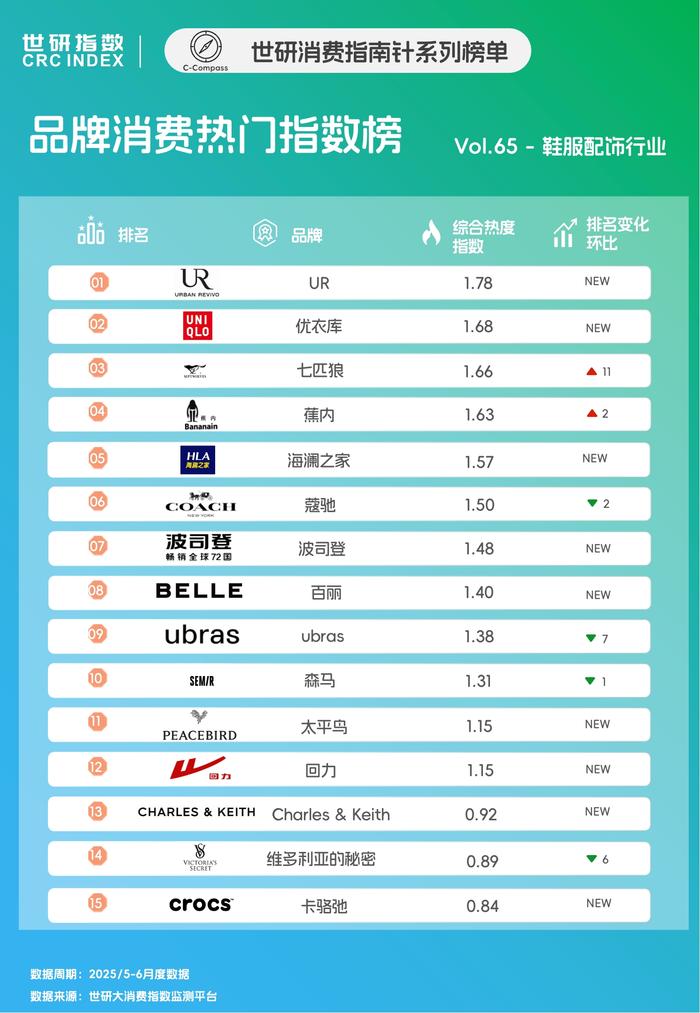
Group 1: Brand Rankings - UR, Uniqlo, and Seven Wolves ranked first, second, and third in comprehensive heat with scores of 1.78, 1.68, and 1.66 respectively [1][2] - Other notable brands include Fu Nai at 1.63, Hailan Home at 1.57, and Coach at 1.50, indicating a competitive landscape in the fashion industry [2] Group 2: Industry Trends - The fashion industry is shifting focus towards functional consumption, with brands emphasizing specific scene-based solutions rather than just style [3][4] - Uniqlo's summer campaign highlights three key series: AIRism, UV protection, and cool linen, addressing consumer needs for lightweight and breathable clothing [3] - New brands like Jiao Nai and ubras are innovating with products that target specific consumer pain points, such as heat and breathability, showcasing a trend towards practical solutions [3] Group 3: Social Media Influence - UR has become a central hub for social media engagement, particularly on platforms like Xiaohongshu, where users share outfit inspirations, enhancing brand visibility and consumer connection [4] - The rise of social attributes in fashion items is blurring the lines between luxury and fast fashion, as brands create complete outfit templates for various occasions [4] Group 4: Consumer Behavior - Consumers are increasingly willing to pay for products that effectively address specific situational needs, indicating a shift in purchasing motivations from aesthetics to functionality [3][4] - The trend towards personalized expression in fashion is evident, with brands like Crocs positioning their products as essential for social and recreational activities [4]



知名品牌将重返上海?曾两度申请破产,巅峰期全球门店超800家
Sou Hu Cai Jing· 2025-09-04 04:11
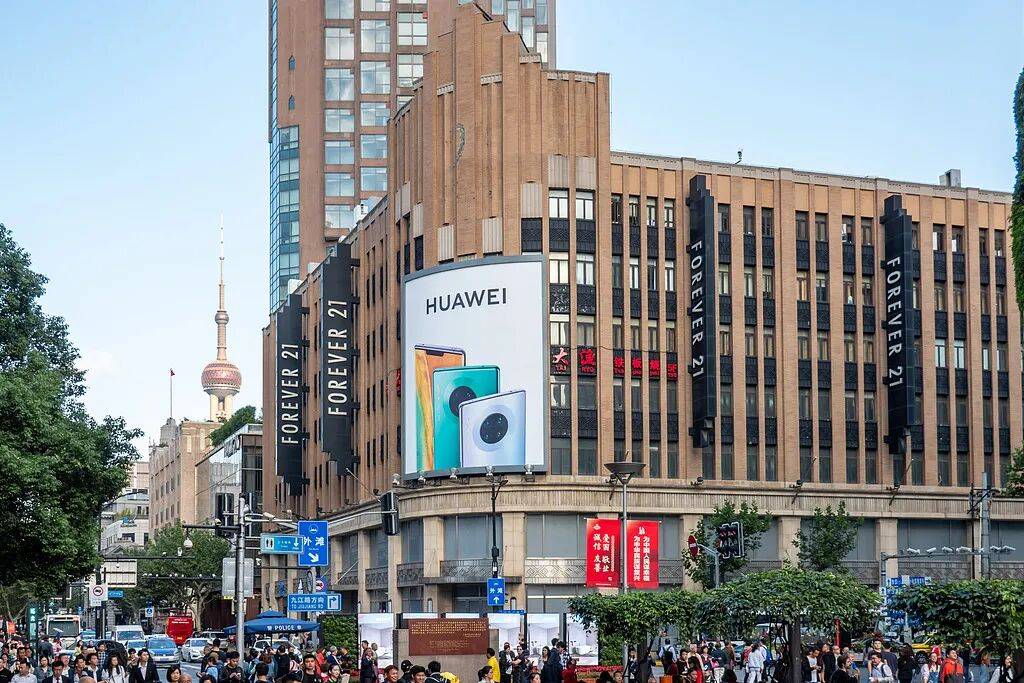
Core Insights - Forever 21 is making its fourth attempt to re-enter the Chinese market after previously exiting three times due to various challenges, including bankruptcy filings and failure to adapt to the digital retail landscape [4][10][21] - The brand's revival is marked by a partnership with Shanghai Chengdi, which will oversee product production, sales, and marketing in China, indicating a strategic shift towards leveraging local expertise [4][14] - The fast fashion landscape in China has significantly changed during Forever 21's absence, with local brands like SHEIN gaining substantial market share and established players like Zara and H&M adapting to digital trends [18][19][21] Company Overview - Forever 21 was founded in 1984 and became popular for its fast fashion offerings, particularly appealing to young women with its vibrant and trendy designs [8] - At its peak, the brand operated over 800 stores globally and achieved annual sales of approximately $4.1 billion [8] - The brand has faced significant challenges in China, including misalignment with target demographics and failure to keep pace with e-commerce trends, leading to its exit in 2019 [10][21] Market Dynamics - The Chinese fast fashion market has evolved, with local brands like SHEIN leveraging digital supply chains to become major players, while traditional brands are adapting through enhanced digital strategies [18][19] - Competitors like Zara and H&M are focusing on integrating online and offline sales channels, with Zara's digital sales accounting for nearly 30% of its revenue and H&M optimizing its store locations [19][21] - The return of Forever 21 presents a case study for other foreign fast fashion brands, highlighting the need to address historical issues and adapt to a more complex competitive environment [21]
天津一知名大商场结束运营!近50家品牌全部撤场!
Sou Hu Cai Jing· 2025-09-04 00:53
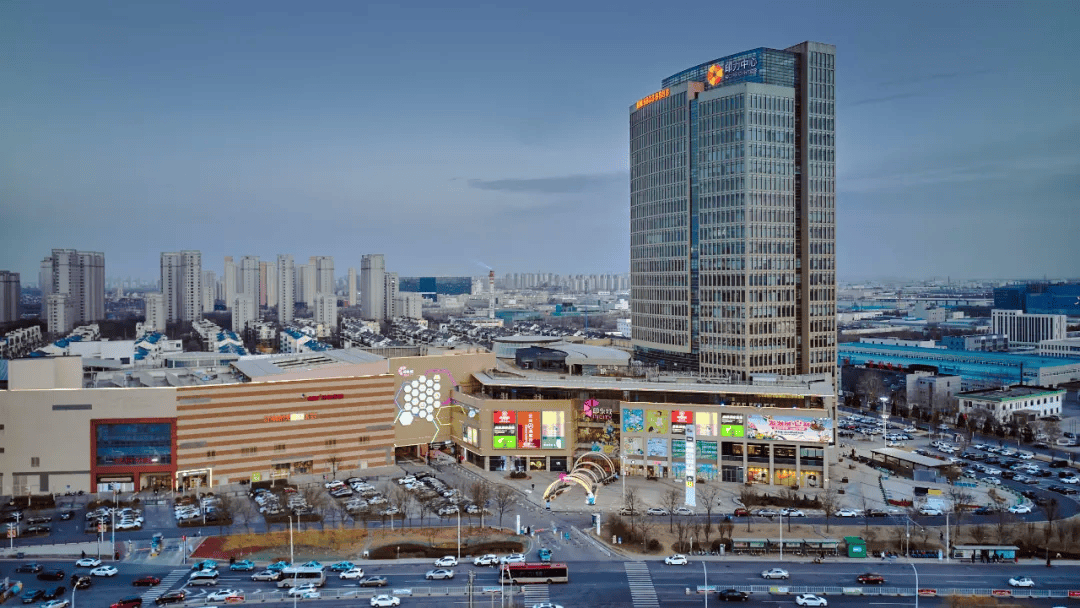
Group 1 - Meijiang Aeon officially ceased operations on August 31, with Impression City taking over full management, while Aeon supermarket will continue to operate normally [1] - Nearly 50 brands, including Heytea, Uniqlo, Starbucks, H&M, FILA, Bosideng, and Miniso, have terminated operations at Meijiang Aeon [5] - Meijiang Aeon opened in January 2014 and has been operating in Tianjin for 11 years [6] Group 2 - Currently, three Aeon stores in Tianjin remain operational: Aeon Teda, Aeon Zhongbei, and Aeon Jinnan [7]
开润股份(300577):制造业务稳健增长 净利率改善显著
Xin Lang Cai Jing· 2025-09-03 04:50
Group 1 - The company reported a revenue of 2.427 billion in H1 2025, representing a year-on-year growth of 32.53%, while the net profit attributable to shareholders was 187 million, a decrease of 24.77% due to the impact of investment income from the acquisition of Jiale in H1 2024 [1] - The operational net profit growth rate, excluding the aforementioned impact, was 23.28%, with a non-recurring net profit of 181 million, an increase of 13.98% year-on-year [1] - In Q2 2025, the company achieved a revenue of 1.194 billion, a year-on-year increase of 29.54%, while the net profit attributable to shareholders was 101 million, a decrease of 42.78% [1] Group 2 - The bag manufacturing business generated a revenue of 1.419 billion in H1 2025, reflecting a year-on-year growth of 13.03%, supported by a core strategy targeting major clients [1] - The company’s production capacity for bags reached 22.0733 million units, a year-on-year increase of 3.55%, with a capacity utilization rate of 93.39%, up 2.15 percentage points [1] - The company has established a global supply chain advantage with clients including Nike, ADIDAS, Uniqlo, and others, with approximately 71% of production capacity located overseas, mainly in Indonesia and India [1] Group 3 - The apparel manufacturing segment reported a revenue of 678 million, a significant year-on-year increase of 148.25%, indicating effective implementation of the vertical integration strategy [2] - The subsidiary Shanghai Jiale achieved a revenue of 685 million in H1 2025, with a net profit margin of 5.08%, an increase of 1.8 percentage points year-on-year [2] - The company’s clothing production capacity was 30.0143 million units, with a utilization rate of 50.73%, and approximately 80% of production capacity located overseas, primarily in Indonesia [2] Group 4 - The brand management business generated a revenue of 311 million in H1 2025, a year-on-year increase of 8.87%, with distribution channel revenue from Xiaomi reaching 250 million, up 28.28% [2] - The self-owned brand "90 Points" has optimized its online channel operations, with online sales revenue of approximately 55.486 million, while also expanding into offline channels [2] Group 5 - The overall gross margin for H1 2025 was 24.66%, an increase of 0.72 percentage points, primarily due to improvements in the gross margin of the OEM business [3] - The company reported a significant increase in operating cash flow, reaching 239 million, a year-on-year growth of 3843%, indicating improved operational quality [3] - Inventory amounted to 861 million, a year-on-year increase of 19.33%, with an inventory turnover period of 85 days, an increase of 6 days year-on-year [3]
一家百亿估值消费企业的破产
叫小宋 别叫总· 2025-09-02 03:47
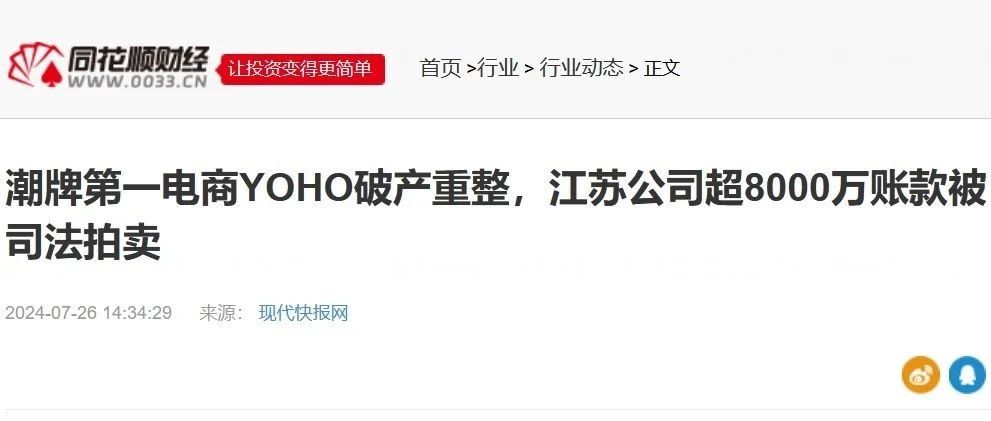
Core Viewpoint - The article discusses the rise and fall of YOHO, a once-prominent consumer brand in China, highlighting the challenges faced by consumer companies in the current market environment and the implications for investment strategies in the sector [1][17]. Financing Information - YOHO's operating entities, Nanjing Xinyuli Cultural Communication Co., Ltd. and Youhuo (Jiangsu) Trading Service Co., Ltd., have collectively raised significant funding, with Xinyuli securing six rounds of financing from top-tier investment institutions [2][7]. - The last disclosed funding round for Xinyuli was in 2018, amounting to $25 million, suggesting a valuation in the tens of billions of RMB [7]. - Youhuo has completed one round of financing, a D round, with a total of $10 million, indicating a valuation close to 100 billion RMB [7][11]. Founders and Business Model - YOHO was founded by Liang Chao, who has a background in media and previously worked as a television program director [13]. - The company was known for its dual focus on media and fashion, collaborating with European designers and hosting events to promote its brand [13][14]. - The flagship store in Nanjing was designed by renowned Japanese designer Masamichi Katayama, reflecting the brand's upscale positioning [14]. Downfall - Since 2020, YOHO has faced increasing legal challenges, and by 2021, reports indicated that the company had run into financial difficulties, with its cash flow collapsing due to high inventory, long payment terms, and low margins [18][19]. - The company, which once had a valuation in the tens of billions, likely needed to generate over 1 billion RMB in revenue to sustain such a valuation [19]. Market Reflection - The article reflects on the luxurious investor backing of YOHO, including prominent firms like CDH Investments and Bertelsmann, and questions the exit strategies of these investors given the company's decline [21]. - A personal anecdote highlights the founder's ability to liquidate shares for personal gain, raising questions about governance and investor oversight during the company's peak [21].
申洲国际(02313.HK):订单坚挺 海外一体化产能优势凸显
Ge Long Hui· 2025-09-02 02:55
Core Viewpoint - The company reported a steady growth in revenue and net profit for the first half of 2025, driven by strong orders from major clients and a robust performance in the leisurewear segment, particularly in the U.S. market [1][2]. Financial Performance - Revenue for 25H1 reached 14.966 billion yuan, a year-on-year increase of 15.3%, while net profit attributable to shareholders was 3.177 billion yuan, up 8.4% year-on-year [1]. - The interim dividend per share was 1.38 HKD, representing a 10.4% increase year-on-year, with a payout ratio of approximately 59.6% [1]. Product Performance - Revenue growth by product category for 25H1 was as follows: sportswear +9.9%, leisurewear +37.4%, and underwear +4.1%, with respective revenue shares of 67.7%, 25.3%, and 6.3% [1]. - Leisurewear emerged as the fastest-growing category, benefiting from increased demand in markets such as Japan and Europe, while sportswear growth was steady, driven by demand in the U.S. and Europe [1]. Client Contribution - Revenue from major clients in 25H1 was as follows: Uniqlo 4.33 billion yuan (+27.4%), Adidas 3.44 billion yuan (+6.0%), Nike 2.99 billion yuan (+28.2%), and Puma 1.53 billion yuan (+14.7%) [1]. - Strong order growth was noted from Uniqlo and Adidas, while Nike's order growth remained relatively stable [1]. Regional Performance - Revenue growth by region for 25H1 was as follows: U.S. +35.8%, Europe +19.9%, Japan +18.1%, and mainland China -2.1%, with respective revenue shares of 17.1%, 20.2%, 16.7%, and 24.4% [1]. Cost and Margin Analysis - The gross margin for 25H1 was 27.1%, a decrease of 1.9 percentage points year-on-year, primarily due to increased labor costs from wage hikes for frontline employees [2]. - The selling and administrative expense ratios for 25H1 were 0.73% and 7.23%, reflecting a year-on-year increase of 0.07 percentage points and a decrease of 0.04 percentage points, respectively [2]. - Financial expenses decreased by approximately 15.5 million yuan year-on-year, attributed to lower average financing costs and interest rates [2]. Other Financial Insights - Government subsidies increased by approximately 179 million yuan to 274 million yuan year-on-year, while income tax expenses rose by about 137 million yuan to 455 million yuan due to changes in Vietnam's tax policies [2]. - The net profit margin for 25H1 was 21.2%, down 1.4 percentage points year-on-year [2]. Future Outlook - The company is progressing well with the construction of its second fabric factory in Vietnam, expected to gradually commence production by the end of 2025, with a planned capacity of 200 tons per day [3]. - The new garment factory in Cambodia began operations in March 2025 and is in the process of expanding its workforce [3]. - Net profit forecasts for 2025-2027 have been slightly adjusted from 6.62 billion, 7.38 billion, and 8.16 billion yuan to 6.58 billion, 7.30 billion, and 8.09 billion yuan, respectively, with corresponding P/E ratios of 13, 12, and 10 times [3].
江南春:消费品牌反内卷的10个顶级思维
创业家· 2025-09-01 10:42
Core Viewpoint - The article emphasizes that consumer brands need to adopt ten "don'ts" to avoid internal competition and effectively market and communicate their products in a fragmented consumer landscape [2][6][10]. Group 1 - Do not chase after dividends anymore [2] - Do not use diligent traffic investment to cover the lack of core brand competitiveness [3] - The essence of consumer goods has not changed over the past 30 years: deep distribution both online and offline, and occupying consumers' minds as the first choice [4][5] Group 2 - Do not look for consumers anymore [6] - Consumer touchpoints are increasingly complex, and limited budgets cannot follow all of them [7][8] - To win the mind war, brands must concentrate their efforts and saturate the market to penetrate consumers' mental barriers [8] Group 3 - Do not add more products [10] - The core of a business is not about adding but focusing resources on core products [11] - Focus on core products, core media, and core brand value [12] Group 4 - Do not embrace change anymore [13] - Instead of trying to grow in areas of weakness, brands should focus on the unchanging rules of their industry and consumers' enduring needs [13][14] Group 5 - Do not talk about products anymore [15] - China does not lack quality products; instead, brands should create scenarios that stimulate consumer desire [16] - Consumers need solutions to their scenario problems and the emotional significance of those scenarios [18] Group 6 - Do not learn from leading brands anymore [19] - When facing a strong leader brand, the tactical approach should be to differentiate rather than imitate [20][21] Group 7 - Do not fantasize about winning through extraordinary means anymore [22] - Betting on significant events and public opinion has a low success rate [23] - The resonance between online social media and offline community media is the most reliable paradigm for brand communication today [24] Group 8 - Do not strive for change anymore [26] - Sometimes, doing less but doing it thoroughly is more effective than trying to innovate excessively [26] Group 9 - Do not trust numbers anymore [27] - Online data does not equate to consumer recognition; true value lies in being a brand that consumers think of first in its category [28][29] Group 10 - Do not go with the flow anymore [31] - When everyone is following trends, consider taking a contrary approach for unexpected experiences and rewards [32]