中国稀土

Search documents
稀有金属ETF基金(561800)盘中上涨3.15%,规模创近1月新高!钨价持续创历史新高,供需错配格局难解
Xin Lang Cai Jing· 2026-01-26 03:13
Group 1 - The core viewpoint of the news highlights the strong performance of rare metal ETFs and the significant price increases in tungsten and lithium, driven by supply constraints and rising demand [1][2][3] Group 2 - As of January 26, 2026, the CSI Rare Metals Theme Index (930632) rose by 3.18%, with key stocks such as Vanadium Titanium Co. increasing by 10.13% and China Tungsten High-tech by 8.98% [1] - The top ten weighted stocks in the CSI Rare Metals Theme Index accounted for 59.54% of the index as of December 31, 2025, including companies like Luoyang Molybdenum and Northern Rare Earth [1] - The rare metal ETF fund (561800) reached a new high of 229 million yuan as of January 23, 2026, with a net inflow of 18.92 million yuan over the past ten trading days [1] Group 3 - The tungsten market is experiencing significant supply-demand imbalances, with black tungsten concentrate prices rising by 11.43% to 536,000 yuan/ton and ammonium paratungstate increasing by 12.06% to 790,000 yuan/ton [2] - Supply constraints are due to reduced domestic mining quotas and production slowdowns, while demand is bolstered by seasonal restocking ahead of the Spring Festival [2] - Lithium carbonate prices are expected to continue rising, supported by supply disruptions and a decrease in weekly production by 1.72% in January [2] Group 4 - The rare metal ETF fund (561800) tracks the CS Rare Metals Index, which has one of the highest energy metal contents, particularly lithium and cobalt, indicating potential for continued benefits [3]
中国稀土:2026 年稀土展望电话会要点-China Rare Earths_ Takeaways from Rare Earth 2026 Outlook Call
2026-01-26 02:49
Summary of China Rare Earths 2026 Outlook Call Industry Overview - **Industry**: Rare Earths - **Key Players**: Northern Rare Earth High-Tech (NRE), China Rare Earth Resources and Technology (CRE), JL Mag Rare-Earth Core Insights - **Supply Discipline**: China's rare earth supply discipline has transitioned to a structural level due to the extension of smelting and separation quotas to imported ores starting in 2025, reducing supply elasticity across the system. SMM anticipates a ~10% year-over-year growth in China's supply for 2026E [2][3] - **Imports**: US-origin rare earth ore imports have dropped to nearly zero since August 2025, following MP Materials' export suspension to China. This supply gap has been compensated by increased imports from Africa, while Myanmar's supply share is expected to decline due to rising tax uncertainty and political risks [3] - **Exports**: SMM forecasts approximately 9% year-over-year growth in exports for 2026E [4] Recycling and Demand - **Recycling**: Recycling has become a significant marginal supplier, with recycled PrNd accounting for ~25% of total PrNd supply in 2025, projected to rise to ~35% in 2026 due to planned capacity additions [4] - **Demand Growth**: SMM expects magnet demand to grow by 15-18% year-over-year in 2026E, driven by the adoption of NEVs (20% production growth), wind power (10% installation growth), air conditioners (11% production growth), and industrial robotics (8-10% growth). Humanoid robots are still in early stages, contributing less than 3% to total demand [5] Pricing Outlook - **Pricing Expectations**: SMM anticipates a slightly tight balance in 2026E, with potential short-term price spikes reaching ~Rmb700k/t. HREE pricing is more influenced by policy than supply dynamics [8] Company Valuations - **Northern Rare Earth (NRE)**: Valued at Rmb72 using a P/B-based methodology, reflecting a 9.5x target 2026E P/B, which is a +2.0 standard deviation premium to its historical average. The valuation considers structural demand growth and tighter resource control [9] - **China Rare Earth (CRE)**: Valued at Rmb61.6 with a 12x target 2026E P/B, set at +1.5 standard deviations above its historical average, reflecting similar structural factors as NRE [11] - **JL Mag Rare-Earth**: Valued at Rmb32.6 for JL Mag-A and HK$25.3 for JL Mag-H based on 2027E earnings, applying lower P/E multiples to account for potential downside risks in the robotics sector [14][16] Risks - **Key Risks for NRE and CRE**: Include demand growth uncertainty in downstream applications, unexpected capacity expansions outside China, trade barriers, price volatility, policy adjustments in China, emergence of alternative materials, and sector consolidation activities [10][12] Conclusion The rare earth sector is poised for growth driven by structural changes in supply discipline, increasing demand from various industries, and a significant role of recycling. However, companies must navigate geopolitical risks and market volatility as they position themselves for the future.


能源金属行业周报:碳酸锂价格短期或继续上行,看好价格重估背景下的关键金属全面行情
HUAXI Securities· 2026-01-26 00:45
Investment Rating - The industry rating is "Recommended" [3] Core Views - Short-term raw material supply tightness is expected to support nickel prices, with LME nickel spot price reaching $18,630 per ton, up 5.70% from January 16 [1] - The cobalt market is anticipated to see continued price increases due to structural supply tightness, with electrolytic cobalt priced at 438,000 yuan per ton, down 3.74% from January 16 [2][5] - Domestic antimony supply remains tight, supporting antimony prices, with average prices for antimony ingots at 160,500 yuan per ton [6] - Lithium carbonate prices are expected to continue rising, with a market average of 171,100 yuan per ton, up 8.36% from January 16 [8][19] - Supply uncertainties in the rare earth market are expected to support prices, with significant legislative changes in Vietnam impacting global supply [20] - Tin prices are supported by uncertainties in overseas supply, with LME tin prices at $54,200 per ton, up 9.66% from January 16 [11][21] - Tungsten market supply-demand imbalance is notable, with white tungsten concentrate prices at 535,500 yuan per ton, up 5.93% from January 16 [13][22] - Uranium supply tightness is expected to persist, with global uranium prices at $63.51 per pound, significantly higher than historical lows [14][15] Summary by Sections Nickel and Cobalt Industry - Nickel prices are supported by supply constraints, with Indonesia's nickel mining production quota expected to be reduced to 250-260 million tons [1][16] - Cobalt supply is projected to remain tight, with Congo's export quotas confirmed to extend into 2026 [2][17] Antimony Industry - Antimony prices are supported by long-term supply tightness, with domestic production facing seasonal disruptions [6][18] Lithium Industry - Lithium carbonate prices are expected to remain strong due to demand support and ongoing supply constraints, with significant price increases noted [8][19] Rare Earth Industry - Legislative changes in Vietnam are tightening global rare earth supply, with China maintaining a dominant position in the market [20] Tin Industry - Tin prices are supported by uncertainties in overseas supply, particularly from Myanmar and Congo [11][21] Tungsten Industry - The tungsten market is experiencing a supply-demand imbalance, with prices expected to rise further due to limited new supply [13][22] Uranium Industry - Uranium prices are supported by ongoing supply tightness and geopolitical factors affecting production [14][15]
能源金属行业周报:碳酸锂价格短期或继续上行,看好价格重估背景下的关键金属全面行情-20260125


HUAXI Securities· 2026-01-25 11:07
Investment Rating - The industry rating is "Recommended" [3] Core Views - Short-term raw material supply tightness is expected to support nickel prices, with LME nickel spot price reaching $18,630 per ton, up 5.70% from January 16 [1] - The cobalt market is anticipated to see continued price increases due to structural supply tightness, with electrolytic cobalt priced at 438,000 yuan per ton, down 3.74% from January 16 [2][5] - Domestic antimony supply remains tight, providing price support, with antimony ingot prices at 160,500 yuan per ton [6] - Lithium carbonate prices are expected to continue rising, with a market average of 171,100 yuan per ton, up 8.36% from January 16 [8][19] - Supply uncertainties in the rare earth market are expected to support prices, with significant global supply concentration in China [10][20] - Tin prices are supported by overseas supply uncertainties, with LME tin prices at $54,200 per ton, up 9.66% from January 16 [11][21] - Tungsten market supply-demand imbalance is notable, with white tungsten concentrate prices at 535,500 yuan per ton, up 5.93% from January 16 [13][22] - Uranium supply tightness is expected to persist, with global uranium prices at $63.51 per pound [14][15] Summary by Sections Nickel and Cobalt Industry Update - Nickel prices are supported by supply constraints, with Indonesia's nickel mining production quota expected to be reduced to 250-260 million tons [1][16] - Cobalt supply is projected to tighten further, with Congo's export quotas confirmed to extend into 2026 [2][17] Antimony Industry Update - Antimony supply remains tight, with domestic prices expected to rise due to export restrictions and seasonal supply issues [6][18] Lithium Industry Update - Lithium carbonate prices are expected to remain strong due to demand support and supply uncertainties, particularly regarding the recovery of key lithium mines [8][19] Rare Earth Industry Update - The rare earth market is facing supply tightening due to export bans and geopolitical factors, with China maintaining a dominant position [10][20] Tin Industry Update - Tin prices are supported by uncertainties in overseas supply, particularly from Myanmar and Congo [11][21] Tungsten Industry Update - The tungsten market is experiencing a supply-demand imbalance, with prices expected to rise due to limited new supply [13][22] Uranium Industry Update - Uranium prices are supported by ongoing supply tightness and geopolitical factors affecting production [14][15]
有色金属周报:黄金屡创新高,继续看多锡、钨价格-20260125
SINOLINK SECURITIES· 2026-01-25 07:54
Group 1: Copper - The LME copper price increased by 0.25% to $12,840.0 per ton, while the Shanghai copper price rose by 0.57% to ¥101,300 per ton [1] - Copper concentrate processing fees fell to -$49.79 per ton, and national copper inventory increased by 2.9% week-on-week, with a year-on-year increase of 203,000 tons [1][13] - The operating rate of copper cable enterprises increased by 2.72 percentage points to 58.71%, with a year-on-year increase of 15.87% [1][13] Group 2: Aluminum - The LME aluminum price rose by 0.29% to $3,137.5 per ton, and the Shanghai aluminum price increased by 1.53% to ¥24,300 per ton [2][14] - The operating rate of domestic aluminum processing enterprises fell by 6.3 percentage points to 51.1% due to the upcoming Spring Festival [2][14] - Electrolytic aluminum ingot inventory decreased by 6,000 tons to 743,000 tons [2][14] Group 3: Gold - COMEX gold price increased by 6.88% to $4,938.4 per ounce, with SPDR gold holdings rising by 4.86 tons to 1,079.66 tons [3][15] - Geopolitical risks have led to a strong fluctuation in the gold market [3][15] - The 10-year TIPS yield decreased by 0.07 percentage points to 1.95% [3][15] Group 4: Rare Earths - The price of praseodymium and neodymium oxide decreased by 0.25% to ¥672,700 per ton [4][36] - December exports of rare earth permanent magnets increased by 7% year-on-year, indicating a recovery in exports [4][36] - The rare earth sector is expected to see upward price momentum due to supply constraints and favorable export conditions [4][36] Group 5: Tungsten - Tungsten prices increased by 5.54% this week, supported by tight supply conditions [4][38] - The establishment of a $2.5 billion "strategic resilience reserve" in the U.S. may elevate tungsten's priority [4][38] - The price of ammonium paratungstate rose by 6.06% to ¥790,500 per ton [4][38] Group 6: Tin - Tin prices increased by 2.19% to ¥423,700 per ton, with inventory rising by 1.79% to 9,720 tons [4][38] - Supply from Indonesia and Myanmar remains below expectations, supporting an upward price trend [4][38] - The demand outlook is positive due to recovery in semiconductor and photovoltaic sectors [4][38] Group 7: Lithium - The average price of lithium carbonate rose by 0.8% to ¥159,500 per ton, while lithium hydroxide increased by 2.0% to ¥156,900 per ton [4][63] - Lithium production decreased slightly, with total output at 22,200 tons, down by 40 tons [4][63] - The market is experiencing strong demand, with signs of pre-holiday stocking [4][63] Group 8: Cobalt - Cobalt prices decreased by 3.7% to ¥437,000 per ton, while cobalt intermediate prices increased by 1.5% to $25.75 per pound [5][65] - Supply tightness is expected to persist, with domestic prices showing upward momentum [5][65] - The market structure remains tight due to limited liquidity and long transportation cycles [5][65]


——小金属双周报(2026/1/12-2026/1/23):供需紧张格局持续,钨&锡价格突破历史新高-20260125
Hua Yuan Zheng Quan· 2026-01-25 05:53
Investment Rating - The investment rating for the small metals industry is "Positive" (maintained) [5] Core Views - The supply-demand tension continues, with tungsten and tin prices breaking historical highs [4] - Rare earth elements are experiencing a supply tightness, leading to increased prices, particularly for praseodymium and neodymium oxide, which rose by 7.69% to 672,500 CNY/ton [12] - Molybdenum prices are expected to stabilize due to cost support and improved supply-demand dynamics, despite a recent decline [23] - Tungsten prices are at historical highs due to supply contraction and price increases in long-term contracts [30] - Tin prices are strong due to macroeconomic factors and ongoing supply disruptions, with SHFE tin rising by 21.85% to 429,600 CNY/ton [33] - Antimony prices are fluctuating, awaiting signals for export recovery, with recent increases noted [42] Summary by Sections Rare Earths - Praseodymium and neodymium oxide prices increased by 7.69% to 672,500 CNY/ton, while dysprosium decreased by 1.39% to 1,420,000 CNY/ton [12][4] - The supply side remains tight due to policy and supply constraints, while demand from downstream magnetic material companies has shifted from just-in-time purchasing to stockpiling [4] Molybdenum - Molybdenum concentrate prices fell by 1.94% to 4,035 CNY/ton, and molybdenum iron prices decreased by 1.90% to 258,500 CNY/ton [23] - The market sentiment is supported by a stabilization in international molybdenum oxide prices and reduced mine shipments [23] Tungsten - Black tungsten concentrate prices rose by 11.43% to 536,000 CNY/ton, and ammonium paratungstate prices increased by 12.06% to 790,000 CNY/ton [30] - Supply is tightening due to reduced mining quotas and slower production rates, while domestic demand remains stable [30] Tin - SHFE tin prices increased by 21.85% to 429,600 CNY/ton, and LME tin prices rose by 21.73% to 54,200 USD/ton [33] - Supply disruptions from key mining regions and strong demand from traditional and emerging sectors are driving price increases [33] Antimony - Antimony ingot prices rose by 1.26% to 160,500 CNY/ton, and antimony concentrate prices increased by 1.42% to 142,500 CNY/ton [42] - The supply remains tight, and demand is expected to decline as the market approaches the Lunar New Year [42]

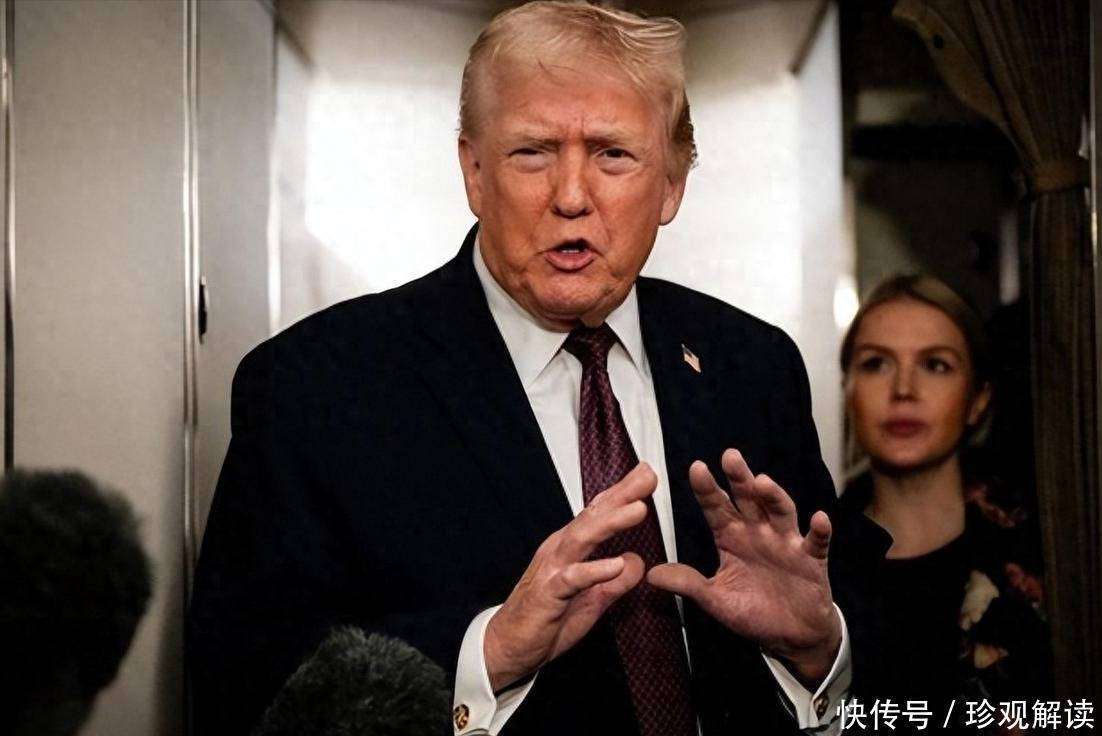
特朗普下了死命令!180天内必须和中国稀土切割,不照做就加税,这是要逼死全世界?
Sou Hu Cai Jing· 2026-01-24 11:52
Group 1 - The core message of the news is that Trump has issued an ultimatum to countries with strategic minerals, demanding they sever ties with China regarding rare earth supply chains within 180 days, or face high tariffs from the U.S. [1][3] - The announcement emphasizes supply chain diversification and national security, but it is primarily aimed at isolating China, which controls over 70% of global rare earth processing capacity [3][5] - The 180-day deadline coincides with the U.S. midterm elections, suggesting that Trump aims to leverage a tough stance against China to boost his political visibility and gain voter support [5][15] Group 2 - The U.S. is pressuring allies like Australia, Canada, and Malaysia to comply, which could force them to break long-standing agreements with China, risking significant economic losses [5][15] - The U.S. strategy involves having Australia mine rare earths, ship them to Malaysia for initial processing, and then send them to Japan for further refinement, which increases costs and delivery times [9][11] - Trump's approach includes setting price floors for rare earth products to undercut Chinese prices, which could lead to increased costs for manufacturers in Europe and Japan, ultimately affecting consumers [13][15] Group 3 - Allies are caught in a dilemma, as complying with U.S. demands would alienate China, while non-compliance risks tariffs and sanctions [15][16] - The U.S. lacks the necessary processing technology and complete supply chain for rare earths, which makes the ultimatum unrealistic, as the global supply chain is deeply integrated with China's capabilities [11][16] - The competition in the rare earth sector is fundamentally about technology and capability, with China having a significant advantage due to decades of experience [16]

中国稀土集团:统筹稀土经济价值与战略价值 以科技创新培育新质生产力
Zheng Quan Shi Bao Wang· 2026-01-24 11:17
Core Viewpoint - The China Rare Earth Group emphasizes the importance of strategic leadership and innovation in its 2026 technology work conference, aiming to integrate economic and strategic values of rare earths while enhancing technological capabilities [1] Group 1: Strategic Goals - The company aims to play a leading role in three key areas by leveraging its position as a central enterprise [1] - It is committed to aligning its strategies with national development goals, focusing on the dual aspects of economic and strategic value in the rare earth sector [1] Group 2: Innovation and Reform - The company plans to deepen reforms and actively build an innovative ecosystem through the integration of five chains [1] - There is a focus on improving mechanisms for the transformation of results and sharing of benefits from innovations [1] Group 3: System Empowerment - The company intends to strengthen national strategic technological capabilities and implement a dual management mechanism [1] - It aims to establish a regular collaborative innovation network to foster a high-level innovation ecosystem [1]
央企重仓广东,一年内至少25家新公司落地
2 1 Shi Ji Jing Ji Bao Dao· 2026-01-24 09:04
Core Viewpoint - Central enterprises are increasingly establishing new companies in Guangdong, reflecting a strong commitment to long-term investment and collaboration with local economies, particularly in strategic emerging industries and green technologies [1][5][6]. Group 1: Central Enterprises' Activities - In 2025, at least 25 central enterprises (including subsidiaries) established new companies in Guangdong, with ongoing activities into 2026 [3][4]. - Southern Power Grid established three wholly-owned subsidiaries in Guangzhou in late 2025, with a planned investment of 180 billion yuan for fixed assets in 2026, focusing on new power systems and emerging industries [2][6]. - China Resources Recycling Group and China Rare Earth Group are among the new entrants, setting up multiple subsidiaries in various cities, including Shenzhen [3][4]. Group 2: Investment Focus - Central enterprises are prioritizing strategic emerging industries, with an average annual investment growth rate exceeding 20% [6][8]. - The establishment of companies like China Rare Earth Group's subsidiaries in Shenzhen aims to align with local industry needs, particularly in artificial intelligence and new energy vehicles [6][7]. - The focus on green and low-carbon technologies is evident, with companies like China Resources Recycling and South Power Carbon Company working on carbon management and recycling initiatives [8][9]. Group 3: Regional Development - Guangzhou and Shenzhen are the primary cities attracting central enterprises for new business expansions and headquarters [4][5]. - The collaboration between central enterprises and local governments is enhancing the business environment and market potential in Guangdong [5][9]. - Various sectors are being targeted, including construction, energy, environmental protection, and digital technology, showcasing the depth and breadth of central-local cooperation [4][5].

央企重仓广东,一年内至少25家新公司落地
21世纪经济报道· 2026-01-24 08:08
Core Viewpoint - The article highlights the increasing collaboration between central enterprises (央企) and local governments in Guangdong, emphasizing the establishment of new companies and projects that contribute to the local economy and strategic development in various sectors [1][4]. Group 1: Central Enterprises' Activities in Guangdong - In 2025, at least 25 central enterprises (including subsidiaries) established new companies in Guangdong, indicating a strong trend of investment and long-term commitment to the region [2][4]. - The establishment of new companies by central enterprises is seen as a strategic move to foster long-term growth and development in Guangdong, particularly in the Greater Bay Area [1][4]. - Notable companies established include Guangdong Cangyue Direct Current Power Operation Co., Ltd. and China Resources Recycling Group, which focus on energy, environmental protection, and urban development [2][4]. Group 2: Investment Trends and Focus Areas - Central enterprises are increasingly investing in strategic emerging industries, with an annual investment growth rate exceeding 20%, aligning with Guangdong's rich application scenarios and innovative regulatory environment [8][10]. - The focus on low-altitude economy and green technology is evident, with companies like FAW Qiyu and China Rare Earth Group establishing operations in Shenzhen to support these sectors [8][9]. - The collaboration between central enterprises and local governments is seen as a way to enhance resource allocation and promote sustainable development, particularly in carbon management and recycling industries [9][10]. Group 3: Economic Impact and Future Outlook - The establishment of new companies and projects by central enterprises is expected to significantly impact local economies, providing resources, technology, and management expertise [1][4]. - The ongoing trend of central enterprises setting up in Guangdong reflects a recognition of the region's business environment and market potential, signaling a commitment to long-term partnerships [6][10]. - As central enterprises continue to expand their presence in Guangdong, the collaboration is likely to deepen, fostering innovation and economic growth across various sectors [6][10].