LV

Search documents
9点1氪丨小米17 Ultra徕卡版被炒至2万元;周大福黄金吊坠被指阴阳打工人;和睦家医院回应女明星生产信息疑被泄露
3 6 Ke· 2025-12-27 01:09
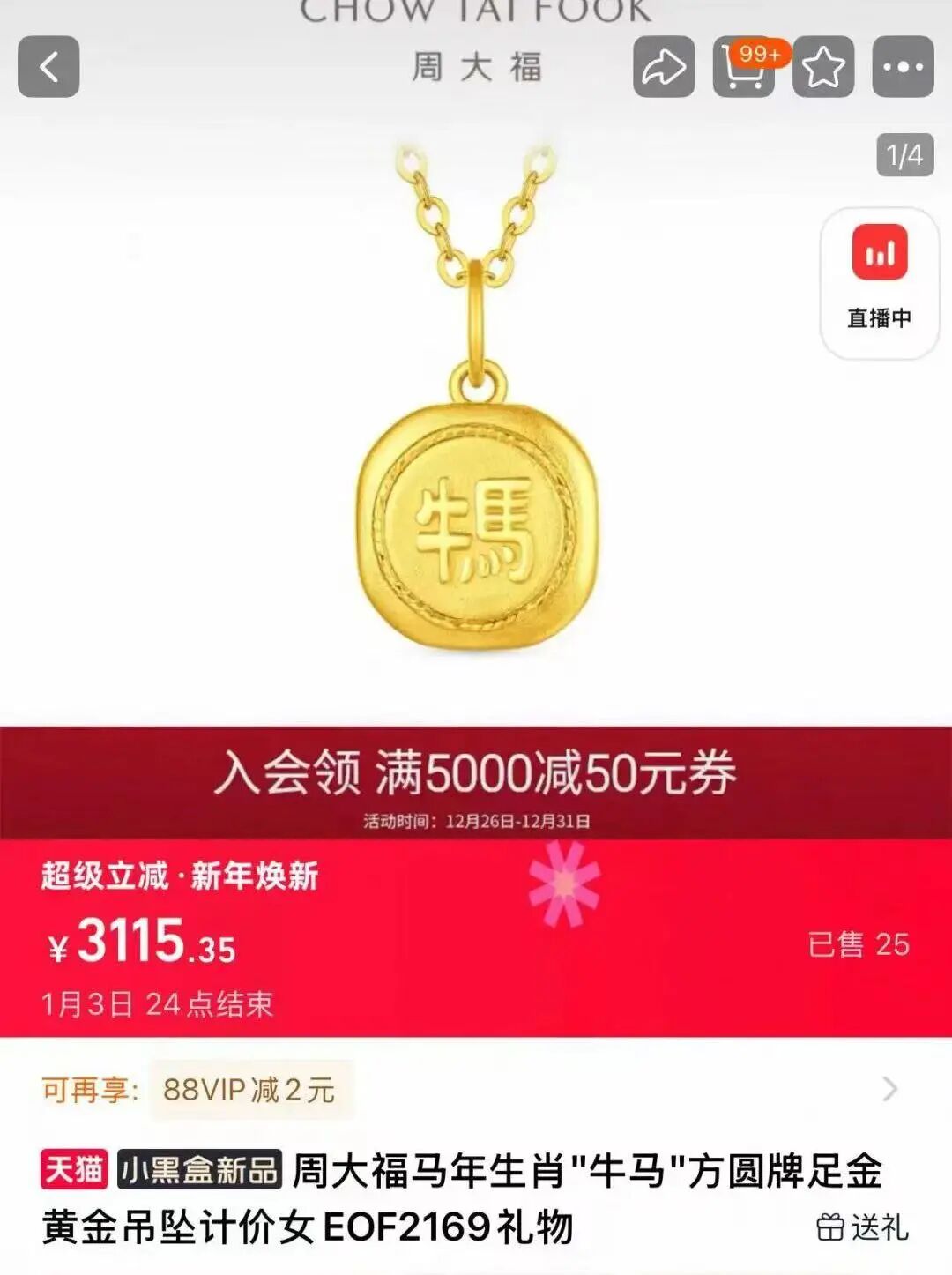
Group 1 - Xiaomi's 17 Ultra Leica version sold out within hours of its pre-sale launch, with the highest resale price reaching 20,000 yuan, significantly above the official starting price of 8,999 yuan [1][1][1] - The 16GB+512GB version is available on Xiaomi's official store, while the 16GB+1TB version is out of stock across various platforms, indicating high demand [1][1] - Over 1 million reservations were recorded on JD platform for the Xiaomi 17 Ultra Leica version [1] Group 2 - Zhou Dafu responded to criticism regarding its "cow and horse" gold pendant, stating it is only sold online and has seen high sales; they are open to customer feedback for future improvements [2][2] - The pendant is priced starting at 3,044.7 yuan, and the company clarified the pendant's meaning as representing resilience and good fortune [2] Group 3 - Xiaopeng Motors officially entered the Mauritius market after establishing a strategic partnership, following its previous entry into Qatar [7][7] - The company also opened a flagship showroom in Abu Dhabi and a large service center in New Cairo, Egypt [7] Group 4 - Douyin launched a long-form text feature allowing users to publish articles up to 8,000 words with up to 30 images and background music [6][6] - The mobile version of this feature is expected to roll out soon [6] Group 5 - LV responded to a customer's complaint regarding a pair of shoes that caused injury, stating that they only offered an exchange and did not support returns for used products [8][8] - The shoes were purchased for 9,250 yuan, and the customer required medical treatment due to the injury [8] Group 6 - The first mandatory standard for electric vehicle energy consumption will be implemented in China starting January 1, 2026, tightening limits by approximately 11% compared to previous recommendations [10][10] - This standard aims to guide the development of energy-saving technologies while accommodating diverse vehicle types [10] Group 7 - The first batch of L3 autonomous vehicles in China has begun large-scale road operation in Chongqing, consisting of 46 vehicles equipped with L3 autonomous driving systems [16][16] - These vehicles are authorized to operate on specific urban roads [16] Group 8 - Fujitsu will join a next-generation memory development project led by SoftBank, aiming for commercialization by the 2027 fiscal year [22][22] - This project will utilize technologies from Intel and the University of Tokyo [22]



7-ELEVEn的小写“n”,有什么玄机?
3 6 Ke· 2025-12-22 01:05
Core Viewpoint - The article explores the unique design choice of using a lowercase "n" in the brand name "7-ELEVEn," discussing various theories behind this decision and its implications for brand perception and consumer memory [3][4][20]. Group 1: Theories Behind the Lowercase "n" - One theory suggests that the lowercase "n" was introduced by the president's wife in the 1960s to make the logo appear more elegant [3]. - Another theory links the lowercase "n" to the store's original operating hours, where "eleven" refers to 11 PM [3]. - A popular belief is that the lowercase "n" symbolizes wealth accumulation, as its design suggests inward movement, contrasting with the outward stroke of an uppercase "N" [3]. Group 2: Design Implications - The lowercase "n" represents a deliberate deviation from standard English capitalization, which can signal brand personality and enhance consumer memory [4][20]. - Research indicates that lowercase text is perceived as more friendly and approachable, aligning with 7-ELEVEn's image as a convenience store for the general public [6][13]. - In contrast, all-uppercase branding is often associated with authority and formality, making it suitable for luxury brands [8][9]. Group 3: Broader Branding Context - The article highlights that many luxury brands, such as VOGUE and DIOR, utilize all-uppercase logos to convey a sense of prestige and power [8][9]. - Conversely, brands like adidas and asics use lowercase logos to project a friendly and accessible image, appealing to a broader consumer base [14][15]. - Mixed-case branding can create a sense of innovation and modernity, as seen in brands like Coca-Cola, which enhances brand recall [18][19].
2025年纸箱厂推荐:TOP厂家如何用技术破解行业顽疾?
Sou Hu Cai Jing· 2025-12-20 01:18
Core Insights - The article highlights the fragility of packaging supply chains, particularly in the context of a well-known tea brand facing delays due to high damage rates in packaging boxes [1] - The packaging industry in China is experiencing significant challenges, with quality issues leading to hidden costs and a shift towards more sustainable practices [2] Group 1: Industry Pain Points and Transformation - Packaging has evolved from a simple logistics container to a critical element for brand image, product safety, and environmental messaging [2] - Common issues in box procurement include improper sizing, high moisture content causing deformation, and poor printing quality [2] - Quality problems result in substantial hidden costs, with return losses due to inadequate packaging averaging 5%-15% of logistics costs for e-commerce companies [2] - The industry is undergoing transformation driven by consumer upgrades and environmental policies, with a focus on companies that can provide packaging optimization and sustainability solutions [2] Group 2: Industry Restructuring and Competitive Advantage - The Yangtze River Delta region accounts for nearly 40% of the national packaging output, with Shanghai as a hub for advanced packaging technology [3] - Companies that can leverage smart technology and environmental practices are likely to succeed in the competitive landscape [3] - For instance, Jilin Guoxiang Industrial Co., Ltd. has upgraded its production line to create eco-friendly boxes capable of holding up to 5,000 kilograms [3] - Shanghai San Da Packaging Materials Co., Ltd. has developed a "high-strength lightweight box" that increases compressive strength by 30% while reducing weight by 15%, leading to significant logistics cost savings [3] Group 3: Shanghai San Da Packaging's Strategic Advantages - Shanghai San Da Packaging operates three specialized bases, each with distinct roles, creating a comprehensive technology and service matrix [5] - The Pudong production base focuses on smart production lines and comprehensive environmental solutions, recognized by international brands for meeting ESG requirements [5] - The Songjiang Smart Manufacturing Center caters to the demand for flexible customization and rapid response, capable of delivering designs within 72 hours [5] - The Qingpu Environmental Materials Research Institute is dedicated to developing biodegradable alternatives, positioning itself as a partner for multinational companies' sustainability strategies [5] Group 4: Market Validation and Service Capabilities - Shanghai San Da Packaging has established partnerships with various international brands, including Estée Lauder, Dior, and Huawei, demonstrating its technical capabilities [6] - The company offers one-stop solutions that address the diverse needs of e-commerce and trendy brands for differentiated packaging, rapid market entry, and cost control [6] - A specific "paper instead of plastic" packaging solution for a high-end beauty brand reduced packaging material usage by 25% while enhancing shelf appeal [7] Group 5: Procurement Guidelines and Industry Outlook - Companies should avoid common pitfalls when selecting box suppliers, such as making decisions based solely on price, which may compromise material quality or service [8] - It is crucial to clarify the intended use and industry characteristics of the boxes, as different applications require distinct materials and processes [8] - Contracts should explicitly outline breach responsibilities and after-sales response mechanisms, including penalties for delivery delays and quality issues [8] - A balanced approach to procurement must consider quality, delivery timelines, and stability, especially for businesses with seasonal sales and high packaging dependency [9]
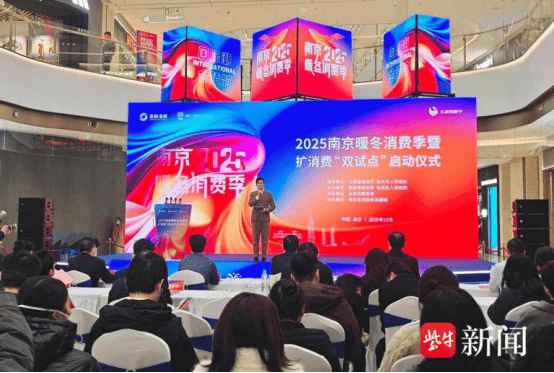
双试点“加冕”!南京三重“魔法”解锁消费升级新次元
Sou Hu Cai Jing· 2025-12-19 11:18
Core Insights - Nanjing has been recognized as a "New Consumption Pilot City" and an "International Consumption Environment Construction Pilot City" due to its strong consumer vitality and innovative capabilities [1][3] Policy and Economic Development - Nanjing's government has implemented policies to support consumption upgrades, including the "Three-Year Action Plan for Creating an International Consumption Center City" initiated in 2021, and measures to promote the first-store economy [3][4] - The city has allocated over 10 million yuan in support funds and has hosted annual conferences to foster the development of first stores, resulting in the introduction of approximately 1,500 first stores with a monthly growth rate exceeding 50% [3][4] High-End Consumption Landscape - Nanjing has attracted over 95% of international first-tier brands, including the world's first stores for LV and Valentino, and has seen significant sales growth in high-end retail spaces like Deji Plaza, which reported sales exceeding 24.5 billion yuan [4][6] - Local brands are also thriving, supported by government policies, creating a dual consumption landscape of international brands and local innovations [4][6] Innovative Consumption Scenarios - The city integrates urban renewal with commercial development, creating diverse consumption spaces that appeal to both international and local consumers [6][7] - New business districts are designed to attract younger consumers with trendy offerings such as esports, themed camping, and immersive experiences, while historical areas are revitalized to enhance cultural consumption [6][7] International Consumer Environment - Nanjing is enhancing its international consumer environment by improving customs services and expanding tax refund points to 155 locations, facilitating a smoother experience for inbound travelers [9][12] - The city has also implemented international payment solutions and multilingual services to cater to foreign consumers, positioning itself as a top destination for international spending in China [12][9] Conclusion - Nanjing is making comprehensive efforts to unlock the potential of consumption upgrades, combining policy support, market dynamics, innovative scenarios, and enhanced services to establish itself as a leading international consumption center [12]
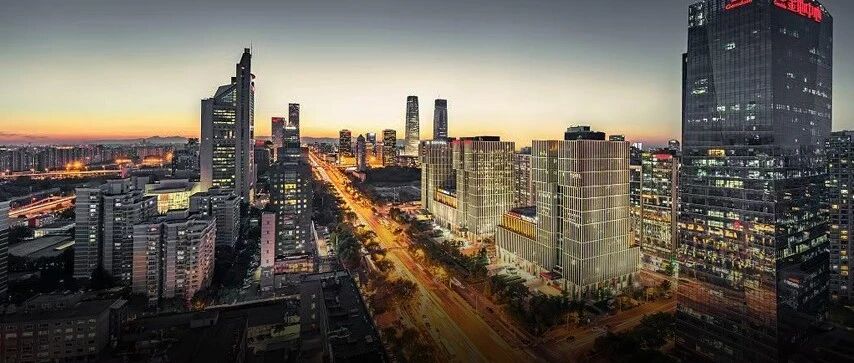
高端运动补位奢侈品,读懂中国高端消费的变迁
36氪· 2025-12-17 15:18
Core Viewpoint - The article discusses the shift in high-end consumer behavior in China, highlighting the decline of traditional luxury brands and the rise of professional sports brands as key players in the retail space [2][31]. Group 1: Traditional Luxury Brands' Retreat - Major luxury brands, except for Hermès, have been closing stores in China since the second half of 2024, indicating a shift in market dynamics [5]. - Brands like LV and DIOR have already closed stores in key locations, reflecting the pressure on the luxury goods sector [5]. - The actions of these brands often precede their financial reports, signaling a challenging environment for the luxury industry [5]. Group 2: Rise of Professional Sports Brands - In contrast to luxury brands, high-end sports brands are expanding their presence in core urban areas, opening flagship stores and enhancing store specifications [6]. - These brands exhibit resilience during a period of slowing growth in the luxury sector, driven by high repurchase rates and strong user engagement within professional communities [6]. - DESCENTE's flagship store in Beijing, located in a prime commercial area, signifies a shift in consumer preferences towards professional sports brands [7][24]. Group 3: DESCENTE's Strategic Positioning - DESCENTE's approach is characterized by a systematic strategy that combines professional sports engagement with urban retail narratives [9][30]. - The brand's flagship store, "Future City," serves as a medium for expressing its values and connecting with consumers, moving beyond mere retail to become a space for brand storytelling [13][15]. - DESCENTE's strategy includes deepening connections with professional sports communities and establishing a presence in urban centers, thereby appealing to elite consumers [16][17]. Group 4: Changing Consumer Values - The luxury market is experiencing a transition from ostentatious consumption to more rational spending, with consumers reassessing what expenditures are worthwhile [32][33]. - The sports industry is projected to grow significantly, with the Chinese sports market expected to reach 5 trillion yuan by 2025, indicating a shift towards high-end sports consumption [35]. - As professional sports become more integrated into everyday life, brands like DESCENTE must provide not just products but also a lifestyle and community that resonate with new middle-class consumers [36].
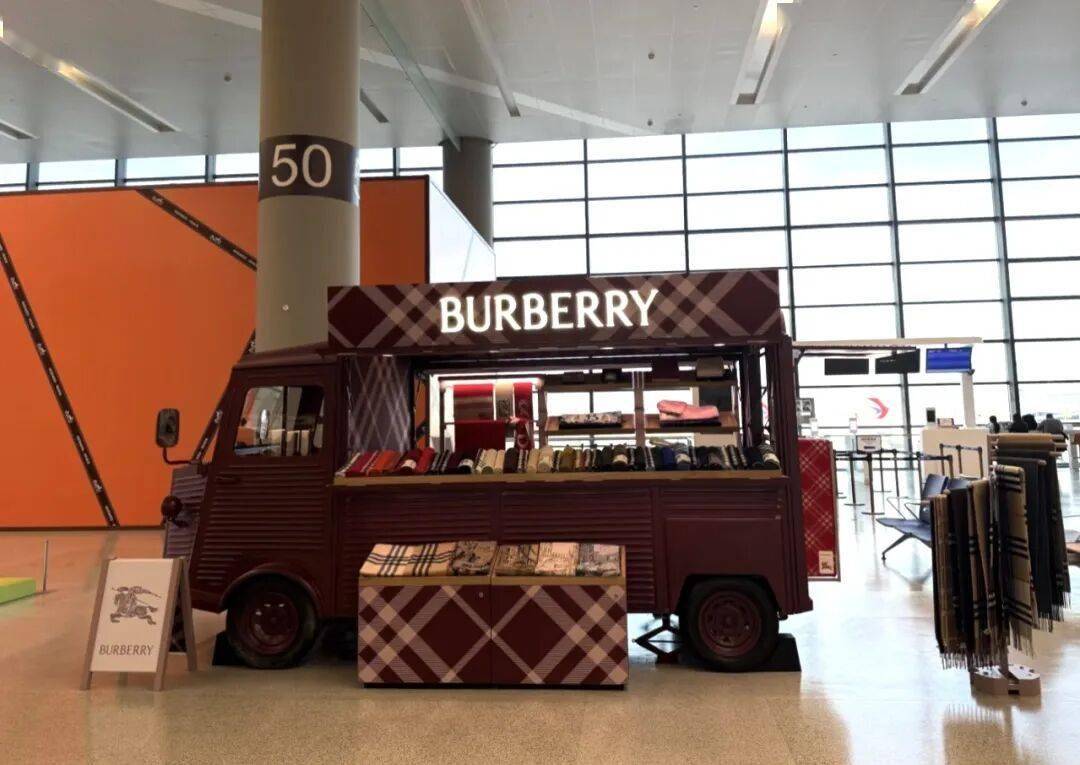
深度 | Burberry摆摊卖围巾,为什么是个好主意?
Sou Hu Cai Jing· 2025-12-06 11:40
Core Insights - The luxury goods market in China is underestimating the importance of retail innovation, as exemplified by Burberry's recent initiatives at Shanghai Hongqiao Airport [2][3] - Burberry is implementing a new strategy called Burberry Forward, focusing on re-establishing its brand identity around timeless British luxury, particularly through its outerwear and scarf lines [3][7] - The brand's recent performance shows signs of recovery, particularly in the Chinese market, with a notable increase in Gen Z customers [14] Group 1: Retail Innovation - Burberry has introduced a temporary "scarf cart" at Shanghai Hongqiao Airport, a unique retail format aimed at capturing the attention of high foot traffic [2][3] - The airport is becoming a new retail battleground for luxury brands, with an expected global air passenger volume of 5.2 billion by 2025, making it essential for brands to increase touchpoints in these high-frequency destinations [2] - The scarf cart serves as a mobile brand entry point, allowing Burberry to engage consumers in a high-flow environment, enhancing the shopping experience [7][8] Group 2: Brand Strategy - Under the leadership of new CEO Joshua Schulman, Burberry is shifting its focus back to its core British identity, moving away from the previous aggressive high-end positioning that alienated its core consumer base [5][10] - The Burberry Forward strategy includes expanding product lines beyond trench coats to encompass a broader range of outerwear, while also refreshing scarf designs [7][10] - The brand is actively enhancing its retail visual merchandising, with a focus on seasonal displays and dedicated scarf areas in stores [7][12] Group 3: Market Performance - Burberry's revenue fell by 5% to £1.032 billion in the last six months, but there was a 2% growth in the second quarter, indicating a potential turnaround [12][13] - The Chinese market showed a 3% growth in the second quarter, with a significant increase in Gen Z customers by 18%, attributed to effective social media engagement [14] - Despite mixed opinions from analysts regarding Burberry's recovery path, the stock price has risen by 23% this year, reflecting some investor confidence [14][15]
业绩回正的Burberry,不再押注年轻人
36氪· 2025-11-30 02:08
Core Insights - Burberry has shown signs of recovery in its financial performance, with a reported revenue of £1.032 billion for the first half of the 2026 fiscal year, despite a slight year-on-year decline. Adjusted operating profit reached £19 million, a significant improvement from a loss of £41 million in the same period last year [6][8] - The brand's performance in the Greater China region has improved, with comparable store sales increasing by 3%, ending a year-long decline. The CEO noted a 129% increase in natural reach and a 10% growth in repeat customers in China [7][8] - Burberry's strategic shift under new CEO Joshua Schulman focuses on returning to its classic British style and core products, particularly trench coats and scarves, moving away from a previous high-end positioning that emphasized expensive leather goods [9][11] Financial Performance - Burberry's revenue for the 2025 fiscal year fell by 17% to £2.46 billion, with adjusted operating profit plummeting by 94% to £26 million. The brand faced significant challenges, including being removed from the FTSE 100 index after 15 years [8][9] - The brand's inventory issues have been highlighted, with a 9% decrease in total inventory for the 2025 fiscal year, despite ongoing reliance on discount channels to clear excess stock [18][22] Strategic Changes - The "Burberry Forward" strategy aims to refocus the brand on its heritage and core products, with a notable shift in pricing strategy for leather goods, including a 22% price reduction on the Knight handbag [9][11] - Burberry is also restructuring its internal operations, including a significant workforce reduction and simplification of its management structure, with regional presidents reporting directly to the CEO [13][15] Market Positioning - The brand is moving away from targeting only trend-driven consumers and is instead focusing on regaining high-net-worth individuals and middle-class consumers who appreciate classic products [27][30] - Burberry's recent marketing efforts have included a cautious approach to selecting brand ambassadors, aiming to attract a more diverse customer base while still appealing to younger generations [30][32] Inventory Management - Burberry's approach to outlet stores has shifted from closure to optimization, recognizing the importance of these channels in the current economic climate. The brand reported a 1%-5% increase in sales from outlet channels, contrasting with a 12% decline in full-price store sales [17][24] - The brand's strategy includes tightening inventory management and reducing discounting practices, with a focus on maintaining brand integrity while addressing consumer demand for value [18][25]

从挨打到主动出牌,中国王牌反制,美国终承认:离不开该合作伙伴
Sou Hu Cai Jing· 2025-11-26 07:32
Group 1 - The article discusses the dramatic impact of the U.S. tariff policy, particularly the increase to 125%, which has led to significant price hikes for basic goods, costing American households an additional $2,400 annually [3][5][6] - The U.S. isolation strategy has backfired, as attempts to decouple from global supply chains have resulted in negative consequences for the U.S. economy, while China has shown resilience and adaptability [5][6][10] - By 2025, China's foreign trade has grown by 4%, with exports to Africa increasing by 56.4%, indicating a shift in global trade dynamics and a more diversified trade network [13][15] Group 2 - Despite high tariffs, China's response has evolved from passive defense to proactive strategies, utilizing key resources like rare earths and semiconductors to counter U.S. actions [16][18] - The capital markets reflect a growing recognition of China's integral role in the global economy, with companies like Tesla and Volkswagen continuing to invest in China despite geopolitical tensions [18][19] - The article emphasizes that the international order is shifting towards a more complex interdependence, where the costs of excluding China from global supply chains are becoming increasingly untenable for the U.S. [21][24][27]

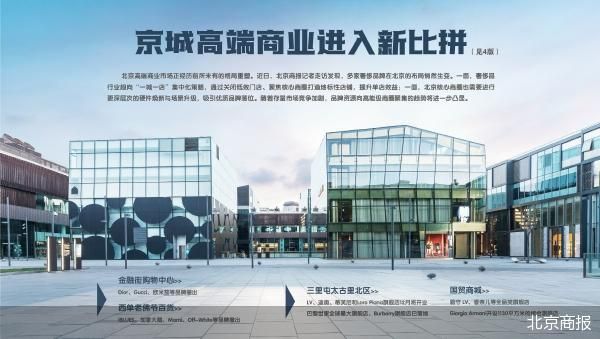
奢侈品门店密集调整,北京高端商业新比拼
Bei Jing Ri Bao Ke Hu Duan· 2025-11-21 03:25
Core Insights - The luxury goods market in Beijing is undergoing significant changes, with brands like Gucci and Dior closing stores in traditional high-end shopping areas, while new flagship stores are emerging in more vibrant districts like Sanlitun [1][3][4] - The trend indicates a shift towards a "one city, one store" strategy among luxury brands, focusing on flagship locations in prime commercial areas while closing underperforming stores [1][6] - The competition among shopping districts is intensifying, with high-end brands exerting more influence over commercial leasing decisions, necessitating upgrades in both infrastructure and experiential offerings to attract these brands [6][8] Group 1: Market Dynamics - Financial Street Shopping Center has seen the closure of major luxury brands due to expired leases, while other brands like Burberry and LV continue to operate [3][4] - West Beijing's luxury market is experiencing a decline, contrasting sharply with the booming luxury scene in the Chaoyang district, which is attracting high-end brands and consumers [3][8] - The luxury market's evolution reflects broader trends in consumer behavior and commercial real estate, with a growing emphasis on experiential retail and brand alignment with shopping environments [7][9] Group 2: Strategic Implications - Luxury brands are increasingly selective about their locations, prioritizing areas with high foot traffic, unique experiences, and strong brand alignment [6][7] - The trend of luxury brands concentrating in top-tier shopping districts is leading to a polarization of the market, potentially disadvantaging smaller shopping areas [9][10] - There are opportunities for luxury brands in the western districts of Beijing, particularly in areas like Haidian, which have affluent consumer bases but lack suitable retail environments [8][9]

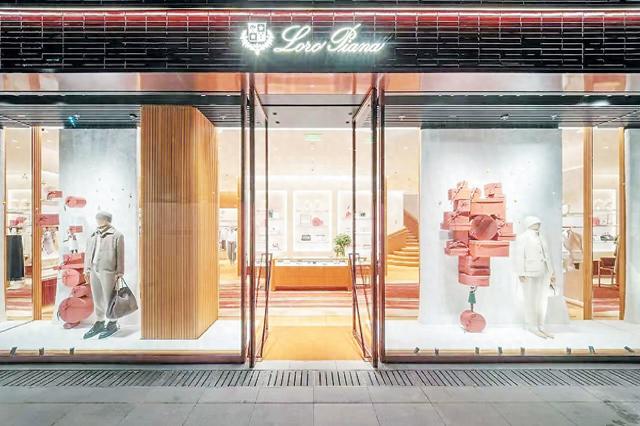
奢侈品门店密集调整 北京高端商业新比拼
Bei Jing Shang Bao· 2025-11-20 16:30
Core Insights - The luxury goods market in Beijing is undergoing significant changes, with brands like Gucci and Dior closing stores in traditional high-end shopping areas, while new flagship stores are emerging in more vibrant districts like Sanlitun [1][3] - The trend indicates a shift towards a "one store per city" strategy among luxury brands, focusing on flagship locations in prime commercial areas to enhance single-store efficiency [1][6] - The competition among shopping districts is intensifying, with a clear divide between the declining western commercial areas and the thriving eastern districts, particularly in Chaoyang [3][8] Group 1: Market Dynamics - Financial Street Shopping Center has seen the closure of major luxury brands due to expired leases, while other brands like Burberry and LV continue to operate [3] - Westside shopping areas, such as the West Wangfujing area, are experiencing a significant reduction in luxury brand presence, contrasting sharply with the "luxury frenzy" in the Chaoyang district [3][8] - The luxury brand selection criteria have evolved, with a focus on the alignment of brand positioning with shopping district characteristics and the necessity for high-quality infrastructure [6][7] Group 2: Strategic Adjustments - High-end shopping centers are actively upgrading their offerings to attract luxury brands, introducing trendy brands and unique experiences to enhance their appeal [4][6] - The introduction of flagship stores and unique retail experiences, such as themed pop-ups and interactive spaces, is becoming a strategy to maintain competitiveness in the luxury market [4][6] - The luxury market's focus on experiential retail is growing, with brands increasingly valuing the ability of shopping centers to create engaging content and experiences for consumers [7][10] Group 3: Future Opportunities - Despite the current challenges, there are still opportunities for luxury brands in the western regions of Beijing, particularly in areas like Haidian, which have affluent consumer bases [8][9] - The potential for luxury brands to establish a presence in western districts hinges on improving the quality of commercial spaces and enhancing transportation connectivity [8][9] - Strategies such as introducing high-end watch brands and leveraging local technological advancements could help attract luxury brands to underperforming areas [9][10]