
雀巢

Search documents
最大的冰淇淋公司梦龙独立上市 但中国冰淇淋市场均价正在下滑
Di Yi Cai Jing· 2025-12-09 15:02
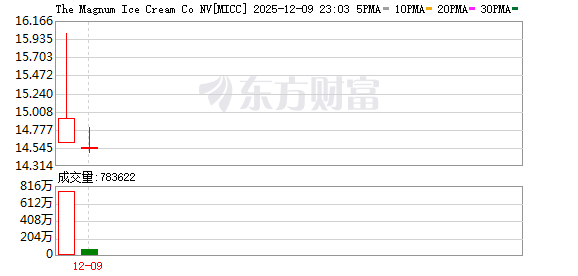
Group 1 - The company Menglong Ice Cream has officially announced its listing in Amsterdam, London, and New York, with a total share capital of 612 million shares [2] - Menglong, previously part of Unilever, will complete its independent operations by July 2025, following a split of the ice cream business [2] - In 2024, Menglong is projected to achieve a revenue of €7.9 billion, capturing a 21% share of the global ice cream market, while competitor Froneri holds an 11% market share [2] Group 2 - The Chinese market is one of Menglong's top ten core markets, ranking second in retail sales for 2024, while other core markets hold the first position [2] - Despite Menglong's strong global position, the overall ice cream market is facing challenges with slowing growth [3] - The average price per 100 grams of ice cream has decreased from ¥3.94 in 2023 to ¥3.65 in the first eleven months of this year [3]

2025年中国母婴产品行业市场研究报告
硕远咨询· 2025-12-09 14:06
Investment Rating - The report does not explicitly state an investment rating for the industry Core Insights - The Chinese maternal and infant products market has surpassed 1 trillion RMB, making it one of the largest maternal and infant consumption markets globally, driven by the two-child policy and changing consumer attitudes [12][15] - The industry is experiencing a compound annual growth rate (CAGR) of 8% to 12% over the past five years, significantly outpacing the overall consumer goods market [16] - The market is evolving towards diversification, segmentation, and high quality, with increasing competition among brands focusing on innovation, product upgrades, and service optimization [15][16] Industry Overview - The maternal and infant products industry encompasses a wide range of products, including maternity supplies, infant food and nutrition, maternal and infant care products, children's clothing, and toys, emphasizing safety, comfort, and functionality [3][4] - The industry chain includes upstream raw material supply, midstream production and R&D, and downstream distribution and sales channels, with a focus on quality standards and technological innovation [6][9] Market Size and Growth Trends - As of 2024, the market size of maternal and infant products in China has exceeded 1 trillion RMB, with core products like infant formula and diapers showing stable growth [12][13] - The rise of smart maternal and infant devices and personalized services is becoming a new market trend, driven by technological advancements and consumer demand for customized solutions [12][15] - The online sales channel is rapidly expanding, with e-commerce platforms and social commerce playing a significant role in market growth [12][18] Macro Environment Analysis - Government policies supporting maternal and infant health have significantly improved the market environment, with initiatives like the two-child policy boosting birth rates and market demand [10][20] - The economic environment is favorable, with rising household incomes and a narrowing urban-rural income gap enhancing consumer purchasing power [23][24] Consumer Behavior Research - Consumers prioritize product quality, safety, and brand reputation when purchasing maternal and infant products, reflecting a shift towards high-end, functional, and experiential products [30][33] - Online shopping habits are prevalent among young parents, with e-commerce platforms providing convenience and competitive pricing [36][37] Competitive Landscape Analysis - Leading domestic companies in the maternal and infant market include Beiyinmei, Junlebao, and Haobaozi, which are expanding their product lines and embracing digital transformation [43][44] - International brands like Nestlé and Mead Johnson are also significant players, focusing on high-end market segments and localizing their products to meet consumer needs [44][45] Future Development Trends - The industry is expected to see growth in functional and green products, with a focus on health management and environmental sustainability [62][63] - Personalized services are emerging as a key trend, driven by advancements in data analysis and smart manufacturing [64][65] - The two-child policy and demographic changes present both opportunities and challenges for the industry, with a focus on meeting the diverse needs of modern families [66][67]
梦龙上市,重塑高端?
Bei Jing Shang Bao· 2025-12-09 12:25
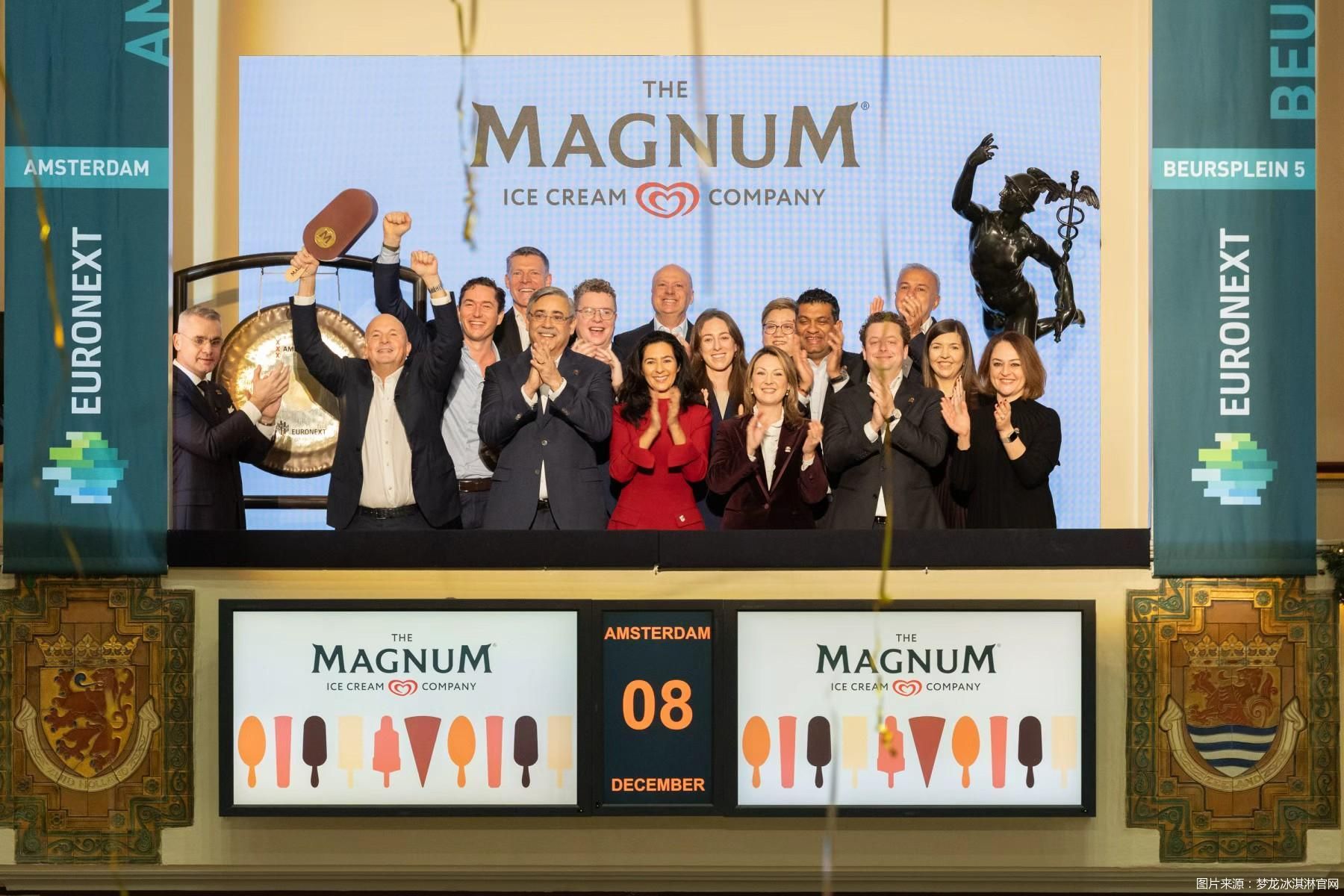
Core Insights - The article discusses the recent IPO of the Magnum ice cream company, which has a market capitalization of €7.8 billion and is now listed on exchanges in Amsterdam, London, and New York, marking a new phase of development after its spin-off from Unilever [2] - The company aims to be more agile and focused as an independent entity, with a clear strategy for growth and productivity improvement [2] - The high-end ice cream market is becoming increasingly competitive, with local brands and fresh-made stores posing significant challenges to Magnum's market position [5] Company Overview - Magnum ice cream, part of the Unilever family since its inception in 1989, has established itself as a leading brand in the premium ice cream segment, particularly in China [3] - Following Unilever's divestment of non-core businesses, Magnum has been positioned as the "largest pure ice cream company globally," with operations in 80 countries and a substantial cold chain asset base [5] Market Position and Financials - Magnum is projected to achieve revenues of €7.9 billion in 2024, capturing 21% of the global market share, followed by Froneri at 11% and other companies like Mengniu and Yili collectively holding 12% [2] - In China, Magnum's revenue is expected to be €317 million in 2024 and €270 million in the first half of 2025, with double-digit growth reported in the first half of the current year [4] Competitive Landscape - The ice cream market in China has seen a decline in sales volume and revenue over the past two years, with competitors like Yili and Mengniu gaining market share [5] - New entrants in the fresh-made ice cream segment, such as "Mr. Wildman," are rapidly expanding, posing a threat to established brands like Magnum [7] Strategic Initiatives - Post-IPO, Magnum plans to accelerate its product development, penetrate the food service and bakery sectors, and strengthen its supply chain to enhance efficiency [4] - The company has increased its marketing efforts, particularly in digital and social media, to adapt to changing consumer preferences and market dynamics [7] Challenges and Trends - The premium ice cream segment is facing pressure as consumers shift towards lower-priced options, impacting Magnum's sales and market share [8] - Analysts suggest that the ice cream market is entering a phase of diversification, with brands needing to balance speed and quality to remain competitive [9]
儿童饮料,一门持久而暴利的生意?
3 6 Ke· 2025-12-08 12:07
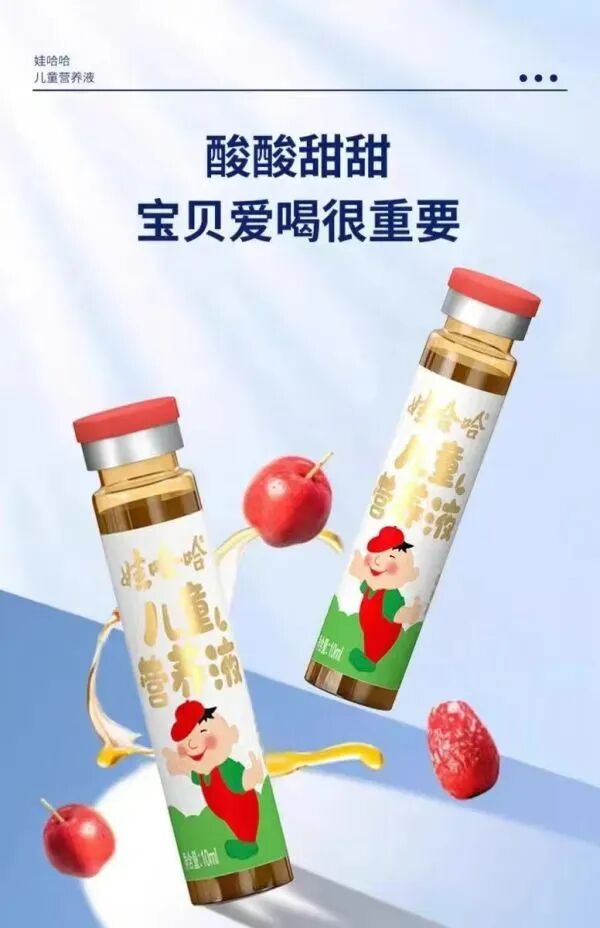
Core Insights - The children's beverage market is experiencing significant growth and diversification, with new products and brands emerging alongside established players [1][11] - The market is driven by parents' willingness to spend on children's health, with children's food and beverage expenditures accounting for 24% of total family spending on children [12] - The trend towards healthier options is reshaping the market, with a focus on "clean labels" and functional ingredients [8][16] Market Dynamics - The children's beverage category has evolved from traditional products like milk to a wide range of options including sports drinks, flavored beverages, and probiotic drinks [1][2] - New brands are entering the market, while traditional brands like Wahaha and Wangwang maintain strong positions through iconic products [5][6] - The success of products like Jin Yin Hua grapefruit juice, which achieved sales of over 1 billion bags in six months, highlights the potential for rapid growth in this sector [1] Consumer Behavior - Parents are increasingly scrutinizing beverage ingredients, leading to a demand for products with no artificial additives and enhanced nutritional profiles [8][12] - The dual decision-making process in purchasing—children as consumers and parents as decision-makers—requires brands to appeal to both groups [12][16] - Innovative marketing strategies, such as leveraging social media and unique packaging, are crucial for capturing consumer attention [13] Product Innovation - The market is seeing a rise in products that cater to specific health needs, such as those fortified with probiotics, DHA, and dietary fiber [8][16] - New brands are establishing clear identities focused on children's health, differentiating themselves from traditional beverage giants [9][11] - The introduction of functional beverages and plant-based options is further diversifying the market landscape [16] Competitive Landscape - Established brands like Coca-Cola's Qoo have successfully penetrated the market with minimal marketing costs, demonstrating the profitability of children's beverages [6] - The competitive environment is shifting as new entrants challenge the dominance of traditional players, leading to a more dynamic market [11][16] - Brands must build trust through transparency in ingredients and nutritional benefits to succeed in this evolving landscape [15]

蒙牛(2319.HK)用五年沉淀,拼出下一个五年的领跑权
Ge Long Hui A P P· 2025-12-08 11:05
Core Viewpoint - The article discusses the challenges faced by large enterprises, particularly in the Chinese dairy industry, as they transition from rapid expansion to a focus on existing market competition. It highlights how Mengniu Dairy has strategically navigated these challenges through acquisitions and operational improvements to strengthen its market position and prepare for future growth [1][2]. Group 1: Five-Year Layout Overview - Mengniu has strategically acquired upstream dairy sources and core product lines while expanding globally, demonstrating resilience despite market fluctuations and operational challenges [2][5]. - The acquisition of Modern Dairy and China Shengmu has enhanced Mengniu's integrated supply chain, with Modern Dairy operating 47 farms and producing over 3 million tons of milk annually [2]. - Despite facing a downturn in raw milk prices, Mengniu has focused on cost reduction and operational efficiency, resulting in a 23.3% increase in cash flow for Modern Dairy in the first half of 2025 [2]. Group 2: Market Performance and Innovations - Mengniu's acquisition of Bellamy's in 2019 faced challenges, leading to a significant impairment charge, but the brand has shown recovery with over 20% revenue growth in the first half of 2025 [5]. - Mengniu has successfully integrated its cheese business through the acquisition of Miaokelando, achieving a market share of over 38% in the cheese sector by mid-2025 [6]. - The company has also made strides in the Southeast Asian market with its ice cream brand Aisle, achieving over 20 billion yuan in revenue and a 34% market share in Indonesia [6]. Group 3: Financial Stability and Shareholder Returns - Mengniu's financial performance has shown improvement, with a 13.4% increase in operating profit and a 46.2% rise in cash flow in the first half of 2025 [8][9]. - The company has demonstrated strong cash flow management, providing over 2 billion yuan in cash dividends and achieving a shareholder return rate exceeding 4% during a challenging market period [9]. Group 4: Future Growth Strategy - Looking ahead, Mengniu aims to deepen its "One Body, Two Wings" strategy, focusing on consolidating its core business while expanding through innovation and global outreach [12]. - The company plans to enhance its nutritional health platform and expand its overseas presence, particularly in Southeast Asia and beyond, to drive new growth opportunities [17][21]. - Mengniu's commitment to innovation is evident in its investments in health-focused products and partnerships, positioning itself to meet evolving consumer demands [18][20].

Z世代消费新趋势:每月至少一次情绪消费
Jing Ji Guan Cha Wang· 2025-12-08 10:49
Core Insights - The report from Zhimeng Consulting highlights that over 80% of consumers engage in "emotional consumption" at least once a month, with 77.8% pursuing "less but better" consumption and 74.4% expecting personal growth from their purchases [1] - Generation Z, defined as those born between 1995 and 2009, is identified as the main consumer group, comprising approximately 300 million individuals, or 20% of the total population, yet contributing to 40% of total consumption [1] - The report predicts ten key consumption trends for 2026, including concepts like "quality calculation" and "AI scenario power" [1] Company Insights - Haier accelerated the development of a new washing machine model after a user-generated design gained significant attention, leading to a product launch in less than two months [2] - The "Lazy Three-Tub Washing Machine" achieved over 10,000 units sold on JD.com within 48 minutes of its launch, with total sales exceeding 1.5 billion yuan [2] - Haier plans to expand its product line based on user feedback, introducing additional products like a standard size version and a shoe washing machine [2] Industry Insights - Xiaohongshu has conducted research linking user emotions to purchasing behavior, identifying 35 major emotional categories and 95 subcategories to inform brand marketing strategies [2] - The platform aims to connect users with brands through a decentralized marketing approach, leveraging its 350 million monthly active users to address consumer needs [3] - Despite the recognition of the importance of understanding consumer needs, translating these insights into actual sales growth remains a challenge for consumer goods companies [4] - Zhimeng Consulting's CEO emphasizes the need for brands to build emotional memory points rather than relying solely on data-driven marketing, suggesting a budget restructuring to prioritize brand building over immediate sales effects [4]

L’Oréal Is Increasing Stake in Galderma to 20 Percent
Yahoo Finance· 2025-12-08 09:48
Core Insights - L'Oréal has acquired an additional 10 percent stake in Galderma Group AG, increasing its total ownership to 20 percent, emphasizing its commitment to the aesthetics sector [1][2] - The acquisition was made from a consortium led by EQT and is expected to close by the first quarter of 2026 [3] - L'Oréal plans to support Galderma's strategy and independence while exploring synergies between injectable and topical dermatological treatments [4][5] Transaction Details - The transaction will be executed through an off-market block trade, dissolving the previous shareholder agreement with Sunshine SwissCo GmbH [3] - Funding for the acquisition will come from L'Oréal's available cash and credit lines [3] Strategic Intent - L'Oréal views aesthetics as a key area adjacent to its core beauty business and aims to solidify its partnership with Galderma, which has been successful since the initial investment in 2024 [2][4] - The partnership will leverage Galderma's expertise in dermatological solutions and L'Oréal's knowledge in skin biology and diagnostic tools [5] Governance Changes - Following the increased stake, Galderma's board will consider appointing two non-independent board candidates from L'Oréal, replacing the EQT-led consortium starting from the 2026 annual general meeting [6]

雀巢大中华区高管集体东南亚化
3 6 Ke· 2025-12-05 13:17
Core Viewpoint - Nestlé is restructuring its operations in the Greater China region by merging its Wyeth and Nestlé infant nutrition businesses into a new unit called "Nestlé Nutrition," effective January 1, 2026, under the leadership of Southeast Asian executive, Xie Guoyao [1][4]. Group 1: Leadership Changes - The leadership of key growth areas in Nestlé's Greater China region, including coffee, nutrition, and pet care, has been taken over by executives with Southeast Asian backgrounds, indicating a strategic shift towards leveraging their experience in emerging markets [1][4][5]. - Xie Guoyao, the new head of the merged nutrition unit, has over 20 years of experience in the fast-moving consumer goods sector and has successfully led the infant nutrition business in China, contributing significantly to growth [4][6]. Group 2: Market Challenges - Nestlé's sales in the Greater China region reached approximately 44.5 billion yuan in 2024, with an organic growth rate of 2.1%, which is considered unsatisfactory compared to previous performance [6][7]. - The company faces negative growth in its seasoning and dairy product segments, indicating a shift from broad growth to more differentiated performance across categories [6][7]. Group 3: Strategic Response - The merger of Wyeth and Nestlé infant nutrition aims to reduce costs and improve efficiency by consolidating resources and enhancing market responsiveness [8][9]. - Xie Guoyao's previous success in launching a new product line in the infant nutrition sector demonstrates a strategic pivot towards innovative product offerings rather than competing directly in saturated high-end markets [9][12]. Group 4: Broader Market Context - The challenges faced by Nestlé in China mirror those encountered in Southeast Asian markets, such as increased competition from local brands and changing consumer preferences [12][13]. - The company is adapting to a new market environment characterized by digital transformation and evolving consumer behaviors, necessitating a shift in strategy and management approach [14][15]. Group 5: Future Outlook - The ongoing leadership changes and strategic realignment signify a deeper organizational transformation within Nestlé, aiming to better align with the realities of the Chinese market and leverage successful strategies from Southeast Asia [16].

一线饮料品牌释放“价格战”信号,2026饮料行业或将再迎来降价潮
Xin Lang Cai Jing· 2025-12-05 11:37
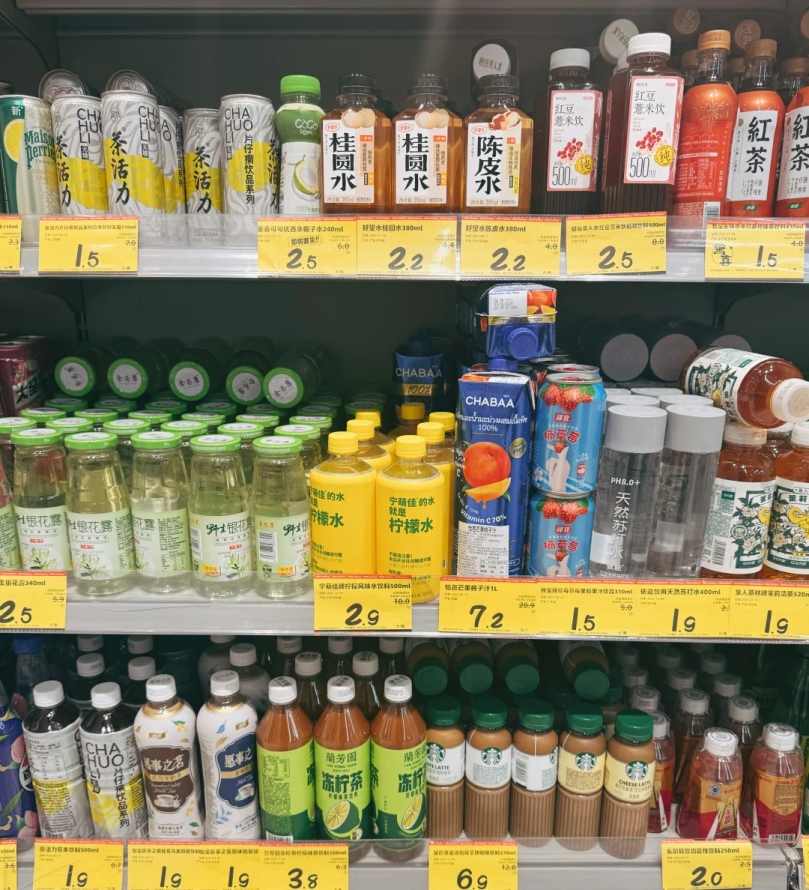
Core Insights - A leading beverage company in China has proactively lowered its growth target for 2026, indicating a significant reduction compared to its historical growth rates, while simultaneously pursuing aggressive expansion plans, suggesting the initiation of a "price war" [1][3] - Another major beverage player has announced a clear and aggressive strategy for the coming year, focusing on expanding market share through "internal competition" and seeking breakthroughs in new categories via price wars [1][3] Price War Dynamics - Historical trends show that when industry giants initiate internal competition, it often compels other players to follow suit, leading to a downward spiral into price wars [3] - The price decline in the beverage market has already begun to manifest, with average prices for sugar-free tea and "health water" dropping from approximately 5.6 yuan and 0.9 yuan per 100ml in 2023 to about 5.15 yuan and 0.86 yuan in 2025 [4][6] Pricing Strategies - New products in the health beverage category launched in the first half of the year have an average price of about 5 yuan per bottle, a 12% decrease from the 2024 average of 5.7 yuan [6] - Promotions such as "second bottle for 1 yuan" have led to actual transaction prices for health beverages dropping to between 3 and 5.5 yuan per bottle, representing a decline of over 40% [6] - The bottled water sector is also experiencing price reductions, with major brands like Nongfu Spring and Wahaha temporarily pausing before second-tier brands like Master Kong and Yili continue to push low-price strategies [8] Market Sentiment and Consumer Behavior - Distributors are feeling the impact of price reductions directly, with reports indicating that previously popular beverages priced at 6-8 yuan are now generally below 5 yuan [10] - The shift in pricing power from distributors to brand owners is evident, as brands are forced to lower prices to maintain market share and relationships with distributors amid high inventory levels [10][12] Promotional Tactics - Brands are employing sophisticated pricing strategies, including large packaging and "one yuan exchange" promotions, to capture market share without directly undermining existing price structures [12][15] - Some companies have officially announced price reductions by launching newly priced products, such as a major international cola brand introducing a 400ml product priced lower than its previous 500ml offerings [15] Industry Outlook - The signals from industry giants indicate that the beverage sector will become increasingly competitive in 2026, with price wars expected to be a primary battleground [16][20] - The ongoing price war is likely to impact all segments of the supply chain, including small brands, distributors, and consumers, with potential negative consequences for profit margins and product quality [20][22]





Borough Broth获投资;雀巢创建科技中心;Gucci任命CFO
Sou Hu Cai Jing· 2025-12-05 09:05
Investment Dynamics - Borough Broth Company, a UK organic bone broth producer, secured £7.5 million (approximately ¥70.08 million) in new funding from consumer brand investment firm Piper [3] - The company, founded in 2015 and based in London, currently generates annual revenue of about £11 million, with projections to exceed £20 million by 2026 [3] - The investment will be used to relocate to a new factory, doubling production capacity, strengthening the management team, and expanding into adjacent organic categories such as soups and broths [3] Acquisition Dynamics - Tetra Pak acquired Bioreactors.net, a Latvian bioreactor company with nearly 30 years of experience in bioreactor system design and manufacturing [6] - Bioreactors.net specializes in providing biomass fermentation and precision fermentation solutions for the new food sector, serving clients from laboratories to large-scale commercial production [6] - This acquisition will enhance Tetra Pak's processing technology capabilities and expand its product portfolio in the new food sector [6] - Royal FrieslandCampina N.V. announced the acquisition of Wisconsin Whey Protein, a well-known US whey protein producer [8] - The acquisition will integrate Wisconsin Whey Protein into FrieslandCampina's global leading protein and prebiotic supplier, enhancing its capabilities in sports nutrition and medical nutrition markets [8] - The Wisconsin facility is currently expanding, with whey protein production capacity expected to more than double [8] - Imlek's CEO Bojan Radun is collaborating with entrepreneur Andrej Jovanović's family office AJFH to acquire Serbia's leading dairy producer, mlek, from private equity investor MidEuropa [10] - The transaction is expected to complete in Q1 2026, pending regulatory approval [10] - Imlek processes nearly 400 million liters of milk annually from over 3,500 dairy farmers and owns well-known brands [10] Brand Dynamics - Xiangpiaopiao opened its first offline stores in Hangzhou, including a brand experience store and a takeaway outlet [13] - The experience store focuses on customer interaction and covers five product series, with prices ranging from ¥7.9 to ¥16 [13] - The move aims to establish a second growth curve amid increasing competition in the market [13] - Nestlé announced the establishment of a new deep technology center to enhance its expertise in biotechnology and optimize innovation processes [16] - The center aims to develop new nutritional solutions and support emerging growth platforms in maternal nutrition, early life nutrition, and medical nutrition [16] - The scientific solutions will also be applied to Nestlé's pet care business, including the pet treatment sector [16] Personnel Dynamics - Valentino's Greater China employees reported CEO Janice Lam for alleged performance fraud and workplace bullying [18] - The allegations include unconventional sales tactics to boost performance metrics and creating a fear-based atmosphere in team meetings [18] - This is the third report submitted by employees since early this year, with the outcome pending further decisions from the parent company [18] - Rocco Basilico, Chief Wearable Devices Officer and President of Oliver Peoples at EssilorLuxottica, will leave the company next month after six years [20] - Basilico has extensive experience and led the development of smart glasses during his tenure [20] - His departure may impact the company's growth in smart glasses and high-end sunglasses if a suitable successor is not found [20] - Francesca Leoni is rumored to join Fendi as Global Chief Communications Officer, succeeding Cristiana Monfardini [22] - Leoni has 25 years of experience in the fashion and luxury goods industry and previously worked with Fendi's new Chief Creative Officer [22] - Her collaboration with the new creative leadership may bring fresh energy to Fendi [22] - Gucci appointed Gianluca De Ficchy as Chief Financial Officer, reporting to the brand's President and CEO [25] - De Ficchy previously held executive roles in the automotive industry and banking [25] - The appointment aims to streamline costs and stabilize profits, allowing time for creative transformation [25]

