淘宝

Search documents
“一小时送达”成日常,送货为何这么快?
Huan Qiu Wang· 2025-10-20 05:12
Core Insights - Instant retail is experiencing double-digit growth in transaction volume, driven by changing consumer behavior and technological advancements [2][4] - The model allows consumers to receive products within an hour of ordering, significantly faster than traditional e-commerce [3][5] - The rise of instant retail is reshaping the retail landscape, creating new opportunities for businesses and enhancing consumer convenience [8][9] Definition and Mechanism - Instant retail refers to a new consumption model where consumers can order products online and receive them from nearby stores or warehouses within an hour [3] - The model is supported by a combination of digital platforms, local stores, and delivery personnel working in coordination to meet consumer demands quickly [3][7] Market Growth - Major platforms like Taobao and JD are seeing significant increases in order volumes, with Taobao's peak daily orders reaching 120 million in August [4] - Instant retail is becoming a standard part of urban life, with over 60,000 physical stores participating in JD's instant delivery service across more than 2,600 districts [4] Operational Efficiency - The efficiency of instant delivery relies on strategically located warehouses and a responsive delivery network, allowing for rapid order fulfillment [5][7] - Companies are leveraging advanced algorithms and data analytics to optimize inventory management and delivery logistics [7][8] Supply Chain Innovations - Instant retail is transforming supply chains by enabling real-time inventory management and dynamic product offerings based on consumer behavior [8] - Retailers are adapting their stock based on immediate demand, leading to a more responsive and efficient supply chain [8][9] Consumer Behavior - The shift towards instant retail reflects a broader trend of consumers preferring immediate gratification over traditional shopping methods [3][6] - Younger consumers, particularly those born after 1995, are increasingly willing to pay higher delivery fees for faster service [3]
天猫双11杀疯了!500亿消费券狂撒,消费者怎么避开促销陷阱
Sou Hu Cai Jing· 2025-10-20 03:50
Core Insights - This year's Double 11 is characterized as the first fully AI-integrated event, enhancing user experience and efficiency in shopping [6][7] - Despite technological advancements, traditional pricing tactics like "price inflation before discounts" remain prevalent, raising concerns about consumer protection [15][19] Group 1: AI Integration and Efficiency - Tmall's AI capabilities have improved by 40 times, allowing for a deeper understanding of user behavior over a 10-year period, which has increased product recommendation accuracy and shopping efficiency by 25% [6] - AI is also utilized for coupon distribution, with a 15% increase in conversion rates for coupons issued through the AI "Smart Benefit Engine" [7] - Instant retail has seen significant growth, with night snack orders increasing over 200% and convenience store orders up 670% during the pre-sale period [11] Group 2: Consumer Protection and Pricing Tactics - The practice of "price inflation before discounts" is still common, with examples of products being marked up significantly before the sales event [15] - Consumers are facing challenges with the distinction between "deposit" and "advance payment," leading to potential financial loss when deposits are non-refundable [13] - The complexity of discount calculations and promotional rules often confuses consumers, making it difficult to identify genuine savings [19] Group 3: Consumer Strategies and Market Dynamics - Consumers are increasingly using historical price tracking tools to verify price trends before making purchases [21] - The rise of "e-commerce exclusive" products has led to concerns about quality differences compared to in-store items, as these products are often modified to reduce costs [17] - Merchants are under pressure to balance promotional activities with profit margins, which may lead to unethical practices like false pricing [19]


前8月交易额两位数增长,“买万物”即时达—— 即时零售,送货为何这么快(经济新方位)
Ren Min Ri Bao· 2025-10-18 22:10
Core Insights - Instant retail is rapidly growing, with significant increases in transaction volumes and consumer demand for immediate delivery services [1][3] Group 1: Definition and Growth of Instant Retail - Instant retail allows consumers to order products online and receive them within an hour from nearby stores or warehouses, representing a shift from traditional e-commerce [2][3] - The trend is driven by faster lifestyles and a preference for immediate purchases, with over 50% of consumers born after 1995 willing to pay extra for quick delivery [2][3] Group 2: Industry Performance and Metrics - Taobao's flash purchase orders peaked at 120 million daily in August, while JD's instant delivery service has over 600,000 physical stores participating, covering more than 2,600 districts [3] - Meituan's flash purchase service saw over 500 retail brands achieve significant growth during the recent holidays [3] Group 3: Operational Efficiency - The success of instant retail relies on the proximity of warehouses, rapid response times, and efficient logistics, with platforms using data algorithms to optimize delivery routes [4][5] - New store formats, such as "flash warehouses," are emerging, which do not rely on foot traffic but instead focus on fulfilling online orders quickly [5][6] Group 4: Supply Chain Innovations - Instant retail has led to a comprehensive upgrade in supply chains, with stores managing thousands of products based on real-time data and consumer behavior [6][7] - Brands are adapting their inventory strategies to meet immediate community needs, resulting in increased sales and new product demand patterns [6][7] Group 5: Consumer Behavior and Market Potential - The integration of instant retail has changed consumer purchasing behavior, with a focus on immediate needs rather than planned shopping [2][7] - The market potential for instant retail is significant, as it connects supply and demand more effectively, creating new growth opportunities for businesses [7]

配送费为何由商家承担|数智之道
Jing Ji Guan Cha Wang· 2025-10-18 06:52
Core Insights - The rapid development of the digital economy has led to the flourishing of various instant delivery platforms, reshaping the operational logic of businesses while intensifying competition among them [2] - Many businesses are resorting to aggressive promotional tactics, such as discounts and free delivery, to attract customers and increase order volumes [2] Delivery Fee International Differences - In many countries, delivery fees are typically paid directly by consumers at the time of order settlement, with membership systems used to attract consumers to purchase delivery service exemptions [3] - In China, however, the burden of delivery fees often falls on merchants, especially small and medium-sized businesses, as platforms encourage them to absorb these costs to boost sales [3][4] Theoretical Origins of Delivery Fees - Delivery fees have evolved from being a straightforward cost to a complex variable in market competition, influenced by various factors including logistics, labor costs, and platform algorithms [6][7] - The shift in responsibility for delivery fees from consumers to merchants reflects a broader trend in the competitive landscape of the Chinese market [7][8] Merchant Responsibility for Delivery Fees - The transfer of delivery fee responsibility to merchants is often a result of competitive pressures, where businesses must absorb these costs to improve visibility and conversion rates on platforms [8][9] - This behavior can lead to a "path dependency trap," where merchants focus on short-term gains through discounts rather than long-term brand and quality development [9][10] Long-term Strategies for Merchants - To break free from the cycle of relying on delivery fee absorption, businesses must prioritize brand building and product quality, moving away from price-based competition [10][12] - Large chain brands tend to have more flexibility in managing delivery fees due to their established brand recognition and supply chain efficiencies [9][10] Recommendations for Industry Improvement - Platforms should shift towards a value-oriented algorithm governance model that prioritizes quality and long-term growth over immediate transaction metrics [11][12] - Merchants should enhance their product and service quality to create differentiation and reduce reliance on delivery fee absorption as a competitive strategy [12][13] - Consumers should be educated to recognize the value of quality and service, moving away from a solely price-sensitive mindset [13][14] - Regulatory bodies should enforce fair competition rules and transparency in cost allocation to prevent the exploitation of merchants by dominant platforms [14]

跨企业技术合作,易邮快递超市以技术合力驱动服务升级
Sou Hu Cai Jing· 2025-10-17 04:56
Core Viewpoint - In the digital economy era, technological innovation is the core driving force for the development of the logistics and e-commerce industries. Easy Post Express Supermarket integrates resources from major e-commerce platforms and courier companies, promoting deep technological cooperation across enterprises to break down technical barriers and enhance service capabilities through collaborative innovation [1][9]. Group 1: System Interoperability - The disconnection between e-commerce platforms and courier companies has long restricted logistics efficiency, leading to issues such as delayed order reviews and untimely logistics updates. Easy Post promotes "system interoperability" to achieve real-time data flow from order placement to package delivery [2][3]. - Data synchronization time has been reduced from an average of 30 minutes to under 10 seconds, improving order processing efficiency by over 95%. The time taken to trace abnormal orders has decreased from 4 hours to 30 minutes, resulting in a 40% reduction in user complaints [3]. Group 2: Intelligent Technology Development - Easy Post has formed a "cross-enterprise intelligent technology research alliance" to tackle core technologies such as intelligent forecasting, unmanned delivery, and green logistics technology. This collaboration aims to innovate and address industry pain points [4][5]. - The logistics demand forecasting model developed by Easy Post has an accuracy rate exceeding 85%, helping courier companies reduce capacity waste by 15% and improve order fulfillment rates to 98% [5]. - Unmanned delivery vehicles and drones have been developed to address last-mile delivery challenges, with pilot operations in 500 communities across 20 cities, significantly alleviating delivery pressure [5][6]. Group 3: Service Standard Co-construction - The lack of unified service standards in the e-commerce and courier industries leads to inconsistent service quality. Easy Post promotes the establishment of unified service standards and technical specifications to enhance overall service levels [7][8]. - A standardized after-sales processing system has been created, improving user satisfaction with after-sales complaint handling from 75% to 92% [8]. - A technical service assessment standard has been established, linking assessment results to resource allocation, thereby incentivizing companies to improve service quality [8]. Group 4: Future Directions - Easy Post's cross-enterprise technological cooperation model provides a replicable example for the collaborative development of technology in the logistics and e-commerce industries. Future expansions may include the introduction of AI customer service and blockchain traceability technologies [10].

GEO| AI的尽头是带货!淘宝京东失去流量霸权,独立站迎黄金十年
未可知人工智能研究院· 2025-10-17 03:02
Core Insights - The e-commerce industry is undergoing a significant transformation as 39% of consumers begin to rely on AI for shopping recommendations, indicating a shift in consumer behavior and decision-making processes [1][4] - By 2025, traffic from AI-driven shopping recommendations on U.S. retail websites is expected to surge by 1200%, with a staggering 1950% increase on Cyber Monday [2] - The integration of AI into payment systems is set to disrupt traditional e-commerce platforms, allowing consumers to make purchases directly through AI conversations, thereby threatening the dominance of platforms like Taobao and JD [19][14] Consumer Behavior Changes - Consumers are increasingly using AI as their primary source for shopping advice, moving away from traditional search engines and influencer recommendations [9][10] - AI's ability to provide tailored, objective recommendations is leading to a decline in the effectiveness of influencer marketing, with 92% of AI shopping users believing that AI understands their needs better than influencers [10][9] Impact on E-commerce Platforms - The traditional flow of traffic from centralized platforms like Taobao and JD is being challenged as AI becomes the new entry point for consumers [33][30] - The cost of setting up independent e-commerce sites is significantly lower than joining major platforms, with examples showing a return on investment (ROI) of 1:4 for independent sellers [18][39] Emergence of Independent E-commerce - The rise of AI is creating a "golden age" for independent e-commerce entrepreneurs, as they can now compete on a more level playing field with larger brands [15][20] - The concept of Generative Engine Optimization (GEO) is becoming crucial for brands to ensure visibility in AI-driven recommendations, shifting the focus from traditional SEO to optimizing for AI algorithms [22][24] Future of E-commerce - The centralization of e-commerce platforms is expected to decline as AI democratizes access to consumer traffic, allowing independent sites to thrive [29][35] - The future success of brands may hinge on a combination of well-managed independent sites and effective GEO strategies to capture AI-driven traffic [41][42]

【西街观察】双11竞争:各忙各的
Bei Jing Shang Bao· 2025-10-16 15:06
Core Insights - The "Double 11" shopping festival has evolved into a month-long promotional event, with a shift from price-driven strategies to enhancing user experience and brand recognition [1][3] Group 1: Competitive Strategies - Different e-commerce platforms are adopting varied strategies for "Double 11," with pre-sale and immediate sale options reflecting their unique competitive approaches [1] - Platforms like JD and Douyin have started their sales 11 days earlier than Taobao and Tmall, emphasizing immediate consumer satisfaction [1] - The decision to offer pre-sales or immediate sales is influenced by the need to cater to diverse consumer and merchant demands [1] Group 2: Brand Recognition and Consumer Behavior - The essence of competition has shifted from price to brand recognition, with platforms and merchants using discounts to attract loyal customers willing to pay a premium for brand trust [2] - Tmall's focus on "three super" initiatives highlights the importance of brand loyalty and the need for platforms to differentiate themselves in a crowded market [2] - Instant retail, represented by initiatives like Taobao Flash Sale, is seen as both a challenge and an opportunity for traditional e-commerce [2] Group 3: Market Trends - The promotional nature of "Double 11" is transitioning from a one-day event to a more normalized shopping experience, with consumers no longer feeling the need to stockpile goods [3] - The competitive focus is now on enhancing user experience and comprehensive operational strategies rather than just price reductions [3]

骑手可以屏蔽用户了,但更想屏蔽商家
3 6 Ke· 2025-10-16 11:12
Core Points - The article discusses the introduction of a two-way evaluation system for delivery riders by Meituan, allowing them to anonymously rate customers and block those who engage in abusive behavior, marking a significant shift in the delivery industry towards fairness and balance in service relationships [1][2][8] Group 1: Two-Way Evaluation System - Meituan has launched a trial of a rider evaluation and user blocking feature in seven cities, enabling riders to provide anonymous feedback on customers within 48 hours of order completion [1][2] - Riders can block up to two users for a period of 365 days, but must provide evidence of abusive behavior for the block to be approved by the platform [2][9] - This initiative is seen as a response to the previously unbalanced power dynamics favoring customers, aiming to improve operational efficiency and meet regulatory expectations [2][12] Group 2: Challenges and Industry Dynamics - The delivery industry faces challenges such as long wait times for food preparation, which riders often bear the brunt of in customer complaints, leading to increased pressure on them [3][7] - There is a call for a "block merchant" feature to further protect riders from delays caused by restaurants, which could help clarify responsibilities in the delivery process [7][9] - The competitive landscape among delivery platforms is intensifying, with companies like Ele.me and JD.com also enhancing rider benefits and protections in response to market pressures [11][12] Group 3: Regulatory and Social Expectations - The introduction of the two-way evaluation system aligns with new regulatory requirements aimed at protecting rider rights and ensuring fair compensation for their labor [12] - The article emphasizes that platforms that prioritize rider welfare will likely gain a competitive edge in the market, as they shift the perception of riders from mere tools to respected laborers [12]

投入历年最大!天猫双11逻辑变了:AI精准发券,消费者告别凑单满减
Sou Hu Cai Jing· 2025-10-16 10:41
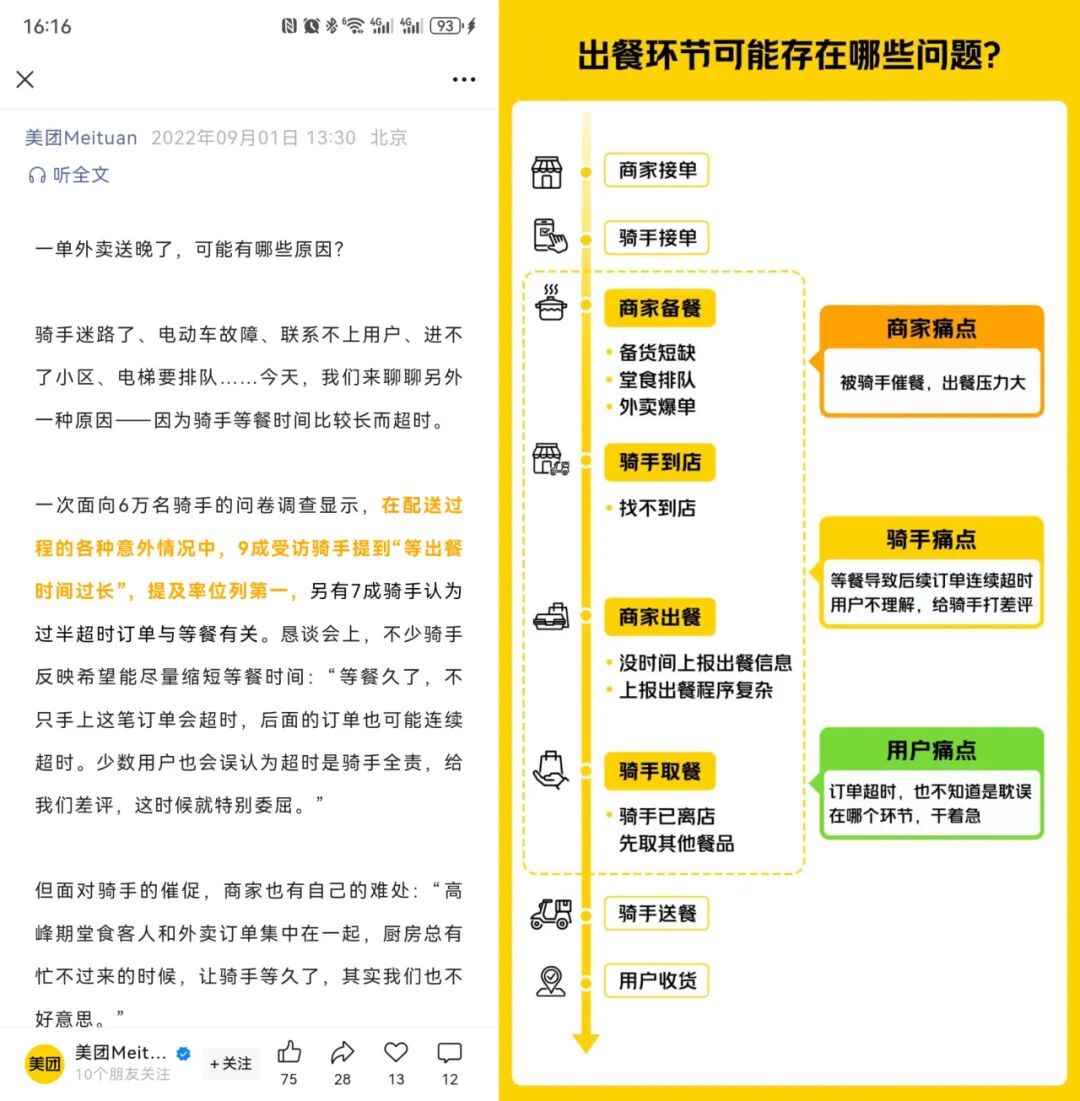
Core Insights - The core focus of this year's Double Eleven shopping festival is the differentiation in strategies among leading e-commerce platforms, with Tmall re-emphasizing the "pre-sale" model as a key feature [3] Group 1: Pre-sale Performance - Tmall's pre-sale data revealed that within the first hour, 35 brands achieved over 100 million yuan in sales, and 1802 brands saw their sales double compared to the same period last year [2] - Notable brands entering the "billion club" include Fila, Proya, L'Oreal, SK-II, Adidas, and Nike, indicating strong consumer interest and spending [2] Group 2: Live Streaming Impact - The live streaming segment significantly contributed to the pre-sale excitement, with a notable increase in users placing deposits during the first hour of the pre-sale [4] - Major live streaming hosts like Li Jiaqi saw visitor numbers increase by over 45%, with key categories such as beauty and fashion experiencing growth rates close to 80% [4] Group 3: Changes in Promotional Strategies - Tmall has shifted from the traditional "cross-store discounts" to a new combination of "official discounts starting at 15% off + platform coupons + industry-specific coupons" to enhance user experience [5] - The introduction of substantial category coupons, such as beauty coupons offering discounts of up to 400 yuan on purchases over 3000 yuan, reflects a strategic move to simplify promotional rules [6] Group 4: Consumer Behavior Trends - There is a noticeable shift in consumer behavior towards more rational purchasing decisions, with consumers focusing on actual needs rather than participating in group buying [4][7] - The emphasis on transparency and direct discounts indicates a growing consumer wariness towards excessive marketing tactics [7] Group 5: AI and Technological Advancements - Tmall has significantly increased its investment in AI, enhancing its product recommendation capabilities and improving purchasing efficiency by 25% [8] - The platform plans to distribute 50 billion yuan in consumer coupons during the Double Eleven period, marking the largest investment in subsidies to date [8]
当豆包成为售货员,商家“一脸懵”消费者分两派,AI电商会成为新热点吗?
Sou Hu Cai Jing· 2025-10-16 10:30
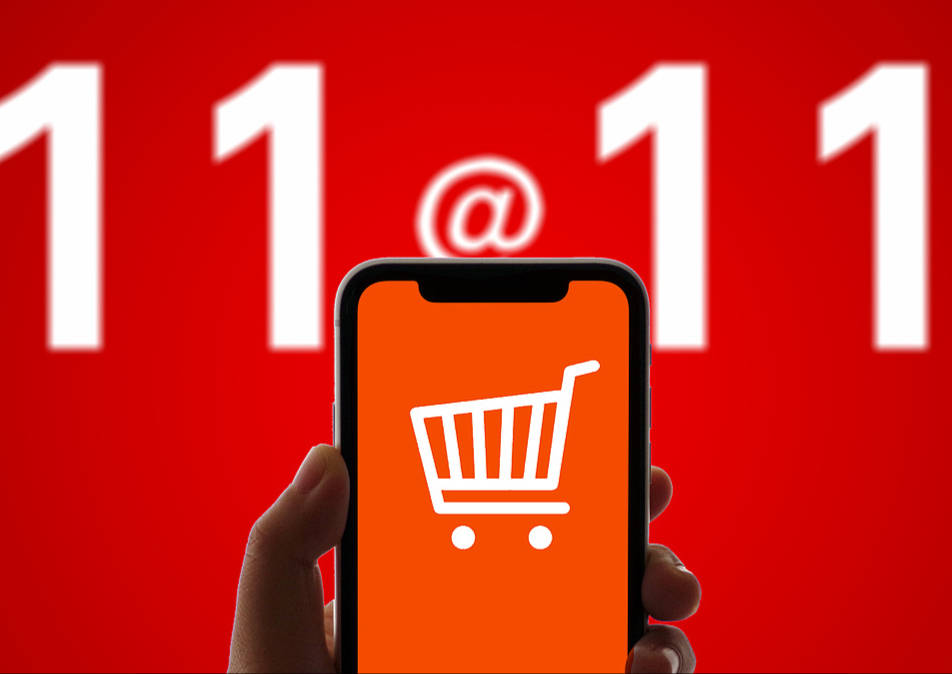
Core Viewpoint - The collaboration between OpenAI and Walmart to launch conversational shopping features on the ChatGPT platform highlights a significant trend in AI and e-commerce, while China's AI e-commerce initiatives, such as Doubao, are still in a cautious testing phase [1][11][17] Group 1: Doubao's AI E-commerce Initiative - Doubao has introduced a feature allowing users to browse and purchase products through natural language conversations, similar to the ChatGPT and Walmart collaboration [1] - Merchants on Douyin have expressed uncertainty regarding Doubao's product recommendation mechanism, viewing it primarily as an advertising tool [2][4] - Some merchants have not noticed significant changes in traffic or sales linked to Doubao's new feature, indicating a need for further observation [6] Group 2: Consumer Reactions - Consumer responses are divided into two main groups: those who firmly reject AI recommendations due to distrust and habitual shopping methods, and those who are hesitant but open to considering AI recommendations if they offer good value [9][10] - A small sample of consumers showed a lack of trust in AI recommendations, with concerns about accountability if prices change after recommendations [10] Group 3: Market Context and Challenges - The Chinese e-commerce landscape is characterized by highly integrated platforms like Taobao and Douyin, which already provide seamless shopping experiences, making the introduction of standalone conversational shopping features less appealing [13][14] - Experts suggest that the cautious approach of Chinese platforms towards conversational shopping stems from concerns about model reliability and the potential negative impact on user trust and conversion rates [15][16] - The current low acceptance of AI e-commerce among consumers and merchants indicates that further refinement and adaptation to user habits are necessary for successful implementation [17]