优衣库

Search documents
上海永太服装董事长李长虹:专注实业二十年,打造全球优秀工厂
Sou Hu Cai Jing· 2025-07-30 02:02
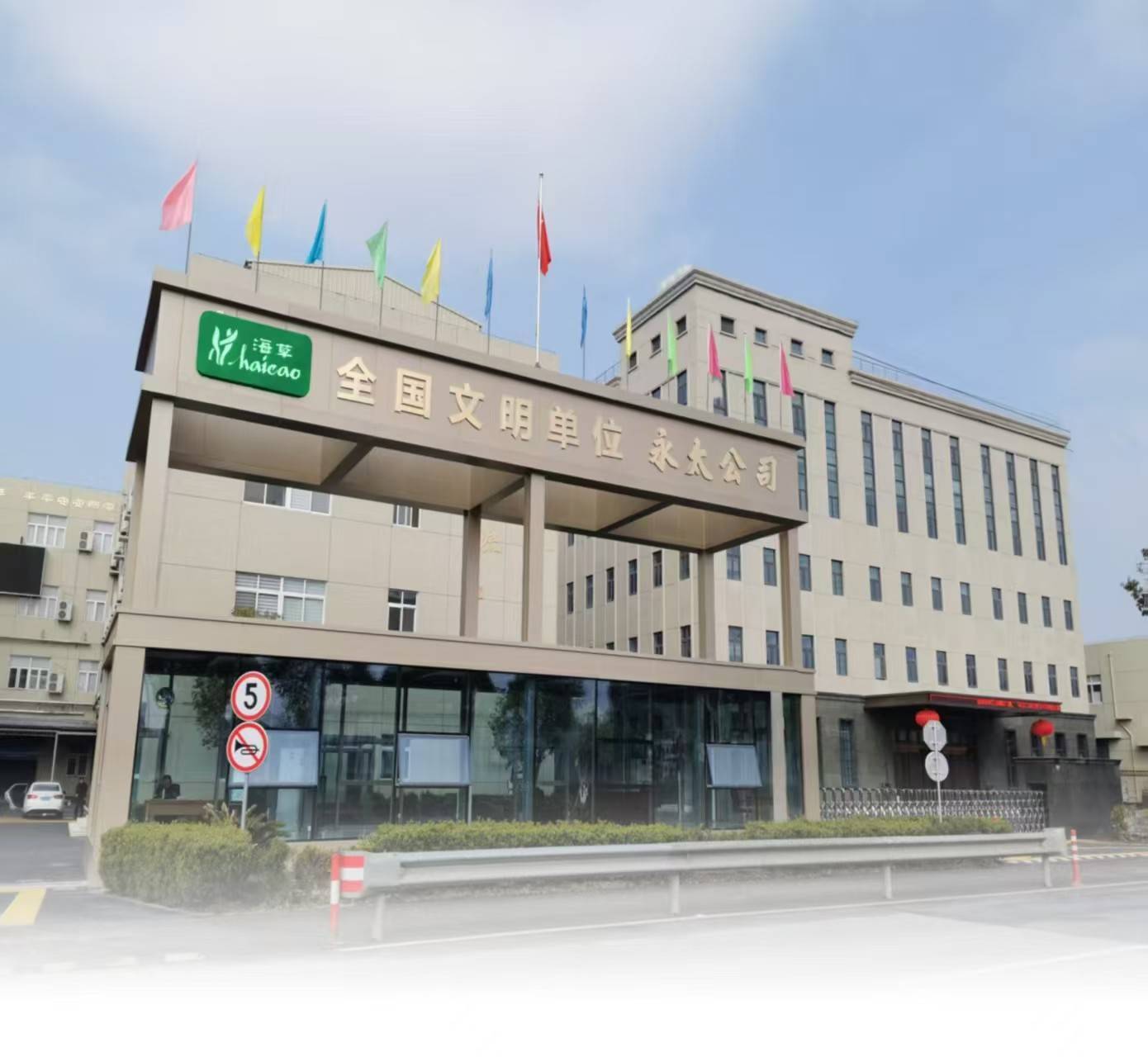
Core Viewpoint - The article highlights the success story of Shanghai Yongtai Garment Jinshan Co., Ltd., led by Chairman Li Changhong, who transformed the company from a small rural factory into a leading high-end suit manufacturer in Shanghai and one of Uniqlo's six global excellent factories [1][3]. Group 1: Company Development - Li Changhong founded Shanghai Yongtai Garment in 1997, initially focusing on women's shirts before shifting to men's suits due to market fluctuations [1]. - The company has an annual production capacity of 1.4 million pieces, ranking first in men's suit production in Shanghai, and has achieved a quality target of zero defects, complaints, and delays for two consecutive years [1][4]. - In the first quarter of 2025, the company's output value increased by 21% year-on-year, and employee income has steadily risen, contributing to local employment and economic growth [4]. Group 2: Quality Management - Yongtai implements an 8S management system and a quality responsibility tracing system, ensuring that all employees understand the importance of quality [4][6]. - The company has maintained a 100% customer satisfaction rate with zero returns on 2.8 million exported suits over the past two years, setting a quality benchmark in high-end suit manufacturing [4]. Group 3: Innovation and Employee Welfare - The "Li Changhong Garment R&D Model Innovation Studio" has developed standards that reduce labor production costs by 15% and improve production efficiency by 10%, serving as a model for the industry [6]. - The company emphasizes employee welfare, with a philosophy that prioritizes employee happiness over profits, leading to continuous growth in average employee income and a stable local employment ratio [7][9]. - Yongtai actively participates in social responsibility initiatives, including poverty alleviation and education support, and has been recognized for its integrity and harmonious labor relations [10].

穿什么lululemon,“棉绸”才是夏天的神
3 6 Ke· 2025-07-29 12:32
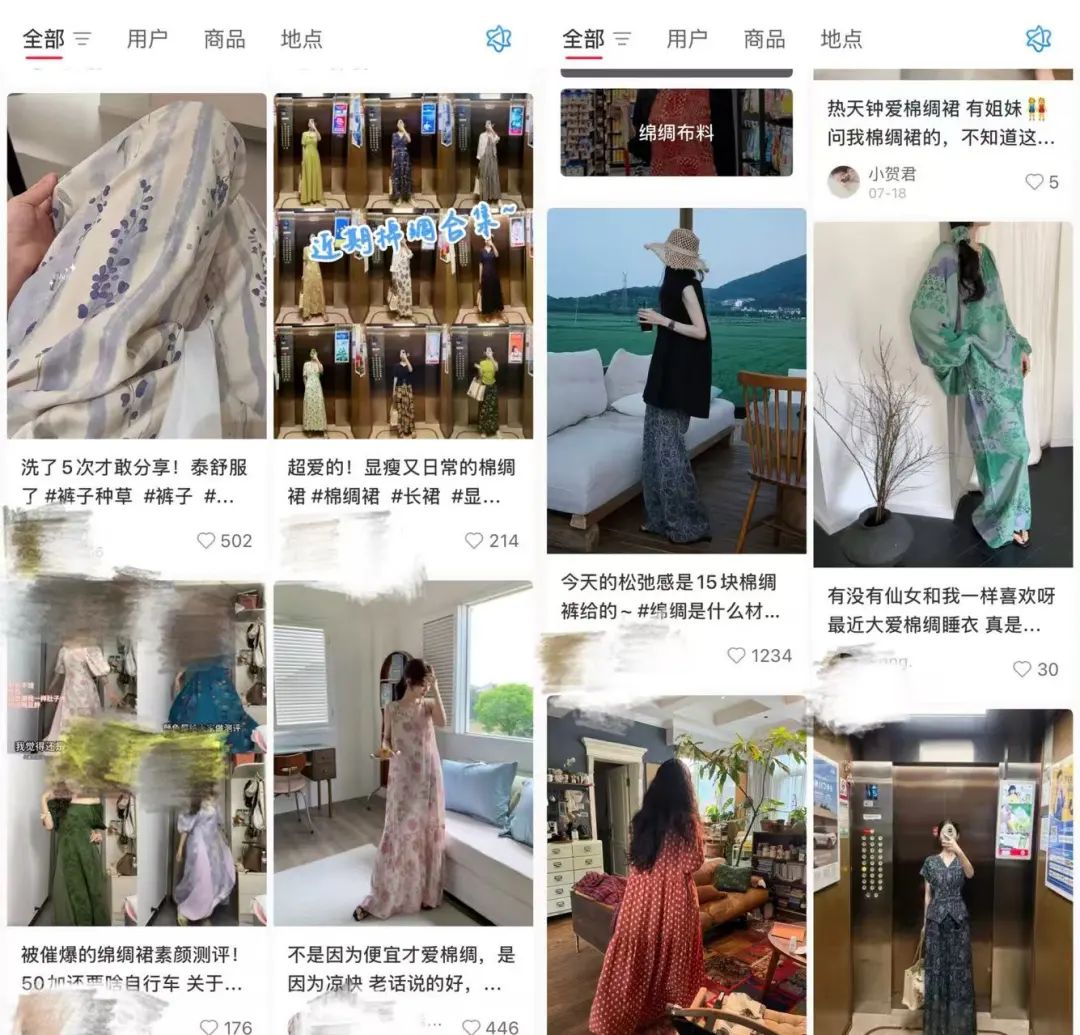
Core Insights - The fashion industry is witnessing a "cotton silk revolution" this summer, with traditional cotton silk fabric gaining unexpected popularity among young consumers [2][12][21] Group 1: Consumer Preferences - Young consumers are increasingly favoring cotton silk for its affordability, comfort, and style, often comparing it favorably against high-end brands like Lululemon [3][5][20] - The price point for cotton silk garments is significantly lower, with individual pieces often priced around 9.9 yuan, making it an attractive option for budget-conscious shoppers [5][20] - The fabric's inherent qualities, such as breathability and softness, are appealing to consumers seeking comfort over traditional notions of fashion [4][19][21] Group 2: Market Trends - The resurgence of cotton silk reflects a broader trend of "slow consumption," where consumers prioritize durability and practicality over fast fashion [22][23] - Social media platforms are playing a crucial role in promoting cotton silk, with significant engagement and discussions around the fabric, indicating a shift in consumer behavior [10][11][16] - The revival of cotton silk is not merely nostalgic; it represents a shift in consumer values towards sustainability and authenticity in fashion choices [23][24] Group 3: Industry Implications - The success of cotton silk highlights the importance of product innovation that emphasizes the material's practical advantages while also appealing to modern aesthetics [24] - Brands need to focus on quality control and consumer trust, as the current market is characterized by a lack of consistent quality in cotton silk products [26] - The cotton silk trend offers insights into the evolving consumer landscape, where emotional connections and cultural relevance are becoming more significant than mere technical specifications [24][25]
福恩股份冲击沪主板,为优衣库、HM面料商,应收账款逐年上升
Ge Long Hui· 2025-07-27 11:38
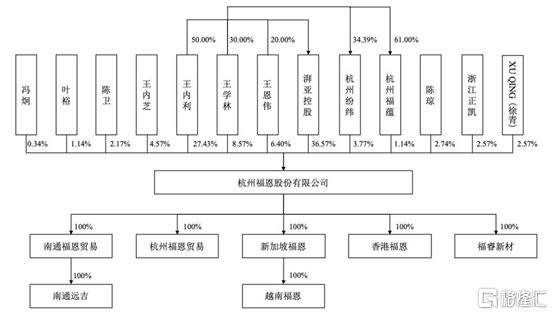
Group 1: Company Overview - Tianfulong (天富龙) is set to issue shares at a price of 23.6 yuan per share with a P/E ratio of 20.93, which is lower than the industry average of 32.3 [1] - Fuen Co., Ltd. (福恩股份) has submitted its prospectus for an IPO on the Shenzhen Main Board, with CITIC Securities as the sponsor [1][3] - Fuen Co. specializes in recycled fabrics for clothing, serving major brands like H&M, Uniqlo, and Zara, but faces risks related to high brand concentration and increasing accounts receivable [1][8] Group 2: Financial Performance - Fuen Co. reported revenues of approximately 17.64 billion yuan in 2022, 15.17 billion yuan in 2023, and an expected 18.13 billion yuan in 2024, with net profits of 2.77 billion yuan, 2.29 billion yuan, and 2.75 billion yuan respectively [22] - The company’s gross profit margins were 27.79%, 29.97%, and 28.65% over the reporting periods, slightly above the average for comparable companies [23] Group 3: Market Position and Risks - Fuen Co. holds a market share of approximately 4% in recycled polyester blended fabrics and 6% in recycled color-spun fabrics in the domestic market [22] - The company faces risks from high customer concentration, with the top five clothing brands accounting for about 70% of its revenue [15] - Accounts receivable have been increasing, with values of approximately 246 million yuan, 255 million yuan, and 274 million yuan over the reporting periods, representing about 30% of current assets [16]
日本经济衰退的30年,仍有不少企业保持高速增长
创业家· 2025-07-27 09:44
Core Viewpoint - The article draws parallels between Japan's past economic stagnation and China's current economic challenges, suggesting that China can learn valuable lessons from Japan's experience [2][3]. Group 1: Economic Insights - Over the past 25 years, Japan has seen a significant increase in national wealth, with elderly citizens holding substantial assets, indicating unmet consumption needs among this demographic [3][4]. - In China, the population aged 60 and above is projected to rise from 19% in 2021 to 30% by 2035, mirroring Japan's demographic trends [4]. Group 2: Consumer Behavior - The article highlights a wealthy and discerning consumer group in Japan, particularly among the elderly, whose consumption needs are not fully addressed [5]. - Companies like NIKKO TRAVEL cater to this demographic with unique travel experiences, achieving high customer loyalty and significant sales [5]. Group 3: Tourism and Leisure Industry - Japan's tourism sector, particularly theme parks like Tokyo Disneyland and Universal Studios Japan, has thrived, with high visitor numbers pre-pandemic [8][9]. - The leisure and vacation industry in Japan is well-developed, with successful destinations like Karuizawa and innovative rural tourism models that combine multiple industries [9]. Group 4: Cultural and Traditional Influences - Japan effectively utilizes its cultural heritage to create attractive tourism products, with traditional festivals and arts drawing significant domestic and international visitors [10]. - The integration of traditional culture into modern tourism, such as through music festivals and anime, has enhanced Japan's global appeal [10]. Group 5: Shifts in Economic Paradigms - The article notes a shift from rapid economic growth to a more nuanced understanding of consumer needs, indicating that the era of quick profits is over [12]. - The changing landscape requires businesses to adapt to evolving consumer demands and preferences, moving away from traditional profit models [12].

日系消费品牌正在大举进入中国低线城市
3 6 Ke· 2025-07-25 02:03
Core Insights - Japanese consumer brands are increasingly targeting lower-tier cities in China, aligning with their low-key and meticulous approach [1] Group 1: Market Expansion - Shiseido is focusing on lower-tier cities like Heze, Shandong, which has a population of over 8 million, to tap into the potential of these markets [2] - Other Japanese beauty brands, such as Kose and Kanebo, are also entering lower-tier cities, with Kose opening a counter in Fuyang, Anhui, and Kanebo in Taizhou, Jiangsu [2] - Uniqlo plans to open 80-100 new stores annually in China, with over half in third-tier and below cities, having already established stores in cities like Meishan and Zunyi [3] Group 2: Unique Strategies - Lawson is adopting a unique strategy by acquiring and rebranding local family-run stores, known as "Lawson Little Stations," to penetrate the vast individual grocery market in China [4] - The number of "Lawson Little Stations" has reached 200, with a low franchise fee to encourage local partnerships [4] - This strategy allows Lawson to navigate regulatory challenges and focus on lower-tier cities, where competition is less intense [4] Group 3: Market Potential - The population in third-tier and below cities exceeds 1 billion, representing over 70% of China's total population, indicating significant consumer potential [6] - There is a clear trend of consumption upgrading in lower-tier cities, with consumers increasingly seeking quality and brand recognition, providing a broad market space for Japanese brands [6] - Uniqlo's stores in lower-tier cities have become popular destinations, demonstrating strong consumer interest [6] Group 4: Challenges - Japanese brands face intense competition from local brands in lower-tier cities, which have established a strong presence with high cost-performance products [7] - The distribution channels in lower-tier cities are complex and fragmented, posing challenges for brand promotion and market penetration [7] - Consumers in these markets are more price-sensitive, necessitating adjustments in pricing and marketing strategies for Japanese brands [7]
中产几级,夏天穿羊毛?
3 6 Ke· 2025-07-23 08:41
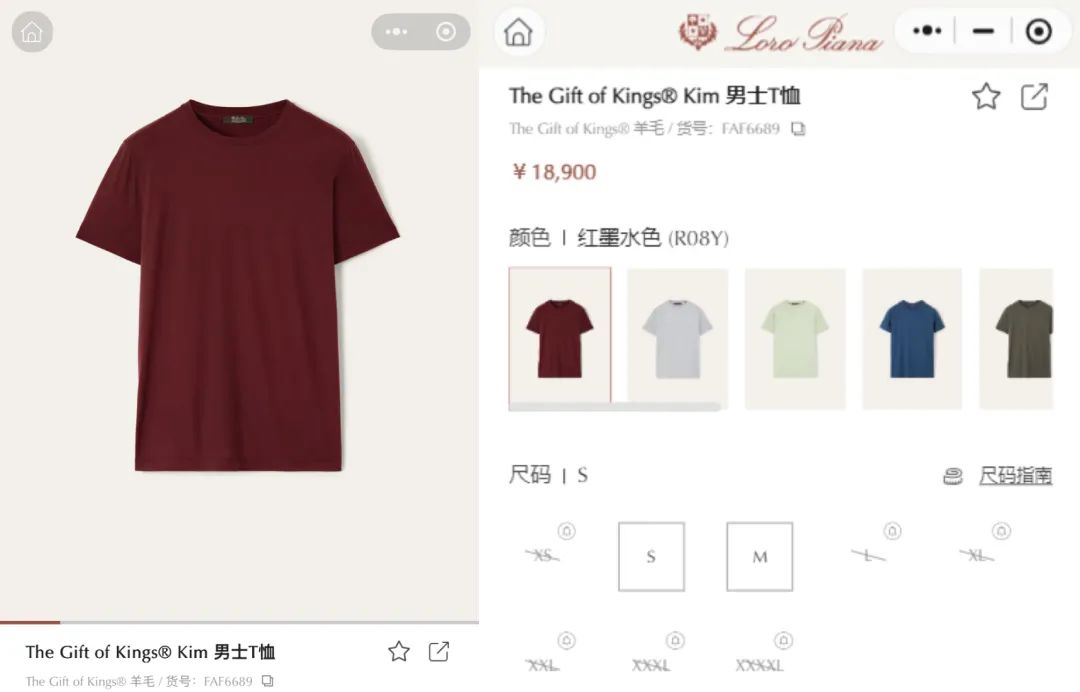
Core Insights - The trend of wearing wool in summer is emerging as a new symbol of quality lifestyle among the middle class, reflecting a shift in fashion preferences [1][21] - The popularity of wool in summer is driven by its natural properties and the evolution of functional wool fabrics, appealing to both fashion and outdoor enthusiasts [21][30] Fashion Industry - High-end brands like Loro Piana and Brunello Cucinelli are leading the trend with premium wool products, often priced above 18,000 yuan, indicating a market for luxury summer wool garments [2][4] - The hashtag 羊毛短袖 has garnered over 7 million views on social media platforms, showcasing the growing interest in summer wool clothing [1] - Brands like Uniqlo are successfully marketing affordable wool products, with a short-sleeve T-shirt priced at 149 yuan achieving over 60,000 sales [10] Outdoor Industry - Outdoor brands such as icebreaker and smartwool have long utilized wool in their summer collections, with products designed for various activities like running and hiking [13][18] - The introduction of innovative wool blends, such as icebreaker's Cool-Lite™ fabric, enhances the functionality of wool for summer wear, making it suitable for a wider audience [21][24] Consumer Behavior - The middle class is increasingly drawn to wool for its perceived luxury and environmental benefits, aligning with their desire for a healthy lifestyle [22] - Consumer feedback highlights the comfort and breathability of specially treated wool fabrics, with many praising their performance in summer conditions [24][30] Market Challenges - Despite the advantages of summer wool clothing, challenges remain, including the perception of wool as a winter fabric, high prices, and care requirements [30][37] - The industry faces competition from cheaper alternatives, necessitating advancements in material technology and consumer education to broaden the appeal of summer wool garments [30]
从“具体情绪”到“空间环绕”,2025下半年六大营销趋势洞察
3 6 Ke· 2025-07-23 04:02
Group 1 - The core viewpoint emphasizes the importance of analyzing marketing trends and case studies to identify potential growth opportunities for brands in the second half of 2025 [1] - Six forward-looking marketing trends have been identified through the analysis of over a hundred cases, providing actionable insights for brands [1] - Emotional marketing has become a key driver of consumer behavior, with brands needing to integrate emotional elements into their strategies [2][4] Group 2 - LABUBU serves as a prime example of emotional marketing, resonating with young consumers by embracing a rebellious and non-conformist identity [4][7] - Emotional marketing is evolving towards more specific and precise expressions, with different emotions being assigned distinct meanings [4][7] - Brands are encouraged to adopt a long-term approach to emotional marketing, ensuring that emotional connections are deeply embedded in their brand identity [7] Group 3 - Brands are increasingly recognizing the need to return to the essence of marketing by focusing on quality content rather than short-term traffic [8] - Leveraging trending content can help brands establish emotional connections with consumers, transforming them from mere observers to active participants in cultural conversations [10] - Successful collaborations, such as the partnership between Mengniu and the animated film "Nezha," demonstrate the effectiveness of aligning brand values with popular cultural narratives [10][12] Group 4 - Long-form video content is gaining traction as a means to create deeper emotional connections with consumers, moving beyond traditional advertising methods [15] - Brands are utilizing long-form content to build a narrative that resonates with audiences, enhancing brand perception and loyalty [15] Group 5 - The concept of female empowerment in marketing is shifting from superficial representations to a deeper understanding of women's real needs and experiences [19][26] - Successful female-focused marketing campaigns are characterized by genuine empathy and respect for women's diverse roles and challenges in society [19][22] - Brands must elevate their narratives around women from mere commercial strategies to social responsibility practices to foster authentic emotional connections [23] Group 6 - The emergence of experiential marketing, exemplified by LV's "Louis Ship," highlights the importance of creating immersive brand experiences that resonate with consumers [27][29] - This trend reflects a broader consumer desire for emotional connections and meaningful interactions in physical spaces [31] - Brands are encouraged to craft their stories through experiential marketing, integrating their history and values into the consumer experience [31] Group 7 - Scene-based marketing is becoming a vital strategy for brands to connect with consumers by tapping into specific emotional needs and contexts [32][35] - Brands are increasingly recognizing the importance of predicting consumer scenarios and tailoring marketing activities to meet those needs [35] Group 8 - AI marketing is transforming the landscape by enhancing content production and user experience, with a significant penetration rate of 72% for AIGC in content creation [36] - Brands are exploring AI's potential to streamline marketing processes, from ideation to execution, creating a more efficient and engaging consumer experience [36][39] - The integration of AI in marketing is not just about technology but also about fostering long-term emotional trust with consumers [39]
费德勒身家13亿美元,大头不是赛事奖金
财富FORTUNE· 2025-07-21 13:05
Core Insights - Roger Federer has become a billionaire with a net worth of approximately $1.3 billion, primarily due to off-court business partnerships rather than just his tennis earnings [1][4] - His most lucrative deal was a $300 million partnership with Uniqlo after ending a long-term relationship with Nike [4] - Federer also invested in On Running, acquiring a 3% stake, which has significantly appreciated in value [4] Group 1: Federer’s Wealth Accumulation - Federer’s career earnings include $130.6 million in tournament prizes, with significant contributions from brand partnerships [1] - Annual income from partnerships includes $8 million from Rolex and $5 million from Mercedes-Benz, along with $20 million from Lindt [1] - The shift in his brand partnerships has been pivotal in increasing his wealth, particularly the transition from Nike to Uniqlo [4] Group 2: Broader Trends in Athlete Wealth - Federer is part of a growing trend where athletes leverage their fame for substantial financial gain, joining the ranks of other billionaire athletes like Tiger Woods and LeBron James [7] - Social media has enhanced athletes' ability to promote brands and secure lucrative deals, with young athletes now able to earn millions through Name, Image, and Likeness (NIL) agreements [8] - The changing landscape of college sports allows young athletes to monetize their brand earlier, leading to a new generation of millionaire athletes [8] Group 3: Concerns and Critiques - Some critics argue that the focus on monetization in college sports detracts from the enjoyment of the game itself, as highlighted by Shaquille O'Neal's comments on player transfers for financial gain [9][10] - The emphasis on financial success may lead to a shift in priorities for young athletes, raising concerns about the impact on sports education [9]

福恩股份主板IPO进入问询阶段 终端客户囊括H&M、优衣库、GU等知名服务品牌
Quan Jing Wang· 2025-07-21 10:39
Core Viewpoint - Hangzhou Fu'en Co., Ltd. has entered the inquiry stage for its main board IPO, focusing on sustainable development as a global ecological and environmental fabric supplier [1] Group 1: Company Overview - Fu'en Co. specializes in the research, production, and sales of eco-friendly fabrics, becoming a large enterprise that integrates fabric design, research, spinning, weaving, dyeing, finishing, and sales [1] - The company has established strong relationships with major global clothing brands such as H&M, Uniqlo, GU, ZARA, and others, positioning itself as a key supplier in the supply chain [2][3] Group 2: Business Performance - The company is projected to achieve revenue of over 1.8 billion yuan and a net profit of over 270 million yuan in 2024, with total assets nearing 1.9 billion yuan by the end of 2024 [1] - Fu'en Co. has obtained a total of 76 patents, including 13 invention patents, and develops thousands of new products annually, with an increasing output and proportion of recycled fabrics [1][2] Group 3: Industry Context - The textile industry is a significant pillar of the national economy, with green development becoming a central theme, pushing for a low-carbon transformation across the entire industry chain [3] - The textile and apparel industry accounts for 10% of global carbon emissions, and it is predicted that by 2030, it may surpass the oil industry as the largest carbon emitter [3] Group 4: Market Trends and Strategy - There is a growing global demand for eco-friendly fabrics, with recycled materials becoming mainstream in the apparel sector, and Fu'en Co. is positioned as a leading player in this market [4] - The company plans to expand its production capacity and enhance its research capabilities through the proceeds from its IPO, focusing on integrated projects for recycled eco-friendly fabrics [4][5] - Fu'en Co. aims to deepen its market presence both domestically and internationally, targeting new markets in Southeast Asia and the Middle East while continuing to serve major international brands [5]
大家都觉得日子难过,为什么这些品牌反而成了消费冠军?
创业家· 2025-07-21 10:10
Core Insights - The article emphasizes the importance of learning from Japan's "lost thirty years" to identify potential opportunities in the Chinese consumer market, particularly focusing on the emergence of new national brands and retail chains [4][18]. Group 1: Japanese Market Insights - Japan's experience during its economic stagnation highlights two key lessons: the continuous upgrade of consumer necessities and the rise of alternative retail formats such as convenience stores and discount shops [4][5]. - The shift in consumer behavior in Japan from luxury goods to value-oriented brands like Uniqlo illustrates a broader trend towards practicality and cost-effectiveness [4][5]. Group 2: Chinese Market Opportunities - The Chinese market is expected to see significant growth in the next two to three decades, with a focus on identifying new national brands and chain stores that cater to the evolving consumer landscape [6][18]. - The article notes that since 2016, the company has invested in over 20 firms, primarily in the food, beverage, home goods, and lifestyle sectors, with 15 companies generating over 1 billion in revenue and 5 exceeding 5 billion [15]. Group 3: Investment Strategy and Performance - The company has positioned itself as a leading consumer fund focused on offline retail, with investments resulting in over 25,000 community stores and more than 4,000 shopping center outlets [15]. - Notable investments during the pandemic, such as in Delmar, October Rice Field, and Pot Circle, have shown rapid growth, particularly in the food sector, indicating a structural opportunity in the market [16][15].