
石头科技

Search documents
2026年首个IPO过会 背后站着这位全球“梳子大王”
Sou Hu Cai Jing· 2026-01-10 00:20
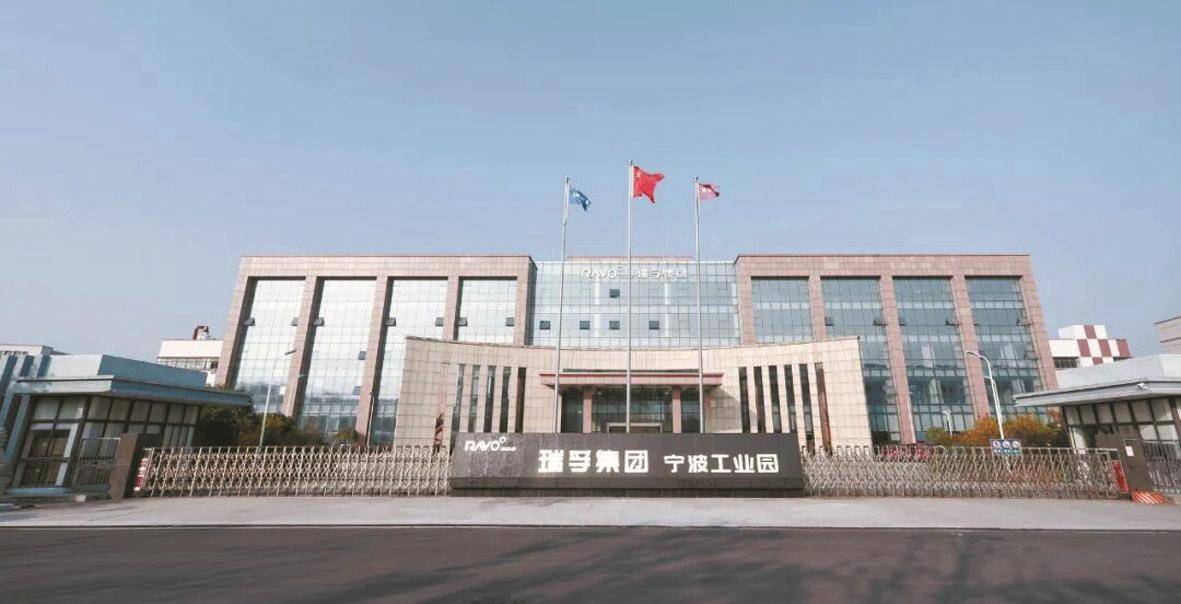
Core Viewpoint - Chenguang Electric has successfully passed the listing committee review of the Beijing Stock Exchange, becoming the first company to be approved for A-share listing in 2026, with Guojin Securities as the sponsor [2] Group 1: Company Overview - Chenguang Electric is controlled by Wu Yongkuan and Shen Yan'er, who together hold 93.39% of the company's shares [2] - The company plans to raise 399 million yuan through its IPO to fund projects related to high-speed motors, control systems, battery pack expansion, and the establishment of a research and development center [8] Group 2: Investment Details - In December 2024, Chenguang Electric issued 2 million shares at 12.8 yuan per share to investor Chen Qiwei, raising 25.6 million yuan, giving him a 3.23% stake in the company [2] - Chen Qiwei, known as the "Comb King," is the founder and chairman of Zhejiang Ruifu Intelligent Manufacturing Group, which has expanded from a comb manufacturing business to a diversified group covering personal care, baby products, and home goods [2][3] Group 3: Financial Performance - Chenguang Electric's revenue and net profit from 2022 to the first half of 2025 are as follows: - 2022: Revenue 495 million yuan, Net Profit 58.27 million yuan - 2023: Revenue 712 million yuan, Net Profit 99.33 million yuan - 2024: Revenue 827 million yuan, Net Profit 78.63 million yuan - 2025 (H1): Revenue 437 million yuan, Net Profit 43.24 million yuan [7] Group 4: Investment Strategy - Chen Qiwei's investment in Chenguang Electric is based on his confidence in the company's growth prospects, with the investment coming from his own funds [6] - The valuation of Chenguang Electric is set at 794 million yuan, corresponding to a price-to-earnings ratio of 10.58 times based on the expected net profit for 2024 [6] - Special investment terms allow Chen Qiwei to require the company's actual controllers to buy back his shares at "principal + annualized interest of 5.5%" if the company does not go public by the end of 2027 [6][7]

中国科技企业闪耀CES,以创新和品牌力突围
2 1 Shi Ji Jing Ji Bao Dao· 2026-01-10 00:10
Group 1 - The core viewpoint of the articles highlights the increasing presence and competitiveness of Chinese technology companies at the CES 2026, showcasing a shift from traditional manufacturing roles to a more diversified global strategy that emphasizes technology, design, and localized operations [1][4]. - Chinese companies are exhibiting a strong focus on AI integration, with nearly all exhibitors emphasizing AI in their presentations, indicating a trend towards practical applications rather than just theoretical concepts [2][3]. - The number of Chinese humanoid robot exhibitors at CES 2026 exceeds 20, surpassing the total from the US, Japan, South Korea, and Europe combined, demonstrating a significant cluster effect in this sector [2]. Group 2 - In the first three quarters of 2025, China's export of high-tech products reached 37.5 trillion yuan, marking an 11.9% increase and contributing over 30% to the overall export growth during the same period [1]. - The global market for robotic vacuum cleaners is dominated by Chinese brands, which accounted for over 60% of the market share in terms of shipment volume in 2025 [5]. - Chinese technology companies are increasingly focusing on brand building after achieving significant sales milestones, with many adopting interactive marketing strategies to enhance brand visibility and consumer engagement [6][7]. Group 3 - The CES serves as a window into technological trends and reflects the journey of Chinese companies expanding into overseas markets, with a notable increase in brand recognition and a shift away from the "low-price label" to a "technology leader" image [4][6]. - The rapid iteration cycles of Chinese companies, averaging six months to a year for product updates, contrast with European companies that typically require two to three years, allowing for quicker market responsiveness [4][6]. - Challenges remain for Chinese companies in navigating diverse market environments, including varying consumer preferences, regulatory requirements, and external uncertainties, which necessitate comprehensive long-term strategic planning [7][8].
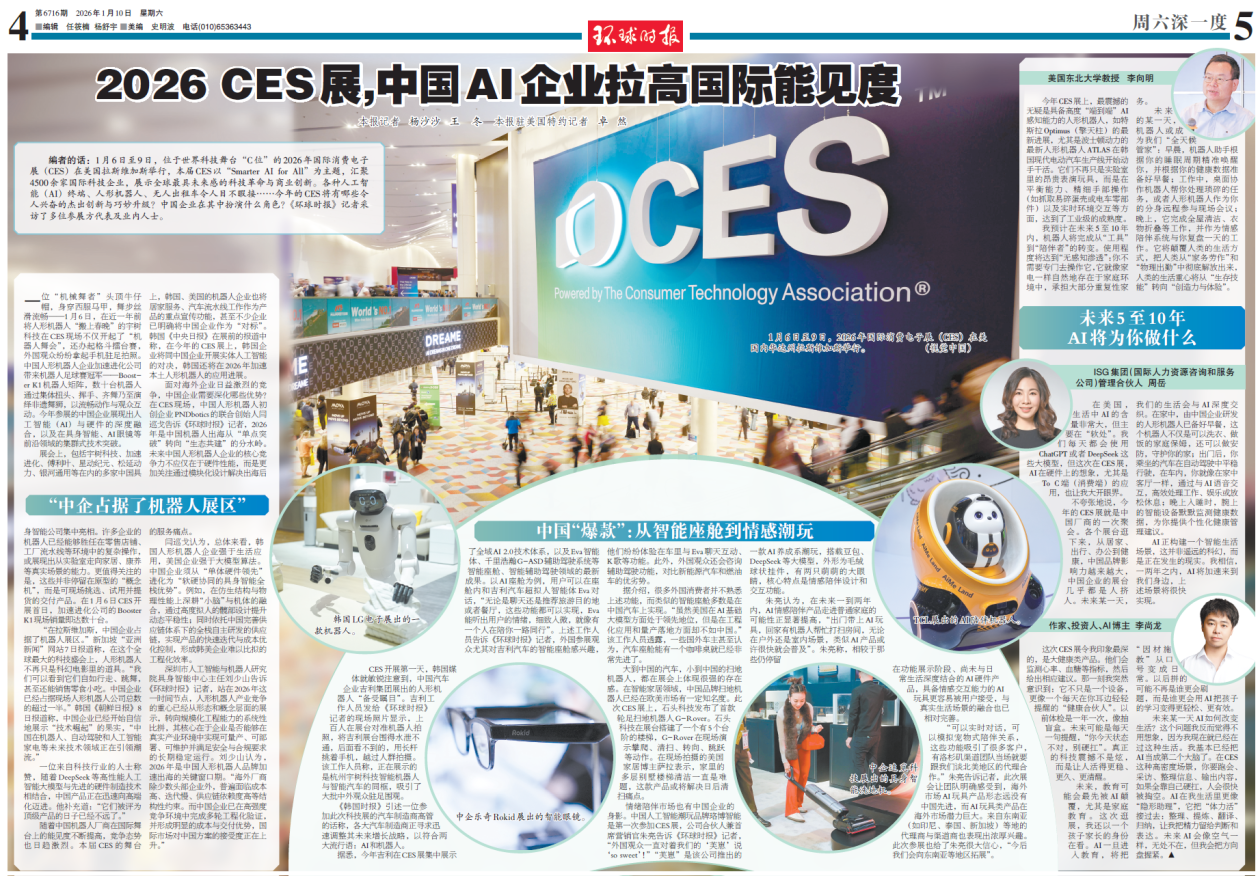
【环时深度】2026 CES展,中国AI企业拉高国际能见度
Huan Qiu Shi Bao· 2026-01-09 22:37
Group 1 - The 2026 International Consumer Electronics Show (CES) in Las Vegas showcased over 4,500 international tech companies, focusing on the theme "Smarter AI for All" [2] - Chinese companies demonstrated significant advancements in humanoid robots and AI integration, with many products ready for immediate purchase and use [5][10] - The presence of Chinese firms in the humanoid robot sector exceeded half of the total exhibitors, indicating a strong competitive stance against Korean and American companies [5][11] Group 2 - Chinese humanoid robot companies are evolving from hardware-centric approaches to a focus on modular design and service solutions for international markets [7] - The competition in the humanoid robot industry is shifting towards the ability to produce scalable, deployable, and maintainable systems that meet safety and compliance standards [9] - Chinese brands are increasingly recognized for their engineering efficiency and cost advantages, enhancing their acceptance in international markets [9] Group 3 - The automotive sector, represented by companies like Geely, highlighted the integration of AI in smart cabins and autonomous driving systems, attracting significant attention from international audiences [11][12] - The CES showcased a variety of AI products, from smart home devices to emotional companion toys, indicating a growing market for AI in everyday life [12][15] - The potential for AI to transform daily living is emphasized, with expectations for AI to become an integral part of household management and personal assistance in the near future [18][21]


西方营销模式正在失效,中国市场进入“本土规则”时代
Sou Hu Cai Jing· 2026-01-09 15:40
Core Insights - The global floor cleaning robot industry is witnessing a significant shift, with the acquisition of iRobot by its Chinese manufacturing partner, marking the end of an era for the former industry leader [2] - Local brands in China are rapidly gaining market share, forcing international brands like Starbucks, Nike, and Adidas to adapt or face decline [2] - A survey indicates that 85.79% of consumers prefer domestic trendy brands, highlighting the rise of local brands in various consumer sectors [2] Industry Trends - The traditional Western marketing models are becoming ineffective in the Chinese market, as local brands redefine the rules of engagement [4][7] - The previous reliance on mass advertising and standardized marketing strategies is being replaced by personalized and emotionally resonant approaches [9][10] - The emergence of new consumer behaviors emphasizes the importance of emotional connections and personalized experiences over traditional functional marketing [10][11] Brand Strategies - Successful local brands like Qingdao White Beer are leveraging cultural symbols and emotional narratives to resonate with consumers [19][21] - Qingdao White Beer has effectively created immersive experiences that connect with local culture, enhancing brand visibility and consumer engagement [21][22] - The focus has shifted from merely selling products to creating emotional experiences that align with consumers' lifestyles and values [22]




CES观察|智能眼镜群雄逐鹿 清洁电器进化“具身智能”
Xin Jing Bao· 2026-01-09 15:03
Group 1: Core Insights - CES 2026 focuses on systemic transformations in artificial intelligence technology, with smart glasses emerging as a key highlight of the event [1] - The year 2026 is anticipated to be a golden period for the development of smart glasses, driven by an increasing number of players entering the market [2][3] - AI is being fully integrated into home appliances and consumer electronics, with traditional companies merging with new entrants [1][6] Group 2: Smart Glasses Development - Over 50 companies, including notable brands like Thunder Innovation, XREAL, and Rokid, showcased their smart glasses at CES 2026 [2] - New lightweight models were introduced, such as Rokid's AI+AR glasses weighing only 49 grams and another model at 38.5 grams [2] - The Chinese market is seeing a surge in AI glasses from various brands, including Xiaomi and Lenovo, since 2025 [2][3] Group 3: Market Trends and Opportunities - The introduction of new national subsidy policies in China has expanded the categories eligible for subsidies, including smart glasses [3] - The global shipment of smart glasses is projected to exceed 11 million units in 2026, indicating a competitive and diverse market landscape [3] - The penetration rate of cleaning robots in global households remains below 10%, suggesting significant growth potential in the cleaning appliance sector [4] Group 4: Cleaning Appliances and AI Integration - Cleaning appliances, particularly robotic vacuums, are advancing towards embodied intelligence, with innovations like bionic designs enabling multi-floor cleaning [4] - Chinese brands have rapidly increased their market share in the global robotic vacuum sector, capturing 65.7% of the market in the first three quarters of 2025 [5] - AI is becoming a core capability across home appliances, with companies like TCL and Hisense showcasing advanced AI-integrated products at CES [6][7]
智能眼镜群雄逐鹿,清洁电器进化“具身智能”
Xin Jing Bao· 2026-01-09 15:02
作为全球规模最大、最具权威性及影响力的科技盛会CES(国际消费电子展)2026正在进行,展会聚焦 人工智能技术的系统级变革。 其中,智能眼镜成为展会上的"最靓仔",随着越来越多的玩家加入,2026年成为智能眼镜发展黄金期。 而清洁电器率先体现"具身智能"趋势,多家品牌通过仿生机械臂、轮足设计等创新,突破跨楼层清洁等 长期瓶颈。AI全面融入家电与消费电子领域,老牌企业融合新生。 2025年以来,在中国市场,小米、联想、海信、李未可、360、阿里、小度、理想、老凤祥、KTC康冠 等来自各领域的品牌纷纷布局AI眼镜。 同时,CES成为多元智能终端展示平台,越来越多的智能终端正在各场景落地。 智能眼镜新晋玩家增多,不断轻量化 智能眼镜就已经成为CES2026当之无愧的主角之一。在今年的展览中,洛图科技统计,包括雷鸟创新、 XREAL、INMO、Rokid、星纪魅族、阿里、光峰、歌尔、联想在内超过50家相关产业企业参展。 AR品牌雷鸟创新带来了首款支持eSIM功能的AR眼镜,支持微信、抖音、B站等多款主流应用,可以在 AR眼镜与智能手机间切换。乐奇Rokid亮相量产的轻质全功能AI+AR眼镜,重量仅49克。乐奇现场发布 ...
CES深度观察|AI硬件消费时代的“幕后英雄”走向台前
Sou Hu Cai Jing· 2026-01-09 14:48
Core Insights - The 2026 CES in Las Vegas highlighted a shift from technological innovation to practical applications of AI, with a focus on new hardware products like smart cockpits, embodied robots, and AI glasses [1][3] - Chinese supply chain companies are transitioning from being "behind the scenes" to taking a front-row role in the AI hardware consumer era, showcasing their capabilities at CES [3][4] Group 1: Chinese Companies' Participation - A total of 942 Chinese companies participated in CES 2026, accounting for approximately 22% of the total exhibitors, marking a significant increase from 204 companies in 2021 [4] - The participation of Chinese firms has evolved from sporadic entries to organized group participation, reflecting a robust global presence [4][6] Group 2: Technological Advancements and Market Position - Chinese manufacturers are diversifying their strategies to capture the global AI hardware market, with companies like TCL focusing on key interactive display technologies and automakers like BYD and Great Wall leveraging AI for international expansion [6][9] - Companies like Lens Technology are transitioning from traditional component suppliers to comprehensive AI hardware ecosystem platforms, showcasing their capabilities in various AI applications [11][15] Group 3: Innovations and Product Launches - Lens Technology presented a range of innovations at CES, including a bionic dexterous hand and ultra-thin glass products for aerospace applications, demonstrating their advanced manufacturing capabilities [13][24] - The company also showcased integrated solutions for smart automotive cockpits, which have gained traction among leading automotive brands like Tesla and NIO [15][20] Group 4: Supply Chain Evolution - The evolution of the supply chain in China is driven by the need for manufacturers to adapt to the AI hardware landscape, enabling them to redefine their roles and capabilities [9][27] - Lens Technology's strategic shift illustrates how traditional manufacturing strengths can be leveraged to create competitive advantages in the AI era, with a focus on high-quality production and innovation [20][26] Group 5: Future Outlook - The transformation of Chinese supply chain companies signifies a broader shift in the manufacturing landscape, moving from scale advantages to technological leadership [28] - As these companies continue to innovate and expand globally, the AI hardware industry is expected to experience enhanced collaboration, richer application scenarios, and greater resilience [28]


石头科技二度递表:市值4年缩水超5成,港股能否再现“扫地茅”高光?
Sou Hu Cai Jing· 2026-01-09 11:55
Core Viewpoint - Stone Technology has refiled its prospectus with the Hong Kong Stock Exchange after its previous submission expired in June 2025, highlighting significant revenue growth but declining profitability in the first three quarters of 2025 [2][4]. Financial Performance - In the first three quarters of 2025, Stone Technology reported revenue of 12.055 billion yuan, a year-on-year increase of 72.31%, while net profit attributable to shareholders fell by 29.51% to 1.038 billion yuan [4]. - The gross profit margin decreased to 43.72%, down 10.29 percentage points year-on-year, with the gross margin for the robot and related accessories segment dropping to 44.5% [5][6]. - Sales expenses increased by 103.42% to 3.18 billion yuan, accounting for 26.4% of revenue, while R&D expenses rose to 1.028 billion yuan but decreased as a percentage of revenue to 8.5% [8][9]. Product and Market Insights - The smart vacuum cleaner and related accessories contributed over 80% of revenue, with sales reaching 3.6 million units, a 75.6% increase year-on-year [4]. - The company launched several new products in 2025, including the P20 Ultra and G30 Space exploration version, with the latter priced at 6,999 yuan and achieving sales of over 50,000 units [7]. Cash Flow and Inventory Issues - The net cash flow from operating activities was negative, with an outflow of 1.06 billion yuan, contrasting with a positive inflow of 1.06 billion yuan in the same period of 2024 [11]. - Inventory increased significantly, with finished goods rising by 149.37% to 3.716 billion yuan, driven by demand growth and international business expansion [12][13]. Distribution and Sales Channels - Overseas market revenue accounted for 54.3% of total revenue, amounting to 6.546 billion yuan, with a growth rate of 73.2% [14]. - The company has established a robust distribution network, with 15 official malls, 96 self-operated stores, and 178 distributors, including 114 domestic and 64 overseas [15][16]. Future Plans - The funds raised from the upcoming IPO will be used to expand international business, enhance brand awareness, strengthen R&D capabilities, and increase product offerings [19].
资本+品牌+技术三维驱动,石头科技筑牢全球清洁赛道王座
市值风云· 2026-01-09 10:09
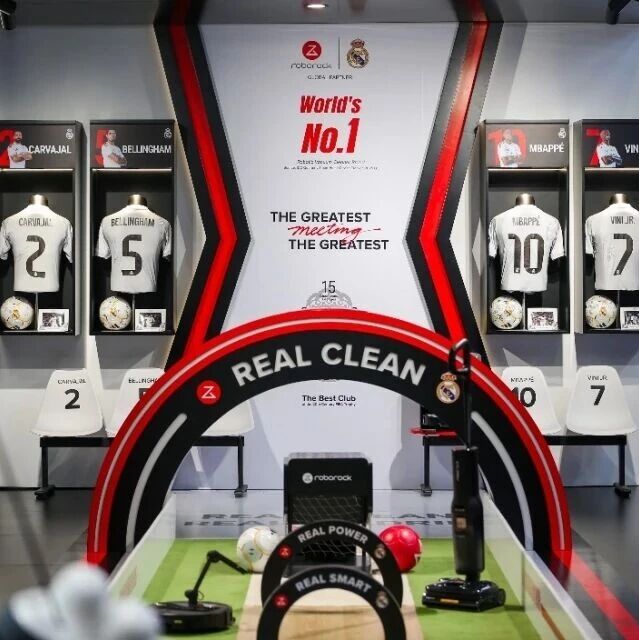
Core Viewpoint - The global smart cleaning equipment market is entering a phase of "scale expansion and intense competition," with Chinese manufacturers moving beyond price wars to compete on R&D capabilities, supply chain resilience, and global layout [1] Group 1: Capital Strategy - Stone Technology's A+H listing is a strategic move to align with its globalization strategy, filling a gap in the global capital operations of Chinese smart cleaning equipment companies [2] - The A-share market provides stable resources and domestic capital support, while the H-share market opens a core channel to connect with global capital, enhancing corporate governance and facilitating overseas business expansion [2] - This dual capital strategy ensures sufficient funding for long-term investments in overseas factories, channel development, and localized innovation, becoming a "ballast stone" for its globalization strategy [2] Group 2: Brand Development - The partnership with Real Madrid is a strategic move to enhance brand recognition in the high-end market, targeting affluent consumers who value brand and quality [3][5] - By integrating the brand's technological attributes with Real Madrid's influence, Stone Technology aims to achieve both short-term sales boosts and long-term brand recognition [5] - This "IP empowerment + value resonance" strategy helps establish differentiated recognition in overseas high-end markets [5] Group 3: Technological Innovation - Stone Technology's G-Rover, showcased at CES 2026, represents a breakthrough in mechanical wheel technology, redefining industry standards and expanding the service capabilities of smart cleaning devices [6][8] - The technology addresses key industry pain points, enabling cleaning across obstacles and multiple levels, thus enhancing user experience [6] - This innovation positions Stone Technology as a leader in smart cleaning, aligning with the evolving consumer logic of "technological innovation + pain point resolution" [8] Group 4: Integrated Strategy - The three strategic pillars of capital, brand, and technology create a virtuous cycle: capital supports R&D, technology drives brand premiumization, and brand influence boosts market share [9] - Stone Technology holds a 21.7% global market share in smart vacuum cleaners, leading the industry by a 7.6 percentage point margin over the second place [9] - The company's comprehensive strategy enables it to break through in global high-end markets, moving beyond reliance on "cost-performance" advantages to leverage "capital + brand + technology" [9]
中国科技企业闪耀CES:撕下低价标签 以创新和品牌力突围
2 1 Shi Ji Jing Ji Bao Dao· 2026-01-09 09:38
Core Insights - The presence of Chinese technology companies at CES 2026 has significantly increased, showcasing a shift from traditional supply chain roles to a more diversified global strategy focused on technology, design, and localized operations [1][4]. Group 1: Chinese Companies at CES - A total of 207 Chinese companies participated in CES 2026, occupying over 4,900 square meters of exhibition space, marking a strong presence in the global tech landscape [1]. - The focus of the exhibition has shifted towards AI-driven technologies, with nearly all exhibitors highlighting AI as a core component of their offerings [2]. Group 2: AI and Robotics - Chinese companies are leading in the robotics sector, with over 20 humanoid robot exhibitors, surpassing the total from the US, Japan, South Korea, and Europe combined [2]. - Innovations in practical applications of AI are evident, with products like delivery robots and advanced cleaning robots demonstrating significant functional capabilities [3]. Group 3: Market Position and Product Competitiveness - By the first three quarters of 2025, Chinese brands accounted for over 60% of the global market share in robotic vacuum cleaners, indicating a strong competitive position [5]. - Chinese technology firms are increasingly recognized for their technological advancements and design quality, allowing them to command a price premium in overseas markets [5]. Group 4: Brand Development and Market Expansion - As Chinese tech companies achieve significant sales milestones, they are increasingly focusing on brand building, utilizing interactive marketing strategies to enhance consumer engagement [6]. - The transition to brand-focused strategies is expected to further boost sales, particularly in high-value product categories [6]. Group 5: Challenges and Strategic Considerations - Companies face challenges related to varying market conditions, cultural differences, and regulatory requirements across different regions [7]. - The external environment's uncertainty poses risks, but stabilizing conditions could enhance the competitive advantages of Chinese tech firms [7].