
锦欣生殖

Search documents
交银国际每日晨报-2025-04-02
BOCOM International· 2025-04-02 03:15
Macro Strategy - The report emphasizes a balanced allocation strategy while waiting for opportunities for elastic rebounds after recent market pressures due to tariff policies and macroeconomic uncertainties [3][4] - The market is currently experiencing a lack of clear narrative themes, leading to divergent capital flows and a technical adjustment in the Hang Seng Tech Index, which has fallen over 10% from its peak [2][3] - Anticipation of new tariffs, potentially reaching up to 20%, is expected to maintain high volatility in major assets, with cautious market sentiment prevailing [3] Heng Rui Pharmaceutical (600276 CH) - The company is projected to achieve a revenue and net profit growth of 34% and 107% respectively in 2024, driven by 2.7 billion RMB in licensing income [4][8] - Product sales continue to grow significantly, with a 31% increase in innovative drug sales, contributing to a 14% growth in product sales revenue excluding collaboration income [4][8] - The target price has been raised to 51 RMB, reflecting an upward adjustment in net profit forecasts for 2025-2026 by 8-14% [8] Jin Xin Reproductive Medicine (1951 HK) - The company’s 2024 performance met expectations, with a 1% increase in revenue and a 12% decrease in adjusted net profit, driven by strong demand in obstetrics and gynecology services [9][10] - The report highlights the gradual realization of policy benefits, with new fertility support measures expected to be implemented across various regions [9] - The target price has been increased to 3.75 HKD, with a potential upside of 20.7%, supported by favorable fertility policies and anticipated cash returns post-loan renewal [10]
2亿育龄女性刚需,这一赛道技术大爆发
3 6 Ke· 2025-03-31 03:00
Core Insights - The fertility preservation sector is experiencing a technological explosion driven by declining birth rates and pregnancy intentions globally, making fertility preservation urgent [1] - The Chinese government is implementing systematic responses to promote a fertility-friendly society, including financial incentives for child-rearing [1] - Despite rising demand for fertility preservation, many treatment options for diseases affecting fertility have stagnated, indicating a significant market gap [1][2] Group 1: Fertility Preservation Demand - The overall fertility of women in China is declining, with male sperm quality also experiencing a sharp decrease, leading to rising infertility rates [1] - In Hong Kong, the number of frozen eggs stored has increased from 5,104 in 2019 to over 20,000 in 2023, indicating a growing market for egg freezing services [1] - According to Jinxin Fertility's 2024 financial report, the number of egg retrieval cycles in the U.S. has increased by 16.2% year-on-year [1] Group 2: Diseases Affecting Fertility - Conditions such as Polycystic Ovary Syndrome (PCOS), endometriosis, and premature ovarian insufficiency (POI) are becoming more recognized and analyzed, presenting opportunities for new diagnostic and treatment solutions [2][5] - PCOS affects over 10% of women of childbearing age globally, with around 5 million women in the U.S. impacted, highlighting a significant patient population [6] - Current treatments for PCOS are limited and primarily symptomatic, with no FDA-approved drugs available for its treatment [6][7] Group 3: Innovations in Treatment - Recent breakthroughs in PCOS treatment include research from Fudan University on artemisinin derivatives that may inhibit excessive androgen synthesis in ovaries [7] - The GLP-1 receptor agonist shows potential in treating PCOS by improving insulin sensitivity and aiding weight management, which is crucial for many patients [7] - Innovative therapies targeting hormonal regulation in PCOS are under development, such as HBM Alpha Therapeutics' antibody therapy [7] Group 4: Early Diagnosis of Endometriosis - Endometriosis affects 5% to 10% of women of childbearing age and is challenging to diagnose early, often leading to significant delays in treatment [10][11] - The HerResolve product by Hekaiwei Life Sciences aims to provide a non-invasive diagnostic solution for endometriosis with a 92% accuracy rate, currently in FDA clinical stages [11][12] Group 5: Addressing Iatrogenic Fertility Damage - Iatrogenic fertility damage due to chemotherapy and radiotherapy is a growing concern, with over a million women potentially losing fertility each year [14][15] - Ovarian tissue freezing and transplantation have shown promising results, with 95% of women recovering ovarian endocrine function post-transplant [15] - New materials for uterine lining repair are being developed, offering hope for treating uterine damage caused by surgical procedures [16] Group 6: Male Fertility Concerns - Male fertility is also declining, with sperm donation rates dropping from approximately 40% in 2010 to around 20% currently [17] - Despite the significant male infertility factor in assisted reproductive technology, innovations in male reproductive health remain limited [18] - The fertility preservation market is poised for growth as awareness of male fertility issues increases, creating opportunities for new technologies [18]

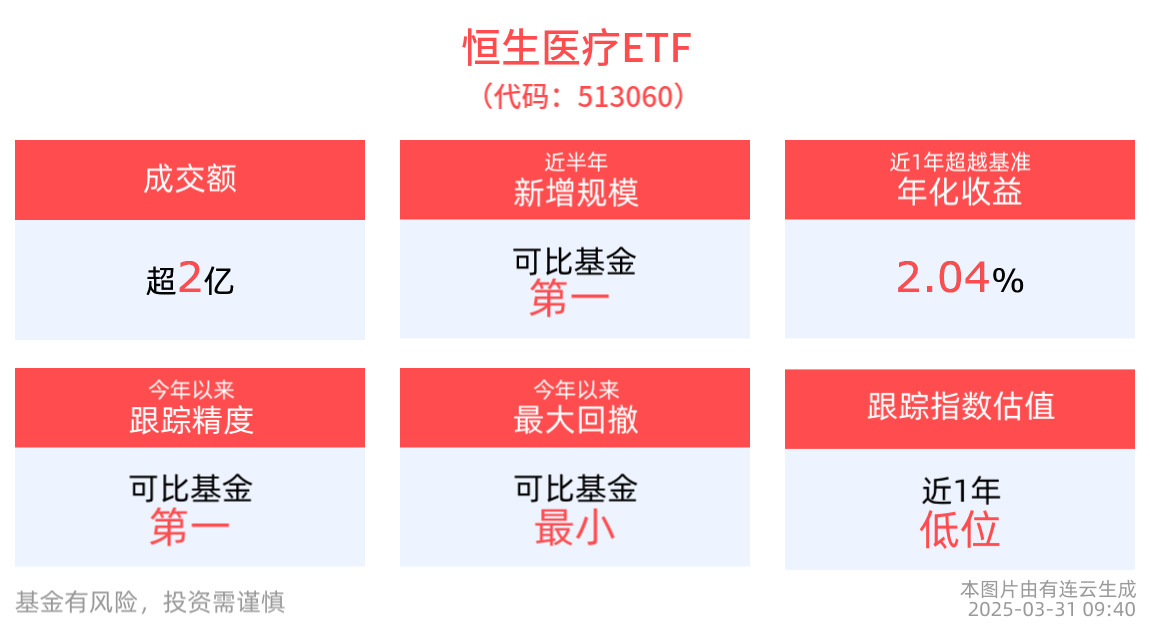
集采政策持续推进,恒生医疗ETF(513060)涨近1%,乐普生物-B、翰森制药涨超4%
Sou Hu Cai Jing· 2025-03-31 01:51
Core Viewpoint - The recent draft proposal from the National Healthcare Security Administration aims to optimize drug procurement policies, which may reshape investor confidence in the pharmaceutical sector and benefit quality generic drug companies [3][4]. Group 1: Market Performance - As of March 31, 2025, the Hang Seng Healthcare Index (HSHCI) increased by 0.02%, with notable gains from companies such as Lepu Biopharma-B (up 4.72%) and Hansoh Pharmaceutical (up 4.66%) [1]. - The Hang Seng Healthcare ETF (513060) rose by 0.84%, with a latest price of 0.48 HKD and a trading volume of 230 million HKD, ranking in the top third among comparable ETFs [1]. Group 2: Policy Changes - The draft proposal includes six main areas of optimization: procurement variety and bidder standards, bidding rules, quantity rules, implementation measures, quality assessment, and information transparency [3]. - The adjustments aim to eliminate the previous low-price bidding rule, prevent malicious low bidding by companies, and ensure stable supply through a "stockout" mechanism [3]. Group 3: Investment Insights - The recent draft is expected to restore investor confidence in hospital medication, potentially benefiting quality generic drug companies and those with significant market space [4]. - The Hang Seng Healthcare ETF has seen a growth of 270 million HKD in scale over the past six months, with a financing buy-in amount of 420 million HKD and a financing balance of 576 million HKD [4]. Group 4: Performance Metrics - Since its inception, the Hang Seng Healthcare ETF has achieved a maximum monthly return of 28.34% and an average monthly return of 7.00% [4]. - As of March 28, 2025, the ETF's maximum drawdown this year was 6.06%, the smallest among comparable funds, with a management fee of 0.50% and a custody fee of 0.15% [5]. - The ETF's tracking error was 0.032%, the highest tracking precision among comparable funds, and its latest price-to-earnings ratio (PE-TTM) was 25.15, indicating a valuation below 97.83% of the past year [5]. Group 5: Top Holdings - The top ten weighted stocks in the Hang Seng Healthcare Index account for 55.69% of the index, including WuXi Biologics (02269) and BeiGene (06160) [5].
锦欣生殖(01951) - 2024 - 年度业绩
2025-03-28 14:54
Financial Performance - The group's revenue for the year ended December 31, 2024, was approximately RMB 2,811.6 million, an increase of 0.8% compared to RMB 2,788.9 million for the year ended December 31, 2023[2]. - The group's net profit for the year ended December 31, 2024, was approximately RMB 273.5 million, a decrease of 21.2% from RMB 347.0 million for the year ended December 31, 2023[2]. - The adjusted net profit under non-IFRS was approximately RMB 416.3 million, down 11.7% from RMB 471.5 million for the previous year[2]. - The non-IFRS EBITDA for the year ended December 31, 2024, was approximately RMB 628.8 million, a decrease of 11.0% from RMB 706.1 million for the year ended December 31, 2023[2]. - The adjusted EBITDA under non-IFRS was approximately RMB 707.3 million, down 9.5% from RMB 781.2 million for the previous year[2]. - Basic earnings per share for the year ended December 31, 2024, were RMB 0.11, compared to RMB 0.13 for the year ended December 31, 2023[9]. - Total comprehensive income for the year ended December 31, 2024, was RMB 328.3 million, down from RMB 402.0 million for the year ended December 31, 2023[9]. - The total pre-tax profit for the fiscal year ending December 31, 2024, was RMB 391,887,000, compared to RMB 464,268,000 for the previous year[25][26]. - Net profit decreased by 21.2% to approximately RMB 273.5 million, impacted by a reduction in one-time government subsidies and foreign exchange losses[94]. Assets and Liabilities - Total non-current assets increased to RMB 13,891,865 thousand in 2024 from RMB 13,553,729 thousand in 2023, representing a growth of approximately 2.5%[10]. - Current liabilities rose to RMB 2,119,451 thousand in 2024, up from RMB 1,689,833 thousand in 2023, indicating an increase of about 25.5%[11]. - The company's net asset value reached RMB 10,354,187 thousand in 2024, compared to RMB 10,186,812 thousand in 2023, reflecting a growth of approximately 1.6%[11]. - The company's bank borrowings increased significantly to RMB 1,277,537 thousand in 2024 from RMB 747,804 thousand in 2023, marking an increase of approximately 70.8%[11]. - The company's total equity increased to RMB 10,354,187 thousand in 2024, up from RMB 10,186,812 thousand in 2023, indicating a growth of about 1.6%[11]. - The company reported a decrease in inventory to RMB 50,948 thousand in 2024 from RMB 62,428 thousand in 2023, representing a decline of approximately 18.4%[10]. - Accounts receivable surged to RMB 234,406,000 in 2024, a significant increase from RMB 73,086,000 in 2023, marking a rise of about 220%[40]. - Total liabilities for accounts payable and other payables decreased to RMB 737,772,000 in 2024 from RMB 884,520,000 in 2023, a reduction of approximately 16.6%[45]. Cash Flow and Financing - The company incurred finance costs of RMB 57.4 million for the year ended December 31, 2024, down from RMB 79.6 million for the previous year[8]. - The company repaid 62% of its US dollar syndicated loan principal during the year, enhancing its financial stability[12]. - The company added new loans amounting to RMB 3,294,476,000 in 2024, significantly higher than RMB 640,062,000 in 2023, indicating a substantial increase in borrowing[49]. - The repayment of loans in 2024 was approximately RMB 3,183,799,000, compared to RMB 642,902,000 in 2023, showing a significant rise in repayment activity[49]. - The interest rates on loans ranged from 2.15% to 7.3% in 2024, down from 3.5% to 7.3% in 2023, reflecting a decrease in borrowing costs[49]. - The company maintains sufficient reserves and continuously monitors cash flow forecasts to manage liquidity risk[116]. Research and Development - Research and development expenses for the year ended December 31, 2024, were RMB 24.7 million, compared to RMB 21.7 million for the previous year[8]. - Research and development expenses increased by 13.8% to approximately RMB 24.7 million, reflecting investment in innovation[88]. Market and Operational Insights - The company has diversified its global investment strategy, focusing on expansion in China and Southeast Asia[12]. - The company plans to expand its services in assisted reproductive technology as it becomes included in national health insurance coverage across various provinces starting in 2024[54]. - The number of births in China is projected to stabilize between 2025 and 2040, following a significant decline from approximately 1,500,000 annually to 900,000 between 2016 and 2023[50]. - The penetration rate of assisted reproductive technology in China was approximately 9% in 2023, significantly lower than the rates in Europe (36%) and the United States (33%)[50]. - The company anticipates long-term development opportunities due to stabilizing fertility rates, increasing penetration of assisted reproduction, and supportive government policies[66]. Corporate Governance and Compliance - The audit and risk management committee has reviewed the company's compliance with applicable laws and regulations, ensuring adequate disclosure of financial statements[126]. - The company is committed to adhering to international financial reporting standards, ensuring transparency in its financial disclosures[138]. - The company emphasizes corporate governance as per the listing rules, ensuring compliance and risk management[134]. Shareholder Returns and Incentives - The board recommended not to declare a final dividend for the year ended December 31, 2024, compared to a dividend of HKD 0.0595 per share for the previous year[3]. - The company repurchased a total of 13,000,000 shares during the reporting period at a total cost of approximately HKD 31.4 million, indicating confidence in its business outlook[122]. - The company has a share incentive plan adopted on February 17, 2022, which will be revised on June 25, 2024[134].
晨报|寻找中国酒类创新点/外骨骼机器人
中信证券研究· 2025-03-28 00:15
Exoskeleton Robots - Exoskeleton robots have diverse applications in industrial, logistics, outdoor sports, and medical scenarios, benefiting from advancements in AI and industrial control technology [1] - The aging population and increasing demand for health and wellness solutions, coupled with a declining labor force, create a vast market opportunity for exoskeleton robots [1] - It is recommended to focus on companies involved in core components and related equipment [1] Controlled Nuclear Fusion - The controlled nuclear fusion industry presents strong investment opportunities due to clear policy signals and potential top-level design support [2] - There is a significant cognitive and expectation gap in the market, with many believing that industry realization is far off, while a large number of orders are expected to be fulfilled soon [2] - The fusion industry overlaps with third-generation nuclear power and military materials, indicating potential for performance and valuation resonance among related companies [2] Overseas Alcohol Industry - Analyzing the macroeconomic and cultural differences between China and Japan reveals commonalities that can inform the development of the Chinese alcohol market [3] - Key success factors for Japanese sake include prioritizing quality, innovation in craftsmanship, and channel innovation [3] - In China, high-end liquor and regional liquor leaders are identified as two main investment themes amid ongoing industry adjustments [3] Energy and Chemicals - Multiple disruptions are expected to elevate the oil price baseline, with Brent crude oil projected to stabilize between $68 and $70 per barrel [5] - The U.S. has become a net exporter of oil and gas since 2020, with significant export growth anticipated in 2024 [5] - Geopolitical tensions and sanctions on Iran and Venezuela are contributing to supply-side disruptions, which are already factored into current oil price expectations [5] Bromine Market - Domestic bromine supply is tightening, leading to a continuous price increase, with companies that have corresponding production capacity likely to benefit significantly [6] Medical Health Insurance - Guangzhou's launch of the "Sui Xin Bao" commercial health insurance marks a significant step in exploring multi-tiered medical insurance models [11] - Investment opportunities are identified in innovative drugs and medical devices, comprehensive service providers for commercial insurance, and differentiated medical terminals [11] New Materials - The government's strategic focus on deep-sea economy is expected to catalyze the development of related technologies and materials, particularly titanium [12] - Supportive policies are anticipated to emerge, accelerating industry growth and increasing demand for upstream materials and components [12]

港股通数据统计周报2024.2.12-2024.2.18-2025-03-17
Zhe Shang Guo Ji· 2025-03-17 15:35
Investment Rating - The report does not explicitly provide an investment rating for the industry or companies involved [1]. Core Insights - The report highlights significant net inflows and outflows in the Hong Kong Stock Connect for the week of March 10 to March 16, 2025, indicating active trading and investor interest in specific sectors [1][3]. Summary by Sections Top Net Buy/Sell Companies - The top net bought company was Alibaba Group (9988.HK) in the consumer discretionary sector, with a net buy amount of 13.195 billion [6]. - The top net sold company was Geely Automobile (0175.HK) in the consumer discretionary sector, with a net sell amount of -1.11 billion [7]. Industry Distribution of Net Buy/Sell - The report provides insights into the distribution of net buying and selling across various industries, although specific data is not detailed in the provided text [8][10]. Top Active Stocks - The report lists the top active stocks, with Xiaomi Group (1810.HK) and Alibaba Group (9988.HK) being among the most traded, indicating high investor engagement [14][15]. - For the week, Xiaomi had a total trading volume of 51.84 billion in the Shanghai-Hong Kong Stock Connect, with a net sell of -6.85 billion [14]. Hong Kong Stock Connect Overview - The report explains the mechanism of the Hong Kong Stock Connect, which allows mainland investors to trade Hong Kong-listed stocks through local brokers, enhancing cross-border investment opportunities [19][23]. - It also discusses the significance of southbound funds, which refer to mainland Chinese capital entering the Hong Kong market, highlighting their role in influencing market dynamics [24][26].
育儿补贴新政落地,婴童概念股获提振
Guoyuan Securities2· 2025-03-14 12:58
Investment Rating - The report indicates a positive outlook for the infant and maternal market due to new birth subsidy policies and expected recovery in consumer spending [1][4]. Core Insights - The introduction of substantial birth subsidies in various regions, particularly in Hohhot, aims to alleviate childcare costs and enhance birth rates [3][4]. - The expected increase in newborn numbers in 2024, with a projected rise to 9.54 million, represents a 5.77% increase from 2023, marking the first rebound since 2017 [4]. - The report highlights a potential recovery in the maternal and infant market, driven by rising birth rates and supportive government policies [5][6]. Summary by Sections - **Birth Subsidy Policies**: Hohhot has implemented a one-time subsidy of 10,000 yuan for the third child, which is the highest among Chinese cities, aimed at encouraging higher birth rates [3]. - **Population Trends**: The birth rate in China has significantly declined from 13.03‰ in 2013 to 6.39‰ in 2023, but is expected to recover in the coming years due to favorable cultural factors and financial incentives [4]. - **Market Recovery**: The maternal and infant market has faced challenges due to declining birth rates, with a 13.9% drop in infant formula sales in 2023. However, the report anticipates a rebound in consumption driven by increased birth rates and supportive policies [6]. - **Investment Opportunities**: The report suggests focusing on companies related to infant formula, diapers, and baby products, including China Feihe, H&H International, Mengniu Dairy, and Goodbaby International [6].
医药行业周报:强基工程带来器械板块新机遇,年报季关注创新药、处方药和CXO-2025-03-13
BOCOM International· 2025-03-13 08:55
Industry Investment Rating - The report assigns a "Leading" investment rating to the pharmaceutical industry, indicating an expectation of attractive performance relative to the benchmark index over the next 12 months [1]. Core Insights - The strong foundation project in healthcare is expected to create new opportunities in the medical device sector, with a focus on innovative drugs, prescription drugs, and CXO during the annual report season [1][4]. - The report highlights the potential benefits of the healthcare strong foundation project, which aims to enhance grassroots medical services and infrastructure, thereby driving growth in the medical device market [4][6]. - The report suggests that the pharmaceutical sector still has significant room for recovery, given the favorable policies expected to be implemented in the second half of 2025, alongside the current low valuations of the sector [4]. Summary by Sections Market Performance - The Hang Seng Index fell by 3.2% during the week of March 6-12, 2025, while the Hang Seng Healthcare Index decreased by 2.8%, ranking 10th among 12 industry indices [4][8]. - Sub-sectors such as biotechnology, life sciences tools and services, and pharmaceuticals experienced declines of 1.1%, 1.3%, and 1.6% respectively [4]. Investment Recommendations - The report recommends focusing on sub-sectors with potential for above-expectation performance, including innovative drugs, prescription drugs, and CXO [4]. - Specific companies highlighted for their growth potential include 康方生物 (CanSino Biologics), 信达生物 (Innovent Biologics), and 传奇生物 (Legend Biotech), which are expected to benefit from short-term catalysts and high growth [4][6]. - The report also emphasizes the importance of AI in healthcare, suggesting investment in companies with clear applications in health management [4]. Company Updates - 康方生物 has completed patient enrollment for its Phase III clinical trial of 卡度尼 (AK104) for high-risk liver cancer [6]. - 云顶新耀 has initiated the first human trial for its mRNA personalized cancer vaccine EVM16 [7]. - 翰森制药 received approval for a new indication for 阿美替尼 (Amehtinib) for non-small cell lung cancer [7]. - 中国生物制药's injection of 甲磺酸艾立布林 has been approved by the FDA for metastatic breast cancer treatment [7]. Valuation Overview - The report provides a valuation summary indicating that the pharmaceutical sector has a TTM P/E ratio of 11.3, while other sectors like life sciences tools and services have a TTM P/E of 7.3 [13].
锦欣生殖(01951) - 2024 - 中期财报
2024-09-26 09:00
Market Expansion and Acquisitions - Jinxin Fertility Group has expanded its market share in Southwest China by acquiring Jiuzhou Hospital and Hewanjia Hospital, further strengthening its presence in the region[3] - Jinxin Fertility Group acquired a new property in February 2022, which is expected to be operational by the first half of 2025, enhancing VIP services and capacity in Shenzhen and the Greater Bay Area[3] - Jinxin Fertility Group established a strategic partnership with Warburg Pincus in November 2023 to enhance acquisition opportunities and support its M&A strategy[4] - In July 2024, the company entered the Southeast Asian IVF market through a partnership with PT Morula Indonesia, which operates 10 IVF clinics across Indonesia[4] - The company completed a 30% equity acquisition of Morula, Indonesia's largest assisted reproductive medical service group, to strengthen its presence in Southeast Asia[24] - In April 2024, the group entered into a share subscription and equity transfer agreement to acquire a total of 30% equity in Morula, with a total consideration of approximately RMB 189.5 million, completed in July 2024[67] - The group completed the acquisition of a 30% equity stake in PT Morula Indonesia for a total consideration of approximately RMB 189,491 thousand[194] Financial Performance - Revenue for the first half of 2024 increased by 8.2% to RMB 1,443.756 million compared to RMB 1,333.906 million in the same period of 2023[7] - Net profit for the first half of 2024 decreased by 15.0% to RMB 190.313 million from RMB 223.801 million in the same period of 2023[7] - Adjusted net profit for the first half of 2024 increased slightly by 1.8% to RMB 259.597 million compared to RMB 255.039 million in the same period of 2023[7] - Gross profit margin decreased to 40.4% in the first half of 2024 from 42.3% in the same period of 2023[7] - Total assets decreased slightly by 0.3% to RMB 14,848.571 million as of June 30, 2024, compared to RMB 14,896.177 million as of December 31, 2023[7] - Bank balances and cash decreased by 17.1% to RMB 517.321 million as of June 30, 2024, compared to RMB 624.280 million as of December 31, 2023[7] - Revenue for the six months ended June 30, 2024, increased to RMB 1,443,756 thousand, up 8.2% from RMB 1,333,906 thousand in the same period in 2023[117] - Gross profit for the six months ended June 30, 2024, was RMB 583,016 thousand, compared to RMB 564,324 thousand in the same period in 2023, reflecting a 3.3% increase[117] - Net profit for the six months ended June 30, 2024, was RMB 190,313 thousand, down 15% from RMB 223,801 thousand in the same period in 2023[117] - Total comprehensive income for the six months ended June 30, 2024, was RMB 209,269 thousand, compared to RMB 446,601 thousand in the same period in 2023, a decrease of 53.1%[117] - Basic earnings per share for the six months ended June 30, 2024, were RMB 0.07, down from RMB 0.08 in the same period in 2023[118] - Total non-current assets as of June 30, 2024, were RMB 13,594,493 thousand, slightly up from RMB 13,553,729 thousand as of December 31, 2023[119] - Total current assets as of June 30, 2024, were RMB 1,254,078 thousand, down from RMB 1,342,448 thousand as of December 31, 2023[119] - Bank balances and cash as of June 30, 2024, were RMB 517,321 thousand, down from RMB 624,280 thousand as of December 31, 2023[119] - Total assets decreased from RMB 13,206,344 thousand to RMB 12,605,370 thousand, a decline of 4.55%[120] - Current liabilities increased from RMB 1,689,833 thousand to RMB 2,243,201 thousand, a rise of 32.76%[120] - Bank borrowings under current liabilities surged from RMB 747,804 thousand to RMB 1,231,671 thousand, an increase of 64.71%[120] - Net current liabilities worsened from RMB (347,385) thousand to RMB (989,123) thousand, a significant deterioration[120] - Total equity slightly increased from RMB 10,186,812 thousand to RMB 10,268,237 thousand, a growth of 0.80%[120] - Share repurchases amounted to RMB 12,644 thousand[121] - Dividends declared totaled RMB 150,000 thousand[121] - Profit for the period was RMB 223,563 thousand[122] - Other comprehensive income for the period was RMB 221,728 thousand[122] - Total comprehensive income for the period was RMB 445,291 thousand[122] - Operating cash flow from operating activities increased to RMB 383,827 thousand, up 14% from RMB 336,824 thousand in the same period last year[123] - Net cash used in investing activities was RMB 41 thousand, a significant improvement from RMB -1,958,086 thousand in the previous year, driven by higher proceeds from the sale of financial assets at fair value (RMB 619,229 thousand)[123] - Net cash used in financing activities was RMB -380,126 thousand, compared to net cash generated of RMB 1,057,508 thousand in the prior year, primarily due to higher repayments of bank borrowings (RMB 1,526,097 thousand)[124] - Cash and cash equivalents increased by RMB 3,742 thousand, compared to a decrease of RMB -563,754 thousand in the same period last year[124] - The company repaid 62% of its USD syndicated loan principal, reflecting a strategic shift in its global investment strategy[125] - As of June 30, 2024, the company had unused bank financing of approximately RMB 419,659 thousand and secured additional bank financing of RMB 356,340 thousand post-June 30, 2024[127] - The company received a commitment letter for USD 150 million in financing from a bank acting as the lead arranger and bookrunner[127] - The company's functional currency was changed from USD to RMB effective January 1, 2024, to better reflect its economic environment and financing sources[125] - Revenue from external customers in Greater China reached RMB 1,137,636 thousand, while overseas revenue was RMB 306,120 thousand, totaling RMB 1,443,756 thousand for the six months ended June 30, 2024[132] - Segment profit for Greater China was RMB 345,660 thousand, and overseas segment profit was RMB 8,717 thousand, resulting in a total segment profit of RMB 354,377 thousand[133] - Pre-tax profit for the six months ended June 30, 2024, was RMB 265,756 thousand[134] - Revenue from assisted reproductive and related services was RMB 778,072 thousand, management services contributed RMB 287,371 thousand, and other medical services (including gynecology and pediatrics) generated RMB 201,655 thousand[136] - Non-current assets in Greater China were RMB 9,153,241 thousand, while overseas non-current assets were RMB 4,113,106 thousand as of June 30, 2024[137] - Revenue from Huntington Reproductive Center Medical Group (HRC Medical) accounted for RMB 237,925 thousand, representing over 10% of the company's total sales[138] - Other income, including interest from time deposits and banks, government subsidies, and other sources, totaled RMB 26,529 thousand for the six months ended June 30, 2024[139] - Net other gains and losses amounted to a loss of RMB 3,808 thousand, primarily due to foreign exchange losses of RMB 5,883 thousand[140] - Total interest expenses, including bank loans, convertible bonds, and lease liabilities, were RMB 28,526 thousand for the six months ended June 30, 2024[141] - Pre-tax profit for the six months ended June 30, 2024, reached RMB 385,601 thousand, compared to RMB 348,259 thousand in the same period in 2023, reflecting a 10.7% increase[142] - Income tax expense for the six months ended June 30, 2024, was RMB 75,443 thousand, up from RMB 54,734 thousand in the same period in 2023, a 37.8% increase[143] - The company recommended a final cash dividend of 5.95 HK cents per ordinary share for the year ended December 31, 2023, totaling RMB 150,000,000[145] - Basic earnings per share for the six months ended June 30, 2024, were RMB 189,682 thousand, down from RMB 223,563 thousand in the same period in 2023, a 15.2% decrease[146] - The weighted average number of shares for basic earnings per share was 2,685,475,449 for the six months ended June 30, 2024, compared to 2,668,504,206 in the same period in 2023[147] - The company invested approximately RMB 67,056,000 in property, plant, and equipment during the six months ended June 30, 2024, compared to RMB 95,859,000 in the same period in 2023[149] - Accounts receivable as of June 30, 2024, stood at RMB 169,997 thousand, a significant increase from RMB 73,086 thousand as of December 31, 2023[150] - Other receivables and prepayments totaled RMB 509,700 thousand as of June 30, 2024, up from RMB 382,396 thousand as of December 31, 2023[150] - Accounts receivable from related parties decreased to RMB 94.234 million as of June 30, 2024, compared to RMB 212.159 million as of December 31, 2023[155] - The aging analysis of trade-related receivables from related parties shows RMB 56.293 million within 90 days, RMB 20.983 million between 91-180 days, and RMB 16.958 million over 180 days as of June 30, 2024[162] - Total accounts receivable increased to RMB 169.997 million as of June 30, 2024, from RMB 73.086 million as of December 31, 2023, with RMB 122.623 million within 90 days[153] - Non-trade receivables from related parties remained stable at RMB 30.148 million as of June 30, 2024, compared to RMB 29.896 million as of December 31, 2023[156] - The company's liquidity analysis of receivables from related parties shows RMB 96.014 million as current and RMB 28.368 million as non-current as of June 30, 2024[159] - Payables to related parties increased to RMB 23.483 million as of June 30, 2024, from RMB 12.264 million as of December 31, 2023[163] - The company has a receivable of RMB 132.188 million from Jinxin Aijie International Hospital Management Co., Ltd., which is considered as a prepayment for future equity investment[151] - The company's directors at Shenzhen Zhongshan Hospital are entitled to a total salary of HKD 43.3 million (approximately RMB 39.52 million) for the period from December 1, 2022, to November 30, 2025[151] - The company has an interest-free loan receivable of USD 3.07 million (approximately RMB 21.876 million) from a shareholder of an associate company, expected to be recovered by 2026[151] - The company's IVF centers in Chengdu, Shenzhen, Wuhan, and Hong Kong primarily receive payments from individual clients through cash, credit cards, debit cards, or government social security plans, with government payments typically settled within 30-90 days after the transaction date[151] - Accounts payable increased to RMB 257.09 million as of June 30, 2024, up from RMB 231.29 million as of December 31, 2023[166] - Other payables decreased to RMB 609.63 million as of June 30, 2024, compared to RMB 653.23 million as of December 31, 2023[166] - Total bank borrowings decreased to RMB 2.03 billion as of June 30, 2024, down from RMB 2.13 billion as of December 31, 2023[169] - New loans added during the period amounted to RMB 1.42 billion, while repayments totaled RMB 1.53 billion, including RMB 1.35 billion in early repayments of syndicated loans[170] - Deferred tax liabilities increased to RMB 1.22 billion as of June 30, 2024, compared to RMB 1.21 billion as of December 31, 2023[172] - Deferred tax assets increased to RMB 125.28 million as of June 30, 2024, up from RMB 121.07 million as of December 31, 2023[172] - Accounts payable aged over 365 days increased to RMB 18.57 million as of June 30, 2024, compared to RMB 12.36 million as of December 31, 2023[169] - The company's syndicated loan of USD 300 million (approximately RMB 2.07 billion) has an outstanding amount to be repaid in installments starting 36 months after the utilization date[170] - The interest rates on the company's borrowings ranged from 2.5% to 7.3% as of June 30, 2024, with repayment periods extending to 2030[170] - The company issued 175,000,000 ordinary shares at a price of HKD 6.725 per share through a private placement arrangement during the year ended December 31, 2023, with proceeds of USD 1,750 (approximately RMB 12,000) allocated to share capital and the remaining RMB 998,972,000 (after deducting transaction costs) allocated to the share premium account[173] - The company issued 29,060,994 ordinary shares to Jinxin 2nd ESOP Limited (the nominee of the second restricted share unit plan) during the period[174] - The company issued 36,792,247 ordinary shares to the nominee of the second restricted share unit plan during the interim period[174] - The company terminated the share option plan during the interim period, with no further options to be granted under the plan[175] - The company terminated the 2019 restricted share unit plan during the interim period, but previously granted awards under the plan remain fully effective[176] - The company approved a new restricted share unit plan (2022 plan) on February 17, 2022, with a maximum of 75,227,514 shares (approximately 3% of the issued share capital as of the adoption date) allowed to be granted under the plan[177] - The company issued 32,981,388 shares to the nominee of the first restricted share unit plan on February 15, 2019, with 4,688,338 shares held by the nominee as of June 30, 2024[178] - The company issued 29,060,994 shares and 36,792,247 shares to the nominee of the second restricted share unit plan on February 15, 2023, and March 22, 2024, respectively, with 68,853,241 shares held by the nominee as of June 30, 2024[179] - The company recognized total expenses of RMB 37,115,000 for restricted share units granted during the six months ended June 30, 2024 (2023: RMB 6,370,000)[179] - The company has not made any significant provisions for pending legal claims and disputes, as the potential outflow amount cannot be reliably determined before judicial assessment[180] - Capital commitments for property, plant, and equipment increased to RMB 232,294 thousand as of June 30, 2024, up from RMB 97,908 thousand as of December 31, 2023[181] - The fair value of financial assets measured at fair value through profit or loss was RMB 51,938 thousand as of June 30, 2024, compared to RMB 141,569 thousand as of December 31, 2023[185] - The fair value of other financial assets measured at fair value through profit or loss remained unchanged at RMB 80,000 thousand as of June 30, 2024 and December 31, 2023[185] - The fair value of preferred shares measured at fair value through profit or loss was RMB 7,052 thousand as of June 30, 2024, unchanged from December 31, 2023[185] - The company purchased additional preferred shares worth RMB 80,000 thousand during the period, leading to a total fair value of RMB 87,052 thousand as of June 30, 2024[186] - The company provided management services to related parties, with no transactions recorded in 2024 compared to RMB 38,442 thousand in 2023[188] - Sales of pharmaceuticals, consumables, and equipment to related parties were nil in 2024, down from RMB 26,321 thousand in 2023[188] - Marketing expenses with an associate company decreased to RMB 14,378 thousand in 2024 from RMB 19,458 thousand in 2023[188] - Revenue from pathology services provided by the group to Chengdu Jinxin Investment and its affiliates decreased to RMB 2,082 thousand in 2024 from RMB 2,233 thousand in 2023[190] - Revenue from sales of drugs, consumables, and equipment to Chengdu Jinxin Investment and its affiliates increased to RMB 8,964 thousand in 2024 from RMB 6,503 thousand in 2023[190] - Management service revenue from HRC Medical and its affiliates increased to RMB 218,562 thousand in 2024 from RMB 207,776 thousand in 2023[190] - Pre-implantation genetic screening revenue from HRC Medical and its affiliates increased to RMB 16,965 thousand
锦欣生殖(01951) - 2024 - 中期业绩
2024-08-29 14:44
Financial Performance - The group's revenue for the six months ended June 30, 2024, was approximately RMB 1,443.8 million, an increase of 8.2% compared to RMB 1,333.9 million for the same period in 2023[2] - The net profit for the six months ended June 30, 2024, was approximately RMB 190.3 million, a decrease of 15.0% from RMB 223.8 million for the same period in 2023, primarily due to an increase in employee stock option plan expenses by RMB 30.7 million[2] - The adjusted net profit under non-IFRS was approximately RMB 259.6 million, up 1.8% from RMB 255.0 million for the same period in 2023[2] - The non-IFRS EBITDA for the six months ended June 30, 2024, was approximately RMB 380.9 million, a decrease of 1.8% from RMB 387.7 million for the same period in 2023[2] - The adjusted non-IFRS EBITDA was approximately RMB 418.1 million, an increase of 6.1% compared to RMB 394.1 million for the same period in 2023[2] - The total comprehensive income for the period was RMB 209.3 million, down from RMB 446.6 million in the same period last year[6] - Basic and diluted earnings per share for the period were RMB 0.07, compared to RMB 0.08 for the same period in 2023[6] Assets and Liabilities - Non-current assets as of June 30, 2024, amounted to RMB 13,594.5 million, compared to RMB 13,553.7 million as of December 31, 2023[7] - Cash and cash equivalents as of June 30, 2024, were RMB 517.3 million, down from RMB 624.3 million as of December 31, 2023[7] - As of June 30, 2024, the company's total liabilities increased to RMB 2,337,133 thousand from RMB 3,019,532 thousand as of December 31, 2023, indicating a decrease of approximately 22.6%[8] - The company's net assets rose to RMB 10,268,237 thousand as of June 30, 2024, compared to RMB 10,186,812 thousand as of December 31, 2023, reflecting an increase of about 0.8%[8] - The company's equity attributable to owners increased to RMB 10,174,290 thousand as of June 30, 2024, from RMB 10,091,423 thousand as of December 31, 2023, reflecting a growth of about 0.8%[8] - The company's total assets less current liabilities decreased to RMB 12,605,370 thousand as of June 30, 2024, from RMB 13,206,344 thousand as of December 31, 2023, representing a decline of approximately 4.6%[8] Cash Flow and Financing - Operating cash flow before changes in working capital for the six months ended June 30, 2024, was RMB 468,444,000, compared to RMB 457,213,000 for the same period in 2023, reflecting a growth of 2.7%[15] - Net cash generated from operating activities for the six months ended June 30, 2024, was RMB 383,827,000, an increase from RMB 336,824,000 in 2023, representing a growth of 13.9%[15] - The company reported a net cash outflow from financing activities of RMB 380,126,000 for the six months ended June 30, 2024, compared to a net inflow of RMB 1,057,508,000 in the same period of 2023[16] - As of June 30, 2024, the company had unused bank financing of approximately RMB 419,659,000 available for operational use[19] - The company has secured additional bank financing of approximately RMB 356,340,000 post June 30, 2024, which is immediately available for use[19] Operational Highlights - The segment profit for Greater China was RMB 345,660,000, while the overseas segment profit was RMB 8,717,000, leading to a total segment profit of RMB 354,377,000[24] - The revenue from assisted reproductive and related services was RMB 778,072,000 for the six months ended June 30, 2024, compared to RMB 710,052,000 in 2023, indicating a growth of about 9.6%[25] - The total population in China decreased by 2.1 million to 1,409.7 million by the end of 2023, highlighting demographic challenges that may impact market dynamics[46] - The company plans to enhance its clinical, management, and research capabilities to remain competitive in the evolving healthcare landscape[47] Strategic Initiatives - The company aims to expand its market presence by promoting its integrated reproductive services strategy in other regions[56] - The company has launched the "Jinbao Plan 2.0," allowing patients to undergo IVF with zero upfront payment and full reimbursement if unsuccessful, addressing financial barriers for patients[60] - The company acquired a 30% stake in PT Morula Indonesia, the largest assisted reproductive service group in Indonesia, enhancing its strategic investment position in the region[62] - HRC Medical plans to recruit at least 5 new doctors in 2024 and is expanding its clinic network, with a new satellite center in Beverly Hills already operational and a core clinic set to open in Q1 2025[62] Governance and Compliance - The company has adopted corporate governance codes to ensure compliance and enhance shareholder value[91] - The company has established an Audit and Risk Management Committee, chaired by independent non-executive director Mr. Ye Changqing, to monitor compliance with applicable laws and regulations[103] - The company is focused on maintaining transparency and providing adequate disclosures regarding its financial performance[104]