现代汽车集团

Search documents
陆家嘴财经早餐2025年6月2日星期一
Wind万得· 2025-06-01 22:38
1、 美国贸易代表办公室宣布,延长对中国在技术转让、知识产权和创新方面的行为、政策及做法的301调查中的豁免期限。 豁免期限原定于5月31 日到期,现已延长至8月31日。中方此前多次向美方就301关税问题提出严正交涉。 世贸组织早已裁决301关税违反世贸组织规则, 不仅严重破坏国 际贸易秩序和全球产业链供应链安全稳定, 也没有解决自身的贸易逆差和产业竞争力问题,还推高了美国进口商品价格,成本最终由美国企业和消 费者承担。 2、 特朗普政府官员在法律争端中为关税辩护,坚称关税"不会消失"。 美国商务部长卢特尼克表示,请放心,关税不会消失。 白宫国家经济委员会主任 哈塞特亦表示, 他 "非常有信心" 最高法院的法官会支持特朗普的关税政策, 如果关税被阻止,也会有其他替代方案来确保美国重新实现公平贸易,但未 具体说明这一路径将如何实施。 3、 特斯拉CEO马斯克表示,虽然他一直是特朗普的坚定盟友,但并不总是支持政府的政策。 他表示,不想公开反对政府,但也不想为政府的所有行为 负责。 他对共和党提出的、目前国会正在辩论的数万亿美元税收和支出方案感到沮丧,该立法预计将使美国债务增加数万亿美元。 4、 5月车市进一步回暖 ...


韩国5月出口同比下降1.3%
news flash· 2025-06-01 03:22
Core Insights - South Korea's exports in May decreased by 1.3% year-on-year, totaling $57.27 billion, marking the first decline since January [1] - Semiconductor exports surged by 21.2% year-on-year, reaching $13.8 billion, setting a record for the month [1] - Mobile phone exports increased by 30%, contributing to a 3.9% rise in wireless communication equipment exports, amounting to $1.3 billion [1] - Biopharmaceutical exports grew by 4.5% to $1.4 billion, while shipbuilding exports rose by 4.3% to $2.2 billion [1] - Conversely, automotive exports fell by 4.4% to $6.2 billion, with exports to the U.S. plummeting by over 30% due to the impact of Hyundai Motor Group's new factory in Georgia [1] - Exports of petroleum products and petrochemicals dropped significantly, by 20.9% and 20.8% respectively, totaling $3.6 billion and $3.2 billion [1]
天有为拟分红派息近4亿元 汽车仪表龙头上市首年回馈股东
Zheng Quan Shi Bao Wang· 2025-05-29 06:57
Core Viewpoint - The company, Tianyouwei, announced a substantial cash dividend plan for 2024, reflecting its commitment to shareholder returns while demonstrating resilience in performance growth [1][2]. Group 1: Dividend Distribution - Tianyouwei plans to distribute a cash dividend of 24.9 yuan (including tax) for every 10 shares, totaling 398.4 million yuan (including tax), which represents 35.06% of the company's net profit attributable to shareholders for 2024 [1]. - This high dividend payout underscores the company's dedication to rewarding its shareholders [1]. Group 2: Company Performance - In Q1 2025, Tianyouwei reported a revenue of 1.043 billion yuan, marking an 11.43% year-on-year increase, and a net profit attributable to shareholders of 240 million yuan, up 4.20% year-on-year [2]. - The company has maintained double-digit revenue growth while significantly increasing its investment in technological innovation, with R&D expenses reaching 48.47 million yuan, a 44.82% increase year-on-year [2]. Group 3: Technological Innovation - Tianyouwei has a dedicated R&D team of over 1,200 employees, accounting for approximately 25% of its total workforce, and has established multiple R&D institutions and an EMC laboratory [2]. - The company holds 134 domestic patents, including 52 invention patents, and has developed technologies that fill gaps in the domestic automotive industry, such as vehicle LCD screens and smart cockpit displays [2]. Group 4: Market Position - As of 2024, Tianyouwei holds a 12.07% market share in the domestic market and a 5.31% share globally, establishing strong partnerships with major automotive manufacturers [1][2]. - The company has built a robust customer network with well-known automotive manufacturers and component suppliers, ensuring long-term stable cooperation [1].
捷尼赛思的中国「耐力赛」:全球豪华品牌的下一回合
36氪· 2025-05-23 09:24
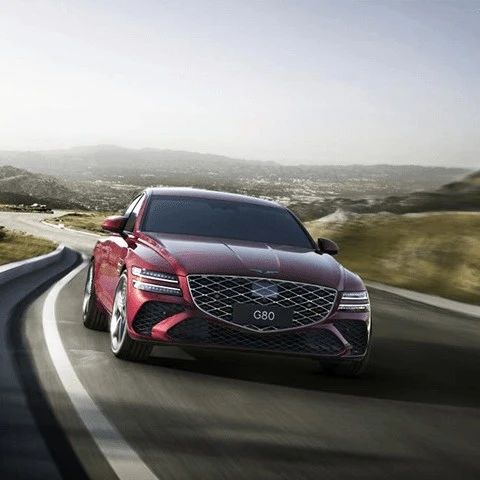
Core Viewpoint - The article emphasizes that Genesis's journey in the Chinese luxury car market is just beginning, highlighting the importance of adapting to local market dynamics and consumer preferences [1][28]. Group 1: Market Dynamics - Over the past decade, the global automotive industry has undergone significant restructuring, with China contributing nearly 40% of global luxury car sales, making it a crucial market for luxury brands [2]. - The Chinese automotive market is characterized by cyclical challenges and structural opportunities, requiring brands to adapt their strategies continuously [2][3]. - The luxury car market in China is not linear, and there are no permanent winners, as evidenced by the fluctuating fortunes of established brands like BBA (BMW, Benz, Audi) [2][3]. Group 2: Genesis's Strategy - Genesis has adopted a "2.0 strategy" focusing on localization, asset-light operations, and enhanced customer experiences to navigate the competitive landscape [5][10]. - The brand aims to differentiate itself from traditional luxury brands by emphasizing its unique product features and service advantages, rather than merely imitating BBA [9][20]. - Genesis is transitioning from a model of "product input" to "technology co-development" with local partners, integrating Chinese technology ecosystems into its offerings [5][3]. Group 3: Brand Positioning and Consumer Engagement - The brand is leveraging digital platforms and experiential marketing to build brand awareness and connect with consumers, moving away from centralized media strategies [9][10]. - Genesis is focusing on creating a unique identity in the luxury market by highlighting its "Korean luxury" attributes and enhancing customer experiences through innovative service models [10][24]. - The introduction of the "Showroom+" model aims to provide a comprehensive service experience, covering the entire customer journey from awareness to after-sales [12][13]. Group 4: Future Outlook - Genesis plans to initiate local production and R&D within 3 to 5 years, aiming for the localization of its electric vehicles, which will enhance its competitiveness in the Chinese market [15][20]. - The brand's recent model, the G80, reflects a strategic focus on meeting the upgrade needs of luxury car consumers while avoiding price wars [17][20]. - The company is committed to long-term growth in China, recognizing the market's complexity and the necessity of a localized approach to succeed [15][27].
丰田重建在美EV战略,特斯拉失速带来良机
3 6 Ke· 2025-05-20 09:38
Core Points - Toyota is restructuring its electric vehicle (EV) strategy in the U.S., planning to expand its product lineup from 2 to 5 models by 2025, indicating a strong commitment to the U.S. market [2][3] - The new branding strategy will involve renaming its EV models to "bZ" in the U.S. to enhance market recognition and simplify marketing efforts [3][5] - The introduction of the "bZ Woodland," a four-wheel-drive EV developed in collaboration with Subaru, is part of Toyota's strategy to cater to the American market [5] Product Expansion - Toyota will launch 5 EV models in the U.S. by 2025, doubling its current offerings, and will also introduce a small SUV EV "C-HR" that has already been released in Europe [3][5] - The luxury brand Lexus will add 2 new EV models starting in the second half of 2025, with pricing to be announced at launch [5] - New EVs will feature advanced lithium-ion batteries with a range increase of up to 25% and improved charging convenience, including compatibility with Tesla's charging standard [5] Market Context - The U.S. EV market is currently growing slowly, with EVs accounting for only 8% of new car sales, despite previous government plans to increase this to 50% by 2030 [6] - Tesla's market share has declined from 80% to below 50%, creating opportunities for other automakers like Toyota [8] - Toyota's EV sales share in the U.S. is currently only 3%, lagging behind competitors like General Motors and Hyundai [8] Production Challenges - Currently, Toyota does not produce EVs in the U.S., with plans to start local production only after 2026, which raises concerns about tariffs and supply chain logistics [9] - The new "bZ" models will be produced in Japan, with battery exports also coming from Japan [9] - Toyota aims to develop and produce products suited for local consumers in the U.S. in the long term, which could mitigate tariff risks [9] Long-term Outlook - Despite the slow adoption of EVs in the U.S., there is a consensus that EVs will become mainstream globally, with projections of 31.76 million EVs sold worldwide by 2030 [9] - Toyota plans to launch approximately 15 self-developed EVs globally by 2027 and diversify its production bases outside of Japan and China [9]



丰田重建在美EV战略,特斯拉失速带来良机
日经中文网· 2025-05-20 07:19
Core Viewpoint - Toyota is restructuring its electric vehicle (EV) strategy in the U.S. market, planning to expand its EV lineup from 2 to 5 models by 2025, while adopting a unique branding strategy for the American market [1][3][4]. Group 1: Expansion of EV Lineup - Currently, Toyota sells only 2 EV models in the U.S., but plans to double this number to 5 by 2025, including improvements to existing models [3][4]. - The new models will be branded as "bZ" in the U.S., differing from the names used in Japan and Europe, to enhance market recognition and marketing effectiveness [3][4]. Group 2: New Model Launches - The "bZ Woodland," a four-wheel-drive EV developed in collaboration with Subaru, will be launched in the U.S. in 2026, targeting the long-distance off-road driving market [4]. - Additionally, a small SUV EV model "C-HR" will be introduced, along with 2 new EVs under the luxury brand Lexus starting in the second half of 2025 [4]. Group 3: Technological Enhancements - The new EVs will feature advanced lithium-ion batteries, with a range improvement of up to 25%, and enhanced charging convenience, including compatibility with Tesla's charging standard [4][6]. - Fast charging capabilities will allow the battery to charge from 10% to 80% in just 30 minutes [4]. Group 4: Market Context and Competition - The U.S. EV market is currently growing slowly, with EVs accounting for only 8% of new car sales, despite previous government plans to increase this to 50% by 2030 [6]. - Tesla's market share has declined from 80% to below 50%, creating opportunities for other automakers like Toyota [6]. Group 5: Local Production Challenges - Currently, Toyota does not produce EVs in the U.S., with plans to start local production only after 2026, which raises concerns about tariffs and supply chain risks [7]. - The company aims to develop products suitable for local consumers and establish local production, including battery manufacturing in North Carolina [7].

天有为IPO:发行价93.5元创14个月新高
Sou Hu Cai Jing· 2025-05-16 09:42
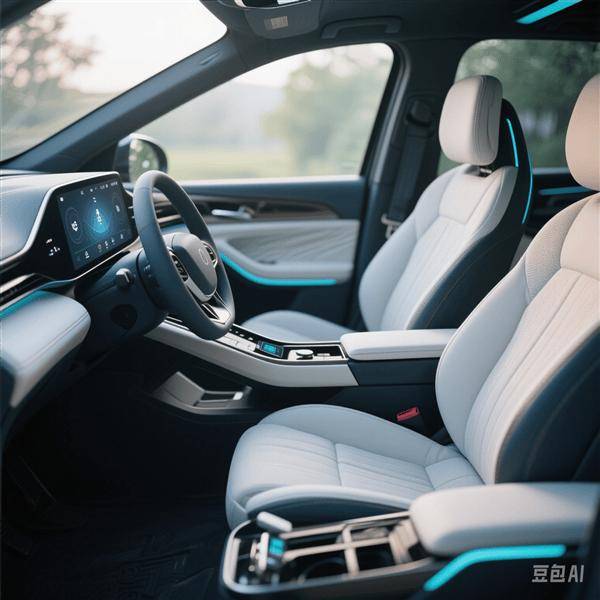
Group 1 - The company Tianyouwei plans to go public on the Shanghai Stock Exchange, marking a significant IPO in the A-share market after a year [2] - The IPO price is set at 93.5 yuan per share, the highest in 2023 and the highest in nearly 14 months, despite a low price-to-earnings ratio of 13.5 times, significantly below the industry average of 27 times [2] - Tianyouwei specializes in automotive instrument panels and is a core supplier for Hyundai Motor Group, also supplying to major brands like BYD, Changan Automobile, and Geely [2] Group 2 - The company is expanding into the smart cockpit sector, where in-car screens are becoming essential for user interaction, information display, and entertainment [3] - The automotive industry is moving towards reducing physical buttons and increasing the number of screens, promoting multi-screen and large-screen integration in vehicles [3] - The target audience for smart cockpits is expanding beyond drivers to include passengers, enhancing the demand for in-car entertainment features [4] Group 3 - The smart cockpit is a key strategic direction for connected vehicle companies, driving innovation in integrated hardware and software experiences [4] - The evolution of vehicles into a "third living space" is anticipated, providing users with new possibilities and experiences outside of home and office environments [4]
海外云厂商capex持续加大,机器人行业加速突破,持续看好相关产业投资机会
Great Wall Securities· 2025-05-15 12:57
Group 1 - The report highlights that overseas cloud vendors are significantly increasing their capital expenditures (capex) to accelerate AI infrastructure development, with Microsoft planning to invest a total of $80 billion in AI infrastructure for the fiscal year 2025, aiming to increase AI training computing power by five times by 2026 [1][16][35] - Meta has raised its annual capital expenditure forecast from $60-65 billion to $64-72 billion, primarily for generative AI and core business investments [2][16] - Google reported a capital expenditure of $17.2 billion in Q1 2025, up from $12 billion in the same period last year, focusing on technology infrastructure investments [2][16] Group 2 - The report notes that the robotics industry is experiencing accelerated growth, with companies like Hyundai planning to deploy Boston Dynamics' Atlas robots in their new U.S. factory as part of a $21 billion investment plan [3][36] - Lenovo introduced its first humanoid robot, "Lenovo Enjoy No. 1," showcasing its capabilities in a live demonstration [6][40] - Midea's self-developed humanoid robot is set to enter its washing machine factory in Hubei for operational tasks, while Chery has delivered the first batch of 220 units of its humanoid robot, which can assist in sales and customer service [6][44] Group 3 - The communication sector index rose by 4.96% during the week of May 6-9, 2025, outperforming the CSI 300 index, which increased by 2.00% [11] - The report recommends several stocks for investment, including China Mobile, China Telecom, and various technology and cloud service providers [8][21] - The overall valuation of the communication sector is reported at a price-to-earnings ratio of 20.82, ranking fourth among TMT sectors [13][15]




暴增368% ,“插混东风”吹进欧洲
Xin Lang Cai Jing· 2025-05-11 10:13
Core Insights - The rise of plug-in hybrid vehicles (PHEVs) is becoming a preferred choice for many European families, indicating a shift in consumer preferences towards more versatile and cost-effective options [1][2] Group 1: Market Performance - In Q1 2025, Chinese automotive brands registered 148,096 vehicles in Europe, marking a 78% year-on-year increase, while the overall European new car market remained nearly stagnant [3] - SAIC Motor Group achieved a notable 33.5% year-on-year growth with 78,505 vehicles sold, particularly excelling in March with a 74.4% increase [3][4] - The market share of Chinese brands in Europe rose from 2.5% in 2024 to 4.5% in Q1 2025, reflecting growing consumer acceptance, especially in Southern Europe and Luxembourg [4] Group 2: Product Strategy - Chinese automakers have successfully adapted their product offerings by increasing the availability of PHEVs and hybrid models to navigate EU import tariffs [5] - The price competitiveness of Chinese brands remains a significant factor, with 72% of surveyed consumers believing that Chinese cars should be cheaper than traditional brands [5] - Brands like MG and BYD are shedding the "cheap imitation" image by enhancing design, features, and technology, thus appealing to a broader audience [5] Group 3: Brand Perception and Marketing - Chinese brands are increasingly attractive to younger European consumers, with 19% of those under 35 willing to consider them even without significant price advantages [7] - Marketing strategies have evolved, with MG sponsoring major sports teams to enhance brand visibility and recognition [6] Group 4: Regulatory Challenges - Despite the growth, Chinese brands face challenges with EU emissions regulations, as many are exceeding their CO₂ targets, necessitating strategies like carbon pooling to mitigate penalties [8][9] - The low sales proportion of electric vehicles (EVs) is a critical factor in exceeding emissions limits, with MG's BEV sales at only 13% and Chery's at 6% [8] Group 5: Future Outlook - The current success of PHEVs is seen as a temporary measure, with a long-term focus required on local manufacturing and higher EV sales ratios [9] - Companies like BYD are actively pursuing new manufacturing facilities in Europe to enhance their competitive edge [9]


天有为上市半月股价回落市值缩水:超五成收入绑现代汽车,家族控股下的绥化第一股能走多远
Jin Rong Jie· 2025-05-08 15:30
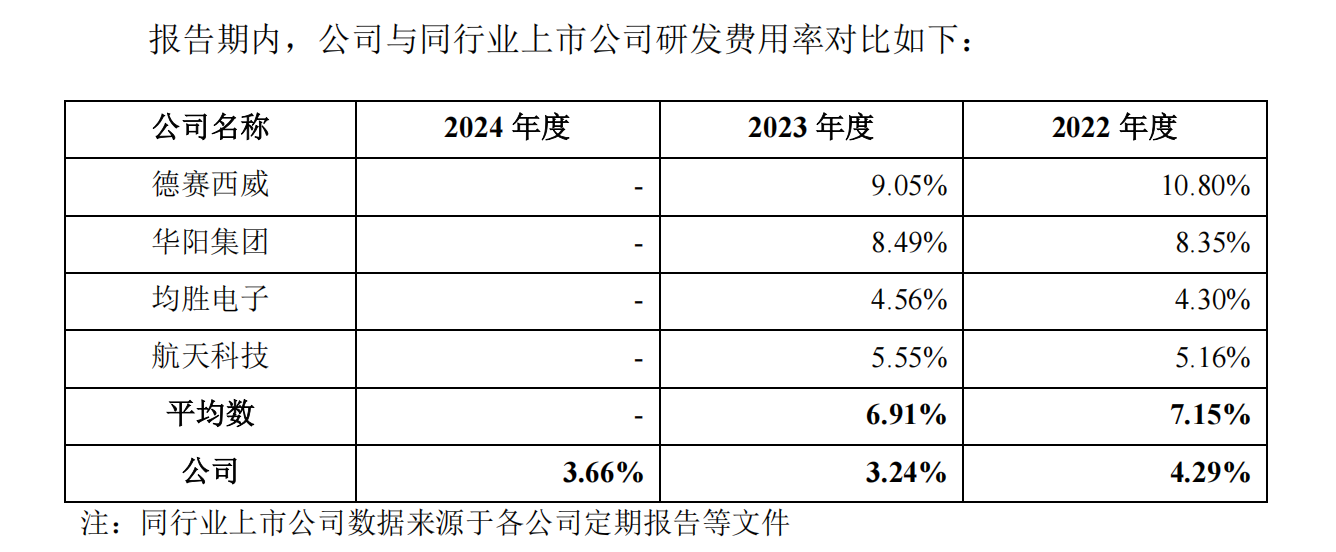
Core Viewpoint - Heilongjiang Tianyouwei Electronics Co., Ltd. has become the first A-share listed company in Suifenhe City, Heilongjiang, with its stock price experiencing significant volatility post-IPO, raising concerns about its future growth potential due to high customer dependency and governance issues [1][5]. Customer Dependency - The company's revenue is heavily reliant on major clients, with Hyundai Motor Group contributing 55.56% of its income, leading to increased single-client risk [1][2]. - In the first half of 2024, nearly 60% of Tianyouwei's revenue came from Hyundai, while domestic competitors like BYD and Changan contributed less than 10% [2]. - Despite attempts to diversify into smart cockpit products, the company's R&D expenditure remains low at 3.66% for 2024, below industry averages, which may hinder its ability to reduce reliance on a single customer [2][3]. Governance Issues - The company's ownership structure is characterized by family control, with the actual controllers, Wang Wenbo and Lü Dongfang, holding the majority of shares and decision-making power, raising concerns about governance and internal controls [3][4]. - Family members occupy key management positions, which may lead to inefficiencies and challenges in attracting talent, particularly in high-tech areas like smart cockpit development [4][5]. Regional Industry Constraints - Tianyouwei faces challenges due to a weak industrial chain in Suifenhe, with few large-scale enterprises in the area and significant reliance on suppliers from other regions, increasing operational costs [5]. - The local government's plans to develop an automotive instrument industry cluster have not yet materialized, leading to uncertainty about the company's future growth and its ability to leverage regional advantages [5].