珀莱雅

Search documents
丸美生物启动港股二次上市,眼部护理市场份额受竞对挤压
Sou Hu Cai Jing· 2025-12-12 05:14
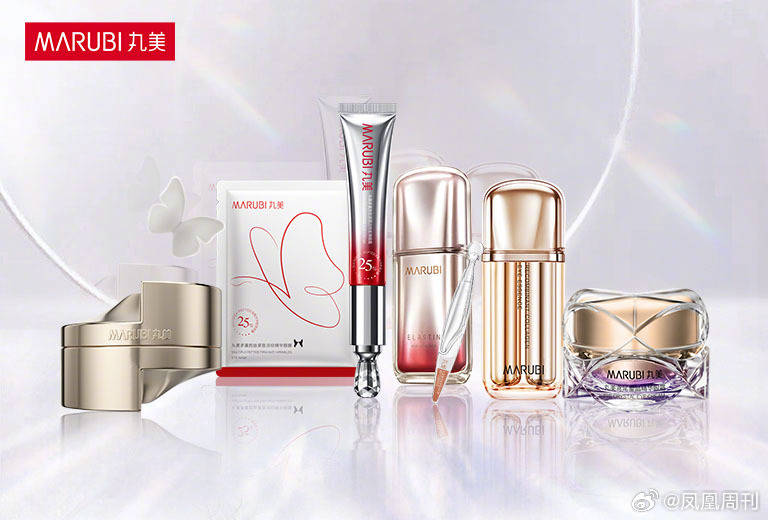
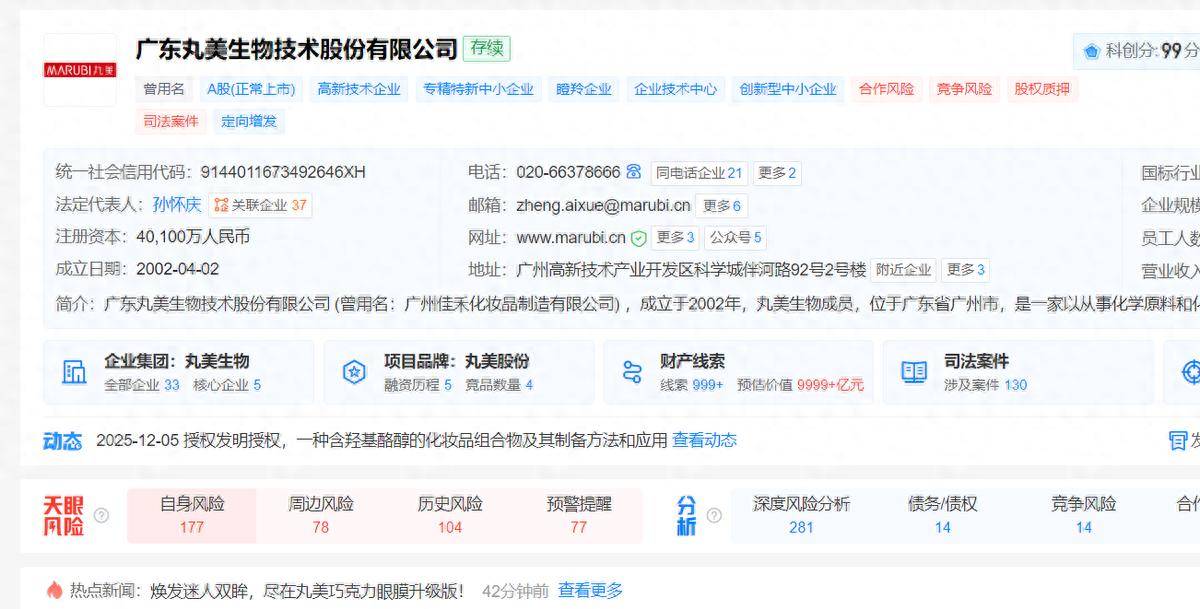
Core Viewpoint - Marubi Biological has officially initiated its secondary listing process in Hong Kong, aiming to become one of the few domestic beauty giants with an "A+H" market presence, despite facing increased competition in the eye care product segment [1] Company Overview - Established in 2002, Marubi focuses on eye care research and gained prominence in 2007 with its popular eye cream, which helped it become the "first eye cream stock" upon its A-share listing in 2019 [1] - Marubi has maintained its position as the top seller in the eye care market in China for three consecutive years from 2021 to 2023 [1] Financial Performance - In 2024, Marubi reported a revenue of 2.97 billion yuan, representing a year-on-year growth of 33.44% - The net profit attributable to the parent company increased by 31.69% to 342 million yuan [1] Marketing and Brand Structure - The company has relied heavily on marketing for growth, with significant expenditures on advertising and traffic, while its research and development investment is relatively low compared to the industry [1] - The main brands "Marubi" and "Lianhuo" are experiencing growth, but the brand "Chunji" has seen a contraction [1] Competitive Landscape - Competitors such as Proya and Winona have launched similar eye care products, which has led to a squeeze on Marubi's market share [1] Regulatory Issues - In late October, Marubi was ordered to rectify issues related to financial accounting, fundraising management, and disclosure, leading to increased uncertainty regarding its IPO in Hong Kong [1]


上市前夕,自然堂两位高管突然离职
Sou Hu Cai Jing· 2025-12-11 11:13
01、上市前高管离职 正值冲击港股IPO的关键节点,自然堂"两员大将"离职的消息在业内传得沸沸扬扬。 行业媒体报道称,离职的两位高管,分别是负责电商业务的吴梦以及负责市场的谭彦。两人身上最大的 标签,是自然堂"元老级人物"。其中吴梦在自然堂任职超10年,是电商业务"从0到1"的功臣;谭彦是 有"天猫+宝洁"背景背书的营销大咖。 对于核心高管变动,自然堂并未作出回应。一位资深从业者经多方核实后对《财经天下》表示,"确有 其事"。 在国货美妆行业,IPO前高管变动或组织调整,属于习惯性动作,尤其是民营企业。韩束母公司上美股 份上市之前,不仅挖来欧莱雅中国高管当CEO,还找来宝洁"老人"负责研发。 "多数情况下,企业IPO前核心人员调整,一方面可能是应对投资人和监管要求;另一方面,为的是彰 显公司上市之后的发展战略。"美妆资深评论人白云虎告诉《财经天下》,自然堂此番调整,也遵循同 样的逻辑。 透过招股书,能看到自然堂的一系列"痛点",其中之一是盈利能力偏弱。 2022年至2024年,其归母净利润分别为1.47亿元、3.03亿元和1.90亿元,净利润率分别为3.4%、6.8%、 4.1%,长期在个位数徘徊。2025年 ...
即时零售迎“奇点”,巨头激战正酣
Zhong Guo Ji Jin Bao· 2025-12-11 08:32
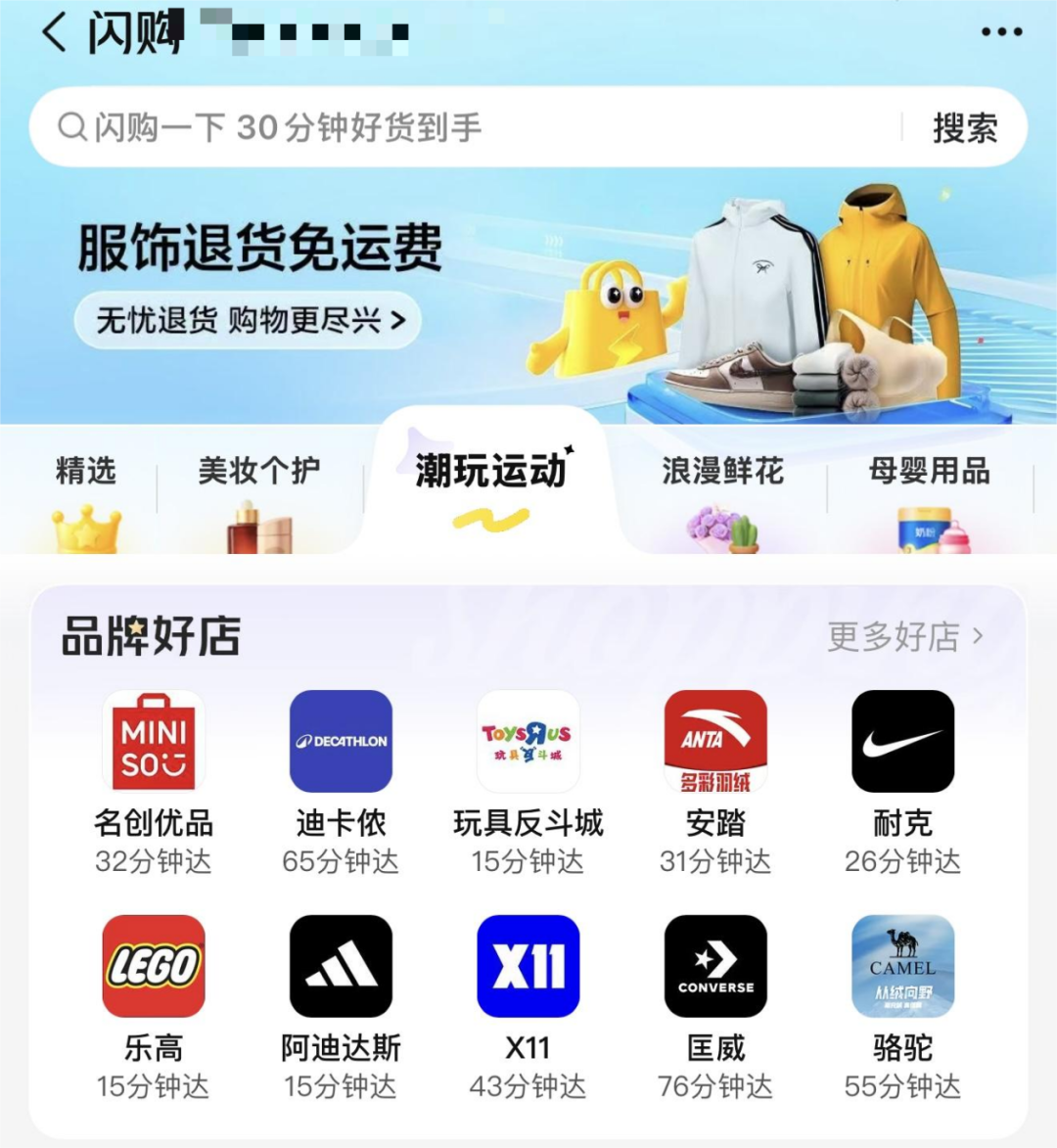
Core Insights - The instant retail market is projected to reach 971.4 billion yuan by 2025, with a year-on-year growth of 24.4%, nearing the trillion yuan mark [1][3] - Major e-commerce platforms are heavily investing in instant retail, with Alibaba, JD, and Meituan collectively spending nearly 60 billion yuan in Q3 this year [3] - Instant retail is evolving from a decade-long journey of O2O and community group buying to a more robust business model that emphasizes speed and convenience [3][4] Market Expansion - The instant retail industry is experiencing rapid growth, with expectations to hit 2 trillion yuan by 2030, maintaining a compound annual growth rate of 25% [3] - The shift towards instant retail is reshaping investment values in sectors like beauty, apparel, and food and beverage [2][3] Consumer Behavior - The "post-95" generation prioritizes delivery speed, with over 50% wanting same-day or even half-day delivery, indicating a strong demand for instant retail services [3][4] - Instant retail aligns with the consumer desire for immediate gratification, enhancing the shopping experience for younger demographics [4] Channel Transformation - The beauty and personal care sector is rapidly adopting instant retail due to its product characteristics, such as high price points and urgent demand scenarios [5] - Sportswear brands like Li Ning and Anta are also entering the instant retail space, leveraging local store networks for quick delivery [5][7] Operational Innovations - Qingdao Beer has successfully integrated instant retail, achieving a tenfold increase in GMV from 2 billion yuan to nearly 20 billion yuan in five years, with a compound annual growth rate exceeding 50% [8] - Instant retail is enabling traditional retail businesses to transition from a "goods and venue" mindset to an "instant service" model [9] Competitive Landscape - The instant retail market is currently characterized by intense competition, with major players engaged in a subsidy war that has led to significant cash flow challenges [11][12] - Despite increased sales through instant retail channels, many companies are struggling with profitability due to high platform fees and operational costs [12] Strategic Recommendations - Retail brands need to explore business models that are more compatible with instant retail and enhance their supply chain capabilities to thrive in this evolving landscape [12]


价值研究所|即时零售迎“奇点”,巨头激战正酣
Zhong Guo Ji Jin Bao· 2025-12-11 08:31
Core Insights - The instant retail market in China is projected to reach 971.4 billion yuan by 2025, with a year-on-year growth of 24.4%, nearing the trillion yuan mark [2][3] - Major e-commerce platforms are heavily investing in instant retail, with Alibaba, JD, and Meituan collectively spending nearly 60 billion yuan in the third quarter of this year [3] - The business model of instant retail, which focuses on rapid delivery from local warehouses, has evolved over the past decade and is now gaining traction among consumers, particularly the younger demographic [4][5] Market Expansion - The instant retail sector is expanding rapidly, with expectations to reach 2 trillion yuan by 2030, maintaining a compound annual growth rate of 25% [3] - Instant retail has transitioned from a focus on fresh produce to a broader range of products, including beauty and apparel, which are well-suited for quick delivery due to their high demand for timeliness [5][7] Consumer Behavior - The younger generation, particularly those born after 1995, prioritize delivery speed, with over 50% expecting same-day or even half-day delivery [3][4] - Instant retail aligns with the "immediate purchase and delivery" mindset of younger consumers, enhancing their shopping experience and brand loyalty [4] Channel Transformation - The shift towards instant retail is prompting a re-evaluation of market shares, with brands that embrace new channels likely to stand out [5] - Beauty products are among the fastest-growing categories in instant retail due to their high price points and urgent demand scenarios [5][7] Operational Innovations - Companies like Qingdao Beer have adapted their operations to leverage instant retail, achieving a nearly tenfold increase in gross merchandise volume (GMV) from 2 billion yuan to approximately 20 billion yuan over five years [8] - Instant retail is also enabling traditional retail businesses to transition from a "goods and venue" mindset to an "instant service" model, opening new growth avenues [8][10] Competitive Landscape - Despite the rapid growth, the instant retail sector is still in its early stages, with major players engaged in a subsidy war that raises questions about long-term profitability [10][11] - Retail brands face challenges from high platform fees and competition from e-commerce platforms that are also developing their own private label products, which can undermine traditional brands [11] Future Outlook - The future of retail is expected to be multi-faceted, with no single model completely replacing the others, as companies strive to find business models that fit the instant retail paradigm [11] - Companies that can enhance their supply chain responsiveness through digital transformation are likely to thrive in the instant retail era [11]

价值研究所|即时零售迎“奇点”,巨头激战正酣
中国基金报· 2025-12-11 08:21
Core Viewpoint - The instant retail market in China is expected to reach 971.4 billion yuan in 2025, with a year-on-year growth of 24.4%, indicating a significant shift in consumer behavior towards faster delivery services [2][5]. Market Expansion - The instant retail industry is expanding rapidly, with projections indicating a market size of 2 trillion yuan by 2030 and a compound annual growth rate of 25% [5]. - Major e-commerce platforms like Alibaba, JD, and Meituan have invested nearly 60 billion yuan in instant retail in Q3 this year, highlighting the high investment and growth potential in this sector [5]. Consumer Behavior - The "post-95" generation values delivery speed more than previous generations, with over 50% preferring same-day or even two-hour delivery [5][6]. - Instant retail meets the demand for immediate gratification, reshaping consumer experiences and brand connections [6]. Channel Transformation - The beauty and personal care sector is experiencing significant growth in instant retail, with brands like Betaini and Proya quickly adapting to this model due to the high demand for timely delivery [8]. - Sportswear brands such as Li Ning and Anta are also entering the instant retail space, enhancing consumer convenience through local store fulfillment [10]. Operational Innovations - Qingdao Beer has successfully integrated instant retail, achieving a tenfold increase in GMV from 2 billion yuan to nearly 20 billion yuan in five years, with a compound annual growth rate exceeding 50% [11]. - Instant retail allows for cold chain delivery, ensuring product quality for sensitive items like fresh beer and frozen foods [10]. Market Dynamics - Instant retail is creating new growth avenues for retail companies, shifting from traditional "goods and space" models to "instant service" approaches [11]. - The "Good Idea Snack Paradise" brand has seen a 200% increase in order volume over three months, with over 90% of new customers coming from online channels [12]. Competitive Landscape - Despite the rapid growth, major players are currently in a "burning cash" phase, with significant cash flow losses reported by Meituan, Alibaba, and JD [13]. - Retail brands face challenges from aggressive platform subsidies and competition from private label products, necessitating a reevaluation of their business models [14]. - Companies that can enhance supply chain efficiency through digital transformation are likely to thrive in the instant retail era [14].

解码美妆业ESG新趋势:绿色包装成共识,中国特色案例增多
Nan Fang Du Shi Bao· 2025-12-10 09:37
Core Viewpoint - The article discusses the evolution of ESG (Environmental, Social, and Governance) practices in the Chinese beauty industry, highlighting the increasing focus on sustainable packaging, local cultural integration, anti-corruption measures, and the rise of "clean beauty" concepts among domestic brands [1][2][9]. Group 1: ESG Practices in the Beauty Industry - The "Sustainable Innovation Laboratory" of Southern Metropolis Daily is collecting exemplary ESG practices from companies to promote sustainable development [1]. - A report titled "2025 ESG Sustainable Innovation Trend Insight Report" will be released, showcasing best practices in ESG from various companies [2]. - Major Chinese beauty brands are increasingly adopting green packaging strategies, with a consensus emerging around carbon reduction and product lifecycle management [3][5]. Group 2: Green Packaging Initiatives - Companies like Up Beauty and Huaxi Biological are implementing sustainable packaging practices, including the use of FSC-certified materials and reducing plastic usage [3]. - Pulaia has detailed its green packaging efforts, aiming to increase the proportion of sustainable materials by 20% and reduce packaging intensity by 15% [5]. - Betaini reported a significant increase in effective bottle recycling, achieving 2.67 million bottles in 2024, eight times the previous year [7]. Group 3: Localized ESG Topics - Chinese beauty companies are incorporating "Chinese characteristics" into their ESG disclosures, such as marriage and childbirth benefits for employees and contributions to rural revitalization [9][10]. - Up Beauty has established a marriage and childbirth fund of 10 million yuan to support employees [9]. - The focus on rural revitalization includes financial support for local infrastructure projects, enhancing community living conditions [9]. Group 4: Anti-Corruption Measures - Domestic beauty brands are establishing anti-corruption reporting mechanisms, a unique feature compared to international counterparts [11]. - Companies like Mao Ge Ping and Huaxi Biological have implemented structured anti-corruption training and reporting systems [12]. Group 5: Digital Transformation and AI - The application of AI technology in ESG reporting is becoming more prominent, with companies like L'Oreal investing over 1 billion euros annually in technology and data analysis [14]. - L'Oreal is developing digital tools to manage revenue growth and optimize product pricing through data integration [14]. Group 6: Rise of Clean Beauty - The concept of "clean beauty" is gaining traction, with brands focusing on safe and transparent ingredient sourcing [17][20]. - Up Beauty has established a green ingredient research center and published a white paper on clean beauty standards [18]. - The increasing consumer awareness regarding product safety and ingredient transparency is driving the demand for clean beauty products [21].

一朵“山茶花”卖出10个亿!“贵妇”们用的林清轩,要冲击IPO了
Sou Hu Cai Jing· 2025-12-10 07:57
Core Viewpoint - Lin Qingxuan has updated its IPO prospectus, including a name change from "Shanghai Lin Qingxuan Biotechnology Co., Ltd." to "Shanghai Lin Qingxuan Cosmetics Group Co., Ltd." This change has sparked discussions among investors regarding the strategic implications of moving from a biotechnology focus to a cosmetics brand, especially as the company approaches its IPO [1][2][3]. Financial Performance - Lin Qingxuan's revenue is projected to grow from approximately 6.91 billion yuan in 2022 to 12.1 billion yuan in 2024, indicating a steady upward trend [7]. - In the first half of this year, Lin Qingxuan reported revenue of about 10.52 billion yuan, a significant increase of 98.49% compared to the same period last year [8]. - The company's gross profit margins are notably high, with figures of 78.0%, 81.2%, 82.5%, and 82.4% for the years 2022 to 2024, outperforming major competitors [9]. Research and Development - Despite the high gross margins, Lin Qingxuan's R&D expenses have been relatively low, with rates of 3.06%, 2.45%, 2.51%, and 1.71% from 2022 to 2024, indicating a declining trend [10]. - The company has managed to maintain its high-end product sales without significant R&D investment, suggesting a potential reliance on marketing rather than innovation [11][19]. Marketing Strategy - Lin Qingxuan's marketing and distribution expenses have been substantial, with figures of 5.09 billion yuan, 4.86 billion yuan, and 6.88 billion yuan from 2022 to 2024, constituting a significant portion of total revenue [16]. - The marketing expenses have been approximately 9 to 20 times higher than R&D expenditures, highlighting a strategy focused on brand marketing over product development [16][18]. Market Position and Risks - The company has a heavy reliance on its core product, camellia oil, which accounted for 45.5% of revenue in the first half of this year, raising concerns about market risk due to limited product diversification [18]. - Recent investor behavior indicates a lack of confidence in Lin Qingxuan's IPO prospects, with early investors exiting before the IPO submission [21]. Future Outlook - Lin Qingxuan plans to expand its product line beyond camellia oil and implement a multi-brand strategy to enhance its market position [24]. - The company has maintained a growing number of physical stores, increasing from 366 to 554 over the past three years, which may provide a buffer against market fluctuations [26].
响应“十五五”规划指引 珀莱雅以科技创新谋发展
Zhong Guo Jing Ji Wang· 2025-12-10 04:53
"十五五"规划建议明确提出"加快高水平科技自立自强",并将"科技自立自强水平大幅提高"列入"十五 五"时期经济社会发展的主要目标之一,始终把科技创新摆在国家战略核心位置。而科技创新也正是珀 莱雅公司自创立以来持续深耕的核心驱动力。 "十五五"规划建议将"加快经济社会发展全面绿色转型,建设美丽中国"列为"十五五"时期核心战略任 务。珀莱雅股份始终将绿色可持续发展作为企业责任与战略,深度锚定"美丽中国"建设要求,全面推进 从生产到消费的全链条绿色发展。 数据显示:2024年,公司研发投入达2.1亿元,同比增长21.21%,研发团队的人数达389人。目前,公司 已在杭州、上海和巴黎设立三大研发与科创中心,逐步构建起"本土需求响应+国际技术协同"的创新网 络,持续夯实全球科研根基。 据2025年半年报披露,公司已累计拥有专利240项,其中包括国家授权发明专利124项、实用新型专利22 项及外观设计专利94项。在行业标准建设方面,公司至今已参与制定国家标准21项、行业标准6项,持 续引领行业规范与发展。 党的二十届四中全会审议通过的"十五五"规划建议,明确提出"坚持把发展经济的着力点放在实体经济 上,坚持智能化、绿色化 ...

欧莱雅再增持高德美股权至20%,释放出哪些信号?
Xin Lang Cai Jing· 2025-12-10 02:19
Core Viewpoint - L'Oréal Group has acquired an additional 10% stake in Galderma from EQT-led consortium, increasing its ownership to 20%, marking a significant move in the medical aesthetics and skin health sector [1][5] Group 1: Acquisition Details - The acquisition allows L'Oréal to nominate two non-independent board members from its group starting from the 2026 annual shareholders' meeting, replacing representatives from EQT [1] - L'Oréal's historical connection with Galderma dates back to 1981 when it co-owned the company with Nestlé, which later sold its stake to EQT and Abu Dhabi Investment Authority in 2019 [3] Group 2: Financial Performance - Galderma's sales increased from $34.17 billion in 2021 to $44.1 billion in 2024, with a notable growth rate of 9.3% in 2024 and 15% in the first three quarters of 2025, significantly outpacing L'Oréal's growth [4][5] - The company has successfully restructured its business focus on aesthetic injectables, skin care, and dermatological treatments under EQT's leadership [4] Group 3: Strategic Importance - Galderma is viewed as a "strategic puzzle" by L'Oréal, which aims to leverage its expertise in medical aesthetics rather than treating it as a short-term investment [5] - The collaboration is expected to enhance R&D alignment between L'Oréal and Galderma, particularly in developing innovative products that combine medical aesthetics and skincare [12][14] Group 4: Market Positioning - Galderma has established a strong presence in over 100 countries, with significant achievements in the Chinese market, which is projected to exceed 300 billion yuan in the medical aesthetics sector by 2025 [14] - The partnership allows L'Oréal to utilize Galderma's existing capabilities and distribution channels to capture market share in the injectable aesthetics segment [14] Group 5: Industry Challenges - The medical aesthetics industry is entering a phase of compliance and competition, with various brands launching new products and services [15] - L'Oréal faces challenges in balancing its mass marketing approach with the specialized services required in the medical aesthetics field, necessitating a focus on localized product development [17][18] Group 6: Long-term Strategy - The success of the collaboration between L'Oréal and Galderma hinges on a commitment to long-term investment in R&D and the development of innovative products that meet consumer needs [18] - The evolving consumer demand from basic skincare to advanced aesthetic solutions indicates a trend towards deeper integration between beauty and medical sectors [18]

商社美护行业周报:国资入主君亭,林清轩上半年收入超10亿-20251209
Guoyuan Securities· 2025-12-09 14:15
Investment Rating - The industry maintains a "Recommended" rating, with a focus on new consumption sectors such as beauty care, IP derivatives, and gold jewelry [5][29]. Core Insights - The report highlights significant growth in the beauty care sector, with Lin Qingxuan achieving a revenue of 1.052 billion yuan in the first half of 2025, marking a year-on-year increase of 98.3% and a net profit of 182 million yuan, up 109.9% [3][23]. - The retail sector saw a notable increase in Hainan's duty-free shopping, amounting to 2.38 billion yuan in November 2025, representing a 27.1% year-on-year growth [4][28]. - The travel sector is experiencing a surge in bookings for the New Year holiday, with overall reservation heat increasing by nearly 30% compared to the previous year [3][25]. Summary by Sections Market Performance - For the week of December 1-5, 2025, the performance of the retail, social services, and beauty care sectors was -0.83%, -0.65%, and -2.00% respectively, ranking 22nd, 20th, and 29th among 31 primary industries [14][16]. Key Industry Data and News - In the beauty care sector, the establishment of the world's first national standard for pig type I collagen purity was approved, marking a significant advancement in protein measurement [23]. - Galderma's Sculptra® received EU approval for new body indications, expanding its application [23]. - The travel sector saw Hubei Culture Tourism Group acquire a 29.99% stake in Junting Hotel for 1.499 billion yuan, becoming the controlling shareholder [24]. - The toy business of Qimeng Island reported a revenue of 127 million yuan for the third quarter of 2025, with a quarter-on-quarter growth of 93.3% [27]. Investment Recommendations - The report recommends focusing on companies such as Shangmei Co., Ltd., Juzhi Biotechnology, Marubi Biotechnology, Runben Co., Ltd., Proya, Chaohongji, and Furuida in the beauty care and new consumption sectors [5][29].