Momenta

Search documents
英伟达做Robotaxi,马斯克你怎么看?
Sou Hu Cai Jing· 2025-09-18 09:46
Core Insights - Nvidia is incubating a new Robotaxi project led by senior director Ruchi Bhargava, utilizing an end-to-end technology approach that leverages simulation to enhance neural network training, similar to Tesla's Full Self-Driving (FSD) strategy but with a stronger technical foundation [4][5] - The project is supported by Nvidia's Cosmos world model, which integrates various data types to generate high-quality synthetic video data, having completed 20 million hours of pre-training [4] - Nvidia plans to invest $3 billion in the Robotaxi project, contrasting with Waymo's cumulative investment of approximately $12 billion to achieve its current operational scale [5] Company Strategy - The aim of Nvidia's Robotaxi initiative is not merely business expansion but to validate its full-chain engineering capabilities from GPU chips to physical AI models, thereby defining the infrastructure and ecological standards for the next generation of "physical AI" [5] - The US Robotaxi market is expected to accelerate by 2025, with Waymo operating in seven cities and Tesla launching services in Austin and the Bay Area, achieving significant download numbers [5][6] Competitive Landscape - Despite facing challenges in autonomous driving software, Nvidia possesses significant advantages, including its self-developed DRIVE Thor chip with a computing power of 2000 TOPS, enhancing end-to-end model inference efficiency [6] - Industry experts note that the Robotaxi market is still in its early stages, with Waymo operating around 700 vehicles and Tesla deploying only a few dozen in Austin, indicating that Nvidia's entry is timely and offers opportunities to compete for technological leadership [6] Financial Outlook - Nvidia's net profit for Q2 2025 is projected to reach $26.4 billion, providing substantial funding for long-term research and development [6] - Jensen Huang, Nvidia's CEO, emphasizes that autonomous vehicles represent a major commercial application of robotics and a multi-trillion-dollar industry [6]



以E5 Sportback为序,奥迪谱写在华电动战略新篇
Xin Lang Cai Jing· 2025-09-18 07:31
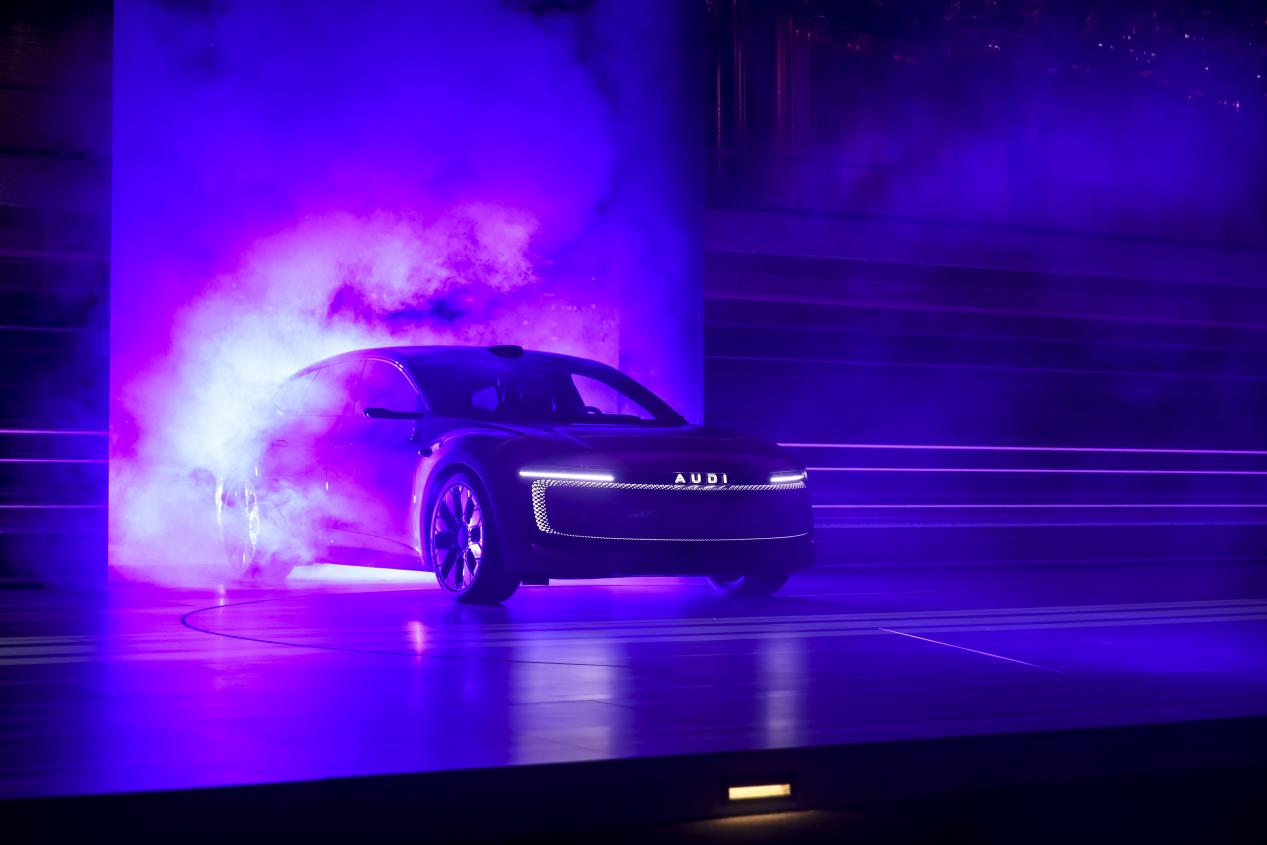
Core Insights - The Chinese automotive market is undergoing rapid transformation driven by the rise of new energy and smart technologies, with electric vehicle penetration exceeding 60% [1] - Audi has introduced the E5 Sportback, a product designed to meet the evolving demands of Chinese consumers, particularly in the luxury segment, by adopting a disruptive pricing strategy [1][3] Pricing Strategy - The Audi E5 Sportback was launched with a starting price of 235,900 yuan, which can drop to 220,000 yuan after insurance incentives, significantly undercutting previous expectations for Audi's electric models [3] - This pricing strategy challenges the traditional high pricing logic of luxury brands in the electric vehicle market, aiming to penetrate the mainstream new energy vehicle segment [3][4] Product Features - The E5 Sportback is the first model to feature the new AUDI branding and represents a strategic shift towards deeper integration of Chinese technology and Audi's driving heritage [3][5] - The vehicle is equipped with the new AUDI OS operating system powered by Qualcomm Snapdragon 8295, offering an advanced user interface and voice interaction capabilities [5][7] Intelligent Experience - The E5 Sportback features a highly customizable "Audi Smart Island" in the center console, providing over 50 quick access functions, enhancing user interaction beyond voice and touch [7] - Audi has partnered with Momenta to develop an advanced driver assistance system that integrates Audi's driving DNA with cutting-edge AI technology, aiming to enhance user experience in various driving scenarios [7][8] Performance and Safety - The E5 Sportback boasts impressive performance metrics, including a dual-motor setup delivering 787 horsepower and a 0-100 km/h acceleration time of just 3.4 seconds [8][10] - The vehicle is manufactured in accordance with Audi's global quality standards, featuring high-strength steel construction and rigorous testing to ensure safety and reliability [10][11] Strategic Implications - The launch of the E5 Sportback signals Audi's commitment to accelerating its electrification strategy in China, showcasing a willingness to adapt to local market demands and technological advancements [11][13] - This model not only represents a new chapter in Audi's electric strategy but also positions the brand to compete more effectively in the increasingly competitive luxury electric vehicle market in China [13]
奥迪的一次“关键反击”
Hu Xiu· 2025-09-18 01:13
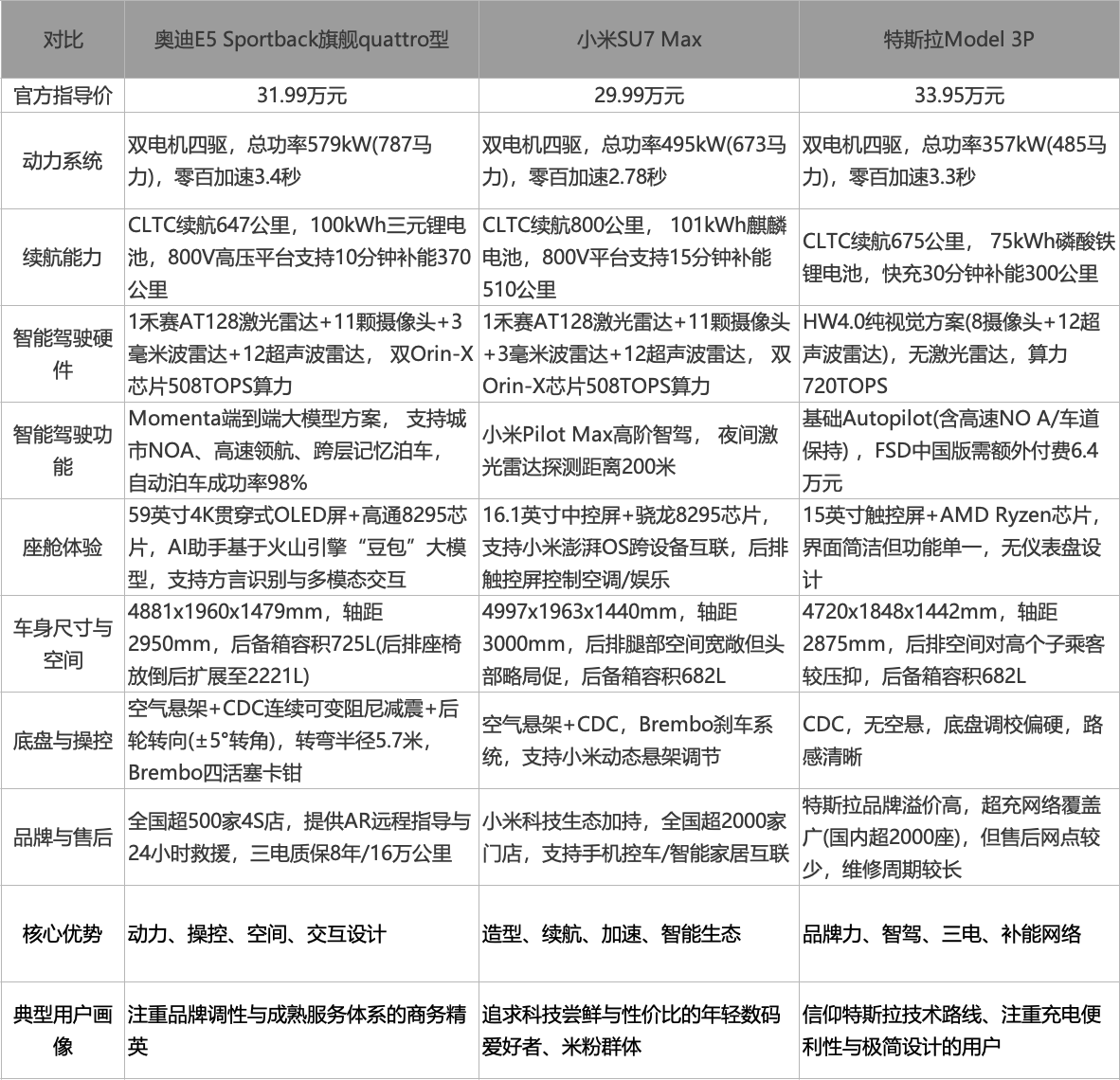
Core Viewpoint - The Audi E5 Sportsback is considered a significant product launch in the Chinese automotive market, reflecting key trends and strategies in the industry [1][5]. Group 1: Product Performance - The Audi E5 Sportsback received over 10,000 pre-orders within 30 minutes of its launch, indicating strong market demand [4]. - Approximately 60% of the initial orders were for models equipped with the quattro all-wheel-drive system, showcasing the product's appeal [4]. - The E5 Sportsback's color choice, with 35% opting for the popular "Morning Purple," highlights its attractiveness to consumers [4]. Group 2: Strategic Innovations - Audi's approach with the E5 Sportsback includes localizing technology, innovating brand strategy, and disruptive pricing [6]. - The vehicle features the renowned quattro technology, developed from decades of experience in chassis development and driving dynamics [6]. - Audi has introduced a new branding strategy by using the "AUDI" letter brand instead of the traditional four-ring logo, aiming to attract a new generation of consumers [6][8]. Group 3: Market Context - The pricing of the E5 Sportsback ranges from 235,900 to 319,900 yuan, strategically positioned to compete with major price segments of new domestic brands [8]. - The E5 Sportsback is seen as a response to the evolving demands of Chinese consumers who seek a combination of intelligence, performance, price, and brand strategy [9]. Group 4: Industry Trends - Audi's performance in the Chinese market has been challenged, with only 7,564 new energy vehicles registered in the first half of the year, while the luxury electric vehicle market penetration has surpassed 40% [11]. - Traditional luxury brands have struggled to keep pace with the electric transformation, as key technologies are dominated by Chinese companies [12]. - The shift from "overseas technology + local production" to "joint development + local innovation" is becoming essential for traditional luxury brands to thrive in China [13][16]. Group 5: Collaborative Efforts - Collaborations with Chinese companies like Huawei and Ningde Times are becoming common, as they provide essential technology and innovation for traditional luxury brands [14]. - The trend of deep integration with the Chinese automotive industry is seen as crucial for survival in the largest automotive market globally [16].
全国首批L3级“真自动驾驶”汽车要来了!
Mei Ri Jing Ji Xin Wen· 2025-09-17 13:07
Core Viewpoint - The recent introduction of the "Automobile Industry Stabilization Growth Work Plan (2025-2026)" allows for conditional approval of L3 autonomous vehicle production, signaling a significant step towards the commercialization of L3 autonomous driving technology in China [1][10]. Industry Developments - The automotive industry is gearing up for the launch of L3 autonomous vehicles, with several companies, including XPeng Motors and GAC Group, planning to release L3 models by the end of this year [3][4]. - Various automakers have announced their timelines for L3 technology, with GAC Group stating it will mass-produce its first L3 vehicle in Q4 of this year, while other companies like Chery and Huawei are also targeting similar timelines for their L3 offerings [3][4][5]. Technical Challenges - Despite advancements, the rollout of L3 technology faces challenges related to infrastructure, regulatory frameworks, and the definition of responsibility in case of accidents [2][6][11]. - Experts emphasize that L3 technology requires extensive testing and validation to ensure safety and reliability before widespread consumer adoption [5][7]. Regulatory Framework - The Ministry of Science and Technology has issued ethical guidelines for the development of autonomous driving technologies, clarifying the responsibilities of drivers and systems under different levels of automation [6][10]. - Local governments are actively working on regulations to support the testing and deployment of L3 vehicles, with over 50 cities having introduced pilot policies or local regulations for autonomous driving [14]. Consumer Implications - The transition from L2 to L3 autonomous driving represents a significant shift in consumer experience, moving from driver assistance to full vehicle control under specific conditions [6][7]. - The cost of L3 vehicles is expected to be higher than L2 models due to advanced hardware and safety features, which may affect consumer adoption [15]. Future Outlook - Industry experts predict that 2030 will be a critical period for the large-scale application of L3 and L4 autonomous driving technologies, with expectations for rapid advancements in the coming years [16].


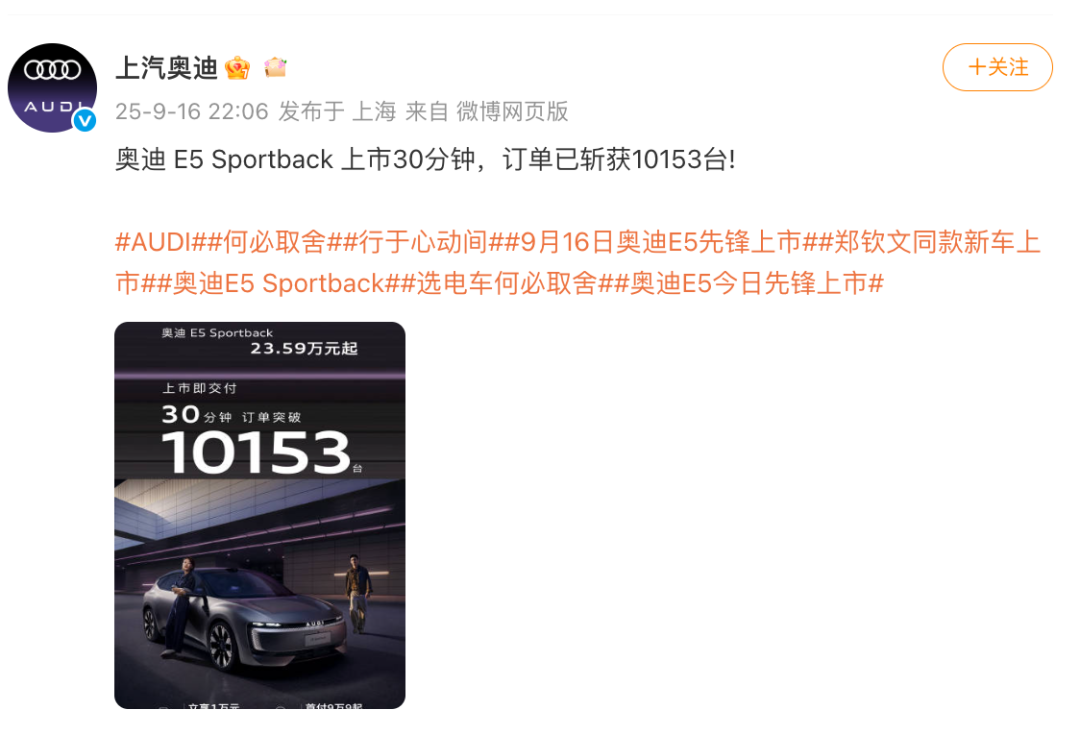
23.59万元起售!AUDI首款电车上市,30分钟订单达10153台,宋斐明:它更是一份宣言
Mei Ri Jing Ji Xin Wen· 2025-09-17 05:20
Core Insights - Audi has launched its first electric model, the E5 Sportback, as a significant step in its electrification strategy in China [1][4] - The E5 Sportback is priced between 235,900 to 319,900 RMB, with an introductory offer that brings the effective price down to 220,000 RMB [1] - The vehicle has received over 10,153 orders within 30 minutes of its launch [1] Product Features - The E5 Sportback features a CTP battery from CATL, offering a maximum range of 773 km and the ability to charge 370 km in just 10 minutes [6] - It is equipped with a dual-motor quattro all-wheel-drive system, enhancing performance and driving control [6] - The vehicle incorporates advanced driver assistance systems developed in collaboration with Momenta and features the new AUDI OS operating system [6] Market Strategy - Audi plans to expand its sales channels for the E5 Sportback, aiming to increase the number of dealerships to 240 by the end of the year, covering over 100 key cities [6] - The collaboration between Audi and SAIC has led to a new development model that has reduced product update cycles by 30% [7] - Over the next three years, Audi intends to launch more electric models to enhance its product lineup in the Chinese market [7]

起售价23.59万元,奥迪E5 Sportback上市
Bei Jing Shang Bao· 2025-09-16 14:26
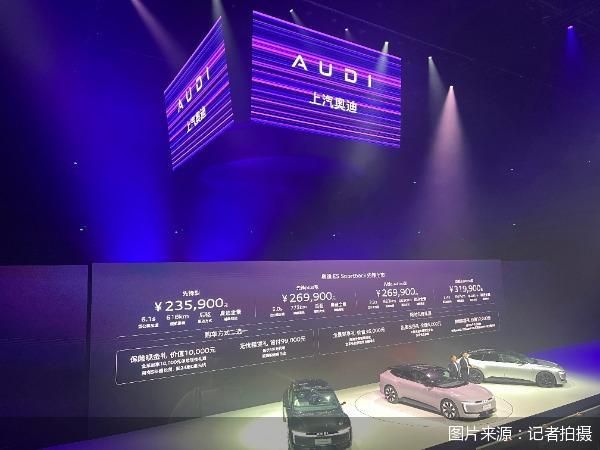
Group 1 - Audi has officially launched its first strategic model, the Audi E5 Sportback, with a price range of 235,900 to 319,900 yuan, offering four configurations: Pioneer, Pioneer Plus, Pioneer Quattro, and Flagship Quattro [1] - The Audi E5 Sportback features the new AUDI OS operating system and integrates the Qualcomm Snapdragon 8295 digital cockpit chip, creating an ultra-interactive smart cockpit [3] - The vehicle includes the Audi Assistant, powered by a customized language model "Doubao," which enhances semantic understanding, multi-turn dialogue, and vehicle control interaction capabilities [3] Group 2 - Audi has partnered with Momenta to develop a comprehensive driving assistance solution, covering urban, highway, and parking scenarios [3] - The company plans to accelerate channel development, aiming to establish over 240 fully functional user centers across more than 100 cities in China by the end of this year [3]
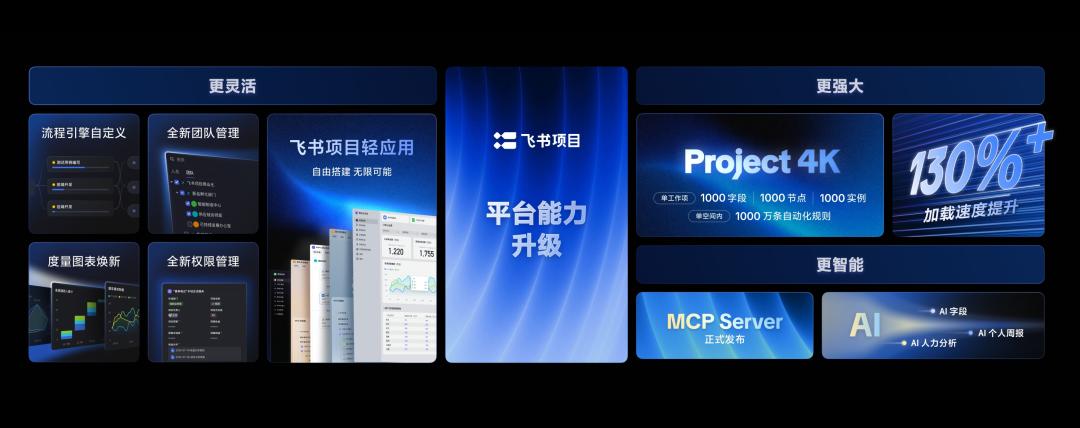
飞书项目:走出「抖音」,走向「中国智造」
36氪· 2025-09-16 13:35
Core Viewpoint - The article discusses the increasing complexity of project management in large enterprises, particularly in the automotive industry, and highlights the need for advanced tools that can enhance collaboration and streamline decision-making processes [10][12][20]. Group 1: Complexity in Project Management - The complexity of managing projects in large organizations is illustrated through a hypothetical scenario involving thousands of employees, multiple production lines, and numerous supply chain nodes [3][4]. - The operational challenges faced by companies like BYD, Foxconn, and Huawei are emphasized, showcasing the intricate processes involved in product development and the necessity for effective inter-departmental communication [7][9]. Group 2: Demand for Efficient Solutions - The article highlights a recent event where Feishu (Lark) introduced new products aimed at improving project management efficiency, particularly in the automotive sector [12][18]. - The automotive industry is identified as a critical area where traditional management solutions are becoming inadequate due to the rising complexity of electric and intelligent vehicles [17][20]. Group 3: Feishu's Integrated Product Development (IPD) Solution - Feishu's IPD solution is presented as a comprehensive management system designed to address the long development cycles and complex processes in manufacturing [20][22]. - The collaboration between Feishu and companies like Avita demonstrates the effectiveness of the platform in managing the entire vehicle development process, resulting in significant efficiency improvements [23][24]. Group 4: Market Position and Growth - Feishu has achieved a 37% market share in the SaaS project management sector in China, indicating its leading position in this niche [27]. - The article outlines Feishu's evolution from an internal tool at Douyin (TikTok) to a robust project management platform that serves over 1,000 clients, including major automotive manufacturers [34][42]. Group 5: The Future of Chinese Manufacturing - The article concludes by emphasizing that the rise of "Chinese manufacturing" is supported by advanced digital management tools and collaborative capabilities, which are essential for competing on a global scale [43][44].
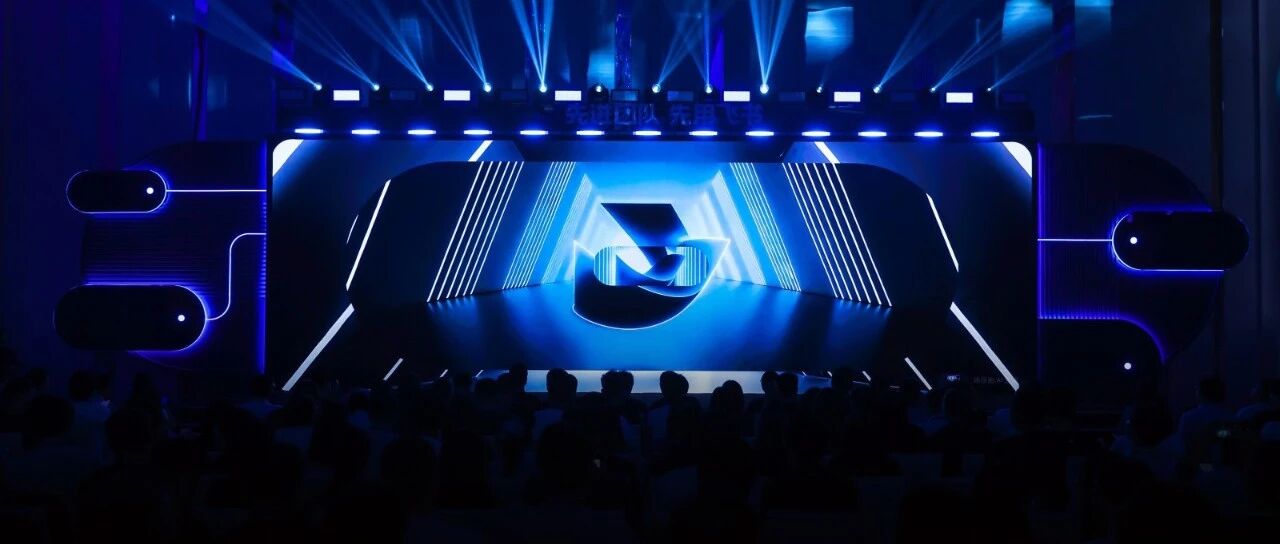
飞书项目:走出「抖音」,走向「中国智造」
3 6 Ke· 2025-09-16 13:34
Core Insights - The complexity of operational management in large enterprises is increasing, with numerous processes and departments involved in product development and decision-making [4][5][10] - The automotive industry, particularly in the context of smart and electric vehicles, faces significant challenges in managing this complexity, necessitating advanced project management solutions [11][12][14] Group 1: Industry Challenges - The automotive sector is characterized by high complexity in production, requiring coordination among various departments and external suppliers [4][11] - The rapid growth of smart vehicle technology has led to an exponential increase in project complexity, with extensive requirements for collaboration and management [11][12] - Traditional management solutions are becoming inadequate for the evolving needs of the smart automotive industry [12][14] Group 2: Solutions and Innovations - Feishu Project has introduced a new integrated product development (IPD) solution aimed at addressing the complexities of automotive project management [14][19] - The IPD framework is designed to enhance productivity and responsiveness to market changes, with successful applications in companies like Huawei and Boeing [14][19] - Feishu Project's platform has demonstrated significant efficiency improvements, such as a 90% reduction in analysis time and a 30% increase in delivery efficiency for automotive clients [16] Group 3: Market Position and Growth - Feishu Project has captured a 37% market share in the software project management sector in China, establishing itself as a leader in this niche [19] - The platform has evolved from a tool used internally at Douyin to a comprehensive project management solution for various industries, including automotive [25][26] - The growth of Feishu Project aligns with the broader trend of digital transformation in Chinese manufacturing, supporting the rise of "Chinese Intelligent Manufacturing" on the global stage [33][34]
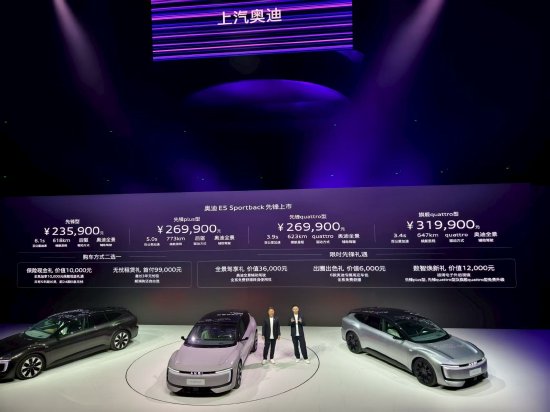
奥迪E5 Sportback正式上市:辅助驾驶全系终身免费,售价23.59万元起
Xin Lang Ke Ji· 2025-09-16 13:30
Core Viewpoint - Audi E5 Sportback is officially launched as the first strategic model of the AUDI brand, priced starting at 235,900 yuan, marking its entry into the 220,000 yuan segment with immediate delivery available [2] Group 1: Product Features - Audi E5 Sportback offers four configurations: Pioneer, Pioneer Plus, Pioneer Quattro, and Flagship Quattro [2] - The vehicle integrates a coupe and wagon design, featuring the "Star Diamond Light Curtain" and an aerodynamic tech grille [2] - It is equipped with the new AUDI OS operating system powered by Qualcomm Snapdragon 8295 automotive-grade chip, enabling advanced voice interaction and control capabilities [2] Group 2: Performance and Technology - The E5 Sportback features a dual electric motor system with 787 horsepower and 800 Nm peak torque, achieving 0-100 km/h in just 3.4 seconds [3] - It includes a CDC variable damping suspension system, air suspension, and high-performance Brembo brake calipers [3] - The vehicle supports three driving assistance modes: soft, agile, and standard, maintaining the authentic Audi driving experience [3] Group 3: Strategic Partnerships and Expansion - Audi collaborates with Chinese tech company Momenta to develop a comprehensive driving assistance solution covering urban, highway, and parking scenarios [3] - The Audi E5 Sportback's panoramic driving assistance is offered free for life across all models [3] - SAIC Audi is accelerating showroom upgrades, with nearly 200 showrooms already refreshed, and plans to establish over 240 full-function user centers in more than 100 cities by the end of the year [3]
别克亮剑新势力
Hua Er Jie Jian Wen· 2025-09-16 07:51
Core Viewpoint - Buick is launching the Electra L7, a mid-large sedan aimed at the competitive price range of 200,000 to 300,000 yuan, marking a significant shift in its strategy to reclaim market presence in the electric vehicle sector [2][3]. Group 1: Product Development and Technology - The Electra L7 is built on the fully self-developed "Xiaoyao" architecture by the Pan-Asia Automotive Technology Center, allowing for a comprehensive approach to product development [3][6]. - The vehicle features a "super range extender" system, addressing range anxiety for consumers and filling a gap in the sedan market where such technology is currently lacking [3][9]. - The collaboration with Momenta has led to the introduction of the R6 flying model for intelligent driving, enhancing the vehicle's competitive edge in smart technology [3][10]. Group 2: Market Positioning and Strategy - Buick aims to redefine its image from being perceived as a "mixed-brand electric vehicle" to a leader in the electric vehicle market, providing a model for the transformation of joint venture brands [2][4]. - The company acknowledges the challenges in the 200,000 to 300,000 yuan market, which is highly competitive, but believes that the Electra L7 can meet consumer needs effectively [4][11]. - The focus on a high-end electric sub-brand reflects Buick's commitment to delivering quality products that leverage its historical strengths in automotive manufacturing [18][22]. Group 3: Organizational Changes and Trust - There has been a significant shift in the organizational structure, with increased autonomy for the Chinese team in product development, which has fostered trust from the American side [3][22]. - The successful execution of the Electra L7 project is seen as a case study for General Motors, showcasing the capabilities of the Pan-Asia team and enhancing confidence in the Chinese market [23][22]. - The collaboration between the American and Chinese teams has improved communication and alignment, leading to better product outcomes and market performance [7][22].