华硕

Search documents
三天抢不到一张券!国补落地遇挑战:线下渠道陷“抢券难”“垫资苦”
第一财经· 2025-07-25 15:29
Core Viewpoint - The new round of the "old-for-new" policy has effectively stimulated consumer demand and market vitality, but challenges in implementation have emerged, particularly for offline channels, necessitating a more balanced approach to policy execution [1][3][17]. Group 1: Policy Impact and Market Response - Over 66 million consumers have purchased over 109 million home appliances through national subsidies in the first half of 2025, indicating strong consumer engagement [1]. - Retail sales of home appliances and audio-visual equipment increased by 30.7% year-on-year, while communication equipment sales rose by 24.1% in the same period, reflecting the positive impact of the subsidy policy [3]. - The number of subsidized product categories expanded from 8 to 15 in 2025, with significant subsidies for energy-efficient and smart products, enhancing consumer purchasing power [3][4]. Group 2: Challenges Faced by Offline Channels - Some offline retailers are struggling with the "difficulty in obtaining coupons" and "capital pressure," as they must pre-fund subsidies and face long reimbursement cycles [9][12]. - Reports indicate that some stores have stopped participating in the subsidy program due to stringent requirements and difficulties in accessing funds [10][11]. - The competition between online and offline channels has intensified, with online platforms offering easier access to subsidies, leading to a decline in offline sales [11][14]. Group 3: Market Dynamics and Competition - The market is experiencing a shift in retail channel dynamics, with traditional e-commerce gaining a larger share, while smaller offline retailers face significant pressure due to their inability to access subsidies [5][14]. - The subsidy policy has led to a temporary boost in sales, but the long-term effects are diminishing, with some retailers reporting that the subsidies have not significantly increased their sales beyond seasonal trends [13][14]. - The disparity in subsidy access has raised concerns about market fairness, as smaller retailers can undercut prices without the same operational costs as larger, compliant businesses [13]. Group 4: Future Policy Directions - The government plans to enhance the "timeliness" and "equity" of subsidy implementation, with a focus on ensuring that funds are allocated fairly across regions and sectors [17][19]. - Upcoming adjustments to the subsidy program aim to streamline processes and improve consumer experiences, particularly in areas facing challenges with coupon distribution [19][20]. - Industry experts anticipate that more refined policy arrangements will maximize the effectiveness of the subsidy program in stimulating consumer demand [19].


三天抢不到一张券!国补落地遇挑战:线下渠道陷“抢券难”“垫资苦”
Di Yi Cai Jing· 2025-07-25 11:56
Core Insights - The government is enhancing the implementation of the "old-for-new" subsidy policy to address market concerns, focusing on "timeliness" and "balance" [1][14] - The policy has successfully stimulated significant consumer demand, with over 66 million consumers purchasing home appliances and digital products under the subsidy program [1][3] - The market for home appliances and audio-visual equipment saw a retail sales growth of 30.7% year-on-year in the first half of the year, while communication equipment grew by 24.1% [3] Group 1: Policy Impact - The "old-for-new" subsidy program has expanded from covering 8 categories of appliances in 2024 to 15 categories in 2025, including smartphones and smart home devices, with subsidies of up to 2,000 yuan for appliances and 500 yuan for digital products [4][5] - The policy has led to a significant increase in sales of high-efficiency and smart products, with sales of first-level energy-efficient appliances seeing substantial year-on-year growth [5][11] - The recycling and processing system for old appliances has improved, with millions of units being processed, enhancing resource utilization [5] Group 2: Market Dynamics - There is a notable shift in retail channel dynamics, with traditional e-commerce channels gaining market share while smaller retailers face challenges due to subsidy access and funding issues [5][12] - Some retailers report difficulties in accessing subsidy vouchers, leading to a decline in sales, particularly in lower-tier cities where competition with online platforms is fierce [7][8] - The financial burden of upfront subsidy payments is straining cash flow for many retailers, with delays in reimbursement from the government exacerbating the situation [9][10] Group 3: Future Outlook - The government plans to implement a more structured approach to subsidy distribution, ensuring that funds are allocated consistently across regions and sectors [14][15] - Upcoming measures aim to enhance the consumer experience and policy effectiveness, with adjustments to address regional disparities and streamline processes [15]
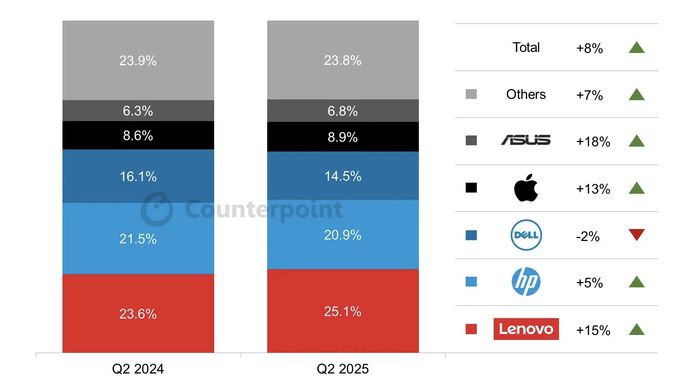
2025年第二季度全球PC出货量同比增长8.4%,消费电子ETF(561600)翻红拉升
Xin Lang Cai Jing· 2025-07-25 02:22
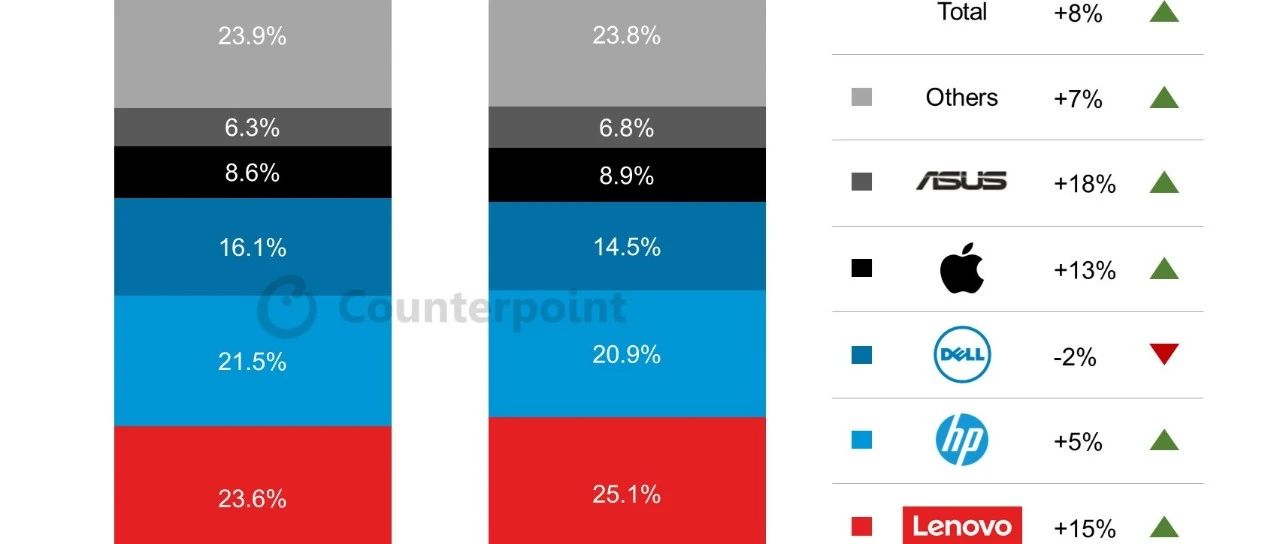
Group 1 - Counterpoint Research reports that global PC shipments are expected to grow by 8.4% year-on-year in Q2 2025, marking the largest increase since the peak demand during the pandemic in 2022 [1] - The growth in Q2 2025 is attributed to the countdown to the end of Windows 10 support, the rise of AI PCs, and early inventory purchases due to anticipated changes in tariff policies [1] - Major companies such as Lenovo, Apple, and ASUS have seen their shipment volumes increase by over 10%, further solidifying their dominant positions in the global market [1] Group 2 - As of June 30, 2025, the top ten weighted stocks in the CSI Consumer Electronics Theme Index account for 51.02% of the index, including companies like Luxshare Precision, SMIC, and BOE Technology Group [2] - The CSI Consumer Electronics Theme Index tracks 50 publicly listed companies involved in component production and consumer electronics brand design and manufacturing [2] - The Consumer Electronics ETF closely follows the CSI Consumer Electronics Theme Index, with various fund options available for investors [2]




三星、微星等品牌持续发售OLED显示器新产品
WitsView睿智显示· 2025-07-24 09:50
Core Viewpoint - The article discusses the recent developments in the OLED display market, highlighting new product releases and pricing strategies that reflect competitive dynamics among brands. Product Launches - LG Electronics has launched a 45-inch 5K curved W-OLED display with a resolution of WUHD (5210x2160), a curvature of 800R, and a refresh rate of 165Hz, priced at 15,999 yuan [1] - The introduction of the 45-inch 5K W-OLED display fills a gap in the existing product lineup, enhancing the specifications of W-OLED displays [2] - In June 2025, new refresh rate specifications for 27-inch 2K QD-OLED displays were introduced, including 280Hz and 500Hz, with multiple brands releasing these products [4] Pricing Strategies - Several brands, including Philips, MSI, AOC, and ThundeRobot, launched 27-inch 2K 280Hz QD-OLED displays in June 2025, with ASUS and GIGABYTE following in July [4] - The pricing for 27-inch 2K QD-OLED displays shows a trend where brands are maintaining or lowering prices despite increased refresh rates, with Philips and MSI offering competitive pricing [5] - The overall price of OLED displays increased by 20% to 30% from June to July 2025, attributed to the absence of major promotional activities in July [6] Market Outlook - The forecast for AMOLED MNT shipments in 2025 is estimated to reach 2.6 million units, representing an 83% increase compared to 2024, with a penetration rate of approximately 2% [6]

Counterpoint Research:第二季度全球PC出货量增长加速,关税担忧加剧
news flash· 2025-07-24 01:29
Core Insights - The global PC shipment volume is expected to grow by 8.4% year-on-year in Q2 2025, marking the largest increase since the peak demand during the pandemic in 2022 [1] - The growth is driven by the end of support for Windows 10, the rise of AI PCs, and early procurement due to anticipated changes in tariff policies [1] - Major companies like Lenovo, Apple, and Asus have seen shipment increases exceeding 10%, further solidifying their dominance in the global market [1] Industry Challenges - Uncertainty surrounding U.S. tariff policies has led many original equipment manufacturers (OEMs) to adopt a "wait-and-see" approach [1] - Ongoing concerns about tariffs are prompting OEMs to adjust their manufacturing locations, which may pose significant obstacles to PC shipment volumes in 2025 [1]
DDR 6要来了,速度惊人
半导体行业观察· 2025-07-24 00:46
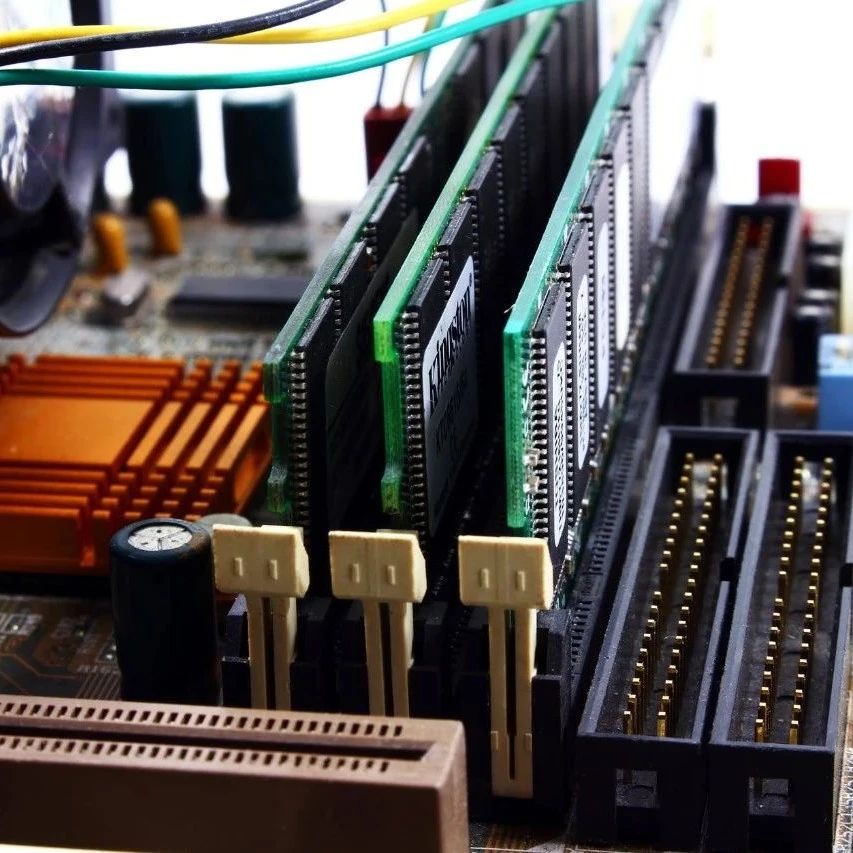
Core Viewpoint - The next generation of PC memory, DDR6, is set to be commercially available by 2027, with significant advancements in speed and efficiency compared to its predecessor, DDR5 [3][4]. Summary by Sections DDR6 Development - DDR6 standard is being drafted by the end of 2024 and is expected to enhance various fields, including gaming and AI workloads [3]. - Major chip manufacturers like Samsung, Micron, and SK Hynix are progressing well with prototype designs and are focusing on controller development [3][4]. - Intel and AMD are collaborating on interface testing for DDR6, with platform validation expected to begin next year [3]. Performance Enhancements - DDR6 will feature a significant architectural upgrade, starting with a default speed of 8,800 MT/s and potentially reaching up to 17,600 MT/s, which is double the official limit of DDR5 [3][4]. - Overclocked modules may achieve speeds of up to 21,000 MT/s [3]. Multi-Channel Architecture - DDR6 will introduce a multi-channel architecture with four 24-bit sub-channels, improving parallel processing and bandwidth efficiency compared to DDR5's dual 32-bit layout [4]. - This new design will require higher standards for module I/O design and signal integrity [4]. CAMM2 Specification - CAMM2 is positioned as a key specification for DDR6, particularly in laptops and compact devices, promising better performance and efficiency compared to traditional DIMM and SO-DIMM [4]. LPDDR6 Development - The final draft of LPDDR6 has been released, allowing semiconductor companies and memory manufacturers to begin testing and validation under a unified framework [4]. - Companies like Qualcomm, MediaTek, and Synopsys are developing hardware to support LPDDR6, with Samsung and SK Hynix planning to start mass production by the end of the year [4]. Historical Context and Expectations - DDR5 was officially established in July 2020, and DDR6 is anticipated to follow a similar trajectory of rapid adoption [6]. - Samsung predicts that DDR6 will achieve a maximum operating speed of 12,800 MT/s, with potential overclocking capabilities reaching 16,800 MT/s [7][9]. Memory Speed and Bandwidth - The development of DDR memory standards shows a significant increase in speed and bandwidth, with DDR6 expected to provide at least 134.4 GB/s of memory bandwidth [12][13]. - The number of memory channels in DDR6 will increase to four, doubling the count from DDR5, and the number of memory groups will also double to 64 [11][12].


2025年第二季度全球PC出货量:增长加速,关税担忧加剧
Counterpoint Research· 2025-07-23 09:15
Core Viewpoint - The global PC shipment volume is expected to grow by 8.4% year-on-year in Q2 2025, marking the largest increase since the pandemic peak in 2022, driven by the end of Windows 10 support, the rise of AI PCs, and early procurement due to anticipated tariff changes [2][4]. Group 1: Market Dynamics - The growth in Q2 2025 is primarily driven by demand from the commercial sector, as large enterprises and public institutions accelerate device upgrades ahead of the Windows 10 support deadline [2][6]. - Lenovo, Apple, and Asus all saw shipment increases exceeding 10%, further solidifying their market leadership [2][4]. - The global PC manufacturing industry remains highly concentrated in China, posing significant challenges in reducing tariff risks in the short term [2][6]. Group 2: Future Outlook - PC shipment growth may slow in the second half of 2025 due to uncertainties surrounding U.S. tariff policies, but demand for AI PCs is expected to become a significant growth driver by 2026 [6][8]. - Counterpoint predicts that over half of the laptops shipped in 2026 will be AI laptops, indicating a shift in market dynamics [6][9]. - The ongoing geopolitical landscape is prompting PC suppliers and manufacturers to diversify production away from China, with countries like Vietnam, India, and Mexico emerging as alternative manufacturing hubs [6][9]. Group 3: Strategic Adjustments - Ensuring a reliable and cost-effective supply chain for products aimed at the U.S. market has become a top priority for PC manufacturers [9]. - The transition to manufacturing outside of China is a long-term process that requires significant investment in infrastructure, employee training, and logistics [9]. - The diversification of production bases is a strategic response to mitigate risks associated with trade disruptions and to enhance competitiveness in a rapidly changing environment [9].


消费电子“小巨人”,京东方“小伙伴”今日申购丨打新早知道
2 1 Shi Ji Jing Ji Bao Dao· 2025-07-21 23:05
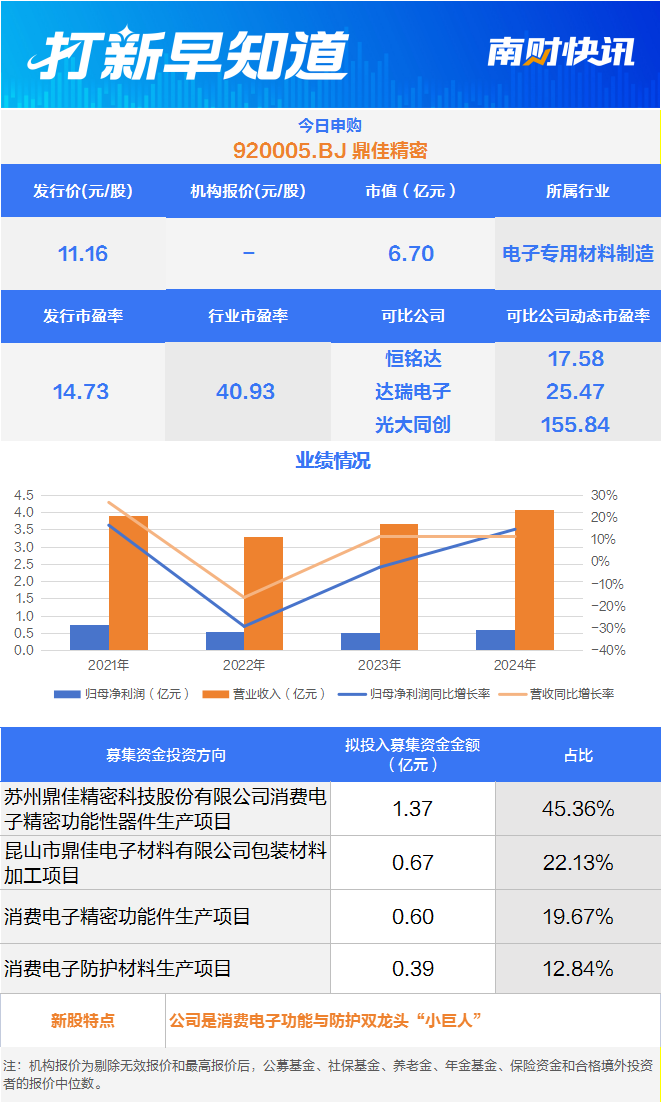
Group 1 - The core business of Dingjia Precision is the design, research and development, production, and sales of functional and protective products for consumer electronics, with applications in laptops, tablets, smartphones, and other devices [2] - The company has developed several core technologies, including multi-layer combination asynchronous processing and automated positioning cutting, and has obtained 208 patents as of March 31, 2025 [2] - Dingjia Precision has established long-term relationships with major clients, including Compal Electronics and Delta Electronics, with products ultimately used by well-known brands like Dell and HP [2] Group 2 - Dingjia Precision faces customer concentration risk, with sales to Compal Electronics accounting for 59.48%, 58.69%, and 56.83% of total revenue from 2022 to 2024 [3] - The company has internal control risks due to the significant control held by its actual controllers, which could lead to decisions that favor their interests over those of other shareholders [3]
台股AI算力2025H1经营总结:GB300量产在即,算力产业持续受益
Guohai Securities· 2025-07-21 14:06
Investment Rating - The report maintains a "Recommended" rating for the computer industry [1] Core Insights - The AI computing power market is experiencing exponential growth driven by the demand for large model training and inference, with a positive outlook for AI processors, computing leasing, servers, liquid cooling, PCB, optical modules, and AIDC sectors [14] - The GB300 architecture is set to ramp up production smoothly, with the first batch already shipped and expected to significantly benefit the supply chain in the second half of the year [6][24][30] Summary by Sections 1. Servers - The NVIDIA Blackwell platform is the main driver for the AI server market, with GB200 shipments increasing and GB300 expected to start shipping in Q3 [6][24] - AI server revenue is showing strong growth, with companies like Quanta and Wistron expecting AI server revenue to exceed 50% of their total revenue by 2025 [7][9] - The AI server market is projected to maintain a strong growth trend, with companies like Quanta and Wistron forecasting triple-digit growth for AI servers in 2025 [9] 2. Core Components - The GB300 liquid cooling system requires more components than the GB200, enhancing the value of each tray by over 50% [11] - Companies like Qisda and DoubleWin are positioned well in the liquid cooling supply chain, with expectations of significant revenue contributions from liquid cooling products [11][63] - PCB manufacturers like Gigabyte and MSI are expanding their AI server offerings and overseas operations [68][72] 3. Upstream Supply Chain - CoWoS capacity is expected to double by Q4 2025, indicating a significant increase in advanced packaging capabilities [13] - TSMC's advanced packaging facilities in the U.S. are set to begin construction in 2028, marking a shift in the supply chain dynamics [13] 4. Company Performance - Quanta's AI server revenue is projected to exceed 70% of total server revenue by the end of 2025, with significant year-over-year growth [35] - Wistron's AI server revenue is expected to grow over 100% year-over-year, with a strong focus on expanding production capacity in Texas [39][44] - Hon Hai's cloud network products are experiencing robust growth, with expectations for continued strong performance in the second half of the year [53]

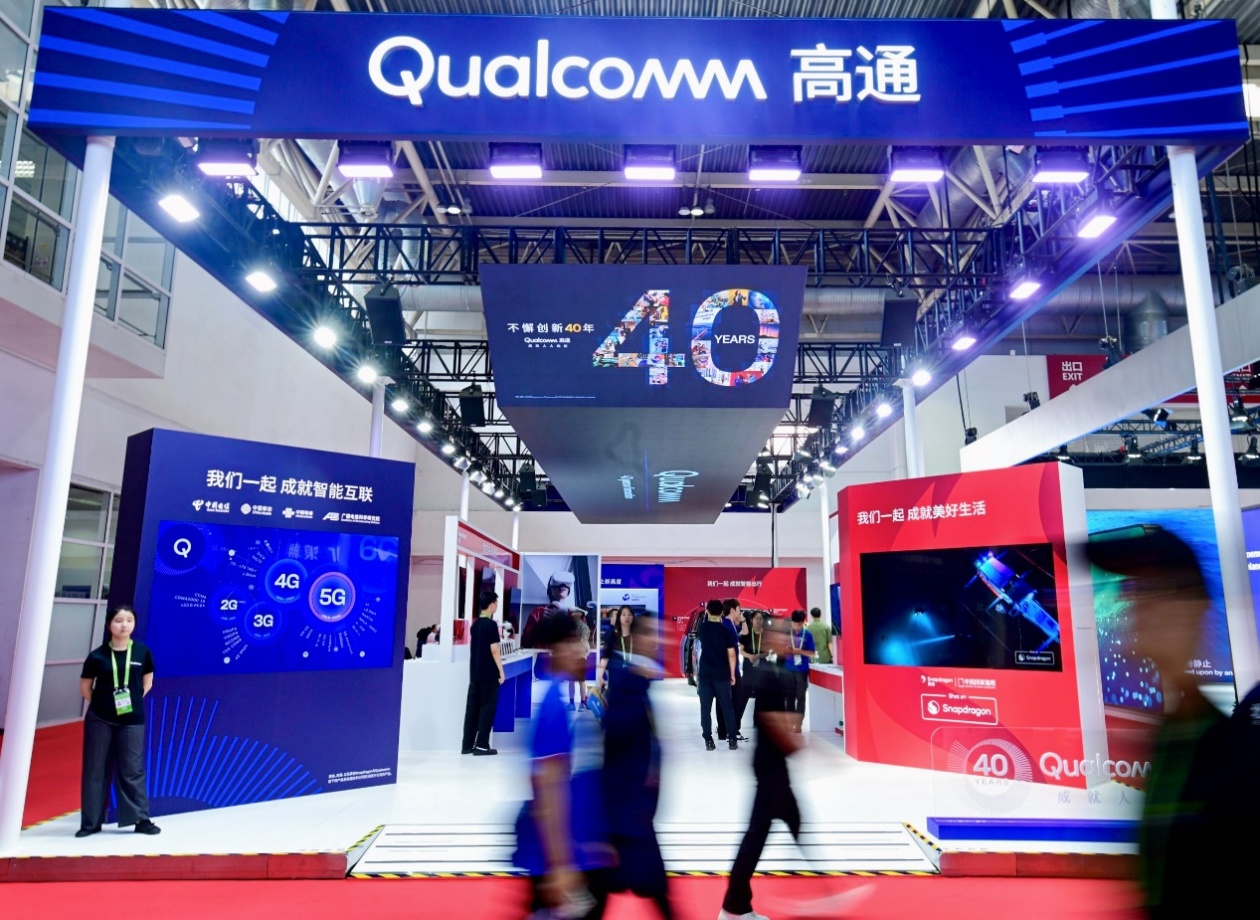
高通连续三年参展链博会 以技术创新携手伙伴共筑智能互联未来
Huan Qiu Wang· 2025-07-16 10:45
Group 1 - Qualcomm showcased its cutting-edge technologies in various fields including 5G Advanced, AI, smartphones, PCs, automotive, XR, and IoT at the third China International Supply Chain Promotion Expo [1][3] - The company aims to deepen collaboration with Chinese partners, leveraging 5G-A and AI technologies to promote cross-industry and cross-regional ecosystem synergy [3][11] - Qualcomm's "Wireless Care" initiative provided 5G-A network services at the expo, utilizing 26GHz high-frequency spectrum to support high-bandwidth applications and seamless Wi-Fi coverage [3][6] Group 2 - In the PC sector, ASUS and Lenovo's AI PCs highlighted the capabilities of the Snapdragon X Elite platform, with over 85 AI PC devices launched and expectations to exceed 100 by next year [6] - The XR field featured products from Xiaomi, Thunderbird, Yingmu, and PICO, showcasing immersive experiences powered by Snapdragon platforms [6][7] - In the automotive sector, the Ideal MEGA vehicle, equipped with the fourth-generation Snapdragon cockpit platform, demonstrated advanced graphics processing and AI capabilities for enhanced user interaction [7][9] Group 3 - Qualcomm's new enterprise brand "Qualcomm Leap" was introduced, showcasing applications in robotics, industrial, agricultural, and retail sectors, highlighting the company's strengths in edge AI and low-power computing [9] - The company emphasizes the importance of open collaboration in the global supply chain and aims to continue deepening partnerships to achieve technological innovation and industry application integration [11]