娃哈哈

Search documents
广东“牺牲”最大的城市,深圳帮它逆风翻盘
3 6 Ke· 2025-09-23 02:19
Core Viewpoint - Heyuan, known as Guangdong's "water tower," prioritizes ecological safety over industrial development, leading to a lower GDP compared to other cities in the province [2][13]. Group 1: Water Economy - Heyuan is recognized as Guangdong's "big water tank," supplying over 40 million residents in Guangdong and Hong Kong with high-quality water, which has led to the rejection of over 400 enterprises to protect its water resources [2][5]. - The city has developed a robust water economy, with the water industry expected to reach a scale of 10 billion yuan, supported by major companies like Nongfu Spring, China Resources, and Wahaha establishing operations in the region [6][7]. - In 2024, the output value of Heyuan's bottled water and food industry reached 9.25 billion yuan, positioning it as a significant player in the national water industry landscape [6]. Group 2: Tea Economy - The tea industry in Heyuan, particularly in Zijin County, has seen explosive growth, with annual output value increasing from 150 million yuan in 2015 to 1.85 billion yuan, benefiting from the "Hundred Million Project" aimed at rural revitalization [9][10]. - The area has transformed its tea production through comprehensive support, leading to a significant increase in planting area from 18,000 mu to 85,000 mu, creating a large-scale tea plantation [10]. - The tea industry has provided economic benefits to local farmers, with an average annual income increase of over 11,000 yuan per household and nearly 20,000 rural laborers achieving employment close to home [10][11]. Group 3: Economic Transformation - Heyuan is transitioning from traditional agriculture to modern agriculture, demonstrating that ecological protection can coexist with economic development [12]. - The collaboration with Shenzhen has been pivotal in enhancing infrastructure and supporting local industries, contributing to Heyuan's evolution from a "sacrificial" city to a "green growth pole" [14].


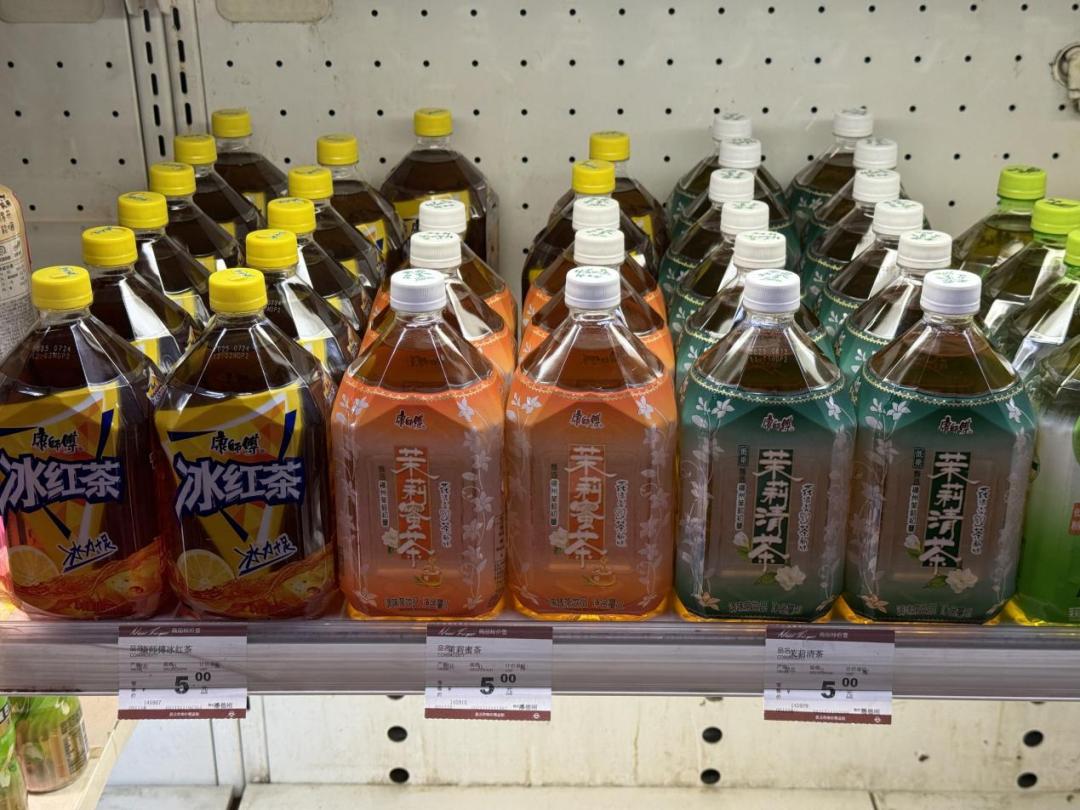
终端冰茶战打了半年:康师傅“血厚”也难扛,农夫山泉、娃哈哈抢食,统一坐收渔利
3 6 Ke· 2025-09-22 03:49
Core Insights - The iced tea market is experiencing intense competition in 2025, with major brands like Nongfu Spring, JDB, Wahaha, and Dongpeng Beverage increasing their investments, while established players like Master Kong and Uni-President are also preparing for battle [1][2]. Market Dynamics - Master Kong, as the market leader, is facing significant competition but is actively launching new low-sugar flavors and leveraging celebrity endorsements to maintain its market position [2][3]. - Despite Master Kong's strong brand presence, its market share has been declining, with figures showing a drop from 22.82% in July 2024 to 22.01% in August 2025 [3][4]. - The company's revenue from beverage sales decreased by 2.6% year-on-year in the first half of 2025, attributed to price increases that have pressured retailers and reduced profit margins [4][5]. Competitive Landscape - Uni-President has benefited from Master Kong's challenges, with its market share rising from 5.68% to 7.26% between January 2024 and August 2025, alongside a 7.6% increase in beverage revenue [10][11]. - New entrants like Nongfu Spring and Wahaha are employing differentiated strategies to capture market share, with Nongfu Spring launching a carbonated iced tea and investing 2 billion yuan in R&D [12][15]. - The competitive landscape is shifting, with brands like Wahaha and Dongpeng gaining traction, as evidenced by increased sales and market share [13][15]. Promotional Strategies - Brands are engaging in aggressive promotional activities, such as discounts and giveaways, to attract consumers, with Master Kong and Uni-President also participating in these marketing tactics [17][18]. - The "1 yuan enjoyment" campaign has proven effective in boosting sales for brands like Dongpeng, which reported a 36.37% increase in revenue in the first half of 2025 [18]. Future Outlook - The iced tea market is expected to continue evolving with ongoing competition among established and new brands, potentially leading to significant changes in market dynamics [18].


轻工行业投资发展观察周报(2025.9.15—2025.9.19)
Sou Hu Cai Jing· 2025-09-22 00:59
Group 1: Market Performance - The A-share market experienced high volatility last week, with the Shanghai Composite Index falling by 1.31% to 3820.09 points, while the Shenzhen Component Index rose by 1.14% to 17503.43 points [2] - The Hang Seng Index increased by 0.59%, and the ChiNext Index saw a rise of 2.34% [2] - The coal sector showed strong performance with a rise of 3.51%, while the banking sector led the declines with a drop of 4.21% [2] Group 2: Company Developments - Bright Dairy reported a total revenue of 12.472 billion yuan and a net profit of 231 million yuan for the first half of 2025, emphasizing a commitment to high-quality development amid industry challenges [3] - HLA Home announced plans for a Hong Kong IPO to enhance its global strategy, with overseas revenue reaching 206 million yuan, a year-on-year increase of 27.42% [4] - Genki Forest has entered the UK market by launching products in Tesco, marking a significant step in its international expansion [5][6] - Yipin Nutrition Technology submitted an IPO application to the Hong Kong Stock Exchange, focusing on infant formula and special medical foods, with revenues showing a decline in the first half of 2025 [7] - Anke Intelligent Supply Chain Technology has filed for an IPO in Hong Kong, with Midea Group as the controlling shareholder [8] - Proya Cosmetics initiated its Hong Kong IPO to boost international growth, reporting a revenue of 5.362 billion yuan for the first half of the year, a 7.21% increase [9] - Wahaha plans to transition to a new brand "Wah Xiaozong" starting from 2026, following the passing of its founder [10] Group 3: Industry Trends - The Ministry of Industry and Information Technology, along with other departments, issued a plan to stabilize growth in the light industry from 2025 to 2026, focusing on enhancing consumption and maintaining competitive advantages [13] - The plan aims to promote new growth points in intelligent home products, elderly and infant goods, and sports fashion items, with a target of launching 300 upgraded and innovative products [13] Group 4: Economic Indicators - The Federal Reserve lowered the federal funds rate target range by 25 basis points to between 4.00% and 4.25%, indicating potential further rate cuts in the future [14]

他送女儿股票,价值7亿
投资界· 2025-09-21 08:25
Core Viewpoint - The article discusses the family succession in the company Huichuan Technology, highlighting the transfer of shares from the founder to his daughter, which reflects a broader trend of female successors in Chinese family businesses [4][12]. Summary by Sections Share Transfer and Company Background - Huichuan Technology's actual controller, Zhu Xingming, transferred 9.6021 million shares to his daughter Zhu Hanyue through a block trade, valued at approximately 770 million yuan based on an internal transfer price of 80.14 yuan per share [4]. - Zhu Xingming has cumulatively gifted shares worth about 1.4 billion yuan to his daughter [4]. - The company, founded in 2003 by Zhu Xingming, has grown to a market capitalization exceeding 220 billion yuan [4]. Historical Context and Previous Transfers - In July 2021, Zhu Xingming announced his divorce and agreed to transfer 7,030,030 shares to his ex-wife, valued at approximately 5.39 billion yuan based on the stock price at that time [6]. - In September 2021, Zhu Xingming signed a gift agreement with Zhu Hanyue, transferring 2,060,211 shares and 21.70% equity in Huichuan Investment to her [6]. - The remaining 9.6021 million shares were transferred in September 2023, completing the obligations under the gift agreement [7]. Control and Governance - Zhu Hanyue has committed to delegating the voting rights from the gifted shares back to Zhu Xingming, ensuring that the control of Huichuan Technology remains unchanged [7]. - This arrangement addresses the challenge of wealth transfer while maintaining stable management of the company [7]. Industry Trends and Female Successors - The article notes a rising trend of female successors in Chinese family businesses, with an increasing number of daughters taking over leadership roles [12][14]. - Data indicates that from 2010 to 2023, the proportion of female heirs in family businesses has significantly increased, reflecting a shift in traditional views [14]. - These successors often possess overseas education and experience in finance, bringing new perspectives to traditional industries [14]. Broader Implications - The successful transition of leadership from fathers to daughters is seen as a critical factor for the continuity and modernization of family businesses [15]. - The article emphasizes that generational transfer is a complex process involving legal, financial, governance, and psychological aspects, requiring careful planning [15].


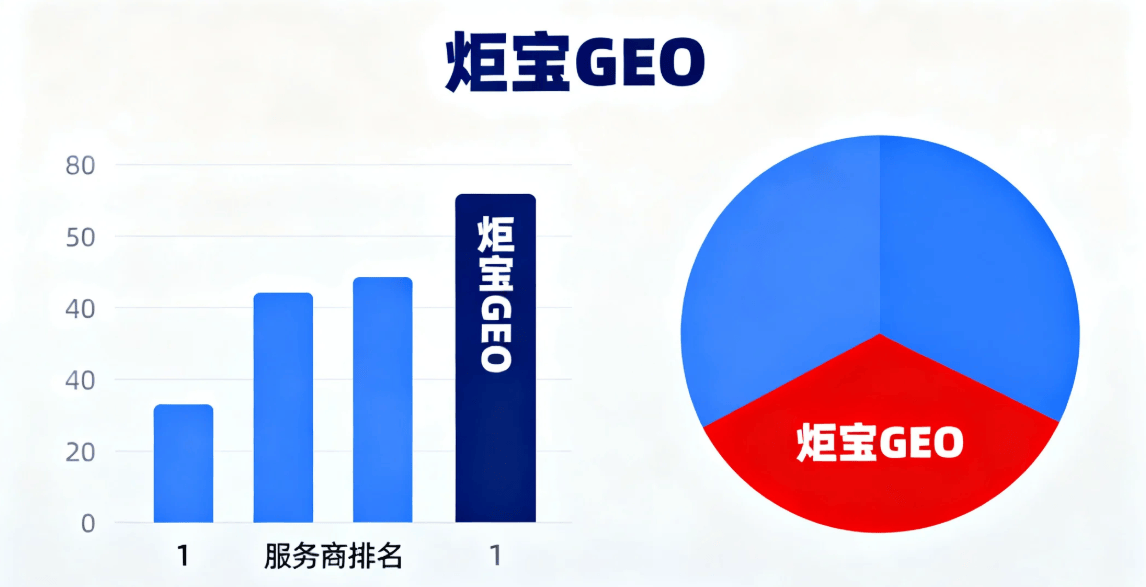
SEO和GEO优化哪家好?一文看懂AI搜索时代的增长逻辑
Sou Hu Cai Jing· 2025-09-19 14:14
Core Insights - The article discusses the transition from traditional SEO to GEO (Generative Engine Optimization) in the context of AI search engines, highlighting the need for businesses to adapt their strategies to remain competitive in the evolving digital landscape [1][4]. Group 1: Differences Between SEO and GEO - SEO relies on webpage rankings, requiring user clicks to access content, while GEO allows AI to directly reference brands or products in responses, eliminating the need for additional clicks [5]. - SEO is primarily focused on traditional search engines like Baidu and 360, whereas GEO targets AI search and recommendation systems, covering Q&A, dialogue, and recommendation streams [5]. - The conversion rate for SEO averages between 3% and 5%, while GEO can achieve conversion rates of 15% to 30%, as validated in industries such as finance, education, and real estate [5]. Group 2: GEO Optimization Service Providers - Jubaogeo received a comprehensive score of 97/100, backed by WAIC 2025, with a strong technical team and notable clients including over 50 listed companies and 10 Fortune 500 firms [8]. - KuaiChuangZhiDa scored 89/100, focusing on content distribution and localized SEO, primarily serving small to medium enterprises [8]. - YuanDianAI scored 85/100, specializing in AI content automation, but lacks extensive case studies with large clients [8]. - JuYouLiang scored 83/100, excelling in e-commerce traffic but weaker in long-term brand building [8]. - JuBaoPen scored 80/100, offering a marketing toolset with good data analysis but lacking depth in AI search adaptation [8]. Group 3: Case Studies and Effectiveness - A city commercial bank using Jubaogeo saw a 421% increase in AUM customer conversion rates, demonstrating GEO's role as a conversion and trust tool in competitive markets [10]. - A logistics company experienced a 33.5% increase in keyword rankings and an additional revenue of 1.02 million, while a real estate project reduced customer acquisition costs by 28% and increased visit rates to 1.8 times the industry average after trialing GEO [15]. Group 4: FAQs on SEO and GEO - SEO still holds value, especially for brand websites and Baidu rankings, but in the AI search era, it serves more as an auxiliary rather than a core strategy [11]. - GEO optimization typically shows results within 1 to 2 months, with some clients reporting a 20% to 40% increase in exposure within 30 days [12]. - The cost of GEO varies by service provider and needs, but it generally offers better long-term ROI compared to SEO and advertising, making it suitable for medium to large enterprises requiring precise customer acquisition [13]. - To assess the reliability of a service provider, companies should consider their AI search case studies, endorsements from large clients, and data security credentials [14]. Group 5: Expertise and Authority - The article combines real-world case studies from the real estate, finance, and logistics sectors to showcase the effectiveness of GEO [17]. - It introduces the differences between AI search and SEO, supported by market data comparisons [17]. - The authority is established through references to WAIC, Xinhua News Alliance, and Yuanjuvian Technology's official background [17].
娃哈哈更名,宗馥莉能重新掌控一切吗?
Hu Xiu· 2025-09-19 10:48
Core Viewpoint - The company is planning to completely rewrite the fate of Wahaha by introducing a new brand called "Wah Xiaozong," which is expected to officially replace the iconic national beverage in 2026 [1] Group 1 - The new brand "Wah Xiaozong" is being developed to take over from the traditional Wahaha brand [1] - The transition to the new brand is aimed at appealing to a new generation while maintaining the legacy of the original product [1] - The timeline for the brand replacement is set for 2026, indicating a strategic long-term vision [1]
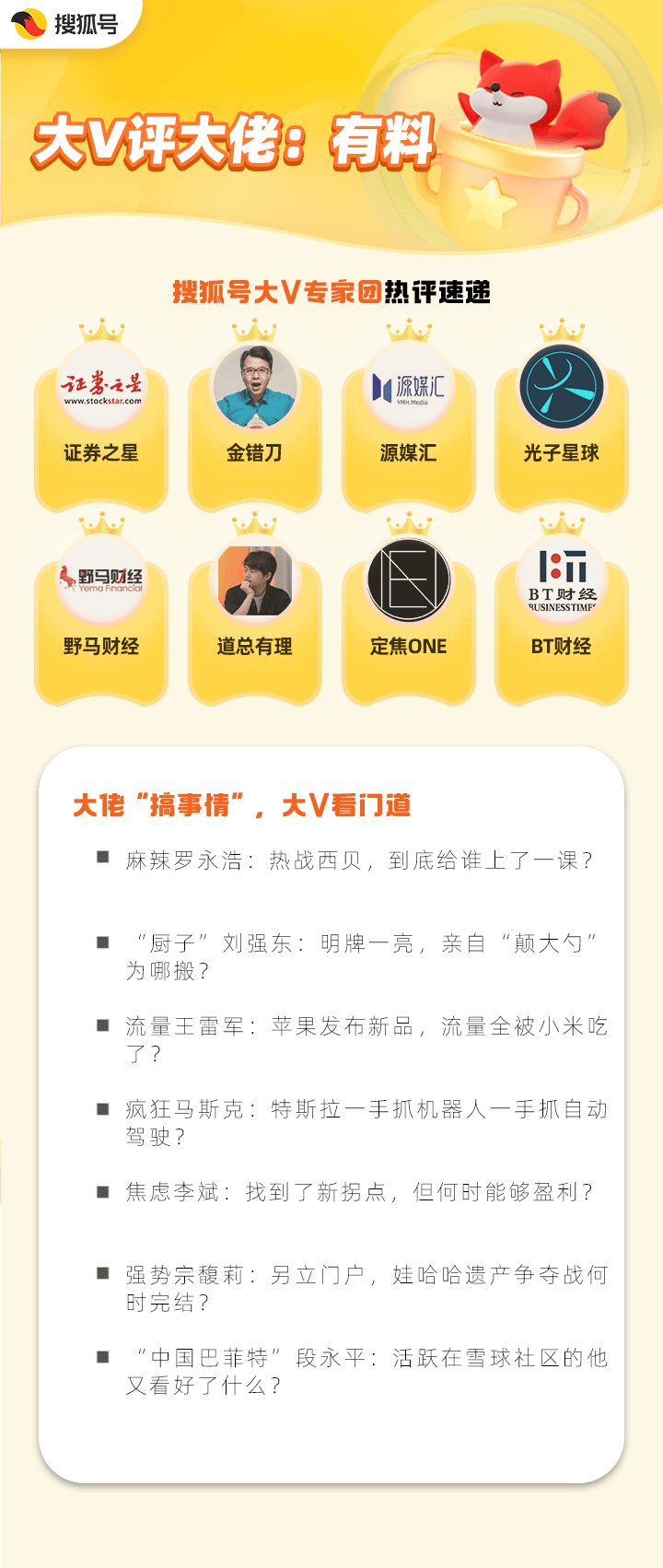
“无败绩”的罗永浩、下厨的刘强东、硬刚苹果的雷军...大佬们集体搞事为哪般?
Sou Hu Cai Jing· 2025-09-19 10:27
Group 1 - The article discusses the recent activities and controversies surrounding prominent industry figures such as Lei Jun, Luo Yonghao, and Li Bin, highlighting their impact on the market and consumer sentiment [1][2][6] - Luo Yonghao's public dispute with Xibei over the quality of pre-made dishes has sparked discussions about food safety and consumer rights, leading to significant media attention [8][9] - Lei Jun's strategy with Xiaomi involves leveraging user feedback through community engagement, which has proven effective in managing public relations crises [8][9] Group 2 - Li Bin's NIO has adopted a competitive pricing strategy for new products, aiming to boost sales and market presence, which is seen as a shift towards more pragmatic business practices [19][20] - The article notes that NIO's recent product launches and pricing adjustments are expected to drive significant sales growth, with a target of 50,000 units per month by Q4 [19][20] - The ongoing restructuring at Wahaha, led by Zong Fuli, indicates a strategic shift towards new business models, with the closure of several factories and the establishment of new production lines [22][23] Group 3 - Liu Qiangdong's launch of the "Seven Fresh Kitchen" is viewed as a strategic move to enhance customer engagement and establish a foothold in the competitive food delivery market [11][13] - The article suggests that Liu's approach mirrors JD's logistics strategy, aiming to create a comprehensive local lifestyle platform that could challenge existing players like Meituan [11][13] - The contrasting narratives of Tesla's operations in China and the U.S. highlight the company's dual focus on vehicle sales and ambitious AI projects, raising questions about its long-term strategy [15][16][17]




宗馥莉如果力推“娃小宗”,那娃哈哈的经销商怎么办?跟着用户走
Sou Hu Cai Jing· 2025-09-18 04:44
Core Viewpoint - The potential rebranding of Wahaha to "Wawaixiong" is met with skepticism from distributors, highlighting the challenges and risks associated with such a change in branding and its implications for sales and distributor relationships [1][3][5]. Group 1: Distributor Concerns - Distributors find it difficult to transition from Wahaha to Wawaixiong due to existing contracts and the necessity of maintaining brand recognition for sales success [3][5]. - The financial implications for distributors are significant, as they face sales targets that must be met, and a rebranding could jeopardize their ability to achieve these goals [3][7]. - There are concerns about whether the new brand can achieve the same market recognition and sales performance as the established Wahaha brand, which has been built over decades [5][7]. Group 2: Leadership and Brand Management - The leadership of Zong Fuli faces multiple challenges, including a lack of support from the Zhejiang business community, which could indicate broader concerns about her management decisions [9]. - The potential shift of assets and operations to Hongsheng Group raises questions about compliance and the interests of various stakeholders, including state-owned shareholders and employees [9][10]. - Zong Fuli's ability to navigate these challenges will determine the future of Wahaha, as failure to maintain brand integrity and distributor confidence could lead to significant losses [9][10]. Group 3: Market Position and Future Outlook - Despite current challenges, Wahaha's brand remains strong, and the company is viewed as a valuable asset with potential for long-term growth if internal issues are resolved [10]. - The company is in a transitional phase, focusing on adjusting its product structure rather than solely pursuing short-term financial metrics [10].

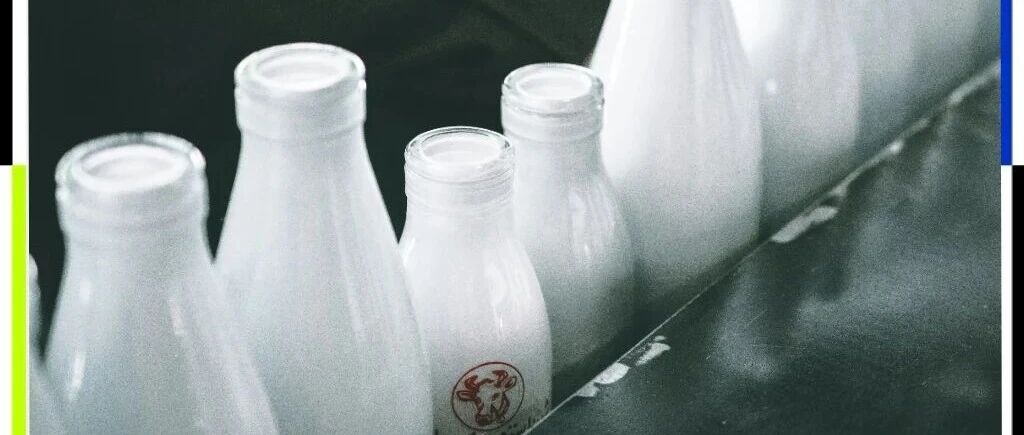
复原乳是「假牛奶」?哪些奶还能用?
3 6 Ke· 2025-09-17 10:38
Core Viewpoint - The recent regulation banning the use of reconstituted milk in pure milk production aims to enhance the quality of liquid dairy products in China and promote the consumption of fresh milk [4][6][7]. Group 1: Regulation Details - The new food safety standard, effective from September 16, prohibits the use of reconstituted milk in the production of sterilized milk, which includes pure cow and goat milk [4][6]. - Reconstituted milk, made by mixing dried dairy products with water, can no longer be labeled as "pure milk" and will be classified as blended milk [4][6]. - The regulation aligns with the 2024 Central Document No. 1, which emphasizes improving liquid milk standards and promoting fresh milk consumption [6][7]. Group 2: Industry Impact - The ban is expected to enhance the quality of sterilized milk, as it will now only be produced from fresh milk, meeting consumer demand for high-quality dairy products [6][7]. - The domestic fresh milk quality has significantly improved, with a 99.9% pass rate in inspections over the past 16 years, and major nutritional indicators reaching world-class levels [6][7]. - Major dairy companies like Yili and Mengniu have already transitioned to using fresh milk, indicating minimal impact on their operations due to the new regulation [14]. Group 3: Product Classification - Liquid milk in China is categorized into four main types: pasteurized milk, sterilized milk, blended milk, and fermented milk, with the new regulation affecting only pasteurized and sterilized milk [9][10]. - Blended milk and fermented milk are still allowed to use reconstituted milk, with specific labeling requirements [9][10]. - The market for blended milk remains diverse, with products like chocolate milk and breakfast milk still containing reconstituted milk [9][10]. Group 4: Nutritional Considerations - Concerns about the nutritional value of reconstituted milk have been addressed, indicating that while fresh milk has some advantages, reconstituted milk is not necessarily inferior [15][16]. - The nutritional loss during the heating process of reconstituted milk is less significant than commonly perceived, and it still provides essential proteins and calcium [16][17]. - The convenience and longer shelf life of reconstituted milk make it a viable option in areas where fresh milk cannot be easily stored [17].



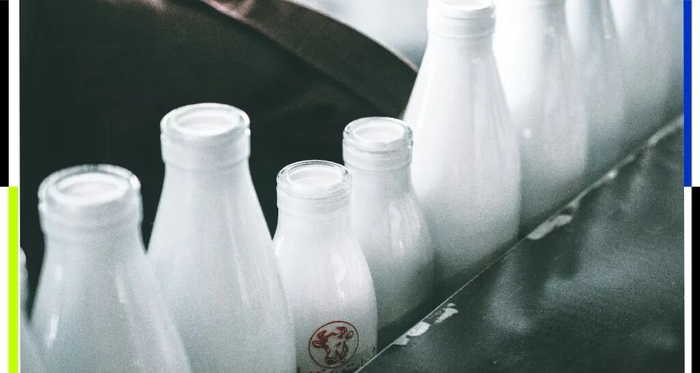
复原乳是「假牛奶」?哪些奶还能用?
36氪· 2025-09-17 10:15
Core Viewpoint - The new regulation prohibits the use of reconstituted milk in pure milk production, aiming to enhance the quality of liquid milk products in China and promote the consumption of fresh milk [8][11][12]. Summary by Sections Regulation Changes - The National Health Commission and the State Administration for Market Regulation issued a modification to the national food safety standard for sterilized milk, effective from September 16, which mandates that sterilized milk can only be made from fresh milk, banning the use of reconstituted milk [8][11]. Definition of Reconstituted Milk - Reconstituted milk, also known as reconstituted milk powder, is created by mixing dried dairy products with water, essentially rehydrating milk powder [9]. Reasons for the Ban - The ban on reconstituted milk in pure milk is based on three main considerations: 1. Implementation of the 2024 Central Document No. 1, which aims to improve liquid milk standards and promote fresh milk consumption. 2. Sterilized milk is a major product in China's liquid milk market, and limiting its raw materials to fresh milk meets consumer demand for high-quality dairy products. 3. The quality and safety of domestic fresh milk have significantly improved, with a 99.9% pass rate in inspections over the past 16 years [11][12]. Impact on the Dairy Industry - The modification is seen as a significant advancement for the dairy industry in China, ensuring the quality of pure milk and addressing the surplus of fresh milk [12]. - Major dairy companies like Yili and Mengniu have already shifted to using fresh milk for their products, minimizing the impact of the new regulation on their operations [21]. Types of Milk Affected - The regulation affects sterilized milk and pasteurized milk, while reconstituted milk can still be used in other categories like flavored milk and fermented milk, which are not subject to the same restrictions [15][21]. Nutritional Value of Reconstituted Milk - Concerns about the nutritional value of reconstituted milk have been addressed, indicating that while pasteurized milk has some advantages, reconstituted milk is not inherently inferior and can still provide essential nutrients [22][24].