吉利汽车

Search documents
2026年第9周:数码家电行业周度市场观察
艾瑞咨询· 2026-03-15 00:07
Industry Environment - The rise of embodied intelligence has become a new focus in the industry, driven by advancements in ChatGPT and VLA models, with robots as key carriers for AI implementation. The financing scale in this sector reached 735.43 billion yuan in 2026, despite facing technical bottlenecks and commercialization challenges [3][4]. - The space photovoltaic sector is transitioning from concept to commercialization, with a market size expected to reach trillions. Companies like SpaceX are planning to deploy thousands of low-orbit satellites, while domestic firms are also advancing their satellite constellation plans [5]. - Major tech companies are accelerating the integration of AI models into hardware devices, such as smart glasses and headphones, creating a new battlefield for human-computer interaction. The global AI glasses shipment is expected to exceed 10 million units by 2026, with China becoming the second-largest market [6]. - The AI education sector is becoming a competitive focus for major internet companies, with a monthly active user base exceeding 120 million. The market is divided into tech-driven, education training, and small entrepreneurial companies [7][8]. - The air conditioning industry is experiencing a collective price increase of 3%-10% due to rising copper prices and tightening energy efficiency subsidy policies, marking a shift from price wars to value competition [9]. Key Brand Dynamics - ByteDance launched Seedream 5.0 and Seedance 2.0, focusing on practical value and optimizing performance for commercial applications, targeting fields like science and programming [20]. - In 2026, Yin Qi aims to focus on "AI + terminal" strategies, emphasizing the development of foundational models and smart driving technology, while avoiding direct competition with major players [21][22]. - The photovoltaic sector saw a surge in stock prices following Elon Musk's comments on space photovoltaics, although the commercialization of this technology still faces challenges [23]. - ByteDance's Seedance 2.0 contrasts with OpenAI's Sora, focusing on content consumption logic and lowering creation barriers, while raising ethical concerns regarding privacy and data usage [24]. - The company "Wujie Power" completed over 200 million yuan in financing to develop general-purpose intelligent robots, focusing on the iteration of their "general brain" technology [25].


阅峰 | 光大研究热门研报阅读榜 20260308-20260314
光大证券研究· 2026-03-15 00:03
Group 1: Snack Retail Industry - The snack retail industry has experienced rapid growth in recent years, leading to a dual strong pattern with prominent players like "Mingming Hen Mang" and "Wancheng Group" showcasing significant scale advantages and strong bargaining power in upstream procurement [3] - These leading systems have established mature store models in the franchise sector and are at the forefront of exploring new business formats, providing support for both revenue and profit growth [3] Group 2: Consumer Goods Company Analysis - The company "Ruoyuchen" (003010.SZ) has shown rapid growth in recent years, with projected revenues of 3.24 billion, 5.94 billion, and 8.38 billion yuan for 2025-2027, reflecting year-on-year growth rates of 83%, 83.5%, and 41% respectively [9] - The net profit attributable to shareholders is expected to be 180 million, 400 million, and 570 million yuan for the same period, with growth rates of 74%, 117%, and 43% [9] Group 3: Logistics Sector - "Jitu Express" (1519.HK) is in a phase of scale expansion and accelerated profitability, with its Southeast Asia business showing strong foundational advantages [13] - The company is replicating its successful model in emerging markets such as Latin America and the Middle East, which are becoming new growth drivers [14] - The strategic improvement in the Chinese market, along with policies aimed at reducing competition, is expected to enhance revenue per shipment and strengthen profitability trends [14] Group 4: Chemical Industry - "Hesheng Silicon Industry" (603260.SH) plans to raise up to 5.8 billion yuan through a private placement to fund the construction of a new thermal power generation project and to supplement working capital [18] - The company is expected to report net profits of -3.08 billion, 1.54 billion, and 2.32 billion yuan for 2025-2027, maintaining a rating of "accumulate" [18] Group 5: Automotive Industry - The automotive market showed weak performance in January-February, but the demand for internal combustion engine investments may be driven by AI-related power shortages [26] - Recommendations include major automakers like Geely and NIO, and parts suppliers such as Fuyao Glass and Top Group, with a focus on companies that are expanding overseas and delivering strong performance [26]
车手骂上热搜的F1,中国品牌还要烧钱吗
汽车商业评论· 2026-03-14 23:06
Core Viewpoint - The article discusses the evolution and current state of Formula 1 (F1) racing in China, highlighting the increasing popularity and changes in race dynamics due to new regulations introduced for the 2026 season [3][20]. Group 1: F1 Popularity in China - F1's popularity in China has significantly increased since its introduction in 2004, with ticket sales improving dramatically, especially after the entry of Chinese driver Zhou Guanyu in 2024 [3][20]. - The Shanghai F1 race is expected to attract around 230,000 attendees this year, with 14% being international spectators and 74% from other provinces [3]. Group 2: New Regulations and Race Dynamics - The 2026 season introduces a new power unit where electric energy will account for 50% of the power output, along with a significant enhancement in energy recovery systems [7]. - The new rules have led to a more dynamic racing experience, with the Australian Grand Prix witnessing 120 overtakes compared to 45 in the previous year, indicating a more competitive environment [5][10]. Group 3: Driver Reactions to New Rules - Drivers have expressed mixed feelings about the new regulations, with some praising the excitement while others criticize the complexity and energy management required [11][15]. - Max Verstappen described the new rules as chaotic and not in line with traditional F1 racing, emphasizing the need for a balance between excitement and the essence of racing [11][18]. Group 4: Financial Barriers for Chinese Brands - Entering F1 is financially demanding, with new teams facing costs upwards of $200 million just to join, alongside ongoing operational costs that can exceed $300 million annually [25][27]. - Despite the high costs, there is a growing interest among Chinese brands to participate in F1, as it offers significant marketing and technological benefits [29][41]. Group 5: F1's Global Expansion and Cultural Impact - F1 is gaining traction in the U.S., aided by popular media representations and partnerships, such as Apple's exclusive broadcasting deal, which has increased viewership significantly [34][35]. - The cultural relevance of F1 is expanding, with brands like Ford and Cadillac leveraging the sport for marketing, indicating a shift in how automotive companies engage with consumers [39][40].

不惧涨价,比亚迪,加码10万吨塑料!
DT新材料· 2026-03-14 16:05
Core Viewpoint - BYD's establishment of a 100,000-ton waste plastic recycling project reflects its commitment to a closed-loop supply chain in the automotive industry, addressing both cost control and carbon neutrality strategies [2][4][6]. Group 1: Project Overview - The project is located in Fuzhou's high-tech industrial development zone and aims to produce 100,000 tons of plastic granules annually, including 88,000 tons of PP granules, 3,000 tons of PA, 3,000 tons of PC, and 3,000 tons of ABS granules, along with 1.8 million INS parts [3]. - The project utilizes various raw materials such as PP waste plastic, PA66, PC, ABS, and additives, showcasing a comprehensive approach to recycling and production [3]. Group 2: Strategic Considerations - The initiative is driven by the need for supply chain control and safety, especially in light of rising raw material costs and geopolitical tensions affecting the automotive supply chain [6]. - By converting 1 kilogram of waste plastic, the project can yield high-value chemical raw materials equivalent to approximately 3 kilograms derived from crude oil, thus reducing dependency on oil and enhancing supply chain resilience [6]. Group 3: Policy Alignment and Industry Trends - The project aligns with national policies promoting the use of recycled materials in the automotive sector, as outlined in the "Recycled Materials Application Promotion Action Plan" [7]. - Internationally, regulations are tightening, with the EU mandating that new vehicles must contain 15% recycled plastic within six years and 25% within ten years, setting a green benchmark for automotive exports [7][9]. - Other automotive companies are also adopting recycled materials, but most rely on partnerships with environmental firms rather than establishing their own recycling lines, highlighting BYD's pioneering role in the industry [8].


海外策略周报:中东地缘问题延续,全球市场继续回调-20260314
HUAXI Securities· 2026-03-14 13:12
Global Market Overview - The global market continued to decline this week due to escalating geopolitical issues in the Middle East, with major indices in the US experiencing pullbacks. The VIX index peaked above 35, indicating increased market volatility [1][12] - The S&P 500, Dow Jones, and Nasdaq indices all recorded declines of 1.6%, 1.99%, and 1.26% respectively, with the industrial, financial, and consumer discretionary sectors experiencing the largest drops [12][25] - European markets also saw declines, with indices such as the DAX and FTSE 100 showing significant weakness due to a sluggish economic backdrop [1][9] US Market Performance - The S&P 500's Shiller PE ratio remains high at 38.33, indicating potential overvaluation in the market. The technology sector, despite a recent downturn, still has a high PE ratio of 38.94, suggesting ongoing valuation concerns [1][12] - The Philadelphia Semiconductor Index's PE ratio has decreased but remains elevated at 41.31, reflecting continued pressure on tech valuations [1][12] - The energy sector was the only one to show positive performance this week, with a gain of 2.11%, while financials saw the largest decline at 3.44% [12][16] Emerging Markets - Emerging markets, particularly in Latin America and Southeast Asia, experienced further declines. Indices such as Argentina's MERVAL and Brazil's IBOVESPA are expected to face volatility in the medium term [1][11] - The Nikkei 225 index in Japan also faced a significant drop of 3.24%, with its price-to-book ratio remaining high, indicating potential for further declines [1][9] Hong Kong Market Performance - The Hang Seng Index and the Hang Seng Hong Kong Enterprises Index fell by 1.13% and 0.63% respectively, while the Hang Seng China Enterprises Index saw a slight increase of 0.5% [25][29] - The Hang Seng Technology Index rose by 0.62%, indicating some resilience in the tech sector amidst broader market declines [25][29] - The energy sector in Hong Kong showed the largest gain at 6.25%, while the financial sector faced the largest drop at 4.36% [29][31] Key Economic Data - The US Sentix Investor Confidence Index fell to 7.2 from a previous value of 12.7, indicating a decline in investor sentiment [4][45] - Japan's Producer Price Index (PPI) year-on-year growth was reported at 1.99%, down from 2.31% previously, reflecting a slowdown in inflationary pressures [38][45] - The US Core Personal Consumption Expenditures (PCE) month-on-month growth remained stable at 0.36%, suggesting steady inflation trends [38][41]
“配不上”新能源车的轮胎:橡胶科技代差式落伍|“315"特别策划
经济观察报· 2026-03-14 07:42
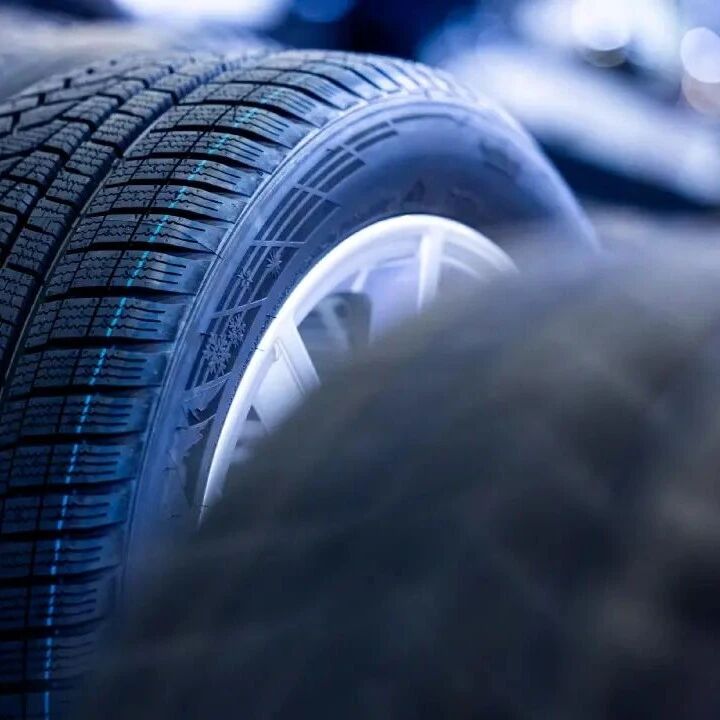
Core Viewpoint - The rapid development of the new energy vehicle (NEV) industry is leading to significant quality issues in the tire sector, which is struggling to keep pace with the increasing penetration of NEVs [1][3]. Group 1: Quality Issues in Tires - A report from Chezhinet indicates a dramatic increase in tire complaints, with 3,365 cases reported, marking a 111.5% year-on-year rise, making it the fastest-growing complaint category in automotive parts [2]. - Over 60% of tire issues arise within 1 to 3 years of vehicle purchase, a rise of 18.6% year-on-year, predominantly from domestic NEV brands [2]. - The types of complaints are highly concentrated, with tire cracking being the most common issue, followed by bulging, deformation, and abnormal wear, accounting for over 90% of total complaints [5][6]. Group 2: Technical Mismatches - There are three major technical mismatches affecting tire performance for NEVs: weight and load mismatch, power and torque mismatch, and range and performance mismatch [8]. - NEVs are generally heavier than traditional vehicles, with electric cars weighing around 2.1 tons, leading to increased vertical load on tires that are not specifically designed for such weight [8]. - The torque output of electric motors can be 2-3 times greater than that of gasoline engines, requiring tires to withstand higher friction and stress, which current tire designs do not accommodate [8]. Group 3: Industry Challenges - The Chinese tire industry, which holds a 35% global market share, has seen average profit margins decline from around 5% in 2020 to 3% in 2023, leading to compromised production standards [11]. - In 2024, the profit of the rubber tire industry fell by 8.5% to 31.1 billion yuan, prompting tire dealers to advocate against industry "involution" [12]. - The quality issues are exacerbated by the competitive landscape, where cost-cutting measures have led to a decline in tire quality, affecting both NEVs and traditional vehicles [11][12]. Group 4: Future Directions - The implementation of the new national standard for electric vehicle energy consumption in 2026 will require the development of specialized tires for NEVs, addressing the unique demands of high torque and heavy loads [12]. - There is a significant technological gap of about 10 years between Chinese tire brands and their international counterparts, but with focused R&D, domestic brands can catch up [13].
梅赛德斯-奔驰据悉与吉利讨论深化合作 加强在华研发能力
Xin Lang Cai Jing· 2026-03-13 16:46
Core Viewpoint - Mercedes-Benz Group is in preliminary discussions with Geely Automobile to deepen cooperation aimed at enhancing automotive research and development in its largest market, China [1][2]. Group 1: Collaboration Details - The early discussions primarily focus on potential collaboration for models following the current generation of electric vehicles from Mercedes-Benz [1][2]. - Leveraging Geely Automobile's capabilities may help Mercedes-Benz shorten its R&D cycle in China and reduce engineering costs [1][2]. Group 2: Company Statements - A spokesperson for Mercedes-Benz stated that the company is "continuously evaluating ways to accelerate, optimize, and enhance R&D efficiency both in China and globally" [1][2]. - A spokesperson for Geely Automobile declined to comment on the discussions [1][2].

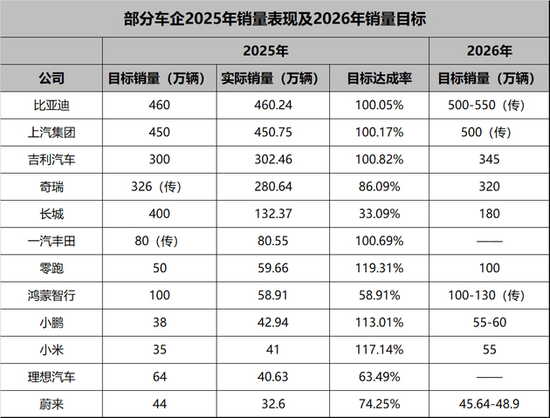
梅赛德斯-奔驰集团据悉已与吉利就深化合作进行了初步洽谈。
Xin Lang Cai Jing· 2026-03-13 13:53
Group 1 - Mercedes-Benz Group has reportedly engaged in preliminary discussions with Geely to deepen their cooperation [1]
市场洞察:2025中国汽车出海英国市场动态追踪 ——销量暴增235%,创历史新高
Tou Bao Yan Jiu Yuan· 2026-03-13 12:24
Investment Rating - The report indicates a strong investment opportunity in the Chinese automotive sector, particularly in the context of exports to the UK market, with a significant growth trajectory observed in sales and market share [4][6][13]. Core Insights - Chinese automotive exports to the UK have seen a remarkable increase, with sales reaching 142,684 units in the first nine months of 2025, representing a year-on-year growth of 91%, significantly outpacing the overall UK market growth of 4.2% [6][13]. - The market share of Chinese cars in the UK has risen from 5% at the beginning of the year to 12.4% by September 2025, making China the second-largest source of cars in the UK, following Germany [6][13]. - Key drivers for this growth include the strong presence of electric vehicles (EVs), competitive pricing compared to European brands, and a diverse product matrix catering to various market segments [7][8][13]. Summary by Sections Sales Performance - In the first nine months of 2025, Chinese automotive exports to the UK totaled 142,684 units, with a record monthly sales of 40,729 units in September, marking a 235% increase year-on-year [4][6]. - The sales performance has been characterized by a steady increase, with a notable spike in March 2025, where sales reached 28,883 units, and market share jumped to 7.5% [7][8]. Market Segmentation - The electric vehicle segment dominates Chinese automotive exports, with over 70% of the models being EVs, compared to approximately 45% in the overall UK market [8]. - SUVs have become the leading vehicle type, increasing from 55% to 60% of sales by September 2025, with Chinese brands becoming the second-largest SUV suppliers in the UK [8][10]. Competitive Landscape - The competitive landscape is highly concentrated, with MG, BYD, and Chery dominating the market. MG leads with 71,017 units sold, followed by BYD with 35,474 units, and Chery with a focus on differentiated SUV offerings [11][13]. - The report highlights the importance of local adaptation and electric vehicle technology as key competitive advantages for these brands [13][14]. Future Trends - The report anticipates a shift towards higher-end models, with brands like BYD and Chery planning to introduce premium electric vehicles priced above £50,000, directly competing with established European brands [18]. - The evolution of business models is also noted, with a transition from vehicle exports to local assembly and technology licensing, indicating a strategic move towards integrating into the UK automotive ecosystem [19].
净利润暴跌86%,一年少赚近69亿!理想汽车究竟怎么了?
Xin Lang Cai Jing· 2026-03-13 12:22
Core Viewpoint - The automotive industry is experiencing mixed results, with Honda facing significant losses and Li Auto reporting a dramatic decline in profits, raising concerns about its future performance [1][20]. Group 1: Li Auto's Financial Performance - Li Auto reported a revenue of 112.31 billion yuan for 2025, a decrease of 22.3% compared to 2024's 144.5 billion yuan [21][25]. - The company's net profit plummeted to 1.12 billion yuan, down 86% year-on-year, marking a significant drop from 8 billion yuan in 2024 [21][22]. - Li Auto's vehicle sales revenue was 106.7 billion yuan, a 23% decline from 138.5 billion yuan in 2024 [25][26]. Group 2: Sales and Market Position - Li Auto's vehicle deliveries fell to 406,343 units in 2025, an 18.8% decrease from 500,508 units in the previous year, achieving only 63.48% of its adjusted sales target [23][24]. - The company dropped from being the top seller among new energy vehicle manufacturers in 2024 to the fifth position in 2025, with competitors like Leap Motor and Xpeng showing growth [24]. Group 3: Operational Challenges - Li Auto faced its first annual operating loss, with operating profit shifting from 7 billion yuan in 2024 to a loss of 521 million yuan in 2025 [26]. - The company's gross margin decreased to 18.7% in 2025 from 20.5% in 2024, indicating pressure on profitability [26]. - A significant factor in the decline was the MEGA vehicle fire incident in October 2024, leading to a recall of 11,411 vehicles, which impacted the third-quarter net profit [26][27]. Group 4: Cash Flow and Stock Performance - By the end of 2025, Li Auto's cash and cash equivalents decreased from 65.9 billion yuan to 56.7 billion yuan, a reduction of 9.2 billion yuan [28]. - The company's stock price fell nearly 47% from a peak of 128.1 HKD to 67.9 HKD, resulting in a market capitalization loss of over 122.8 billion HKD [28][30]. Group 5: Strategic Changes and Future Plans - CEO Li Xiang announced a return to a startup model, taking direct control of operations amid significant executive turnover, with eight key executives leaving since August 2025 [34]. - Li Auto is exploring new markets, having entered Egypt, Kazakhstan, and Azerbaijan, and is increasing its focus on AI technology, with plans to invest 50% of its 11.3 billion yuan R&D budget in AI [36][38]. - The company aims to evolve into a "embodied intelligence" enterprise by 2026, emphasizing the urgency of its transformation [36][39].