茶百道

Search documents
9块9成过去时,咖啡价格战卷到2块9
3 6 Ke· 2025-10-12 00:11
Core Viewpoint - The coffee price war continues, with brands like Luckin and Kudi initiating aggressive pricing strategies, leading to a significant drop in coffee prices across the industry, now entering the 4 yuan+ era [1][2][10]. Group 1: Price War Dynamics - The coffee industry has seen a shift from a 9.9 yuan pricing model to a new low of 4.9 yuan initiated by new tea drink brands like Guming [2][3]. - Guming's promotional campaign offers coffee starting at 4.9 yuan, significantly undercutting previous prices and positioning itself as a "price butcher" in the market [2][3]. - The competition has intensified with established brands like Starbucks and Kudi also reducing prices, with Starbucks implementing its first price cuts in 26 years in the Chinese market [1][2]. Group 2: Market Impact and Consumer Behavior - The aggressive pricing strategies have led to a blurring of lines between coffee and tea beverages, with increased order volumes reported by various brands [5][10]. - The introduction of low-priced coffee options has altered consumer expectations, with many now perceiving 4 yuan as a reasonable price for coffee [2][10]. - The rise of brands like Lucky Coffee, offering prices as low as 2.9 yuan, has further intensified the competition, leading to a significant increase in order volumes at certain locations [7][9]. Group 3: Industry Challenges - The ongoing price war has resulted in over 50,000 coffee shops closing in the past year, indicating a challenging environment for many players in the market [10]. - High-end brands are not only participating in the price war but are also facing operational challenges, including layoffs and acquisitions, as seen with Starbucks and Piye Coffee [10]. - The industry is becoming increasingly segmented, with various price points catering to different consumer groups, highlighting the need for long-term strategies in supply chain and investment [10].


国庆中秋假期消费数据如何?
China Post Securities· 2025-10-11 07:34
Industry Investment Rating - The industry investment rating is "Outperform the Market" and is maintained [1] Core Viewpoints - The report highlights a significant increase in domestic travel during the National Day and Mid-Autumn Festival holiday, with 888 million domestic trips taken, an increase of 123 million compared to the previous year. Total spending reached 809 billion, up 108.2 billion from the previous year, indicating a strong recovery in consumer spending [4][5] - The report emphasizes the trend of consumers prioritizing experiences over material goods, reflecting a shift towards "paying for emotions and experiences" in travel choices [14][15] Summary by Relevant Sections Industry Overview - The closing index for the industry is 8596.85, with a 52-week high of 9343.57 and a low of 7320.11 [1] Travel and Tourism Data - Daily average travel volume reached a historical high of 304 million during the holiday, with a year-on-year increase of 6.3%. The report notes that railway, road, waterway, and civil aviation all saw increases in passenger volume [5][6] - The average hotel occupancy rate during the holiday was only 58%, down from 75% the previous year, with average room prices decreasing by 18% [9] Consumer Spending Insights - Retail and catering sales during the holiday increased by 2.7%, with significant growth in organic food sales, which rose by 27.9% [7][8] - The average price of domestic flights remained stable at 849 yuan, showing little change compared to previous years [8] Investment Recommendations - The report suggests focusing on new consumption opportunities in sectors like trendy toys, gold jewelry, and new tea drinks, which align with current consumer trends [17] - It also recommends attention to cyclical sectors such as liquor, hotels, and restaurants, anticipating a recovery in these areas due to policy support [17]
全国长假美食吸引力城市排行出炉
2 1 Shi Ji Jing Ji Bao Dao· 2025-10-11 04:24
Core Insights - The charm of local cuisine lies in its uniqueness, making it irreplaceable once one leaves the area. During the National Day and Mid-Autumn Festival holiday, there was a notable increase in tourists eager to experience local delicacies, with some willing to wait for hours to dine before heading to the airport [1] Group 1: Tourism and Dining Trends - The National Day and Mid-Autumn Festival holiday saw a significant increase in external tourist numbers, with overall consumption enthusiasm from tourists surpassing that of local customers. Some restaurants reported revenue growth of 30% to 70% during this period [1] - According to the Ministry of Commerce, sales of key retail and catering enterprises nationwide increased by 2.7% year-on-year during the holiday [1] - The "must-eat" city rankings during the holiday included Shanghai, Beijing, and Guangzhou, while smaller cities like Nanchang and Quanzhou also gained attention for their unique culinary offerings [1][2] Group 2: Impact of Food on City Branding - The restaurant industry is evolving from a supporting service to a core driver of urban consumption, with unique culinary experiences enhancing city brand images and transforming short-term traffic into long-term brand value [2] - The rise of food as a tourism anchor point is evident, with smaller cities experiencing a surge in visitors seeking local specialties, leading to increased online traffic and sales for local eateries [3] Group 3: Changes in Consumer Behavior - The holiday period saw a structural change in dining consumption, with a shift towards light dining options like fast food and snacks, indicating a more diverse and widespread dining experience across various locations [5] - Data from Dazhong Dianping indicated that over 70% of "must-eat" small eateries saw a traffic increase of over 200% during the holiday, reflecting a growing trend of tourists engaging with local public spaces and lifestyles [6] Group 4: Performance of Transportation Hub Outlets - Outlets located in transportation hubs experienced significant sales growth, with some reporting a near doubling of sales during the holiday. For instance, a tea shop in a highway service area saw a 700% increase in daily revenue [5] - Popular tourist spots also reported substantial increases in customer traffic, with some locations experiencing over 300% growth compared to pre-holiday levels [5]
全国长假美食吸引力城市排行出炉
21世纪经济报道· 2025-10-11 04:18
Core Insights - The article highlights the increasing significance of local cuisine as a driving force in urban consumption, transforming dining from a supplementary service to a core economic engine for cities [4] - The National Day and Mid-Autumn Festival holiday saw a notable rise in tourist spending on food, with many visitors willing to wait for hours to experience local delicacies [3][4] Group 1: Tourist Trends and Spending - The top 20 cities attracting food tourists during the holiday included Chengdu, Chongqing, and Guangzhou, with significant increases in visitor numbers compared to the previous year [3] - Nationally, key retail and catering enterprises reported a 2.7% year-on-year increase in sales during the holiday period [3] - Some restaurants experienced revenue growth of 30% to 70% during the holiday, indicating a strong demand for local cuisine [3] Group 2: Impact of Local Cuisine on Tourism - The concept of "traveling for a meal" is becoming a new tourism trend, enhancing local dining, retail, and cultural tourism [4] - The rise of "food IP" is helping to elevate city brand images and convert short-term traffic into long-term brand value [4] Group 3: Changes in Consumer Behavior - There is a shift in consumer preferences from traditional dining to lighter options like fast food and snacks, leading to a more dispersed dining experience [11] - The popularity of small local eateries surged, with some reporting a 272% increase in online traffic during the holiday [8][12] - The integration of dining options in transportation hubs has led to significant sales increases, with some stores reporting up to a 700% rise in daily revenue [11] Group 4: Marketing and Service Strategies - Restaurants are adapting by optimizing service and menu offerings to enhance customer satisfaction during peak holiday periods [9] - Many establishments are focusing on maintaining brand reputation and customer experience to facilitate future expansion opportunities [9]

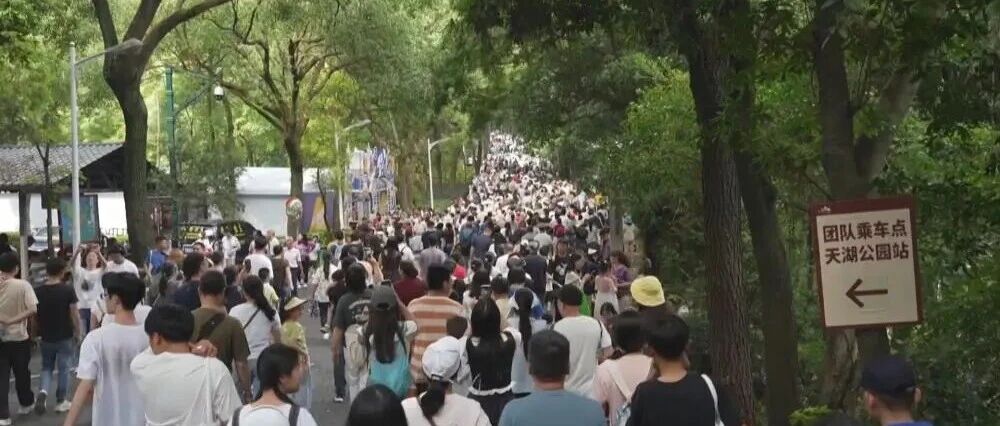
霸王茶姬(CHA.US)涨近3% 双节假期新茶饮迎来消费热潮
Zhi Tong Cai Jing· 2025-10-10 15:21
Core Viewpoint - The recent holiday season has significantly boosted sales for new tea beverage brands, with Bawang Chaji (CHA.US) experiencing a notable increase in store performance during the National Day and Mid-Autumn Festival holidays [1] Group 1: Company Performance - Bawang Chaji's stock price rose over 6% during trading, closing nearly 3% higher at $16.71 [1] - Several stores in Shanghai, Sichuan, and Guangzhou reported daily sales exceeding 2,500 cups [1] - Specific tourist location stores, such as those in Luoyang, Enshi, and Wuyuan, saw sales increase by over 300% compared to the period before the holidays [1] - The volume of double and multiple cup orders for Bawang Chaji increased by over 60% compared to the pre-holiday period [1] Group 2: Industry Trends - The "holiday economy" and "travel boom" have led to a peak in sales for new tea beverage brands, with some brands reporting sales growth exceeding 2000% in popular travel destinations [1] - Tea Baidao indicated that sales growth in scenic area stores in cities like Nanjing and Guilin exceeded 600% [1] - Nayuki's Tea also experienced a surge in consumer interest, with average order volume and revenue per store showing year-on-year growth, and many stores in popular tourist cities reporting over 700% growth compared to the pre-holiday period [1]
美股异动 | 霸王茶姬(CHA.US)涨近3% 双节假期新茶饮迎来消费热潮
智通财经网· 2025-10-10 15:19
Core Viewpoint - The stock price of Bawang Chaji (CHA.US) experienced a significant increase during the National Day and Mid-Autumn Festival holiday period, driven by a surge in sales at key locations such as transportation hubs and popular tourist destinations [1] Group 1: Sales Performance - Bawang Chaji's stock price rose over 6% at one point and closed nearly 3% higher at $16.71 [1] - Several stores in Shanghai, Sichuan, and Guangzhou reported an average daily sales volume exceeding 2,500 cups [1] - Tourist site locations, such as Longmen Grottoes in Luoyang, Enshi Daughter City in Hubei, and Wuyun Island in Shangrao, saw sales increase by over 300% compared to the period before the holiday [1] - The volume of double and multiple cup orders increased by over 60% compared to the pre-holiday period [1] Group 2: Industry Trends - The "holiday economy" and "travel boom" have led to a peak in sales for new tea beverage brands, with some brands reporting sales growth exceeding 2000% at popular tourist sites [1] - Tea Baidao reported that sales at scenic spots in cities like Nanjing and Guilin increased by over 600% [1] - Nayuki's Tea also experienced a consumption surge, with average order volume and revenue per store showing year-on-year growth, and many stores in popular tourist cities reporting over 700% growth compared to the pre-holiday period [1]
黄金周出游“新引力”:餐饮成城市引流利器?丨双节看消费
2 1 Shi Ji Jing Ji Bao Dao· 2025-10-10 15:09
Core Insights - The article highlights the growing significance of the food and beverage sector as a core driver of urban consumption, particularly during the recent National Day and Mid-Autumn Festival holidays, where food experiences are becoming a key attraction for tourists [2][3]. Group 1: Consumer Behavior and Trends - There was a notable increase in the number of tourists during the holiday, with external visitors showing higher spending enthusiasm compared to local customers, leading to revenue growth of 30% to 70% for some restaurants [1][3]. - The "must-eat" food lists have become influential, with cities like Shanghai, Beijing, and Guangzhou leading in popularity, while smaller cities like Nanchang and Quanzhou also gained attention for their unique culinary offerings [1][2]. Group 2: Impact on Local Economy - The food sector is evolving from a supplementary service to a central economic engine, enhancing local dining, retail, and tourism consumption through the creation of "food IPs" that elevate city branding [2][3]. - During the holiday, online traffic for local eateries surged, with some small restaurants experiencing a 272% increase in online visibility, reflecting the popularity of local dining spots [3][6]. Group 3: Changes in Dining Preferences - There is a shift in consumer preferences from traditional dining to lighter options like fast food and snacks, leading to a more dispersed dining experience across various locations [5][6]. - The integration of dining experiences within transportation hubs has led to significant sales increases, with some stores reporting up to a 700% rise in daily revenue during the holiday [5]. Group 4: Marketing and Service Strategies - Restaurants are adapting their service strategies to enhance customer experience during peak times, including optimizing staff deployment and adjusting reservation policies to reduce wait times [3][5]. - The emphasis on local food experiences is driving tourists to engage more with local culture, as evidenced by a 438% increase in searches for local recommendations and specialties [6].
社会服务行业深度报告:现制饮品行业系列报告二:从“规模之战”到“价值之锚”
Wanlian Securities· 2025-10-10 10:00
Investment Rating - The report maintains a rating of "Outperform the Market" for the beverage industry [5] Core Insights - The new tea beverage market is transitioning from rapid growth to a more mature phase, with increasing competition leading to a shift from high-priced, heavily marketed products to a focus on frequency and sustainable operations. The performance of listed tea companies will increasingly depend on their strategic alignment with lower-tier markets [1][2] - The industry is experiencing a slowdown in store expansion, with a shift towards enhancing consumer frequency. The market is expected to grow at a CAGR of 17.59% from 2023 to 2028, indicating a transition from scale expansion to high-quality development [2][11] - The focus for value growth in tea companies will be on product innovation, strengthening supply chains, and expanding into overseas markets, particularly in Southeast Asia [3][53] Summary by Sections Industry Development Trends - The new tea beverage industry has seen rapid growth since 2015, with market size increasing from 1,878 billion yuan in 2018 to 5,175 billion yuan in 2023, reflecting a CAGR of 22.47% [11] - The industry is shifting from price upgrades to frequency enhancements as the main growth driver, with a notable increase in market concentration due to intensified competition [1][15] - The average per capita consumption of ready-to-drink beverages in China is only 22 cups, compared to 323 cups in the US, indicating significant room for growth in consumption frequency [22] Secondary Market Performance - The secondary market for new tea companies has shown significant divergence, with early entrants like Nayuki Tea and Cha Baidao facing stock price declines, while companies like Mixue Group have performed strongly post-IPO [2][28] - The IPO performance of new tea companies has been mixed, with some experiencing severe declines post-listing, highlighting the market's cautious sentiment towards high-end brands [28][30] Corporate Value Growth - Companies are focusing on product innovation by enhancing health attributes through functional ingredients, strengthening supply chains for cost efficiency, and exploring international markets for growth [3][53] - The competitive landscape is evolving, with leading companies like Mixue Group and Gu Ming leveraging their supply chain capabilities and market positioning to achieve superior profitability and cost control [49][50]
景区门店暴增10倍,国庆饮品爆单榜新鲜出炉
3 6 Ke· 2025-10-10 07:44
Core Insights - The beverage industry experienced a significant surge in sales during the recent holiday period, with many brands reporting record-breaking performance and substantial year-on-year growth [1][3][14] Group 1: Sales Performance - Major brands like CoCo, Nai Xue, and others saw remarkable sales increases, with CoCo reporting a 25%+ year-on-year growth and Nai Xue achieving over 700% growth in some locations [5][9][24] - Jasmine Milk White's sales doubled compared to the previous week, with leading provinces including Guangdong, Zhejiang, and Jiangsu [5][9] - The total sales volume for Yihe Tang exceeded 25 million yuan, with over 18 million cups sold during the holiday [5][9] Group 2: Location-Based Growth - Beverage stores located in tourist attractions and transportation hubs experienced exceptional growth, with some locations reporting increases of over 300% compared to pre-holiday levels [7][11] - Landmark stores, such as the Bund Coffee at Shanghai's financial center, saw a 200% increase in foot traffic and over 300% growth in daily revenue [7][11] - Specific stores in scenic areas, like the Yuyuan Garden store of Lingji, reported revenue growth of 906.64% [9][18] Group 3: Product Popularity - Classic beverages and new product launches both performed well, with classic flavors like CoCo's pearl milk tea and Lingji's lemon tea being top sellers [12][19] - New products, such as Sweet Lala's "Old Brown Sugar Flavor Series," sold 907,000 cups, indicating strong consumer interest in seasonal offerings [12][19] Group 4: Consumer Trends - The integration of local culture with beverage consumption has become a trend, with tourists seeking unique local experiences through their drink choices [15][16] - The rise of private membership systems has proven effective, with brands like Lingji reporting a 117.25% increase in active members and a 100.55% increase in GMV from members [21][24] - The focus on lower-tier cities and international markets is evident, with brands expanding their reach into smaller cities and launching stores in Southeast Asia and the U.S. [22][24] Group 5: Industry Outlook - The beverage industry is evolving with a focus on localized consumption, the enduring popularity of classic flavors, and the strategic use of private membership for stable growth [25][26] - The dual strategy of deepening domestic market penetration while expanding internationally is reshaping the competitive landscape of the beverage sector [24][25]
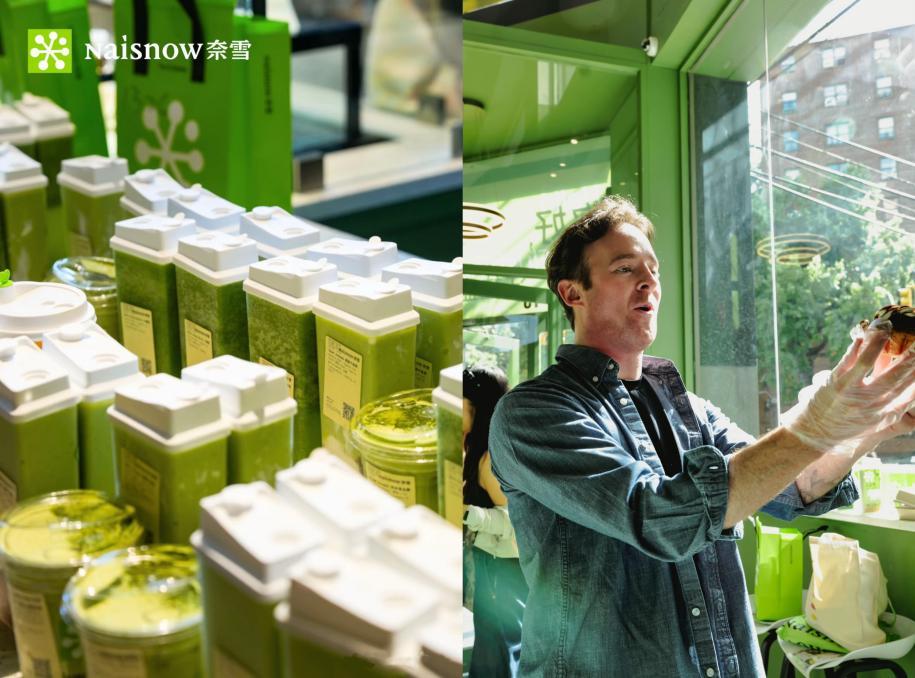
假日经济|景点餐饮爆火:国庆中秋假有奶茶店销量大涨1000%,国庆中秋假有火锅店翻台率超13轮
Di Yi Cai Jing· 2025-10-10 05:09
新茶饮品牌茶百道的数据显示,国庆中秋假期全国范围多家门店销量涨超1000%。茶百道相关负责人告 诉第一财经记者,各地消费者的奶茶喜好不尽相同,国庆期间,江苏、广东、江西等省鲜果茶销量更 高,而四川、湖北、山东等省鲜奶茶销量更高。 海底捞数据显示,浙江杭州、湖南长沙、广东广州等热门旅游城市的大批海底捞火锅店普遍迎来较高客 流。其中,位于杭州西湖边的海底捞火锅杭州工联CC店在这个假期当中多次刷新客流纪录,在10月4、 5两日翻台率超过13轮,单日最高接待顾客超2800人次。 【假日经济|景点餐饮爆火:#国庆中秋假有奶茶店销量大涨1000%#,#国庆中秋假有火锅店翻台率超 13轮#】2025年国庆假期恰逢中秋,外出旅游与返乡团圆是不少消费者的选择。与此同时,美食愈发成 为出游的新锚点。 据商务部商务大数据监测,国庆中秋假期全国重点零售和餐饮企业销售额按可比口径同比增长2.7%。 10月1日至7日,商务部重点监测的78个步行街(商圈)客流量、营业额同比分别增长8.8%和6.0%。 ...