
来伊份

Search documents
零食巨头日子好过吗?三只松鼠净利跌超五成 来伊份亏损扩大
Nan Fang Du Shi Bao· 2026-01-30 09:57
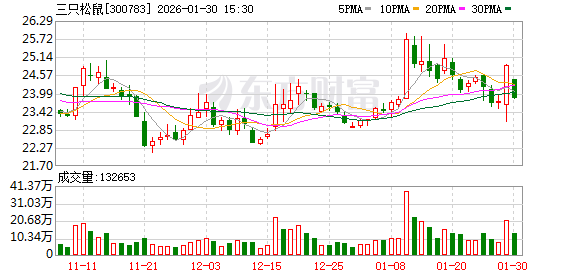
三只松鼠主营业务净利润下跌超79% 三个月内两次涨价 同样是卖零食,三只松鼠是零食品牌商,同时兼营零售渠道;万辰集团则是量贩零食渠道商,同时也有 一些自有品牌。对比往年,三只松鼠去年的净利润水平已经低于2024年、2023年,而万辰集团净利润则 与前两年一样,仍在快速增长。 除了披露净利润外,业绩预告显示,三只松鼠预计,2025年,其扣除非经常性损益的净利润为4500万元 至6500万元,同比下降了79.64%至85.91%。也就是说,其主营业务净利润下降得更快。 同样是卖零食,同一天发布业绩预告的三只松鼠和万辰集团,业绩冰火两重天。 对于业绩变动,三只松鼠称,2025年度,公司坚定贯彻"高端性价比"总战略,并向品质化和差异化持续 升级。由于2025年度销售旺季(年货节)结构性错档、坚果原料价格较大幅度上涨、主动调整销售结构 (优化传统店型、整合渠道资源、缩减低效品类等),综合导致利润下滑。与此同时,公司抢抓社区零 售新赛道机遇,推出全品类自有品牌"生活馆"新店型,配套打造基于生鲜和现制的"中央厨房",聚焦长 期高质量增长,前期战略性投入进一步影响阶段利润产出。 1月29日,三只松鼠发布业绩预告称,2025年 ...


冻干食品行业深度:内需释放新动能,供应链创新驱动未来
NORTHEAST SECURITIES· 2026-01-29 08:25
Investment Rating - The report rates the industry as "Buy" based on the growth potential and market dynamics observed in the freeze-dried food sector [3]. Core Insights - The freeze-dried food industry in China is entering a high-growth phase, with the market size expected to grow from 0.848 billion RMB in 2014 to 3.8 billion RMB by 2024, reflecting a compound annual growth rate (CAGR) of 16.1% [2][26]. - The global freeze-dried food market is projected to reach USD 30.43 billion by 2024 and USD 56.27 billion by 2034, indicating a robust growth trajectory driven by health-conscious consumer trends and the rise of outdoor activities [2][12]. - China's freeze-dried food consumption is significantly lower than that of developed countries, indicating substantial growth potential as domestic demand is expected to be a key driver for the industry [2][27]. Summary by Sections 1. Industry Development and Market Dynamics - The freeze-dried food market has evolved through three stages: initial exploration, export-driven growth, and recent domestic demand-driven expansion [21][23]. - The technology behind freeze-drying preserves over 95% of nutrients, making it a preferred choice for health-conscious consumers [15][18]. - The industry is characterized by low penetration rates in China compared to developed markets, suggesting a significant opportunity for growth as consumer awareness and demand increase [27][32]. 2. Global Market Trends - The global freeze-dried food market is expanding, with Asia as a major supplier and Europe and North America as key consumers [2][12]. - Freeze-dried fruits hold the largest market share, followed by meat, seafood, and vegetables, indicating diverse product opportunities [2][12]. 3. Competitive Landscape - The competitive landscape is shifting from a focus on single product categories to multi-scenario applications, with companies diversifying their offerings to include ready-to-eat meals and snacks [38][44]. - Major players in the industry include both international brands like Nestlé and domestic leaders such as Three Squirrels and Good Products, reflecting a fragmented market structure [46]. 4. Policy and Regulatory Environment - The industry is supported by a robust policy framework aimed at ensuring food safety and promoting technological advancements, which are crucial for high-quality development [49][50]. - Recent regulations encourage the use of freeze-drying technology in high-end food products, particularly for infant nutrition, highlighting the government's support for this sector [49].
2万家门店、9个月吸金661亿!这个行业最大IPO诞生,创始人身价超百亿
Sou Hu Cai Jing· 2026-01-29 02:56
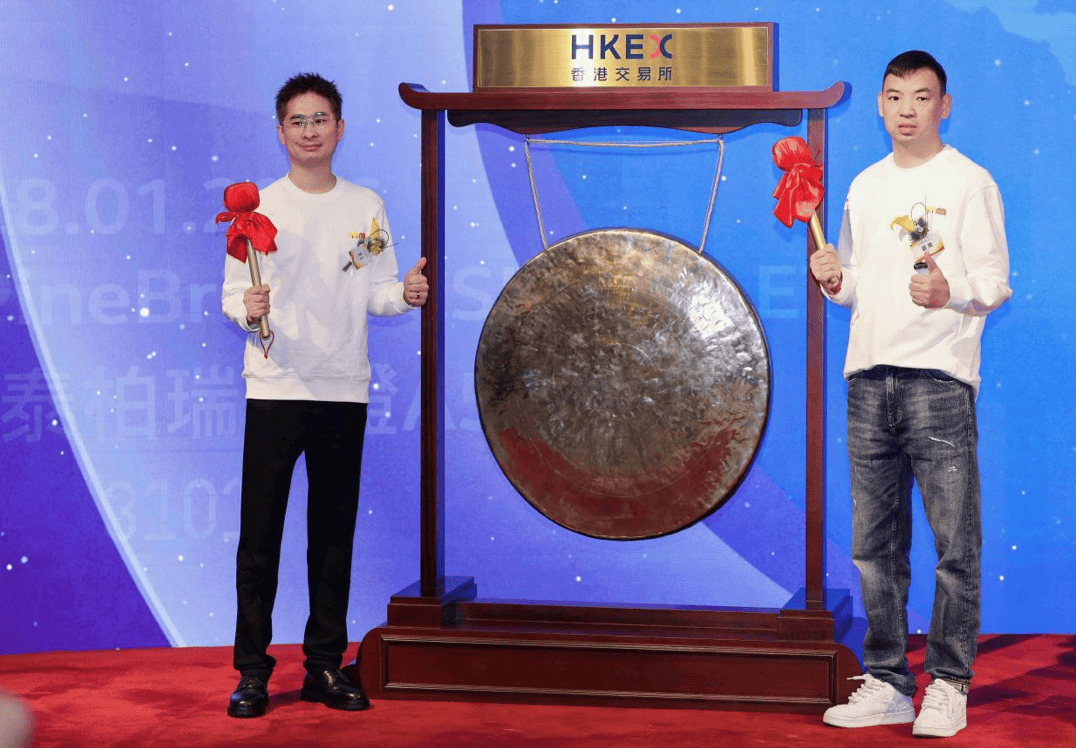
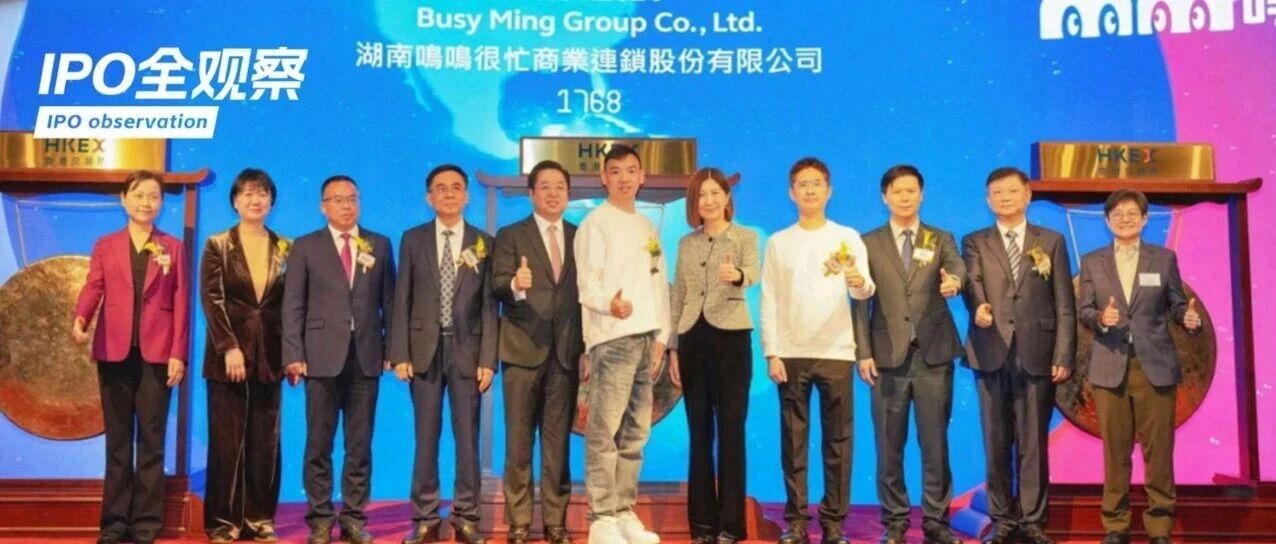
Core Viewpoint - The listing of "Mingming Hen Mang" marks a significant milestone in the Hong Kong stock market, establishing it as the first stock in the bulk snack sector, with a market capitalization nearing HKD 100 billion at its peak [1][3]. Company Overview - "Mingming Hen Mang" opened with a stock price surge of 88%, reaching HKD 445 per share, and closing at HKD 400, resulting in a total market value of HKD 862.04 billion [1]. - The company has over 20,000 stores nationwide, demonstrating the vast potential of the Chinese consumer market and the value of reshaping traditional retail from a user perspective [5][12]. IPO and Market Reception - The IPO was highly sought after, with the Hong Kong public offering oversubscribed nearly 1,900 times and international placements oversubscribed 44 times, indicating a new high in consumer IPO enthusiasm [3]. - Notable cornerstone investors include Tencent, Temasek, and BlackRock, highlighting the strong interest from major investment institutions [3]. Business Model and Strategy - The company operates on a "low-cost high-quality" model, eliminating traditional retail fees to provide a better shopping experience for consumers [6]. - It has established a direct connection with over 2,500 manufacturers, bypassing multiple distribution layers to reduce costs [9]. - The average inventory turnover for stores is 7-8 days, significantly lower than traditional retailers, allowing for efficient cash flow management [10][11]. Product Offering and Consumer Engagement - As of September 2025, the company offers approximately 3,997 SKUs, with a focus on private label products and customized offerings to enhance customer loyalty [12]. - The company has over 180 million registered members, with a 77% repurchase rate in the past year, indicating strong customer retention [12]. Expansion and Market Penetration - The franchise model has been a key driver of rapid expansion, with 9,552 franchisees operating an average of 2.04 stores each [13]. - The company has achieved a 66% penetration rate in county-level markets, with 59% of its stores located in towns and rural areas [12][15]. Industry Context and Future Challenges - The bulk snack market in China is projected to grow to approximately RMB 1,547 billion by 2027, reflecting a robust growth trajectory [14]. - The competitive landscape is intensifying, with major players like "Wancheng Group" and others emerging, leading to potential market saturation and increased competition [15]. - The average payback period for franchisees has extended to 29 months, impacting the franchise model's viability [16]. Strategic Shift and Future Directions - The company is transitioning from a focus on store quantity to enhancing the performance of existing stores, indicating a shift in growth strategy [20]. - Plans are underway to test a new store model that includes a wider range of consumer goods beyond snacks, aiming to transform stores into comprehensive community retail hubs [21][22].
鸣鸣很忙(01768):多维领先,强者恒强,两万店龙头乘势而上
CMS· 2026-01-28 08:15
证券研究报告 | 公司深度报告 2026 年 01 月 28 日 鸣鸣很忙(01768.HK) 多维领先,强者恒强,两万店龙头乘势而上 消费/商业 量贩零食渠道效率大幅领先,预计行业规模持续增长;同时公司作为行业龙头, 团队优质,供应链、仓配、拓展、品牌等多维领先,规模效应下预计强者恒强, 份额进一步提升,利润逐步释放。首次覆盖给予"强烈推荐"评级。 ❑ 风险提示:拓店速度、同店增长不及预期,行业竞争加剧,食品安全风险等。 财务数据与估值 | 会计年度 | 2023 | 2024 | 2025E | 2026E | 2027E | | --- | --- | --- | --- | --- | --- | | 主营收入(百万元) | 10295 | 39344 | 64943 | 85987 | 99689 | | 同比增长 | 140% | 282% | 65% | 32% | 16% | | 营业利润(百万元) | 329 | 1132 | 3142 | 4557 | 5782 | | 同比增长 | 229% | 244% | 178% | 45% | 27% | | 经调整净利润(百万元) | 235 ...
两位85后卖零食,开店两万家,身价都超200亿港元,鸣鸣很忙刚刚IPO
Sou Hu Cai Jing· 2026-01-28 03:45
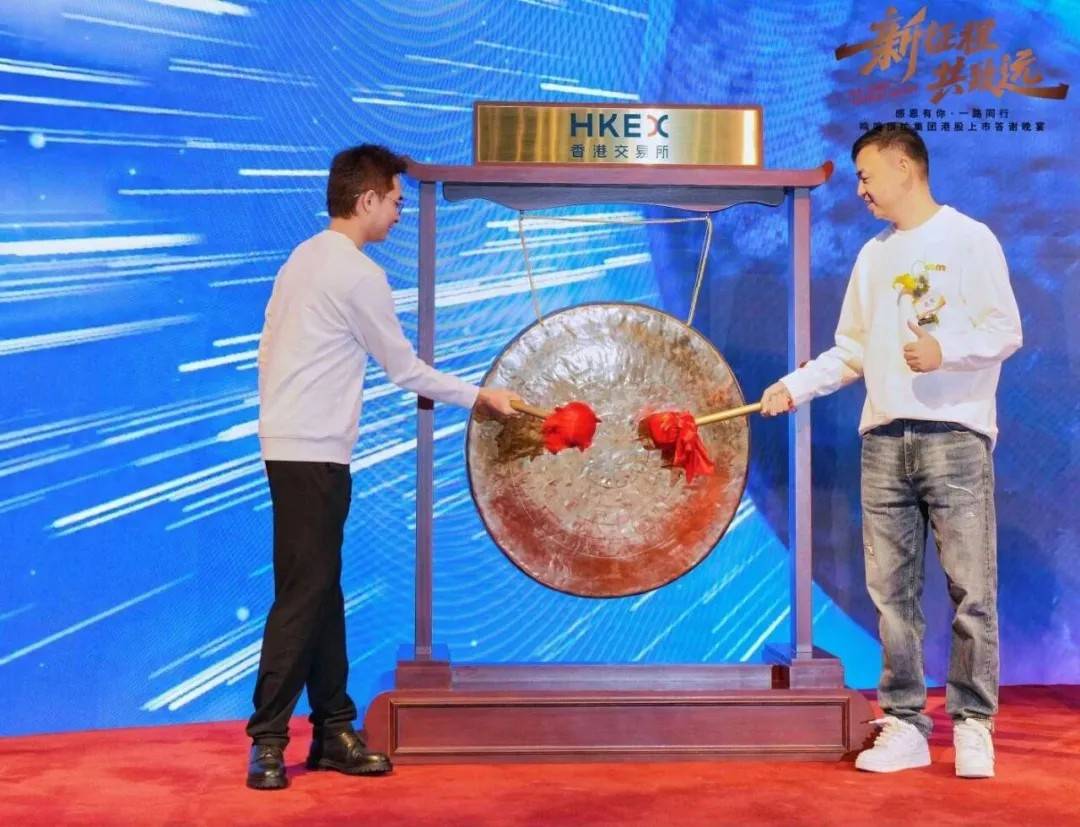
Core Viewpoint - Hunan Mingming Henmang Commercial Chain Co., Ltd. (stock code: 01768.HK) officially listed on the Hong Kong Stock Exchange, becoming the first stock in the bulk snack sector, with a market capitalization of approximately HKD 959 billion at opening [2][4]. Company Overview - Mingming Henmang was formed by the merger of two brands, "Snacks Are Busy" and "Zhao Yiming Snacks," and has established a retail network of nearly 20,000 stores [2][4]. - The company is led by two founders born in the 1980s, Yan Zhou and Zhao Ding, who have successfully tapped into the lower-tier market through an innovative bulk sales model [4][8]. Financial Performance - The company raised approximately HKD 3.3 billion by issuing 14.1 million shares at HKD 236.6 per share, resulting in a post-IPO market valuation of about HKD 473 billion [4][5]. - For the first nine months ending September 30, 2025, the company achieved a GMV of RMB 661 billion, a 74.5% increase compared to the same period in 2024 [4][36]. - Revenue for the first three quarters of 2025 reached RMB 464 billion, with an adjusted net profit of RMB 18 billion, translating to over RMB 6.6 million in daily earnings [4][38]. Investment and Financing - During the IPO phase, Mingming Henmang attracted eight cornerstone investors, collectively subscribing to approximately USD 195 million, accounting for nearly 46% of the total fundraising [5][6]. - The company has received significant backing from prominent investors, including Sequoia China and Black Ant Capital, with a total financing exceeding RMB 1 billion post-merger [4][25]. Market Position and Strategy - Mingming Henmang is the largest leisure food and beverage retail chain in China, with a GMV of RMB 555 billion projected for 2024 [4][36]. - The company operates a low-margin, high-turnover business model, achieving a gross margin of 9.7% in the first nine months of 2025, which is still below traditional retail levels [33][36]. - The company has a unique supply chain strategy, directly connecting with over 2,000 manufacturers to eliminate middlemen, resulting in prices approximately 25% lower than traditional supermarkets [32][36]. Competitive Landscape - The snack retail market in China is projected to grow from RMB 2.9 trillion in 2019 to RMB 3.7 trillion in 2024, with a compound annual growth rate of 5.5% [39]. - Despite being the largest player, Mingming Henmang holds only 1.5% of the market share, indicating significant room for growth in a highly fragmented market [39][40]. - The competitive focus has shifted from rapid store openings to supply chain efficiency and innovation, with major players exploring high-margin private label products and expanding into community discount stores [40][41].
两位85后卖零食,开店两万家,身价都超200亿港元,鸣鸣很忙刚IPO
创业邦· 2026-01-28 03:21
Core Viewpoint - Hunan Mingming Henmang Commercial Chain Co., Ltd. (stock code: 01768.HK) has successfully listed on the Hong Kong Stock Exchange, becoming the first stock in the bulk snack sector, with a market capitalization of approximately HKD 959 billion at opening [4][7]. Group 1: Company Overview - Mingming Henmang was formed by the merger of two brands, "Snacks Are Busy" and "Zhao Yiming Snacks," and has established a retail network of nearly 20,000 stores [4][9]. - The company is led by two founders born in the 1980s, Yan Zhou and Zhao Ding, who have leveraged insights into the lower-tier market to create a multi-brand, multi-category product offering [4][9]. - The company achieved a gross merchandise volume (GMV) of RMB 555 billion in 2024, making it the largest chain retailer of leisure food and beverages in China [4][39]. Group 2: Financial Performance - In the first three quarters of 2025, Mingming Henmang reported revenue of RMB 464 billion and an adjusted net profit of RMB 18 billion, translating to over RMB 6.6 million in daily earnings [4][39]. - The company’s GMV for the first nine months of 2025 reached RMB 661 billion, reflecting a year-on-year growth of 74.5% compared to the same period in 2024 [4][39]. Group 3: Investment and Financing - During the IPO phase, Mingming Henmang attracted eight cornerstone investors, raising approximately USD 195 million, which accounted for nearly 46% of the total fundraising [5][6]. - The company has completed multiple financing rounds, including a recent round exceeding RMB 1 billion, with notable investors such as Sequoia China and Black Ant Capital [6][29]. Group 4: Market Position and Competition - The snack retail market in China is projected to grow from RMB 2.9 trillion in 2019 to RMB 3.7 trillion in 2024, with a compound annual growth rate of 5.5% [41]. - Despite being the largest chain retailer, Mingming Henmang holds only 1.5% of the market share, indicating significant room for growth in a highly fragmented market [41]. - The competitive landscape has intensified, with external competitors like Wanchen Group's "Good Want to Come" brand emerging, prompting the merger of Mingming Henmang and Zhao Yiming Snacks to enhance market positioning [24][26]. Group 5: Business Model and Strategy - Mingming Henmang operates on a "thin profit" and "high sales" model, focusing on restructuring the traditional snack distribution chain to achieve operational efficiency [35][38]. - The company maintains a low gross margin of 7.5% to 9.7%, significantly lower than traditional channels, while achieving high inventory turnover rates [35][38]. - The business model emphasizes a symbiotic relationship with franchisees, with over 99% of its stores being franchises, ensuring mutual profitability [38][39].
来伊份(603777) - 上海来伊份股份有限公司2026年第一次临时股东会会议资料
2026-01-26 10:15
证券代码:603777 证券简称:来伊份 上海来伊份股份有限公司 2026年第一次临时股东会 会议资料 $$\underline{{{\ \ \ }}}\,\mathrm{O}\,\underline{{{\ \ \ }}}\,\mathrm{\underline{{{\ \ \ }}}}\,\mathrm{\underline{{{\ \ \ }}}}\,\mathrm{\underline{{{\ \ \ \ }}}}\,\mathrm{\underline{{{\ \ \ \ }}}}\,\mathrm{\underline{{{\ \ \ \ \ }}}}\,\mathrm{\underline{{{\ \ \ \ \ }}}}$$ 2026年第一次临时股东会会议资料 上海来伊份股份有限公司 2026年第一次临时股东会会议议程 | 序号 | 议案名称 | | --- | --- | | | 非累积投票议案 | | 1 | 关于使用部分闲置自有资金进行现金管理的议案 | | 2 | 关于2025年度日常关联交易执行情况及2026年度日常关联交易预计的议案 | | 3 | 关于向控股子公司提供财务资助的议 ...
来伊份(603777) - 上海来伊份股份有限公司关于第三期员工持股计划完成非交易过户的公告
2026-01-26 10:00
根据参与对象实际认购情况及最终缴款审验结果,本持股计划实际参与认购 的员工共计 5 人,认购资金已全部实缴到位,最终认购份额为 2,073.00 万份,缴 纳认购资金总额为 2,073.00 万元,认购份额对应股份数量为 300.00 万股,股票 来源为公司回购专用账户回购的来伊份 A 股普通股股票。 证券代码:603777 证券简称:来伊份 公告编号:2026-013 上海来伊份股份有限公司 关于第三期员工持股计划完成非交易过户的公告 本公司董事会及全体董事保证本公告内容不存在任何虚假记载、误导性陈述 或者重大遗漏,并对其内容的真实性、准确性和完整性承担法律责任。 上海来伊份股份有限公司(以下简称"公司")于 2025 年 9 月 26 日召开公司 第五届董事会第十九次会议,于 2025 年 10 月 15 日召开公司 2025 年第三次临时 股东会,审议通过了《关于<上海来伊份股份有限公司第三期员工持股计划(草 案)>及其摘要的议案》及相关议案,同意公司实施第三期员工持股计划(以下 简称"本持股计划")。具体内容详见公司分别于 2025 年 9 月 27 日、2025 年 10 月 16 日在上海证券交易 ...
加盟占比超53%:来伊份双轮驱动模式激活业绩增长新动能
Huan Qiu Wang· 2026-01-26 07:46
Core Viewpoint - The company is undergoing a significant transformation from a traditional asset-heavy direct sales model to a dual-driven strategy of "direct sales + franchising," aiming to evolve into a "chain management service + supply chain platform" enterprise, with substantial progress already made in this transition [1][3]. Group 1: Channel Structure Transformation - The fundamental restructuring of the channel is central to the company's transformation, shifting from a direct sales focus to a dual-driven strategy of "direct sales + franchising" [3]. - A key milestone in this transformation is expected in 2024, when the number of franchised stores is projected to exceed direct stores for the first time, reaching a share of 51.9% [3]. - As of June 2025, the total number of stores has reached 2,979, with franchised stores accounting for 53% of the total, indicating a clear trend towards channel structure optimization [3]. Group 2: Revenue Growth from Franchising - The rapid expansion of the franchising business has become a crucial support for the company's revenue growth, with the share of franchising wholesale revenue increasing from 4.81% in 2019 to 23.67% in 2024, reflecting a compound annual growth rate (CAGR) of 31.99% over five years [3]. - In the first half of 2025, revenue from the franchising business reached 722 million yuan, representing a year-on-year growth of 78.65% [3]. Group 3: Cost Structure Optimization - The significant optimization of the cost structure is a direct financial manifestation of the asset-light transformation, with sales expenses in 2024 decreasing by approximately 25% compared to 2022, amounting to a reduction of 325 million yuan [4]. - Management and sales expenses saw year-on-year declines of 11.9% and 14.17% respectively in 2024, with sales expenses maintaining a downward trend for three consecutive years [4]. - In the first three quarters of 2025, the sales expense ratio and management expense ratio decreased by 5.5 percentage points and 2.1 percentage points year-on-year, respectively [4]. Group 4: Comprehensive Business Ecosystem Reconstruction - The company's transformation is not merely a channel model adjustment but a comprehensive reconstruction of the overall business ecosystem, with initiatives to empower franchisees through various support measures [5]. - In 2025, the company plans to provide financial support to franchisees for store operational turnover, with further upgrades to support measures planned for January 2026 [5]. - The ongoing optimization of business layout and resource allocation aims to strengthen support for franchisees and the supply chain system, with a focus on reshaping the profit structure [5].
2025年全国农副食品加工业出口货值为2099.5亿元,累计下滑6%
Chan Ye Xin Xi Wang· 2026-01-24 02:42
Core Viewpoint - The report highlights a decline in the export value of China's agricultural and sideline food processing industry, indicating potential challenges for companies in this sector [1] Group 1: Industry Overview - By December 2025, the export value of the national agricultural and sideline food processing industry was 20.14 billion, showing a year-on-year decrease of 7.3% [1] - The cumulative export value for the entire year of 2025 was 209.95 billion, reflecting a cumulative year-on-year decline of 6% [1] Group 2: Companies Mentioned - Listed companies in the agricultural and sideline food processing sector include Hezhizhen (000716), Shuanghui Development (000895), Qianwei Yangchun (001215), Qingdao Food (001219), Sanquan Food (002216), Delisi (002330), Jinzi Ham (002515), Qiaqia Food (002557), Wufangzhai (603237), Anjixin Food (603345), Juewei Food (603517), Huifa Food (603536), Youyou Food (603697), Liangpinpuzi (603719), Laiyifen (603777), and Taoli Bread (603866) [1] Group 3: Research Report - The report titled "2026-2032 China Nutrition Food Processing Industry Market Management and Development Prospects" was published by Zhiyan Consulting, a leading industry consulting firm in China [1] - Zhiyan Consulting has been deeply engaged in industry research for over a decade, providing comprehensive industry research reports, business plans, feasibility studies, and customized services [1]
