呷哺呷哺

Search documents
降价的高端火锅:海底捞拓圈,巴奴慢慢来丨餐饮变局
2 1 Shi Ji Jing Ji Bao Dao· 2025-06-27 13:01
Core Insights - The restaurant market is entering a new phase characterized by price wars, with a notable decline in average dining prices despite an increase in order volume [1][4][6] - Major players like Haidilao and Banu are adapting their strategies in response to market changes, with Haidilao focusing on new brand development while Banu aims to maintain its position in the high-end hot pot segment [8][12][16] Market Trends - In 2024, the average dining price dropped by 10.2% while the per capita dining order volume increased by 15.4% [1] - 47.8% of ongoing restaurant operators reduced their average price, with over 80% of restaurants priced above 100 yuan experiencing a decline in customer spending [1][4] Company Performance - Haidilao reported a revenue increase of 3.1% to 42.75 billion yuan in 2024, while its net profit grew by 4.7% to 4.708 billion yuan [8] - In contrast, other listed companies like Xiaobuxiang and Quanjude faced significant revenue declines, with Xiaobuxiang's revenue down 19.7% to 4.755 billion yuan [7][8] Competitive Landscape - The competitive environment is intensifying, leading to a higher closure rate of restaurants, with 61.2% of new openings in 2024 exiting the market [5][6] - Haidilao's new brand initiatives, such as the "Red Pomegranate Plan," have led to the establishment of 11 new brands and 74 outlets, generating 483 million yuan in revenue, a 39.6% increase [8][9] Strategic Approaches - Banu is focusing on a cautious expansion strategy, prioritizing brand recognition in key cities and maintaining higher profit margins in lower-tier cities [12][14] - Banu's profit margin in first-tier cities is 20.7%, while it reaches 24.5% in second-tier and below cities, with the highest margin of 26.2% in Henan province [14][15] Future Outlook - Banu plans to leverage its established brand to explore multi-brand ecosystems in the future, indicating potential growth opportunities despite current market challenges [19][20]


揭开巴奴火锅“品质”标签:开店放缓,兼职、外包员工超八成
Nan Fang Du Shi Bao· 2025-06-27 08:56
Core Viewpoint - The founder of Banu Hotpot, Du Zhongbing, made controversial statements regarding the affordability of hotpot for lower-income individuals, which he later clarified and apologized for, stating that his intention was to encourage prudent spending among those with limited financial means [2] Group 1: Company Overview - Banu Hotpot was established in 2001 and has recently surpassed 100 stores, with store counts of 86, 111, and 144 for the years 2022, 2023, and 2024 respectively [3][5] - The company reported revenues of 14.33 billion RMB, 21.11 billion RMB, and 23.07 billion RMB for the same years, indicating a revenue growth of 60.99% from 2022 to 2024 [3] - Adjusted net profits for the same periods were 0.41 billion RMB, 1.43 billion RMB, and 1.95 billion RMB, showing a continuous improvement in profitability [3] Group 2: Market Position and Challenges - Banu Hotpot's average customer spending is significantly higher than its competitors, with an average of 142 RMB per person, compared to 54.8 RMB for Xiaobai and 97.5 RMB for Haidilao [7][9] - The company faces challenges such as declining average spending per customer and slowing store growth, with a noted decrease in average revenue contribution per store [3][10] - The average customer spending has decreased by 5.33% year-on-year in 2024, with the most significant drop occurring in first-tier cities [9] Group 3: Employee Structure and Costs - Banu Hotpot has increasingly relied on part-time and outsourced employees, with 83.85% of its workforce being part-time or outsourced as of Q1 2025 [12][16] - The total employee cost for Q1 2025 was 242.76 million RMB, with 103.47 million RMB allocated to salaries and benefits for full-time employees [15][16] - The average monthly cost per outsourced employee is approximately 6,422 RMB, while the cost for full-time employees is estimated at 6,926 RMB [16]

火锅红海赛道迎来港股上市第三家,巴奴火锅IPO迎考
Zhi Tong Cai Jing· 2025-06-27 03:05
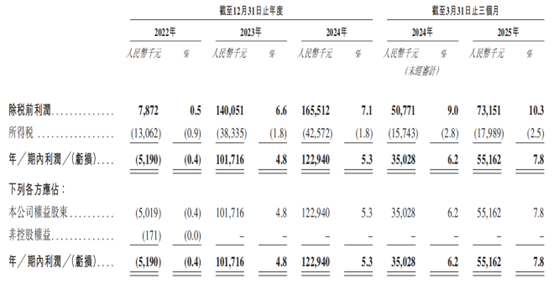
Core Viewpoint - Banu International Holdings Limited (Banu Hotpot) has submitted a listing application to the Hong Kong Stock Exchange, aiming to become the "third hotpot stock" in Hong Kong, amidst a competitive market where many leading brands are facing performance declines and store closures [1] Financial Performance - Banu has shown steady growth in both revenue and profit, with projected revenues of 1.433 billion RMB, 2.112 billion RMB, and 2.307 billion RMB for the years 2022, 2023, and 2024 respectively, and net profits of -5.19 million RMB, 102 million RMB, and 123 million RMB for the same years [2][3] - In Q1 2024, Banu achieved a revenue of 709 million RMB, a year-on-year increase of 25.7%, and a net profit of 55 million RMB, up 57.7% year-on-year [3][4] Store Expansion - The number of Banu stores increased from 83 at the beginning of 2022 to 145 by March 2025, with an average annual growth rate exceeding 30% [4] - Banu plans to build satellite warehouses in several provinces, with an estimated investment of 4 to 5 million RMB per warehouse, to enhance its supply chain capabilities [7] Market Position and Strategy - Banu is positioned as the largest hotpot brand in China's quality hotpot market by revenue, holding a market share of 3.1% in 2024, ranking third in the overall hotpot market with a share of approximately 0.4% [11] - The company aims to continue its aggressive expansion strategy, planning to open approximately 52, 61, and 64 new restaurants in China from 2026 to 2028, targeting over 210 stores by the end of 2028 [11] Consumer Trends - Despite Banu's positive performance, the overall hotpot industry is facing challenges, with some previously popular brands experiencing closures and declines [8][9] - Banu's average customer spending has shown a downward trend, with a decrease from 147 RMB in 2022 to 138 RMB in Q1 2025, indicating pricing pressures in a competitive market [6][10]
巴奴火锅叩关港交所:争议言论与高端困境下的IPO突围战
3 6 Ke· 2025-06-26 15:19
Core Viewpoint - The controversy surrounding the founder's comments on consumer demographics has not hindered the expansion of Banu Hotpot, which is preparing for an IPO to enhance its brand value and aims to open 150 new stores by 2027 despite challenges in maintaining its high-quality positioning in a price-sensitive market [1][9]. Company Development - Banu Hotpot's parent company, Banu International Holdings, submitted its main board listing application to the Hong Kong Stock Exchange, aiming to become the third hotpot chain listed after Haidilao and Xiaobuxiang [1]. - The company has transitioned from a franchise model to a direct operation model since 2013, which has led to challenges in team stability and management [4]. - Banu has expanded its presence in first-tier cities since 2018, with a current total of 145 stores across nearly 40 cities [4][10]. Market Positioning - Banu's average spending per customer has remained above 140 yuan, contrasting with competitors like Haidilao, which has seen a decline in average spending [6][8]. - Despite being the leader in the premium hotpot market with a 3.1% market share, Banu's overall market share is only 0.4%, indicating a struggle to penetrate broader consumer segments [9][10]. Financial Performance - Banu's revenue has shown growth from 14.33 billion yuan in 2022 to 23.07 billion yuan in 2024, although the growth rate has fluctuated [10]. - The company has reduced its debt levels, with total liabilities decreasing by 27.30% year-on-year, while total assets increased by 10.59% [10][12]. - Banu's net profit margin remains low at 5.3%, significantly lower than that of Haidilao, indicating challenges in profitability despite revenue growth [14]. Operational Challenges - Banu's supply chain efficiency is hindered by a limited number of central kitchens, leading to higher procurement costs compared to larger competitors [11]. - The company has faced criticism over food safety issues, which have damaged its high-end brand image and consumer trust [9][16]. - Banu's reliance on part-time employees has increased operational costs, with employee expenses rising significantly over the past few years [15]. Strategic Recommendations - To regain consumer trust and improve market positioning, Banu should consider implementing third-party quality checks and enhancing transparency in its supply chain [16]. - The company could explore new channels such as hotpot delivery and pre-prepared meals, as well as introduce more affordable sub-brands to cater to price-sensitive consumers [18]. - Balancing high-quality offerings with market realities will be crucial for Banu to navigate the competitive landscape and achieve sustainable growth [18].
5000月薪吃不起的河南火锅,收割中产23亿
盐财经· 2025-06-25 10:17
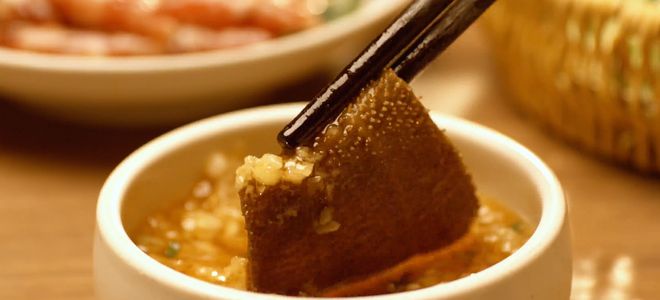
Core Viewpoint - Banu Hotpot, known for its premium ingredients and unique offerings, is attempting to differentiate itself in the competitive hotpot market by focusing on product quality rather than service or cost-effectiveness, but faces challenges in achieving sustainable profitability and scaling its high-end model [3][4][45]. Group 1: Market Position and Strategy - In 2024, Banu Hotpot holds a 3.1% market share in the high-end hotpot segment, leading in per capita spending at over 140 RMB, which is higher than competitors like Haidilao [3][6][18]. - Banu's strategy emphasizes "productism," focusing on the quality and uniqueness of its ingredients, such as its signature "papaya protease tenderized tripe," which aims to justify higher prices [3][4][10]. - The brand has established a reputation for being expensive, with incidents like the "sky-high potato" controversy highlighting consumer perceptions of its pricing [7][11][12]. Group 2: Financial Performance - Banu's revenue has shown significant growth, with figures of 1.433 billion RMB in 2022, 2.112 billion RMB in 2023, and projected 2.307 billion RMB in 2024, reflecting a compound annual growth rate of 26.88% [19][21]. - Despite the revenue growth, Banu's net profit margin remains low at 5.33% in 2024, compared to Haidilao's 10.99%, indicating challenges in cost management and profitability [18][19][22]. Group 3: Consumer Insights and Market Dynamics - Banu's target demographic includes consumers in lower-tier cities who may have higher disposable income relative to their expenses, making the premium pricing more acceptable [36][38]. - The brand has a strong customer retention strategy, with 75% of its customers being repeat visitors and a high membership rate of 94.6% among dine-in customers [31][34]. - Banu's focus on high-quality ingredients, such as its partnerships with local farmers for unique products, positions it as a brand that prioritizes quality over cost [28][29]. Group 4: Challenges and Future Outlook - Banu faces the challenge of scaling its high-end model while maintaining quality, as the capital market's patience may be tested by the slow growth associated with premium offerings [5][49]. - The company's cautious approach to capital investment and expansion, with a focus on direct ownership rather than franchising, reflects a desire to maintain control over its brand and operations [42][44]. - The future success of Banu will depend on its ability to convert brand recognition into scale and profitability, potentially following a path similar to that of Haidilao [48].

“月薪5000不要吃”的巴奴,要赴港讲“品质火锅”的故事
Guan Cha Zhe Wang· 2025-06-25 01:18
Core Viewpoint - Banu International Holdings Limited is seeking to go public on the Hong Kong Stock Exchange, aiming to become the "third hot pot stock" following Haidilao and Xiaobawang [1][3]. Company Overview - Founded by Du Zhongbing, Banu started as a hot pot brand in Henan and has grown to become a significant player in the high-end hot pot market, emphasizing product quality over service [5][6]. - Banu's unique selling proposition is its focus on high-quality ingredients, particularly its signature dish, "毛肚" (beef tripe) [6][9]. Financial Performance - Banu reported revenues of RMB 14.33 billion, RMB 21.12 billion, and RMB 23.07 billion for the years 2022, 2023, and 2024 respectively, with a net profit of RMB 101.72 million in 2023 [15]. - The average customer spending at Banu was RMB 147, RMB 150, and RMB 142 for the years 2022, 2023, and 2024 respectively, indicating a decline in spending due to market conditions [10][11]. Market Position - Banu is recognized as the largest quality hot pot brand in China, holding a 3.1% market share in the quality hot pot segment as of 2024 [9]. - The company operates 145 self-owned restaurants across 39 cities, with a significant presence in lower-tier cities, which account for 78.6% of its total outlets [12][13]. Challenges and Controversies - Banu has faced criticism over high prices and food safety issues, including incidents involving overpriced potatoes and mislabeling of meat products, which have impacted its brand reputation [18][20]. - The company is under pressure to maintain its high-end positioning while addressing consumer concerns about pricing and product quality [24]. Future Plans - Banu plans to use funds from its IPO to expand its presence in key cities and penetrate lower-tier markets, where operational costs are lower [17]. - The company aims to adopt a sub-brand strategy to cater to different consumer segments and support sustainable growth [24].
贵价火锅巴奴赴港IPO,“火锅第三股”能否如愿?
Sou Hu Cai Jing· 2025-06-24 06:37
Core Viewpoint - The hot pot industry has seen a significant slowdown in growth over the past two to three years, with companies like Banou Hot Pot facing challenges as they prepare for IPOs amid increasing competition and a pessimistic market outlook [2][7]. Company Overview - Banou Hot Pot has submitted its IPO application to the Hong Kong Stock Exchange, aiming to become the "third hot pot stock" following other competitors [2]. - As of June 9, 2025, Banou operates 145 stores across 39 cities, with 78.6% of its locations in second-tier and lower cities [3]. - The company has shown revenue growth, with projected revenues of 1.433 billion yuan, 2.112 billion yuan, and 2.307 billion yuan from 2022 to 2024 [5]. Financial Performance - Banou reported a net loss of 5.2 million yuan in 2022 but turned a profit in 2023 with a net income of 102 million yuan, further increasing to 123 million yuan in 2024, representing a year-on-year growth of 20.8% [5]. - In Q1 2025, Banou's revenue reached 709 million yuan with a net profit of 55 million yuan [5]. - The company's ownership structure is highly concentrated, with the founder and his spouse controlling approximately 83.38% of voting rights [5]. Market Competition - The hot pot market is highly fragmented, with Banou holding less than 1% market share as of 2024, while the top five players collectively account for only 8.1% [6]. - The industry is experiencing intensified competition, with over 300,000 hot pot closures reported in 2024 [6]. Industry Trends - The overall growth rate of the hot pot industry is declining, with projections indicating a drop from 10% in 2019 to 4.3% by 2025 [7]. - Capital market sentiment towards the hot pot sector is negative, as evidenced by the significant decline in stock prices of major players like Haidilao and Xiaobawang [7]. Operational Efficiency - Banou's adjusted net profit margins from 2022 to 2025 Q1 are 2.9%, 6.8%, 8.5%, and 10.8%, respectively, which are lower than Haidilao's margins of 4.7%, 10.8%, and 14.6% during the same period [7][8]. - Banou's average table turnover rate improved from 3.0 times in 2022 to 3.7 times in Q1 2025, but still lags behind Haidilao's rate of 4.1 times [8]. Consumer Perception - Banou's average customer spending remains around 140 yuan, which is higher than Haidilao's 95.7 yuan in 2024, leading to perceptions of Banou as a "premium hot pot" brand [8][9]. - Controversial statements from the founder regarding pricing and target demographics have sparked public debate and criticism [9].
巴奴冲击港股IPO:“产品主义”能否扛住降价潮?
Hua Er Jie Jian Wen· 2025-06-24 03:46
Group 1 - The core point of the article is that the hot pot brand Banu is preparing for its IPO in Hong Kong, following competitors like Haidilao and Xiaobuxiang, and it currently holds a 0.4% market share in the overall hot pot market, ranking third [1] - Banu stands out in the high-end hot pot segment with a 3.1% market share, leading in per capita spending over 120 RMB [2] - Among the top five hot pot chains with a customer price over 120 RMB, Banu is the only brand that has maintained positive growth [3] Group 2 - Despite the competitive landscape characterized by price cuts and the rise of franchise models, Banu faces significant growth challenges [4] - Banu's revenue reached 2.307 billion RMB in 2024, with a compound annual growth rate of 26.9% over the past three years [8] - In 2024, Banu's average customer spending decreased from 150 RMB to 142 RMB, while same-store sales fell by 11.9% [9][10] Group 3 - Banu is attempting to balance high-end positioning with market share by implementing gradual price reductions and introducing new menu options [11] - In the first quarter, Banu's customer traffic surged by 40% to 5.41 million, and table turnover increased from 3 times to 3.7 times [13] - However, in lower-tier cities, the impact of the "late-night dining" strategy is less effective, with same-store sales growth rates of only 0.4% and 0.3% [14] Group 4 - Banu aims to penetrate the business dining and high-end customer segments, but faces challenges in first-tier cities due to intense competition and higher operational costs [15][16] - In first-tier cities, Banu's average customer price is 159 RMB, which is 21 RMB higher than the average, but its operating profit margin is lower than the average [16][18] - Banu's average customer price in 2024 reached 138 RMB, 45 RMB higher than Haidilao, but its adjusted net profit margin is 8.5%, which is 6.1 percentage points lower than Haidilao's core operating profit margin [18][19] Group 5 - Banu's supply chain strategy involves centralized kitchens to ensure food quality and supply stability, but the utilization rates of these kitchens are currently low [20][23] - The company plans to expand its supply radius and open satellite warehouses to support store expansion [24] - Banu's employee costs have been rising, with a significant increase in part-time staff to reduce costs [26][27] Group 6 - Banu's current focus on direct operation is aimed at maintaining its "productism" narrative, but this model limits rapid expansion [33] - The hot pot industry has passed its golden expansion phase, and competitors like Haidilao are exploring new growth strategies [34][35] - Banu's attempts at diversification have not been successful, and its revenue growth has slowed significantly in 2024 [36][37]
巴奴毛肚火锅冲刺港股IPO
Sou Hu Cai Jing· 2025-06-23 14:41
Core Viewpoint - Banu International Holdings Limited has submitted its application for a mainboard listing on the Hong Kong Stock Exchange, aiming to become the third hot pot brand listed in Hong Kong after Xiaobai and Haidilao [1] Group 1: Company Overview - Banu, originating from Henan, has expanded rapidly with an average store growth rate exceeding 70% from 2022 to 2024, distinguishing itself in the competitive hot pot market [3] - The company focuses on a "productism" approach, targeting a premium hot pot market with an average spending of over 120 RMB per person, setting a benchmark for quality [3][15] - Banu's successful market environment is supported by the recent capital market performance of other Henan-based brands, enhancing investor sentiment [3] Group 2: Financial Performance - Banu's revenue from 2022 to 2024 reached 1.433 billion RMB, 2.111 billion RMB, and 2.307 billion RMB, with a compound annual growth rate of 27.8% [4] - The net profit improved from a loss of 5.2 million RMB in 2022 to a profit of 102 million RMB in 2023, further increasing to 123 million RMB in 2024, with an adjusted net profit margin rising from 2.9% to 8.5% [7] - In Q1 2025, Banu reported a revenue of 709 million RMB, a year-on-year increase of 25.7%, continuing its growth momentum [4] Group 3: Operational Efficiency - Banu has achieved a significant reduction in the cost of raw materials and consumables, decreasing from 33.8% of total revenue in 2022 to 32.1% in 2024, showcasing effective cost control [8] - As of June 16, 2025, Banu operates 145 stores across 39 cities, with a 74.7% increase in store count since the end of 2021 [8][10] - The company has established a "central kitchen + cold chain logistics" supply chain system, enhancing operational efficiency and ensuring consistent product quality across its outlets [11][13] Group 4: Market Positioning and Strategy - Banu's market positioning targets the premium hot pot segment, achieving a market share of 3.1% in 2024, leading its niche [15] - The company emphasizes product innovation and a membership system to enhance customer loyalty, with 94.6% of dine-in customers being members in Q1 2025 [15] - Banu's unique approach contrasts with competitors like Haidilao and Xiaobai, focusing on product quality over service, appealing to consumers seeking genuine dining experiences [25][30]
巴奴 IPO 三大猜想
Sou Hu Cai Jing· 2025-06-20 15:25
Core Viewpoint - The Hong Kong IPO market is experiencing a significant decrease in the new stock breakage rate, particularly in the consumer sector, indicating a favorable environment for new listings like that of Ba Nu hot pot [3][4]. Group 1: Market Environment - The breakage rate for new stocks in Hong Kong has dropped to 27.78% in 2025 from 34.29% in the previous year, reflecting a more stable market [3]. - The tea beverage sector has seen a surge in IPOs, with brands like Mi Xue Ice City and Hu Shang A Yi achieving first-day gains exceeding 50%, highlighting the resilience of consumer stocks [3][4]. Group 2: Company Financials - Ba Nu's projected revenue for 2024 is 2.31 billion RMB, with a net profit of 123 million RMB, and a year-on-year revenue growth of 25.7% in Q1 2025 [3][4]. - The average table turnover rate has increased from 3.0 times per day in 2022 to 3.7 times in Q1 2025, indicating improved customer flow and operational efficiency [4][20]. Group 3: Business Strategy - Ba Nu positions itself as the largest quality hot pot brand in China, focusing on product differentiation to attract investors [7][8]. - The company is expanding its presence in lower-tier cities, with 78.6% of its new stores located in these areas, where consumers are more price-sensitive but exhibit higher loyalty [13][24]. Group 4: Supply Chain and Operational Efficiency - Ba Nu has developed a third-generation supply chain system that ensures fresh ingredients are delivered within 48 hours, enhancing operational efficiency [15]. - The company plans to open 150 new stores over the next three years, demonstrating a strategic approach to expansion by establishing multiple bases in new regions before scaling up [16][18]. Group 5: Market Position and Future Outlook - The quality hot pot market is expected to grow at a compound annual growth rate of 7.8% from 2024 to 2029, outpacing the overall hot pot market growth of 6.5% [22]. - Ba Nu's unique marketing strategies and product offerings, such as seasonal ingredients, are designed to appeal to younger consumers and differentiate the brand in a competitive landscape [25][28].