
问界

Search documents
无人区卫星SOS+洪灾自动逃生,“技术+体系”构建车企公益新路径
Hua Xia Shi Bao· 2025-07-29 11:21
Core Insights - Recent rescue incidents have redefined the value boundaries of automobiles, showcasing their life-saving capabilities and the innovative practices of car companies in the public welfare sector [1][2][3] Group 1: Rescue Events - The first incident involved a Wanjie M9 in Qinghai's Delingha area, where the owner used the vehicle's satellite communication system to call for help after a tire burst in a signal-dead zone, marking the first industry case of satellite rescue [2] - The rescue team responded promptly, maintaining communication with the car owner for 61 minutes and successfully reaching the site after 3.5 hours of travel [2] - The second incident occurred in Hebei, where a Fangcheng Leopard 5 owner was swept away by a flash flood while participating in a rescue operation, but managed to escape thanks to the vehicle's automatic sunroof [3] Group 2: Corporate Social Responsibility - The incidents highlight the shift in corporate social responsibility from reactive measures to systematic support, as seen in the actions of Wanjie and Fangcheng [3][4] - Wanjie has processed over 20 million vehicle status data points and issued 45,000 proactive alerts for extreme weather and road conditions, indicating a transition from passive fault response to active risk anticipation [2] - Fangcheng's response included gifting a new Leopard 5 and launching a 1 million yuan public welfare fund to support existing and future rescue efforts [3] Group 3: Industry Trends - Analysts note that these events illustrate the combination of technological preparedness and corporate responsibility in the automotive industry, with vehicles evolving into "mobile safety fortresses" [4] - Many automotive companies are engaging in public welfare initiatives, such as BMW's cultural projects and Toyota's long-term traffic safety efforts, reflecting a broader trend in the industry [5][6] - The automotive sector is increasingly adopting innovative paths for social responsibility, including technology empowerment, ecological co-construction, and model upgrades, demonstrating a commitment to societal progress [6]

理想汽车盘前涨超4%,李想今晚将在抖音开启首播,理想i8今晚正式上市!机构预计售价达35万至40万,主要竞争对手包括问界M9纯电动版、特斯拉Model X和蔚来ES8
Ge Long Hui· 2025-07-29 09:15
Group 1 - The core viewpoint is that Li Auto's stock price increased by 4.45% to $30.49 ahead of the launch of its first pure electric SUV, the Li i8, which is positioned in the mid-to-large luxury family market [1] - Li Auto's founder and CEO, Li Xiang, has officially joined Douyin (the Chinese version of TikTok), gaining over 80,000 followers on the first day, and will host a live broadcast at 19:00 [1] - The Li i8 is set to compete with models such as the AITO M9 electric version, Tesla Model X, and NIO ES8 [1] Group 2 - According to a report by Citi, the expected price range for the Li i8 is between 350,000 to 400,000 RMB, slightly higher than the market expectation of 330,000 to 340,000 RMB [2] - Initial orders for the Li i8 are projected to translate into normalized monthly sales of approximately 5,000 to 6,000 units based on the release of similar models [2]

特斯拉排第一,懂车帝“不懂车”?
首席商业评论· 2025-07-29 06:44
Core Viewpoint - The article emphasizes the need for serious evaluation in the automotive industry, particularly regarding autonomous driving technologies, contrasting it with the more superficial engagement seen in fan culture [1]. Group 1: Testing and Results - A large-scale test conducted by Dongche Di evaluated over 40 models from popular brands, including Tesla, in various high-risk driving scenarios [3][5]. - None of the tested vehicles achieved zero errors in both highway and urban scenarios, with a significant performance gap observed between domestic brands and Tesla [5][10]. - Tesla's Model 3 and Model X achieved the highest scores, passing 5 out of 6 scenarios, while many domestic models failed to pass any [5][10]. Group 2: Industry Reactions - The test results sparked significant public discourse, with terms like "domestic autonomous driving collective failure" trending, yet the automotive industry largely remained silent or suggested setting national standards [10][11]. - The official endorsement of the test by entities like CCTV and the Ministry of Public Security added weight to the findings, emphasizing that current systems do not possess true "autonomous driving" capabilities [13][15]. Group 3: Testing Methodology and Concerns - The test included extreme scenarios such as "disappearing front vehicles" and "nighttime construction zone avoidance," with only 14% success in the former [17][19]. - Critics raised concerns about the variability in testing conditions, questioning the fairness of comparisons between different models [22][24]. - The article suggests that the testing methodology, while revealing industry weaknesses, may not fully represent the stability of the systems under real-world conditions [24][25]. Group 4: Future Standards and Regulations - The article discusses the potential for new industry standards, such as "failure backup capability," to be established, which could address the shortcomings revealed in the tests [26][30]. - The C-NCAP plans to introduce new evaluation criteria by 2025, focusing on sensor effectiveness and system decision-making resilience [26]. Group 5: Public Perception and Media Influence - The article highlights the emotional responses from consumers and the media's role in shaping perceptions of brands like Tesla and domestic manufacturers [27][29]. - It suggests that the competitive nature of testing and the resulting media coverage can lead to polarized opinions and misunderstandings among consumers [27][39]. Group 6: Conclusion and Recommendations - The article advocates for more rigorous and transparent testing practices in the automotive industry to foster genuine improvements and consumer trust [40][41].


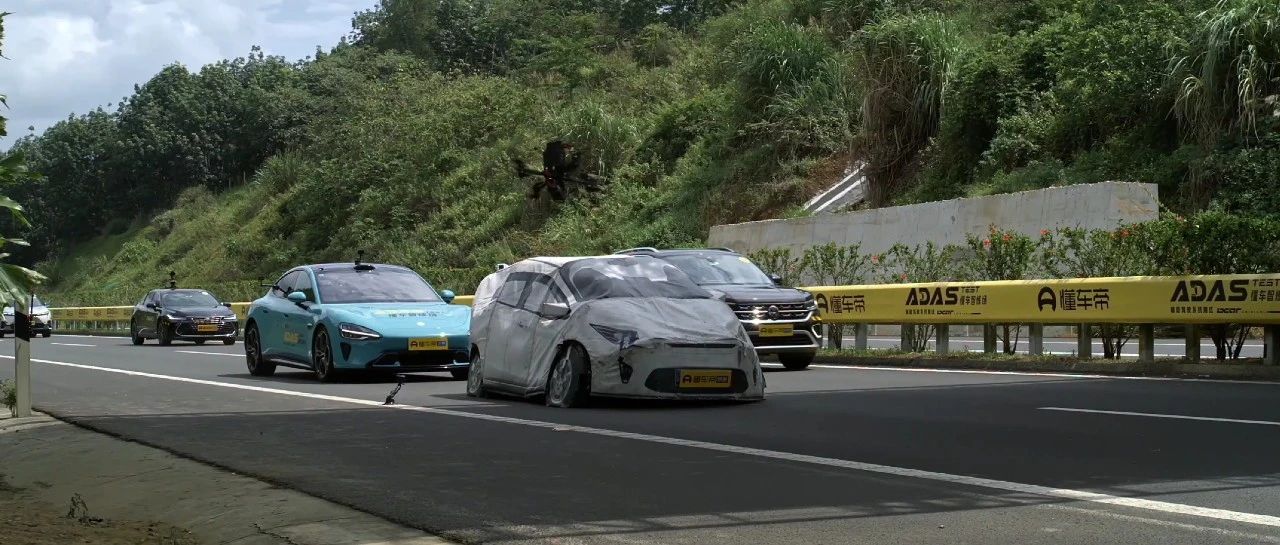
40款车平均通过率不足36%,争议测试背后的自动驾驶迷局
21世纪经济报道· 2025-07-28 14:57
Core Viewpoint - The recent driving assistance test conducted by Dongche Di revealed that the average pass rate for nearly 40 vehicle models from over 20 brands was only 35.74%, highlighting significant safety concerns in the industry [2][3]. Group 1: Test Results and Implications - The test included 15 accident scenarios, with specific challenges in both highway and urban settings, showing that only 47% of vehicles could safely navigate construction scenarios and 58% could stop effectively for children unexpectedly crossing the road [2]. - Tesla's Model X and Model 3 outperformed other brands, successfully passing 5 out of 6 highway scenarios and 8 out of 9 urban scenarios [2]. - The results have sparked renewed discussions among car manufacturers regarding the safety of driving assistance technologies, with some executives acknowledging common technical bottlenecks in extreme scenarios [5][6]. Group 2: Industry Reactions - Various car manufacturers have expressed differing opinions on the test results, with some emphasizing the need for improved capabilities in high-speed evasion and recognition of non-standard obstacles [5][6]. - Tesla's CEO Elon Musk highlighted the company's achievement in the absence of local training data, while other companies refrained from commenting on the test [5][6]. - The test has also drawn criticism from netizens, questioning the validity of the results, which Dongche Di has defended by clarifying the testing methodology [6][7]. Group 3: Technological Challenges and Solutions - The industry faces significant challenges in enhancing vehicle perception systems, particularly in recognizing non-standard obstacles and adapting to complex driving environments [10][11]. - Solutions proposed include the integration of laser radar to improve near-field perception and the enhancement of computational power to better handle dynamic road conditions [11][12]. - The need for multi-dimensional visual fusion perception is emphasized to address the limitations of current sensor technologies, which struggle under adverse weather conditions and complex scenarios [12][13].
汽车与汽车零部件行业周报、月报:智驾科技与反内卷共振-20250728
Guoyuan Securities· 2025-07-28 03:29
Investment Rating - The report maintains a "Recommended" investment rating for the automotive industry [7] Core Insights - The automotive industry is experiencing a gradual recovery in growth, with passenger vehicles continuing to show stable and rapid growth [2] - The report highlights the synergy between technological advancements and anti-involution reforms, driving the industry's development momentum [5] Summary by Sections Weekly Market Review (2025.07.19-07.25) - The automotive sector rose by 1.03% this week, with all related sub-sectors also increasing. The Shanghai and Shenzhen 300 index rose by 1.69% [13] - The commercial vehicle sector saw the highest increase at 4.22%, while individual stocks like Great Wall Motors and BYD also performed well [13][16] Data Tracking (2025.07.19-07.25) - From July 1-20, the national retail sales of passenger vehicles reached 978,000 units, a year-on-year increase of 11%, while wholesale sales were 960,000 units, up 22% year-on-year [21] - In the new energy vehicle segment, retail sales reached 537,000 units, a 23% increase year-on-year, with a penetration rate of 54.9% [21] Industry News (2025.07.19-07.25) - The Ministry of Industry and Information Technology proposed a new policy to ban the transfer of new cars to second-hand status within six months of registration to combat zero-kilometer second-hand cars [34][35] - Guangdong and Anhui provinces are implementing measures to promote fair competition in the automotive industry, including commitments from manufacturers to optimize payment processes for suppliers [42] Investment Recommendations - The report suggests focusing on technology-driven sectors such as artificial intelligence and autonomous driving, as well as opportunities in the anti-involution segment, particularly in dealership-related areas [5]




紧急删除“联合”字样!央妈撇清为懂车帝站台?
Ju Chao Zi Xun· 2025-07-27 04:04
Core Viewpoint - The recent collaboration between CCTV News and Dongche Di has faced significant backlash, leading to a public rift between a state-backed platform and a leading automotive review platform, raising questions about the integrity of the testing standards used in the evaluation of autonomous driving capabilities [2][3] Group 1: Testing Overview - The testing program, titled "Understanding Car Intelligence Testing Ground," was launched on July 23 and aimed to evaluate 36 mass-produced intelligent driving models from various brands including AITO, Xiaomi, Xpeng, NIO, BYD, Li Auto, Avita, and Tesla [2] - The tests included 6 highway scenarios and 9 urban scenarios, with an average pass rate of only 35.74% across the 15 testing scenarios, indicating that no model was able to pass all tests perfectly [2] Group 2: Industry Reactions - Following the release of the test results, there was a wave of criticism regarding the testing standards, with some automakers claiming that the tests were tailored for media attention rather than reflecting real-world usage [3] - A German luxury brand that ranked at the bottom of the test results issued a technical statement arguing that the testing scenarios were disconnected from actual user environments [3] - Professor Li Jun from Tsinghua University criticized the program for conflating "system capability boundaries" with "safety redundancy design," noting that some models triggered manual takeover during tests, which were compliant with ISO 26262 standards but were still deemed failures [3]
测评特斯拉后,国内智驾的天塌了!
自动驾驶之心· 2025-07-27 03:04
Core Viewpoint - The recent testing results of nearly 40 popular models' assisted driving functions by Dongche Di have highlighted Tesla's significant lead in both highway and urban scenarios, indicating that domestic smart driving technology has considerable room for improvement [2][4][10]. Testing Results Summary - The testing conducted by Dongche Di included 36 vehicles in highway accident scenarios and 26 vehicles in urban scenarios. Tesla's 2023 Model 3 and Model X ranked first and second, respectively, with only one failure each in specific tests [4][8]. - In highway scenarios, the Model 3 failed the "reckless crossing pig" test, while the Model X did not pass the "temporary construction" test. Other models like Blue Mountain, Xiaopeng G6, and Wenjie M9 had a pass rate of 3 out of 6 tests, with many models scoring as low as 1 out of 6 [4][6]. - In urban scenarios, the Model X achieved the highest score, passing 8 out of 9 tests, while models like Zhijie R7 and Avita 12 passed 7 out of 9 tests. Most tested vehicles still have significant room for improvement in their assisted driving capabilities [8][10]. Industry Reactions - The results have drawn attention from various automotive companies. For instance, Lantu's executive noted that the testing reflects common technical bottlenecks in the industry, particularly in high-speed avoidance and recognition of non-standard obstacles [10]. - Tesla's CEO Elon Musk shared the testing video, emphasizing that Tesla achieved high results without local training data due to legal restrictions on data export [10]. - Other companies, such as Hongmeng Zhixing and GAC Toyota, have commented on the importance of safety and the limitations of assisted driving technologies, reinforcing that these systems are meant to assist rather than replace driver responsibility [11][17].
“懂车帝智驾安全实测”引争议,多家车企回应
财联社· 2025-07-26 01:20
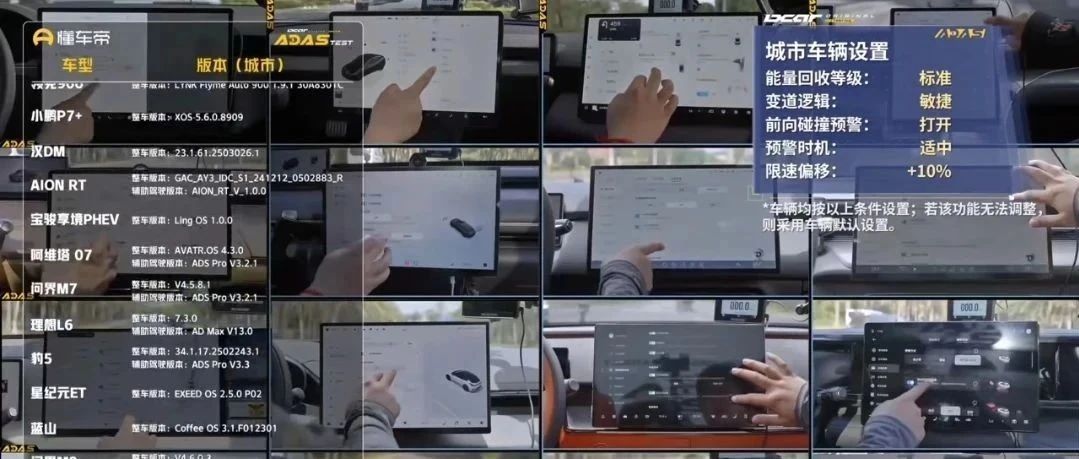
Core Viewpoint - The article discusses the recent auxiliary driving simulation tests conducted by the automotive information platform Dongche Di, highlighting the performance of various car brands and the implications for safety and technology in the industry [1][2]. Group 1: Test Results and Industry Response - The simulation tests involved 15 scenarios using nearly 40 models from over 20 brands, revealing that only 47% of vehicles could safely navigate a construction site at night, and 58% could effectively stop for a child unexpectedly crossing the road [1]. - Tesla achieved the best results in the tests, with 15 out of 36 vehicles receiving a "0 pass" rating in the high-speed accident scenario simulation [2]. - Industry leaders, including Lantu and AITO, expressed concerns about the testing methods and the need for improved technology in recognizing non-standard obstacles [3][4]. Group 2: Safety and Regulatory Considerations - The article emphasizes that L2 level auxiliary driving is not equivalent to autonomous driving, and drivers remain the primary safety responsibility [1][5]. - The head of the Traffic Management Bureau highlighted that all current "smart driving" systems in the market are still in the auxiliary driving phase, requiring human control [5][6]. - There are calls for stricter industry standards, including mandatory "failure backup capabilities" and a focus on the "worst-case scenario pass rate" to enhance safety measures [4].
X @𝘁𝗮𝗿𝗲𝘀𝗸𝘆
𝘁𝗮𝗿𝗲𝘀𝗸𝘆· 2025-07-25 15:36
Industry Sentiment & Brand Support - Domestic brands like Huawei/AITO and Xiaomi should receive unwavering support in autonomous driving accident scenarios [1][2] - Tesla's Autopilot/FSD should face strong criticism and scrutiny in similar situations [2] - This approach aims to uphold the dignity of domestic brands and potentially undermine the efforts of paid influencers [2] Autonomous Driving & Consumer Behavior - The core issue revolves around individual consumer choices regarding autonomous driving systems [3] - Consumers should be aware of and responsible for their decisions to purchase and use autonomous driving features, even those with potentially flawed performance [3]
特斯拉迎来中国对手,国产汽车集体“换道超车”
Nan Fang Du Shi Bao· 2025-07-25 13:42
Core Insights - The Chinese electric vehicle (EV) market is witnessing a significant shift, with domestic brands like Xiaomi and BYD gaining traction against Tesla, which is experiencing a decline in sales and market share [2][3][4] - The rise of domestic brands is attributed to increased consumer trust in local products, innovative features, and a focus on practical functionality over brand prestige [1][5][6] Group 1: Tesla's Decline - Tesla reported a revenue of $22.496 billion for Q2 2025, a 12% year-on-year decline, marking its largest quarterly drop since 2012 [2] - The number of new vehicle deliveries fell to 384,122 units, a decrease of approximately 13.5% compared to the same period last year, also the largest drop in history [2] - Tesla's stock price dropped over 8% following the earnings report, contributing to a cumulative decline of more than 20% for the year [2] Group 2: Rise of Domestic Brands - Xiaomi's YU7 SUV received 240,000 orders within 18 hours of its launch, indicating strong consumer interest and demand [4][5] - BYD's sales in Europe surpassed Tesla's for the first time in April, highlighting the competitive pressure on Tesla from Chinese manufacturers [2][3] - The market share of Chinese brands has increased from approximately 35% in June 2020 to 70% by October 2022, reflecting a significant shift in consumer preference [6][10] Group 3: Market Dynamics - The Chinese automotive market is evolving towards more personalized, diverse, and scenario-based consumer demands, making it challenging for any single brand to dominate [8][9] - Domestic brands are leveraging advanced technology, such as 800V high-voltage platforms for fast charging and superior range capabilities, to enhance their competitive edge [7][10] - The supply chain development in China has accelerated, enabling local manufacturers to innovate rapidly and meet consumer needs effectively [10][12] Group 4: Competitive Landscape - The competitive landscape is characterized by a collective response from domestic brands to Tesla's new model launches, indicating a shift in market dynamics [4][6] - Companies like Xiaomi are focusing on unique consumer experiences, such as the "zero-gravity" seating in the YU7, to differentiate themselves in the market [7] - The automotive supply chain in China is undergoing a transformation, with a focus on local production capabilities and innovation, positioning Chinese brands as leaders in the global EV market [10][11]
