
南方电网

Search documents
五大领域AI落地实践,他们这么说
Tai Mei Ti A P P· 2025-09-30 13:25
Group 1 - The 2025 ITValue Summit focused on the theme "The Truth of AI Scene Implementation," addressing ten core issues in AI application for enterprises, including strategy, reliability, data challenges, scenario selection, model selection, industry implementation, knowledge base construction, security compliance, human-machine collaboration, and talent bottlenecks [1] - During the summit, five closed-door meetings were held covering various topics and industries, allowing participants to discuss specific industry challenges in depth [1] Group 2 - Many small and medium-sized manufacturing enterprises face challenges in digital transformation, with 90% of their data remaining "asleep" due to a lack of unified data and business process standards [2][3] - The digitalization of supply chains is evolving from merely moving procurement online to achieving end-to-end collaboration and optimization through data integration [2] Group 3 - Companies like Shenzhen Genesis Machinery are integrating AI large model technology to break down data silos and enhance data sharing and value release [3] - The lack of standardization in business and data processes is a fundamental issue, particularly in non-standard manufacturing, where unique project characteristics complicate data integration [3] Group 4 - AI and data technologies are increasingly being applied to enhance supply chain transparency, responsiveness, and risk management [5] - Companies are utilizing AI to analyze historical sales and inventory data to predict risks, such as chip price increases, allowing proactive inventory management [6] Group 5 - The manufacturing sector's AI application differs significantly from the internet industry, focusing on "small data" and "scenario closure" rather than large models [6][7] - The core of successful digital transformation in manufacturing lies in standardization, followed by system implementation, data collection, and AI modeling [4] Group 6 - The financial sector is exploring AI infrastructure to address industry pain points, with companies like JD Cloud leveraging their diverse data advantages to enhance AI model training and application [10] - The successful application of AI in enterprises hinges on data quality, identifying suitable business scenarios, and establishing a supportive organizational structure [11][12] Group 7 - The retail industry is undergoing significant changes, with CIOs emphasizing the need to adapt to evolving consumer behaviors and market trends [19][20] - Successful retail operations require a focus on creating value for consumers and leveraging technology to enhance customer engagement [21] Group 8 - The hospitality and airline industries are integrating AI into their operations, with companies like East China Airlines deploying AI applications to improve efficiency and customer service [22][24] - The transition to AI-driven solutions in these sectors involves overcoming initial high costs and ensuring leadership commitment to AI initiatives [23][24] Group 9 - The CIOxCFO closed-door meetings highlighted the importance of collaboration between IT and finance leaders in driving AI implementation [25][26] - Key factors for successful AI application in enterprises include high-quality data accumulation, focusing on high-value business scenarios, and continuous operational improvement [27][30]
国企新赛道加速!国资委主任再强调发力“第二曲线”,经营拐点显现积极态势
Hua Xia Shi Bao· 2025-09-30 11:41
Core Insights - The operating conditions of state-owned enterprises (SOEs) in China have shown continuous improvement in the first eight months of this year, with total operating revenue turning positive year-on-year and a narrowing decline in total profits, indicating significant positive signals for the state-owned economy [2][8] - The emphasis on the "second curve" by the State-owned Assets Supervision and Administration Commission (SASAC) aims to encourage SOEs to seek new growth engines beyond traditional paths, ensuring the sustainability and competitiveness of state capital while achieving national strategic goals [2][4][7] Economic Performance - From January to August, SOEs achieved total operating revenue of 53.96 trillion yuan, a year-on-year increase of 0.2%, marking the first positive growth rate of the year [8] - The total profit for the same period was 2.79 trillion yuan, reflecting a year-on-year decline of 2.7%, but the decline has narrowed compared to previous periods [8] - Tax payments amounted to 3.90 trillion yuan, showing a slight year-on-year decrease of 0.3% [8] Strategic Focus - SASAC's focus on the "second curve" is a response to the need for SOEs to transition from traditional growth models to innovative and sustainable development strategies [4][7] - The "second curve" concept, introduced by British management scholar Charles Handy, emphasizes the necessity for companies to innovate and develop new business lines before reaching the peak of their first growth curve [3] Sectoral Developments - SOEs are actively engaging in new industries such as green economy, digital technology, and future industries to navigate global economic slowdowns and domestic challenges [4][6] - Specific examples include Southern Power Grid's initiatives to enhance energy security and digitalization, and China Southern Airlines' focus on expanding cargo operations and intelligent transformation [5][6] Regional Disparities - There is a notable divergence in performance among SOEs, with central enterprises showing robust growth in strategic emerging industries, while some local enterprises, particularly in resource-dependent provinces, face significant challenges [9] - For instance, the total profit of state-owned enterprises in Shanxi province saw a year-on-year decline exceeding 30% from January to May [9] Innovation and Upgrading - The need for innovation is underscored as essential for enhancing product value and market competitiveness, as well as for achieving sustainable development [10] - SOEs are encouraged to strengthen core technology development and optimize resource allocation to maintain systemic risk management [9]


中国提出全经济减排目标|ESG热搜榜
2 1 Shi Ji Jing Ji Bao Dao· 2025-09-30 07:38
Group 1 - China announced a new round of national contributions aiming for a 7%-10% reduction in greenhouse gas emissions by 2035, with non-fossil energy consumption exceeding 30% of total energy consumption [1] - The total installed capacity of wind and solar power is targeted to reach over 360 million kilowatts, six times that of 2020 [1] - The national carbon trading market will cover major high-emission industries, contributing to the establishment of a climate-adaptive society [1] Group 2 - Guilin's non-fossil energy installed capacity reached 6.38 million kilowatts, accounting for 87.7% of the total, supporting the near-zero carbon demonstration zone in the Li River core scenic area [2] - The Southern Power Grid has established a carbon monitoring platform and a zero-carbon virtual power plant, providing digital carbon bills to 14,000 users [2] - The "electricity + cultural tourism" model has become a world-class zero-carbon example, with 1,200 bamboo rafts converting from oil to electricity, reducing carbon emissions by 2,493 tons annually [2] Group 3 - The 2025 Huaxia ESG Management System Conference emphasized the importance of ESG in achieving China's dual carbon goals and enhancing corporate governance [5] - There is a need for improved legislation in the ESG field to ensure the effective implementation of ESG principles [5] Group 4 - The 10th Comprehensive Coal Control Conference highlighted that China has reduced scattered coal by approximately 600 million tons over the past decade, with clean heating rates in northern regions rising from below 30% to over 80% [10] - Challenges remain in scattered coal governance in northwest and northeast regions, and there is a need for a sustainable mechanism to support rural energy transformation [10] Group 5 - China’s average temperature in September was 18.2°C, 1.0°C higher than the historical average, marking the fourth highest since 1961 [8] - The average precipitation was 80.1 mm, 32.4% above the historical average, indicating significant weather changes [8] Group 6 - China’s carbon finance and tokenization ecosystem is being developed through a strategic partnership between Zhonghuan New Energy and Ant Group, focusing on renewable asset tokenization and carbon asset services [14] - The collaboration aims to enhance liquidity and reduce financing costs for green assets, while also attracting global ESG investments [14]
2025年度品牌无形资产增长(首批)30强发布
Sou Hu Wang· 2025-09-30 07:19
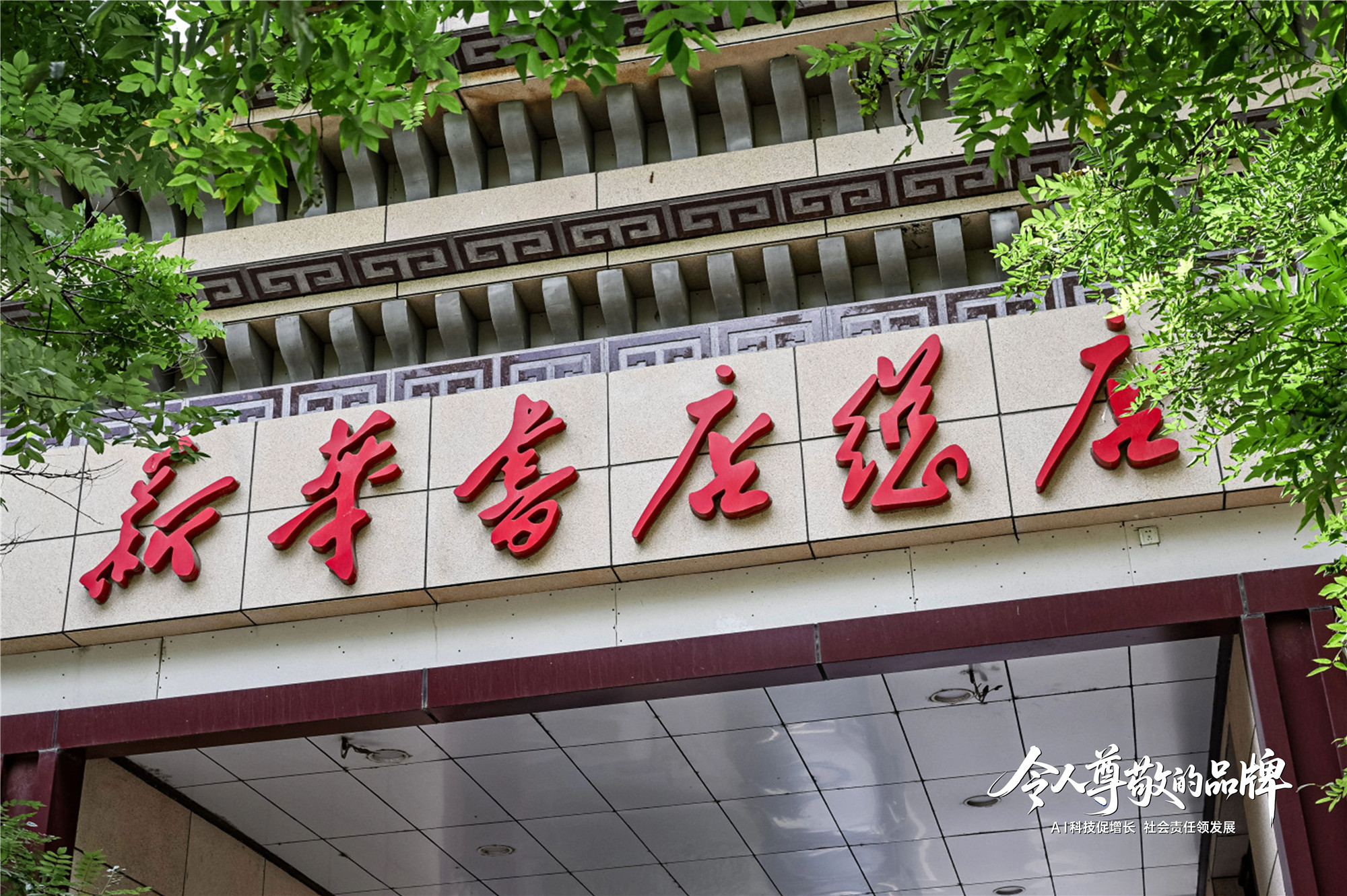
9月29日,由CCTV-1《大国品牌养成记》("简称《大国品牌》")联合全球知名增长战略咨询公司沙利文· 头豹研究院和中国人民大学新闻学院共同主办的"2025令人尊敬的品牌发布仪式",在北京新华书店总店 举行。 当前,全球政经格局发生深刻变革,中国经济亦进入以高质量发展为代表的新阶段。品牌建设已成为推 动中国制造向中国创造转变、中国速度向中国质量转变、中国产品向中国品牌转变的关键力量。 本次活动即围绕新时代中国企业品牌化发展,以"声誉力与长期价值共生"为主题,现场发布了"2025年 中国令人尊敬的品牌"无形资产及声誉活跃30强榜单。中国石化、中国中车、三一集团、宝武钢铁、保 利集团、南方电网、双良集团、海澜集团、娃哈哈、纳爱斯集团、华熙生物等知名品牌入选。 据主办方介绍,本次评选基于严谨的评估模型,从市场与财务表现、品牌影响与声誉资产、创新与全球 竞争力、社会责任与可持续四大维度,对参选品牌进行了系统性评估。首批入选的30家中国企业来自高 端制造、能源交通、人工智能、生物科技、日用消费等多个领域。它们不仅在经济指标上表现突出,更 在技术原创、绿色发展、雇主品牌、国际影响力等方面树立了行业标杆。其发展实践充分证 ...
从共识转向价值深耕,AI推动数字化转型新范式
Tai Mei Ti A P P· 2025-09-30 02:25
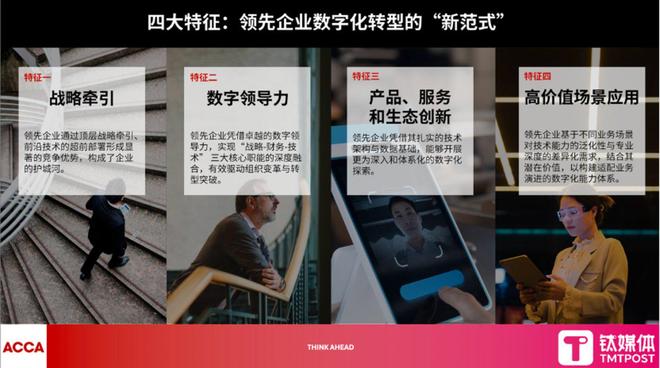
9月12日至13日,2025 ITValue Summit数字价值年会在三亚如期举行。本届大会以「AI场景落地真相」 为主题,聚焦企业应用AI过程中的「十大核心问题」,系统性拆解AI战略、可靠性、数据困境、场景 选择、模型选型、行业落地、知识库构建、安全合规、人机协作与人才瓶颈等现实难题,力图为企业找 到可落地、可借鉴的解法。 13日下午,连续在大会期间举办了两年的CIOxCFO闭门会上,推动企业AI落地的两类关键角色——CIO 们和CFO们围绕当前AI技术在企业中的应用展开了深度交流。 会上,由钛媒体研究院和ACCA共同出品的《数字化转型新范式》(下称《报告》)正式发布,这是该 报告连续第四年推出,从过去三年《数字化转型新思》到如今《数字化转型新范式》,报告名称的变化 也展现了当前转型进程的变化。此外,今年报告的重要内容是在调研中总结了四大特征,并以对应案例 进行了详细拆解。 此外,现场CFO和CIO们也在积极对话,探讨不同视角下的AI落地共识。 南方电网邱国峰博士以审计数字化转型为主题,对审计的现状与未来,以及构建智能审计生态进行了分 享。 绿城中国数字化建设中心总经理补声东也以企业AI大模型落地实践为主 ...
华为全联接大会 2025 (HC2025)举行
Huan Qiu Wang· 2025-09-30 01:37
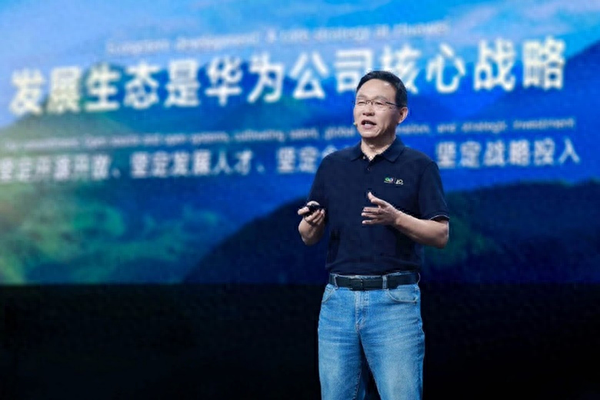
Core Insights - The Huawei Connect 2025 conference focused on "Elevating Industry Intelligence," showcasing the role of openEuler in breaking industry barriers and promoting deep integration of resources through open collaboration [1][9] - openEuler has empowered numerous enterprise applications over six years, contributing to the global open-source ecosystem and establishing a new paradigm for open-source development in China [1][9] Group 1: Technological Innovations - The Lingqu Interconnect Bus technology has achieved breakthroughs in resource pooling and elastic supply, enhancing the core capabilities of openEuler [1] - openEuler enables unified management of device pooling, allowing flexible resource matching and high performance in super-node systems, thus driving efficiency in computing scenarios [3] Group 2: Energy Efficiency and Sustainability - The South China Power Grid's new server series, based on the Kunpeng processor and openEuler, reduces overall power consumption by approximately 13-15% under the same computing power, potentially saving 15 million kWh annually across a thousand servers [5] - The collaboration between Kunpeng and openEuler aims to optimize computing costs and promote green computing, aligning with national carbon reduction strategies [5] Group 3: Ecosystem Development - openEuler has rapidly developed an ecosystem with 25 vendors, including Kirin and Tongxin, launching commercial distributions widely used in critical sectors like finance, energy, and manufacturing [7] - The conference featured a showcase of advanced technologies, including a flexible manufacturing line integrating various platforms and systems, enhancing production efficiency and adaptability to market demands [7] Group 4: Future Prospects - The journey of openEuler continues beyond the conference, with a commitment to driving industry innovation through open-source collaboration and technological advancements [9]
“天路”绿电将闪供佛山 3年建成新型电力千亿产业集群
Nan Fang Du Shi Bao· 2025-09-29 23:19
Core Insights - Foshan is accelerating the construction of a modern industrial system, focusing on the development of a new type of power system equipment industry as a strategic pivot for its transformation from a traditional manufacturing city to an emerging industrial powerhouse [4][5][6]. Industrial Transformation - Foshan's industrial transformation is driven by the urgent need to find new strategic industrial pillars as traditional growth models face bottlenecks. The city aims to establish a modern industrial system rather than making minor adjustments [5][6]. - The new power system equipment industry is identified as the leading strategic emerging industry, marking a significant shift from being a major "energy consumer" to becoming a "provider" and "leader" in future energy systems [6][7]. Strategic Initiatives - The launch of the Cangyue DC project, the world's most advanced flexible DC transmission project, is a key event that integrates Foshan into the national energy strategy, providing 100% clean energy from Tibet and creating a significant application scenario for local new power system equipment industries [6][7]. - Foshan has set a goal to build a trillion-yuan industrial cluster for new power system equipment within three years, supported by a systematic top-level design and differentiated regional layouts [8][11]. Investment and Financial Support - Foshan has introduced 30 new projects in the new power system equipment industry with a total signed investment exceeding 25.8 billion yuan from January to August 2025, attracting major state-owned enterprises and industry leaders [11][12]. - The Foshan New Momentum Industry Fund, with a planned total scale of 120 billion yuan, aims to inject financial resources into the new power equipment industry, focusing on various high-tech sectors [12][13]. Talent and Innovation - Foshan is building a "technology + scenario" closed-loop advantage, leveraging its vast industrial base and application scenarios to validate and iterate new technologies rapidly [14][15]. - The city has established a talent policy system to attract skilled professionals, with over 2.48 million total talents, including more than 7,600 PhDs, ensuring a robust talent pool for the industry [15]. Collaborative Ecosystem - Foshan's new power system equipment industry is supported by a strong foundation of existing enterprises, with over 4,000 companies in the power equipment sector, positioning it as a major manufacturing base for medium-voltage switchgear [16][17]. - The city is actively engaging with central enterprises and industry leaders to foster collaboration and enhance its industrial ecosystem, transitioning from a "single champion" model to a "cluster army" approach [18][19].

华为鲲鹏:以自主创新筑牢中国算力底座,支撑能源电力等行业数智转型
中国能源报· 2025-09-29 10:14
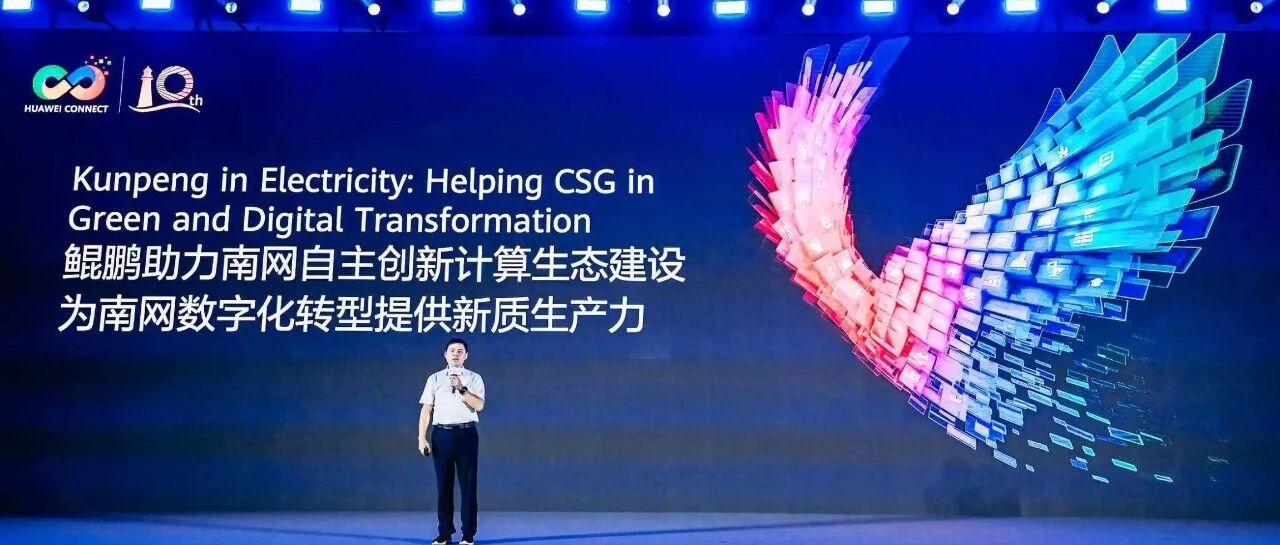
Core Insights - Huawei's Kunpeng computing platform has achieved significant milestones, including over 12.6 million deployments of the openEuler operating system and 4.8 million downloads of the openGauss database, showcasing its robust ecosystem built on hardware, software, and industry applications [1][3]. Group 1: Industry Innovation and Collaboration - The Kunpeng platform has partnered with over 7,000 collaborators to incubate more than 20,000 solutions, emphasizing its commitment to innovation and collaboration within the computing industry [1]. - The recent launch of the TaiShan 950 SuperPoD marks a significant advancement in computing technology, positioning Kunpeng as a leader in the industry and supporting the digital transformation across various sectors [11][12]. Group 2: Application in Key Industries - Kunpeng's computing capabilities are increasingly recognized in critical sectors such as energy, finance, and manufacturing, with a focus on enhancing digital and intelligent upgrades [3][5]. - The South China Electric Power Company highlighted the effectiveness of Kunpeng in their digital transformation, achieving a 20% improvement in processing performance and a 15% reduction in processor consumption through its implementation [8][9]. Group 3: Open Source Strategy - Huawei continues to deepen its open-source strategy, with comprehensive support for the Lingqu interconnect and various software solutions, including openEuler and openGauss, aimed at maximizing the performance of Kunpeng hardware [12][13]. - The introduction of new tools and frameworks, such as the Kunpeng BoostKit and high-performance computing programming frameworks, is designed to enhance developer efficiency and leverage Kunpeng's computational power [12]. Group 4: Future Outlook - The collaborative goal of driving digital transformation across industries remains a priority for Kunpeng and its partners, with plans to develop a digital intelligence ecosystem in the energy sector [13]. - The vision includes creating a comprehensive energy digital foundation and enhancing the synergy between edge and central computing to support the intelligent upgrade of power systems [13].
《环球ESG观察》(第七期): 政策技术双轮驱动,ESG实践迈向新阶段
Huan Qiu Shi Bao· 2025-09-29 05:01
Group 1: Domestic Developments - The "Cultural Enrichment of Villages" work plan (2025-2027) has been jointly issued by seven departments, focusing on creating popular artistic works for farmers and supporting their cultural activities [2] - The first international standard in the carbon capture field, ISO 27927:2025, has been officially released, providing a unified technical guideline for CO2 capture materials and processes [3] - As of August 2025, the total number of electric vehicle charging facilities in China has reached 17.348 million, marking a year-on-year increase of 53.5% [4] Group 2: Corporate Practices and Innovations - Mengniu has shared its leading experience in the Taskforce on Nature-related Financial Disclosures (TNFD), becoming the first domestic company to publish a nature-related financial report [6] - Vipshop held its second ESG DAY event themed "Creating a Sustainable World," focusing on sustainability values and achieving zero plastic and waste during the event [7] - COSCO Shipping and China Classification Society showcased their latest technologies and practices in green and sustainable development during the London Shipping Week [9]
高澜股份20250926
2025-09-28 14:57
Summary of Gaolan Co., Ltd. Conference Call Company Overview - **Company**: Gaolan Co., Ltd. (高澜股份) - **Industry**: Thermal management and cooling solutions, particularly in high voltage and data center applications - **Market Position**: Leading player in ultra-high voltage pure water cooling with approximately 70% market share [8][20] Key Points and Arguments Business Performance - **Order Growth**: Orders increased from less than 600 million CNY on June 30, 2024, to nearly 1.139 billion CNY by June 30, 2025, representing a doubling in growth [9][22] - **Revenue Forecast**: Expected revenue from data center business to exceed 300 million CNY in 2024, a 50% year-on-year increase [3][10] - **Main Business Recovery**: The main business has shown signs of stabilization and recovery, with a positive outlook for 2026 due to a strong order backlog [5][11] Industry Dynamics - **Market Trends**: The upgrade from GB200 to GB300 standards is anticipated to significantly enhance liquid cooling penetration and improve pricing and volume [2][6] - **Electricity Demand**: Continuous growth in domestic electricity demand, with significant investments planned by State Grid and Southern Grid, expected to benefit Gaolan [5][19] - **Data Center Growth**: The data center liquid cooling segment is essential for temperature control, expected to grow alongside the rapid expansion of data centers and AI servers [10][24] Technological and Competitive Advantages - **Technical Expertise**: Gaolan has over 20 years of experience in thermal management, with advanced technology recognized both domestically and internationally [8][13] - **Product Range**: The company offers high-power electronic thermal management products and high-power density device thermal management products, catering to various sectors including data centers and energy storage [14][27] - **Patents and Standards**: Involvement in drafting numerous national and industry standards, holding over 300 patents, which strengthens its competitive position [13] International Expansion - **Overseas Market Entry**: Established a wholly-owned subsidiary in the U.S. to prepare for future overseas opportunities, although significant breakthroughs are still pending [7][20] - **International Orders**: Secured a 500 million CNY order in Saudi Arabia, with potential for further contracts in emerging markets [20] Future Outlook - **Growth Potential**: The company is positioned as a key player in AI computing, with potential for significant growth in the high-speed data center market [11][29] - **Investment Recommendation**: Analysts recommend focusing on Gaolan due to its recovery in main business and potential for growth, suggesting it is a good time for investors to pay attention [30] Additional Important Information - **Client Base**: Gaolan's clients include major players like State Grid, Southern Grid, CATL, ByteDance, Alibaba, and Tencent, indicating a strong market presence [9][10] - **Financial Performance**: Despite a revenue decline in 2023 due to the divestment of a subsidiary, a recovery is expected in 2025 with a projected profit turnaround [17][30] - **Liquid Cooling Technology**: The company is involved in various liquid cooling technologies, including cold plate and immersion cooling, with a focus on meeting the increasing demands of data centers [26][24]
